![[이영훈의 역사비평] 다시 찾는 우리 역사의 주류](https://i.ytimg.com/vi/OAS_jkGFcgg/maxresdefault.jpg)


















![[에듀마켓] [공무원 사회] 2015 한큐에 끝내는 Q사회 테마63선 1강](https://i.ytimg.com/vi/mTTPXzMFys0/maxresdefault.jpg)



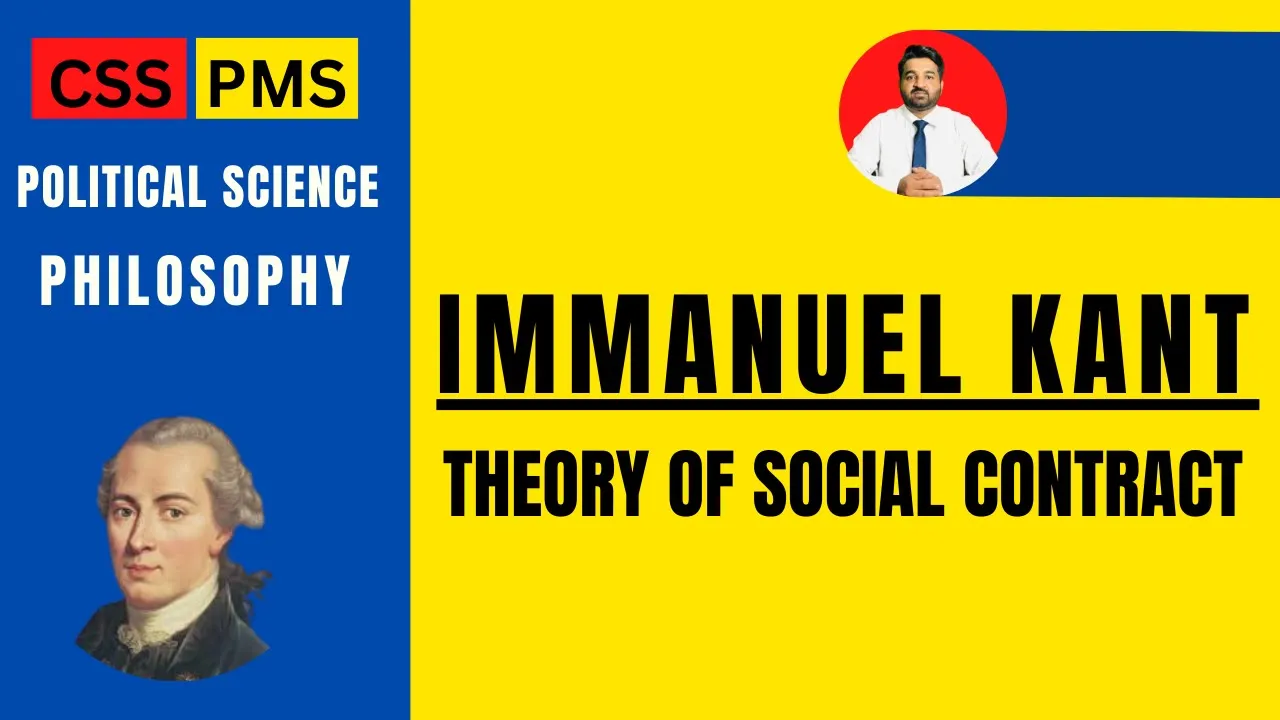
John Locke's concept of the 'state of nature'—a hypothetical condition without laws, governments, or property—was not merely an abstract philosophical exercise but served as a colonialist framework that justified European exploitation of indigenous peoples by interpreting their different cultural practices as evidence of absence rather than alternative forms of social organization, thereby enabling land seizure, genocide, and systemic oppression under the guise of civilizing mission.
John Locke's State of Nature and the Colonial Legacy in America
Added:John Locke's Labor Theory of Property: The foundational belief that ownership is established when an individual 'mixes their labor' with uncultivated land.
The Social Contract and the State of Nature: Locke's philosophical framework describing human life before organized government and why people agree to form a civil state.
The Historical Context of 17th-Century Colonization: A basic understanding of European expansion in the Americas and the clash of cultures regarding resource use.
Contrasting Concepts of Land: The difference between European notions of individual, fenced land ownership and Indigenous concepts of collective stewardship and usage.
Settler Colonialism as a Structure: The study of how colonial institutions persist in modern legal, political, and economic systems rather than remaining in the past.
The 'Land Back' and Indigenous Sovereignty Movements: Examining current political and legal efforts by Native communities to reclaim ancestral lands and self-governance.
Modern Property Law and Capitalist Expansion: How Lockean views on productivity continue to shape contemporary international law, eminent domain, and environmental exploitation.
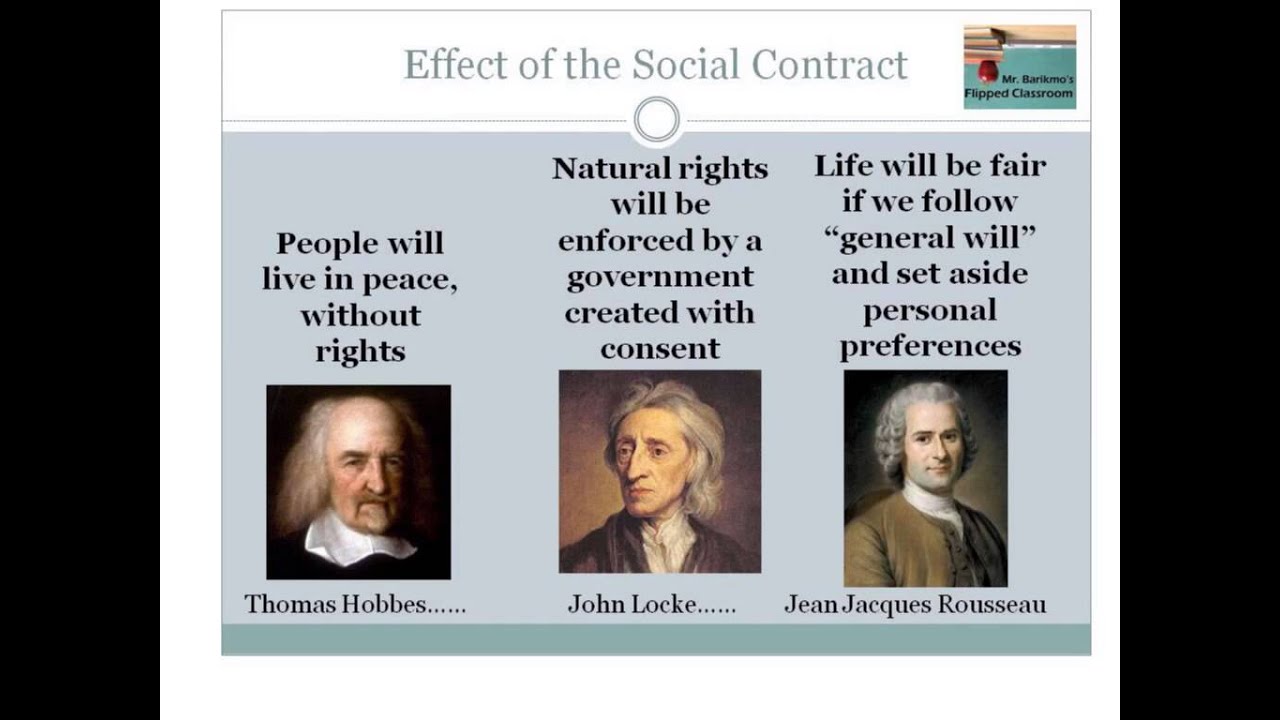
Comparative Social Contract Theory: Analyzing how other philosophers, such as Thomas Hobbes and Jean-Jacques Rousseau, conceptualized the state of nature and human rights in relation to non-European societies.
119.9K views5.3Klikes9:28Original Release: 2017-06-30
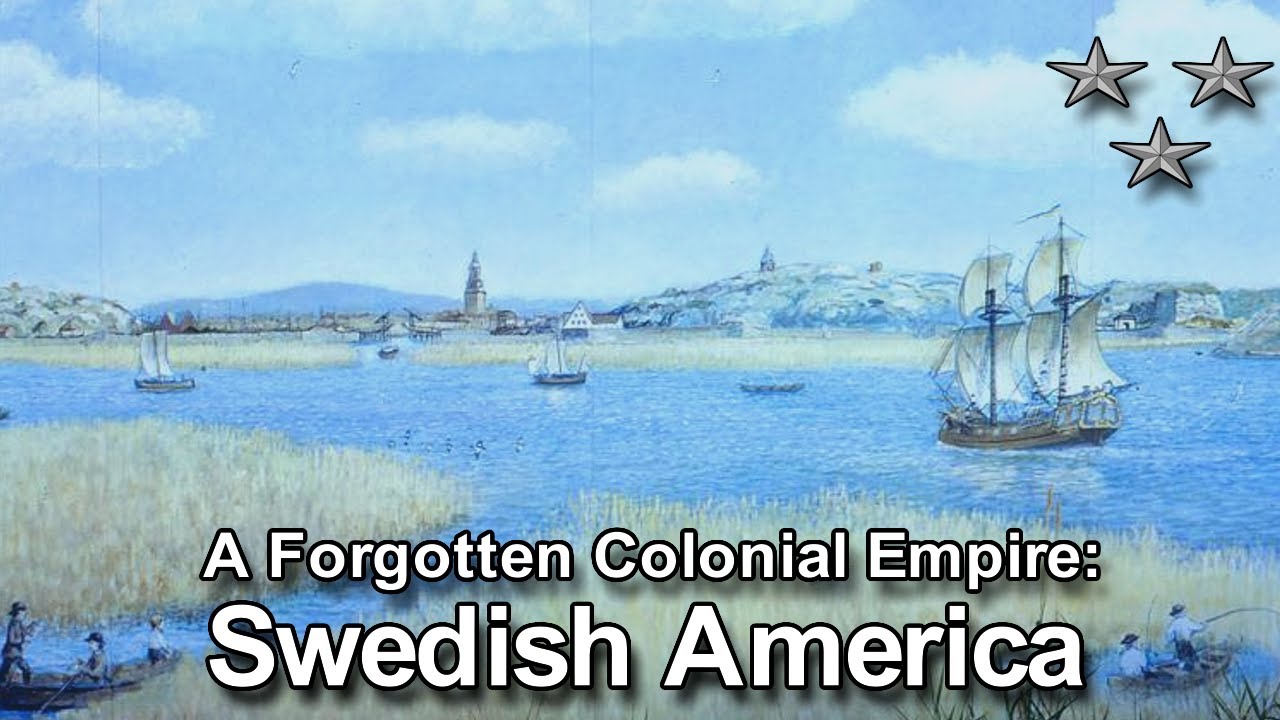
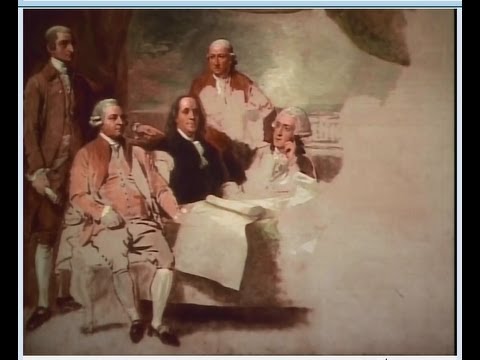
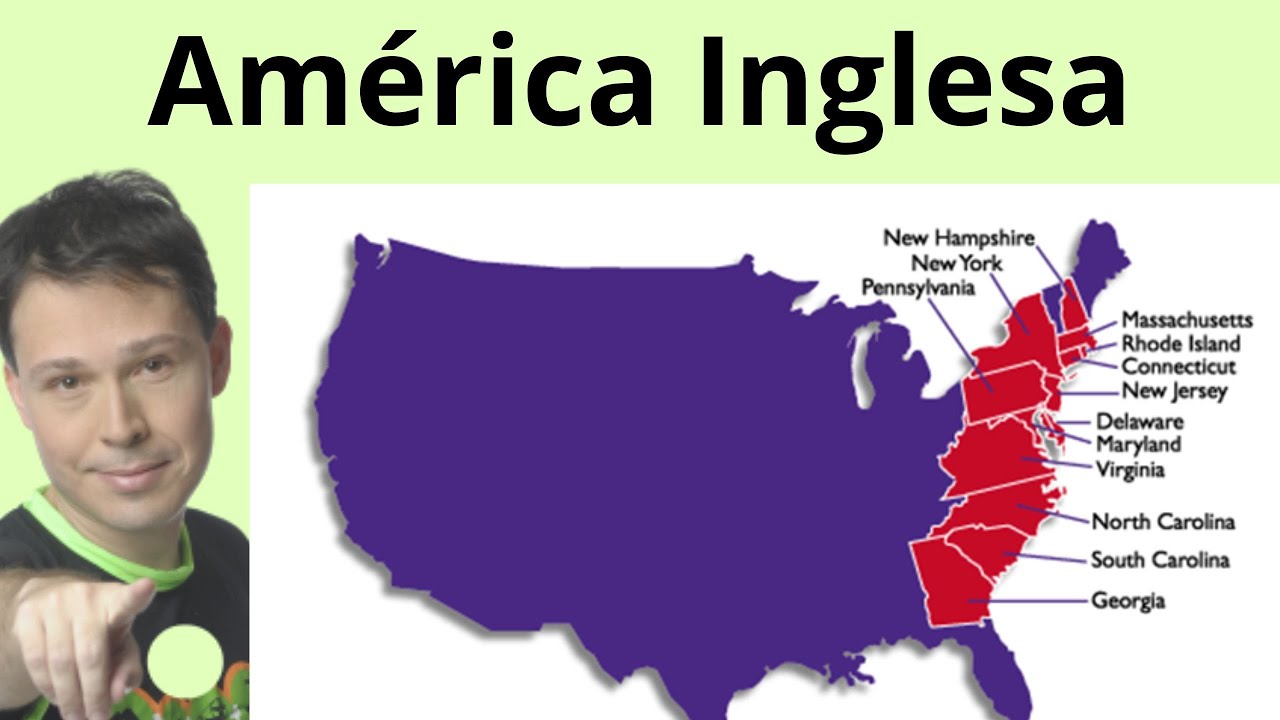
if you read any of the classics of Enlightenment political philosophy thinkers like John Loch Thomas Hobbs and Jean jaac rouso you'll come across the idea of the state of nature a hypothetical time way back in human history when humans had no laws no governments no rules no property no social contracts no social organizations of any kind Hobbs famously said that in the state of nature there was a war of every man against every man and life was solitary poor nasty brutish and short the purpose of thinking about the state of nature is to explore questions like how do we get governments where do ideas of laws and property and economy come from how do people agree on rules to live by even though no such State actually ever existed because we know early humans were social animals it's still a useful thought experiment to help philosophers think about societ and power but this is philosophy tube and if you want that basic level you can go back to Wikipedia so strap yourself in cuz we're about to get interdisciplinary up in here in their book How The West came to rule historians Alexander anivas and Kem Nissan cogulu say that the idea that humans advance from a state of nature to a more developed stage was extremely convenient to Enlightenment thinkers because of this America the new world the land and resources of the new world presented enormous Economic Opportunity to Western European countries between the 15th and 19th centuries in particular England and Holland got very wealthy from the colonies and used that wealth to become what they are today there was just one problem there were already people living there the indigenous peoples of the Americas had different ways of doing things different cultures different laws different ideas about government and property for instance some tribes were nomadic rather than stay in one place and farm they moved around and hunted but rather than see that as a different relationship to the land Europeans interpreted that as they're not using it difference was interpreted as absence a blank canvas a state of nature European colonizers were so convinced that their culture was rational and universally grounded that when confronted by different cultures they saw them as simple primitive and justifiably exploitable and that exploitation took the form of genocide Mass executions torture displacement gendered forced labor According to which men were enslaved and women were made to be Maids or wives denied access to land and water that they had previously been free to use and the Banning of indigenous forms of language culture art science on charge of devil worship and Witchcraft and on pain of death and the money rolled in and while all this was going on philosophers like John Loch were saying that indigenous Americans had no property and had no government and lived in the state of nature he explicitly defines land that isn't being activated cultivated as vacant when actually as we just saw the land was being used and lived on just in a different way lock says that indigenous Americans had no government because they didn't have centralized Authority or representative democracy when actually to name just one example the First Nation McMac people of Canada had a political structure called the awit katavic which dates from the 10th Century but nope according to John lock that doesn't count as a government difference interpreted as absence the philosopher Adam fuson was a big fan of the idea of human progress the idea that Society doesn't just change over time but actually gets better and that European Western models of society were the best and the most advanced because they didn't go to war as much and didn't oppress women which is kind of ironic given the gendered forced labor that we just talked about and also kind of ironic given that war with the Ottoman Empire was partially what fueled Western European expansionism into the Atlantic in the first place but again difference interpreted his absence as something lacking and conveniently lock himself benefited financially from all of this he was secretary to Lord Shaftsbury who was himself secretary to the Lord Proprietors of Carolina Secretary to the Council of trade and plantations a member of the Board of Trade an investor in the Royal Africa company which Britain used to buy slaves from West Africa an investor in the company of merchant adventurers to trade with the baham and lo owned land in Carolina where indigenous people were enslaved for the profit of white Europeans like him so philosophers like Lo who were talking about the state of nature weren't just pulling it out of their asses they were drawing on contemporary legal and political realities and particular interpretations of those realities that they stood to profit from a lot of contemporary legal cases used similar arguments to lock for instance in Mohan Indians V Connecticut the defense for the colonial government of Connecticut said that only sedentary agriculture counted as using the land that made it property I.E that nomadic hunting practices did not count in his article rediscovering America the philosopher James Tully writes that defining property and government in eurocentric ways allowed colonialist powers to imagine that there was no property and there was no government in America it was a blank canvas a state of nature that they could move into use as they saw fit without asking the state of nature was never just a hypothetical idea that never left the universities it was sanitized intellectual racism that colonialist Europeans were only too happy to pick up and run with and these ideas had a big impact after lock as well his book two treatises of government was cited in or influenced numerous 19th and 18th century legal cases over indigenous land espe especially that so-called agricultural argument whole new ideas of sovereignty and statehood were developed just to justify murder and theft ultimately the English government decided that sovereignty was to be determined by effective occupation I.E that whoever could control resources through military might was their rightful owner an idea that still persists today in international law as late as 1989 the appeals court of Ontario was not accepting testimony from the oral tradition of the T aama and nishai people in considering an appeal over Ontario's destruction of ancient forests on their land the court would only look at written documents an obvious hamper to societies that use a lot of oral tradition difference interpreted as absence there's been a persistent assumption on the part of successive Canadian governments that first nation ownership of land is something that the First Nations have to prove that unless they can prove otherwise the land belongs to Canada and they can sell it to developers rather than assume that they probably know which lands are theirs because they've been living on them for thousands of years that comes from the old state of nature idea According to which nobody owns the land and it's okay to move in and take it unless anybody can prove that it belongs to them as we've seen the standards of proof required are heavily weighted in favor of European societies First Nation Canadians are still fighting for their land and their lives against Poli iCal and legal systems that are stacked against them because they've inherited that bad philosophy anivas and nisanu write in this context the associated state of nature discourse was not an empirical observation or an innocent thought experiment it was rather a colonialist construct born out of the culture wars waged and ultimately won in the name of colonial exploitation the concomittant exclusion of indigenous people from the social contract and the perceived inability of quote backward countries to govern has in turn been Central to legitimizing external rule over them a practice that continues to this day it's because this bad philosophy is still around that we can't just abstract it away from this context it's always tempting with Enlightenment thinkers like John Stewart Mill and John Lock to forget that the work they produced was made in and helped create horrific circumstances it's only by acknowledging those limits and interrogating that context that we can allow ourselves to create better philosophy in future patreon.com is where you can help me keep the lights on and a roof over my head and please don't forget to subscribe [Music]
Up Next
44:24
Sovereignty in Hobbes' Leviathan | Political Philosophy
@YaleCourses
96.7K views•2008-09-22

164:01
John of Damascus on Holy Images: A Theological Defense
@BannedBooks
139 views•2026-04-25

36:39
Queer Theory Explained: History, Language, and Identity in Philosophy
@PhilosophyTube
1.6M views•2019-10-28
4:57
The Myth of Sisyphus: A Greek Legend of Eternal Punishment
@TEDEd
8.6M views•2018-11-13
Related Study Plans & Knowledge Roadmaps
Structured learning paths in Philosophy
philosophy
Frankfurt School: Critical Theory & Culture
01Foundations of the Frankfurt School and Critical Theory
02Horkheimer & Adorno: The Critique of Instrumental Reason
03The Culture Industry and Mass Deception
+ 2 more learning modules
12h5 modules
Explore Roadmap
philosophy
Philosophy of Language: From Frege to Austin
01The Linguistic Turn: An Introduction to Language in Philosophy
02Gottlob Frege: Sense and Reference
03Early Wittgenstein: The Picture Theory of Meaning
+ 3 more learning modules
15h6 modules
Explore Roadmap
philosophy
Feminist Epistemology: Standpoint & Injustice
01Introduction to Epistemology and Feminist Critiques
02Sandra Harding and Standpoint Theory
03Donna Haraway and Situated Knowledges
+ 2 more learning modules
12h5 modules
Explore Roadmap
philosophy
Environmental Philosophy: Ethics & Deep Ecology
01Foundations of Environmental Ethics & Anthropocentrism
02Biocentric Individualism and Animal Liberation
03Ecocentric Holism and Deep Ecology
+ 1 more learning modules
10h4 modules
Explore Roadmap