










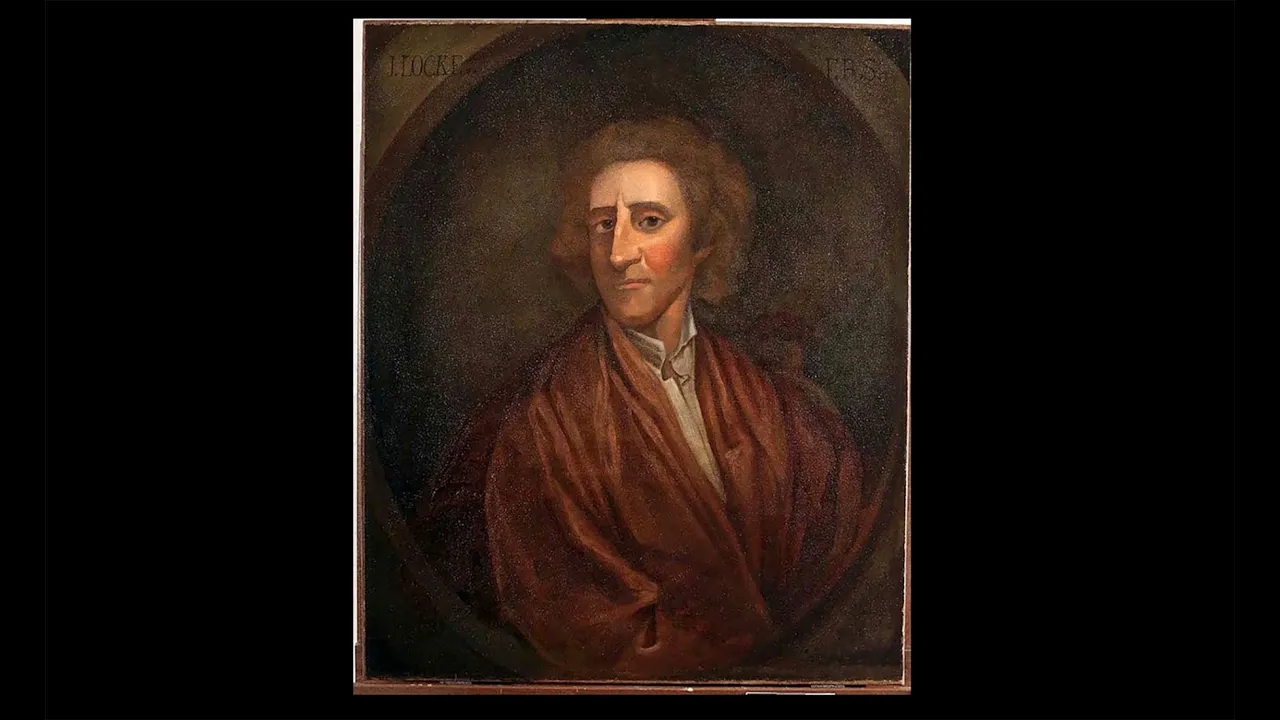
![Locke & the Right to Revolution | The Philosophers Behind the Founders [The FedSoc Films Podcast]](https://i.ytimg.com/vi/IwFnacQuiVw/maxresdefault.jpg)



![[23학년 수능 생윤] 시민 불복종_(고난이도 주제)_기출 뽀개기](https://i.ytimg.com/vi/XPff6H35yOk/maxresdefault.jpg)

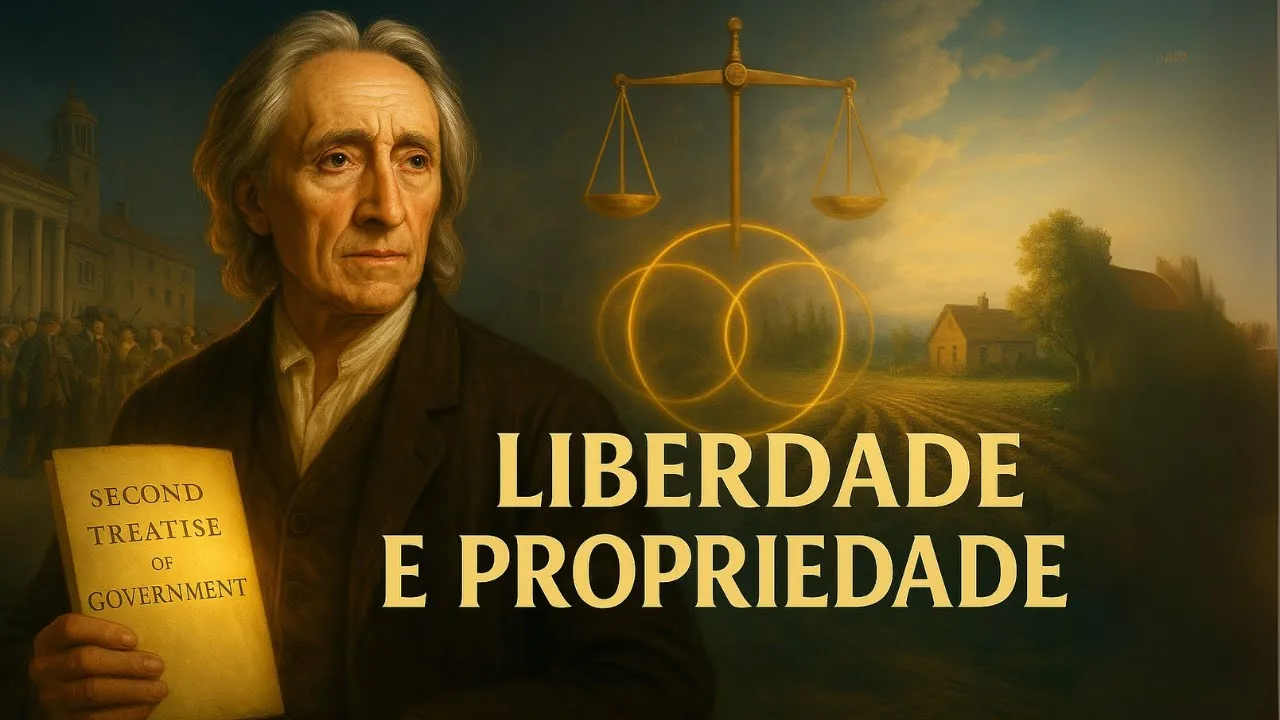
John Locke's Two Treatises of Government establishes that individuals are born free and equal with natural rights to life, liberty, and property; when people form a political society through social contract, they transfer some powers to a government whose legitimate purpose is to protect these rights, and if a government acts outside these legitimate ends through arbitrary power, the people retain the right to dissolve it and establish a new government.
John Locke's Second Treatise on Government | Political Philosophy
Added:The concept of the 'State of Nature' as a philosophical thought experiment used to hypothesize human life before the establishment of formal government.
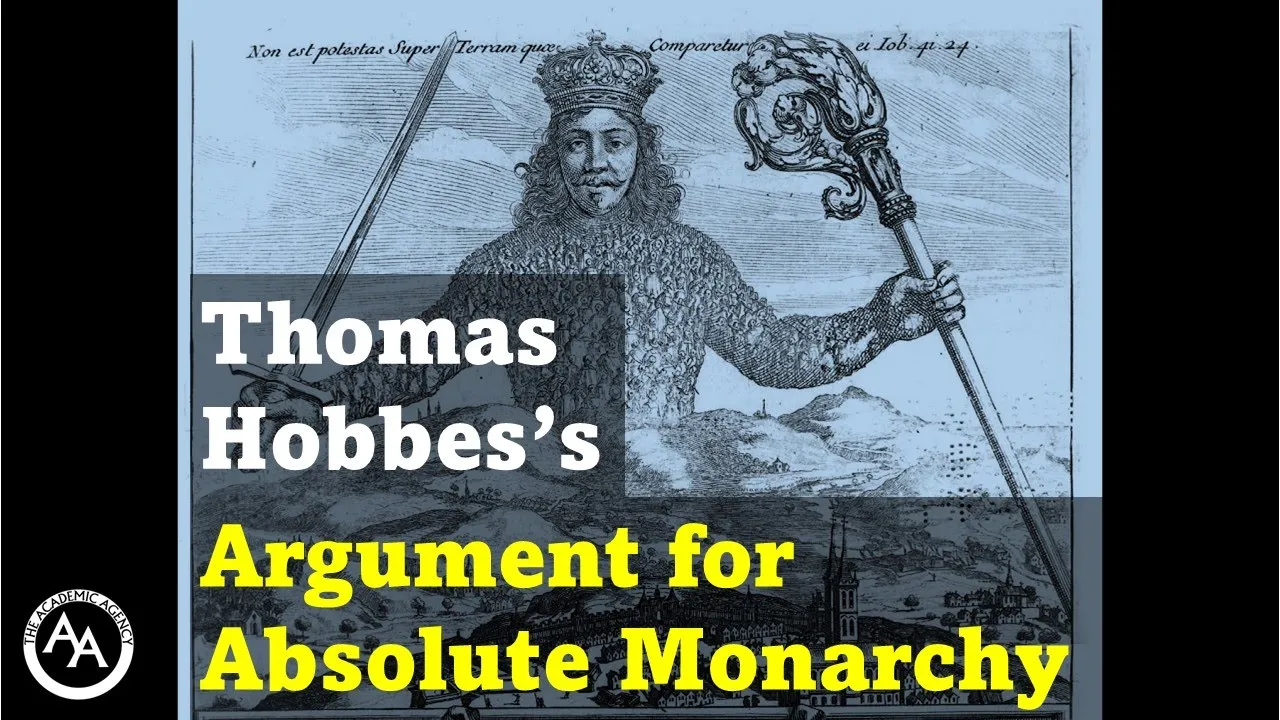
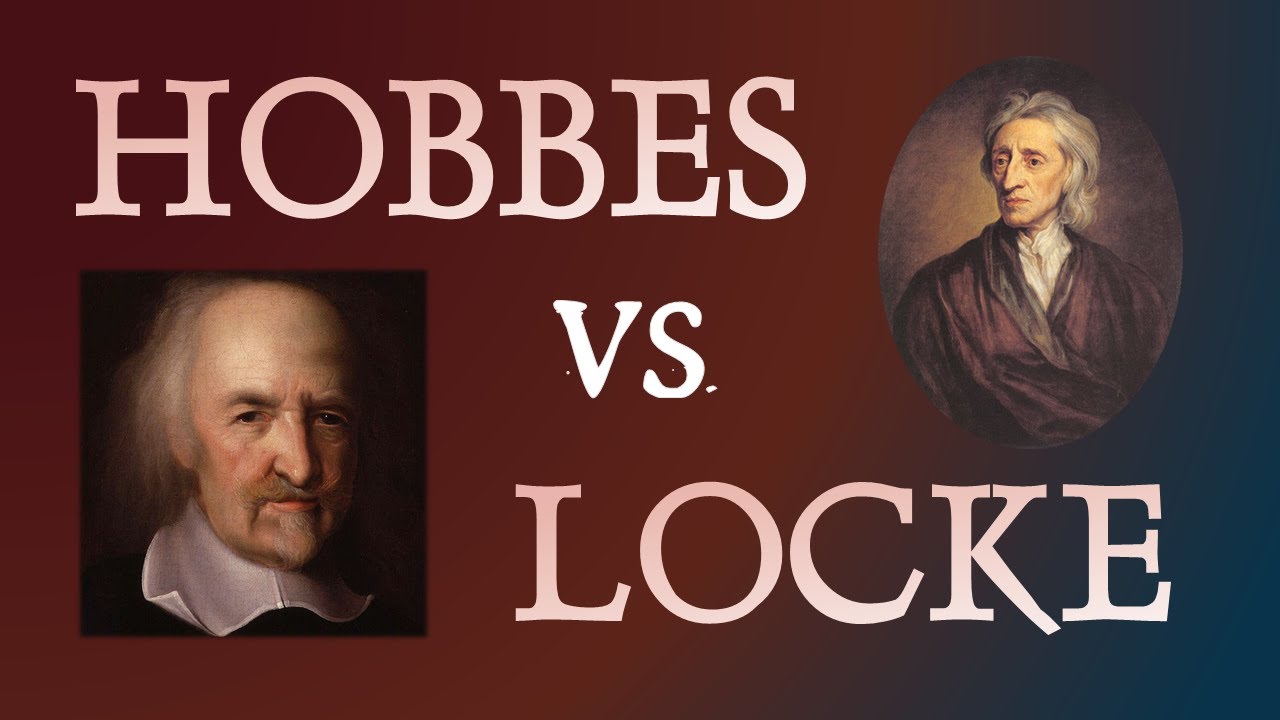
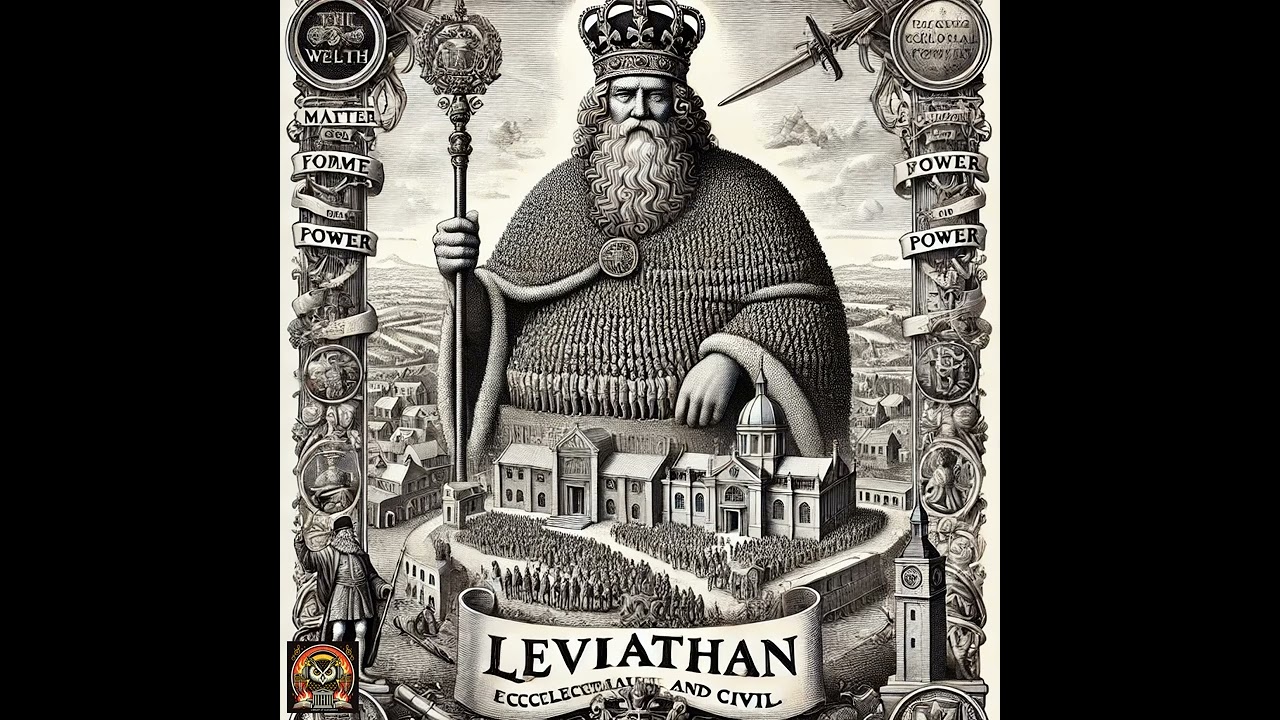
Thomas Hobbes' political theory in 'Leviathan,' particularly his pessimistic view of human nature and his defense of absolute monarchy as a contrast to Locke.
The historical context of 17th-century England, including the English Civil War and the Glorious Revolution of 1688, which shaped Locke's political perspectives.
The doctrine of the 'Divine Right of Kings,' which argued that monarchs derive their authority directly from God, as this was the dominant political paradigm Locke sought to refute.
Jean-Jacques Rousseau's 'The Social Contract' and how his collective view of the general will differs from Locke's individualistic social contract.
The direct influence of Lockean philosophy on the American Revolution, specifically how his ideas on natural rights and the right to rebel were integrated into the US Declaration of Independence.
Modern critiques and adaptations of Locke's labor theory of property, such as Karl Marx's critique of private property and Robert Nozick's libertarian entitlement theory.
The practical challenges of political legitimacy and the 'right to revolution' in contemporary democratic theory and instances of civil disobedience.
115.2K views2.3Klikes23:32Original Release: 2019-08-05
in the Second Treatise of government John Locke tells the following narrative individuals are born free and equal in possession of themselves and with the capacity to obtain property through their labor they enjoy natural rights to life liberty and property and have natural obligations of mutual love and charity they find themselves in a state of nature which is not a state of constant war because most people would try to keep the peace but due to the potential of rights violations and to better secure themselves with an impartial arbiter of justice individuals make a social contract to form a political society the people so United then establish a government for the purpose of maintaining security and defending their rights the legislature rather than the executive should be the supreme power and they make decisions through a majority vote the sovereign is also bound by the social contract and can't exercise power arbitrarily if the government does act outside as legitimate ends of preserving liberty and property it can justly be dissolved and have a new government set up in its place this is the basic story of the Second Treatise and a starting point for thinking more about Locke's political philosophy his text two treatises of government also contains an account of what makes government's legitimate how people are entitled to own things a comparison of different types of human Authority and an argument for the right of resistance against unjust Authority it's a fascinating read because it's one of the foundational texts in natural law theory in liberalism but it also reveals some of the deepest tensions and contradictions of these traditions in the 20th century it gave rise to heated debates over the basis of property rights and the philosophical justification of capitalism I'm James Muldoon I'm a lecturer in political science at the University of Exeter and this is an introduction to John Locke's two treatises of government the first treatise the two treatises was an attack on absolute monarchy that was written in the context of debates over constitutional limits on the prerogative powers of the King of England it's likely that Locke had written most of the text before he left for Holland in the summer of 1683 it also looks like parts of the book were written over a number of years because different arguments in the book reflect his changing positions the first treatise in the book is a polemic against Robert filmer a royalist writer of in the civil war period who argued for a Divine Right of Kings film his argument starts from the idea that all human authority is derived directly from God in the beginning God gave the whole earth to Adam and this title has been passed down and subdivided up until the present all types of authority like a monarch over subjects a father over his family Aarav essentially the same type this political authority was absolute and gave a rule of supreme authority over every aspect of their subjects lives the consequence for subjects were simply to recognize the divine origins of authority and obey their ruler as you could imagine this is in the most popular position today so as a result it's generally passed over pretty quickly in classes on Locke but we should have a quick look at Locke's response because it sets up the basis for his natural law theory an argument for legitimate Authority he starts by denying the textual basis of film his interpretation of the Bible on Locke's reading God gave the earth to human beings to hold in common film as premises are thus incorrect because the starting point shouldn't be Adams absolute Dominion but free and equal individuals sharing God's gift of the earth the second issue was with filmers assumption that a monarch a father and a slave owner all exercised the same kind of power for Locke these three types of authority need to be carefully distinguished first parents can't be said to exercise absolute power over their children just like humanity's dominion over the earth we're not entitled on Locke's view to do whatever we want with it parents properly understood our custodians of their children until they reach an age of maturity this clearly isn't the same our that a master could exercise over a slave similarly a governments power should also be seen as limited their authority is based on the consent of the citizens who aren't children but fully formed in rational human beings they only agree to form a government to defend their rights not to allow a monarch to exercise arbitrary power over them lock will returns many of these themes in the second treatise which is quite self-contained and doesn't require an in-depth knowledge of the first to understand it I know there are some Locke enthusiasts and political theorists will hate me for saying this but if you imagine the first treatise as the support act for the evening you could probably afford to rock up a 10 when the headline starts to play the state of nature the second more substantial treatise begins by asserting that the aim of the text is to establish the origins the extent and the ends of the civil government his account of the legitimacy of government relied on the same move as Hobbs's social contract theory individuals in a hypothetical state of nature make an original contract that forms a political society and government locke thought that his account of the state of nature was in conformity with Christian scripture and the position that God created us in a condition of natural equality and freedom unlike Hobbes God actually played a very fundamental role in Locke's argument a lot rests on the fact that God made us and therefore suicide murder and harming others would go against his plan this is also the basis of Locke's later argument that the earth was given to us to cultivate and to be used by the industrious but like Hobbes he thought that the state of nature was a condition of basic equality in which there was no natural superiority of one group over another he referred to all men being in a state of equality and perfect freedom but who did he mean by all men well he certainly didn't mean women he thought that the power of a husband over his wife originated in nature he disagreed with Robert filmer that this power should be an absolute right but he did think that husbands should govern the common interests and property of the family this rate was based on the customs of many different historic societies but Locke thought it was also supported by a foundation in natural law a second question is did Locke really mean all men in his society what extent could we see this as an argument for universal male suffrage he didn't have an aristocratic background but he did become quite wealthy in his life and liked to see himself as something of a gentleman it can be easy to read Locke is much more radical than he intended to be just as that American founding fathers were happy to declare that all men were created equal while also being slave owners Locke didn't support extending the franchise beyond a very narrow class of property earning gentlemen there were groups both in his time and later times such as the Levellers and the Chartres movement that did make such claims but Locke was not among them when he wrote all men he assumed that a charitable reader of his time would have implicitly understood the boundaries of such a group it was only later in a second life of the book during the American Revolution that the radicalism of his statement was taken more literally because Hobbes's account of the state of nature was so influential there can be a tendency with Locke to read him as basically doing the same thing he might have a slightly more pleasant account of human nature where people are less of an a-hole to each other but isn't this just some warmed up version of Hobbes's theory but if you read Locke's text closely there is less of a sense that this is some kind of historic past and more of an idea that any time people encounter each other outside of an established Authority they're in a state of nature this could be travellers meeting in the woods territory where there's a dispute over Authority or encounters between sovereigns who themselves are in a state of nature with no higher power this is somewhat ambiguous because there are frequent references to America as a possible state of nature and this is even more so the case when he is talking about property but we'll return to this Locke tended to rely on more of a relational account of the state of nature that described not simply a geographic location but any relationship between people where they liked a higher authority imagine a fire breaks out between two students at school in the playground if it's during school time and teachers there they're usually the ones to decide on what happens but after school in the same location if a fight started it's going to be a much more ambiguous question about how the fight would be resolved there's also a tension between two slightly different accounts of the state of nature Locke wanted to show that people are not so antisocial that they needed a tyrant to govern them but he also argued that they're not so innately good that they could do without a sovereign authority altogether in his first depiction of the state of nature he argued that it wouldn't be a constant state of war he thought rational people would be inclined to keep the peace and respect the natural rights of others the state of nature has a law of nature to govern it which obliges everyone and reason which is that law teaches all mankind who will be consulted that being all equal and independent no one ought to harm another in his life health liberty or possessions the main issue facing people in his first account was the problem of partiality by this he meant that we shouldn't be a judge in our own case because we'll tend to be biased in favor our selves but later in the text he provided a slightly more pessimistic account of the dangers of the state of nature it wasn't just me a partiality but that every little difference would be likely to end in a state of war first in section 21 and then later in Section 123 Locke painted a very different picture of the insecurities of a state of nature these tensions in the text reflected his ambivalence about human nature Locke saw that people had tendencies both towards mutual aid and care for others but also towards their own self interests like Hobbes Locke thought that one of the biggest sources of conflict would be over questions of reputation and the desire for the esteem of others he was confident that through the exercise of Reason every man had the ability to understand the law but he was less clear on exactly how they did this many later readers have expressed disappointment about Locke's vagueness on this question for secular thinkers today it is worth reflecting on the fact that Locke's entire political theory is built upon dear of man knowing his place in nature because of divine instruction from God about how we ought to live without God's divine plan the question of what are our natural rights becomes a much more contingent and arbitrary construction do I have a natural right of food and water is property or education and natural right who decides on this and on what basis slavery Locke considered slavery to be a condition unfit for human beings and one thought was the complete opposite of legitimate political authority he believed that God created us and has power over our life so we don't have authority to agree to enslave ourselves there were some very limited situations in which the imagined one could become a legitimate slave for example an unjust aggressor defeated in war could be either be killed or enslaved but this state of slavery would be a continuation of a state of war in which the victors simply delayed taking the life of the captor this line of argument is actually mainly a rhetorical device to show that those who argue that monarchs should have absolute power are in reality describing a condition of slavery rather than legitimate government this theoretical opposition to slavery is a little embarrassing for defenders of Locke because he invested in the slave trading Royal Africa Company even more so because the system of slavery involved children of slaves being born into slavery which on Locke's own account was entirely illegitimate Walker also had a lot to do with administrating colonial affairs in America perhaps more so than any other liberal theorist prior to the 19th century he was the Secretary to the Earl of Shaftesbury who is one of the proprietors of the colony of Carolina he also sat on the English Council for trade and foreign plantations and on the board of trade Locke had over a decade of service in colonial administration this included revising the fundamental constitutions of Carolina which enshrined a system of slavery in the colony there is a lot of debate over the extent of Locke's involvement and whether his later actions supported or undermined a system of slavery if the so called grandfather of modern liberalism could have such double standard it should give us cause to reflect more critically on the fundamental principles of liberalism concerning other issues of gender class and inequalities property Locke attempted to provide a justification for the right of private property and it's become one of the most contentious areas of his thought for some Locke is a capitalist hero for providing the philosophical foundations of the legitimacy of private property and the defense of free markets others see him as justifying the right of unlimited accumulation for wealthy English investors but there's no evidence that Locke was intending to provide a defense of British capitalism his account of private property actually shows the degree of ambivalence about the effects of unregulated markets chapter 5 on property looks like it was probably inserted either before or after the writing of the rest of the book he begins with an argument with true axiomatic statements though the earth and all inferior creatures become until all men yet every man has a property in his own person thus nobody has any right to but himself so how does private property come into existence from this position of shared custodian ship over the earth Locke didn't think it had to be based on the explicit consent of others it would be absurd to have to obtain everyone's consent before taking a small share his theory was that we acquired property when we mixed our labor with an object this might be a hunter killing a deer a villager collecting water or a farmer growing crops he thought that something could be turned into property when somebody worked on it and appropriated it from the comments this could be any human action that converted a potentially useful thing into a resource that meets our actual needs but he immediately followed this labor theory of property with a couple of important caveats first there should be enough left over for everyone else he didn't think that my property rights should trump the right of someone to have enough to survive this is an important limitation with serious consequences for global justice if you want to be a strict Lockean in terms of the global distribution of wealth depending on how you enter enough for everyone else you could argue for stronger efforts to counteract current inequalities second he argued that we didn't have a right to take so much that it would spoil this relates back to his conception of nature as a gift from God it wasn't given to us to destroy or ruin but rather to cultivate and improve in section 34 Locke said that nature is given not just to anybody but specifically to the industrious and rational to improve so people have a right to work on and consume parts of nature but they have absolutely no right to waste it but there's an issue here how can Locke's theory be applied to countries in which nearly all of the land and resources have been completely enclosed does his theory mean that after the original acts of enclosure all subsequent changes in wealth were perfectly legitimate like address this issue with his discussion of money money doesn't spoil so we now have a system where we can potentially keep much more than before Locke's argument on this point revealed a certain ambiguity about the nature of commercial society in 17th century England but he ultimately attempts to justify the status quo he argued that because we use a system of money we have therefore tacitly consented to allow people to have more than simply that which one to spoil by using money we implicitly agree to the consequences of this system which is to say an unequal distribution of property what happened to the proviso of so long as there was enough left for everybody else there is a lingering tension at the end of the argument where Locke has argued for a justification of wealth inequalities but his previous Cavia doesn't seem to have completely disappeared the Lockean proviso that there should be enough left for others might take on a radical new meaning in an era of climate emergency could we consider the fortunes of mass by billionaires to go against Locke's insistence that unused property is wasteful and an offense against nature if there's no longer any vacant land left what systems of justice or trader would need to be put in place to ensure that everyone's needs are met forming a Commonwealth after the slight detour through the question of private property Locke return to the predicament of free and equals objects in the state of nature he wanted to establish the proper grounds of legitimate government as we've seen he distinguished a political society from other forms of power like parents over their children and masters over slaves for Locke a government could never exercise the kind of arbitrary power that would be akin to a master over their slave because this would be in breach of our natural rights and contrary to the reason for which we created political society in the first place Locke quietly slips in here that a husband will be the head of the household but that this doesn't give him absolute power of life and death over his wife only the power to provide for their mutual assistance and support for Locke women are naturally subordinated to men in a state of nature and in civil society it's difficult to see anything else but a patriarchal disposition in Locke which saw men as natural leaders and sources of authority so if the men who emerges heads of households in the state of nature they come together to escape this condition and form a political Society in Chapter nine Locke gives three reasons for doing so first there's no established law which means people have to work out for themselves what is the law of nature this would lead to misunderstandings and conflict second there's no impartial judge with authority to settle disputes which means everyone will be deciding on their own cases third there's no power to execute the laws so even if you could work out a correct judgment there's nothing to force transgresses of the rules to adhere to the decision Locke thought people would agree that their condition was unsatisfactory and as a result transfers some of their powers to a political society in order to establish a government unlike Hobbes he saw this as happening in two steps first universal consent is required from all individuals to come together and form a political community the second step is that they take a majority vote on who will rule them the social contract therefore is between a preformed political society and the sovereign unlike Hobbes version of the contract the sovereign is a party to rather than a result of the contract and is therefore bound by its terms the ends of legitimate government the aim of Fletcher government is to preserve the rights to life liberty and property and to punish those who violate the rights of others individuals must renounce their arts to punish aggressors but they don't give up all their ice to a sovereign yet a being only with an intention in ever under better to preserve himself his liberty and property for no rational creature can be supposed to change his condition with an intention to be worse the power of the society or legislative constituted by them can never be supposed to extend farther than the common good the reason this carefully delineated scope of legitimate government was so important for Locke was that it provided him with criteria to define instances of illegitimate government ie laws and actions that didn't pursue the prescribed ends of the pursuit of life liberty and property bucks argument was that absolute monarchy was inconsistent with civil society and was therefore illegitimate Locke said that an absolute monarch was still in a condition of a state of nature in relation to its subjects in fact one could argue that individuals were more vulnerable in an absolute monarchy than in a state of nature because they now have to fear the enormous power of a sovereign Locke turn Hobbes's critical view of human nature onto the sovereign itself why should the sovereign be given such absolute power if rulers would be just as likely as any individual to act capriciously the sovereign should also be bound by civil law Falak and should be entitled to do whatever they want the disillusion of government Locke listed a number of ways that a government could become dissolved these included a foreign conquest if the legislature resulted if the government exercised arbitrary power or when the government lacked the capacity to enforce the laws the most important one for Locke was the exercise of arbitrary power tyranny is the exercise of power beyond right for the benefit of private advantage rather than public good a government should be deemed dissolved when it acts contrary to the people's trust once the previous government is dissolved then the political community retains an inherent right to form a new government the big change here from Hobbes is that suddenly it's the people rather than just the sovereign who has a right to decide if the sovereign is acting justly Locke goes much further than Hobbes in setting out a sphere of legitimate rebellion founded in natural law he knew this was a very radical position but he didn't think it would result in instability or frequent uprisings he thought that people were practically minded and wouldn't overthrow the government because of every small inconvenience he also tried to get his critics to see things from a different perspective he put things like this if the government acts contrary to natural law and continually abuses its position then if the government who is in opposition to legitimate Authority and who should be considered a rebel against civil society so by overthrowing an illegitimate government the people aren't rebelling against Authority but are only reinstating a rightful order they're taking themselves out of the state of nature which was produced by the tyranny of the old government this argument for a right of rebellion against illegitimate Authority has proved to be one of the most enduring and popular aspects of Locke's political thought it gained a second life for the two treatises during the American Revolution and continues to inspire resistance to tyrants and would-be despots it would only be in the 18th century the writings of jean-jacques Rousseau that an even more radical critique of politics would be formulated that would go deeper still to the very foundations of law property and government [Music]
Up Next
9:14
John Locke's Political Theory: Education, Toleration, and Rights
@theschooloflifetv
3.1M views•2016-04-08

164:01
John of Damascus on Holy Images: A Theological Defense
@BannedBooks
139 views•2026-04-25
20:47
Hobbes Leviathan Explained: Political Philosophy & Social Contract
@James_Muldoon
186.6K views•2019-07-01
4:57
The Myth of Sisyphus: A Greek Legend of Eternal Punishment
@TEDEd
8.6M views•2018-11-13
Related Study Plans & Knowledge Roadmaps
Structured learning paths in Philosophy
philosophy
Frankfurt School: Critical Theory & Culture
01Foundations of the Frankfurt School and Critical Theory
02Horkheimer & Adorno: The Critique of Instrumental Reason
03The Culture Industry and Mass Deception
+ 2 more learning modules
12h5 modules
Explore Roadmap
philosophy
Philosophy of Language: From Frege to Austin
01The Linguistic Turn: An Introduction to Language in Philosophy
02Gottlob Frege: Sense and Reference
03Early Wittgenstein: The Picture Theory of Meaning
+ 3 more learning modules
15h6 modules
Explore Roadmap
philosophy
Feminist Epistemology: Standpoint & Injustice
01Introduction to Epistemology and Feminist Critiques
02Sandra Harding and Standpoint Theory
03Donna Haraway and Situated Knowledges
+ 2 more learning modules
12h5 modules
Explore Roadmap
philosophy
Environmental Philosophy: Ethics & Deep Ecology
01Foundations of Environmental Ethics & Anthropocentrism
02Biocentric Individualism and Animal Liberation
03Ecocentric Holism and Deep Ecology
+ 1 more learning modules
10h4 modules
Explore Roadmap