





![Human Nature [Gabor Maté]](https://i.ytimg.com/vi/5QWbLJaRYLc/maxresdefault.jpg)







![[단독] 조국 "죽음 같은 고통을 견디며, 목에 칼을 찬 채 이 책을 썼다" 법무장관 사퇴 후 첫 언론인터뷰](https://i.ytimg.com/vi/tQgytxfHRhc/maxresdefault.jpg)


![[이춘근 박사 국제정치학 개론 제3강] 국제정치학의 학문적 족보 (추가) / 국가 및 국제사회의 속성](https://i.ytimg.com/vi/FSYI2WFSM3c/maxresdefault.jpg)





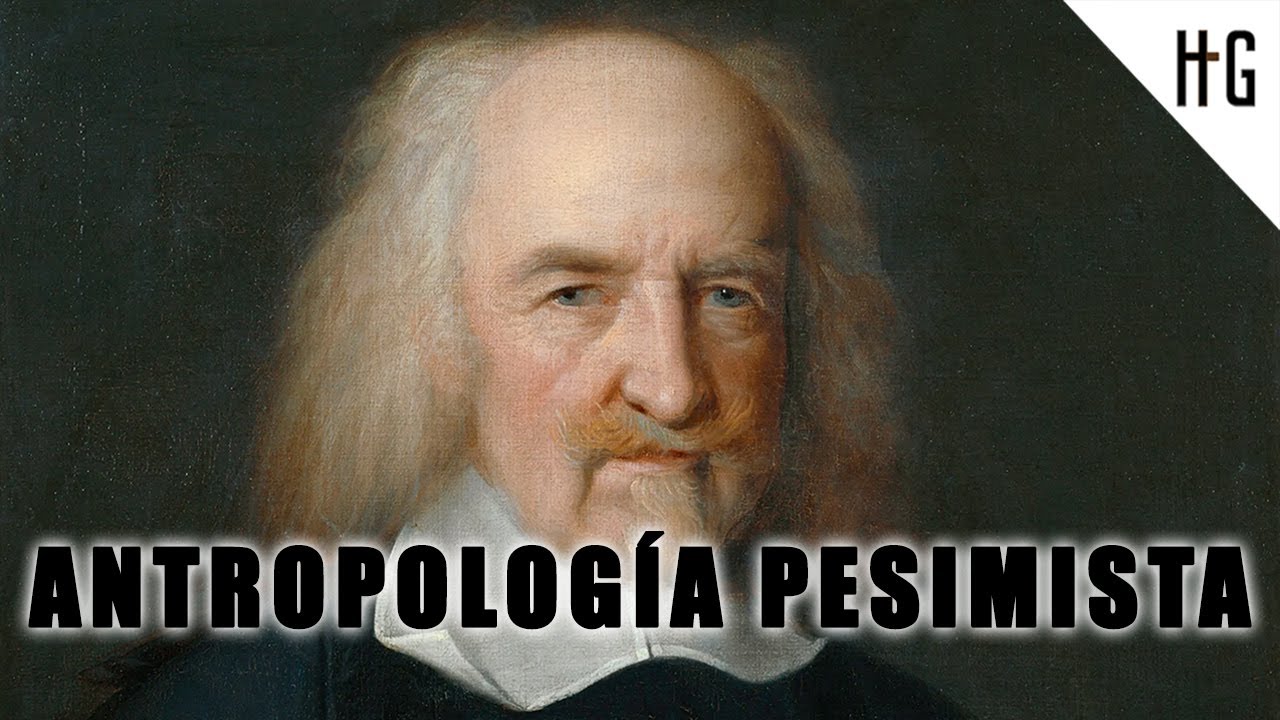
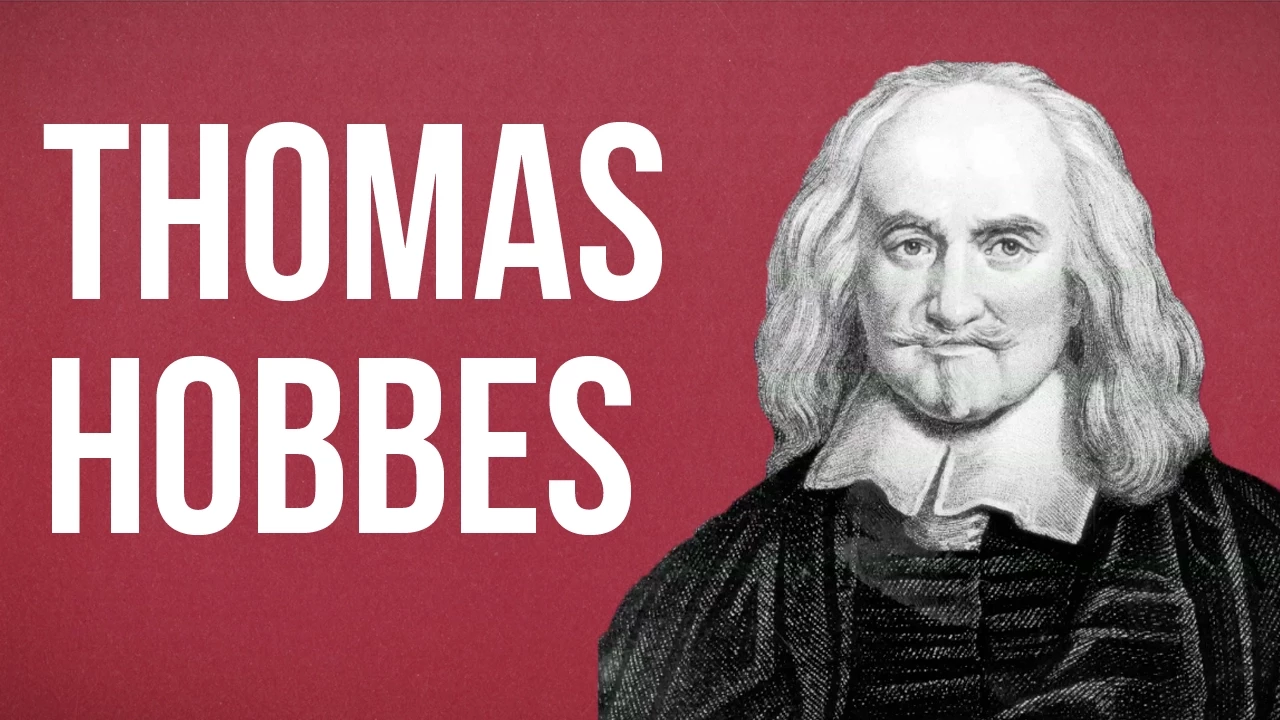
Thomas Hobbes's Leviathan presents a revolutionary materialist theory of human beings, viewing all human behavior as mechanical processes driven by appetites and aversions, ultimately leading to a pessimistic analysis of the state of nature as a condition of perpetual war where life is solitary, poor, nasty, brutish, and short; to escape this condition, individuals rationally enter into a social contract creating an absolute sovereign authority (the Leviathan) who possesses near-total power to enforce peace and security, thereby establishing the foundation for modern social contract theory and secular political philosophy.
Hobbes Leviathan Explained: Political Philosophy & Social Contract
Added:Historical context of the 17th century, particularly the instability and trauma of the English Civil War, which shaped Hobbes's view of human conflict.
The fundamental questions of political philosophy, specifically regarding the origins of political authority and the legitimacy of government.
The philosophical concept of 'human nature' and how differing views on human behavior influence theories of governance.
An introduction to 'thought experiments' as philosophical tools, specifically the concept of imagining life prior to organized society.
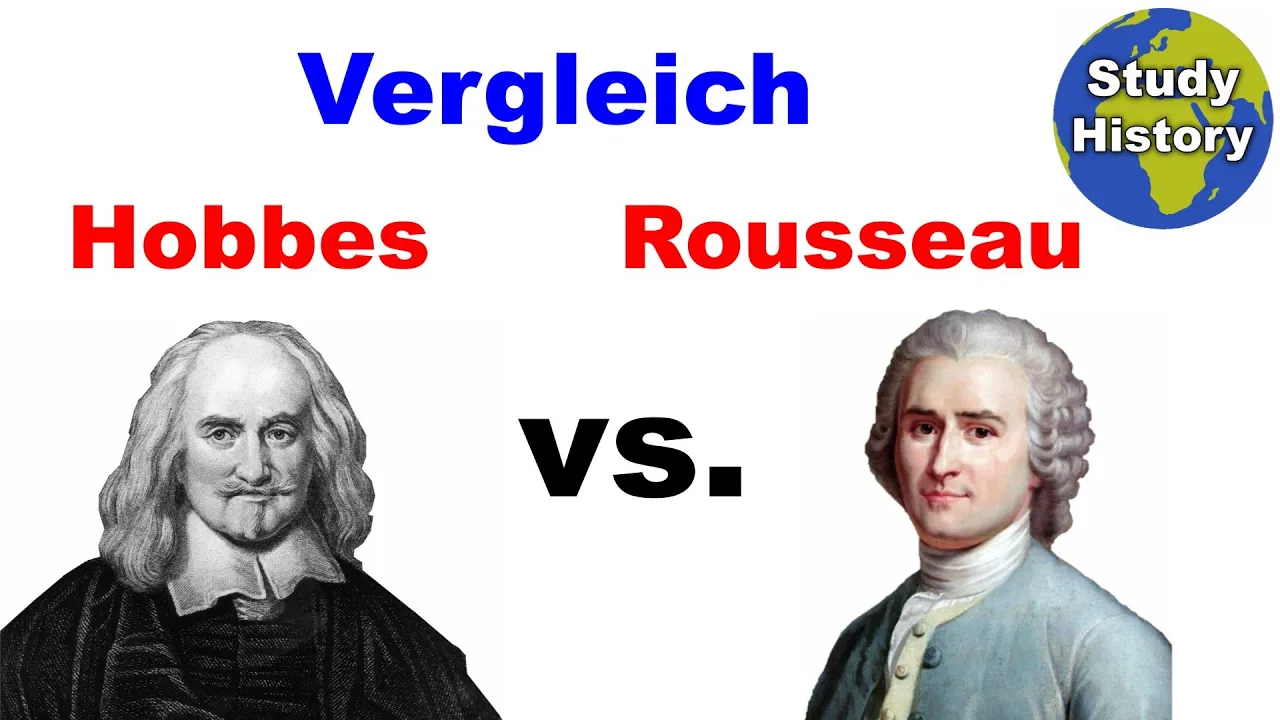
A comparative analysis of other key social contract theorists, specifically John Locke's 'Second Treatise of Government' and Jean-Jacques Rousseau's 'The Social Contract'.
Exploration of the critiques of absolute sovereignty, focusing on constitutionalism, individual rights, and the separation of powers proposed by Montesquieu.
Application of Hobbesian theory to modern international relations, particularly the 'Realist' paradigm which views the global stage as an anarchic state of nature.
Study of modern adaptations of contract theory, such as John Rawls's 'veil of ignorance' in his landmark work, 'A Theory of Justice'.
186.6K views4.5Klikes20:47Original Release: 2019-07-01
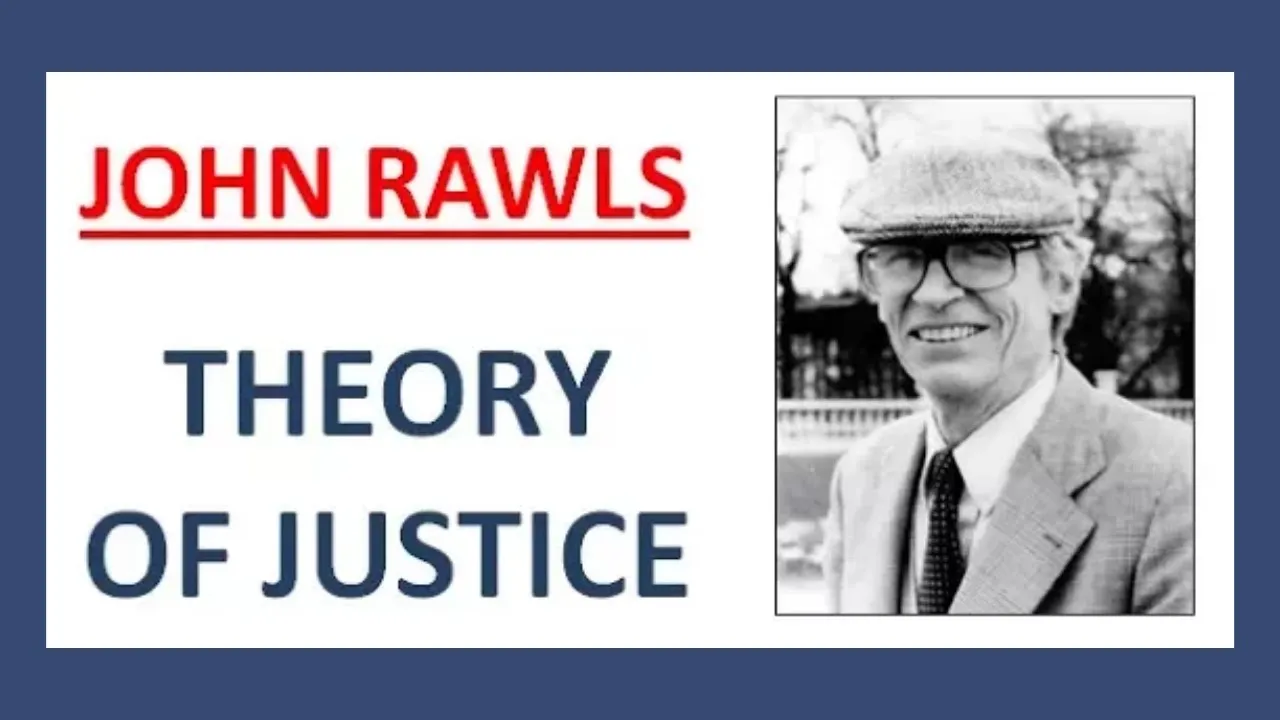
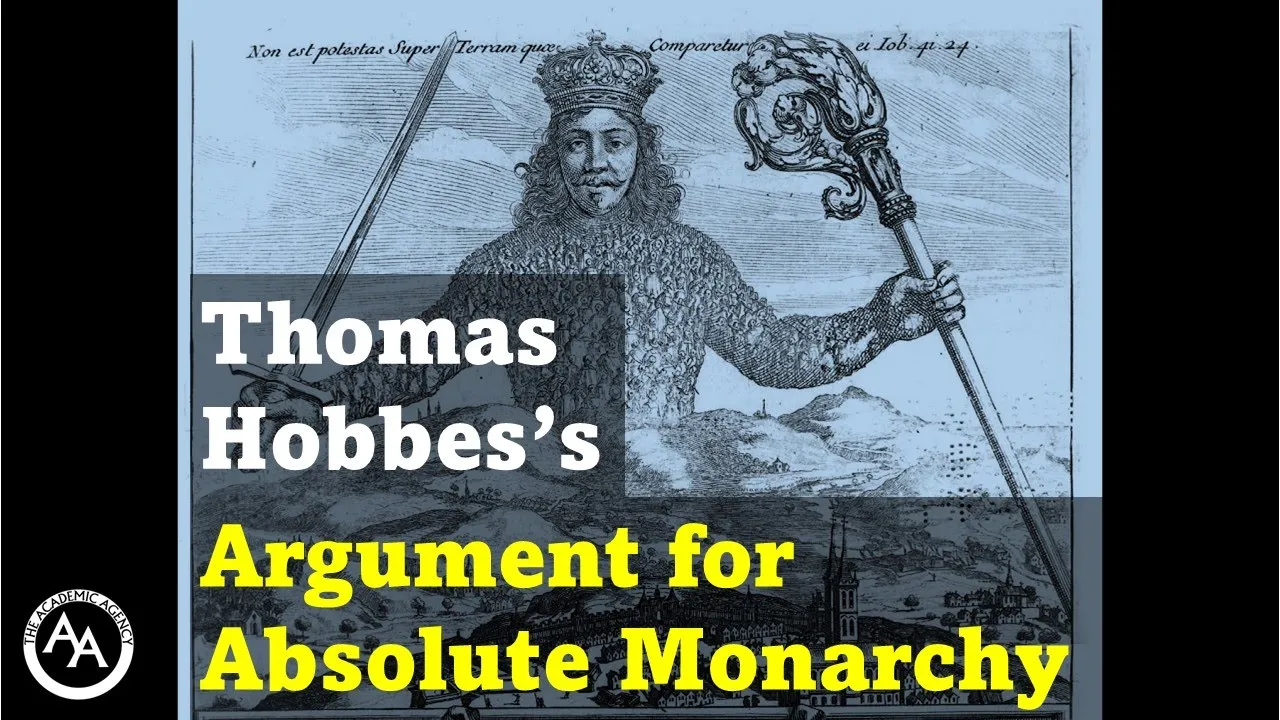
Thomas Hobbs is such an exciting writer because his book Leviathan represents a paradigm shift in how we understand politics he deployed methods from the physical sciences to develop a new materialist theory of human beings and rational grounds for obedience to state authority things like his idea of a state of nature the social contract his pessimistic view of human beings have all become very influential in political philosophy this video will give you an insight into his most important texts Leviathan for more historical context to Hobbes's writings or for an analysis of other theorists check out my other videos I'm James Muldoon I'm a lecturer in political science at the University of Exeter and this is an introduction to Hobbes Leviathan a new science of politics when you first open Leviathan it's interesting to note that the first 16 books don't really seem to be about politics but this observation would be a mistake because it's where some of the most important arguments of the book take place the title of the first part of the book is called off man and it's in these chapters where Hobbes develops a new science of human beings which he hopes will be the basis of a fresh approach to politics he uses the method of Galileo to break down a complex phenomena like human society into its smallest components in this case a single human being his analysis of what he calls man in the abstract is an attempt to scientifically demonstrate the basic forces and drives that motivate human behavior Hobbes is often seen as a hard-headed realist but there's actually an incredibly utopian aspect of this project his ambition is to better understand human beings through science so that we can put an end to war entirely and create a more peaceful and cooperative society as a materialist he thinks that all human behavior can be understood as various types of bodies in motion he thought that human beings consisted of self moving matter that could ultimately be broken down into a mechanical apparatus of our organs senses imagination and reason for example he says that our internal sensations are caused by external bodies in some way impressing themselves on our sense organs in Hobbs's mechanical materialism there's a very real sense in this metaphor of man as a machine there is no cartesian idea of thought on the one hand and matter on the other existing is two kind of different domains with Hobbes everything exists on a single plane and it's all just bodies in motion this whole set up is really significant because Hobbs is discarding a medieval view of the world which is based on Aristotle's philosophy of a hierarchical world ordered by God it's an attempt to apply what at the time was really cutting-edge science to our understanding of politics and morality Hobbes this psychology Hobbes the psychology is really interesting because it's where we see the importance and the focus on desire is one of the fundamental attributes of human beings he says that people have bodily motions that push them in two main directions we have an appetite for something when we want to move towards it and we have an aversion for something when we want to move away from it these desires or appetites and aversions in Hobbs this language are the driving forces of our behavior desires cannot come to an end happiness is a continual progress of desire from one object to another the attaining of the former being but still the way to the latter I put for a general inclination of mankind a restless and perpetual desire of power after power that ceases only in death he thinks that we are driven by passions but we also possess the Faculty of reason he understands reason is computation or what he calls reckoning he means by this the capacity for signifying things with names but also an orderly process of understanding logical connections like cause-and-effect at the basis of human beings is a will to survive which Hobbes describes with the principle of self-preservation in his language there is an endeavor to maintain our vital motions which will cease only at the point of death we can also see Hobbes as moral relativism in his psychology he denies that there's any objective basis for describing something as fundamentally good or evil and that human being is just described things as good or evil depending on whether it benefits them every man for his own part call it that which pleases them is delightful to him good and that evil which displeased with him human beings also desire the esteem and recognition of others this is going to create conflict in competition because we're fundamentally dependent on others to give us that respect and recognition but we will also want to see ourselves as more worthy and better respected than others he also thinks that we have a tendency to overestimate our abilities and to prefer our own judgment our own wisdom over others Hobbes thinks that people often have a slightly inflated sense of their self-worth and see themselves as better judges than what they actually are but it's important to remember that people aren't innately wicked for Hobbes he doesn't think people are evil in the sense of naturally wanting to do harm to others he's going to have a much more structural account of why people led into conflict in the first book of Leviathan Hobbes attempts to give us analysis of a single human being or humanity in the abstract he thinks if he can work out the fundamental drives of a single person that he can work out how they're going to behave socially and what kind of laws will be good for that society the similarities of thoughts and passions of one man tell us about another and whomsoever looks into himself and considers what he thinks reasons hopes and fears he shall thereby read and know the thoughts and passions of all other men this is a very specific type of analysis there's going to yield universal results and it's not going to take things like language customs gender and other forms of identity into account in its analysis the state of nature Hobbes's argument about obedience to state authority starts off with us imagining what it would be like for people to be in a hypothetical state of nature the state of nature would be a condition of war of all against all in which life would be solitary poor nasty brutish and short it's not necessary that this has ever existed historically although he does mention people living in America's which were newly discovered by Europeans at the time but you could argue that it's not strictly an empirical claim that he's making these more concerned with how people would act in the absence of a common power but why would life be so bad in a state of nature well Hobbes thinks that because of our fundamental Constitution human beings would be unable to cooperate with each other in the absence of a common power of state authority he starts with the claim that there is a fundamental equality between people who all exist as some kind of matter and motion it's worth pausing here noting how radical this idea must have been in the early 17th century to suffer and this materials principle already puts the lowliest peasant on the same level as a king for Hobbes everyone was fundamentally governed by the same principles so Hobbs will say that nobody is so smart or so strong that they can completely dominate others without fear of reprisals we all possess a capacity for deliberation and a desire to pursue our own ends but the desire to achieve our goals and the recognition of other people's desires creates on us a suspicion that they might try and prevent us we have no reason to trust that others will be satisfied with their small share of the world and that they won't try and come in dominate us he also thinks that there'll be a competition over honor because every individual want to be highly recognized in the eyes of others he doesn't think that there'll be necessarily constant fighting between people but he does think that a state of nature is a general condition of insecurity and uncertainty with no legitimate authority to settle disputes over the interpretation of politics your safety is never guaranteed he thinks that if we're allowed to be judges in our own case we're naturally going to prefer our imposition and this is going to lead to war and conflict after describing a state of nature Hobbes attempts to outline what he calls the rights and the laws of nature some of what he says here is quite confusing and it's important to note that there's a big difference usually between older and modern traditions of natural law before Hobbes when people talked about natural law or laws of nature they usually meant some kind of objective measure that was innate to nature the modern law tradition that Hobbes was a part of tended to emphasize our subjective rights that were based in our will what Hobbes calls a right of nature is simply our right of self-preservation which he describes as the capacity to use any means necessary to defend our life so for Hobbes I have a right to defend myself and nothing can take that away not even a contract with the sovereign for Hobbes laws of nature which are different from rights of nature are discoverable through our reason which means the results should be universal and that everyone correctly reasoning should come to the same conclusion there's a debate about what precisely these are are they given by God do they impose moral obligations on us or they simply Prudential advise that we should follow if we want to have some kind of peaceful coexistence with others whatever they are they don't really seem like laws in the sense of commands that we have to obey one way of reading them is to think of them as the rational means through which we could achieve long-term peace and security so driven by a fear of death and but also a desire for better living we can use our reason to try and figure out how we can live peacefully with other people the first law of nature is that every person should seek peace so although we have a fundamental right to defend ourselves we should where possible try to live peacefully alongside doesn't create a cooperative society the second law of nature is that to secure peace we should be ready to lay down our right to do whatever we want we should agree that to live alongside others our rights are necessarily going to be limited by this there are many other laws of nature listed by Hobbes he says that the some of them can be captured in the idea that we should treat others the way we would like to be treated ourselves we should try and recognize others cooperate with them where possible and work together towards forming a good society he thinks that you need a common power to enforce contracts and without this mechanism of enforcement a contract will simply be void this is why Hobbes thought it would be so important to exit the state of nature by creating a contract and entering into political society creating the state Hobbes thinks that rationally we would be inclined to follow the laws of nature which is to say seek peace but without a common power to enforce promises we can't be sure that our security will be guaranteed covenants without the sword are buzzwords and have no strength to secure us at all therefore the laws of nature notwithstanding if there'd be no power erected or not great enough for our security every man will and may lawfully rely on his own strength against all other men and if people could agree to get along and cooperate without a common power then there wouldn't be any need for politics at all we could just live in non-coercive societies through a peaceful cooperation with each other and this is the kind of vision that many anarchists are striving for it's just not something that Hobbes thought would be possible he thought that this idea of peace without subjection would simply lead back to civil war his solution is that all individuals in a state of nature should come together sign a contract create a political society and live together under the enforcement of the laws of the sovereign this would involve submitting their wills to the judgment of the sovereign and renouncing their right to decide on what would be a threat to the political community as a result of this contract the multitude of individuals come together in the artificial person of the state or Commonwealth Hobbes describes this state through the biblical language of a Leviathan he even describes it as a mortal God it's the state that's represented by the sovereign because sovereign is also an artificial person they don't have to be represented by a single individual they can be a single person or a group of people it doesn't really matter for Hobbes's system he prefers monarchy because he thinks it would be more stable but theoretically any option is possible rights of the sovereign we soon discovered that Hobbes thinks the sovereign should have near absolute power and can do almost whatever they like including imprisoning people and putting them to death if they think it's necessary we might wonder as to why an individual would agree to this Hobbes is answer has a lot to do with his theory of authorization and representation and what it means for a sovereign to act on your behalf as part of the contract individuals come together and authorize the sovereign to act for them when you authorize someone to act on your behalf for Hobbes you have to own whatever it is they do that is to say that you should see their actions literally as your own the purpose of the sovereign is to maintain the security of the political community in order to do this the sovereign has a wide range of powers including making peace and war appointing government ministers deciding on questions of Education and even banning certain literature if it deems necessary one aspect that makes its power so extensive is that the sovereign is the only one who decides on what means are necessary in order to achieve the end of securing peace and security this capacity of the sovereign to decide on what's a threat to the community allows it wide-ranging powers over the individual subjects Hobbes also distinguishes between sovereignty by institution and sovereignty by acquisition in the first case people come together and make a contract to decide on a new sovereign while in the second case the people could be conquered by a foreign power and forced to submit to the will of the new sovereign but this seems a bit odd because Hobbes's theory of the social contract seemed to rely on the consent of individuals to the contract if you're conquered by another power this doesn't seem like you're consenting through the new contract Hobbes's answer to this is that once your own sovereign is killed or destroyed then you're thrown back into the state of nature when the new sovereign comes along they're conditioned to spare your life is that you submit to their will Hobbes thinks that a contract entered into out of fear is still enforceable so whether sovereignty is established by acquisition or by institution Hobbes thinks that the rights of the sovereign the duties of the subjects are going to be the same liberty of the subjects Hobbes thought that first and foremost subjects must obey the laws of the sovereign but aside from not disobeying the laws a subject can do whatever they want the laws set out by the sovereign only prohibit certain actions that they deem a problem for peace and security anything else is permitted but if the sovereign has the power to put you to death if necessary this doesn't seem to be that different to your situation in this state of nature what happens to the fundamental principle of self-preservation he thinks that this right to defend yourself from being killed is inalienable and so it even exists inside a Commonwealth as a result subjects aren't obliged to kill or injure themselves even if commanded to do so by the sovereign but there's a tension here because a sovereign can justly put you to death if you're deemed a threat to the Commonwealth there seems to be a bit of a contradiction here but what Hobbes means is that you can't expect any individual to go against their own instincts for self-preservation unfortunately for the specific individual involved they have decided to create a common power with their capacity to decide on who's the threats of the community and hence who might be put to death however despite the enormous powers that the sovereign has some interpreters have argued that Hobbes includes something approaching a right of resistance in certain circumstances there are a couple of moments in the text where Hobbes seems to imply that it might be okay to disobey certain commands first he says that individuals can disobey dangerous or dishonorable officers so long as this disobedience doesn't threaten the overall safety of the Commonwealth the right of self-preservation might here seem to extend to doing certain acts that we would consider so immoral or so disgusting that we would rather die Vande do them second he says that an enlisted soldier may justly run away from battle but this is only going to be the case if they didn't enlist themselves if they're not a mercenary and if the survival of the state itself isn't at stake third there's an interesting passage where Hobbes says that to resist a sovereign is to commit an act of injustice but once a group of men have begun resisting to join this group is no longer to commit a further act of injustice this is a bit of a strange passage but remember that Hobbs says a sovereign is someone who has the power to enforce the law so if a rifle group does arise and the sovereign can no longer enforce the law then an individual doesn't necessarily oh them any obedience it's as if the first people to rebel do so unjustly but once for whatever reason a large-scale rebellion does exist then all bets are up for the sovereign but this is a controversial point and this interpretations it's quite uncomfortably alongside some other things Hobbes says his main point about individuals entering into the social contract for example seems to be all about giving up the right to decide on who's a threat and whether or not you should rebel but some of Hobbes's contemporaries were worried not so much about the absolute powers of the monarch but about the fact that Hobbes's texts seemed to justify rebellion in certain cases for starters he does away with the divine rights of kingship and seems to justify sovereignty on a very ad hoc and pragmatic basis the rightful monarch seems to be just about anybody who can guarantee protection and you can see how radical this might have appeared if you were a monarch in the seventeenth century religion the final two books of Hobbes is Leviathan on religion and others widely read by today's readers but they were clearly very important for Hobbes he thought that religion was an essential part of life and that his materialist philosophy could still form the basis of a Calvinist interpretation of Christianity his aim was to show that traditional interpretations of Scripture were still compatible with recent discoveries in the physical sciences but like many people throughout history who sought to reconcile Christianity with modern science he might have ended up doing more harm than good at least that's what many of his old friends thought when they read Leviathan they thought that his position amounted to a very watered-down version of phaser and something that might even be considered in their time atheism one of the main things that angered some of Hobbes his readers was that he subordinated the power of the church to the state in previous formulations of his position he had said that this state should consult the church on interpretations of the Bible but in the Leviathan he realizes that an independent church might open the doors to religious conflict it can be misleading to call Hobbes the closet atheist he clearly intended to try and create a political system both in which religion had a really central role but also one that was compatible with a lot of aspects of the Christian scripture but the question of Hobbes's religious beliefs remains a very controversial point in interpretation to this work the frontispiece after seeing the progression of Hobbes's argument we're now in a much better position to better understand the front cover the image is a wonderful depiction of Hobbes's political theory and was commissioned by an artist Abraham buss the state or Commonwealth is composed of all the individuals who are united in a multitude and who make up the body politic the person of the state holds the sword of justice in one hand and a crusher in the other representing ecclesiastical power the face is the figure of the sovereign who acts for and represents the state his arms are literally the people of the state who are all looking up at him the panel's beneath the figure of the sovereign might represent different things one possibility is they're all the things that a city would need to keep beneath itself in order to preserve itself in peace you can also see that the sword and the crow Co that he has in each hand appear to make the figure of a triangle the triangle was a recognized symbol of the holy trinity and was another way in which Hobbes could allude to God remember that Hobbes calls the state a mortal God and you'll see that there's no figure above the sovereign or above the state representing some higher power Hobbes opposes the idea that sovereigns are somehow chosen by God to rule his theory seeks to explain why we should obey the laws regardless of our religious views in terms of power on this earth it's the sovereign who commands our obedience although he might have intended to find a place for a religion alongside science his political theory takes an enormous step towards a secular understanding of politics Hobbes makes a great contribution to a political theological understanding of the modern state and he starts a long tradition of natural law and social contract theory which is incredibly influential for political philosophy for more analysis of Hobbes as political writings or for other theorists you can check out my other videos and don't forget to subscribe for more political philosophy you
Up Next
12:21
Hobbes's Defense of Absolute Monarchy in Leviathan
@AcademicAgent
134K views•2019-04-10

164:01
John of Damascus on Holy Images: A Theological Defense
@BannedBooks
139 views•2026-04-25
23:32
John Locke's Second Treatise on Government | Political Philosophy
@James_Muldoon
115.2K views•2019-08-05
4:57
The Myth of Sisyphus: A Greek Legend of Eternal Punishment
@TEDEd
8.6M views•2018-11-13
Related Study Plans & Knowledge Roadmaps
Structured learning paths in Philosophy
philosophy
Frankfurt School: Critical Theory & Culture
01Foundations of the Frankfurt School and Critical Theory
02Horkheimer & Adorno: The Critique of Instrumental Reason
03The Culture Industry and Mass Deception
+ 2 more learning modules
12h5 modules
Explore Roadmap
philosophy
Philosophy of Language: From Frege to Austin
01The Linguistic Turn: An Introduction to Language in Philosophy
02Gottlob Frege: Sense and Reference
03Early Wittgenstein: The Picture Theory of Meaning
+ 3 more learning modules
15h6 modules
Explore Roadmap
philosophy
Feminist Epistemology: Standpoint & Injustice
01Introduction to Epistemology and Feminist Critiques
02Sandra Harding and Standpoint Theory
03Donna Haraway and Situated Knowledges
+ 2 more learning modules
12h5 modules
Explore Roadmap
philosophy
Environmental Philosophy: Ethics & Deep Ecology
01Foundations of Environmental Ethics & Anthropocentrism
02Biocentric Individualism and Animal Liberation
03Ecocentric Holism and Deep Ecology
+ 1 more learning modules
10h4 modules
Explore Roadmap