















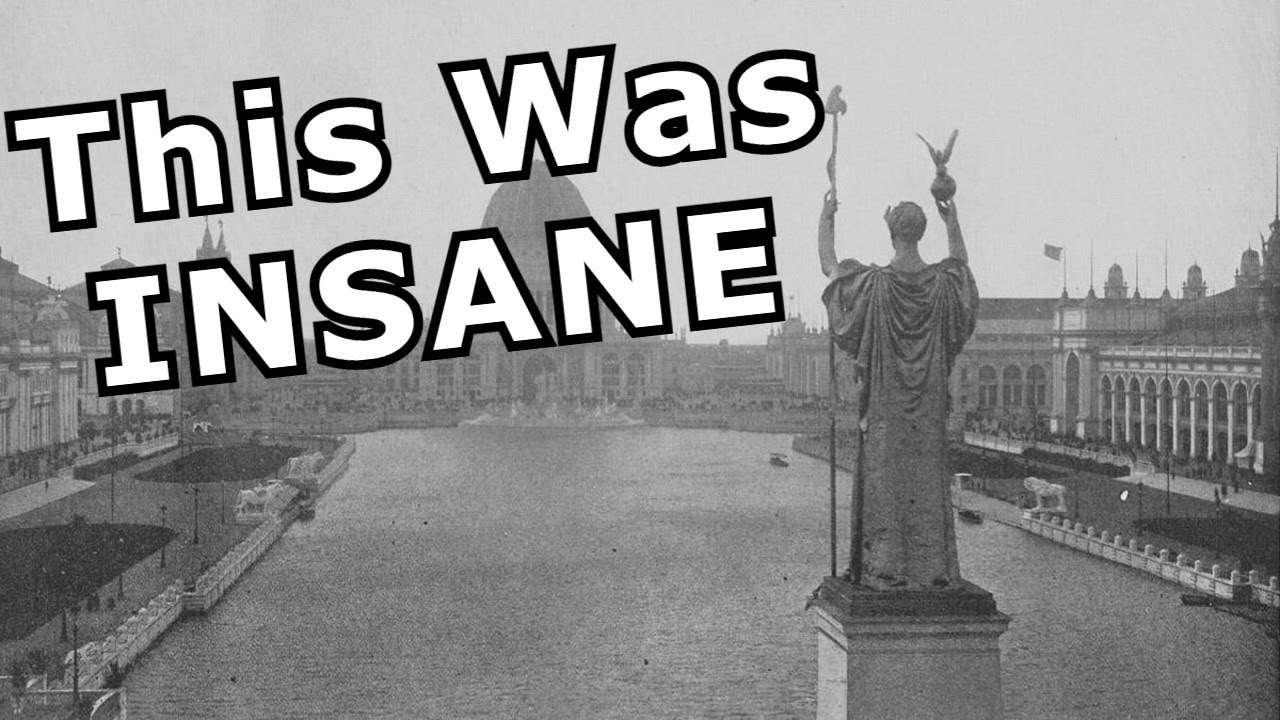
![愛・地球博から20年 持続可能な街の未来をつくる 造園家 涌井史郎{Network2010]](https://i.ytimg.com/vi/e_J_AzBm210/maxresdefault.jpg)


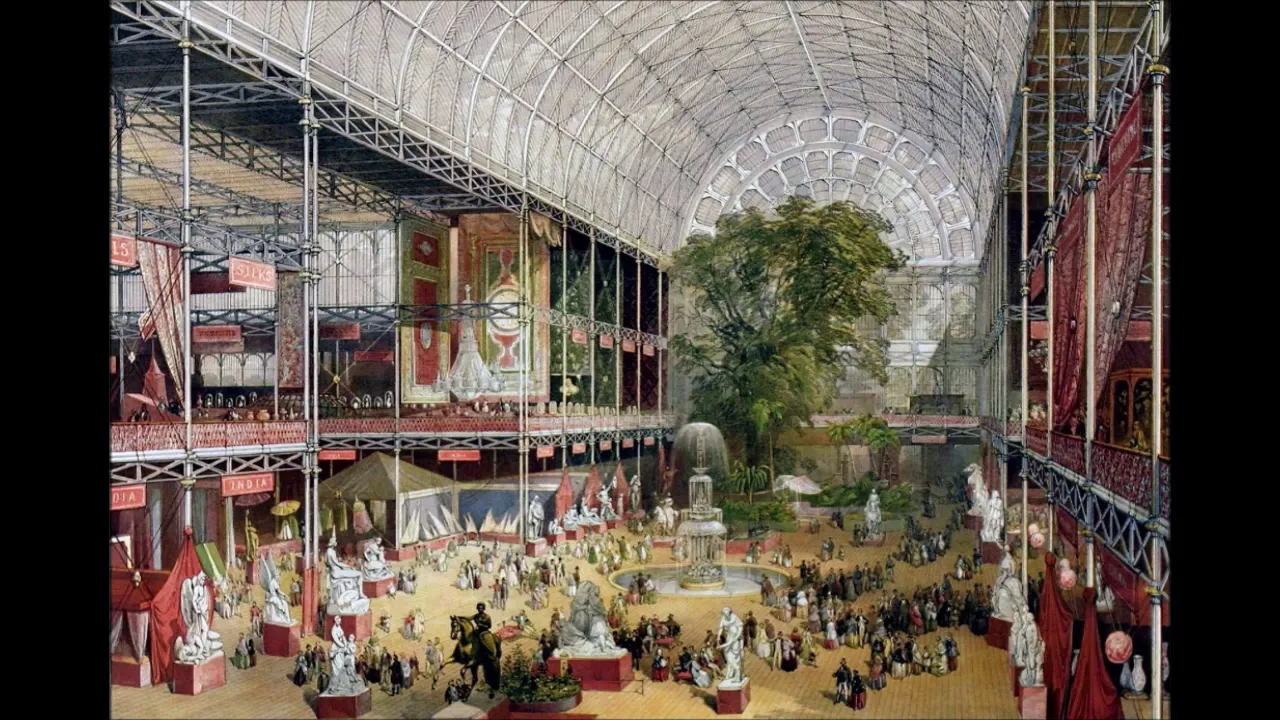
The Crystal Palace, constructed for the 1851 Great Exhibition in London's Hyde Park, represented Victorian Britain's technological and imperial ambition as a revolutionary glass-and-iron structure spanning 563 meters by 139 meters with 294,000 glass panes; however, its eventual destruction by fire in 1936 symbolized the decline of the British Empire, which had expanded to cover 25% of the world's landmass during the Pax Britannica era (1815-1914).
The Crystal Palace: Rise and Fall of Victorian Britain’s Icon
Added:The historical context of the Industrial Revolution, particularly Britain's transition to a manufacturing powerhouse and its advancements in metallurgy and mass-produced plate glass.
The significance of the Great Exhibition of 1851, which served as the catalyst for the construction of the Crystal Palace to showcase global industrial achievements.
The socio-political landscape of the Victorian Era, characterized by imperial expansion, technological optimism, and British nationalism.
Basic architectural concepts of the mid-19th century, specifically the transition from traditional load-bearing masonry to prefabricated iron and glass skeleton structures.
The evolution of modern architecture, tracing how the Crystal Palace influenced modernism, the development of skyscrapers, and the use of curtain walls.
The rise of mass consumerism and public leisure culture in the late 19th century, analyzed through the relocation and commercial expansion of the Crystal Palace to Sydenham.
The history of subsequent World's Fairs (such as the 1889 Paris Exposition or the 1893 Chicago World's Fair) and how they reflected changing global power dynamics.
The political and economic decline of the British Empire in the early-to-mid 20th century, culminating symbolically in the destruction of the Crystal Palace by fire in 1936.
641.8K views24.2Klikes18:37Original Release: 2020-07-27
welcome back to mega projects everybody this episode is brought to you by ground news ground news is an app that is dedicated to fighting misinformation and bias news which i think we all know is a bit of a problem in today's media it's really harder than ever to work out what is really happening in the news ground news allows you to filter the news by political bias so you can jump into the app and you can see the same story brought to you by left wing center or right wing sources this allows you to understand the different perspectives and form your own opinion about what's going on in the world they've got news from over 40 000 news outlets from around the world so you can not only see the political bias of a piece of reporting but also how it might be reported differently in a different country ground news is a free app available from both the apple app store and the google play store just click the link in the description below and now let's get into the video and well let's get into the video because today we're talking about crystal palace which as a kid i thought was just a football team and i had absolutely no interest in football so my friend was like dude i support crystal palace who do you support which was a quest question that i basically got all throughout my life so nobody i don't like football it's boring smash that dislike button the crystal palace was actually a place in london we're gonna talk about it today i'm gonna stop waffling let's jump in [Music] long before the united states began its squabbles with first the soviet union and then china over who should rule the world it was a small island in the north sea that had somehow come to dominate the globe who on earth could that be at its largest the british empire covered a colossal 25 percent of the world map despite the nation itself only accounting for 0.87 of the earth's landmass it was a vast commonwealth that was perhaps best encapsulated by one building a building that like the empire no longer exists the crystal palace was the very definition of opulence and it epitomized a victorian era britain constructed to house the great exhibition in 1851 in london's hyde park it was an extraordinary glass structure the likes of which had barely even been imagined let alone constructed it was a glistening symbol of power and imperialism but as we shall see its downfall came to mirror that of the mighty empire but before we dive in with the palace itself let's get a little historical background shall we [Music] the british defeated napoleon's army for the second time at the battle of waterloo in 1815. the self-proclaimed emperor was exiled again but this time to the small island of saint helena in the middle of the atlantic ocean where he died in 1821.
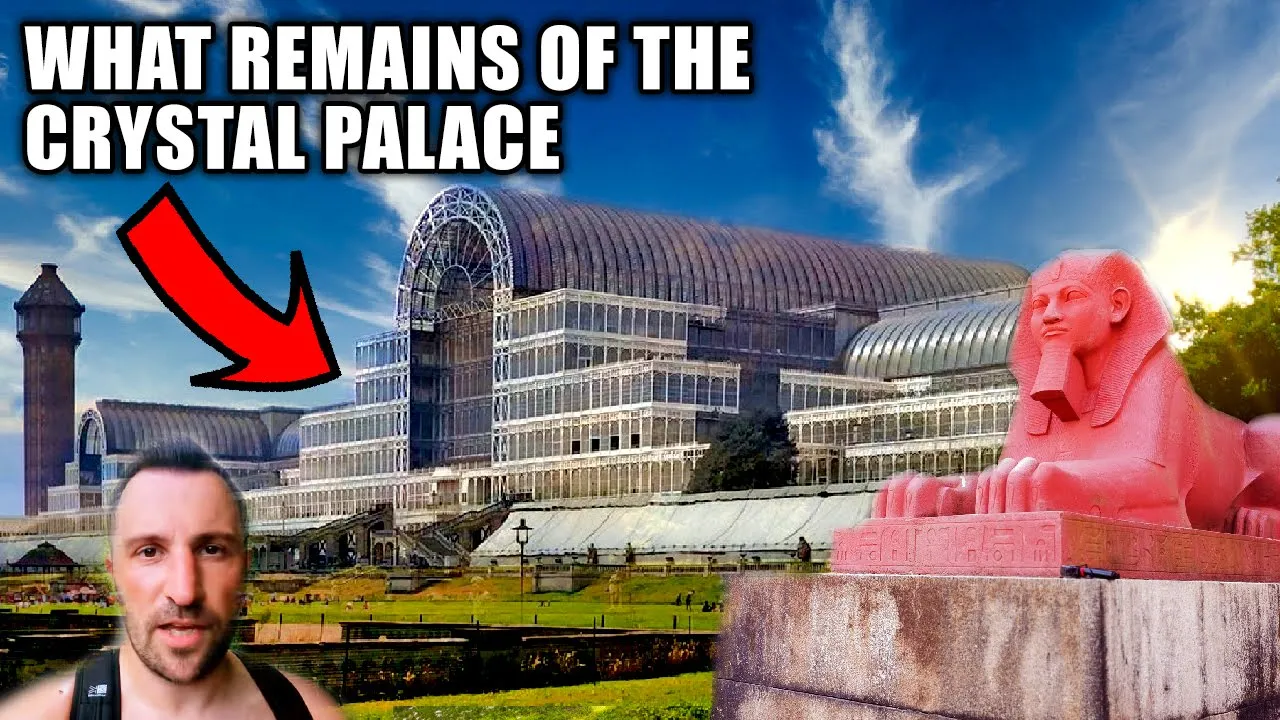
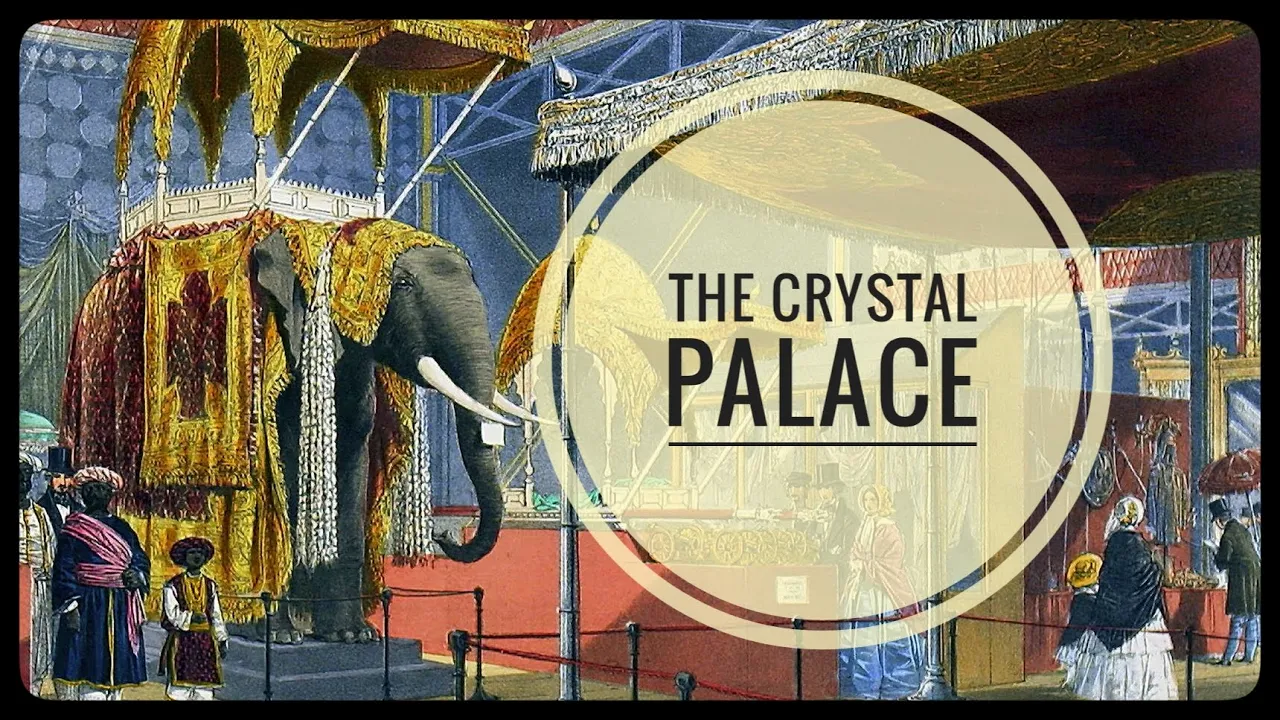
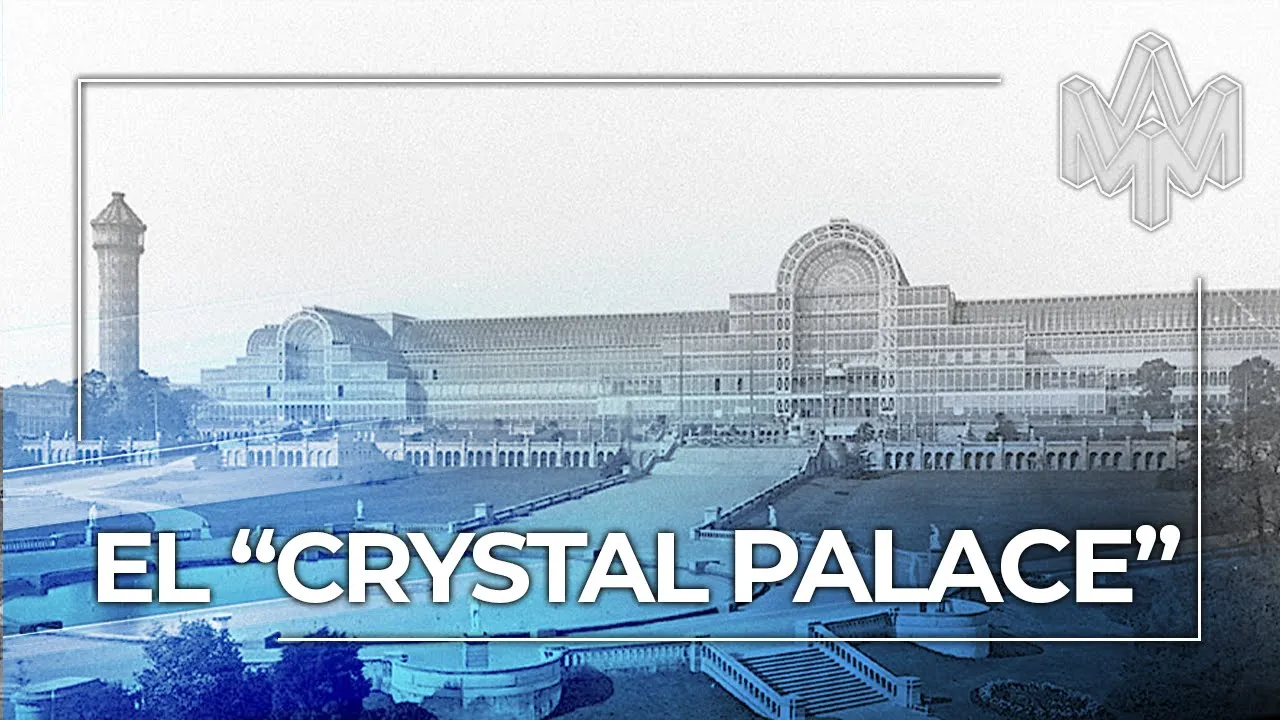
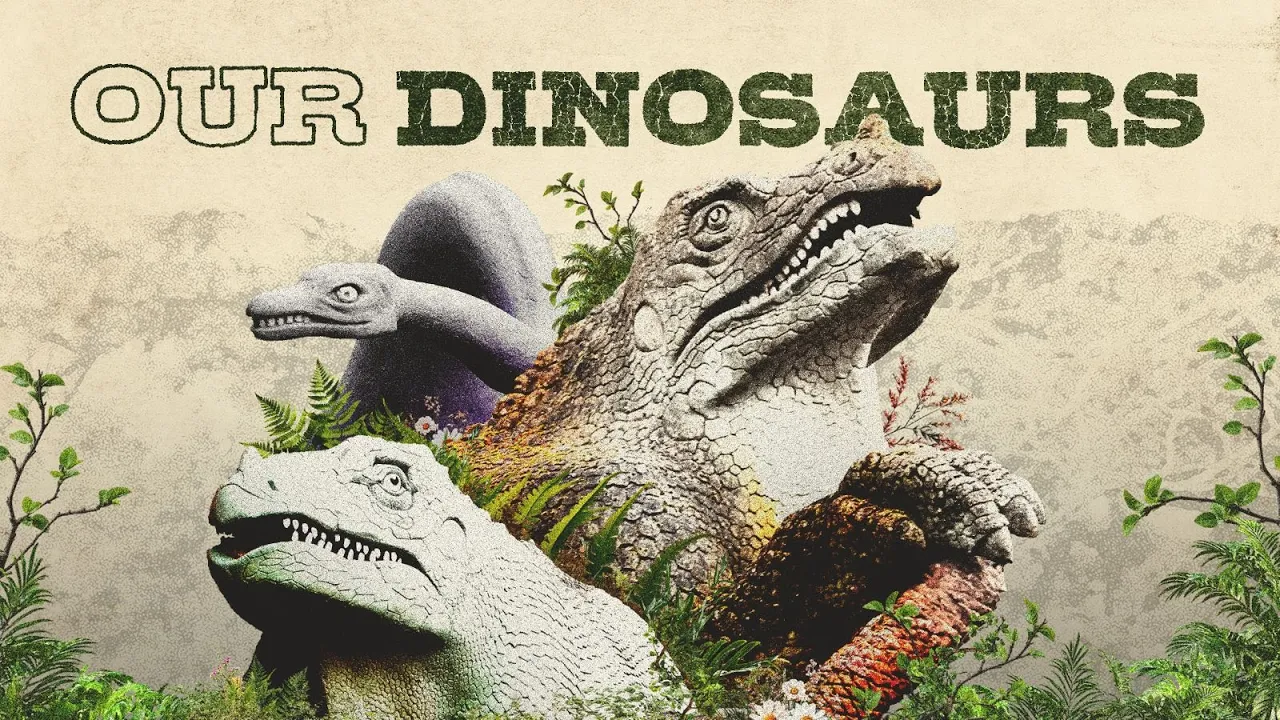
with their main rival the french now out of the way britain had a clear road ahead of it to build its already considerable empire between 1815 and 1914 around 26 million square kilometers of territory and approximately 400 million people joined the british empire whether they liked it or not this period of relative world peace came to be known as the pax britannica or british peace now world peace is a very least term there and if you were unfortunate enough to find yourself staring down the barrel of a gun held by a british gentleman with rather fine mutton chops and a dazzling red tunic well things certainly wouldn't have felt very peaceful the british empire was built on brutality xenophobia and outright economic sabotage in some cases as the decades rolled past the air of british superiority it grew larger and by the 1840s it was decided that an extraordinary show of magnificence was needed just to underscore everything [Music] the great exhibition of 1851 was the first in a series of world fairs that have actually continued to this day dubai is actually scheduled to hold the next one and that's going to be in 2021 to 2022. now the first great exhibition aimed to showcase the world of industry from countries all over the world the french had a series of smaller exhibitions in paris known as the great exhibition of products of french industry between 1798 and 1849 and it had proven to be enormously successful but naturally the british they'd need to thoroughly outdo their gaelic cousins with their own anglo-version a committee was formed in january 1850 to organize the event and quite pressingly to build a location suitable for such a lavish exhibition this committee included prince albert queen victoria's husband and an enthusiastic supporter of the project as well as some of the leading engineers and architects of the time including izambad kingdom brunel the engineer responsible for the first tunnel beneath the river thames and renowned railway engineer robert stevenson son of the man often referred to as the father of railways george stevenson [Music] when we look at pictures of the crystal palace it's easy to assume it was a structure of refinement of wealth and longevity but this actually wasn't really the case the building it needed to be economical in terms of both price and time to build but it was also going to be temporary the exact site had not yet been chosen but the plan was always to hold the great exhibition somewhere in central london and then move it to a long-term position after its conclusion so the committee opened up the plan to designers from all over the world and within three weeks 245 entries had been submitted 35 of which came from outside of britain two of these designs did catch the interest of the committee but when it came down to decision time every single one of the entries was actually rejected the two favored designs were deemed too expensive while there was a raft of objections for the others ranging from design flaws to the length of the construction the committee initially fell back on plan b a rather austere brick building which was widely mocked when plans appeared in the national newspapers it seemed as if the entire project was in peril as critics began to round on it for its needless extravagance arch conservative and holder of one of the most glorious names you're ever likely to come across colonel charles delayet waldo sibthorpe although we just had a dude whose middle name was kingdom so i don't really know if it competes anyway this guy described it as one of the greatest humbug's frauds and absurdities ever known so certainly strong words from the colonel just as the great exhibition looked to be floundering enter joseph paxton at the time paxton was best known as the head gardener of chatsworth house a delightful stately home in derbyshire in the north of england but his skills as a freelance garden designer were internationally known his pioneering public gardens at birkenhead park in liverpool heavily influenced the design of new york central park so to we described him as a gardener it's not really quite fair is it his work at chatsworth house had seen paxton experiment extensively with glasshouse construction the great stove a vast conservatory which was completed in 1840 was at the time the largest glass building in the world covering about 2 600 square meters it was a similar design although on a vastly larger scale that paxton hoped would entice the committee of the great exhibition spoiler alert it did after a short walk around the proposed site at hyde park he famously drew a simple plan of his ideas on a piece of pink blotting paper which still sits in the v a museum in london by the way it was a rough crude drawing but the image that appeared was remarkably similar to what was constructed soon after [Music] paxton's plans were accepted in july 1850. the fact that the great exhibition was now less than a year away may have played into his favor the committee simply had to get something started but the startlingly low budget cost of 85 800 pounds around 11.6 million dollars today certainly also helped his cause the event cost of the entire project came to roughly 170 000 pounds which is around 23 million pounds today and we've talked about some projects on mega projects that were wildly expensive to this actually it does seem pretty reasonable 23 million pounds today for well you'll see more about this building it's quite incredible what was to be constructed in hyde park was essentially an enormous flat roofed rectangular hall set over two floors the ground level measured 563 meters by 139 meters while the second floor was stepped in slightly to give it the impression of a smaller building block on top all in all the main roof section of the building reached a height of 39 meters and it was three times the size of saint paul's cathedral the only exception to the flat roof was above a central transept on the second floor this was a cross shape in the center of the building with a slight extension to the north and south the area here was covered by a 22 meter wide barrel vaulted roof essentially a long semi-cylindrical roof that reached 51 meters at its highest point but the entire design was based around class at the time the largest panes of glass available were made by chance brothers of smethwick and measured 120 centimeters long by 25 centimeters wide it's so small just thinking like my shower door today is significantly large and i'm sure it wasn't expensive almost the entire crystal palace would be constructed using glass with these measurements to reduce time and cost in total 294 000 panes of glass would eventually be used the structure itself was built by fox henderson and co using 5 000 workers and it began in july 1950. the first stage of the process was to roughly mark out its position with wooden stakes and the same stakes were later used as the floorboards inside so no wonder they managed to keep the cost low it was decided early on that the building would be constructed around several elm trees to prevent them from being cut down and you can see them in certain drawings done of the building once the position of the stakes had been set precisely concrete was poured to form the giant foundation that the crystal palace would rise up from the stakes were then replaced with more than a thousand iron columns which formed the skeleton the columns were then crisscrossed with 2224 trellis girders metal supports and a whopping 30 miles worth of guttering in total this meant that the iron alone weighed roughly 4 000 tons which is almost half the weight of the whole eiffel tower the distance between two columns came to be known as a module and the ground floor would encompass 77 modules in length and 19 in width a module was erected at the same time as its corresponding module opposite and once the girders connected the two it essentially became a self-standing rectangle using this method the palace was able to be constructed at a rapid rate once the ground floor modules were completed the workers turned their attention to the top floor and the process was repeated but we don't remember the crystal palace for its iron shell all of this is very interesting but let's get to the crystal the 84 000 square meters of glass used made it comfortably the largest glass structure the world had ever seen that's enough glass to cover roughly 11 and a half football pitches again the glass was added at astonishing speed with 80 glaciers fixing over 18 000 panes every week in total the entire building was completed in an astonishingly short seven months which is especially impressive i mean today you saw that video of china throwing up a hospital in like a few days for the coronavirus but like this was a long time ago there were not machines there were not giant factories like assembling stuff ahead of time it's truly incredible one issue which i guess wasn't entirely surprising considering britain is famous for it was the rain or rather the leaks that let in the rain over a thousand leaks were recorded within the structure upon completion which were filled with cheap putty that we didn't really solve the problem in the slightest the crystal palace was many things and one of them was very leaky throughout its entire history [Music] as you might imagine the great exhibition opened with a huge amount of fanfare on the 1st of may 1851. the opening ceremony was performed by queen victoria and it was attended by the very upper echelon of british society at the time along with some of the most famous names in the world including charles dickens charles darwin charlotte bronte william make peace thackery and countless more this was undoubtedly the place to be in total more than 10 000 objects were displayed at the great exhibition coming from over 14 000 exhibitors from around the world britain occupied half of the exhibition slots just in case there was any doubt of the purpose behind the whole show while france was the next most represented country the items on display fell into four different categories machinery manufacturers fine arts and raw materials and it's fair to say that there was something for everybody you could stop and admire the kohinoor which was at the time the largest known diamond in the world or maybe the trophy telescope nicknamed trophy because for many it was considered the main attraction at the exhibition with an impressive focal length of 4.9 meters there were also hydraulic presses fire engines a new revolver unveiled by samuel colt and even an 8.2 meter tall crystal fountain the great exhibition also saw the introduction of the first major public toilet system with the monkey closet flushing lavatory making its debut 827 280 visitors each paid one penny to use the novel laboratory which proved just as popular as the actual exhibitions over five and a half months six million people roughly a third of britain's population at the time walked through the exhibition doors it proved to be an enormous success with an average daily attendance of 42 831 but with an enormous 109 9115 attending on the 7th of october the weekend before it finally closed the sight in hyde park was always going to be temporary but after the huge success of the exhibition the question on everybody's lips was what would come next for the great glass goliath as is often the case business interests stepped in and a consortium of railwaymen proposed moving the structure to sydenham hill in south london despite resistance from parliament the plan was eventually approved this reconstruction took over twice as long as the original and what was built had so many differences to it it almost resembled a new building it was vastly expanded both in terms of length and height as well as having a new vaulted ceiling added while the original palace had eventually cost 170 000 pounds 23 million pounds today transferring everything south and rebuilding it cost 1.3 million or 130 million pounds today it saddled the consortium with debts it could never hope to repay and the insistence that the palace close on sundays also proved disastrous for revenue as it was usually the only day most working-class people had off work the palace did host many events over the years including notably in 1911 hosting the festival of empire to mark the coronation of george v during world war one it was used as a naval training center which saw a hundred and twenty-five thousand men trained or claimed to be known as hms victory vi after the war it became the site of the first imperial war museum but only for a couple of years before the museum relocated to central london however by this time the grand crystal palace had fallen into disrepair and one chilly night in 1936 spelt doom for this monument to an empire that was also quickly fading [Music] on november 30th 1936 a small explosion occurred in the women's cloakroom and the resulting fire spread ferociously through the building despite 89 fire engines and over 400 firemen arriving on the scene they were powerless to stop the vast structure from burning down an estimated 100 thousand people came to sydenham hill to watch the final stages of the fire among them was winston churchill who was said to have uttered the phrase this is the end of an age and as i'm coming to i was more prophetic than even he must have realized the following morning ware had once stood a symbol of british might was a smoldering ruin only the two water towers had remained and they were both pulled down during world war ii it was a spectacular yet heartbreaking end to a building that had once been the focus of the entire world it added to a turbulent moment in british history with edward viii's quickly escalating abdication crisis culminating with the king renouncing the throne just 10 days later if you don't know anything about this crisis basically the king wanted to marry an american woman going through her second divorce just about everybody from the royal family to parliament to the church of england was vehemently against it but in the end love conquered all and king edward viii gave up the throne on the 10th of december 1936 to be with the woman he loved and with whom he would spend the rest of his life it might sound fairly reasonable to us in 2020 but to many at the time it was simply unpalatable and even unpatriotic the wreckage of the crystal palace was seen as a metaphor for the destruction of the british way of doing things then three years later the country entered the most bloody war the world had ever seen and though it would limp out victorious it did so a badly scarred nation what was once a huge empire quickly came tumbling down and by the late 1960s it was a shadow of its former self so what of the crystal palace well not a lot to be perfectly honest there were brief murmurs from a chinese company about rebuilding it in 2013 but those plans never really got started today it is a well-visited park with several dinosaur sculptures in attendance and only the italian-style terrace remaining of the original grand building that once stood there the crystal palace was not a building of this era its grand size and lavish facade was the very definition of the victorian period and in many ways encapsulates that time when britain ruled the world it provided the perfect symbolism for the vast towering empire which eventually buckled and fell to the ground itself like the british empire the crystal palace is now but a ghost a tale we tell children a story of the past and i really hope you enjoyed this video if you did please do hit that thumbs up button don't forget to subscribe also thanks to ground news for sponsoring this video bringing together news from all sides of the political spectrum and from around the globe so you can get all the perspectives and form your own opinion the app is free you can check it out through the link below and i'll see you next time [Music] you
Up Next

8:14
History and Science of Mirror Manufacturing: 8000 BC to Today
@twowaymirrors
34.8K views•2020-09-30

33:02
The Great Schism of 1054: Causes and Consequences
@SacredCathedrals
113.5K views•2026-02-19
17:04
Ancient Roman Sanitation: Engineering Marvels and Daily Life
@megaprojects9649
725K views•2020-06-04
17:05
Understanding the Cold War: Superpower Conflicts and the Road to Détente
@OverSimplified
46.1M views•2019-01-24
Related Study Plans & Knowledge Roadmaps
Structured learning paths in History
history
Byzantine Iconoclasm: Theology, Art & Politics
01Foundations of Byzantium and Early Christian Images
02The First Iconoclasm: Leo III and the Crisis of Images
03Empress Irene, Nicaea II, and the Second Iconoclasm
+ 2 more learning modules
9h5 modules
Explore Roadmap
history
Iranian Revolution (Causes, Events & Legacy)
01The Pahlavi Dynasty and the Roots of Discontent
02The Spark of Rebellion and the Rise of Khomeini
031979: The Fall of the Shah and the Climax of the Revolution
+ 2 more learning modules
8h5 modules
Explore Roadmap
history
Mali Empire: Mansa Musa, Trade & Timbuktu
01Foundations of the Mali Empire
02The Trans-Saharan Gold and Salt Trade
03The Reign and Pilgrimage of Mansa Musa
+ 1 more learning modules
6h4 modules
Explore Roadmap
history
1947 Partition: Politics, Borders & Legacies
01Foundations of British India and the Divide
02The Political Negotiations and the Mountbatten Plan
03Drawing the Boundary: The Radcliffe Line
+ 2 more learning modules
8h5 modules
Explore Roadmap