








![Jak czytać książki z Gwiezdnych Wojen? [HOLOCRON - ODCINEK SPECJALNY]](https://i.ytimg.com/vi_webp/sv4KjhhcoTs/maxresdefault.webp)







![세상에서 '가장 밝은 눈'을 만들다! "한국은 안 돼"? "그럴리가!" 우주 광학기술 국산화 성공! | 브라보 K-사이언티스트 [반복재생]/YTN 사이언스](https://i.ytimg.com/vi/z-WHxvTCqVo/sddefault.jpg?v=6841242c)
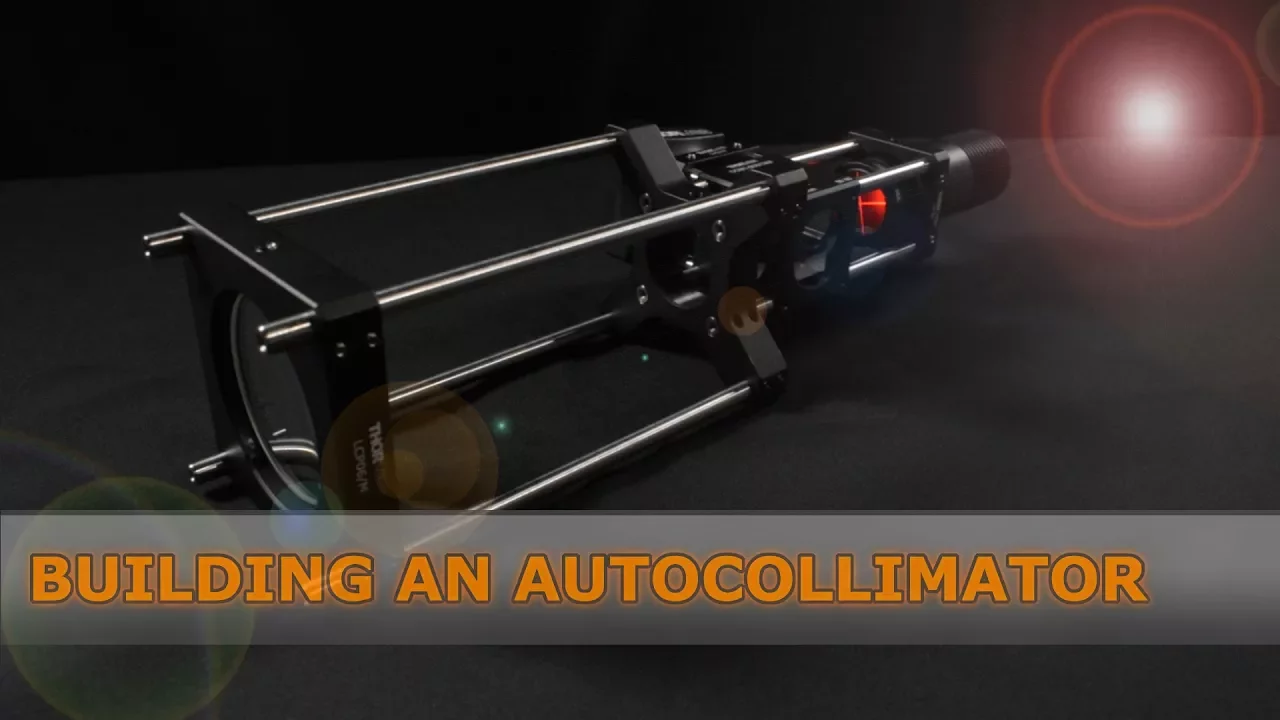


Mirrors have evolved significantly from ancient times to the present day, progressing from polished obsidian stones around 8000 BC, through bronze mirrors in ancient civilizations, mercury-coated Venetian glass mirrors in the 15th-16th centuries, to modern aluminum-coated glass mirrors developed since the 1830s; this evolution demonstrates how mirror manufacturing has advanced from simple reflective surfaces to sophisticated optical components used in scientific instruments, telescopes, and precision applications, with the key innovation being the transition from mercury to silver and then to aluminum coatings for improved safety, durability, and reflective properties.
History and Science of Mirror Manufacturing: 8000 BC to Today
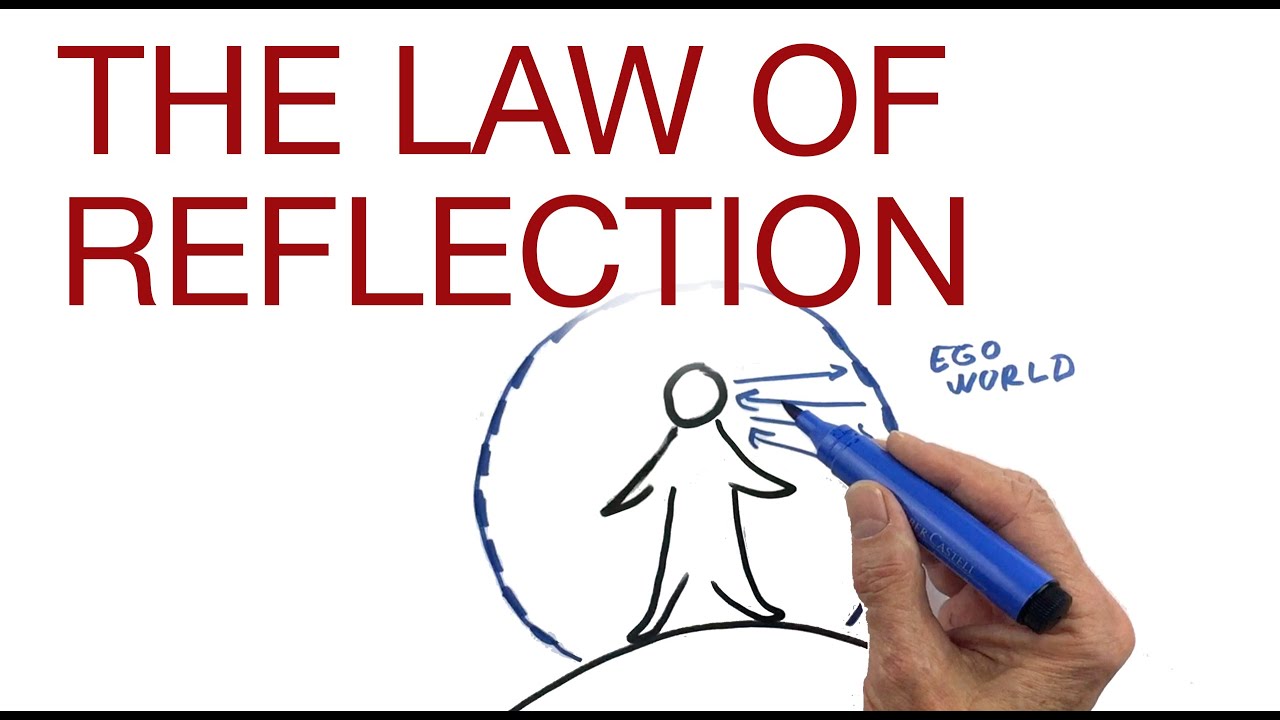
Added:The Law of Reflection: Understanding how light behaves when it strikes a surface, specifically the relationship between the angle of incidence and the angle of reflection.
Basic Materials Science: Distinguishing between different types of solids, such as amorphous solids (like glass) and crystalline structures (like metals).
Introductory Chemical Reactions: Familiarity with chemical reduction and metal deposition, which are fundamental to the historic 'silvering' processes.
Chronological Historical Eras: A broad timeline of human civilization from the Neolithic era through the Bronze Age and the Industrial Revolution.
Geometric Optics and Curved Mirrors: Analyzing how concave and convex mirrors manipulate light to focus, magnify, or distort images.
Modern Thin-Film Deposition: Exploring high-tech coating techniques like Physical Vapor Deposition (PVD) and sputtering used in semiconductor and laser manufacturing.
Astronomical Mirrors and Space Optics: Examining the engineering of highly specialized mirrors, such as the gold-coated beryllium segments used in the James Webb Space Telescope.
Optical Metrology: Learning how engineers use interferometry to measure surface roughness and flatness of mirrors at the nanometer scale.
34.8K views0likes8:14Original Release: 2020-09-30
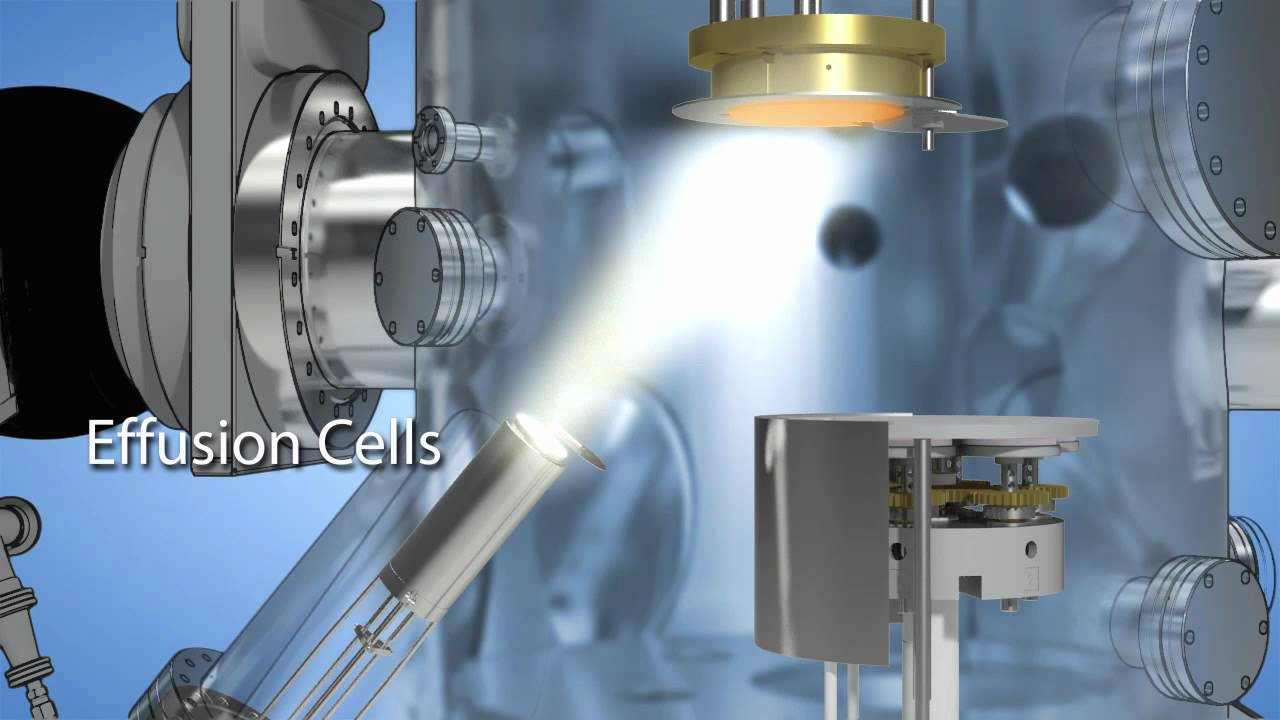
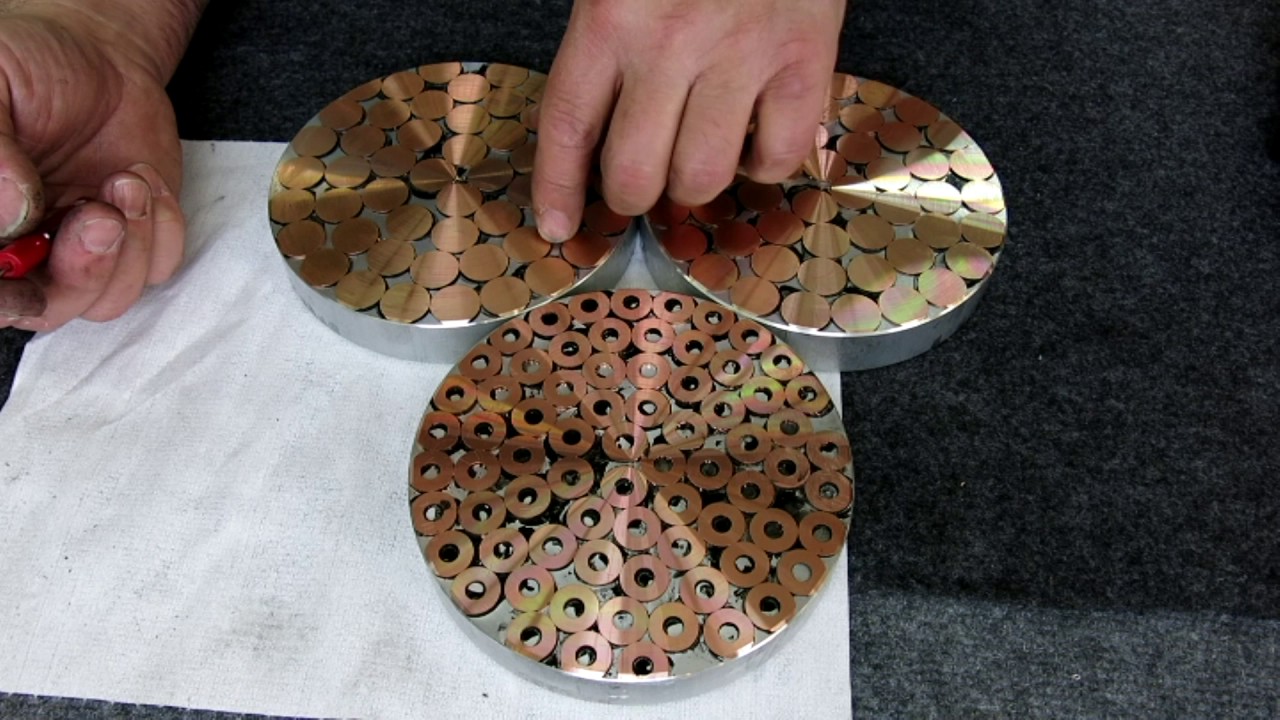
today i'm going to teach you how mirrors are made i'm going to take you through the history of mirrors the manufacturing process and the scientific properties of glass and mirrors [Laughter] [Music] hi i'm sydney with two-way mirrors every week we bring new new content based on our expertise in the glass and mirror manufacturing industry to discover how mirrors are made let's take a trip back to the beginning about 8 000 bc to be exact back before factories and modern-day glass production were even thought of people saw their reflections in rivers and streams that image might have been a little distorted from water movement but i'm sure they didn't mind the earliest known date of a physical mirror that people could hold in their hands was 8000 bc using obsidian stone obsidian is produced by active volcanoes and was first used in kenya for pottery and arrowheads people would heavily polish the stone which resulted in a beautiful reflection making it the world's first mirror over the years it's become increasingly associated with black magic and is known as a scrying mirror or black mirror not to be confused with the tv show the issue with obsidian mirrors is that they were really heavy so they usually weren't made on a large scale they were mainly used as smaller decorations by the wealthy unless you were royalty mirrors made out of bronze started to come around in 2000 bc and china and then 2900 bc in egypt these mirrors weren't anything fancy just pieces of bronze that were flattened into round discs than polished they typically had handles made of wood metal or ivory much like the obsidian mirrors these were usually made on the smaller side unless you were very wealthy this can be seen in egypt with the lighthouse of alexandria in 280 bc there was a large curved mirror at the center that would reflect fire onto a beam this would help guide those at sea back to safety at night money might not buy happiness but it does buy lighthouses with fancy mirrors have you ever heard the story of the famous mathematician archimedes using mirrors to burn down enemy ships this was back in 212 bc when photo evidence clearly wasn't invented yet so who can say for sure the legend has it that he set up a hexagonal mirror surrounded by other small mirrors to reflect sun rays onto roman ships the show mythbusters actually recreated this scenario and it worked there's scientific debate over the situation and the votes are split what do you think did archimedes use amir to take down enemy ships or was there another method he could have used let me know in the comments alright now let's fast forward a few thousand years picture this 15th to 16th century italy well to be specific we're talking about the island of murano and venice this is where the venetian mir originated they were known as murano glass mirrors these mirrors were considered to be the best of their kind and definitely weren't cheap while these mirrors were made with glass plates they were also made with mercury rather than using silver or aluminum like we do now mirrors back then had a mercury coating to give them their reflective quality today we know that mercury is a dangerous substance and shouldn't be used too frequently as it is toxic so i appreciate the forward thinking on their end but i'm super thankful that we have other means of making mirrors now okay now we're jumping to the 1700s rather than mirrors being used for vanity purposes or burning down ships they're starting to be used for science in the 1700s a mirror was used in the first reflective telescope but it was still viewed as a luxury item if you're still with me let's head to the 1800s this is where we start to see mirrors that are more like the modern day mirror in 1835 hustas von liebig started using silver instead of mercury to coat the glass thus creating the silvering process that we still use today glass itself is not very reflective which is why the silvering is needed being a fairly sturdy material that is easily polished and smoothed makes it the perfect choice for mirror making unless you're going with an acrylic mirror but that's a topic for a different video glass sheets are made from silica which can be mined or refined from sand when the glass is made from natural crystals of silica it is known as fused quartz however if it's a synthetic glass then it's going to be synthetic fused silica the silica or quartz is melted to an extremely high temperature where it is then poured or rolled into sheets silver is boiled down to a liquid and then applied in a thin even coating to the glass the liquid silver could also be sprayed on depending on what tools are available after the silvering process the mirrors are covered in a protective coating to avoid chips in the reflection and then polished if the mirror polishing process isn't done correctly there could be waves in the glass which would cause distortion old silverback mirrors often have dark lines behind the glass because the material was coated very thinly and unevenly causing it to flake off scratch or tarnish distorted mirrors are okay for fun houses but not for everyday use modern mirrors use aluminum rather than silver the aluminum is applied via vacuum and will bond directly to cooled glass aluminum can oxidize but a protective layer such as paint can be applied to prevent oxidation aluminum actually has the highest level of reflection out of any other metal in the ultraviolet and infrared spectral ranges front surface mirrors also known as first surface mirrors are coated in a multi-layer automatic coater this helps to ensure that everything is perfectly even resulting in a flawless reflection with a standard mirror the reflection is from the back side whereas with a first surface mirror the coating is on the face of the glass as a result it has no double image giving a true reflection after the aluminum layer is applied the dielectric layer is applied to prevent oxidation and scratching and further enhance the reflection for specific wavelengths once this is done a laminate layer is applied as protection during the shipping process i'm going to leave you a ton of information about this in the description below and check out our website 2amirs.com these mirrors have the highest quality control provided ensuring that the mirror is flawless first surface mirrors can be used for engineering and science applications such as barcode scanners robotics and lasers for science and engineering a superior quality mirror is needed with a precise reflection for scientific grade mirrors there's usually another chemical component added to strengthen the glass for example borosilicate glass is composed of silica and boron which helps it withstand high temperatures throughout history from 8000 bc to present day meers have held an important role in society originally used by the rich as a status symbol to now where mirrors are a commodity item for the masses and even used in advanced technology and teleprompters the mirror-making process has transformed from obsidian glass to bronze to toxic mercury silver and aluminum phew what a ride that is all we have for you guys today on mirror making thank you guys so much for going on this adventure through time with me if you enjoyed this video drop a comment below and tell me your favorite part or if you want to see more educational content hit that subscribe button right now so you can tune in with us next week until next time i'm sydney with two-way mirrors and i'll catch you guys in my next video don't forget to hit that subscribe button so you can stay in touch with me and now a message from our sponsors us a lot of you have been asking how we do our videos so i'm going to take you behind the scenes into our studio right now i'm standing in front of a chroma key backdrop also known as a green screen i'm recording through a teleprompter which allows me to carefully research and script all of my lines in advance the green screen makes it easy to add all cool visuals later during the editing process a teleprompter is simply a beam splitter mirror that displays my script in front of the camera it allows me to see my lines directly in front of the camera lens so i can read through the script effortlessly while making direct eye contact with you the audience the magic is in the transparent mirror which provides tint free visibility for my camera to record through and there's no double image with the text so reading it is a breeze hi i'm sydney videographer mere geek and basically a jack of all trades i wrote this guide so you can streamline your own videos and speak with more confidence a professional teleprompter is very easy to make if you know how i'll leave you all the details below on the simple parts you'll need to make a professional teleprompter using our beam splitter glass i'll also leave you a link to our free voice activated software which scrolls automatically while you talk good luck and happy recording [Music]
Up Next
109:45
Roman Industrial Revolution: Feasibility Analysis | Historical Inquiry
@InvictaHistory
1.6M views•2024-07-02

33:02
The Great Schism of 1054: Causes and Consequences
@SacredCathedrals
113.5K views•2026-02-19
91:57
The Geopolitics of the Ukraine War and the Rise of Global Autocracy
@JordanHarbingerShow
468K views•2025-04-19
17:05
Understanding the Cold War: Superpower Conflicts and the Road to Détente
@OverSimplified
46.1M views•2019-01-24
Related Study Plans & Knowledge Roadmaps
Structured learning paths in History
history
Byzantine Iconoclasm: Theology, Art & Politics
01Foundations of Byzantium and Early Christian Images
02The First Iconoclasm: Leo III and the Crisis of Images
03Empress Irene, Nicaea II, and the Second Iconoclasm
+ 2 more learning modules
9h5 modules
Explore Roadmap
history
Iranian Revolution (Causes, Events & Legacy)
01The Pahlavi Dynasty and the Roots of Discontent
02The Spark of Rebellion and the Rise of Khomeini
031979: The Fall of the Shah and the Climax of the Revolution
+ 2 more learning modules
8h5 modules
Explore Roadmap
history
Mali Empire: Mansa Musa, Trade & Timbuktu
01Foundations of the Mali Empire
02The Trans-Saharan Gold and Salt Trade
03The Reign and Pilgrimage of Mansa Musa
+ 1 more learning modules
6h4 modules
Explore Roadmap
history
1947 Partition: Politics, Borders & Legacies
01Foundations of British India and the Divide
02The Political Negotiations and the Mountbatten Plan
03Drawing the Boundary: The Radcliffe Line
+ 2 more learning modules
8h5 modules
Explore Roadmap