



























Ancient Rome developed an advanced sanitation system centuries ahead of its time, featuring the Cloaca Maxima (the world's first large-scale sewer system, originally built by Etruscan Kings around 600 BC and still operational today), eleven aqueducts bringing nearly 500 miles of water infrastructure into the city, and public latrines with communal sponges on sticks, demonstrating how Roman engineering innovations in water management and waste disposal influenced modern urban sanitation practices.
Ancient Roman Sanitation: Engineering Marvels and Daily Life
Added:Basic chronology and geography of the Roman Empire, including its transition from Republic to Empire.
Fundamental principles of hydraulics and gravity-fed water flow, which governed aqueduct design.
The general challenges of ancient urbanization, such as high population density, disease transmission, and waste management.
An introduction to Roman architectural innovations, specifically the structural use of the arch and waterproof concrete.
The decline of Roman infrastructure during the Middle Ages and the subsequent rise of waterborne diseases in Europe.
A comparative analysis of sanitation systems in other ancient cultures, such as the Indus Valley Civilization's advanced drainage.
The evolution of modern municipal sanitary engineering, starting from the 19th-century 'Great Stink' in London.
Modern civil engineering challenges regarding sustainable water management, wastewater treatment, and urban sanitation.
725K views24.4Klikes17:04Original Release: 2020-06-04
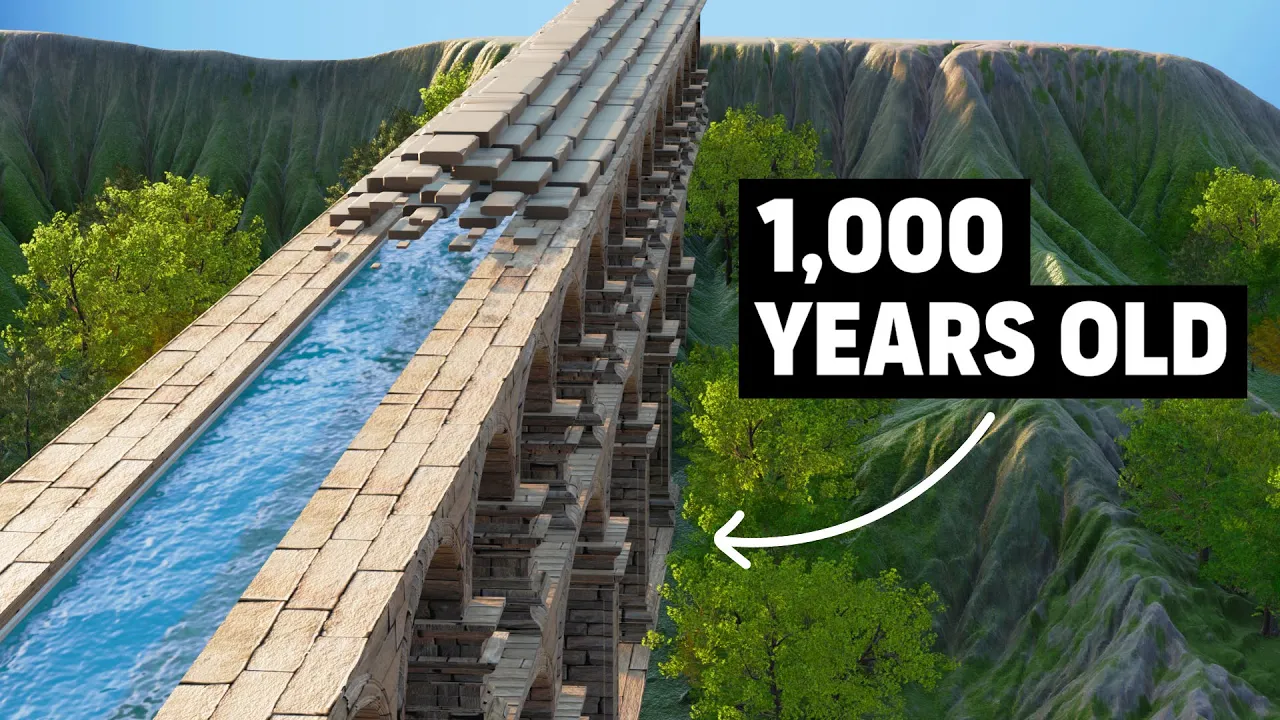
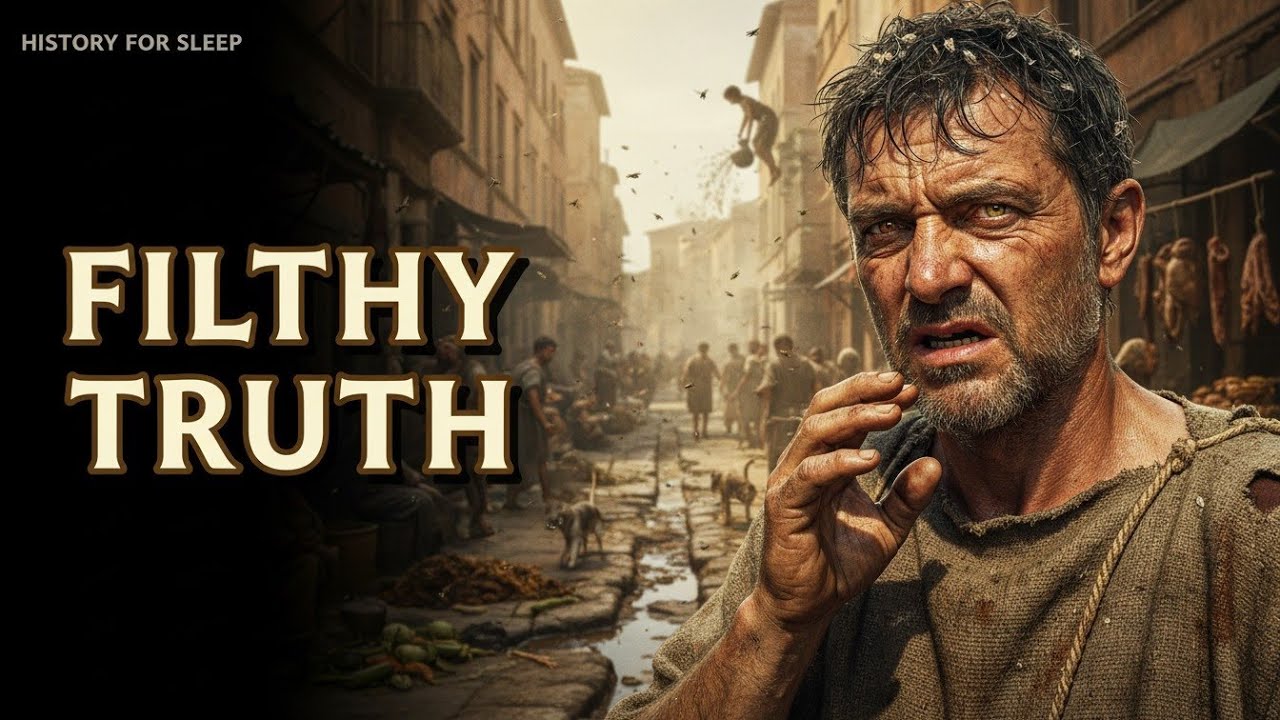
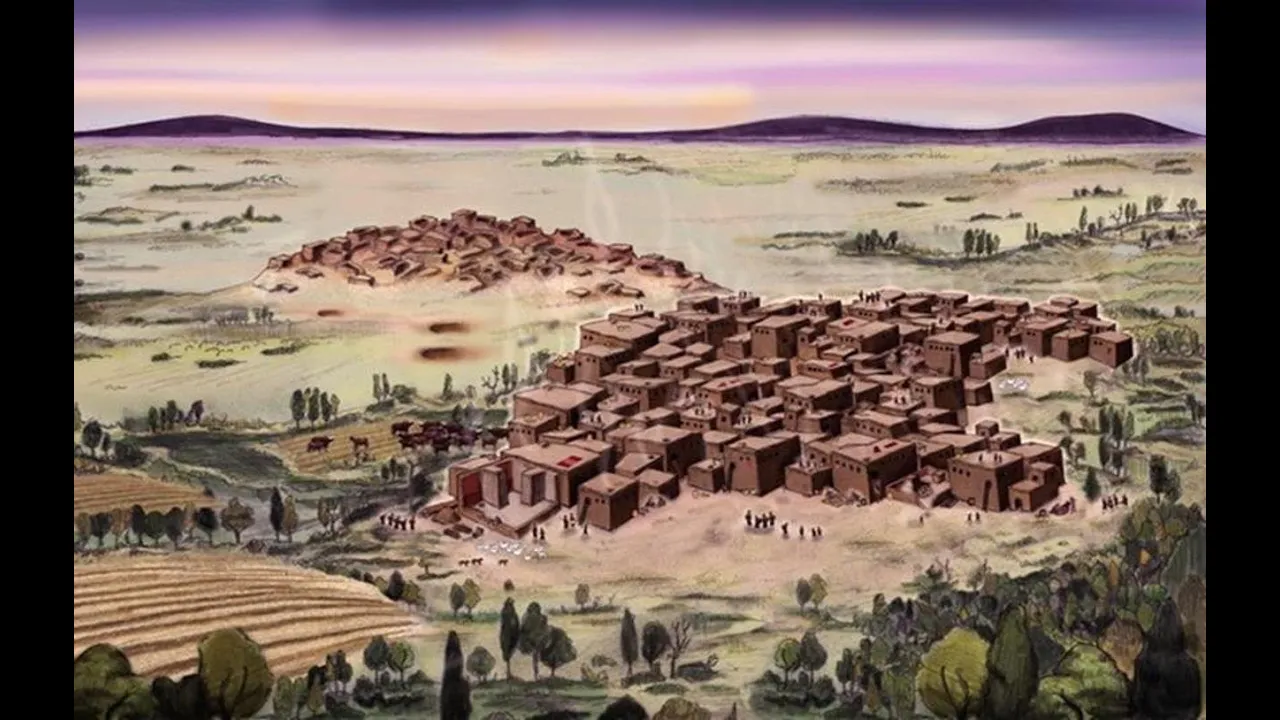
hello everyone back to mega-projects this time we're doing a historical one we're jumping all the way back to ancient Rome to cover their sanitation system because well why else would you come as a mega project except to learned about so here we go [Music] there could be few ancient cities that have captured the imagination like Rome the vast imposing Colosseum with it's bloody gladiatorial battles or the refined elegance of the Pantheon which even today remains the largest freestanding dome in the world or an aspect of ancient Rome often overlooked was it's extraordinary sanitation system great aqueducts transported fresh spring water four miles into the thirsty city as underwater tunnels carried the dirty water out if you found yourself caught short you could always stop at a public toilet to do your business to put that in perspective London didn't open its first official public toilet until 1852 over 1300 years after the fall of Rome I'm not sure this is a good thing public toilets in general somewhere I really try to avoid I know sanitation system sounds about as fun as watching paint dry because I mean we've covered space stations and canals and crazy stuff like this on this channel so sanitation systems but it's gonna be interesting I promise there was nowhere on earth quite like Rome when it came to sanitation wherever you're watching this video the chances are that your ancestors from 2,000 years ago had the kind of sanitary behavior that we in the modern world would find let's just say appalling even if we go back a hundred or two hundred years we've be horrified at the kind of sanitation that our ancestors used daily but one city in particular was very different at its peak Rome was a glorious city that oversaw the largest Empire of the ancient world a city of unimaginable wealth but with this as you can imagine came a sense of entitlement Romans demanded the very best and while the Empire was still booming Emperor's and Senators were all too happy to oblige wait didn't they wipe their butts with a sponge on a stick the very best this was a city that paved the way for modern sanitation the first to use piping embedded in concrete's the first to make a conscious effort at separating poor quality water used for latrines and bath houses and cleaner water to be used for drinking and cooking and in the cloaca Maxima had the most astonishing of ancient sewer systems yes life in ancient Rome would have been very different than almost anywhere else on the planet but as their influence spread so did their ideas of sanitation and cleanliness like all night were being invaded by the Romans but at least they're bringing good toilets guys however the fall of Rome heralded in a darkness that would take Europe nearly a thousand years to emerge from unbelievably some of the techniques used in Rome would not be replicated in major European capitals until the 19th century war Rome may have had the most impressive sanitation system in the ancient world many particular aspects certainly were not new Mesopotamia had the world's first clay pipes as early as 4000 BC while China Greece and Egypt all had notable systems though almost always on a considerably smaller scale than what was seen in Rome much of what came before was confined either to religious buildings or those of the very rich those at the bottom of society and even those Midway would not have access to ancient sanitation except perhaps to use communal wells the first real example of urban sanitation might be little surprising the ancient city of Harappa located in punjab pakistan was at its largest between 2600 BC and 1900 BC with as many as 24 thousand inhabitants this is perhaps the earliest example of individual houses connected to a basic form of a sewer many houses seem to have what was probably a washroom with a small drain that directed water out into the streets this region has thrown up some wonderful finds if you find sanitation interesting including drainage channels Street ducts and complex systems to harvest rainwater goes it does sound pretty interesting the Indus civilization came to an end around 1300 BC is still a good thousand years before Rome was a city to be reckoned with the Romans might have been good but they certainly did their homework [Music] the rise and eventual fall of Rome was roughly a thousand years beginning sometime in the 6th century BC and ending in 476 ad as the barbarian horde descended onto the city it was an astonishing time that saw human ingenuity jump forward whether it was military tactics construction or indeed sanitation the Romans set themselves apart from North Africa to the Scottish Borderlands Rome dominated much of Europe but it was an empire that became so big it simply contracted in on itself yet Rome at its pinnacle must have been a sight to behold but not always exactly how you imagined it while the Sanitation system in Rome was well ahead of its time it doesn't necessarily mean cleanliness was to the streets of Rome would have been littered with old food waste of dead animals and the city still suffered from outbreaks of diseases just like everywhere else the Romans were particularly focused on the dangers of standing water an idea like many of theirs which originated from ancient Greece while the streets may have been filthy in some areas as long as the water wasn't congealing in public they seemed satisfied modern doctors would of course have a thing or two to say about this but at the time this was cutting-edge thinking we can't really blame them they didn't know about germs there's this saying that rome wasn't built in a day and that of course is true and neither was its Sanitation system at its peak it's thought that Rome may have even hit a million inhabitants and it's sanitation system and indeed much of the city was carefully improved upon for hundreds of years as the city expanded [Music] ask anybody what was the most impressive construction achievement in ancient Rome and it's unlikely that many people will say oh it's the cloaca Maxima but even its name the greatest sewer should give us an indication of just how important it was yes it will never rival Romans more flamboyance construction projects but it certainly deserves to be mentioned alongside the Colosseum and the Pantheon originally built to drain the marshes from nearby lands around 600 BC it eventually went on to form the basis of the world's first large-scale sewage system guess what it wasn't even built by the Romans no we have the late Etruscan Kings to thank for the cloaca Maxima these were ancient people who lived in an area between Tuscany and Campania including what is today modern Rome the cloaca Maxima began as an open channel that was constructed by lining an existing riverbed with stones and acts that raised the entire channel as much as nine metres 30 feet about grounds it was originally designed to carry away storm water from the forum district which was once around six metres 20 feet below sea level but it would eventually be connected to latrines and bath houses throughout Rome in total it runs nearly 310 metres for the liver a thousand feet and measures six meters or 20 feet wide think of it as a large-scale drain that collects from various sub channels before funneling it out into the river once the Romans had moved in a decision was made to cover the tunnels probably for both aesthetic and hygiene purposes there's just something about watching human feces flow through a city that doesn't exactly call out refinement but also remember this was a blossoming City and the land was scarce especially in central Rome over time the cloaca Maxima was bricked over which may or may not be why we seldom hear about it buildings were then constructed over the top but it still remains this vital cog in Rome's sanitation system amazingly this early sewer system is still in operation today in the late 20th century the decision was taken to connect the modern system to it and just like that a channel dug over 2,500 years ago got new lease of life of course Rome has it's modern system that connects to people's houses but the cloaca Maxima still deposits excess water out into the river Tiber so the Romans seem to have mastered getting rid of water what about bringing it in [Music] the Romans are known for their aqueducts and nowhere were these great stone water canals more prominent than in ancient Rome a total of eleven aqueducts were constructed the brought water into the city for a wide variety of purposes the first of these the aqua appear was started and finished in 312 BC and ran about ten miles sixteen point five kilometers the final was the Aqua Alexandria built in 226 AD running 14 miles twenty two point four kilometers when we think of aqueducts today we picture raised canals with great stone arches but much of Rome's aqueducts actually ran on two grounds the total combined length of all eleven from source to city came to nearly 500 miles that's 800 kilometers and extraordinary achievements in the ancient world as I mentioned briefly earlier water coming into the city was designated between two categories the best quality water would be used for drinking and cooking while the worst was used for latrines sewers and somewhat worryingly public baths in total they brought 1.1 to 7 million cubic meters nearly 300 million gallons of water into Rome each day mostly from the uneo and the Apennine mountains the most visually impressive of Rome's aqueducts is still visible today and it's the Aqua Claudia built between 38 ad and 52 ad this vast waterway measures some 43 miles 69 kilometers with much of it underground it brought about a hundred and ninety thousand cubic meters 6.7 million cubic feet in in 24 hours which is about 2.3 cubic meters per second since this stretched from the hill region to the east of Rome and right into the center of the city quite simply Rome could never have grown to its peak size without these life-giving arteries that stretched throughout the city while in many parts of the world people were more than happy to crouch and do their business in a hole in the ground the Romans were a little bit above it at this point of course the rich had toilets in their villas but for the everyday man women and Charles the public latrines were an everyday occurrence now let's just shatter the myth here a little bit now if you've got at all in your minds of Roman public toilets being these clean places where people sat next to each other and talked about the day's events well just know in reality they weren't like this they were dark and smelly places no surprise there that you would assume Romans wanted to get out of as quickly as possible research done on the waste found near Roman latrines shows high levels of disease comparable to other places around the same time it may have looked better than what was happening in many other parts of the world but it would have still horrified any modern human these public toilets were typically multi seater Affairs with 8 to 20 seats facing inwards a gutter below would then transport the waste out of the toilet and eventually into the cloaca Maxima just sounds like a bad time personal anxiety I was once on a trip in China on a bus and I stopped at the place where we gonna use the toilet and it was a communal place where people went to take a [ __ ] I just left like I'm gonna hold it now toilet paper was of course a good 2,000 years off at this point instead the Romans wiped using a sea sponge attached to a stick known as a toss or iam told you this was then washed in a bucket containing water and salt or vinegar now I used the word wash very liberally here in fact some people found it so nasty they carried around their own sponge on a stick while the rich have their own toilets they were not always so eager to connect it to the wider system if you had a large villa with plenty of money you certainly weren't cleaning out your own toilet there were servants or even slaves to do that kind of thing for you but there was also a very real fear involved the Romans seemed to have a fixation on the idea of creatures climbing out of the sewer and into their homes whether it was rats or rather bizarrely according to one Roman tale and octopus citizens of Rome were often reluctant to connect their homes to the vast sewer system least early on it's like surely you'd get over that like downside well all of the the porn stuff is building up in the garden but at least we don't have octopuses coming into the house [Music] another thing we commonly associate with ancient Rome was public bathing again the reality was very different from what we imagine today recent evidence has revealed just how disease ridden the Roman baths has actually worked public baths can be divided into two the thermoses which were large public bathing houses and bowel næss which were smaller facilities sometimes in private hands public baths were often places of grand opulence first example dating from 19 BC was a circle area 25 meters 82 feet across and complete with a garden and last official River the largest of all of Rome's bath houses the baths of diocletian was simply enormous and could accommodate 3,000 bathers it also came complete with the library games room as well as the standard sauna steam room and cold water bathing area in total the area covered around 32 acres of land a huge size for its central location the water used was brought in from the aqueducts and depending on what room it was used in would either be cooled or heated a hypocaust was an early form of central heating and typically laid below certain areas of the building the ceiling of the room was raised on stone pillars with a furnace below it capped at a roaring temperature the heat was then distributed around the building through flues pipes made of clay or tile and used to heat the water in the bathhouse to an agreeable temperature the system was also used for general purposes though because of its cost only the very rich would have it as I've said these were not particularly clean places but if anything they were more about social interaction rather than maintaining health these were essentially early community centers where you could go work out a little in the gym read a book and then take a bath and catch up with your friends it sounds charming if you don't think too much about the horrible disease [Music] to get an idea of just how far ahead ancient Rome was in terms of sanitation you need only look at what came next when the Roman Empire had fallen though the very rich would have access to better services it wasn't until the late 19th century that cities around the continents began to even resemble what was once ancient Rome in terms of sanitary ideas it was only after a water pipe was directly linked to a deadly cholera outbreak in London in the mid nineteenth century that the city began implementing a large-scale sewer system now it's easy to nitpick about the sanitary conditions in ancient Rome it has become slightly fashionable to debunk the notion that Rome was a clean place and no it certainly wasn't perfect mainly because there was just so much they still didn't know it's just because he lived in Rome it didn't mean you were any less likely to get the plague but this vast system that was constructed over 2,000 years ago was able to sustain the largest most significant city that the world had ever known it was so far ahead of its time that it's almost difficult to fathom the Romans were fond of one phrase in particular all roads lead to Rome while we think of ourselves as the embodiment of modern sanitary practices the road to modern sanitation stretches all the way back to the Eternal City so that was Rome's Sanitation system and I'm glad we got to mention the sponge on a stick because I feel that comes up all the time any video about Rome and you're not mentioning the sponge on a stick something's gone wrong and so there we have it interesting an old mega project as I would say at the ends if you've got a suggestion it doesn't have to be old it can be modern it can be we've even covered a Dyson Sphere which is like a theoretical future mega project if you've got an interesting suggestion please do leave it in the comments below thumbs up the ones you like also thumbs up this video why not subscribe to this channel also why not and I'll see you next time [Music] [Music]
Up Next
11:43
The Great Stink of 1858: London's Sanitation Crisis and Sewer Reform
@TheHistoryGuyChannel
689.8K views•2018-08-14

33:02
The Great Schism of 1054: Causes and Consequences
@SacredCathedrals
113.5K views•2026-02-19
18:37
The Crystal Palace: Rise and Fall of Victorian Britain’s Icon
@megaprojects9649
641.8K views•2020-07-27

17:05
Understanding the Cold War: Superpower Conflicts and the Road to Détente
@OverSimplified
46.1M views•2019-01-24
Related Study Plans & Knowledge Roadmaps
Structured learning paths in History
history
Byzantine Iconoclasm: Theology, Art & Politics
01Foundations of Byzantium and Early Christian Images
02The First Iconoclasm: Leo III and the Crisis of Images
03Empress Irene, Nicaea II, and the Second Iconoclasm
+ 2 more learning modules
9h5 modules
Explore Roadmap
history
Iranian Revolution (Causes, Events & Legacy)
01The Pahlavi Dynasty and the Roots of Discontent
02The Spark of Rebellion and the Rise of Khomeini
031979: The Fall of the Shah and the Climax of the Revolution
+ 2 more learning modules
8h5 modules
Explore Roadmap
history
Mali Empire: Mansa Musa, Trade & Timbuktu
01Foundations of the Mali Empire
02The Trans-Saharan Gold and Salt Trade
03The Reign and Pilgrimage of Mansa Musa
+ 1 more learning modules
6h4 modules
Explore Roadmap
history
1947 Partition: Politics, Borders & Legacies
01Foundations of British India and the Divide
02The Political Negotiations and the Mountbatten Plan
03Drawing the Boundary: The Radcliffe Line
+ 2 more learning modules
8h5 modules
Explore Roadmap