















![[Conversation] with Ana Ines Ansaldo on the Benefits of the Bilingual Brain](https://i.ytimg.com/vi/HvP1_2HvUAo/hqdefault.jpg)

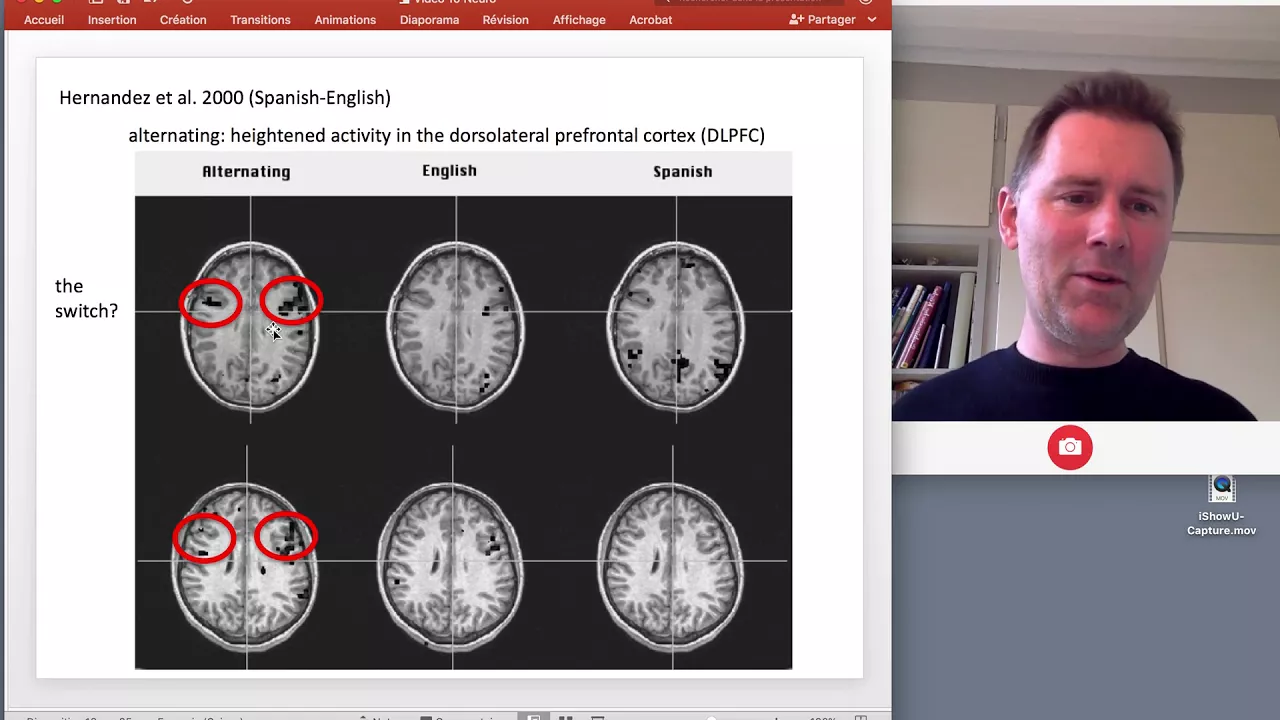
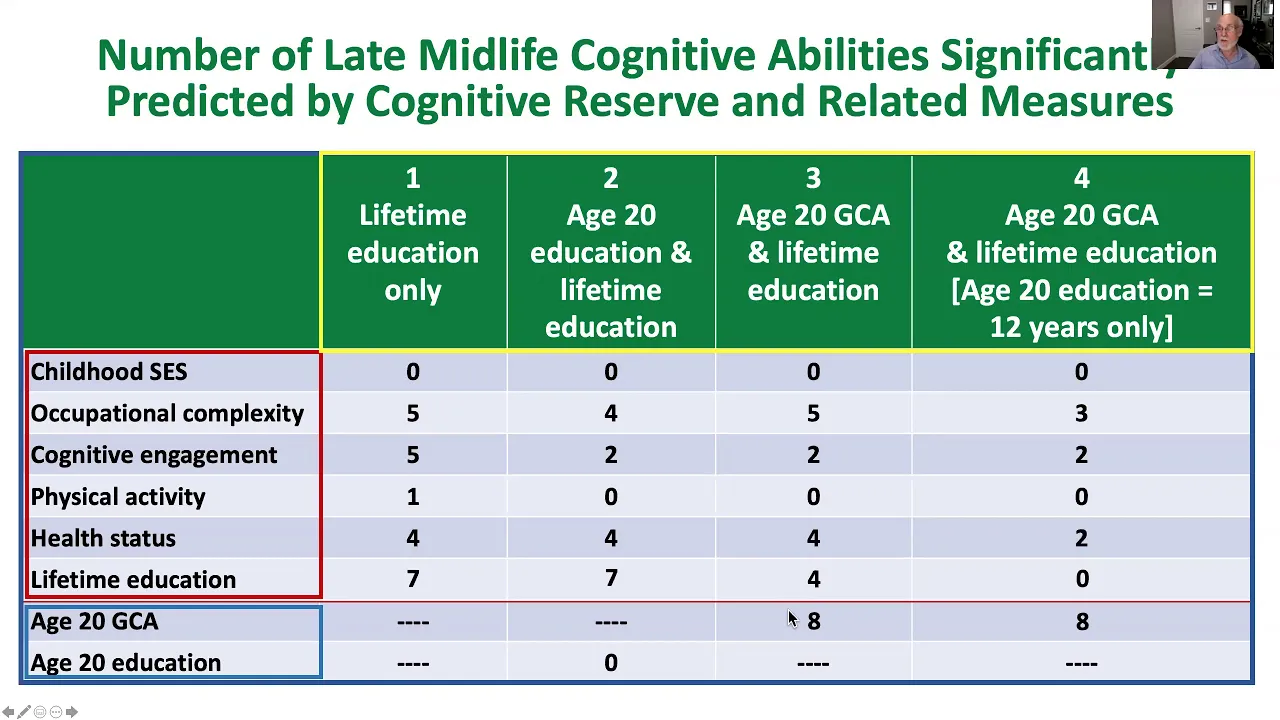









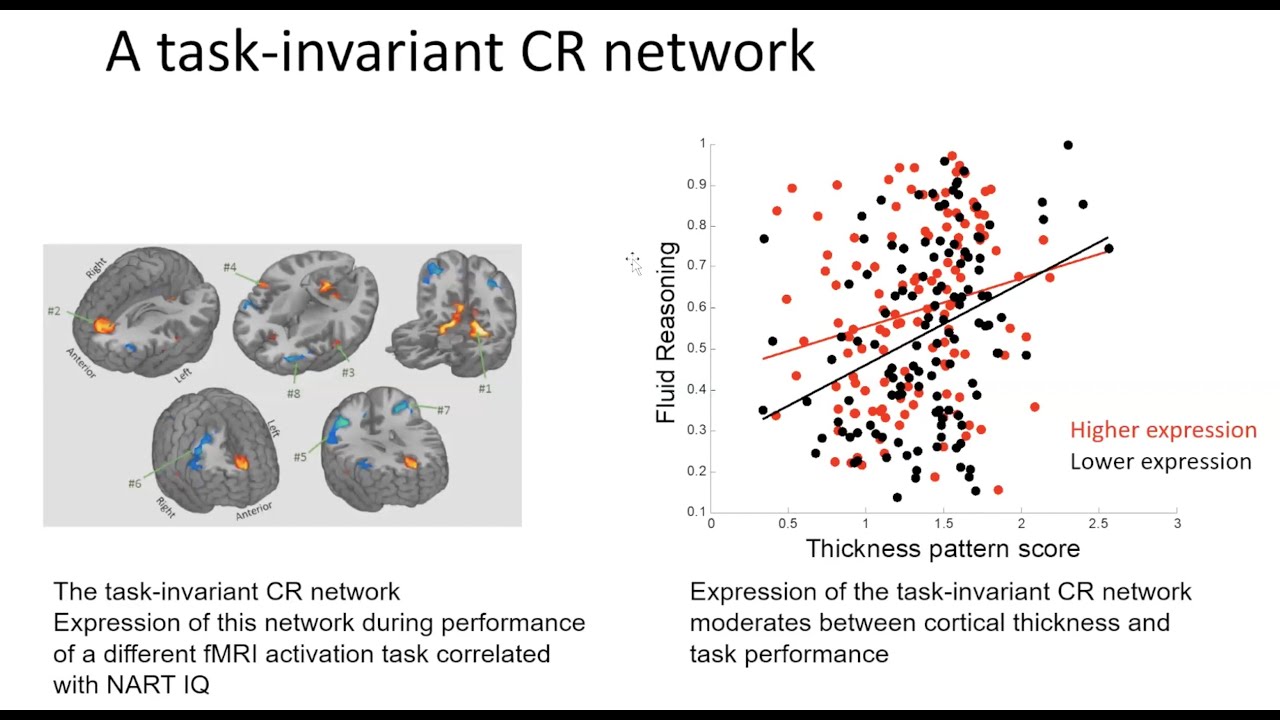
Cognitive reserve is a protective mechanism that helps individuals resist cognitive decline in aging, and bilingualism may contribute to building this reserve through the continuous cognitive demands of managing two languages; research suggests bilinguals may experience a 4-5 year delay in dementia onset compared to monolinguals, though this advantage depends on factors like language switching context, cultural and linguistic distance, and individual bilingual experience.
Cognitive Reserve in Bilingualism: New Developments
Added:The fundamental definition of 'cognitive reserve' and how it differs from brain reserve (structural capacity).
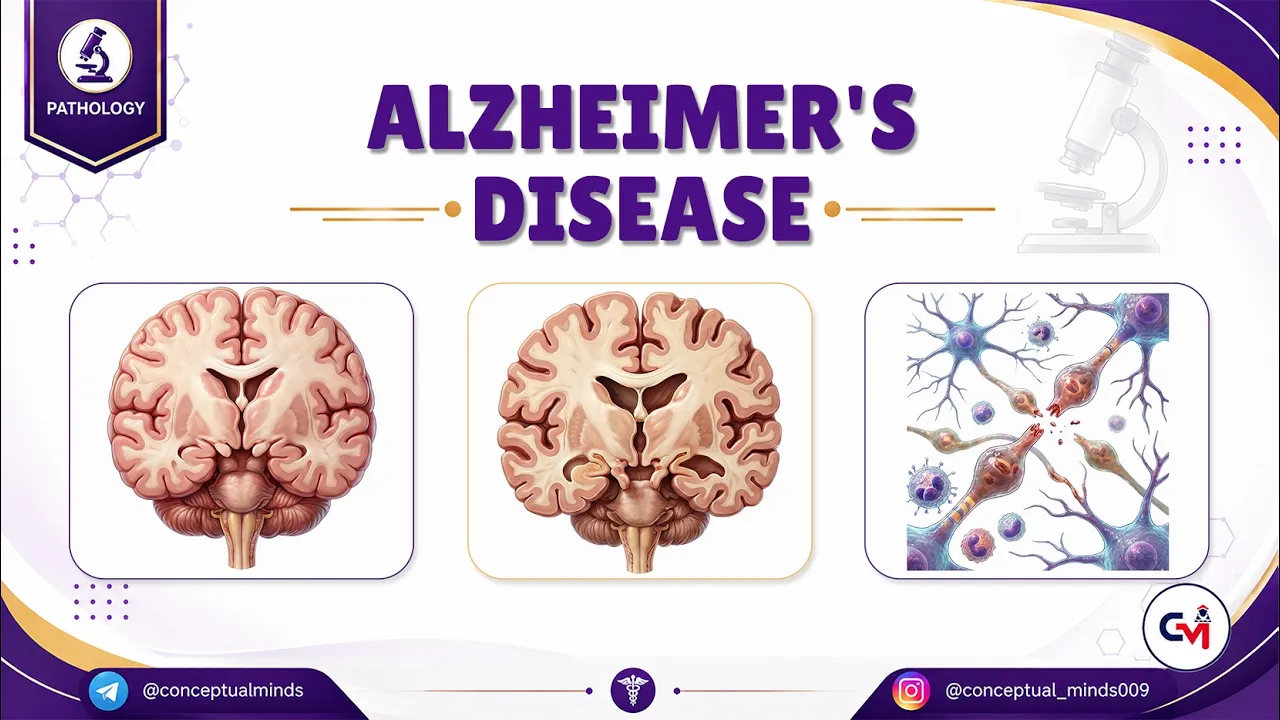
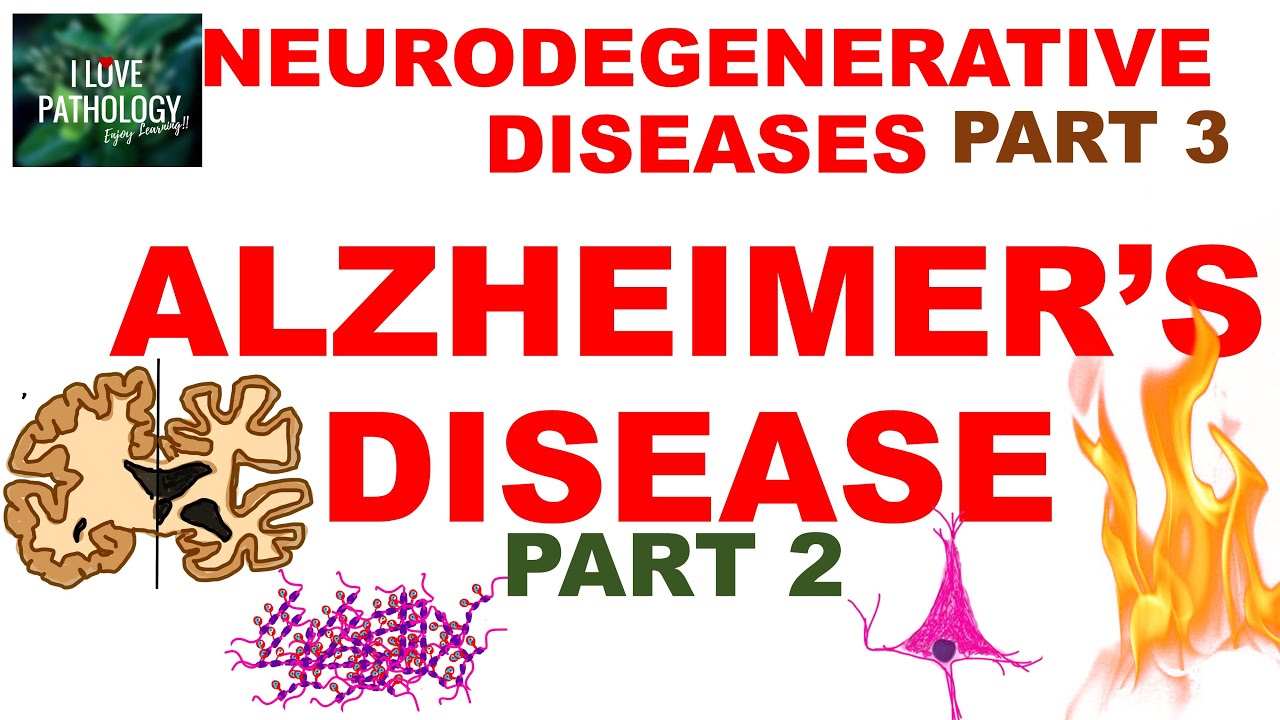
Basic pathology of neurodegenerative diseases, particularly Alzheimer's disease and dementia, including how pathology translates to clinical symptoms.
The cognitive mechanics of bilingualism, specifically how managing two languages engages executive functions like inhibitory control and cognitive flexibility.
The concept of neuroplasticity and how sustained mental stimulation can structurally and functionally reorganize the brain.
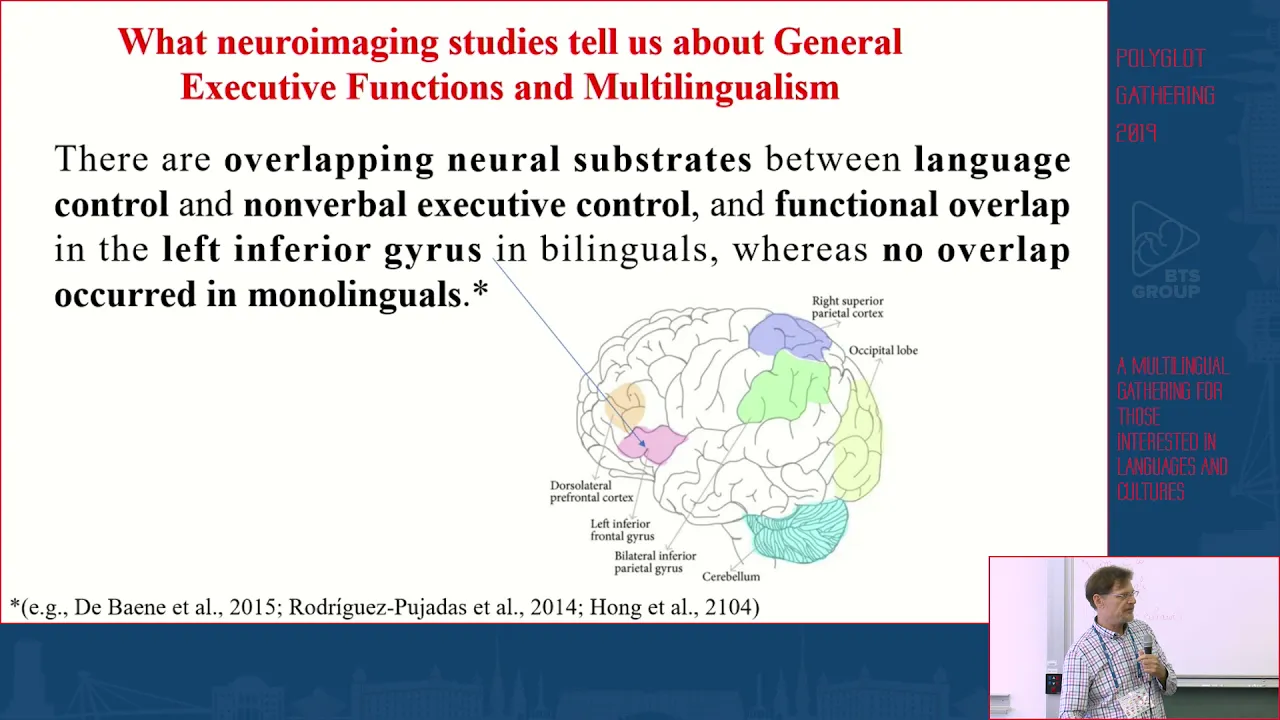
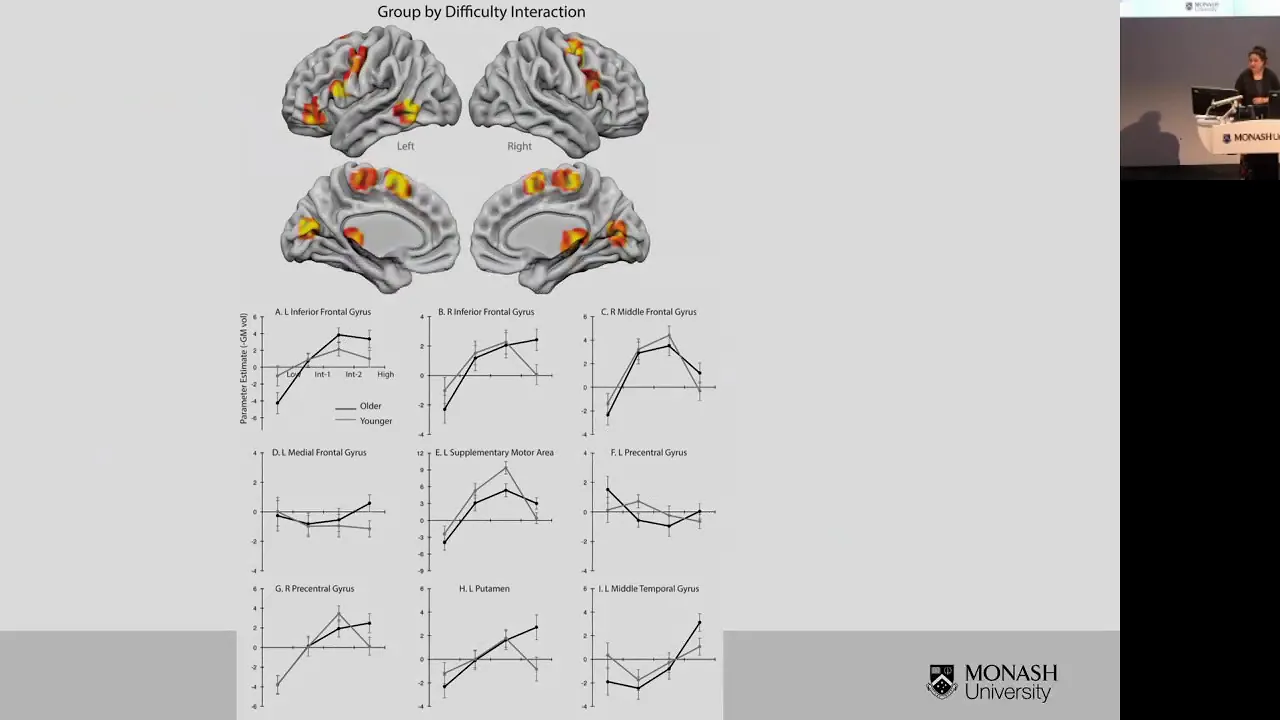
Advanced neuroimaging methodologies (e.g., fMRI, PET scans) used to measure neural efficiency and compensation in bilingual older adults.
The clinical paradox of cognitive reserve: why bilingual individuals may show a delayed onset of dementia symptoms but a more rapid decline once symptoms manifest.
Comparative analyses of other life-course factors that contribute to cognitive reserve, such as musical training, high occupational complexity, and formal education.
Public health policy implications, specifically designing interventions and educational programs that promote lifelong multilingualism to mitigate societal cognitive decline.
242 views4likes55:08Original Release: 2023-03-20
foreign [Music] hello and welcome back we are talking about the cognitive effect of bilingualism as in how bilingualism can have an impact on the way we deal with our various kinds of incoming stimulus and how we are capable of inhibiting the goal irrelevant cues from that perspective we have looked at different kinds of tasks that build in those kind the different kinds of conflict and thereby we have looked at how conflict monitoring and conflict resolution by utilizing inhibition of various types is more Salient is more common to find among bilinguals as opposed to monolinguals and then now we move on to cognitive Aging in terms of various kinds of decline that we see cognitive decline that we see among elderly population so in terms of when we compare between adults and older adults and as in uh elderly population we see certain amount of decline in various cognitive capabilities their processing speed goes down their memories starts to starts to shrink then there will be inhibitory deficits and also various sensory functions also decline this decline includes decline in language capacities also quite often if not always quite often language decline decline in linguistic capacities accompany these so as a result we see um onset of Alzheimer's Parkinson's and various other such diseases among the elderly population so when we when somebody is suffering from Alzheimer's or Parkinson's sometimes dementia language get getting affected is a very common sign now this is this is quite common this is um nearly Universal that cognitive decline accompanies old age now throughout our lifetime the brain goes through various kinds of changes finally resulting in decline in old age so that is common and understandable however it seems there are certain cases when the cognitive decline can can be thought at to some extent if not entirely stopped or in other words cognitive decline may not affect every person in the same way sometimes even though the brain has gone through its usual course of action going through neurodegeneration at an advanced age however the patients may not always show the results the resultant behavioral changes so to say resultant behavioral decline in our in linguistic Decline and so on so there have been various studies to find out what exactly are the components what are the other contributing factors towards one to have the cognitive decline second to have the manifestation of the cognitive decline what are the factors that could be understood to be contributing factors so one study of this type goes back to all the way 1981 when they looked at Patients suffering from dementia and Alzheimer's and they found that there possibly are some kind of social connections to Alzheimer's and and dementia one study particularly on Chinese older patients there that was based on 5000 patients found out that education probably could be an important predictor they connected the education level of the participants with the onset of dementia so higher the education level lower the chances of being suffering from dementia and Alzheimer's and so on so manifestation is the key word here so whether or not you have a neurodegeneration but whether that will manifest in some kind of a visible disorder is what is the core Focus here and that that is somehow connected to education that is what the study on Chinese older population found out in some cases in some patients Alzheimer's was discovered only in autopsy meaning that those people did not manifest any sign of Alzheimer's during their lifetime however on autopsy it was found that their brain did have all the all the components that typically are associated with Alzheimer's so that that means there is something else that is happening so it is not a direct connection direct one-to-one mapping between the brainer degeneration and the manifestation of the diseases there is some kind of a filtering mechanism that probably helps in some cases so what are those mechanisms what probably could be happening there are two main thesis in this domain that talks about what probably stops some person some elderly people from manifesting those telltale signs so the damage do not basically all the patients with Bend damage do not manifest the disease similarly so the two theories primarily deal with one Theory deals with the brain reserve the idea of brain reserve the other Theory deals with cognitive Reserve we will not dwell too much on the brain Reserve we'll just see what it means so the brain Reserve theorists propose that some people some individuals have higher number of synapses or let's say more number of redundant brain networks redundant neuronal networks that is basically taking to us to the structural properties of the brain so some people might have higher number of synapses higher number of networks which comes to their rescue when the need be so that is basically an Hardware problem Hardware issue that is called brain reserve on the other hand there is the theory called cognitive Reserve now cognitive Reserve talks about the software issue as in how the same networks can be trained to do difficult things to do ah difficult challenging tasks is what cognitive Reserve is all about so the people with higher educational level or any kind of higher attainment typically are found to have higher cognitive strategies what this basically means is this takes us back to the idea of spillover effect anybody who has uh you know who goes through their life using their brain to solve challenging cognitive problems their brain up their brains Network differently their brain their neuronal networks fire differently they have different kinds of connections created and there are different strategies to solve different problems so that is what basically is cognitive Reserve all about so typically you will find this among people who are who have some amount of high attainment in any domain of high achievement so any domain of high achievement automatically presupposes that your brain has been busy solving numerous problems within that domain itself numerous complex problems and only when you face challenges and solve them do you come up successful so success has a has a replication at in in terms of your cognitive Reserve so this is a primarily cognitive a software issue with respect to your cognitive apparatus so now let's look into in more detail about cognitive Reserve so what does it do when we say that a person with higher educational attainment or higher attainment in any other domain like music or any other sports uh and so on what happens what happens is this they fine-tune the ability to optimize or maximize performance of different neuronal networks through differential recruitment of brain Networks right so this reflect in the use of alternate cognitive strategies basically meaning that we train when we expose ourselves to different difficult task demands our brain neuronal networks are challenged and as a result of which two things probably happen one is we can use different networks to solve similar kind of problem or we can use the same tasks for different kinds of problems so basically a lot of rewiring happens so we are able to and as a result of which those people are able to maximize or optimize their the network that they have at their disposal now this is nothing new this is not anything new that we are talking about this has been already there so changes in the brain recruitment happens throughout our life that is that is almost common knowledge because as we go through life facing different kinds of challenges brain simultaneously changes so brain recruitment associated with The Reserve or a normal response to have increased task demands any kind of increased task demands will will have a response system from the brain and as a result of which there will be changes so this Reserve is present in both healthy individuals as well as people with brain damage that is a given that is already the premise now in a sense an individual who uses a brain Network more efficiently or is more capable of calling up alternate brain networks or cognitive strategies in response to high demand may have higher cognitive Reserve so this is basically what goes on behind the scene when we see somebody practicing music for years together or somebody exercising for years together or facing different kinds of challenges in even in games with of various types for example you take the case of football or rugby or Cricket or all of these are strategy dependent activities and one needs to constantly have a feedback system in your brain depending on what the other players are doing so you need to update so this kind of T this is this is exactly where the difference between a good player and a bad player is so because of these uh different strategies to put in place over a period of time this is what happens so this kind of people they use brain Network Works more efficiently and often they can use alternate networks for the same kind of purpose and various kinds of this fine tuning of this mechanism so to to finally boil it down to two main points this cognitive Reserve typically means that using the same network for more number of purposes and utilizing different cognitive paradigms for the same task right so this is basically what it all means now as a result of more use of different cognitive mechanisms these individuals tend to create more cognitive reserve for their old age because if you have continuously done this kind of challenging tasks all your life you are basically creating cognitive reserve for your old age now as a result of which this creates some amount of immunity in terms of cognitive immunity so ah which which will help you in term in in the face of brain damage as we all know in in childhood if you play with different you know I just go out in the out in the open outdoors and play in the outdoor the more a child's immune system is exposed to different kind of um stimulus the more the child's immune system will be strengthened it is similar it is something like that it is something similar to like that so they the more challenges the brain faces the more the immune system will get strengthened and the more it will in turn be provide it will provide resilience in face in the face of brain damage so this is probably what happens or what has been happening for various kinds of those patients who have not manifested the disease so this is basically the kind of spillover effect we have talked about earlier now the question is can this kind of cognitive Reserve be connected to bilingualism too is bilingualism also an equally challenging task that is probably that could contribute to having higher cognitive active reserve now we have already seen that many elderly elderly participants in different different task conditions have done better than younger bilinguals who are equally proficient so we already have seen that elderly population do have a certain amount of control mechanism at their disposal now we want to see whether that kind of control mechanism in terms of Reserve also has an impact in against or some kind of immunity against the different kinds of neurodegenerative diseases so this is what we are trying to see now now there have been various studies on this um by different groups of researchers we'll talk about a couple of them here so one particular study in 2007 by bile stocks group they looked into the hospital records and compared the age of onset of symptoms of of there are 91 monolinguals and 93 bilinguals with dementia and Alzheimer's disease so basically now the problem one issue Let Me Clear before we get into this more is that typically this kind of patients the Alzheimer Parkinson's dementia patients most of the studies have been dependent on hospital records so when they visited the hospital after they had been uh for diagnosis so when they have been diagnosed when there was their first hospital visit is what the focus has been in the study they found out the comparison was between 91 monolinguals and 93 bilinguals who all suffered from dementia majority from Alzheimer's disease so the results showed that the age of onset of dementia is four years later for bilinguals than the monolinguals so on an average the bilinguals had reported a later onset of the disease as opposed to monolinguals who had reported an earlier onset of the same disease now the Gap is in this particular study the Gap was found out to be four years which is quite significant the two groups were otherwise essentially equivalent on other measures like mental state examiner occupational status and so on because those things need to be controlled so that they are not contributing variables so the finding in this case is that bilingualism probably has impact probably has a some amount of immunity in the face of mental cognitive disorders another interesting thing in this particular study was that monolingual group had higher number of Education also in comparison with bilingual groups so even though the monolinguals had higher education the bilinguals were showing better immunity in the face of Alzheimer's and Dementia in another study there was this study in during 2010 with 100 monolingual and hundred bilingual patients who had all of whom had been diagnosed with Alzheimer's disease in this sample two the first Clinic visit by the patients were had had shown a gap of four years so the monolinguals visited the clinic four years earlier than the bilinguals and also bilingual groups experienced symptoms of dementia five years later there is a slight difference here between when you start experiencing the problem versus when you visit the hospital in this is not same in every country in many European countries or in the in the U.S and other places like that their hospital visits are typically earlier compared to uh the same patients let's say in India or other Asian countries so that is one so hospital visit is one another is when you start experiencing the problem so in this study they they have also taken into account the when they started when the patient started experiencing symptoms of dementia and they found that same kind of difference so experiencing dementia started five years earlier for monolinguals compared to bilinguals and the hospital visit or clinic visit was also different by four years however there was no difference between subgroups of immigrant versus non-immigrant there was no difference on discount so these studies demonstrate that bilingualism which is high demand for establishing and maintaining two linguistic system probably contribute to cognitive Reserve so lifetime of practicing bilingualism seems to have an impact in this domain too so now we have seen a lot of areas within different kinds of mental functioning starting from children childhood to adulthood to elderly population and on various parameters bilingualism seem to have a positive impact however the story only begins here and it gets a lot more interesting because there are lots and lots of disagreements while on the one hand we have a large number of available empirical data that suggests a positive impact of bilingualism in terms of executive control uh inhibition working memory and so on basically in various domains within the higher order intelligence however there are also studies that did not find the same kind of benefit the basic idea here is the basic difference here is that there have been studies there have been replications of those studies who have found the advantage but the replications fail to find the advantage so there have been some studies that reported null results and some studies that reported an absolutely no Advantage whatsoever in fact there have been some studies that even even have a correlation of negative um there have been a negative correlation as well so a number of Studies have come out in 19 later in last uh about eight nine years um one of them was starting with 2011 a meta meta-analysis came up um came out by Hilton Klein and following that there have been a number of studies and uh taken together they all have raised a number of issues with the findings and these are some of them that I have pointed out here so there are very many issues issues with respect to participants issues with respect to task designs issues with respect to the population issues with respect to various other kinds of mechanisms that are all part of the previous studies so one of them is which component of EC is influenced by bilingualism is not clear so while we know that there have been findings positive findings in terms of working memory in terms of other various other domains but there has been a lot of data that also show that not all of them can be verifiable so in some studies you find the positive correlation another study you find a negative correlation so that raises the question as to which aspect of executive control actually mimics a bilingual's handling of the two languages typically the findings have suggested that because bilinguals handle two languages simultaneously at various levels of conflict hence there should be a data correlation between executive various executive control mechanism but many of these studies fail to explicitly say as to which part of executive control is a direct replica of a bilingual handling his or her two languages that is exactly where the one of the problems is so the components of EC is one important issue that has been raised another is on the clarity on the exact nature of neuronal control mechanism neural control mechanisms have been found to be habitating some amount of positive impact however there are questions on that too now in today's time when we have much finer neuronal blend mapping mechanisms there are many questions new questions also that have been asked similarly there are new findings that have pointed out that domain General and language specific cognitive control areas in the brain probably are not the same areas earlier the idea was that large area in the prefrontal cortex are responsible for both domain General cognitive control as well as linguistic language control functions but now new findings are pointed out that they that may not be the case in fact there are proposals that there are two different areas which lie side by side which are near to each other but they are not the same area so that is that is also adding to the debate and another thing uh one more point is that reduplicate replication failures typically happen most of the time with behavioral data so behavioral tasks like Simon and ant and various other tasks more more disagreements have been found in the experiments that have used behavioral experiments rather than in the neural uh in the blade mapping mechanisms though there are disagreements there too but larger number of real application failure have come from behavioral experiments and then of course there is Task impurity so there are finite nuances within each task as to how much of that task design actually targets the control mechanism so that is again a very important issue that has been pointed out larger socio-cultural issues are also a new variable that have been pointed out many by many researchers uh last few years have seen a new uh social turn in psycholinguistics research social turn as in researchers are now beginning to look into the socio-cultural background of the population in order to check them into account while processing various kinds of stimulus so the psychological studies or psycho linguistic studies of various kinds of language control mechanism have started to take into account the social variables so that is another thing that was not considered before So within the social variables there are many issues that have now started being looked at uh we talked about the Swedish Iranian and Iranian Kurdish and Iranian Persian population Iranian Turkish population and we saw how migrant non-migrant difference has come out similarly differences have also been pointed in terms of socio-economic status so in one has to keep that as a control so socio-economic status can also prove to be an important variable cultural closeness is yet another so whereas we find a lot of difference in terms of lots of impact of the incongruent condition in case of Chinese English bilinguals the same kind of impact in incongruent condition is not probably possible in language groups that are culturally closed then linguistic distance is yet another Factor again going back to the Iranian study where they found that when the language pair are linguistically closed the results are completely different when compared to when the language pairs are different linguistically different structurally different so there are so many other areas also that have that have now come up as a probable confounding variables and in case of Aging as well in case of cognitive aging as well the newer Studies have pointed out that hospital records probably may not be a very reliable source of data that that because the entire study is based on hospital records and interviewing caregivers and so on probably there are more objective methods that are necessary so there have been all of these different criticism different types of criticism that have been levied on the bilingual Advantage Theory and as a result of which we now have a lot of new um new way of looking at these things this effect in case of children though the results are more or less more or less Universal there are less problematic data more often than not there have been more agreement in case of child's data however there are still some who did not find the same effect um 2014 study which did not find the same kind of bilingual Advantage for children using an ant that is attentional Network task and last but not the least a number of researchers have also pointed out by publication bias in meaning publication bias is part of any academic discipline publication bias basically refers to the tendency of a particular kind of finding to be published whereas the contrary finding may not be published so up till there are studies which have there are meta studies meta-analysis that have pointed out that after 2014 more Studies have been published that have not found the impact as opposed to before that so there were before 2014 there was a number of studies came out and all of them seem to be showing the advantage now if you look at it look at the finding from the lens of application bias you know that the only the positive results were published negative results were not published so these are some of the criticism some of the problems that have been pointed out in last few and years and nine starting 2011 till today last 10 years have seen a lot of debate and disagreement in terms of the bilingual Advantage Theory now though that does not entirely negate the idea that bilingualism because the positive results are also results they're also valid results so are the negative results right so positive going from positive results to the negative results with null result in between all of them are valid results then if all of them are true then what is happening what is happening is probably that you need to look into a lot more number of finer variables than we have till now looked at now as a result of all of these latest researchers are now focusing on varied manifestations of the bilingual advantage many of these aforementioned conditions are now teased apart into more than one variables bilingual population now can be divided into bilingual migrant bilingual non-migrant population bilingual population differing on scas bilingual population differing on cultural closeness linguistic closeness and so on so the one idea of bilingualism can now be broken down to five different types of bilingual so that is what we mean by that form formal conditions are now teased apart into more than one variable and rather than a cross-section analysis of different groups longitudinal studies are also now coming up in a big way to see whether we can check the gradual impact of bilingualism on a population which starts from being monolingual to bilingual and do we see accompanying uh changes in their various kinds of cognitive control mechanisms so now new theories are coming up and that takes into account the behavioral Ecology of the population behavioral ecology as in the experience total experience of the bilingual participants that are taken into consideration so what kind of bilingual what it means to be a bilingual in different scenarios for example in the state of Assam Bengali Assamese bilinguals are one group now if we compare Bengali Assamese bilinguals executive control mechanism with that of Assamese English bilinguals probably we will find different results we will not be able to establish the same kind of findings so that but does it mean that the idea is not right probably not idea probably is right but we are simply comparing apples with oranges so that is exactly what the new uh domain of research is all about that we should take into account bilinguals in different scenarios and compare them within that scenario rather than across in another in a cross-sectional way so the bilingual experience is what is now coming under Focus very quite heavily is now being investigated under various in various kinds of scenarios so the new areas as a result of all of these controversy all of these debates the new areas that have come up uh new areas of research that has come up are one of them is longitudinal studies then looking at the language use and the language switching context okay and then distance between between languages cultural setting weird versus non-weared group they're not weird in any way this is just an abbreviation we'll look into it shortly uh so these are some of the areas so in terms of longitudinal studies there have been some studies that have taken place already and many others are going on now one study that I have looked at two groups of children who start out as monolingual and then had a different scores or this this study study is basically a study that checks children's development over a period of time so they all start out as monolingual have different levels of bilingual training and as a result of which they check their scores in intelligence so they had one year of bilingual training within L2 immersion program L2 immersion programs are a very focused and um ah immersed program where that where the children will be trained in second language throughout so content as well as medium all will be second language so that is a very uh strenuous training ll2 so these children went through one group of them went through uh one year of healthy immersion program the other group did not now the comparison between these two groups showed that they they scored differently on various course of intelligence after one year so both groups started as monolingual one group continued to be monolingual the other group had one year of training in L2 so becoming bilingual and within that one year period at the end of one year they had different scores of on intelligence so various domains were found to be affected one of the semantic verbal fluency cognitive control that they checked through Simon task and fluid intelligence which was checked through Raven's Progressive color mattresses so there are all these tasks that were used for these children and those children who went through a bilingual training who became bilingual over a period of one year started to show better performance on all of these tasks so this is a very important study there are many other studies that are being that are going on right now typically pointing towards similar kind of finding so this is an example of ravens mattresses this is a logical kind of studies as to what which which of these pieces will get into ah will fit in here so this is an example and it goes progressively more difficult with each trial this is a very common task of intelligence common intelligence task but used for children anybody important theory that has come up in recent time taking into account this bilingual experience is that of adaptive control hypothesis that that came out in 2013 this Theory links the frequency of language switching with performance on Executive control so this Theory takes it as a baseline that being a bilingual itself does not guarantee executive control mechanism as a higher executive control among bilinguals what probably is playing a role is the behavioral aspect of the bilingual language use which basically is about this language switching frequency how often the bilinguals switch their languages because if you switch the languages only then there is a chance of having higher control mechanism being put to use so there are three switching contexts that the theory proposes one is single language context then dual language context and then dense code switching context single language context according to the theory says that the speaker uses one language in one environment so one language one environmental persons when the people are bilingual the participants are bilingual and they do use two languages they do switch between two languages however there is no overlap each language is used in its own particular context so one language at home one language outside and so on so this is a very simple left here and this is called single language context the other is called dual language context where both languages can be used but with different speakers so language switching here is not dependent on context but it is dependent on speakers as to who the conversation partners are so it is not dependent on area but on different different participants so switching may not occur within a sentence or an utterance what happens in this case is that one has to be constantly alert for any queue in the environment on the basis of which one might need to change and then one that there is the dense code switching context dense code switching context is Speaker routinely mixes both languages in the course of a single utterance dense core switching context is a one where which we typically find in most Indian cities urban areas where we switch between the local language and English quite fluently absolutely there is there is no real Rhyme or Reason actually there is it is not dependent on anything it is just the way that people speak so the two languages are both are useful for any kind of given context hence there is a very simple smooth going back and forth between these two languages so that is called dense code switching context now these kind of three language switching contexts actually have different amount of Demand on the cognitive control mechanism this is the figure that this theory proposed that Theory shows this the green and about the Libby's Theory adaptive control hypothesis so this is the interactional context this is where the single language they are written like this SLC BLC and dense code switching okay so this is the interactional context depending on these three kinds of interactional context this will affect your speech pipeline as in what you speak depends on the context and then this in turn trains the control processes which ultimately leads to meta control processes strengthening of the meta control processes so this is how it goes interactional context affecting your speech output that kind of mechanism affecting your cognitive control processes which in turn strengthens your meta control processes so different different kinds of international context in terms of language switching leading to different levels of non-linguistic cognitive control and so what is that cognitive control that we are talking about gives eight types of cognitive control processes these are the eight types goal maintenance to opportunistic planning and then he shows how each of these linguistic language switching context can train each other these different kinds of cognitive control So within the larger domain of cognitive control mechanism brings out eight different aspects and each of those aspects can be trained differently by each of those three different language switching context so to summarize in as per this SCH the Dual context trains the maximum number of these control mechanisms the Dual language context trains the maximum number of these controls so out of this age almost five or six are trained by the Dual language context whereas for single language context only a few control mechanisms are trained and dense code switching also similarly trains only a few of these control mechanisms as a result of which what happens bilinguals who live in a DLC language setup are expected to do better than the other context speakers in non-linguistic cognitive control tasks now based on this hypothesis researchers are now looking at interactional context as a variable and checking this out with performance on different cognitive tasks there have been a number of studies so we'll talk about only a few of them which are recent and they have looked at different populations so study one has looked at Singapore bilingual children from Singapore the tasks were inhibitory control and task switching on to measure how executive function mechanism turns out in terms of the language switching context so a battery of course tasks they were also tests were also designed to establish the code switching behavior of the participant however the the results showed that code switching did not affect the performance so code switching context did not have have any correlation with their performance as per this particular study and that however the degree of bilingualism whether they are balanced unbalanced high low proficient bilinguals these were found to be determining factors in this particular study carried out in 2019 so the bilingual children they were different in terms of both code switching practices language switching and practices in their in their language use context as well as they were different in terms of whether they were high profession no proficient balance affect their performance in yet another study they again on Singapore young adults this time they found out that they have also used tasks on inhibitory control working memory and task switching all together they used nine tasks and they also devised a very a new language history questionnaire language usage questionnaire that takes into account the language used in different kinds of contexts and out of that and then the contexts are calculated it is mathematically calculated to put participants into single language dual language and dense code switching contexts so there are so there is this questionnaire and there was there was this set of nine tasks what they found was that task switching performance with greater exposure to dual language context actually was much better people with dual language context background were actually doing better found to be doing better in task switching any all the tasks that require them to have a task switch yeah and this was better than the single language users and bilinguals intense code switching context perform better in inhibition and goal maintenance tasks so this study finds a fine tune much more finer level of control mechanism with respect to all the three uh language switching contexts as a result of which this hatan toan young study in 2019 have now been replicated in many other places also and that questionnaire that they have created is also now being used by many other groups study 3 will was carried out in 2020 they have looked at the effect of switching frequency on attentional control and executive functioning they used a different questionnaire altogether different mechanism to divide the participants they use a task which because of uh use using which they created this high frequency language switches and low frequency language switches groups so two groups and found they have devised on this on the basis of a questionnaire and they also had a control group of monolinguals the measures used to study the attentional control was a taste of attentional performance tap battery which had gonogo cognitive flexibility subtest there are all these different tests that they have used it was uh the study found out that the frequency of language switching did have an effect on the executive functioning The High Frequency switches were found to be faster in there in the tasks on on in the cognitive flexibility task as opposed to the low frequency so overall buying one study the other Studies have found out that language switching if the bilinguals are in a context where they have to switch frequently between the two languages based on different kinds of queues which is the dual core switching context they are found to be doing better in different kinds of executive control related tasks study 4 again 2020 this study was on Finnish Swedish bilinguals they um they had tasks associated with inhibition and selective attention and translated to working memory higher rate of unintended language switching predicted worse performance right and whereas those who perform in frequent but intended contextual switching had better performance in the tasks so this is the finding in these domain so far and then we have the weird versus non-weared sort of population now weird versus non-weared populations have were pointed out by researchers recently that most of the findings in psycholinguistic studies majority of economistic studies had the participants from Western educated industrialized rich and Democratic societies which is kind basically what most western societies are so typical find typical studies will have University students as participants in those studies who take part in leave of course credits so the majority of the studies majority of the results are representative of the of a subset of Western society's population now this has this has repercussions this cannot be generalized and on on the entire population of the whole world the world has different kinds of societies different kinds of population with all kinds of nuances inbuilt in different societies so how can a small group's performance be you know mapped on to the rest of the population so as a result of which now there are there is a call for looking at populations from non-weird countries as in the non-western non-rich non-democratic and you know all these with different kinds of countries there there are a lot of um variants for example countries like India can offer a lot of in important insights of bilingual uh language control as well as bilinguals control on executive functions countries like India where multilingualism is the norm in Western Society is still very recently monolingualism was the norm bilingualism has become more common only recently but in countries like many Asian countries African countries multilingualism is the norm even today it as it has been for years but for hundreds of years so there have there are bound to be differences as a result of which now many studies are coming up with this kind of participants in mind and and we are now beginning to see different kinds of results that challenge the earlier findings similarly a new recent phenomena of a large scale migration into Western countries have given rise to um the another domain of study within bilingualism is that of Migrant versus non-migrant population majority of these bilingual population in the Western countries are migrants so when we look at let's say Chinese English bilingual the Chinese are not native Chinese of the people of the place or you know Spanish English bilinguals or in the more recent times let's say Ethiopian English Ethiopians speaking with different varieties of Arabic and English and so on so there is there are differences here so manga non-migraine difference has to be also looked at that is again yet another domain that has come up so we will conclude this part this section with some recent findings from India keeping all of these various new variables into the into account so some studies investigating cognitive control mechanism in by a different bilingual populations have looked at the role of culture Q culturally specific cues on the language control as well as executive control mechanisms so culturally specific cues are a very interesting domain of research that have found out that in the culture specific queues have and in has a negative impact on language production so Chinese English bilingual Studies have shown that if the participants see a Chinese face and they have to use English language uh produce English language there is an impact so incongruent cultural cues affects their L2 more significantly as opposed to L1 but the incongruent conditions do have an impact this is one domain that has been replicated in many in couple of Indian studies in one case the Bengali English bilinguals were studied and they found similar impact so this study was uh like this this is um what they used this is a prime this this is the picture of howrah bridge and they this was a production study the prime here was a culture specific queue so there are different pictures that were there in the background and the study was a production studies the a picture will appear and the participant has to name name the picture the all the while the cube the prime remains in the background in some cases the target language is English in some cases the target language is Bengali and they found a an impact of the incongruent conditions so congruence it had facilitating effects so when the picture the picture and the language to be used were the same then belonging to the same culture there was facilitation when there was an incongruency there was a negative impact and the impact was also found to be more on L2 this is in line with the Chinese English studies that we have talked about however there have been other studies also that looked at similar kind of priming that using cultural specific culture specific cues and tried to see how culture specific cues affect language control as well as other executive control mechanisms however now these Studies have found different results that there was no impact found of the incongruent condition on the language output there were some studies carried out on rang methi and AO sanctum bilinguals both of these groups are in Northeast India and the interesting difference in this study is that from the previous study is that both of these languages are local languages unlike earlier Bengali English so English is not a local language however methi and sanctum both all of these languages are spoken in the nearby regions so both are in the all of these are indigenous languages all of these four are indigenous languages and here we don't find this study did not find any impact of the incongruent condition however when the researcher looked at how English bilinguals if to see if it is about about the language pair or it is something else they actually found impact the similar way that Chinese English as well as the Bengali English population showed so it turns out the probability that linguistic and cultural distance between the language one and language 2 between L1 and L2 of the bilinguals are important issues to look into so the same participants will do not show impact of incongruent condition in L2 when the languages are indigenous but they show the impact when the L2 is non-indigenous so one of these studies the roommate studies did used the culture specific dresses in the Northeast India all of these the in the study was carried out in nagaland so in nagaland and Manipur the in the Northeast most of these indigenous communities the indigenous groups had their specific dress so this dress has this is specific to each of the tribes so that dress will have different patterns different color mapping and so on so which is unique to only that culture only that group hence the study used the address is on cartoonized pictures of humans and one particular study used translation equivalent recognition so the first word was in L1 and the second in L2 and vice versa and there was this q that comes in between sometimes this was wrong made dress sometimes it was a Methodist this particular is a young wrong address now this uh the study looked at how much the in the prime that address impacts the language output and they found there was no significant impact so in congruent cultural incongruent conditions did not have any inhibition on the output the study also looked at language switching context and its impact on Executive control mechanisms so what they found was that dual language context participants incurred less switch cost than the SLC participants so this is in line with the other findings where we are where bilinguals who live in the Dual language context are showing finer control on the executive control mechanism and this study also found that they incurred less interference cost in the incongruent condition in a and t as well and were able to respond faster than the SLC participants so basically overall the study found that the Dual the DLC participants had much higher executive control put in place as opposed to the monolingual partition as opposed to the single language context participants so this these are some of the recent Indian studies that have from I looked at these issues that have been um that have been put forward by researchers all over the world and the research in this domain is only beginning to take shape with different kinds of participants however we see that once we take into account differences in cultural larger cultural social uh context into the into the into the when we build them into the design we do see different kinds of results so to summarize bilingualism is beneficial in terms of higher executive control mechanism in certain cases however there are some finer aspects within the bilingual experience that is now currently under investigation so we do not completely negate the bilingual Advantage however we need to look at the finer nuances within the bilingual the behavioral Ecology of bilingual experience and that is where we probably will have better answers as to why some bilinguals do show the advantage whereas some bilinguals do not and as we had just seen some of the Indian studies are now beginning to look at those nuances they're at different levels of whether depending on cultural closeness linguistic closeness and language language switching context there are some advantages of bilingualism too there are some studies which have found bilingual Advantage disadvantages of bilingualism I am primarily in case of language related issues of vocabulary size and grammaticality and so on and thirdly there are some areas where there are no difference at all so areas of human cognition which seem to be indifferent to bilingualism so too in a nutshell bilingualism has a good bat and indifferent results so here we come to the end of this particular segment there are references at the end which Iran can look up for all of these papers that we have discussed thank you [Music]
Up Next

57:27
Bilingualism and the Brain: Neurocognitive Effects | Cambridge Research
@BritishCouncilSpain
18.4K views•2018-10-01

21:55
Deciphering Neural Circuits Controlling Anorexia in Mice | Richard Palmiter
@AllenInstitute
2.3K views•2011-10-10

4:10
Vagus Nerve (CN X): Anatomy, Nuclei & Functions Explained
@Alilamedicalmedia
305.2K views•2022-10-31

13:03
How Exercise Benefits Your Brain: Science Explained
@TED
11.4M views•2018-03-21
Related Study Plans & Knowledge Roadmaps
Structured learning paths in Neuroscience
neuroscience
Appetite Regulation: Brain Circuits & Hormones
01Foundations of Endocrinology and Brain Anatomy
02Introduction to Energy Homeostasis
03Peripheral Signals: Leptin, Ghrelin, and Insulin
+ 2 more learning modules
14h5 modules
Explore Roadmap
neuroscience
Neuroeconomics: Value, Risk & Brain Mechanisms
01Foundations of Neuroscience and Brain Anatomy
02Introduction to Neuroeconomics and Subjective Value
03Dopaminergic Prediction Errors & Reinforcement Learning
+ 3 more learning modules
18h6 modules
Explore Roadmap
neuroscience
Spatial Navigation: Cells, Grids & Brain Maps
01Foundations of Brain Anatomy and Memory
02Place Cells and Head-Direction Cells
03Grid Cells: The Brain's Coordinate System
+ 2 more learning modules
12h5 modules
Explore Roadmap
neuroscience
BCIs: Neural Decoding & Prosthetic Control
01Neuroscience Foundations: How the Brain Signals Intent
02Signal Acquisition: Recording the Brain's Activity
03Neural Decoding: Translating Brain Waves into Data
+ 2 more learning modules
25h5 modules
Explore Roadmap