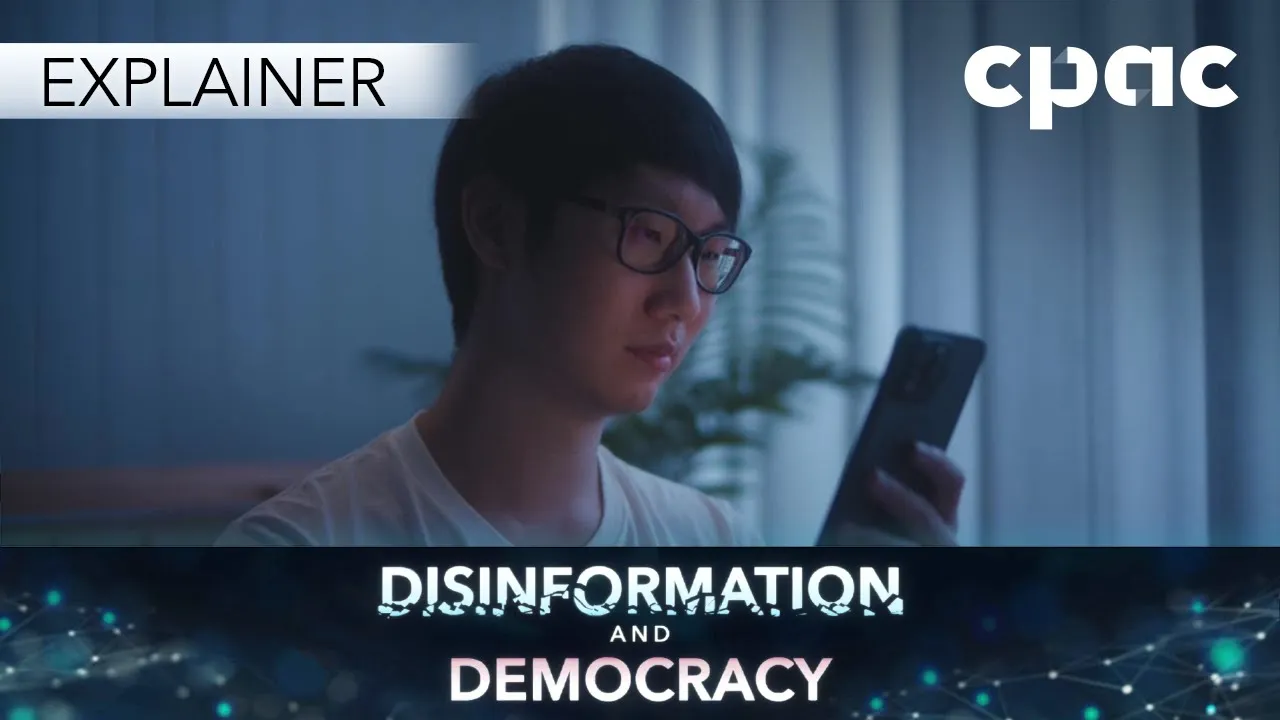



























Deepfakes are AI-generated videos that superimpose faces onto existing footage, but the real threat comes not from this technology itself but from the 'liar's dividend'—the phenomenon where widespread skepticism enables guilty parties to dismiss truthful information as fake, undermining public trust in institutions and threatening democratic processes; this danger is amplified when society responds with fearmongering rather than critical thinking, making media literacy and responsible content sharing essential tools for combating misinformation.
Deepfakes and Shallowfakes: Risks to Information Trust
Added:Distinction between misinformation (false info spread without intent to harm) and disinformation (deliberately deceptive information).
Basic principles of digital media editing, including how metadata, context-cropping, and simple editing ('shallowfakes') alter narrative perception.
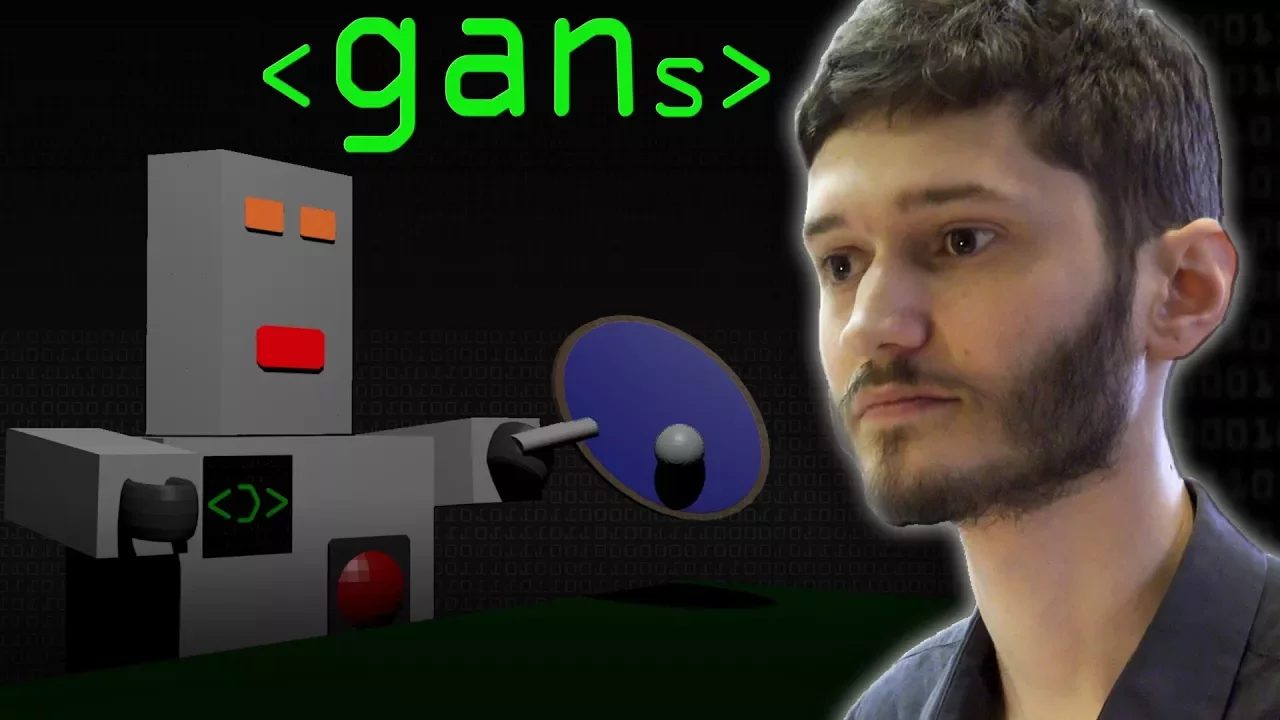
Fundamental concepts of artificial intelligence, specifically generative AI and Generative Adversarial Networks (GANs) used to create synthetic media.
The concept of cognitive bias and confirmation bias, which makes audiences susceptible to accepting manipulated media that aligns with their beliefs.
Technological methods for deepfake detection, including biological signals (e.g., eye blinking, blood flow) and deep learning-based detection models.
The societal and legal implications of the 'liar's dividend,' where public figures exploit the existence of deepfakes to deny the authenticity of real, incriminating footage.
Standards and protocols for digital content provenance, such as the C2PA (Coalition for Content Provenance and Authenticity) and digital watermarking.
Regulatory approaches and policy frameworks designed to mitigate the threat of synthetic media, such as the EU AI Act and platform-level content moderation policies.
975.8K views23.5Klikes3:39Original Release: 2019-08-14
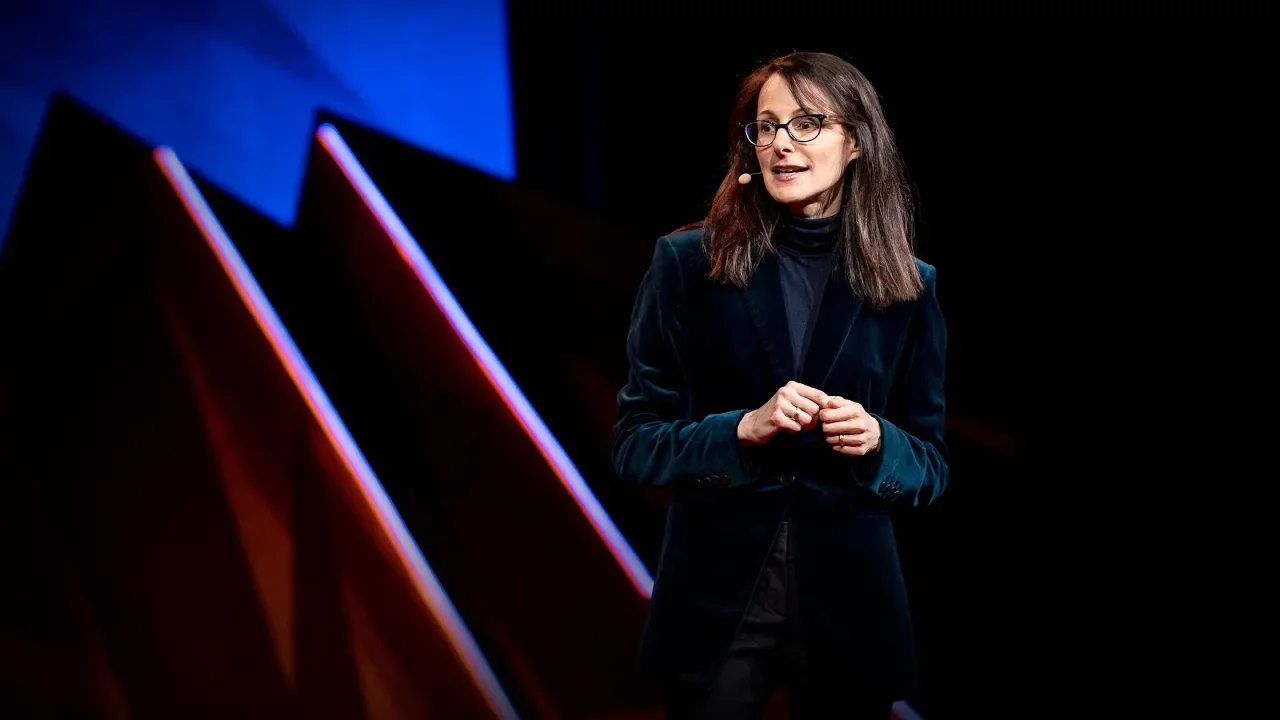
Hello. Today I’m going to be talking to you about a new technology that’s affecting famous people.
Remember when Obama called Trump a dipshit? "Complete dipshit." Or the time Kim Kardashian rapped, "Because I’m always half naked"?
Or when Arnold Schwarzenegger impersonated himself?
"Get out of there! There's a bomb in there! Get out!"
Deepfake. Deepfake. Deepfake.
This is a deepfake, too.
I’m not Adele.
But I am an expert in online manipulation.
So deepfakes is a term that is used to describe video or audio files that have been created using artificial intelligence.
My favorite is probably Lisa Vanderpump.
It started as a very basic face-swapping technology.
And now it’s turned into film-level C.G.I.
There’s been this huge explosion of, “Oh my goodness, we can't trust anything.” Yes, deepfakes are eerily dystopian.
And they’re only going to get more realistic and cheaper to make.
But the panic around them is overblown.
In fact, the alarmist hype is possibly more dangerous than the technology itself.
Let me break this down.
First, what everyone is freaking out about is actually not new.
It's a much older phenomenon that I like to call the weaponization of context or shallowfakes with Photoshop and video editing software.
There's so many needs.
How about the time Nancy Pelosi appeared to be drunk while giving a speech?
"But you never know.
"But this president of the United States."
Turns out that video was just slowed down at 75%. "It was very, very, very, very, very strange."
You can have a really simplistic piece of misleading content that can do huge damage.
For example, in the lead-up to the midterms, we saw lots of imagery around this caravan of people who were moving towards the U.S.
This photo was shared with captions demonizing the so-called migrant caravan at the U.S.-Mexico border in 2018.
But a reverse image search showed it was actually Pakistani refugees in Greece.
You don't need deepfakes' A.I. technology to manipulate emotions or to spread misinformation.
This brings me to my second point: What we should be really worried about is the liar's dividend. The lies and actions people will get away with by exploiting widespread skepticism to their own advantage.
So, remember the "Access Hollywood" tape that emerged a few weeks before the 2016 election?
"When you're a star, they let you do it.
"You can do anything."
"Whatever you want." Around that time.
Trump apologized, but then more recently he's actually said, I’m not sure if I actually said that. When anything can be fake it becomes much easier for the guilty to dismiss the truth as fake.
What really keeps me awake at night is less the technology.
It's how we as a society respond to the idea that we can't trust what we see or what we hear.
So if we are fearmongering, if we are hyperbolic, if we are waving our hands in the air, that itself can be part of the problem.
You can see where this road leads.
As public trust in institutions like the media, education and elections dwindles, then democracy itself becomes unsustainable.
The way that we respond to this serious issue is critical.
Partly this is the platforms thinking very seriously about what they do with this type of content, how they label this kind of content.
Partly is the public recognizing their own responsibility.
And if you don't know 100%, hand on heart, “This is true,” please don't share, because it's not worth the risk.
Up Next

77:37
Friendship Dynamics and Faith Deconstruction: A Conversation with Good Mythical Morning's Rhett & Link
@HowieMandelDoesStuff
344.5K views•2023-10-10

12:54
Triumph of Orthodoxy Icon: Byzantine Art & History Explained
@BenCallan
2.1K views•2024-08-06

9:49
FastAPI vs Flask vs Django: Choosing the Right Python Web Framework
@TechWithTim
302.5K views•2024-05-26

1:42
Game of Thrones Opening Credits: A Cinematic Analysis
@gameofthrones
46.3M views•2011-04-18
Related Study Plans & Knowledge Roadmaps
Structured learning paths in General & Interdisciplinary Studies
general-studies
Elevator Engineering: History, Physics & Cities
01From Hoists to Safety Brakes: The Dawn of Vertical Lift
02Hydraulic vs. Traction: The Engineering Physics of Elevators
03Modern Speed, Safety, and Algorithms
+ 2 more learning modules
12h5 modules
Explore Roadmap
general-studies
Rubber: Material Science, History & Geopolitics
01Origins of Natural Rubber & Mesoamerican History
02The Chemistry of Natural Rubber & Vulcanization
03The Geopolitics of the Rubber Boom & Colonization
+ 2 more learning modules
12h5 modules
Explore Roadmap
general-studies
Containerization: Evolution, Logistics & Trade
01Ancient Trade & Bulk Cargo: Amphorae to Barrels
02The Industrial Revolution & Cardboard Packaging
03The Containerization Revolution: Malcom McLean
+ 2 more learning modules
12h5 modules
Explore Roadmap
general-studies
Textile Tech: Evolution, Labor & Global Impact
01Pre-Industrial Textiles: Handloom & Cottage Industry
02Mechanization: The Spinning Jenny to the Power Loom
03The Factory System & Global Labor Transformation
+ 2 more learning modules
10h5 modules
Explore Roadmap