



















ERV (Energy Recovery Ventilator) and HRV (Heat Recovery Ventilator) are balanced ventilation systems that filter and exchange air between indoor and outdoor environments; HRVs transfer heat between air streams without moisture exchange, making them ideal for cold climates, while ERVs transfer both heat and moisture, making them better suited for humid climates, and modern ERVs no longer freeze in cold conditions as previously believed.
ERV vs HRV: Myths Debunked for Home Ventilation
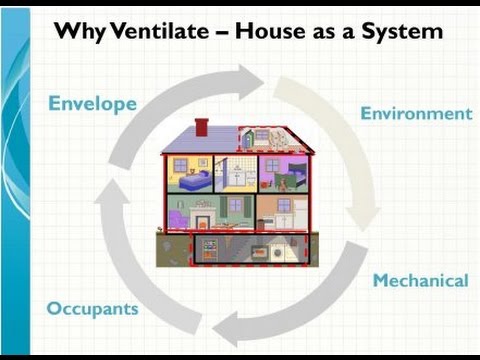
Added:The concept of mechanical ventilation and why modern, tightly-sealed home construction requires managed fresh air exchange.
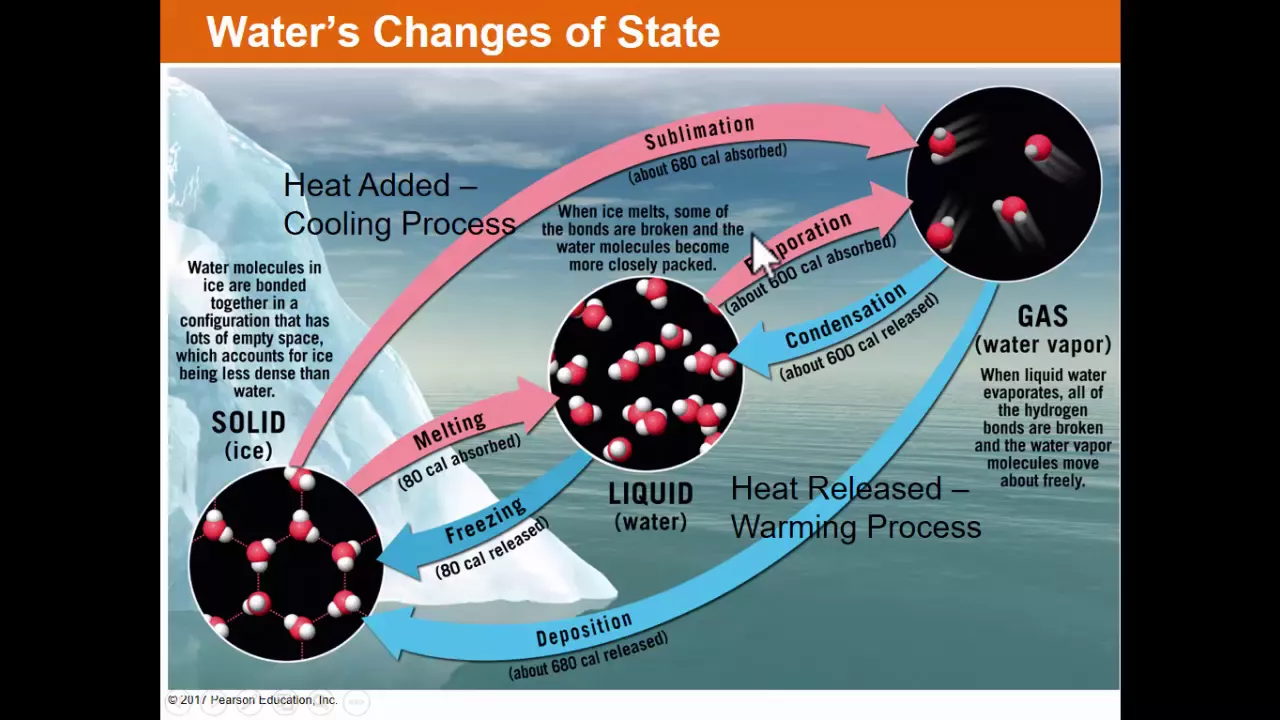
The thermodynamic distinction between sensible heat (temperature) and latent heat (moisture/humidity).
Basic principles of relative humidity, dew point, and how moisture behaves when warm and cold air streams interact.
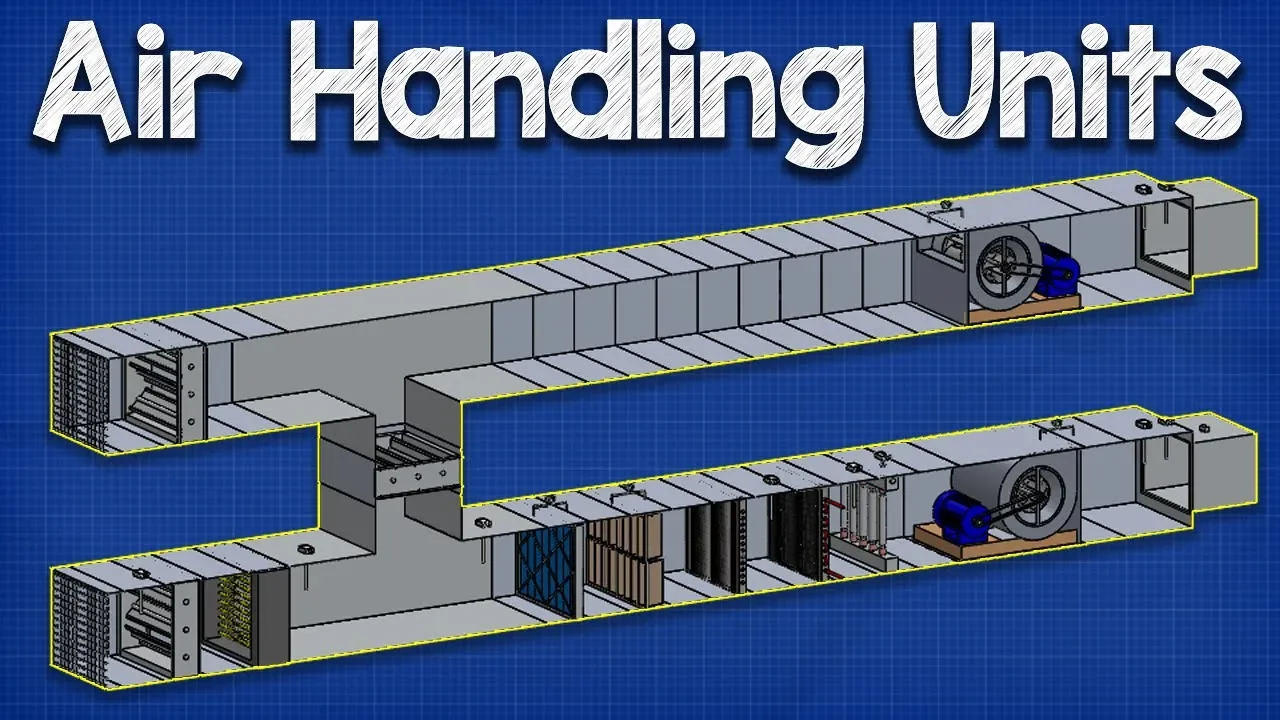
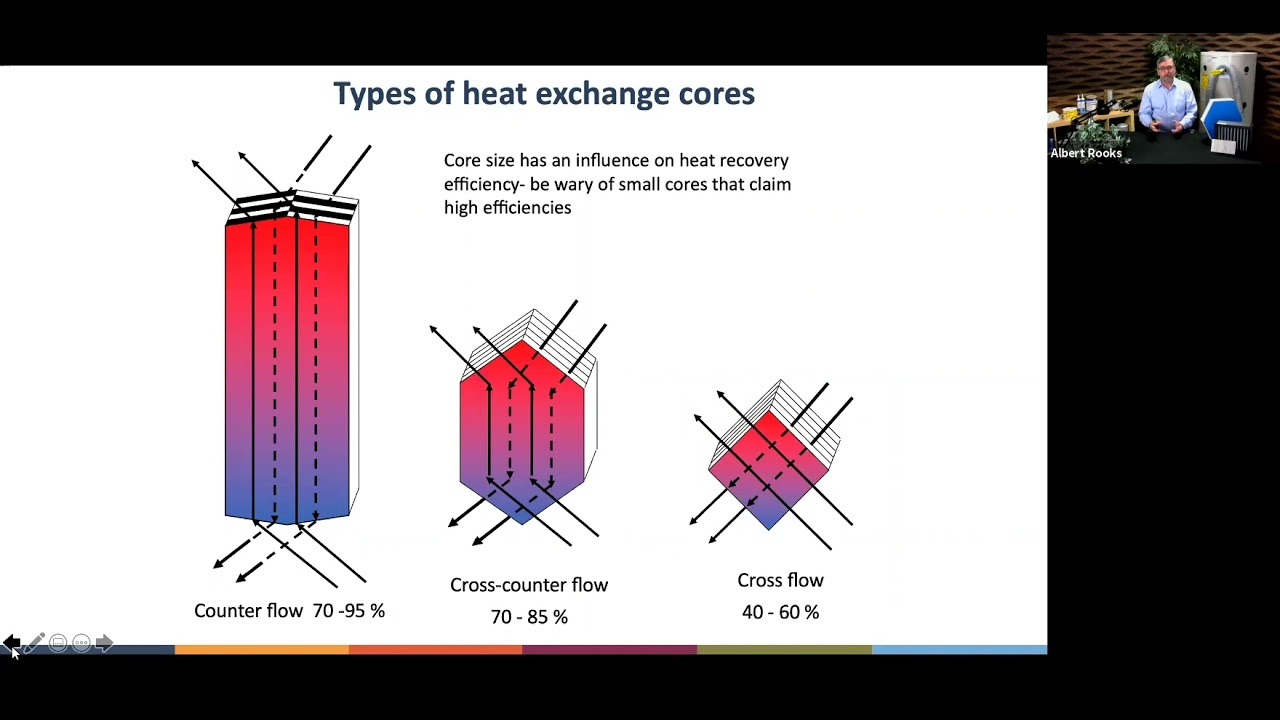
The fundamental mechanism of air-to-air heat exchangers and how heat is transferred between separate airstreams without mixing them.
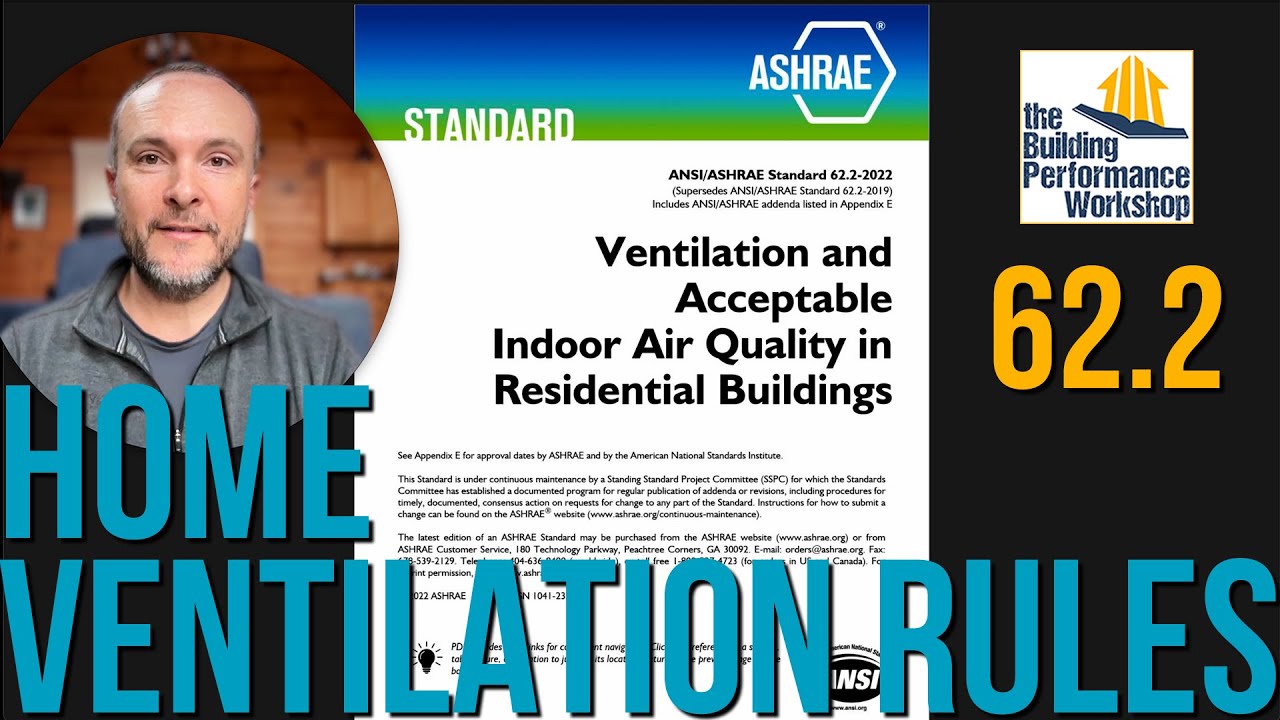
Sizing calculations for residential mechanical ventilation systems based on ASHRAE Standard 62.2.
Geographical analysis of ASHRAE Climate Zones to determine the optimal system choice (ERV vs. HRV) for specific regional humidity and temperature profiles.
Ductwork design, static pressure calculations, and integration strategies for connecting ventilators to existing central HVAC systems versus dedicated ducting.
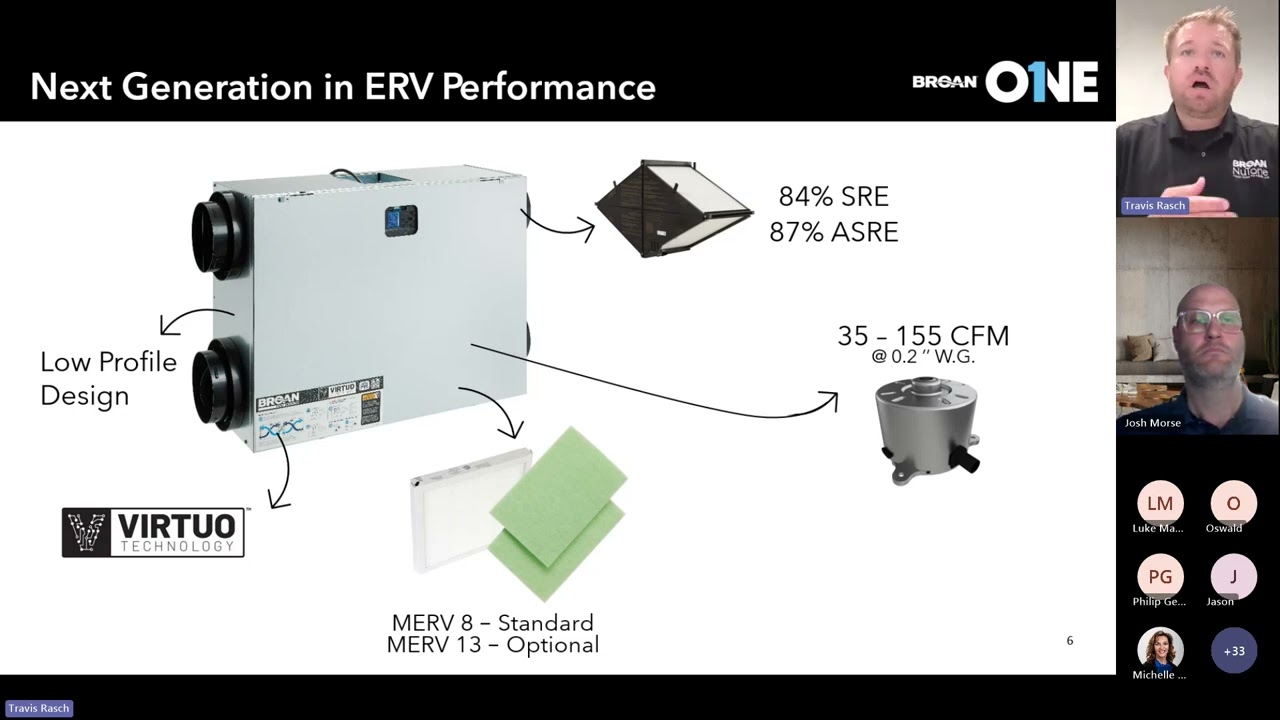
Evaluation of performance metrics such as Sensible Recovery Efficiency (SRE) and Adjusted Sensible Recovery Efficiency (ASRE) when selecting specific equipment models.
212K views2.6Klikes6:07Original Release: 2018-03-06
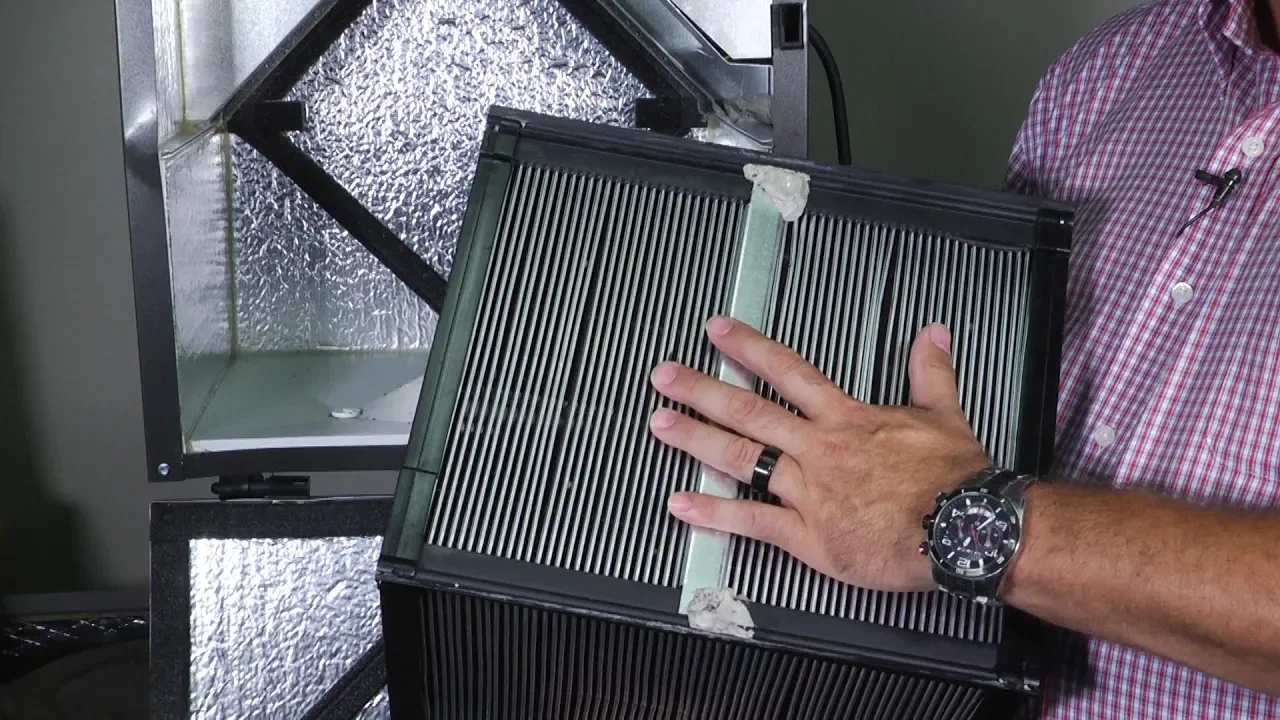
on today's episode I want to talk to you about the differences between an ERV and an HRV which one choose for your houses that you're building and a couple of myths on these units so here's what we're talking about right here this happens to be Panasonic's fairly new until a balanced 100 this is an ERV and let me give you a quick tour of this unit before I get into the differences between HRV and ERV but basically this is a fresh-air machine the idea here is this is a balanced ventilation mechanical system so this is gonna bring fresh air into your house and it's gonna do it in a way that's going to filter it and bring it in a measured way and put it exactly where you want it in the house so you notice there's four ports on this unit what's happening here is this is what's bringing the air in from the outside and when the air comes in its going to go through this nice big thick filter we've got a good filter here and then this is the center of the unit whether you're buying an HRV or an ERV it's going to have a core like this that air stream goes through the center of this core and then this motor right here pushes it into the house in the specific places where you might want it typically you're gonna put your fresh air maybe into a bedroom because that's where you gonna spend most of the hours in your house and then the other Airstream this is gonna bring air from the house on this side you're gonna usually take it out of your kitchens or your bathrooms places where things might be a little more humid in the house and then it's also gonna go through this core but the two air streams do not touch and then it's gonna be exhausted out here so we like these units because it's gonna filter the air coming in it's gonna bring it into a measured amount we can actually adjust the dials right up here and decide how many CFM we want but it's this core that's doing all the work and whether you're buying an HRV or an ERV the core is pretty similar and typically the air streams are not going to touch one another they're gonna go through this core separately and just in between them is a thin membrane now an HRV stands for heat recovery ventilator the idea is when you're bringing in fresh air in the wintertime especially let's say if you're in the cold north it might be zero degrees outside you don't want to drop zero Degree air into your bedroom as fresh air instead you want to warm that air with the outgoing stream there that's why they called it heat recovery done or later there's less of a penalty as you bring that cold air in because it's going to be warmed up by the outgoing stream now if you're in the South you're gonna want an ERV an energy recovery ventilator what's happening with this unit here this ERV is it acts as an HRV as well but when the air streams have different humidity levels let's say in the south or I am a lot of times it's 80 percent relative humidity outside but I'm gonna keep my house at let's say 45 or 50 percent relative humidity as those air streams cross in this core right here this is what's referred to as an enthalpy or an energy core it's gonna move the moisture from more to less meaning we're gonna drop some of that humidity from the incoming air as it comes in now the beauty of an ERV is it also acts as an HRV an HRV on the other hand does not move moisture it's only a heat recovery so which one do we choose if we're in the north and it we're in a really cold climate and it's not particularly humid most of the time an HRV is gonna work and typically HRVs are a little less expensive if you're in the south if you're anywhere in Florida or Texas or Louisiana these are these are areas of the country to get really humid especially in the shoulder seasons the spring and the fall you're gonna want an ERV and like I said the beauty isn't of an ERV is that also acts like an HRV these are great little units in fact this Panasonic is a really good price too you'll see a link in the description below for this particular unit but these can be had for under a thousand dollars now you've got a couple of things to hook up with this and check out I'll put a link in the description of how we actually installed this in another house that I built a while back but these are pretty amazing units and I like that they're balancing the air there's other strategies for fresh air but none of them are balanced like you're gonna get when you buy an HRV or an ERV now the problem with these units though that I've seen out there is there's a lot of mist there's a lot of misunderstanding about what these units do I hear people saying oh my er V is gonna dehumidifier my house there is nothing inside here that's dehumidifier all it's doing is moving moving the moisture from one Airstream to another so there's no dehumidification and in fact typically an ERV is gonna potentially raise the moisture level on your house and that's okay because again if it's 80% humidity outside and let's say 40% inside that incoming air is gonna have less humidity but it's still potentially gonna be higher humidity than my indoor air so I may be bringing in 60% humidity air instead of the ad but it's still more humid than my house air so on my houses I also have a separate dehumidifier if you're in the north again you want an HRV because we want to reduce that that penalty from that cold air coming in the last myth that I want to bust is that an ERV if it's used in a cold climate it is gonna freeze up now the manufacturers have solved that years ago so this is no longer the case maybe 10 15 20 years ago an ERV might but that's no longer the case so if you're deciding between the two and you're in a mixed climate let's say an ERV is a better choice because it also acts as an HRV if you're in Minnesota you're probably not going to need the ERV an HRV is fine but these boxes they're doing amazing work they're bringing in the fresh air they're filtering it they're putting it exactly where you want it to go and they're doing it with late way less energy than if you were using let's say an exhaust the only strategy or if you just had a fresh air input to your return side of your furnace these are amazing little units guys thanks for joining me today good topic I get asked these questions all the time link in the description below for this particular unit if you want to see this one on Amazon otherwise follow me on Twitter Instagram see you next time
Up Next

4:27
ERV vs HRV: Key Differences and How Each Ventilator Works
@TheDiskinsDoEverything
69.2K views•2012-04-25
30:32
Ultrasonic Transducers: Resonant Frequency Measurement and Horn Design
@imajeenyus42
229.9K views•2017-02-22

54:16
Polymer Environmental Degradation: Mechanisms & Stabilization
@iit
1.8K views•2012-07-10

33:39
How a Student's Question Saved a NYC Skyscraper from Collapse
@veritasium
22.8M views•2025-04-26
Related Study Plans & Knowledge Roadmaps
Structured learning paths in Engineering
engineering
Building Acoustic Levitators: Physics & Arduino
01The Physics of Sound and Standing Waves
02Piezoelectric Transducers and H-Bridge Drivers
03Arduino Programming: Generating 40 kHz Signals
+ 2 more learning modules
14h5 modules
Explore Roadmap
engineering
Building Peltier Cloud Chambers: Particle Tracks
01Cosmic Rays & Cloud Chamber Physics
02Thermoelectric Cooling (TEC) Fundamentals
03Custom Liquid-Cooling Loop Design
+ 2 more learning modules
18h5 modules
Explore Roadmap
engineering
Yagi-Uda Antennas: Modeling, Build & VNA Test
01Introduction to RF and Antenna Fundamentals
02Yagi-Uda Antenna Design Principles
03Antenna Modeling and Simulation in 4NEC2
+ 2 more learning modules
18h5 modules
Explore Roadmap
engineering
ECG Monitor Design: Op-Amps, Filters & Noise
01Electronics & Breadboard Basics
02Op-Amps and Instrumentation Amplifiers
03Bioelectricity and ECG Fundamentals
+ 2 more learning modules
18h5 modules
Explore Roadmap