















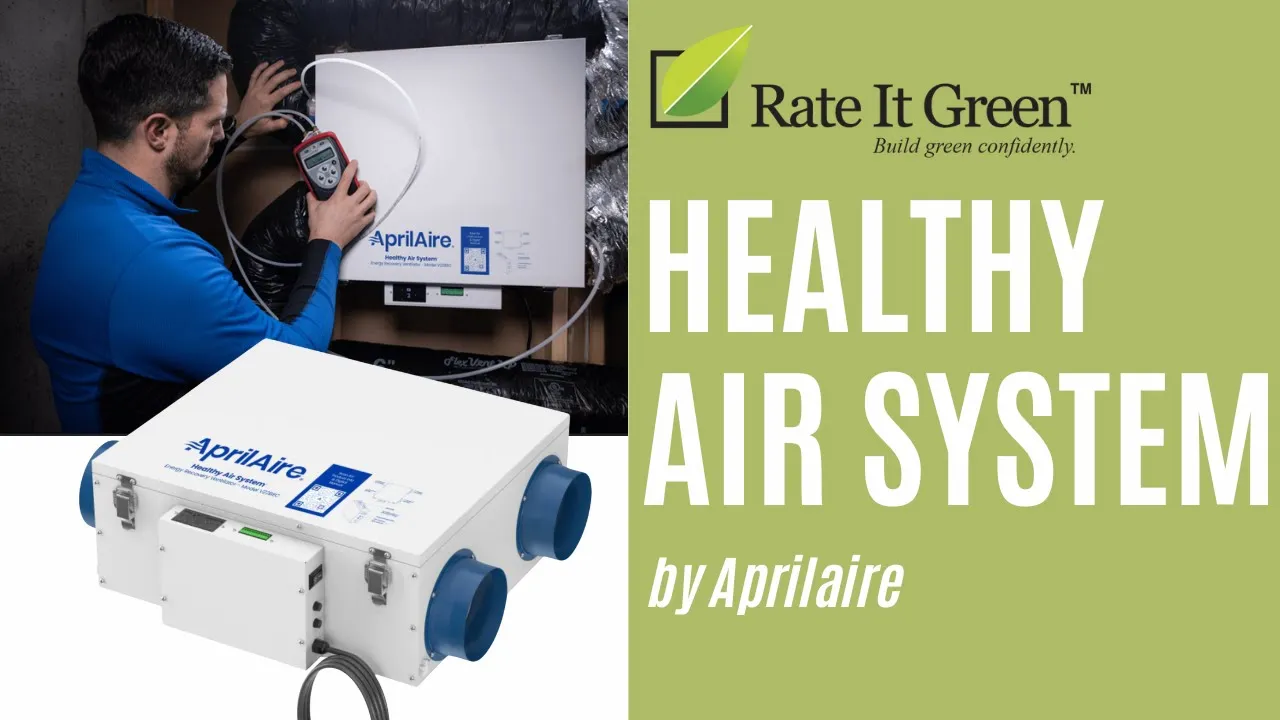

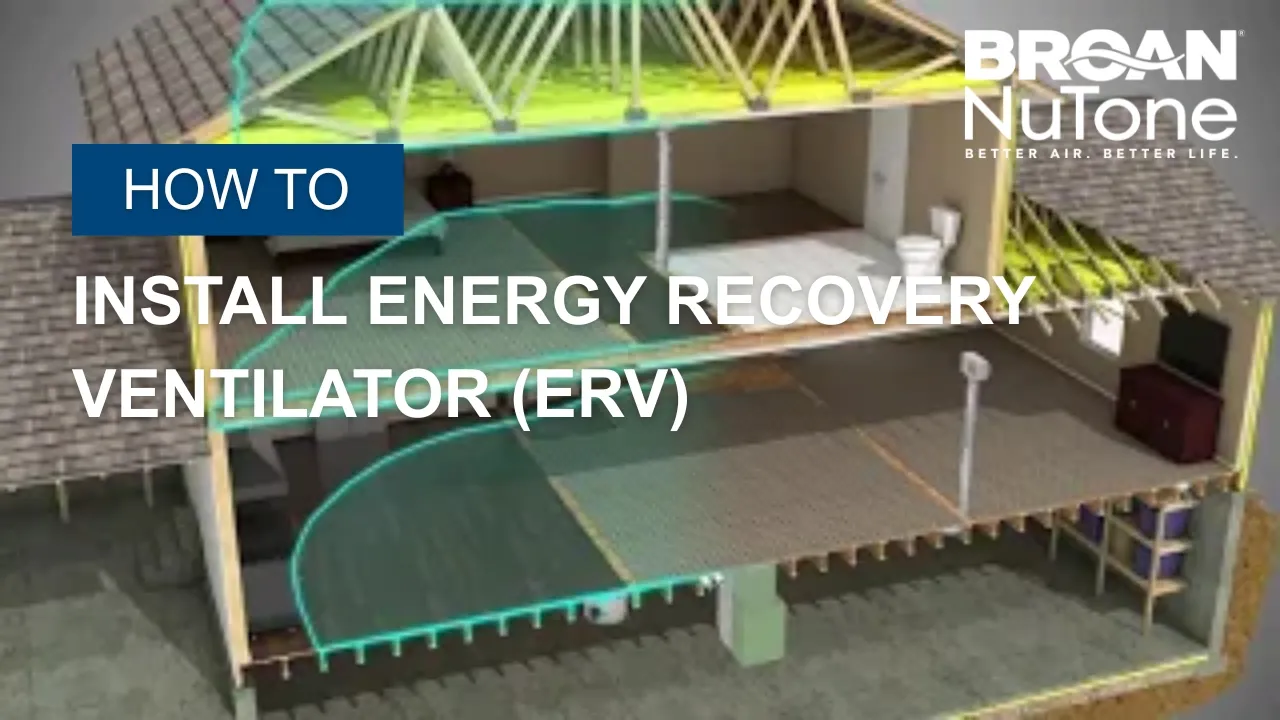





HRV (Heat Recovery Ventilator) and ERV (Energy Recovery Ventilator) are both mechanical ventilation systems that exchange indoor and outdoor air, but they differ in how they handle humidity: HRVs allow humidity to pass straight through the core without transfer, which can cause excessive humidity loss in winter and require humidifiers to run frequently, while ERVs use paper cells in the core to transfer humidity between incoming and outgoing air streams, maintaining optimal indoor humidity levels year-round; the choice between them depends on climate conditions, with ERVs being more suitable for temperate climates with both dry and humid periods.
ERV vs HRV: Key Differences and How Each Ventilator Works
Added:Basic understanding of mechanical ventilation and why modern, airtight homes require active fresh air exchange.
The thermodynamic difference between sensible heat (temperature) and latent heat (moisture/humidity).
How indoor air quality (IAQ) is impacted by common pollutants, carbon dioxide accumulation, and relative humidity.
An overview of geographic climate zones and how heating and cooling demands vary by region.
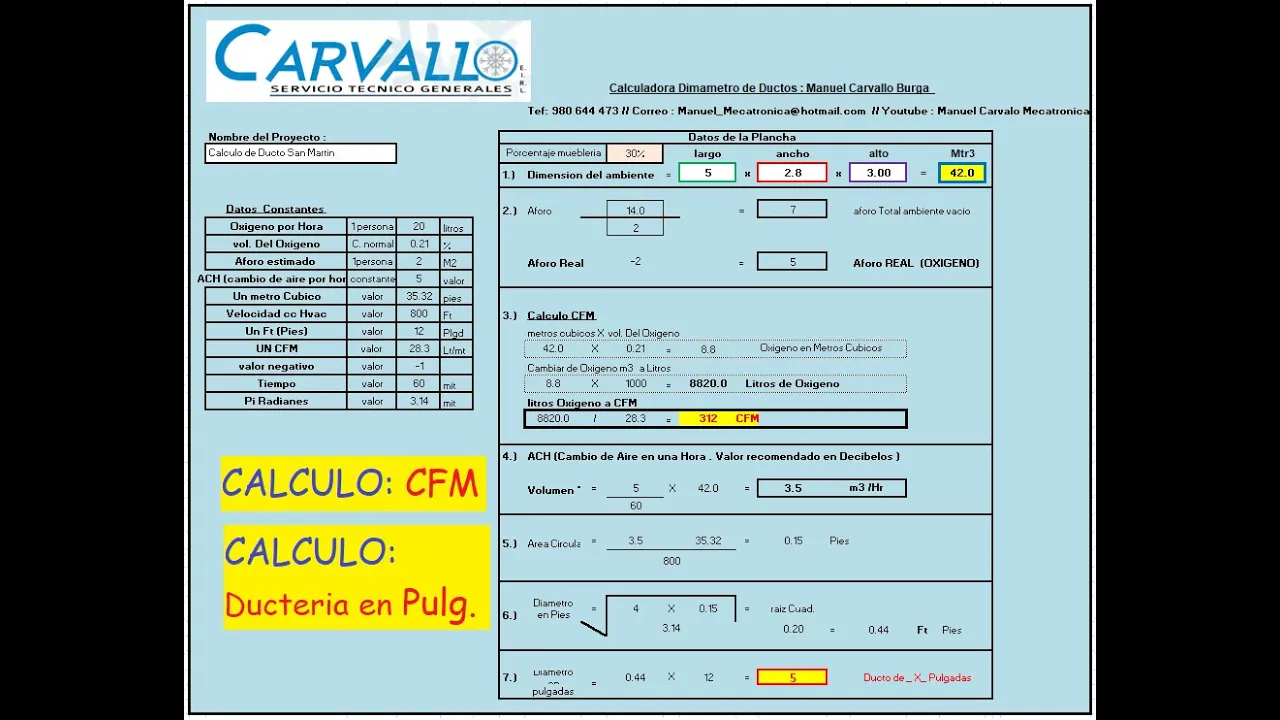
Sizing HVAC systems and calculating the required airflow (CFM - Cubic Feet per Minute) based on house volume and occupancy.
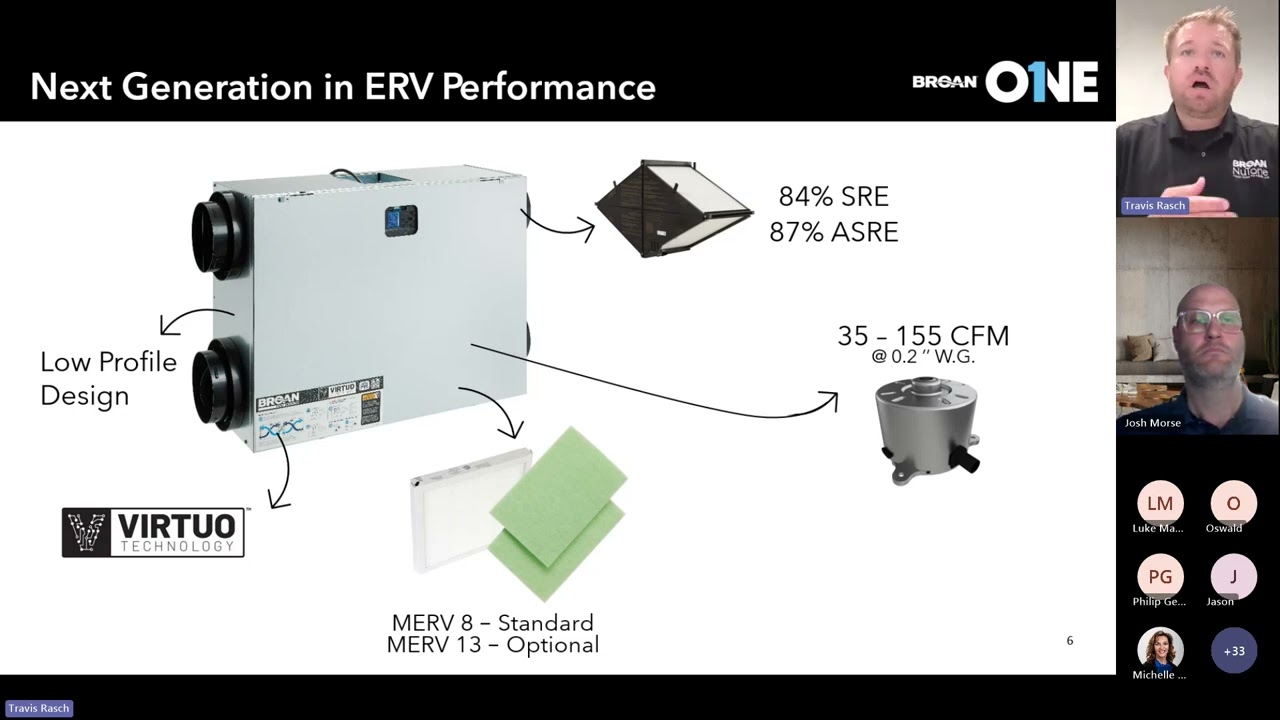
Advanced performance metrics for energy recovery, such as Sensible Recovery Efficiency (SRE) and Total Recovery Efficiency (TRE).
Installation practices, including dedicated ductwork routing versus integrating the ventilator into an existing central forced-air system.
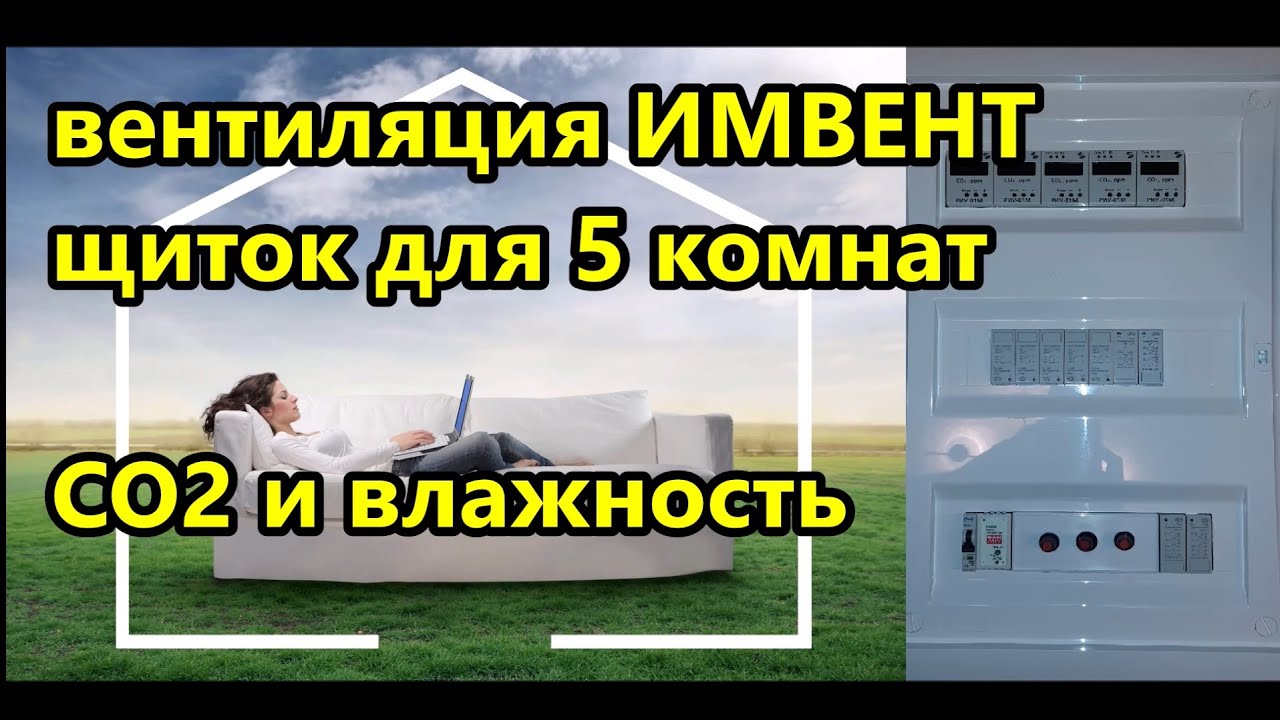
Implementing smart indoor air quality (IAQ) monitoring systems (e.g., CO2 and humidity sensors) to automate ventilator operation.
69.2K views118likes4:27Original Release: 2012-04-25
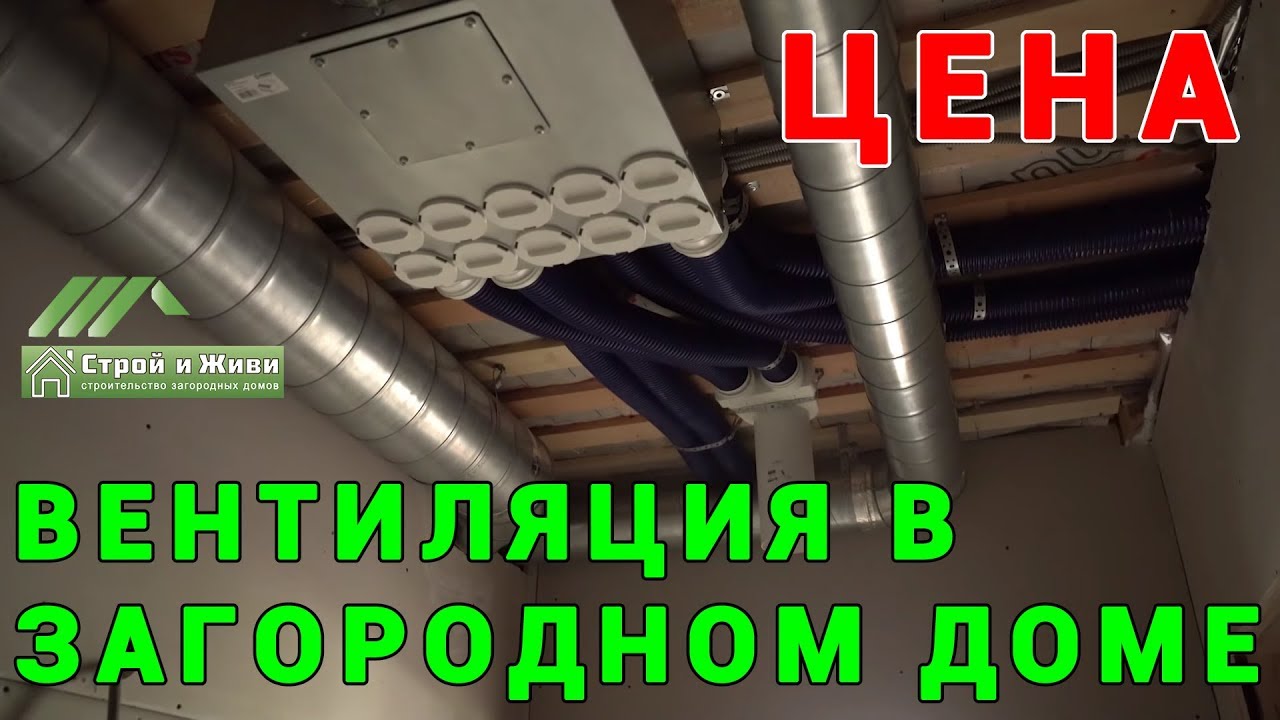
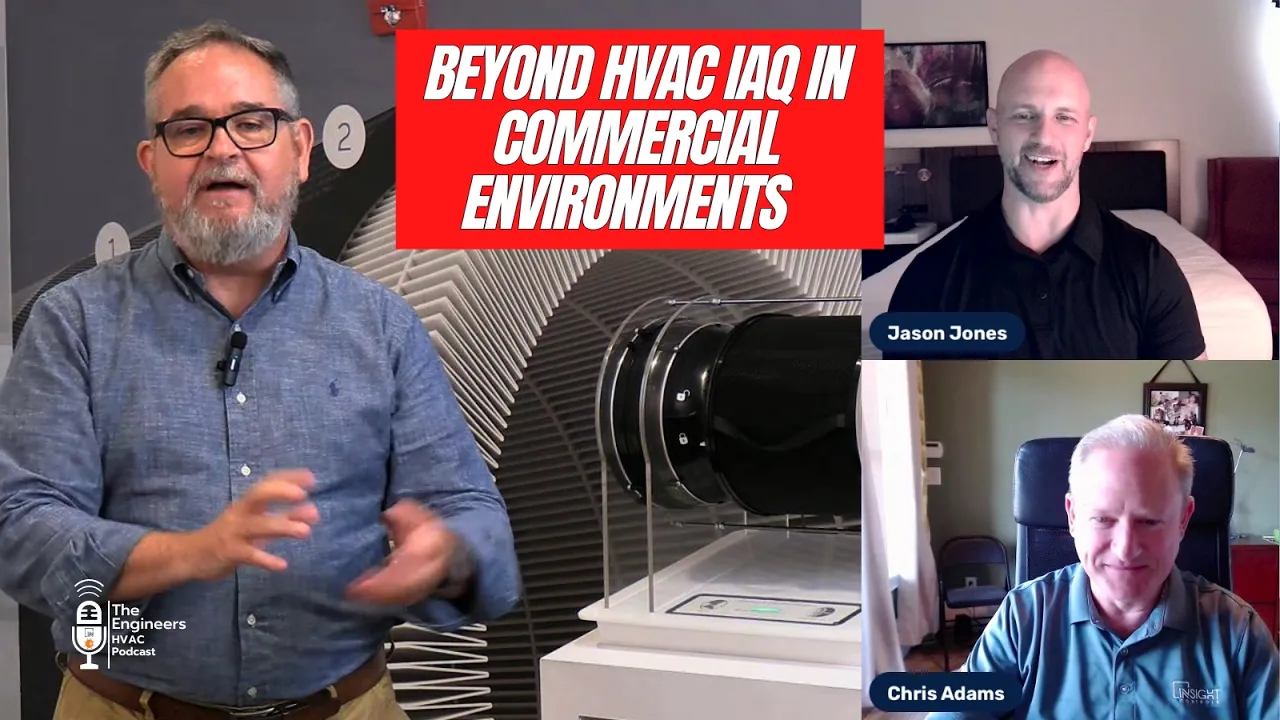
so this is a video basically where I want to talk about the difference between an HRV and an Erv it's a lot of mystery on the internet there's a lot of I mean when I was putting in mine in my house I heat recovery ventilator HRV I should have an Erv now I have a humidifier I have a humidifier so I'm okay but and I got a great deal on the HRV thank you Matt um but really it should be an Erv in our area we live in the Great Northwest um our design temperature on low on the low end is 19° our design temperature on the high end is 78° for air conditioning it's very temperate I mean it's just not extreme weather however it still gets dry it still gets humid um one of the issues that we have is uh the humidity transfer on an HRV is pretty much straight through so when I turn on my variable speed and this isn't my house this is the house we just did but when I turn on a variable speed fan I've got my Erv running um the issue that I'm going to have with that is that my humidity is being exhausted by the HRV continuously to outside and it's being collected if excessive and it comes down the tube um and then I'm bringing in fresh dry air that doesn't recover any of that humidity and so that's where my humidifier would run a lot in the winter the Erv is different has the same type of core but it's a little different in that when you look in here instead of just plastic ribs you have these um paper cells that are in between everything where the humidity is being transferred so I don't have to worry about you know when you're going to be sealing up a house and you're going to be exchanging the air you don't want to have all that dry air coming in in the winter you don't want all that humidity coming in in the summer you want so what'll happen here is that that um we follow it in so we have our fresh air coming in here let's say in the winter this is dry air okay that comes in it goes here it comes across and follows into the house okay now I have humid air from the house coming in it comes the back goes across and out what I want is for that humid air when it comes in it basically transfers it its humidity into the air that goes back into the house so the humidity goes like this in the in the summer when the humid air is coming in it goes back outside so we have that humidity transfer in the core you'll notice the styrofoam lining insulated this core is removable for washing there's a filter here and a filter here that allows you to keep the core clean um basic maintenance is just cleaning that core once a period you kind of have toig figure out your own cycle depends on um you know how you do it now the one thing those filters are not meant for any kind of allergy proofing this is not a he unit so you want to have something like you know in this case we had severe allergies super dry Winters Etc you want to have something like a MF 16 MV 10 filter 4 in that is uh taking care of what comes in from the Fresh Air as well as what's being cycled in through the house but there you go that's your Erv why ervs are important that's why we put in the Northwest hopefully some of the online stuff will change eventually as far as the recommendations of professionals but uh I live with this stuff I buy it I breathe it I know it and uh this is the model we use a honey well Erv variable speed drives and uh we're right now we're pressurizing the house because we're able to push um in as much as we're pushing out okay and then I just want to give you a real quick um you know as far as the noise here so not super noisy but you don't want it on the other side of a master bedroom wall or you know something like that but basically we're pulling a little more air in than we're pushing out therefore pressur that pressurizing the house to a half a pascal and it's Perfection thanks for watching
Up Next

98:42
Healthy Indoor Air Quality: Smart Strategies for Homes
@GreenHomeInstitute
593 views•2022-07-27
30:32
Ultrasonic Transducers: Resonant Frequency Measurement and Horn Design
@imajeenyus42
229.9K views•2017-02-22
54:16
Polymer Environmental Degradation: Mechanisms & Stabilization
@iit
1.8K views•2012-07-10
33:39
How a Student's Question Saved a NYC Skyscraper from Collapse
@veritasium
22.8M views•2025-04-26
Related Study Plans & Knowledge Roadmaps
Structured learning paths in Engineering
engineering
Building Acoustic Levitators: Physics & Arduino
01The Physics of Sound and Standing Waves
02Piezoelectric Transducers and H-Bridge Drivers
03Arduino Programming: Generating 40 kHz Signals
+ 2 more learning modules
14h5 modules
Explore Roadmap
engineering
Building Peltier Cloud Chambers: Particle Tracks
01Cosmic Rays & Cloud Chamber Physics
02Thermoelectric Cooling (TEC) Fundamentals
03Custom Liquid-Cooling Loop Design
+ 2 more learning modules
18h5 modules
Explore Roadmap
engineering
Yagi-Uda Antennas: Modeling, Build & VNA Test
01Introduction to RF and Antenna Fundamentals
02Yagi-Uda Antenna Design Principles
03Antenna Modeling and Simulation in 4NEC2
+ 2 more learning modules
18h5 modules
Explore Roadmap
engineering
ECG Monitor Design: Op-Amps, Filters & Noise
01Electronics & Breadboard Basics
02Op-Amps and Instrumentation Amplifiers
03Bioelectricity and ECG Fundamentals
+ 2 more learning modules
18h5 modules
Explore Roadmap