

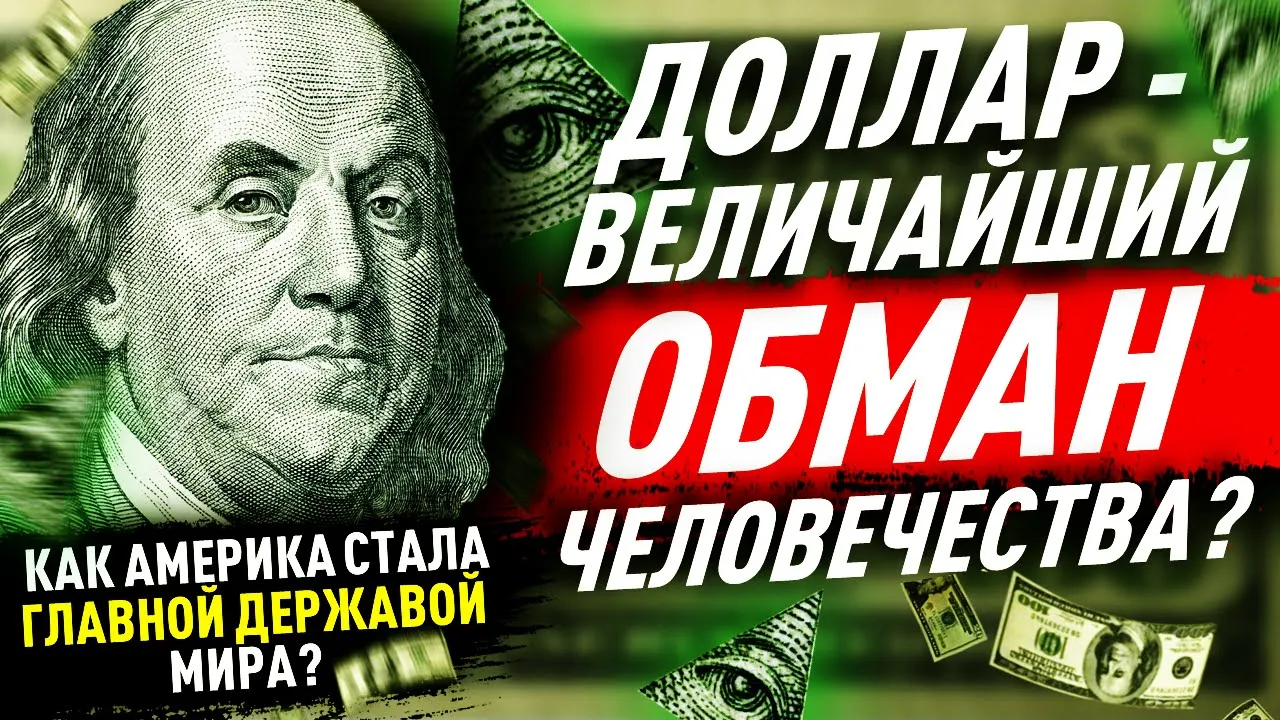
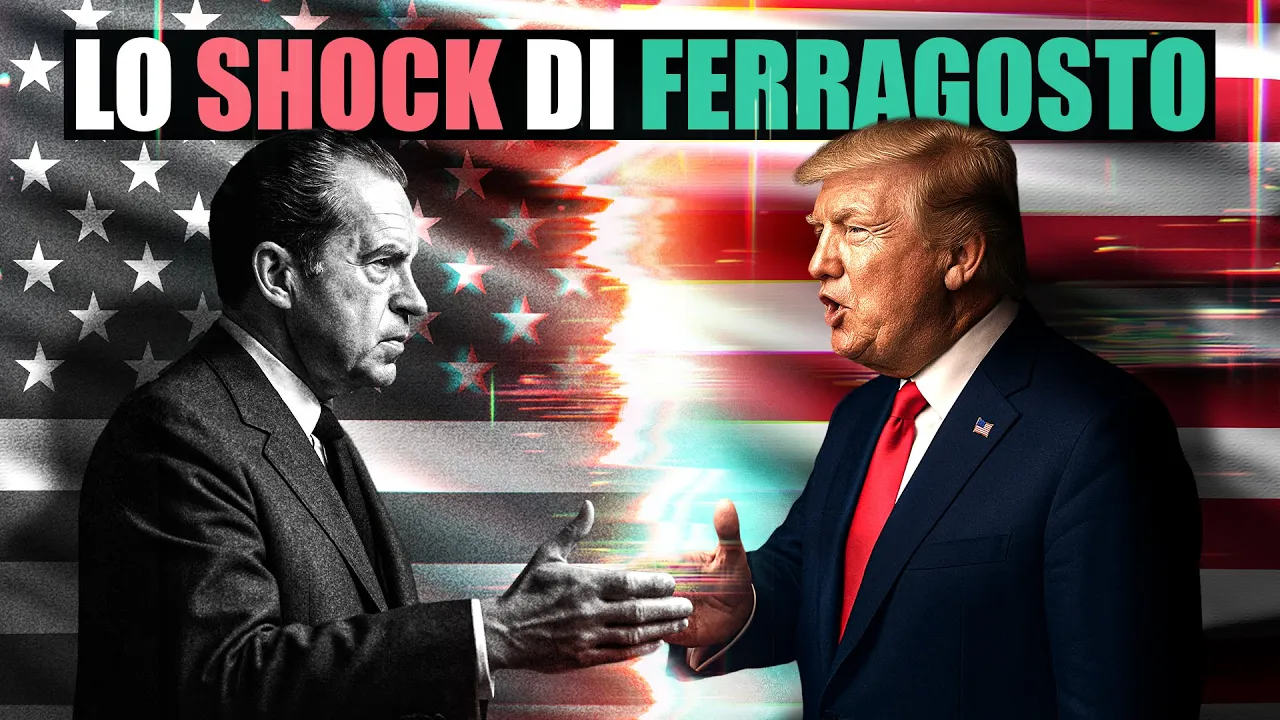


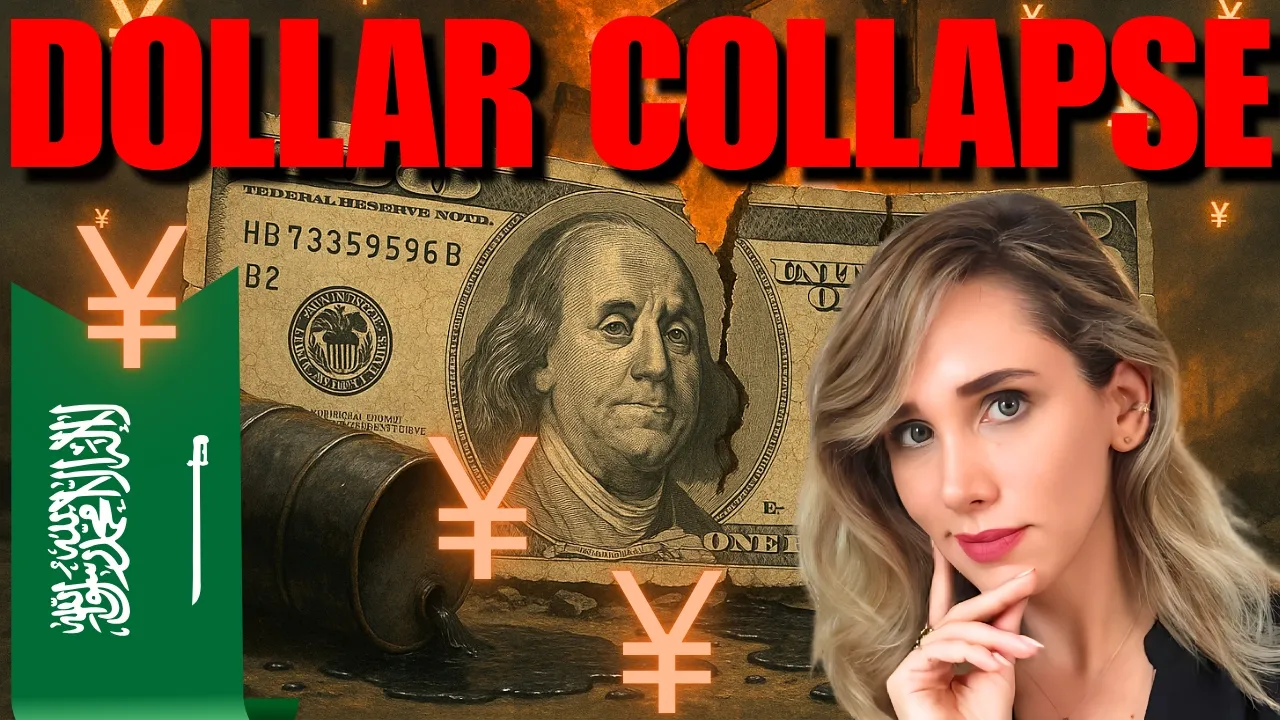

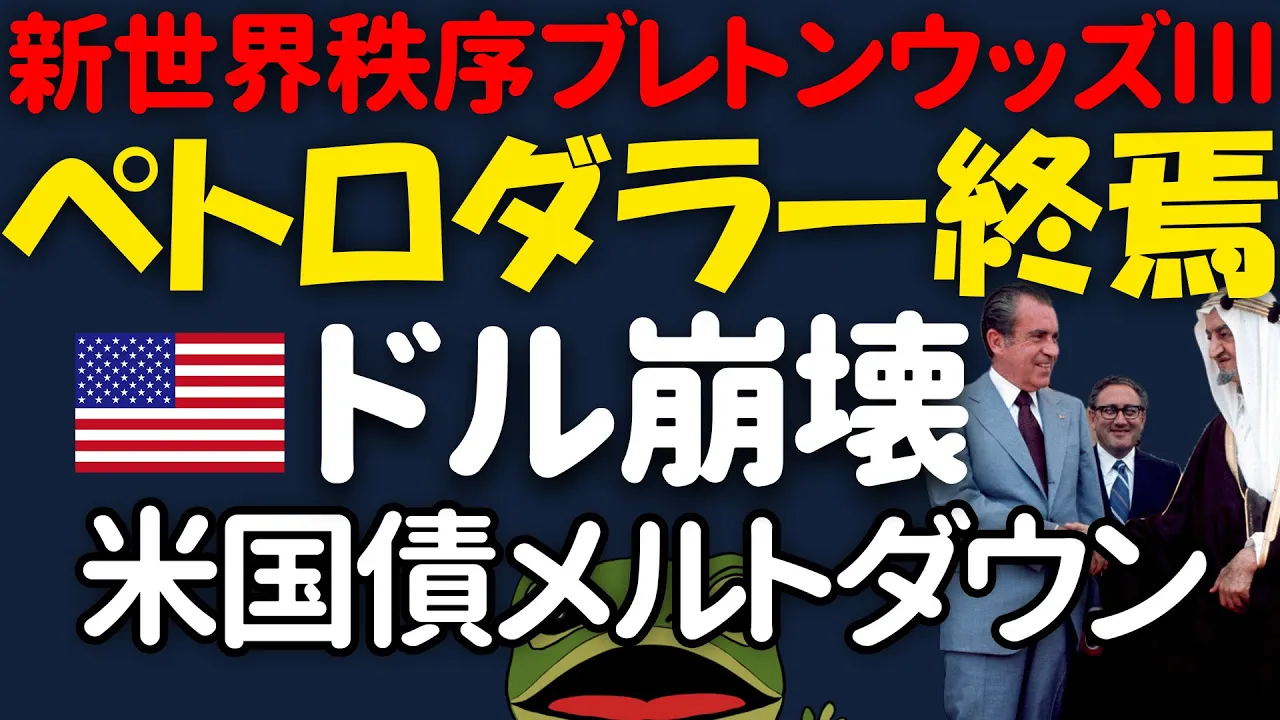
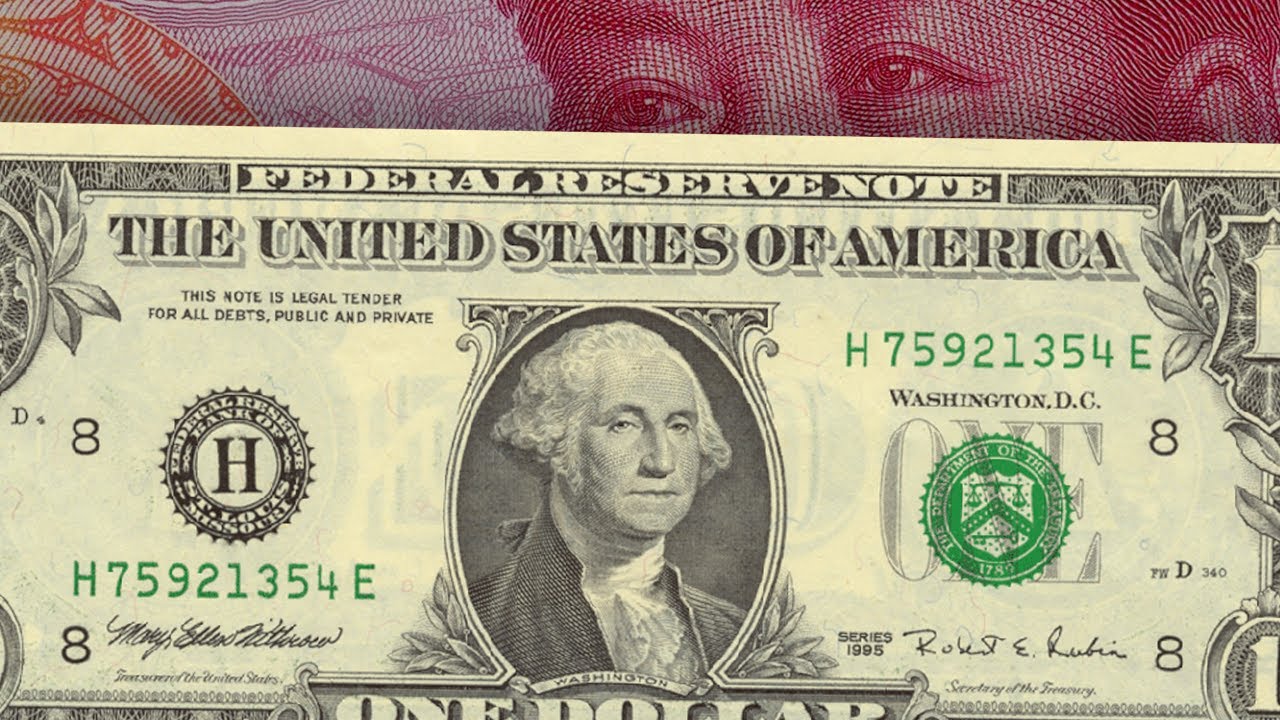


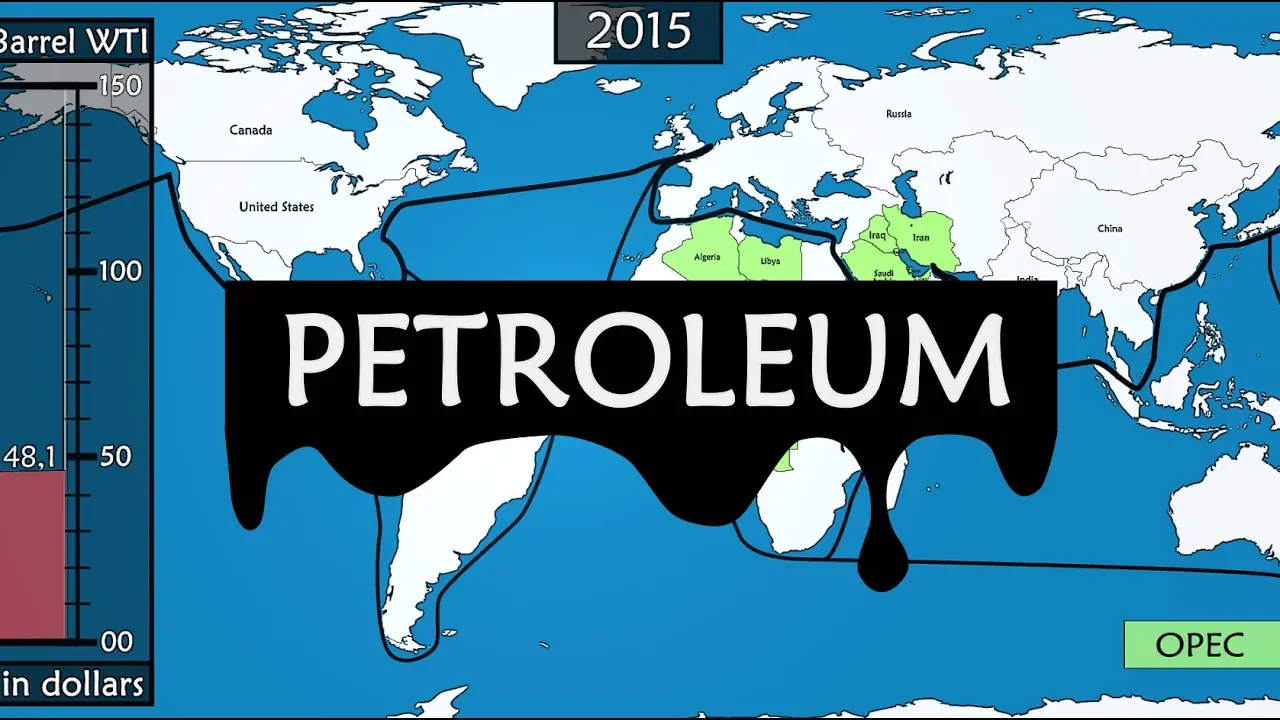

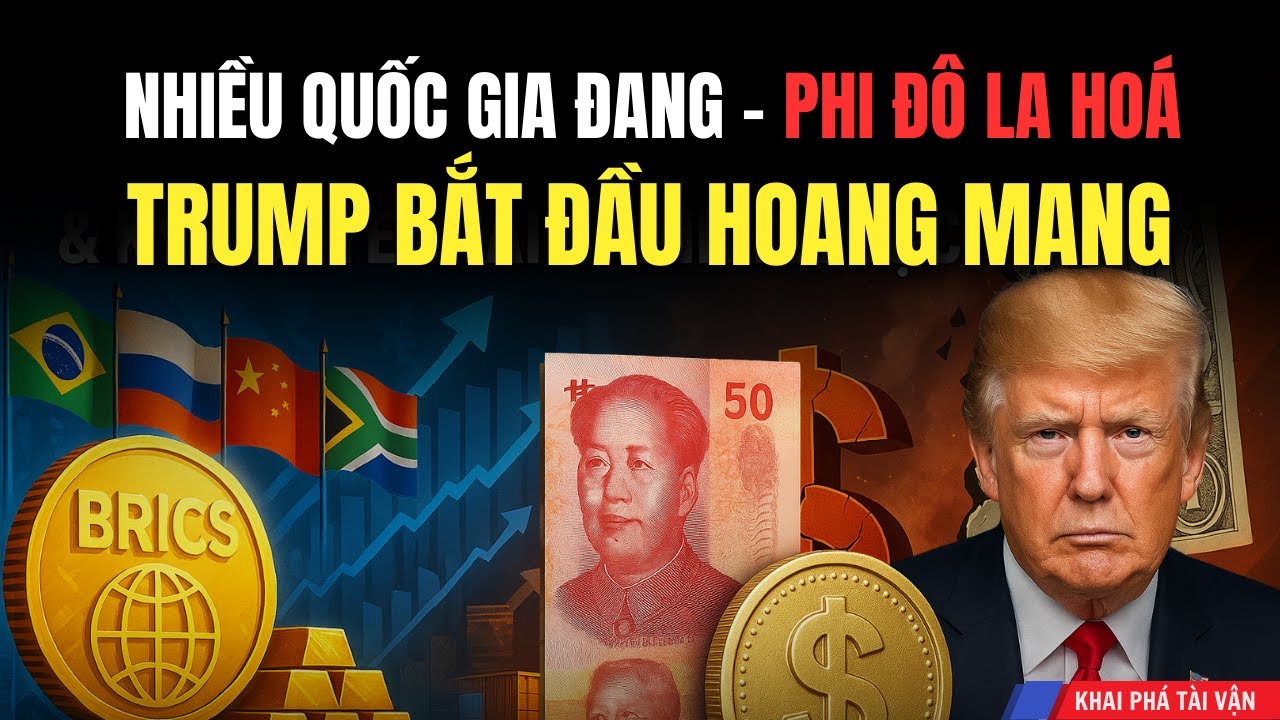






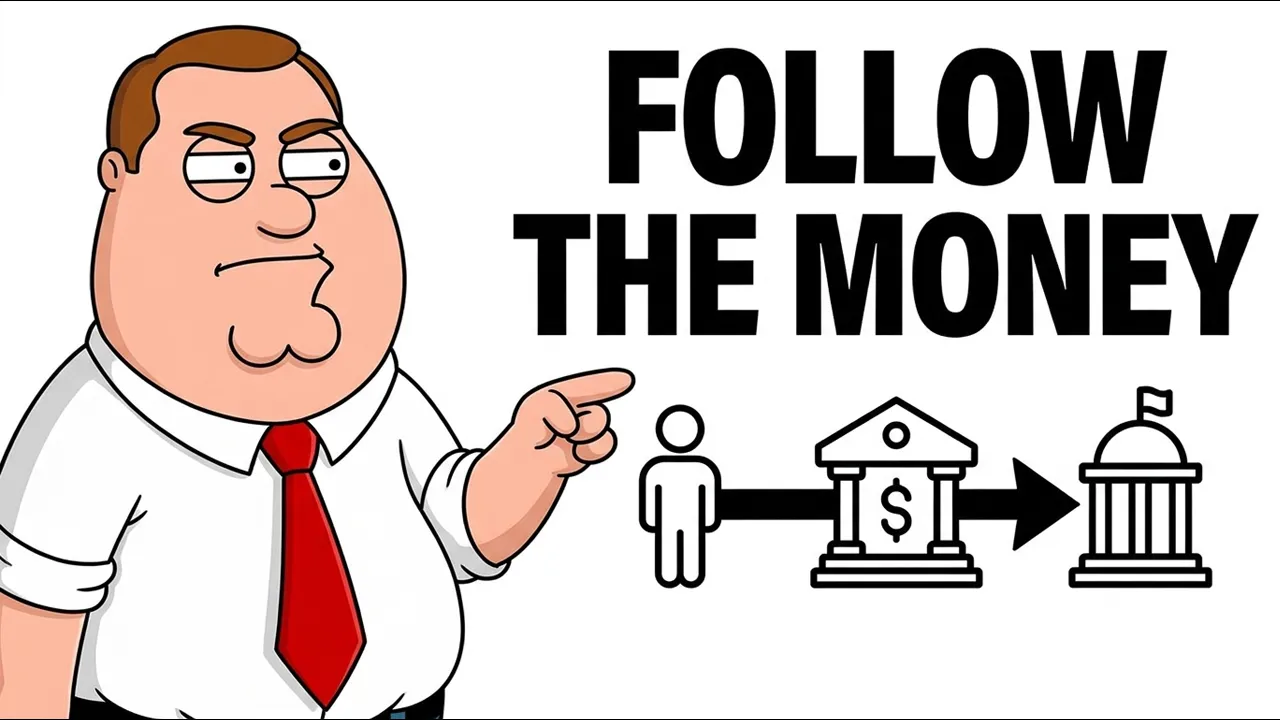


The petrodollar system, established in 1974 through secret agreements between the US and Saudi Arabia, ensures that oil is sold exclusively in US dollars, allowing the US to maintain global financial dominance by requiring all oil transactions to be denominated in dollars, which creates constant demand for the currency and enables the US to print money to purchase oil while OPEC nations receive US treasuries in return; this arrangement has led the US to intervene militarily in countries like Iraq, Venezuela, and Libya when they attempted to break away from dollar-based oil sales, demonstrating how the petrodollar system serves as a tool for maintaining US economic and political influence worldwide.
The Hidden Economics of War: Understanding Petrodollar Hegemony
Added:The history of the Bretton Woods Agreement (1944) and the transition away from the gold standard in 1971 (the Nixon Shock).
The fundamental economic concept of a global reserve currency and how it grants unique monetary privileges to the issuing nation.
The structural relationship established in the 1970s between the United States and Saudi Arabia that birthed the petrodollar recycling system.
The basic geopolitical role of OPEC (Organization of the Petroleum Exporting Countries) in regulating global oil supply and pricing.
The current global trend of 'de-dollarization' and the expansion of bilateral trade using non-dollar currencies such as the Chinese Yuan and Indian Rupee.
The economic and strategic objectives of the BRICS alliance in establishing alternative financial institutions to challenge Western dominance.
The mechanics of how the US utilizes the SWIFT network and dollar hegemony to enforce international economic sanctions.
The potential of Central Bank Digital Currencies (CBDCs) and digital assets to bypass traditional dollar-clearing systems.
1.6M views70.3Klikes23:08Original Release: 2021-09-17
[Music] in october 2000 the president of iraq saddam hussein announced they would no longer be selling oil in u.s dollars only in euros [Music] which on the surface is an innocent change what's the big deal the big deal is that iraq has the fifth largest petroleum reserves in the world and in the 2000s it had become the world's fifth largest oil producer so when hussein decided to start selling oil in euros instead of dollars the us wasn't too happy by february 2003 he has sold over 3 billion barrels of oil for 26 billion euros a month later the us invaded iraq my fellow citizens at this hour american and coalition forces are in the early stages of military operations to disarm iraq to free its people and to defend the world from grave danger in an operation ironically called operation iraqi freedom they overthrew saddam and by june just four months later the country was back to selling oil in dollars years later a number of us officials started to let the truth seep out former head of u.s operations in iraq general john abazade said of course it's about oil we can't really deny that former fed chairman alan greenspan wrote in his memoir that quote i'm saddened that it's politically inconvenient to acknowledge what everyone knows the iraq war is largely about oil end quote and former defense secretary chuck hagel said the same in 2007 quote people say we're not fighting for oil of course we are end quote venezuela 2002 [Music] coincidentally venezuela also has large oil reserves in fact they have the largest proven oil reserves in the world at the time hugo chavez was in charge of venezuela as the dictator president but chavez a die-hard anti-american leader was about to make the same grave mistake that saddam hussein made he planned to start selling oil for euros instead of the mighty american dollar well we can't have that now can we so in 2002 the u.s backed a coup against chavez which ultimately failed but it crippled the country and its economy empires are built on oil yet despite having the largest oil reserves in the world today venezuela is one of the poorest economies in the world do other factors play into that many we've talked about a few of them on this channel before but going against the us is probably a big no-no libya 2009 eerily similar to venezuela and iraq libya has the largest oil reserves in africa and they weren't doing that bad they did a great job managing all those oil revenues building up a 143 ton gold reserve according to wikileaks they had the highest gdp per capita in africa and libya was on track to become the most influential country in africa and also similar to venezuela and iraq muammar gaddafi the leader of libya suggested all muslim and african countries buy oil from libya using a new currency backed by their giant gold reserves instead of us dollars in other words they wanted to sell oil in exchange for gold instead of us dollars and other major african governments were ready to support but i think we can all guess what happened next nato led a military coalition into libya in the name of freedom of course and on august 20th 2011 muammar gaddafi was executed by libyan militias backed by u.s drone strikes years later it was discovered in hillary clinton's emails that nato really wanted to overthrow gaddafi's government mainly because of this plan for an african gold-backed currency supported by libya's oil reserves this was libya before and this is libya today a failed state with widespread poverty and an ongoing civil war why because each of these countries tried to break away from using the dollar as payment for their oil and each of them faced the consequences of america's wrath out of all them none were able to recover from america's interventions in the name of freedom and in taking down an axis of evil and their terrorist allies constitute an axis of evil servants of evil the cult of evil a monumental struggle of good versus evil and they usually ended up far worse than they were before all these countries had problems but all of these countries had huge economic potential despite their dictator leaders but as soon as they moved away from selling oil in dollars the u.s swooped in and quickly put an end to the party [Music] and they're not alone which begs the question why is it so important for oil to be only sold in u.s dollars what's the big deal why is america so quick to liberate people as soon as this oil for dollars arrangement is threatened this is the petrodollar how your money is inexorably linked to oil and water [Music] like we've mentioned before even though there's still a lot of bad that happens in the world the great news is that even if you live in an area that doesn't have much opportunity with the internet as long as you're willing to learn the right in-demand skills you can make a first world wage in the third world country and thus transform your life that's where skillshare comes in today's sponsor skillshare is an online learning community with thousands of inspiring classes that you can use to build profitable skills that allow you to freelance that allows you to land a remote job for a very reasonable price like this class on the fundamentals of ux design or user experience ux designers have an average pay of a hundred and five thousand dollars and with skillshare you can start learning the basics of it right now it's taught by marik mccloskey who's the director of research over at user testing and it has over 24 000 students or this class on animating with ease in adobe after effects where you can learn how to make professional animations this one is taught by jake marletts a motion designer and it has over 22 000 students and skillshare is always launching new premium classes just like these so you'll definitely find a ton of classes that speak to you and if you like videos like this you should consider supporting yourself and skillshare because they really do make this channel possible the first 1 000 of my subscribers to click the link in the description will get a one month free trial of skillshare so you can start exploring your creativity today pause the video and click the link in the description below to join now the british pound had dominated the global economy since the early 19th century but especially after the first world war it began to lose steam so by the start of the second world war the dollar unquestionably took the throne from the british pound as the most influential currency by the end of world war ii the allies including america and the uk pretty much knew they were going to win the war and being that so much of the world had been decimated it was one of those rare moments in history where it was time to rewrite the rules of the game to reset the deck and set up a new game for how the world economy will recover from world war ii so in the last few months of world war ii leaders from 44 countries met at a hotel in red and west new hampshire to decide how the new global economy would run and what its financial bedrock would be at the time the world was still on the gold standard where every paper money was backed by actual gold in a vault somewhere but us and uk policymakers had a much more modern flexible system in mind and being that the us had the most wealth was a war torn like europe and by far the most gold in the world after many european nations stashed their gold there for safe keeping it had the most negotiating power at bretton woods and was able to seize control economist john mayer keem's pushed for a global currency called the bond corps that many countries would manage but the us wanted more control so instead of a new international currency the brandon woods conference settled on the us dollar as the de facto global currency where the dollar would be at the center of all trade and international settlement and it would be packed to go at 35 an ounce this would be the start of the bretton woods system that would put the us at the center of the world's economy trusted by the world to hold enough gold to keep the system afloat this meant that the paper money printed by one single nation was used everywhere it became the main currency held in central banks the main currency used in international transactions international investments and all aspects of the global economy all based on the trust that there would be enough gold to pay up if needed and over the next few decades the us kept that promise the american economy exploded the us became the largest creditor in the world and the bretton woods system seemed to be working wonders but the only problem was this entire system hinged on the fact that the us was on the gold standard meaning that the nation issuing the currency the entire world used wasn't able to print more money on the man at their will to fund let's say wars or giant social programs because if the u.s were able to print more money whenever they wanted more wars or social programs they would benefit at the expense of devaluing the money the entire world used so if they could print all the money they could the entire world would be at their whim but luckily that's not how the system worked we were on the gold standard the us couldn't inflate everyone's dollars at their whim but then it all changed 1963 president john f kennedy was assassinated in dallas and soon after the u.s chose a radically different economic path filled with you guessed it expensive social programs and expensive wars president johnson's great society social programs along with cold war spending and the invasion of vietnam caused u.s debt to skyrocket see unlike world war ii of the korean war the vietnam war was the first american war waged almost entirely on debt it was a period of guns and butter guns as in wars butter as in social programs the one nation the world trusted to uphold the entire financial system was drowning in debt just 11 billion in gold back 24 billion in u.s dollars and other nations were starting to get nervous the french and the british soon came knocking were friends even sending a warship to new york demanding their gold back backed into a corner the u.s thought well i need more money to fund more wars and social programs i can't print more money because of the rules of the bretton woods system we all agreed on and countries i'm holding gold for are knocking even though i'm drowning in debt i still am at the center of the world i still have the most influence and power on paper the world is supposed to hold me accountable but in reality whatever i do the world has to follow whether they like it or not so instead of following the world set45 bretton woods why not just rewrite them one more time so a few days after france sends the battleship to new york demanding their gold back nixon shocked the world with this message we must protect the position of the american dollar as a pillar of monetary stability around the world accordingly i have directed the secretary of the treasury to take the action necessary to defend the dollar against the speculators i have directed secretary connelly to suspend temporarily the convertibility of the dollar into gold or other reserve assets i have directed secretary connelly to suspend temporarily the convertibility of the dollar into gold or other reserve assets except in amounts and conditions determined to be in the interest of monetary stability and in the best interest of the united states actually the french sent like a battleship to new york city in august of 71 to like redeem their gold and the british asked for like about three billion pounds of gold nixon in a famous speech uh actually went on tv and he he declared this was a few days after uh we're ending the gold window you know other nations can no longer redeem their dollars for gold as the us was was was entering into like a very inflationary decade basically in 1971 nixon changed the very foundation of the entire global financial system in a total of 16 seconds by giving the middle finger to countries wanting their gold back as a temporary measure but as we should all be well acquainted with by now few things are as permanent as temporary measures this will mark the end of the bretton woods system the world went into a financial crisis the nixon shock had devastating effects on foreign economies and america's response to this crisis well in the words of nixon himself i don't give a [ __ ] about the lira for the first time in modern history the world transitioned from the gold standard to a global reserve currency not backed by anything at all just the blind faith that the us dollar was worth something fiat money and this all happened at the snap of the us's finger the us came out on top once more but then just a few years later another essential crisis hit the u.s oil so first of all you have this change between like colonial powers kind of controlling oil to sovereign dictatorships controlling oil 1973 the u.s was supporting israel in the yom kippur war also known as the fourth arab israeli war so as a collective middle finger to the us opec the cartel of arabic petroleum exporters announced an embargo on oil sales to the us and the quadrupling of global oil prices the arabs made an economic power play as punishment for this country's support of israel 11 arab countries cut off all oil shipments to the united states we are heading toward the most acute shortages of energy since world war ii why was it so devastating because even in the 70s oil dominated every aspect of america's daily lives it fueled our cars it was needed to produce plastic it provided electricity for our homes and factories it was even in the fertilizer needed to grow food so if you cut off america's oil supply cargo ships stop delivery trucks stop people can't drive to work you can literally collapse the american empire simply by taking away its oil and that's what opec was threatening and through this oil crisis these arab nations got filthy rich so you had oil kind of going from like two dollars a barrel where it was for like a long time to 10 11 12 a barrel now this created an enormous flow of cash for the saudis and and the opec nations this was a historic moment because it was so much money um you know essentially uh the opec ran a surplus and the rest of the world ran a net deficit i mean i can't stress how much just how much money came into the coffers of these arab regimes and by the end of that year 73 the dollar had actually lost 20 percent of its value against other top currencies and people called this like a peacetime redistribution of global wealth on a scale that had never been seen in living memories that's why when opec exposes giant weakness in america by restricting their oil supply the u.s had to make sure something like this would never happen again they have to make sure that somehow the us dollar still came out on top so they could keep all this giant spending going on wars and social programs the oil regimes have more money than they knew what to do with and the u.s needed a way to fund its spending enter the petrol dollar in 1974 the u.s sent william simon the new treasury secretary to strike a deal with saudi arabia his main objective was to get the kingdom to sell oil in only u.s dollars in exchange america will provide the kingdom with military aid protection and equipment in short saudi would have a ton of dollars lying around because everyone who wanted oil from them would have to pay for it in dollars they could then buy u.s treasuries with those dollars and finance america's spending that way they would at least get a return on those dollars along with protection from the us instead of letting that money just sit there and since the world ran on oil making oil buyable only in dollars was a great way to make sure everyone kept using the dollar thus making it remain the reserve currency of the world and the best part yet whenever america needs more oil to fuel for the american empire they could just print more money because oil was only sold in dollars and the us controlled the money printer for this fiat currency that was no longer pegged to gold and this really helped us of course in the soviet uh struggle with the soviets because through this system we could print you know we could print money to buy oil um soviets had to literally dig it out of the ground or somehow get dollars in another way and this gave us a huge huge advantage but essentially uh you know simon and kissinger said hey and this is a quote from simon you know if the opec nations put a larger amount of their accumulated funds into investment in this country this was a way of saving the day because the the other way to save the day would be if the american public spent less and saved more and that was not going to happen with nixon you know facing impeachment so the idea is they were like we need to get other nations to finance our debt because like we're not going to do it through raising taxes there's no way so you know essentially the deal was in the petrodollar system uh that these dollars that these opec nations were earning that they would they would not only like force the sale of oil to be in dollars so all oil sales were like now denominated in dollars but they would take the earnings and they would actually buy us debt with with the profits and this is what we call petrodollar recycling and and this mechanism really saved uh dollar hegemony i i think you know would be my thesis both sides won in this arrangement so in june 1974 kissinger and crown prince fought signed the agreements and thus the us dollar was inextricably married to oil and the petrol dollar was born it was a match made in hell that outlasted almost every american partnership that came after it it wasn't necessarily like a market decision would be the other thing i would just like try to kind of hammer home like these this was all ironed out through like secret deals like you know the saudis could have just kind of pursued a broader portfolio of investment they didn't have to go so heavy on u.s debt they didn't have to price oil in dollars these were decisions they made in exchange for protection okay in exchange for massive amounts of weapons mass amounts of protection so essentially the saudis became you know non-market investors in u.s debt and the u.s became a non-market seller of weapons to the saudis with saudi arabia holding a lot of influence in the middle east it didn't take long for other opec nations to follow their lead if you want to buy oil from them you'd have to do it in dollars and by 1975 just one year later saudi imports of u.s military equipment stood at more than 5 billion since everyone had to exchange their currencies for dollars to buy oil demand for dollars skyrocketed and so did the value of the dollar and the stronger the dollar compared to other currencies the cheaper it got to import goods the cheaper it was to invest abroad and the cheaper it was to start businesses outside the us to take over emerging economies and to extend the us's influence even further or in other words the us dollar and the u.s empire continued to reign supreme and it built an almost unbreakable alliance between the u.s and saudi arabia that still last two today it also meant that every time a nation threatened the rule of the petrol dollar the us would go to the ends of the earth defending it under the guise of freedom and liberation of course [Music] august 1990 iraq invades kuwait and takes control of the country's oil fields the iraqi military occupies the country for seven months and since kuwait was a major oil supplier to the us surprise surprise they quickly got involved liberated kuwait from the oppression of iraq and got oil production moving again as soon as possible this would be known as the first gulf war during the retreat iraqi troops set fire to 600 kuwaiti oil wells leading to some horrifying and spectacular footage [Music] and then you have all the other examples we went over at the beginning of this video was saddam hussein announcing in 2000 that he would no longer sell oil in dollars only euros which led to operation iraqi freedom in 2003 with hugo chavez announcing the same thing in 2002 they'll only sell oil in euros instead of dollars which led to a u.s backed coup with gaddafi of libya in 2009 trying to sell oil in gold leading to his u.s backed execution and many other examples we don't have time to cover in all these cases the us claimed that they were going after brutal unethical dictators in order to free the people operation iraqi freedom but the u.s doesn't really care about dictators only the ones that threaten u.s supremacy in fact working and partnering with dictatorships is a norm in u.s geopolitical history as long as it benefits america and the best example of this is saudi arabia the country is accused of horrific human rights violations pretty much non-existent women's rights and the murder of journalists but you'll never hear a bush or obama or trump or biden say a single bad thing about saudi arabia although it seems like the petrol dollar is all-powerful that may not be the case forever [Music] in just the last 100 years alone the global economy has gone through a whirlwind from the bretton woods system at the end of world war ii to the end of the gold standard and the start of the fiat age with nixon in 1971 and the birth of the petrol dollar in 1974 so there's no reason to assume that this petrol dollar system or the system of relying on the us dollar is going to last and in fact the power and reign of the petrodollar and thus the us being the dominant superpower is slowly waning part of the reason is because of renewable energy why do you think so many countries are pushing for its adoption it can't be entirely because it's better for the environment maybe it's partially because detaching yourself from the dollar also detaches you from the control of the us another reason is because of the rise of other empires like china the eu and russia the us isn't the only one calling the shots anymore sure oil may not disappear for the next few decades but as the sun sets on the golden age of fossil fuels like crude oil the prospect of the petrol dollar falling out of favor becomes more and more real what will replace it is anyone's best guess the blaze 60 feet high like a huge inexhaustible jet engine some of these men earn a thousand dollars a day [Music] pictures from the first gulf war more than 700 kuwaiti oil wells were set ablaze by saddam [Music] the country engulfed by fire and choking black smoke and everywhere the pitiless carnage of war [Music] if you are new here all i ask is that you subscribe because we make video essays just like this one every single week on the most provocative stuff in the world of business just like this video and of course you can always dislike unsubscribe and leave me your best hate comments in the comments below so you have nothing to lose if you want more behind the scenes stuff then a lot of kind of stuff you can follow me on instagram at jtrend.io and if you want to support the channel financially you can check out some great classes on skillshare with the link below that's going to wrap it up for this video thank you so much for watching you've been awesome i've been jake stay dangerous out there and i will see you guys in the next one [Music] you
Up Next
5:50
How the World Trade Organization Works: Explained with Maps (History & Impact)
@ExplainedWithMapsCOM
273.1K views•2015-01-25

24:30
BRICS Pay and de-dollarization: A New Financial Order Emerges? | 55 chars
@DannyHaiphongYT
164.6K views•2024-10-22
14:08
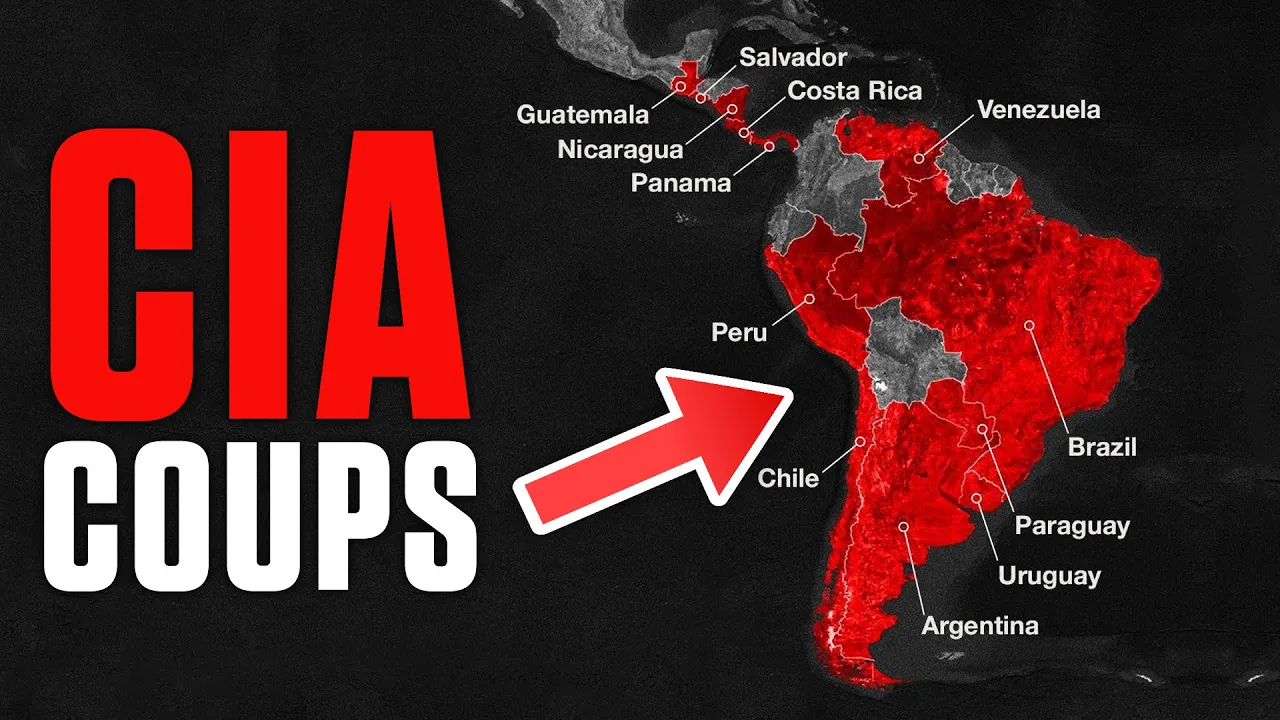
Overthrowing Governments: A Historical Analysis of CIA-
@jaketran
1.1M views•2022-01-26
10:19
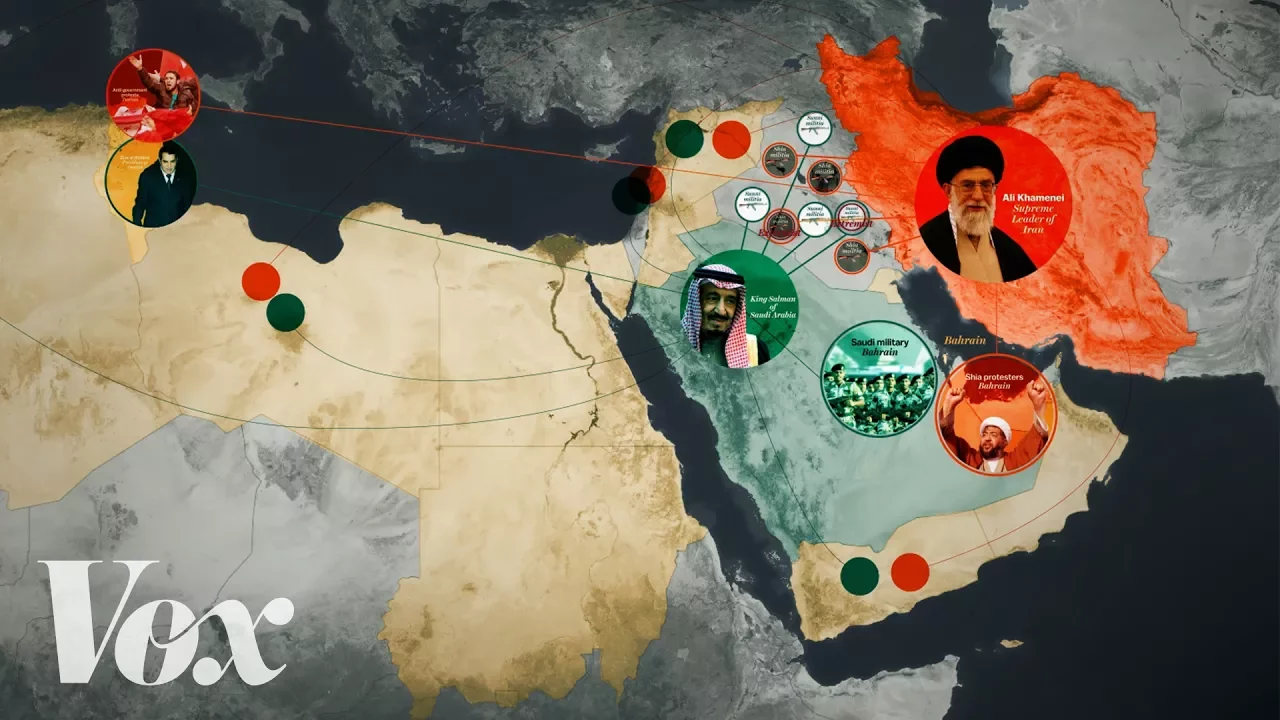
Explaining the Saudi-Iranian Proxy Conflict in the Middle East
@Vox
18.2M views•2017-07-17
Related Study Plans & Knowledge Roadmaps
Structured learning paths in Political Science
political-science
Economic Statecraft: Sanctions & Chokepoints
01Foundations of Geoeconomics and Economic Statecraft
02The Mechanics of Weaponized Interdependence
03International Sanctions: Types, Implementation, and Efficacy
+ 2 more learning modules
12h5 modules
Explore Roadmap
political-science
Central Bank Independence: Politics & Policy
01Foundations of Central Banking and Monetary Policy
02The Time Inconsistency Problem & Inflation Bias
03The Delegation Model and Designing Independence
+ 2 more learning modules
12h5 modules
Explore Roadmap
political-science
Consociationalism: Power-Sharing & Stability
01Democratic Dilemmas in Divided Societies
02Introduction to Consociational Democracy
03The Four Pillars of Consociational Design
+ 2 more learning modules
12h5 modules
Explore Roadmap
political-science
Rebel Governance: Legitimacy, Economy & State
01Foundations of Rebel Governance and Statehood
02Establishing Political Legitimacy and the Rebel Social Contract
03Wartime Economies and Rebel Resource Management
+ 2 more learning modules
14h5 modules
Explore Roadmap