


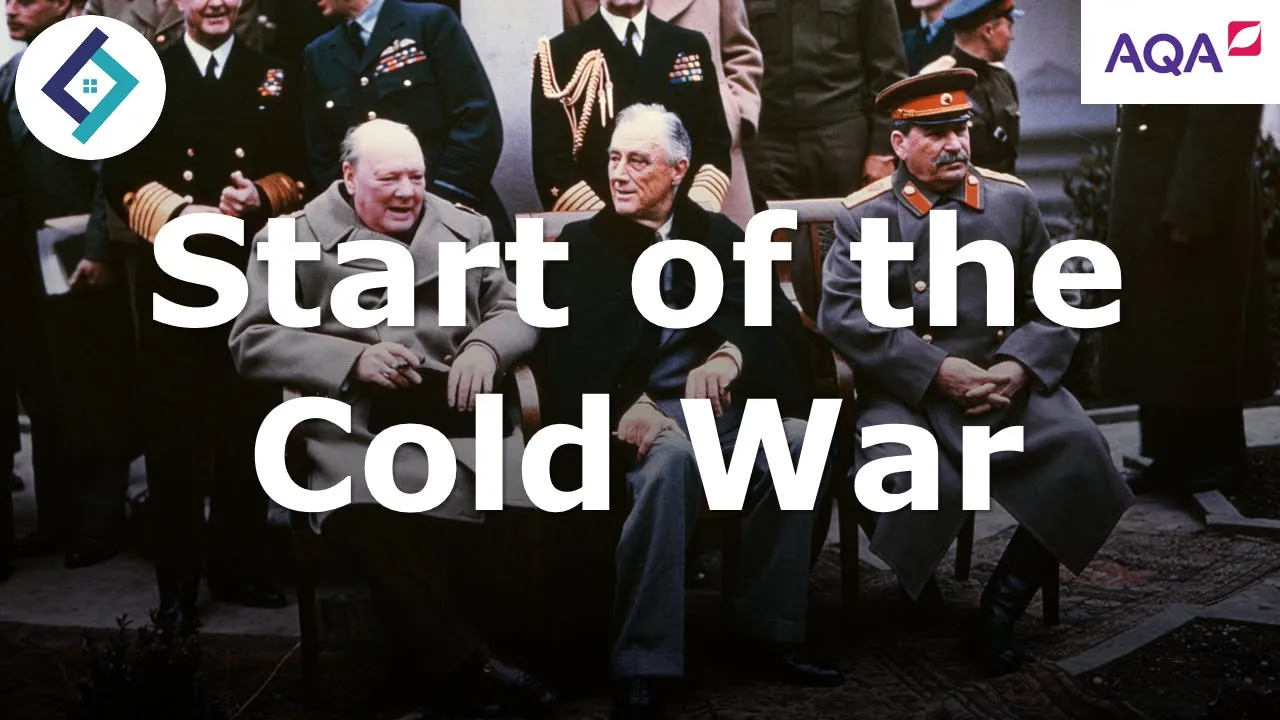







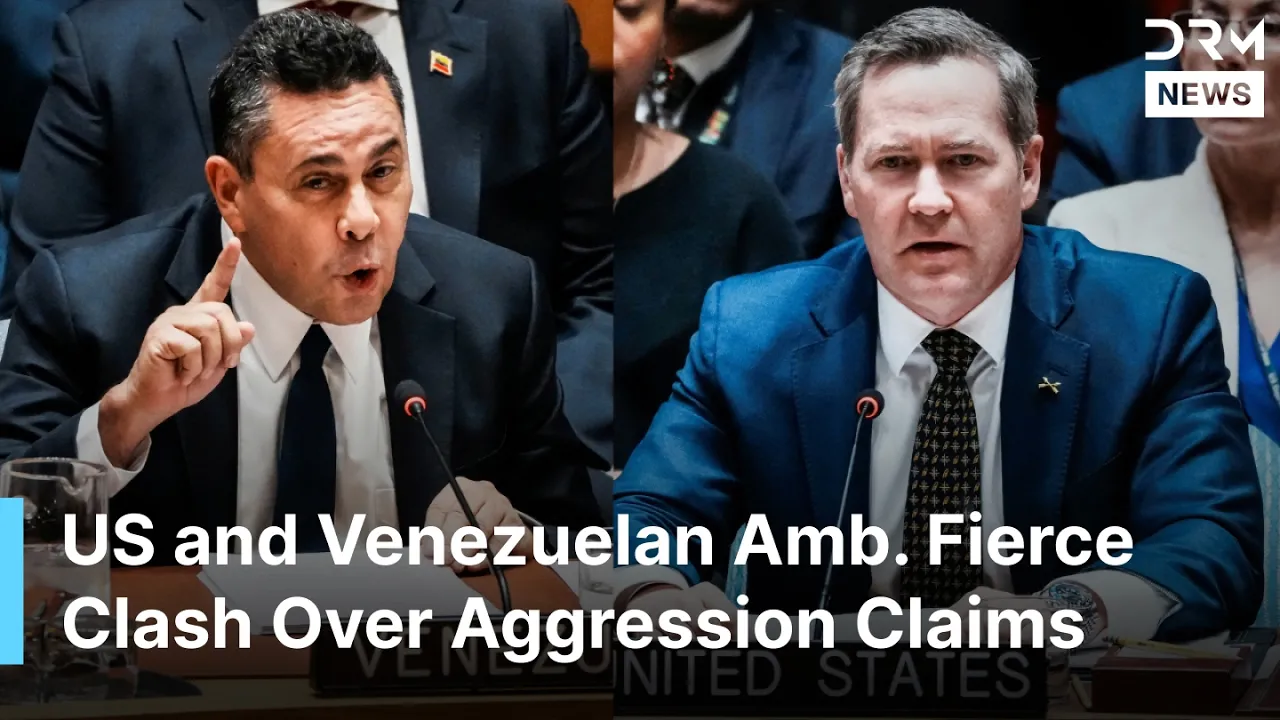














This video analyzes how state coups are orchestrated, using historical examples from the CIA's Cold War operations (70+ attempts from 1947-1989) to illustrate the strategic framework: selecting countries with weak political systems, natural resources, and corruptible militaries; securing military and political support through inside men; building international backing (particularly from the US); executing psychological warfare to create public support; and finally securing key government locations to maintain control. The video emphasizes that successful coups require coordinated planning across multiple domains—military, political, economic, and psychological—to achieve regime change.
Overthrowing Governments: A Historical Analysis of CIA-
Added:The geopolitical dynamics of the Cold War and the ideological conflict between Western capitalism and Soviet communism.
The definition and mechanisms of a coup d'état, distinguishing it from popular revolutions or democratic transitions.
The foundational concept of national sovereignty and the principles of non-intervention in international relations.
The historical mandate and role of the US Central Intelligence Agency (CIA) in foreign policy execution.
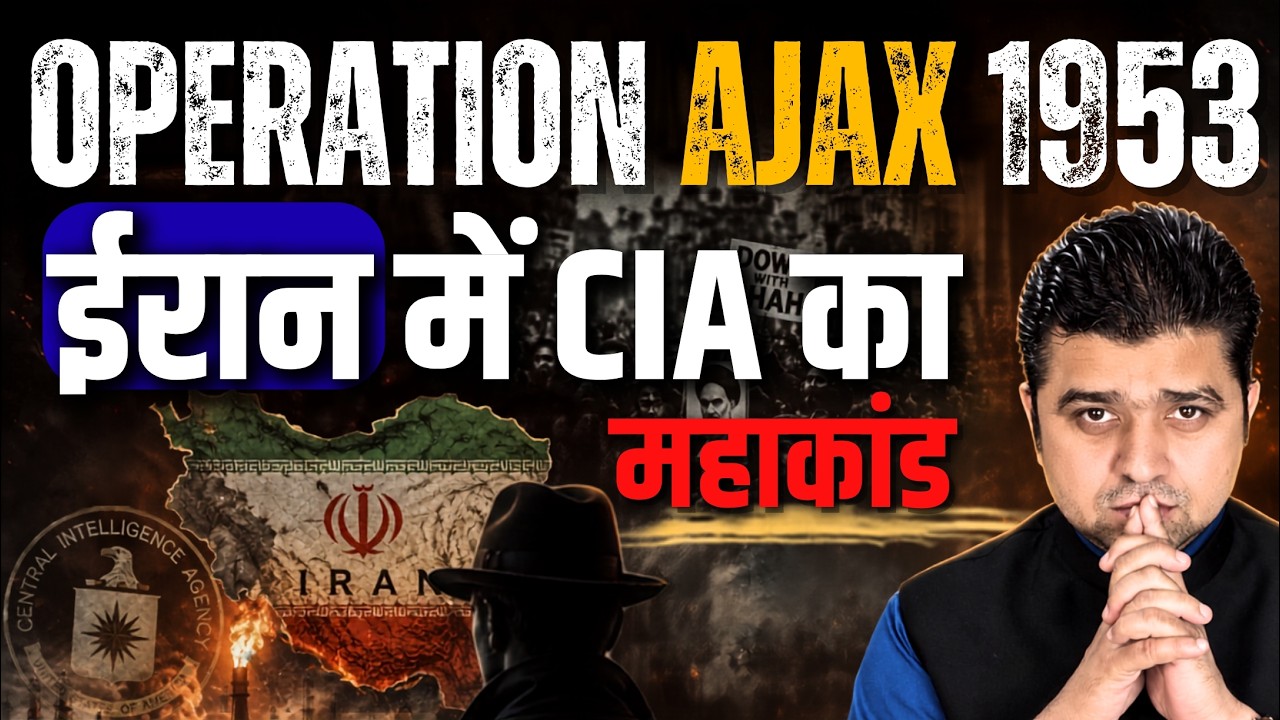
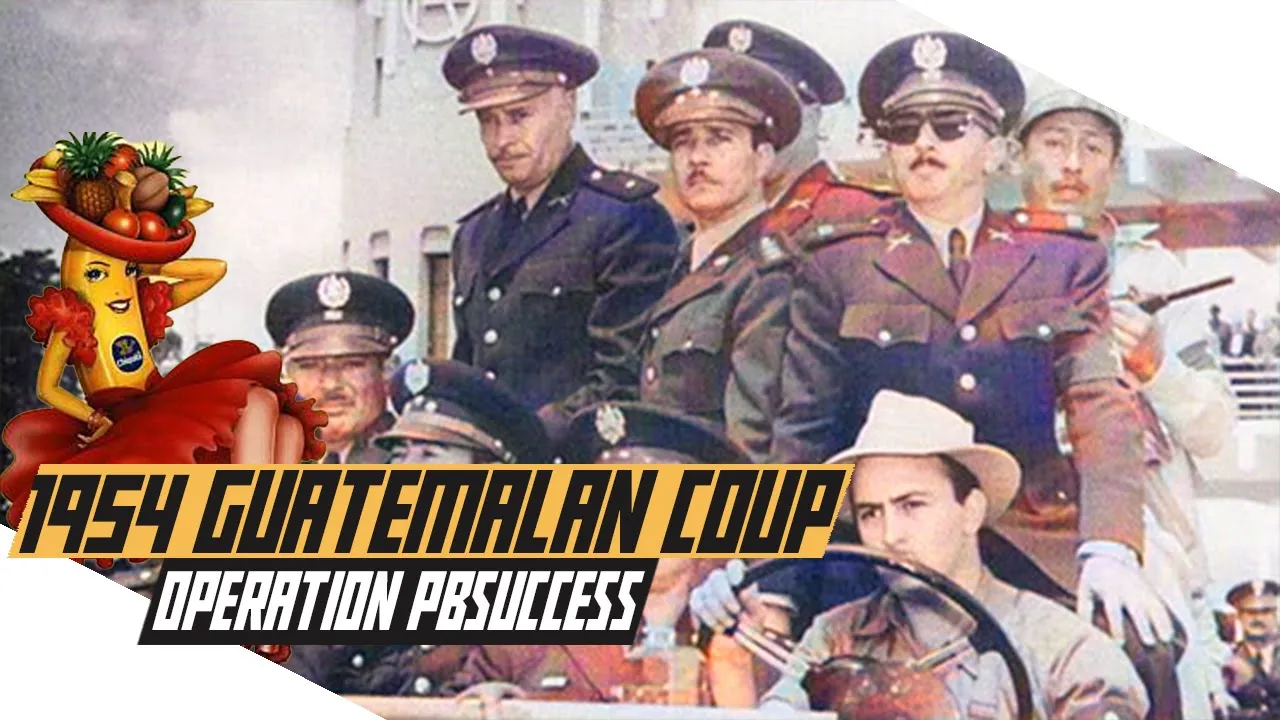
In-depth case studies of specific interventions, such as Operation Ajax in Iran (1953) and Operation PBSUCCESS in Guatemala (1954).
The concept of 'blowback' and the long-term socioeconomic and political consequences of foreign-imposed regime change.
The study of declassified government archives and how historians utilize Freedom of Information Act (FOIA) requests.
Contemporary methods of foreign influence and modern political warfare, including cyber intervention and disinformation campaigns.
1.1M views42Klikes14:08Original Release: 2022-01-26
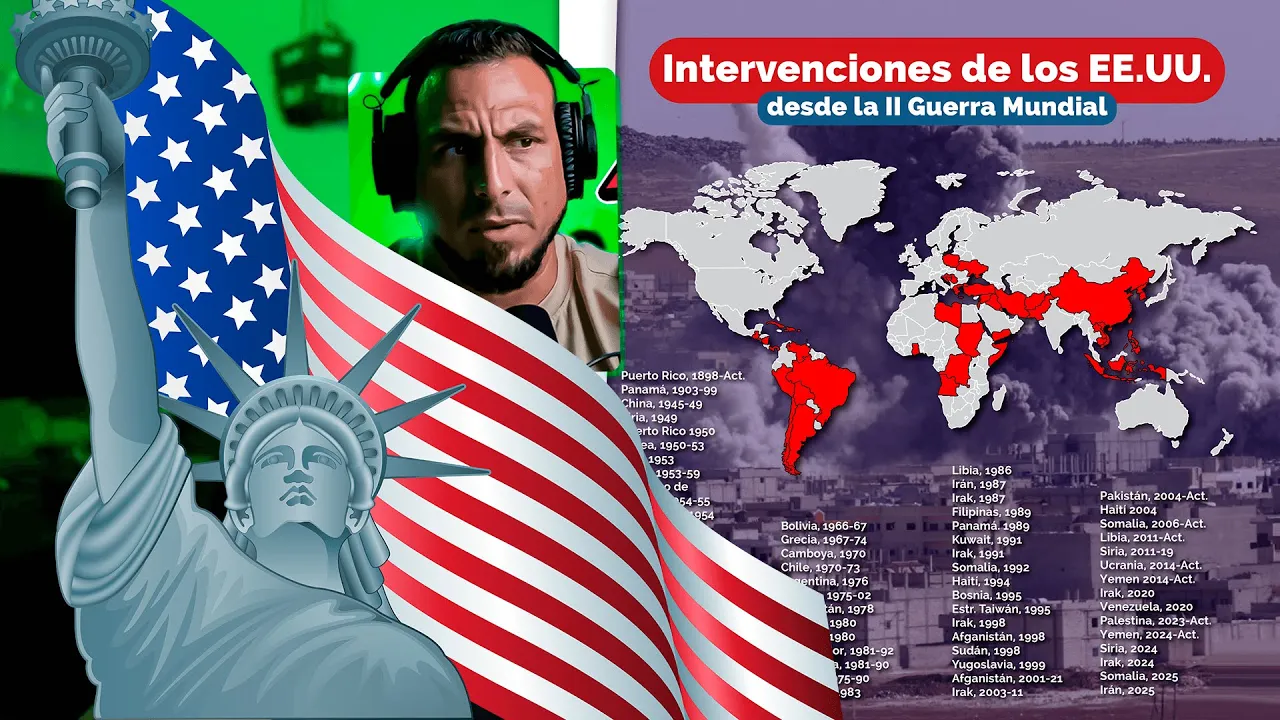
so you're in the market to take over a country to liberate its people and to exploit its natural resources steal its money or just to earn the title of the world's newest dictator there are a lot of benefits that come from launching a coup d'etat and you're not alone for decades global superpowers like the us have gone crazy with coups and rigged elections to get the people they wanted in power in the 42 years of the cold war from 1947 to 1989 america was involved in at least 70 attempts to overthrow governments that is almost two a year and the organization tasked with carrying out these operations our good friends at the cia they were so obsessed with overthrowing governments that they even released books like the manual for psychological operations in guerilla warfare and the cia manual for trickery and deception that way their agents can learn the best way to get their unwanted leader out and the dictator of the day in sure these queues often created worse leaders but it was for the good of america so it was worth it right which brings us to you our future dictator in chief if the cia in america could carry out all these coups and still be seen as the moral standard of the world why can't you you want what's best for people right and if you get filthy rich and drunk on power in the process well that's just an added benefits welcome to the simple guide to overthrowing your governments thank you to the cia for sponsoring this video i'm kidding i'm kidding roll the intro [Music] mobsters billionaire businessmen and the people who watch this channel all have one thing in common they need to smell good to leave a good first impression that's because a good first impression can make or break a business deal a potential girlfriend etc no one wants to be with a scrub what you might not know is that one of the best tricks to smelling like the best version of yourself is your laundry detergent that is where laundry sauce comes in laundry sauce is the world's best smelling detergent for men that come in these convenient easy to use paws that are shipped straight to your home here's how it works you choose from either the warm and rich australian sandalwood or the crisp and clean siberian pine as your scent it gets shipped straight to your door and all you have to do is load up your washer throw in a pod and that is it laundry sauce is made from high-end exotic ingredients like indonesian patchouli and juniper berry to create bold and long lasting scents plus their secret sauce is gentle on your clothing works in all washing machines and doesn't have any phosphates or parabens in it it only takes one laundry saucepot to get all your clothes clean and smelling good and with 69 diet free pods per box that means you're only paying one dollar per load so if you want to smell better and have more confidence pause the video and head to laundrysauce.com jaytram with the link below and get your first box of luxury laundry paws today that's laundrysauce.com jaytram with the link below thanks to laundry sauce for sponsoring this video [Music] your first step as a soon-to-be world leader is to choose your country your best option is probably going to be your home country or at least one you have citizenship in you want to make your leadership look legitimate so you have to be a man of the people to get popular supports but that is not the only way to overthrow a government none of the cia's coups took place in the us for obvious reasons they would go into another country create instability overthrow the governments and replace it with their own group of puppets people that they could control without it looking like the us was in charge and you can do the exact same thing first you want to choose a country with a weak political system a lot of infighting people protesting in the streets or one without a lot of friendly neighbors and you also want to make sure it's rich in natural resources like gold or oil or the location has a strategic geopolitical advantage you are in this for the money and power after all and finally make sure the country you choose has an easily corruptable military because the military is going to be the one doing the dirty work of taking over the country for you so a country where the military and government are often at odds is usually ripe for a coup most soldiers care more about their paycheck than where the money is coming from anyways especially when the country doesn't have a strong national identity as long as you maintain the salary status quo they really won't care who they're working for the cia's most successful queues in countries like iran guatemala and nicaragua all relied on getting the military to side with them early on the goal is to come into the country as a knight in shining armor claim that you're there to liberate the people from oppression corruption communism whatever the word of the day is and that's the angle you're gonna take next [Music] once you've picked the country you're gonna need an inside man this is going to be the guy who drums up public and military supports you're propagandist if you can find a high level military officer who's also charming or at least likable and open to guidance on how to run a country you have struck gold now you could also find two separate leaders one to get support from the military and another to be the face of the revolution but for the sake of keeping things simple try to find someone who can do both and if you can't find the right guy right away you can always replace the military officer later on in the iran coup the cia used general zahidi and then blindsided him at the last minute by replacing him with the old shot of iran in guatemala they used a colonel named carlos diaz they promised him control of the country and when the coup succeeded they replaced him with another military leader castillo armas not a great choice of mustache but he was happy to cooperate with the us so he was given control of the country who cares if the inside man you choose turns into a dictator as long as he does what you say you can always find a reason for bringing him into power [Music] now that you've found your puppet leader your next step is to get popular supports any successful coup will need the backing of the military the right politicians and big business if you choose the right inside man then military support will follow getting political support isn't much harder all you have to do is play on the current president's bad decisions and suggest that someone new and more competent could run the country better most of the politicians will join you in hopes that their position and salaries get raised once the new government takes over arguably the most important support you'll need is from the country's big businesses there are the people who are going to be paying for a lot of your coup related expenses in guatemala the us government worked hand in hand with the us conglomerates that controlled the country united fruits the us wanted a new government and united fruit wanted less business regulations once you've convinced the three biggest players to join your side you're gonna need the international community to agree with your coup and by international community i mean america [Music] [Music] almost every successful qs has some sort of u.s support or involvement if your government takeover steps on america's toes there's a good chance you'll end up like afghanistan or iraq [Music] with decades of war to liberate your people and install an all-american puppet instead of the one you chose so in order to get the world on your side you'll have to promise america something oil write a dedicated tax haven a shiny new base for a cia black site all of these are great ways to get your new government started on the right foot once you have america support the world will follow all you have to do is throw around statements like you're bringing the country into the modern age or that you're encouraging international cooperation not only will this drama political support for what you're about to do but promising the right kind of favors could also get a lot of cash flowing into your coffers ready to be used for your next steps up until now your movements have been a secret every move has been calculated so that only your team members knows what's about to go down your next step will be the most risky psychological warfare or getting the general population in the right mindset to support your coup once this step starts there's a good chance the standing government will smell a rats so from now on you'll have to move very carefully to avoid drawing attention towards you and your team the psychological warfare necessary to overthrow a government is all about creating chaos and fear people need to yearn for stability which you will hand them on a silver platter use your american friends in the media to propagate stories of how bad the current government is accuse the president of corruption bribery human rights abuses whatever find incriminating evidence that top government officials had affairs stole money sold information to foreign countries evaded taxes anything to get the general public fired up with anger then start the violence encourage protests against the president to turn violence make it seem like the government is telling police to arrest and injure protesters if the country is religious get the religious leaders to speak out against the sitting presidents do anything it takes to make sure as many people as possible lose faith in the current governments this will make it seem that the coup happened because of corruption and incompetence not the other way around once the public hates the government just enough you're ready for the final step raising an army most government takeovers are relatively peaceful but that's only because the people throwing the coup have an army so you're gonna need an army to intimidate any loyalists who might want to get in between you and the throne this is where your inside man in the military and all that international support comes in handy getting army units on your side of the fight should be easy and if you play your cards right all those international governments you promise favors to will be offering you weapons and money to set your plan in motion in some cases like america's coup in hawaii or guatemala the us government may even send in their own soldiers or equipment to help you take over as quickly as possible plan who will be doing what when and where make sure you have enough men in ammo to maintain control of key locations like government buildings ports military bases and airstrips once you've got your army ready your plan laid out and the support of key political figures it is time to launch your coup d'etat [Music] congratulations you've made it to the moment we've all been waiting for if you haven't been thrown in jail or killed by this point your plan is actually likely to work the tipping point for any government takeover is in the planning so making it this far means that you're just one step away from sweet victory the best days to stage a coup are always thursday nights or friday mornings once you've taken over the government your main goal will be to return to business as usual as soon as possible staging a coup over the weekend means that people can stay home on friday and then get back to their normal lives on monday once you activate your team their first objective should be to secure the highest point in governments this means taking over top level government buildings and securing the president and his closest allies while your teams are closing in on the president other units should be securing all those strategic points we talked about earlier a short internet blackout at this point could help your men work faster and block communication between the people who might oppose you cut off the capital city with military checkpoints and shows of power to prevent any opposition and remind citizens that you are here to free them from their hated governments and that everything will go back to normal as long as they stay home and out of the streets most coups fail or succeed within the first few hours if you manage to keep control of government buildings military bases and airstrips for more than 24 hours you're well on your way to success now the last step is the regime change announcements this is where your front man goes out and reassures all the people that he has come to bring order and prosperity to all citizens and that everything would be so much better with him in charge than before hold on to power for another 24 hours and by the time monday comes around you'll be ready to establish your brand new governments [Music] the first week after a coup is probably more important than anything leading up to it this is where you appoint your new political leaders choose a new president and destroy anyone who might oppose you once you've created a government that suits your ambitions it's time to do a little nation building set up a few new schools construct some roads kiss a few babies and rebrand yourself and the puppet president as men of the people once you firmly establish your rule you're ready to suck the nation drive for all its gods around the same time the majority of these liberations were happening the cia was also drugging and torturing the american people without their consents it was in an effort to create what's called a manchurian candidate a puppet that could be brainwashed to carry out assassinations or spy missions without a moment's hesitation or guilt it would be like creating a killer robot with no memory of what it did once the work was done and all of this human experimentation was done in the cover of darkness under the codename mk ultra the cia secret quest for mind control drugging and torturing people is definitely on the edge of what is monetizable on youtube so i just released a feature-length 40 minute documentary on mkultra available only to members of this channel and if you want to watch it all you have to do is click the join button below or click the link below if you don't see the join button and you'll get instant access to this documentary the past one we did on monsanto and all the future ones we release every month on how the world really works and you get all this hidden knowledge that they would never teach you in business school for just five dollars a month and if you join and don't think it's worth it email me and i will personally refund you the money click that join button below to watch now [Music] [Music] you
Up Next

2:36
Sudan's RSF: A Coup-Proofing Legacy Explained
@aljazeeraenglish
422.6K views•2023-04-16

24:30
BRICS Pay and de-dollarization: A New Financial Order Emerges? | 55 chars
@DannyHaiphongYT
164.6K views•2024-10-22

23:08
The Hidden Economics of War: Understanding Petrodollar Hegemony
@jaketran
1.6M views•2021-09-17
10:19
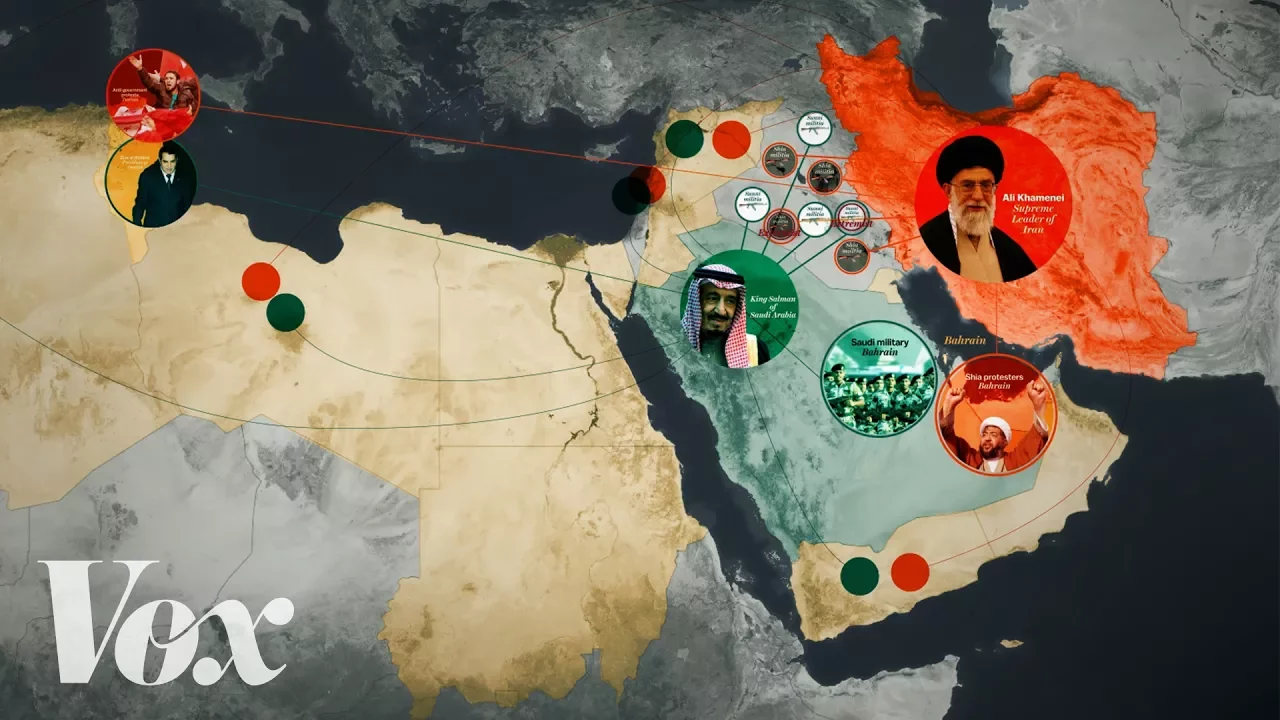
Explaining the Saudi-Iranian Proxy Conflict in the Middle East
@Vox
18.2M views•2017-07-17
Related Study Plans & Knowledge Roadmaps
Structured learning paths in Political Science
political-science
Economic Statecraft: Sanctions & Chokepoints
01Foundations of Geoeconomics and Economic Statecraft
02The Mechanics of Weaponized Interdependence
03International Sanctions: Types, Implementation, and Efficacy
+ 2 more learning modules
12h5 modules
Explore Roadmap
political-science
Central Bank Independence: Politics & Policy
01Foundations of Central Banking and Monetary Policy
02The Time Inconsistency Problem & Inflation Bias
03The Delegation Model and Designing Independence
+ 2 more learning modules
12h5 modules
Explore Roadmap
political-science
Consociationalism: Power-Sharing & Stability
01Democratic Dilemmas in Divided Societies
02Introduction to Consociational Democracy
03The Four Pillars of Consociational Design
+ 2 more learning modules
12h5 modules
Explore Roadmap
political-science
Rebel Governance: Legitimacy, Economy & State
01Foundations of Rebel Governance and Statehood
02Establishing Political Legitimacy and the Rebel Social Contract
03Wartime Economies and Rebel Resource Management
+ 2 more learning modules
14h5 modules
Explore Roadmap