

















The fourth wall is an imaginary, invisible barrier that separates the fictional world of characters and action from the real audience; breaking this wall occurs when performers directly address or acknowledge the audience, creating a meta-narrative effect that disrupts the traditional illusion of immersion.
Fourth Wall Meaning: A Guide to the Concept in Film, Theater, and Literature
Added:The concept of 'suspension of disbelief', which explains how audiences temporarily accept a fictional narrative as reality.
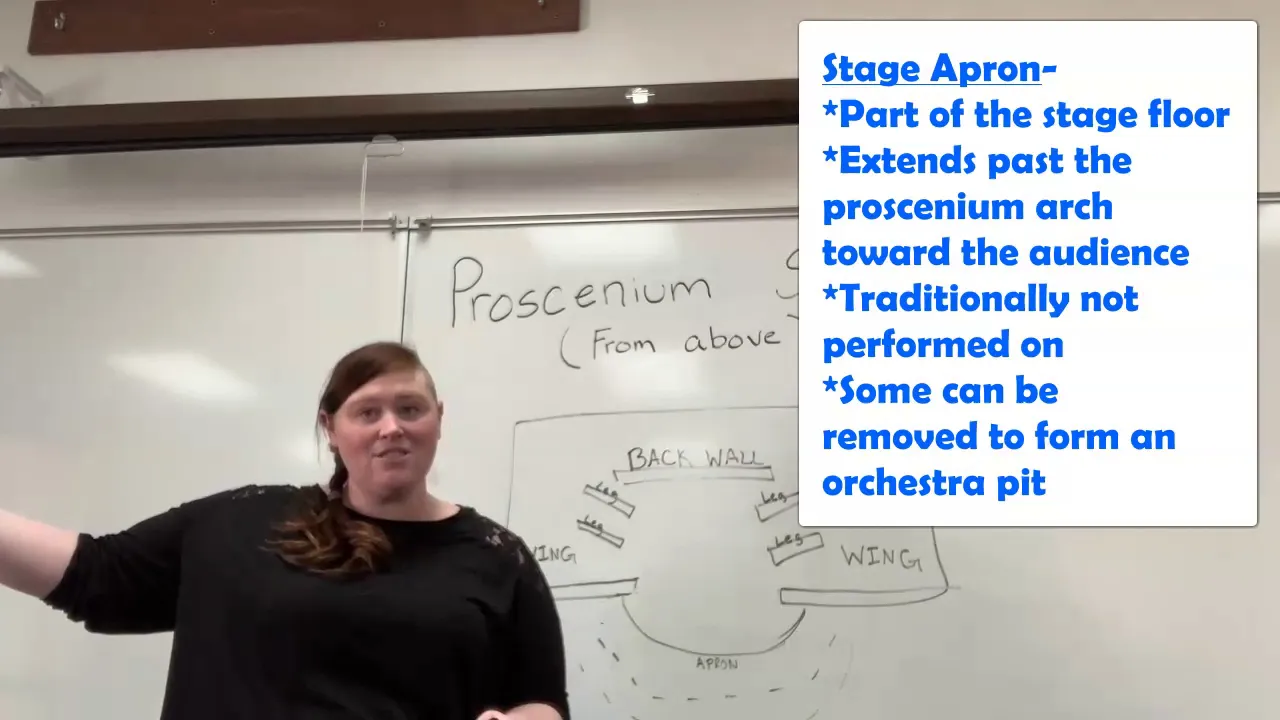
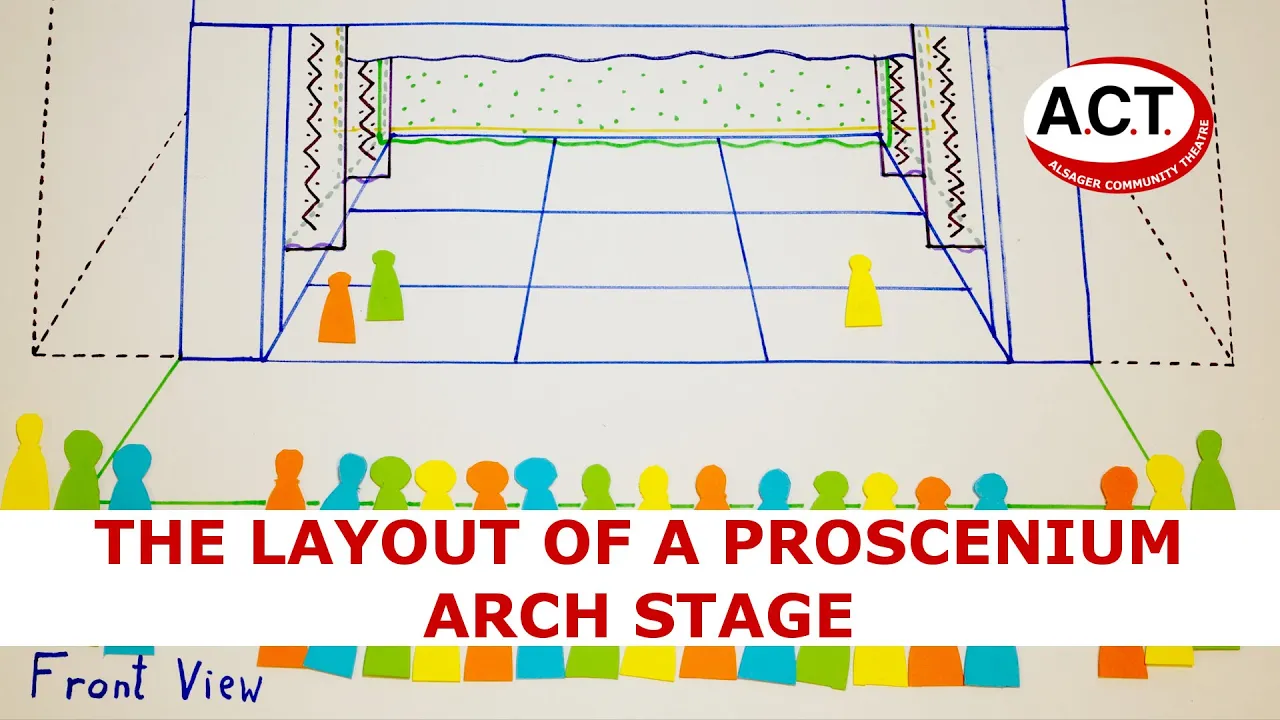
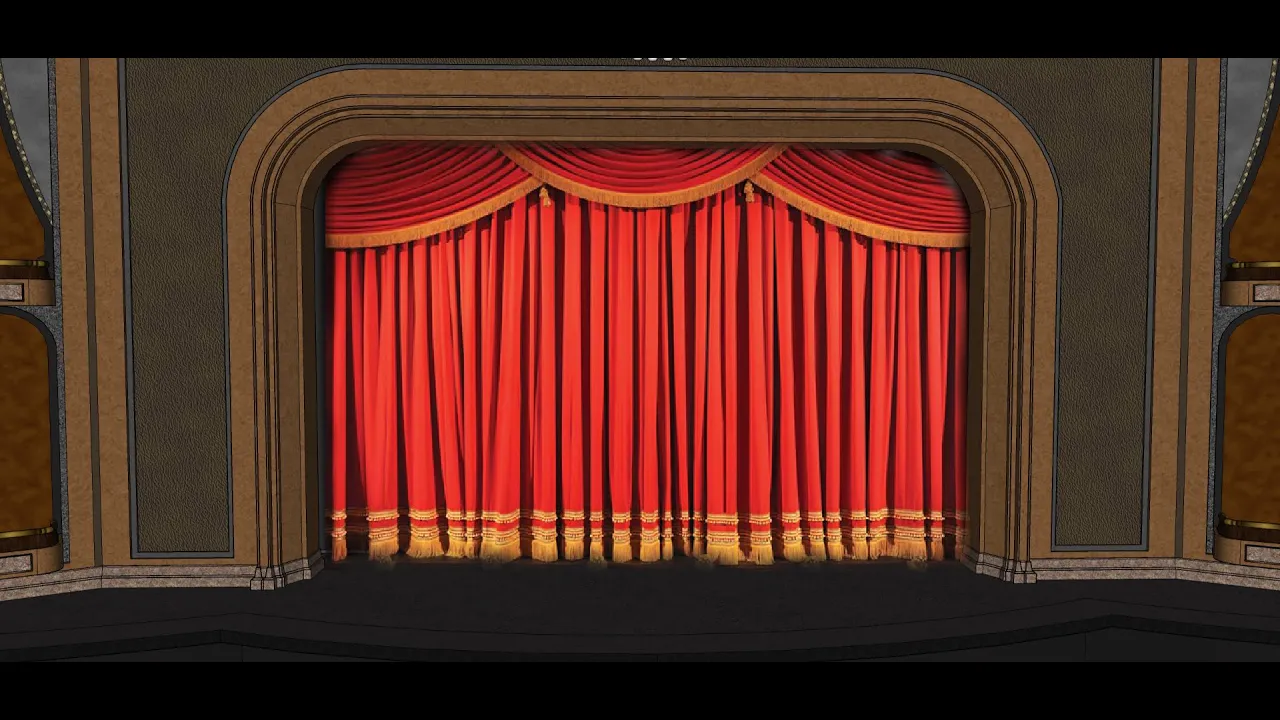
Basic theatrical stage terminology, specifically the structure of a proscenium arch stage which physically defines three walls of a performance space.
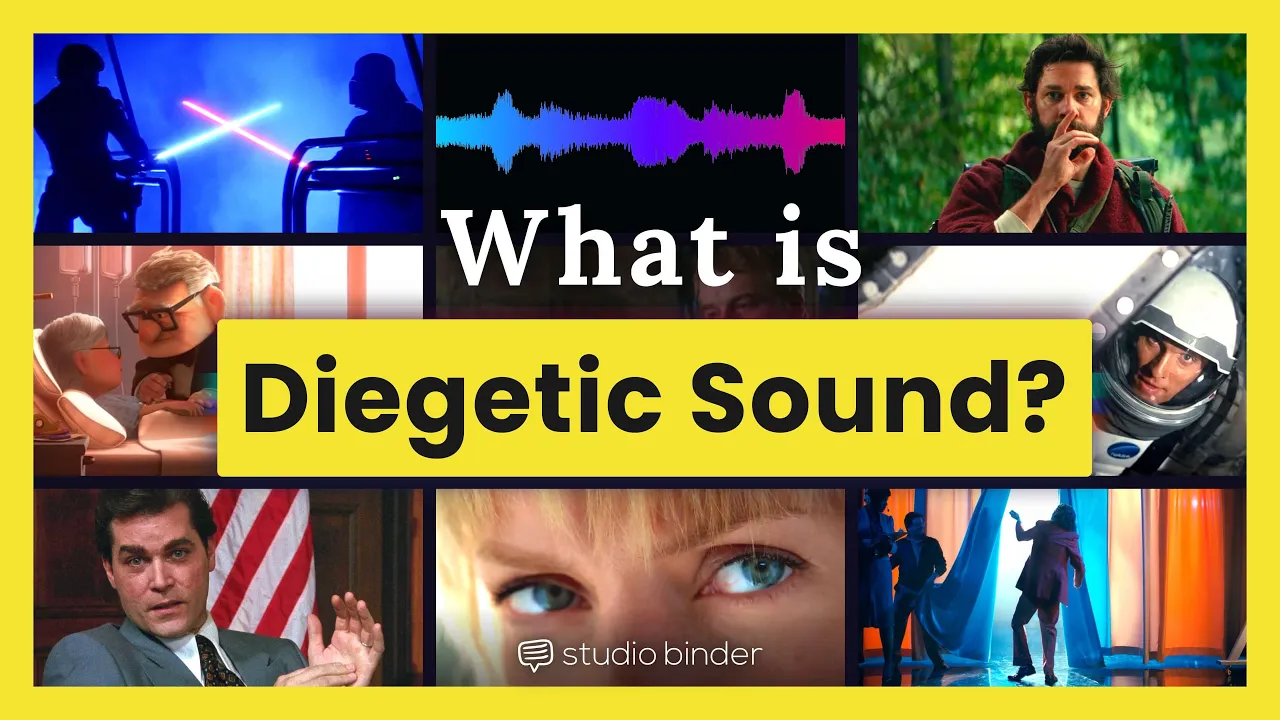
The distinction between diegetic elements (events and objects existing within the world of the story) and non-diegetic elements (such as the audience or the soundtrack).
Fundamental differences in narrative perspective, such as first-person vs. third-person narration in literature.
The literary theory of metafiction, exploring how works of art self-consciously refer to their own artificiality or status as a medium.
Bertolt Brecht's theory of Epic Theatre and the 'alienation effect' (Verfremdungseffekt), which intentionally disrupts the audience's emotional involvement.
Analysis of modern cinematic techniques of 'direct address' and its psychological effects on viewer immersion and empathy.
Postmodern narrative structures that deconstruct traditional boundaries between author, character, and audience.
596 views77likes5:10Original Release: 2025-02-10
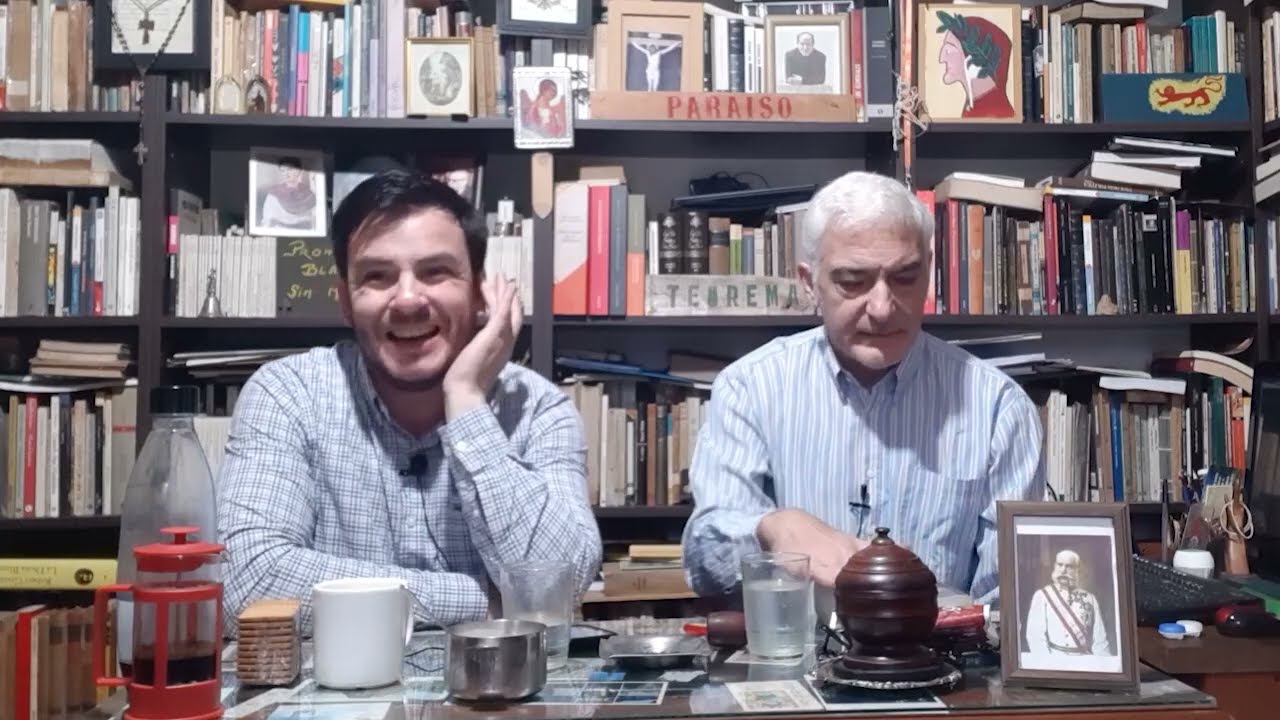
I've seen various horror films where there are spirits that break the fourth wall they come out of the film uh and they the idea is to frighten people by coming into the realm of the people who are watching it so um the the fourth wall it's the the the separation between uh where the characters and the action is happening and the uh audience itself now I think it's very different the actors coming out of the um out of a play or out of the action and talking personally to the uh audience but I think what a good film or a good play is it draws the audience through the fourth wall and it makes imagine that they really are in that place they really are looking at the the scene they part of the scene that is happening and I think this is one of the reasons for the um Cinema's NeverEnding search for more and more and more reality um I think perhaps one day when we have a perfect 3D cinema and we are immersed inside this there is suddenly um it's as if there is no uh no fourth wall okay so the fourth wall it's the I it's the the separation between the performer and the audience um and okay the fourth wall it's it's something that's been around for a very long time it's the barrier between the fiction and the person who's reading or viewing it you could have a fourth wall in a book as well where the author stops and suddenly starts talking to the um to to to the to the reader yeah so what do you think about this reader do you think the story should go like this or do you think the story should go like that here the um author has broken the fourth wall they've come past the uh the this barrier okay so the fourth wall it's this imaginary invisible wall at the front of the stage it's the prenium it's the um the framework it's the boundary between the fiction that's going on the uh story that you're watching and the reality of the audience that are sitting there or are doing things so let's see I talk directly to you and I I I think there is almost no fourth wall a as a teacher because I'm explaining and this is this is fact and I'm uh I'm trying to give you fact uh in in the video but if I was an actor then there definitely would be a fourth wall if I was representing a drama or pretending to be someone else um then that's when the fourth wall come comes into play so it's this imaginary barrier um traditional films maintain the illusion of the fourth wall um an actor U breaks the fourth wall by directly d uh talking to a member of the audience it's going through this barrier it's going right through to the other side and break it breaking the fourth wall this is a word from television and Cinema and theater H formality the fourth wall I think I'm going to give it a six in formality but use it absolutely anywhere so the fourth wall
Up Next
9:17
The Art of Film: How Continuity Editing Shapes Cinematic Language
@EpicLightMedia
121.9K views•2022-12-02

23:14
Visual Analysis Essay: How to Analyze Graphic Novels in College Writing
@nataliepleimann5941
1K views•2020-10-14
4:55
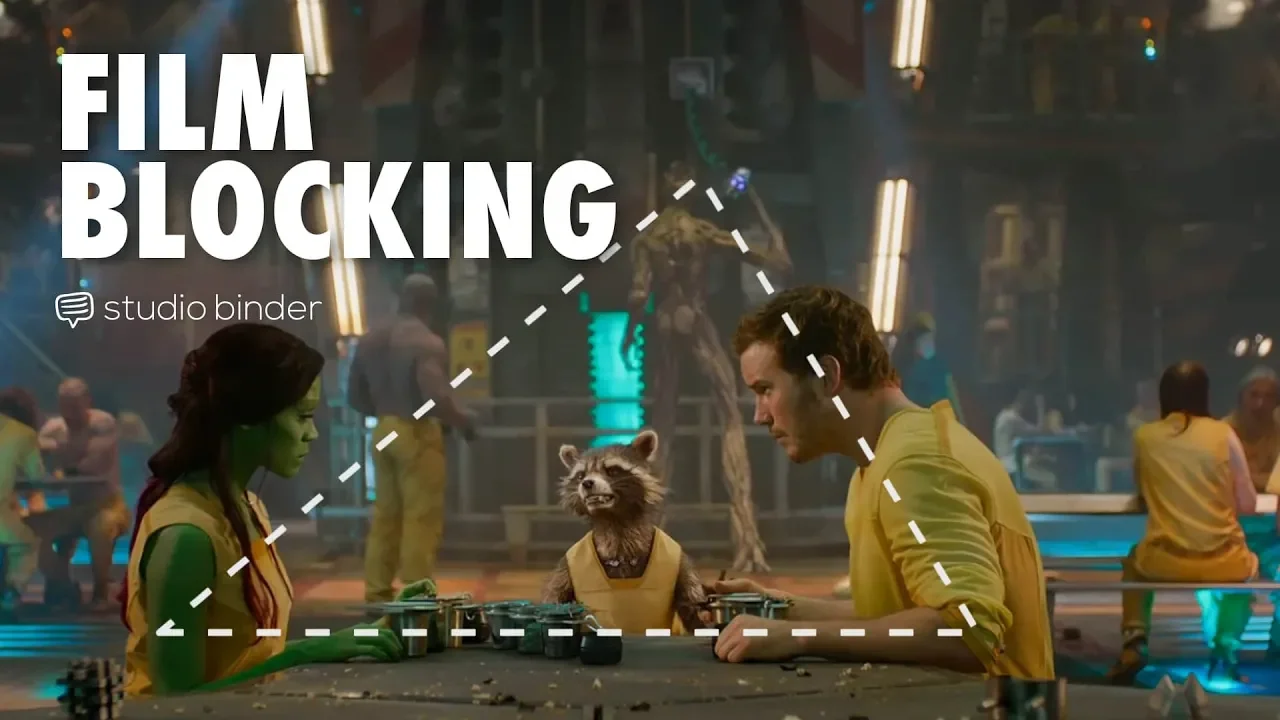
Film Blocking Techniques for Directors: Space, Shapes, Lines
@StudioBinder
1.9M views•2018-07-23

4:00
Evolution of Darth Vader: Anakin Skywalker's Animated Journey Across Star Wars Films
@TellItAnimated
13.4M views•2019-03-30
Related Study Plans & Knowledge Roadmaps
Structured learning paths in Film Analysis
film-analysis
Sensory Cinema: Foley, Haptic Sound & Texture
01Introduction to Film Sound and Foley Artistry
02Micro-Sounds, Textures, and Extreme Amplification
03Haptic Audition and Film Phenomenology
+ 1 more learning modules
12h4 modules
Explore Roadmap
film-analysis
Breaking the Fourth Wall: Mockumentary & Satire
01The Invisible Wall: Basics of Cinematic Illusion
02Looking at the Lens: Direct Address & Character Glances
03The Mockumentary: Satire, Realism, and Complicity
+ 2 more learning modules
12h5 modules
Explore Roadmap
film-analysis
Analyzing the Long Take: Cinema, Space & Ethics
01Foundations of Film Grammar: Montage vs. The Long Take
02Choreography and Mechanics of the Simulated One-Shot
03Phenomenology of Film: Real-Time Spatial Continuity
+ 1 more learning modules
14h4 modules
Explore Roadmap
film-analysis
Anachronistic Music: Period Drama & Subversion
01Foundations of Film Sound and the 'Needle Drop'
02Traditional Authenticity vs. Revisionist History
03The Rise of the Anachronistic Soundtrack
+ 2 more learning modules
12h5 modules
Explore Roadmap