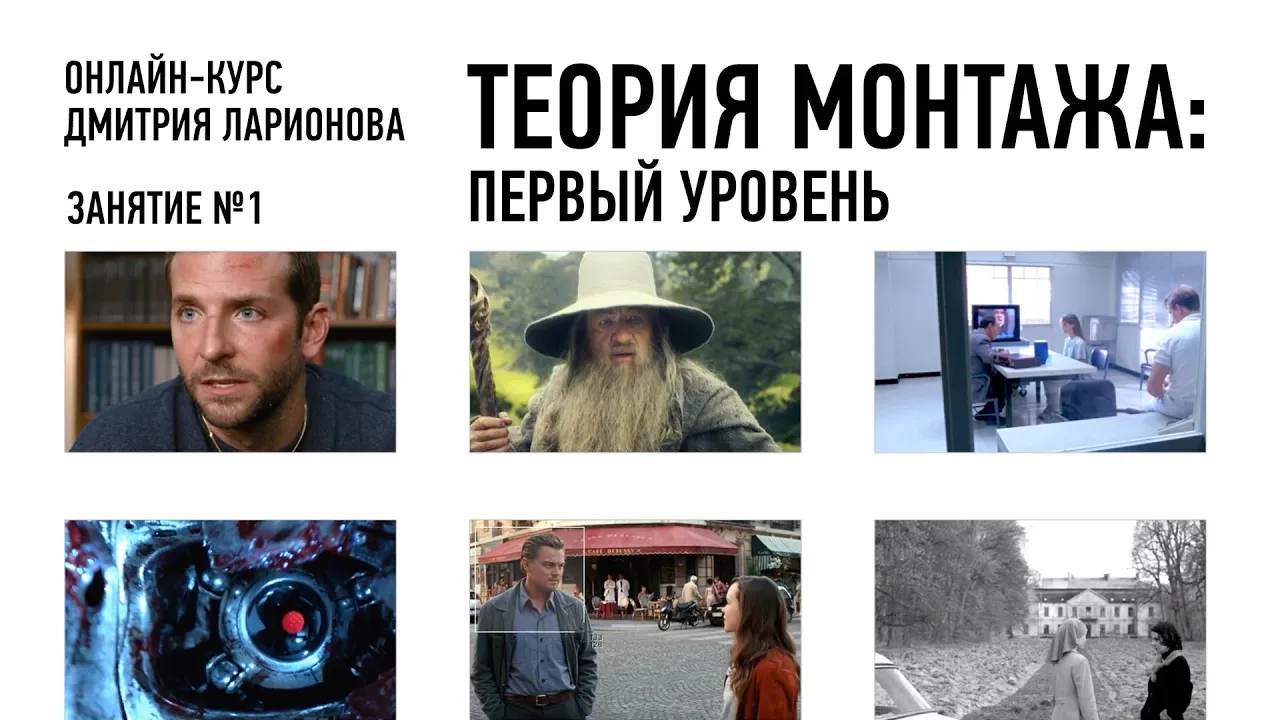













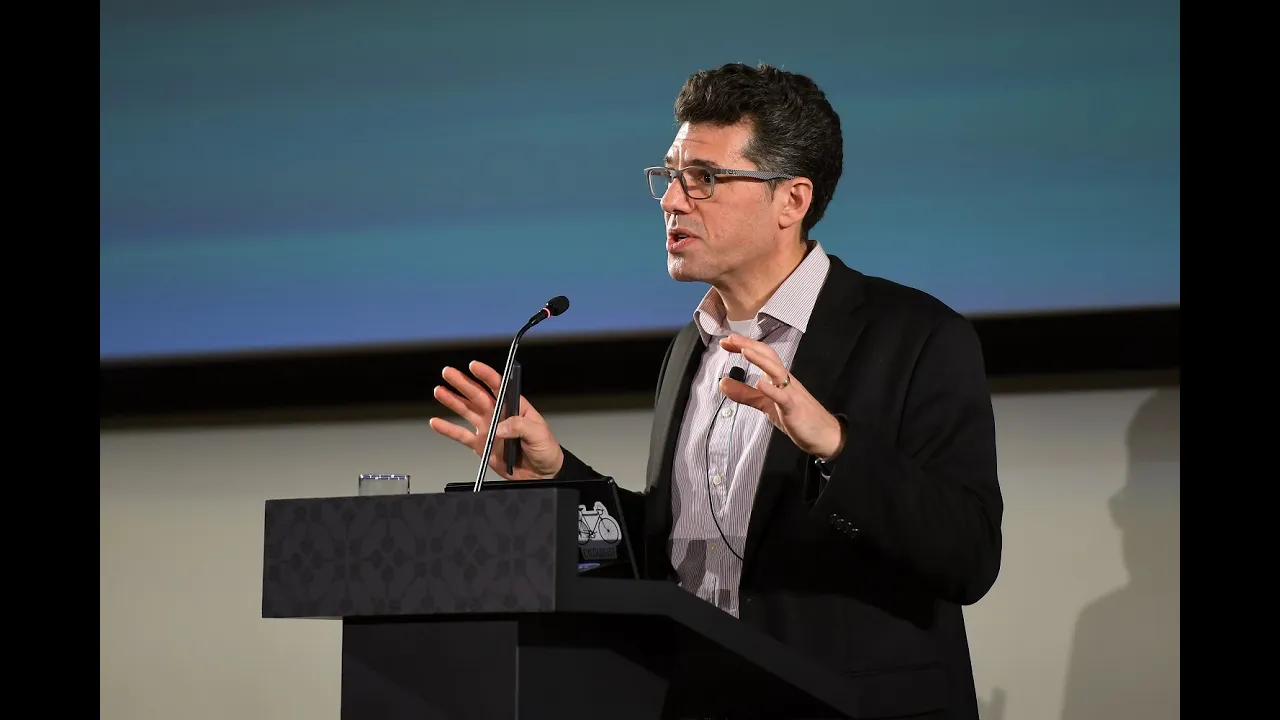




The camera cut is the fundamental element that distinguishes film as an independent art form, enabling filmmakers to guide audience perspective and create unique cinematic experiences through continuity cutting and cross-cutting techniques that allow instant movement around scenes and juxtaposition of different locations and times, combined with camera movement, sound design, and collaborative artistic contributions from writers, actors, directors, and cinematographers to create a transformative medium that expands human vision and understanding.
The Art of Film: How Continuity Editing Shapes Cinematic Language
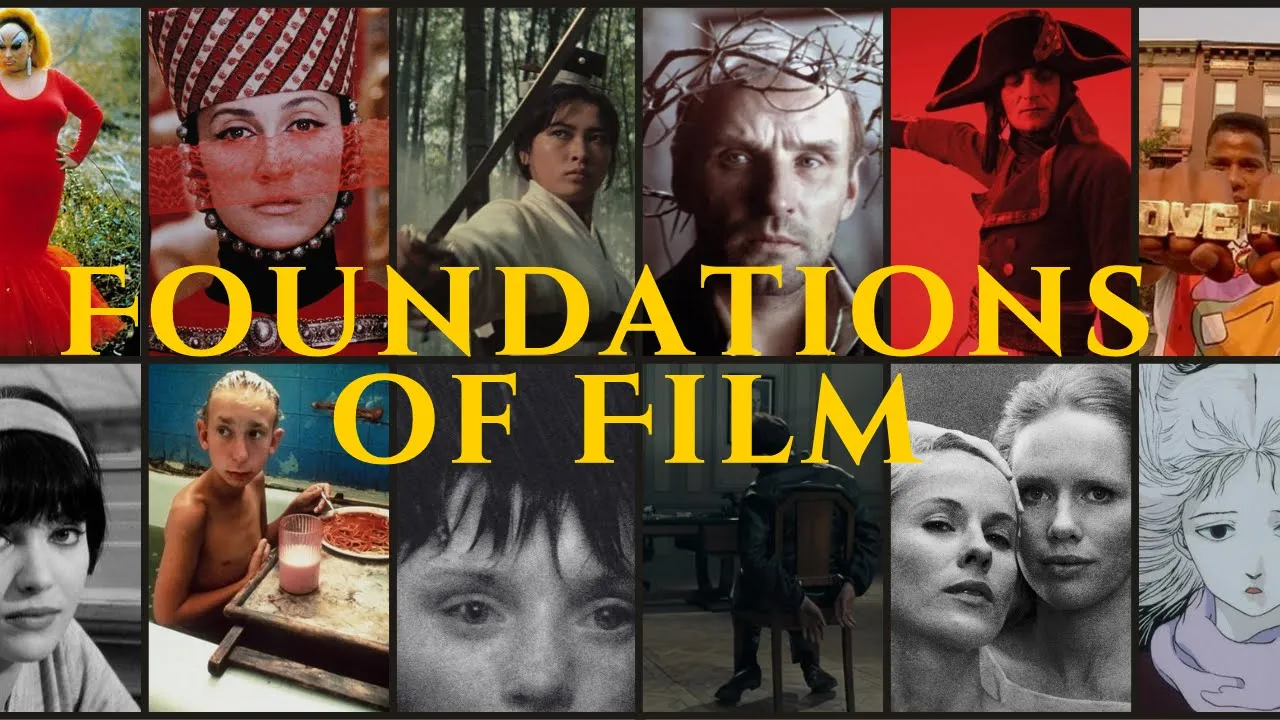
Added:Basic vocabulary of filmmaking, including the distinctions between a frame, shot, scene, and sequence.
The historical context of early cinema, specifically how early films transitioned from single-shot actualities to multi-shot narrative structures.
Fundamental concepts of visual storytelling, or how static and moving images placed in sequence convey meaning to an audience.
An introductory awareness of spatial and temporal continuity—how viewers naturally interpret physical space and time on screen.
The study of Soviet Montage theory and how filmmakers like Sergei Eisenstein used juxtaposition to create intellectual and emotional collision.
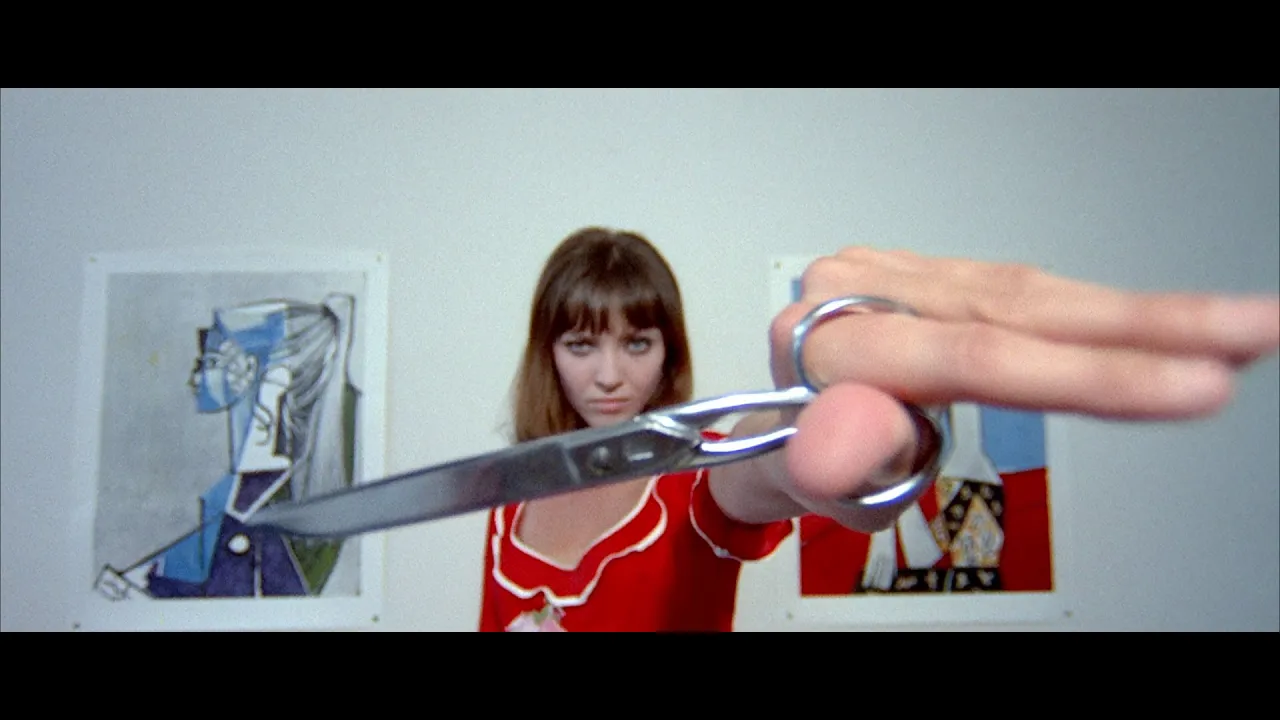
Disjunctive editing techniques, such as jump cuts and breaking the 180-degree rule, popularized by movements like the French New Wave.
Advanced continuity techniques, including parallel editing (cross-cutting), graphic matches, and sound bridges to manipulate narrative pacing.
The cognitive psychology of editing, exploring how the human brain seamlessly processes cuts and maintains narrative comprehension.
Critical analysis of specific auteur directors who either perfected classical Hollywood continuity or intentionally subverted it to establish unique cinematic styles.
121.9K views2Klikes9:17Original Release: 2022-12-02
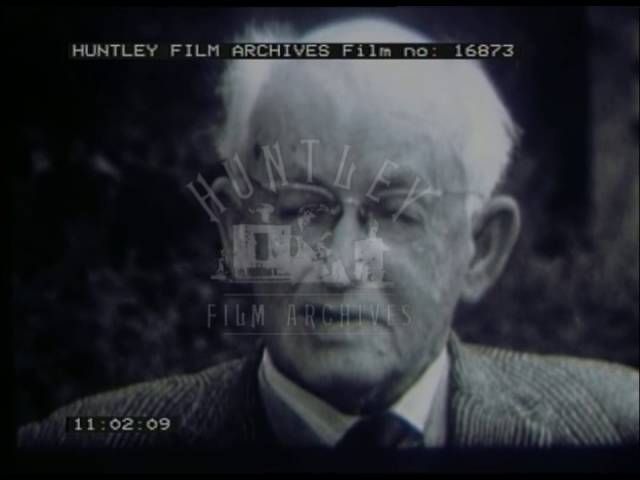
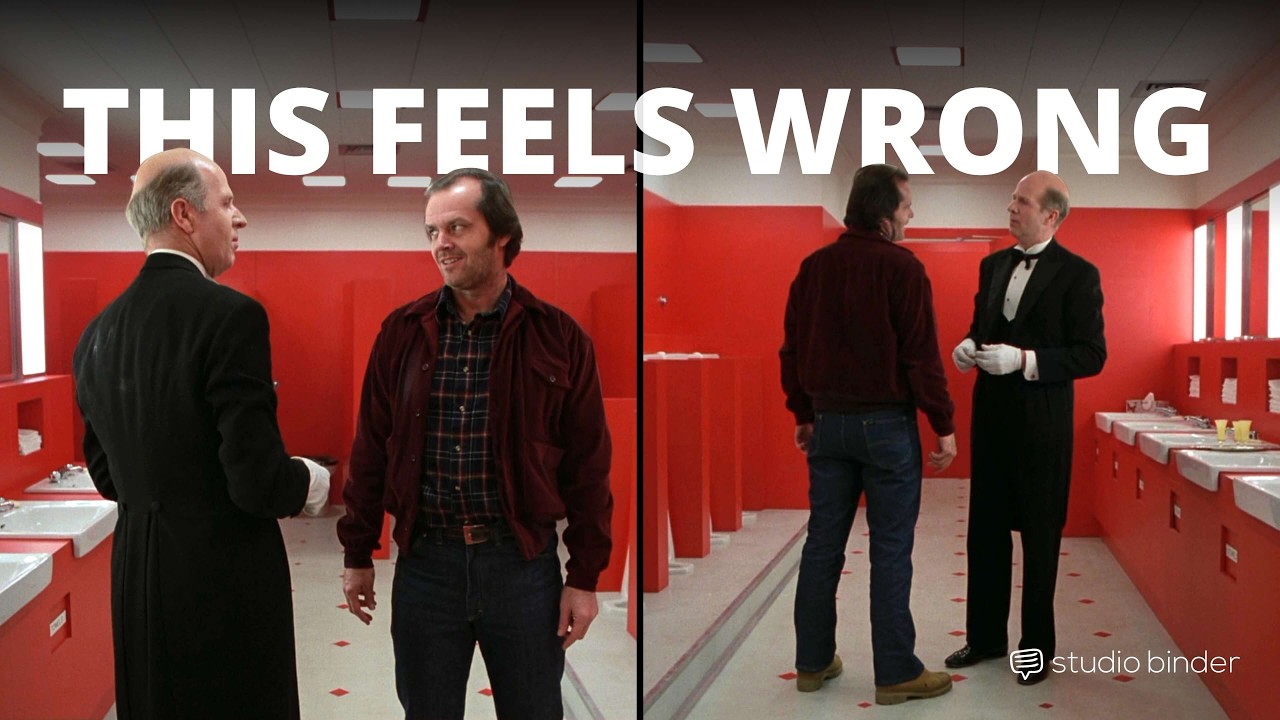
everything always when you watch a movie or a TV show or a video on the internet something is happening in your brain it's why statistically you probably spend as much time every day watching content as a part-time employee devotes to their job daddy shouldn't waste his time movies aren't a waste of time because when you watch a great movie your brain finally stops thinking about your life and your problems you forget about that important thing you need to tell your boss Hey listen I quit you sometimes forget your name you live in the moment and that's a good thing because of this some people feel more alive watching a movie than they do on their wedding day film is not only entertainment but it is an independent and distinct art form in this video we will examine some of the key elements that make the moving image worthy of its own pedest in the Hall of art but let's start with the one thing that makes movies movies and if you're not careful you might miss it or take it for granted did you see it let me show you again did you see it let me explain something first there are arguably eight distinct art forms painting photography sculpture literature architecture Music Theater and Cinema and I can test that because of its collaborative nature Cinema is the highest of all art forms I know that's a bold statement but watch this video and you'll most likely agree with me however Cinema as a new art form wasn't always worthy of its own pedestal when Cinema first began it was a subcategory of theater everything was a wide shot as if you had the best seat in the house Cinema was a moving photograph the camera would cut between scenes but never within the same scene but once filmmakers started experimenting with cutting everything changed this is the earliest known example of cutting and although to our modern sensibilities this seems so obvious at the time it wasn't at all continuity cutting in cinema allows audiences to effortlessly and instantaneously move around a scene to have the best perspective possible to me as a filmmaker this aspect of filmmaking is the main thing that makes a movie a movie the tool of continuity cutting introduced what I pretentiously call the silent narrator in film The Silent narrator is given a voice through perspective and pacing when filming a scene the filmmaker has the choice of where to place the camera and what lens to use these details can affect the audience's point of view if the film is from one character's perspective for instance you want to shoot them on the wider lens if the person they're talking to is not the main character you don't want them to feature so much then maybe you shoot them at a longer lens so they feel like it's more from the perspective of your main character when editing the filmmaker has the choice of when and where to cut next these tools silently communicate a message to the audience editing can also affect our perception of the actor's performance now we have a close-up let me show you what he sees let's assume he saw a woman holding a baby in her arms now we cut back to his reaction to what he sees and he smiles now what is he as a character he's a kindly man he's sympathetic now let's take the middle piece of film away the woman with the child but leave his two pieces of film as they were now we'll put in a piece of film of a girl in a bikini he looks girl in a bikini he smiles what is he now the dirty old man and thanks to the long career and cinematic storytelling abilities of that dirty old man Cinema is now able to affect audiences as never before but the simple cut isn't the only aspect unique to filmmaking there's more there's a lot more with cross-cutting the story Cuts between two or more locations this technique gives the filmmaker a unique cinematic opportunity to make silent observations about human nature and guide the audience along or it can be used to trick the audience and I like this gag where we deliberately made people think that these hubbers were asleep and it's a pretty it's a cheap and cheesy one but it's always good value doing this type of stuff it's what Cinema can do so well you can't really do it in a book but the movies you can where you can juxtapose places and time [Music] let's take a moment and appreciate this that right there that cut was art two concepts of continuity cutting and cross cutting are still the basis of Cinema's artistic contribution today but another important tool in filmmaking is camera movement after the cut gave the filmmakers a voice camera movement gave the filmmakers a megaphone 18. or 19.
I'm not really sure skillful camera movement like this to me is akin to a line of Shakespeare Movement Like This is referred to as in-camera editing option can be entertaining as well now audiences can fly through a scene carried by the filmmaker and be taken for a ride this element distinct to the art of film gives a kinetic energy to cinema movies are kinetic it's about movement forget the actress forget the story it's all about movement it's a Chase the chases were the beginning form of Cinema integral to this kinetic energy and sense of speed is the addition of music and sound design and film film is the perfect amalgamation of all art forms because it brings together every kind of artist the top literary talent in the world writes screenplays the greatest actors in the world lend their performances under the direction of the filmmaker the Visionary concept artist gives inspiration for designers and craftspeople to create incredible worlds for us to visit costume designers stress the actors and give life to their performances and the Director of Photography shapes the film like a painter because of this collaboration film helps us see things we ordinarily couldn't see it expands our vision and teaches the audience without them knowing they're being taught another unique aspect of Cinema are close-up camera angles with close-ups we can see the Nuance of an actor's performance something we could never experience seeing them act on stage in film we can experience a new perspective on life whether high or low and then there's violence in film it is violence is also action I think it's also kind of what movies do in a way that's particular to them as opposed to a theater or literature is the filming of kinetic violence that can usually give a cathartic release for an audience unless you lived in Rome or another barbaric time in history witnessing close-up graphic violence for entertainment was unique to film before high quality video games were introduced but in my opinion film still gives us a superior insight into the characters as they witness or experience death it's for these many reasons why I think film is the greatest and most transformative art form we as a species have yet discovered and it is specifically because of the humble camera cut I believe new technologies like virtual reality or gaming will never replace the movie experience its importance and culture and its ability to impact Society Cinema as an art form is here to stay so if you're a creative person this is your invitation to get involved with movie making start making stuff and we can continue to explore and Advance the possibilities of this relatively new art form if you feel like we left out any elements that make the art of filmmaking unique please leave a comment and as always don't subscribe to our Channel epic light media [Music]
Up Next

1:26
Mockt 2: Advanced Concepts and Applications
@agoaj
509 views•2008-02-06

20:12
Unfriended (2014) Screenlife Horror Film Analysis and Review
@theboredcyborg
372 views•2019-08-20
4:55
Film Blocking Techniques for Directors: Space, Shapes, Lines
@StudioBinder
1.9M views•2018-07-23

4:00
Evolution of Darth Vader: Anakin Skywalker's Animated Journey Across Star Wars Films
@TellItAnimated
13.4M views•2019-03-30
Related Study Plans & Knowledge Roadmaps
Structured learning paths in Film Analysis
film-analysis
Sensory Cinema: Foley, Haptic Sound & Texture
01Introduction to Film Sound and Foley Artistry
02Micro-Sounds, Textures, and Extreme Amplification
03Haptic Audition and Film Phenomenology
+ 1 more learning modules
12h4 modules
Explore Roadmap
film-analysis
Breaking the Fourth Wall: Mockumentary & Satire
01The Invisible Wall: Basics of Cinematic Illusion
02Looking at the Lens: Direct Address & Character Glances
03The Mockumentary: Satire, Realism, and Complicity
+ 2 more learning modules
12h5 modules
Explore Roadmap
film-analysis
Analyzing the Long Take: Cinema, Space & Ethics
01Foundations of Film Grammar: Montage vs. The Long Take
02Choreography and Mechanics of the Simulated One-Shot
03Phenomenology of Film: Real-Time Spatial Continuity
+ 1 more learning modules
14h4 modules
Explore Roadmap
film-analysis
Anachronistic Music: Period Drama & Subversion
01Foundations of Film Sound and the 'Needle Drop'
02Traditional Authenticity vs. Revisionist History
03The Rise of the Anachronistic Soundtrack
+ 2 more learning modules
12h5 modules
Explore Roadmap