



















The Roman Empire originated from the legendary twins Romulus and Remus, whose story symbolized Rome's defining characteristics: expansion through conquest, incorporation of enemies into alliances, and eventual transformation from a modest Italian city-state into a vast Mediterranean power spanning from the Sahara to Britain, achieved through military innovation, strategic alliances, and cultural assimilation that fundamentally shaped Western civilization.
The Ancient Origins of the Roman Empire | Rome History Documentary
Added:The geographical landscape of the Mediterranean basin and the Italian Peninsula, which shaped early trade, defense, and settlement patterns.
The distinction between founding mythology (such as the legend of Romulus and Remus) and archaeological/historiographical evidence in ancient history.
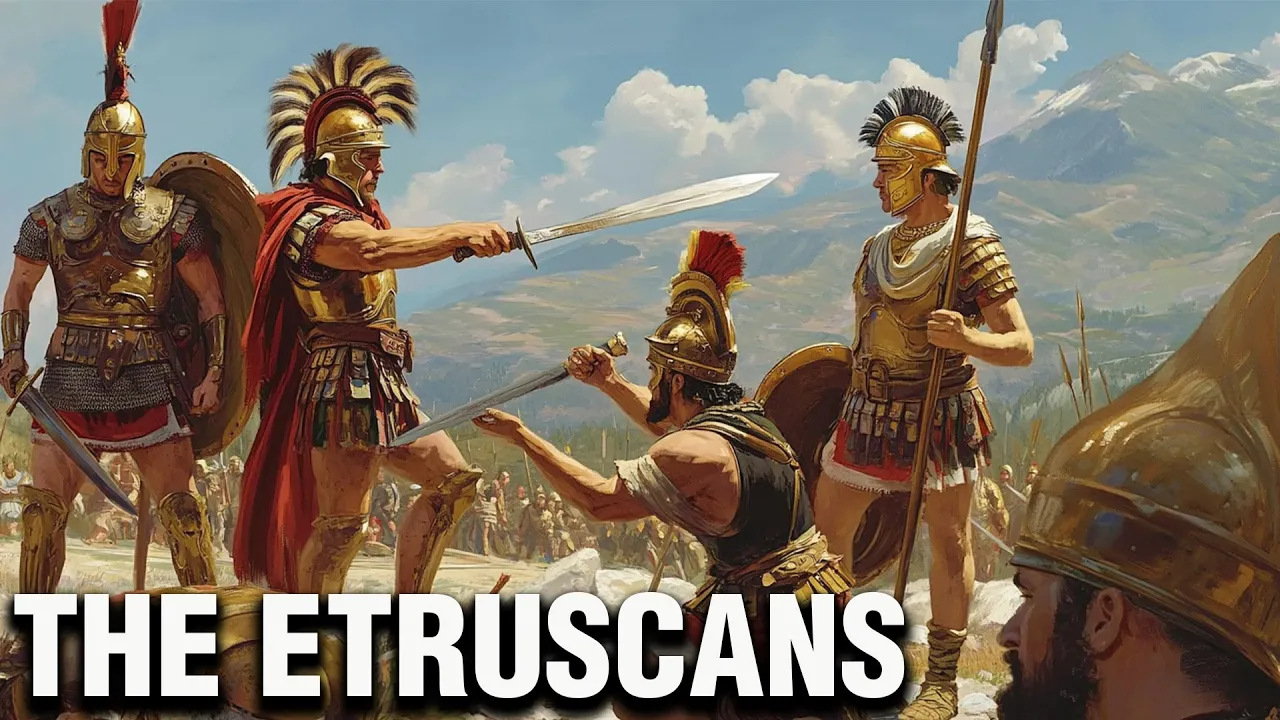
An introductory understanding of neighboring early Mediterranean civilizations, particularly the Etruscans and the Greek city-states, who heavily influenced early Roman culture.
Basic political concepts differentiating a monarchy, a participatory republic, and an autocratic empire.
The constitutional crisis of the Late Roman Republic and the pivotal roles of Julius Caesar and Caesar Augustus in transitioning Rome into a formal Empire.
The Pax Romana period, focusing on how Rome maintained administrative control, law, and infrastructure across vast conquered territories.
The process of 'Romanization' and the social history of provincial life, exploring how conquered cultures integrated with or resisted Roman identity.
The military reforms, economic structures, and geopolitical pressures that eventually led to the division and fall of the Western Roman Empire.
673K views10.8Klikes58:24Original Release: 2022-11-16
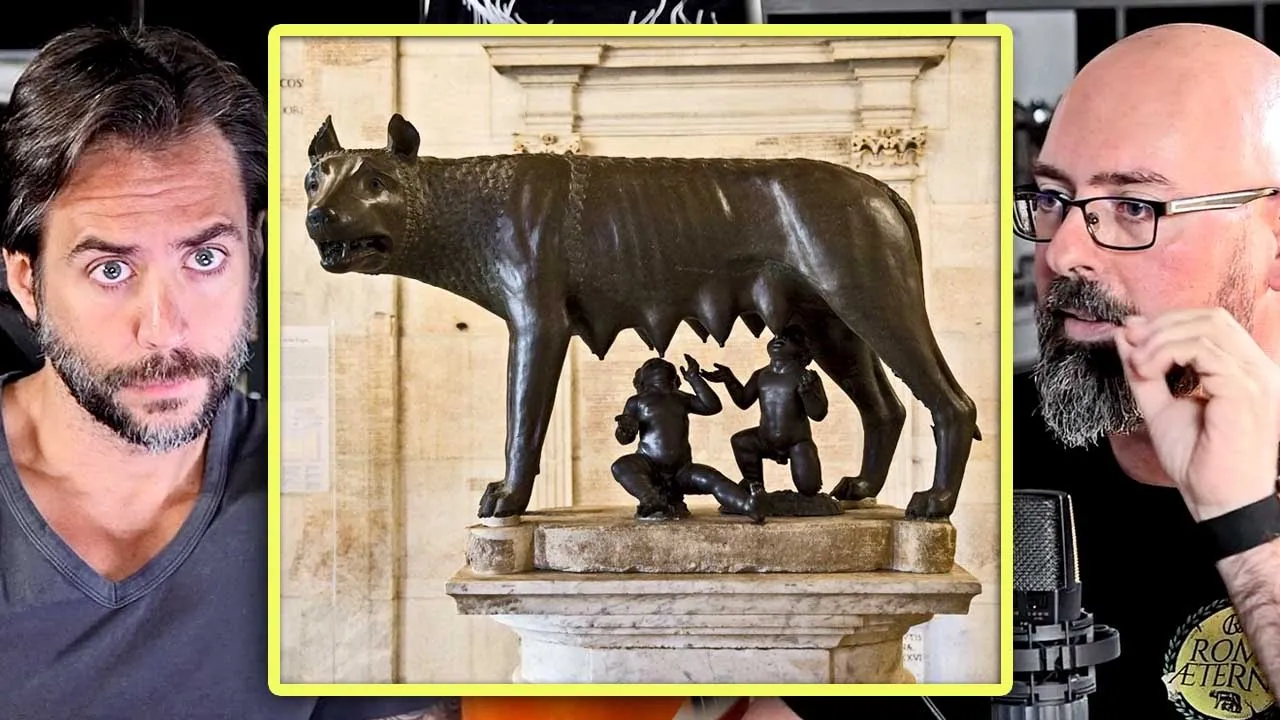
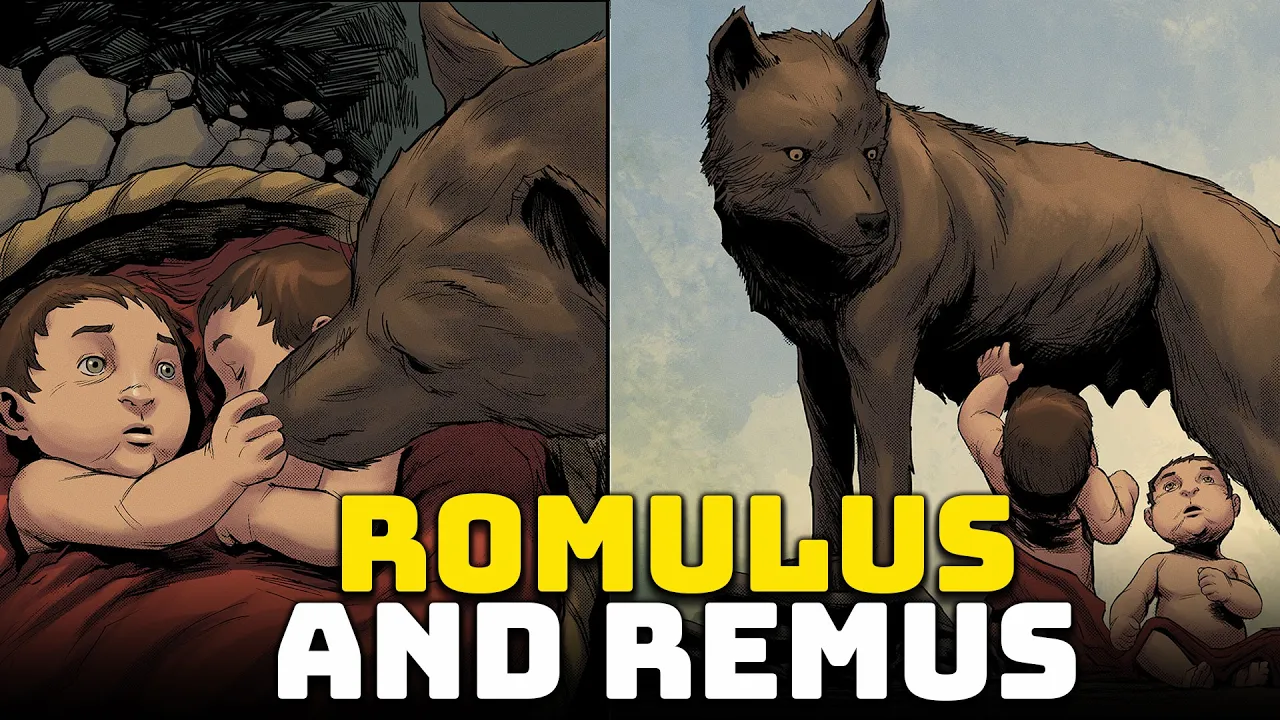
this channel is part of the history hit Network [Music] [Music] story of the Roman Empire opens with a fairy tale once upon a time not far from here princess gave birth to Twin Sons a king a wicked Uncle fearing that the boys would one day become his Rivals ordered his Faithful Servants to throw them into the river as it was in flood they just left them in a basket at the water's edge from where they floated Downstream rescued on the bank by a mother wolf who suckled them they were later found by a local Shepherd who reared them as his own their names were Romulus and Remus they went on to found Rome ordinary town in the middle of Italy became the center of an Empire stretching from the fringes of the Sahara to The Damp more lands of Northern Britain from Spain to Israel the Nile to the Rhine framed the geography of modern Europe and Define the way we think of Empire now transforming the Western world through Revolutions in trade this is one of the first examples of globalization agriculture just olives olives and more damn olives art law and architecture this is where even I get a bit gobsmapped by Roman engineering there are plenty of conquests and defeats to battles and Butchery but they're also bigger questions what did it work and what difference did it make why did The Empire eventually fall it all come about in the first place was it ambition was it just luck we really want to answer that question we have to go back to what the Romans themselves said about it to their doubts their debates and their conversations because they wandered just as much as we do about what set them apart [Music] history hit is a streaming platform that is just for history fans with fantastic documentaries covering fascinating figures and moments in history from all over the world our extensive catalog of documentaries covers everything from the rise of Hannibal Barker to the illustrious Treasures of King Tut so sign up today for broadcast quality documentaries uncovering the mysteries of the ancient world and it's not just documentaries either we have a network of incredible history podcasts bringing you new episodes every day sign up now for a free trial and odyssey fans get 50 off their first three months just be sure to use the code Odyssey at checkout [Music] it's only Appian Way one of the main roads out of Rome going south deep into Italy that we first get a clear glimpse into the lives of the early Romans a period long before the marble columns and the Colosseum and one that's often overlooked this tomb was built 500 years after the city was founded it's a very long way from Romulus but what's written here tells us for the first time what some Romans felt and thought what their mindset was in a way what we really know about the Romans starts here [Applause] this isn't Rome as we now imagine it but it is the grandest thing they could do at the time and back then it was new [Music] this is the tombstone of the first man to be buried here Scipio Barb artist that means beardy Scipio and it tells us a bit about his excellent qualities he is Fortis we're and sapiens he's a strong Brave man but he's clever he's wise this is quite strange it says his appearance was equal to his were tooth so his appearance was as good as his virtue he really looked the part he cut a dash and it ends with his conquests he swag it on the lucanum he suppressed the whole of leukemia which is a region in South Italy uh obsidence and he took hostages so it's very easy to see what these people's priorities were kind of more than that because in some ways this is just a few lines of an epitaph but in another way this is the first short surviving historical narrative from any Roman that we have I mean this is the beginning of Roman history writing it might be 500 years after the age of the founders but this is actually the first place where we can really see the Romans we get a very Vivid picture of a people committed to Conquest unto the glory that came with military Victory but that's actually like everyone else around them so what set the Romans apart so little direct evidence the best place to look for the answer is in the stories that they told and their own elaborate speculations on the city's Origins and in particular in the mythical story of Romulus and Remus the brothers suckled by a wolf it was continually told and retold and it contained a message about Rome's conquests and internal Wars there's actually a little more Roman history in the myth it'll be easy to dismiss the story of Romulus and Remus as if it was just a fairy tale just a myth and it certainly isn't history in our terms but that doesn't mean that it doesn't have a lot to tell us about how the Romans thought about themselves what their cultural priorities and anxieties were why a wolf the story wouldn't have been the same if it had been a cow or a sheep it was the fact that they were rescued by a ferocious Predator that revealed the destiny of the twins some Romans questioned the detail the Latin for Wolf Looper also means prostitute so was it actually a prostitute who came to the rescue but in Broad terms they believed that the tale was true in fact when later they came to inscribe in the Forum a list of the names of all those generals who had scored the biggest or bloodiest victories for Rome people like the scipios who did they start the list with Romulus one person who's not on the list is romulus's twin brother Remus because it said they had a massive row of aware exactly to establish the new town it ended up with Romulus murdering his twin an act which reflected the bloody civil wars that would later blight the politics of Rome [Music] foreign of the oddest Foundation stories in the whole history of the world not only does it involve a pair of twins not a single founder but then one of the twins goes and kills the other that's to say fratricide lay at the very beginning of the Roman story brother killing brother hardwired into Rome [Music] Palatine Hill Romulus became its sole ruler romulus's first problem was that he had hardly any citizens for his new city so he declared it an asylum and he welcomed criminals runaway slaves that dispossessed and the down and out for the whole of Italy it's another strange aspect to the tale whereas the average ancient city like to imagine that its original inhabitants had sprung miraculously from the soil of the Homeland the Romans imagined that their city had originally been a city of Asylum Seekers it was an attempt to give a Mythic Dimension to one of Rome's later most distinctive characteristics that it not only welcomed Outsiders but that eventually it spread Roman citizenship throughout the empire [Music] problem was that he had no women and therefore his City had no future but none of the people in the neighboring towns were prepared to give their daughters to be Roman wives they were actually gnostily insulting and made no secret of the fact that they didn't think a band of runaways was great husband material so Romulus had to resort to a trick so The Story Goes Romulus invited his neighbors the sabines to a religious Festival [Music] in the middle of the proceedings he gave a signal for his men to abduct all the young women among the visitors and to carry them off as their wives this is the famous rape of the Sabine women and it's an almost uncomfortably Frank image this one here has been captured which is trying to get away but she's not going to make it this one was already collapsed and another is trying to flee but it's hopeless the rape might have been a response to a terrible Roman humiliation but it was still a violent assault these women are not willing they're victims it's an instant that the Romans discussed and debated and displayed Ever After some of Rome's enemies said that this was absolutely typical Roman Behavior if they wanted something it just went out and grabbed it in the story the families of the Sabine women as you'd expect hit back at the Romans in what would be Rome's first war and first victory which was commemorated in a rather strange monument at the Heart of the City most people walk straight past here but it's where the Romans were convinced that the heart of that battle took place in what became the Forum but what was then not much more than a swamp and they marked the spot where one of Rome's first enemies fell to his death was one of a series of monuments imprinted the origins of Rome onto the face of the latest City if you wanted you could go up into the Palatine Hill and see what was supposed to be the hotter Romulus himself still a tourist attraction in the 4th Century A.D the myths of Rome were there for all to see with them the problems of being Roman fratricide rape violence I constant conflict [Music] Rome at the beginning was ruled by Kings Romulus and six others to follow but the citizens eventually rejected what they'd come to see as a tyranny and established a kind of democracy in which every year the people elected officials to govern the city and fight its Wars and soon after that there were signs that Rome was beginning to grow why is it that an ordinary little town by the Tiber became something much much bigger than that the honest truth is we don't know why it happened but we do know when we can almost touch it almost [Laughter] because in the early fourth Century BC the Romans built this massive City wall around their town now there's more to this than just defense this is a big statement that Rome has arrived and even more interesting a lot of the stone they used to build it came from the territory of a little town a few miles up the road that they'd just taken over this is one of the first hints of Roman expansion [Music] thank you Rome's growth didn't stop at its walls it expanded Beyond them deep into the Italian peninsula imagine Romans crowding around Maps plotting world domination for start they didn't have Maps and in any case they weren't any more militaristic than their neighbors early Italy was a violent place so the question isn't why they went to war but why they went on winning on the traditional pattern of warfare to put it a bit crudely every year the lads of one place would go out and do over a neighboring town and if they hit lucky they'd come back with slaves and Cattle wasn't really organized Warfare it was glorified raiding what the Romans did was establish permanent relationships with the people they beat of course they came back with slaves and Cattle but they demanded for the future that the defeated towns should provide troops for the Roman army and that cumulatively gave them a huge Advantage because in the ancient world it wasn't high-tech military hardware that counted it was how many boots you could get on the ground as a city on its own Rome could never have dominated the whole of Italy what's crucial is the relationship they formed with other people Rome not only conquered but it Incorporated its enemies and that's what's unique by the 3rd Century BC Rome could call upon more than 700 000 soldiers and how they secured that Manpower can be seen on the city's first gold coins Jonathan Williams is the deputy director of the British museum what is going on here and I can read Roma Rome underneath there's a very complicated scene above but I can't quite okay so what we've got here is we've got a couple of men here standing um either side of another man who seems to be kneeling down holding something in his arms and what he's holding is a pig an upturned Pig now this is a pretty strange scene to us but any Roman would have known what this was meant to represent it's a scene of oath taking promises being given and accepted between two sides and this is how the Romans did it strange to us but it's clearly a kind of meaningful ceremony for for you Romans some people uh think that this might be a mythological scene um the oath being taken by Romulus the first king of the Romans together with the sabones one of the earliest alliances the Romans made with one of their allies but it could more generally just be a reference to that whole system of alliances between the Romans and all the other peoples of Italy that were so important and there the foundation of the ways in which the Romans came to dominate and rule the whole of the Italian Peninsula and so what this coin is doing in a sense is kind of it's broadcasting or sort of creating an image of Rome as the the center of these alliances with other peoples absolutely yes it's broadcasting messages to the Allies but also to the Romans themselves about how faithful we are we're a good solid loyal allies but you better stick with us because you don't want to know what happens if you splittle us more there's more land from the small wall Town through a patchwork of alliances with friends and conquered foes Rome controlled most of Italy from that the Romans soon came into conflict with the other great superpower of the day the city of Carthage because there was actually another Empire out there to rival Rome the Roman network of alliances put pressure on them to intervene in support of friends and allies further and further afield it's a bit like what happened to Modern superpowers one particular request for help had defining consequences during a dispute between two Sicilian towns different groups appealed to Rome and to Carthage after intense debate in Rome between those spoiling for a fight and those who thought Rome was far better off out of it the Romans decided to go in and that was how Rome and Carthage first came face to face in conflict strip of water the island of Sicily more Greek than Italian became the setting of Rome's first overseas War a naval war against the Western mediterranean's most powerful seafaring State the Romans hadn't had or needed fighting ships before Story Goes that what they did is find a carthaginian ship and copy it over and over again it was a big turning point and in 241 BC these Waters were crowded with the dreadnoughts of the ancient world fighting it out in a final messy battle hey George we actually found it all right another round for him the wreckage from this battle that Marine archaeologist Jeff Royal and his team have been discovering and raising from the seabird really quite difficult to make sense of this I've been looking at ever so hard and I keep thinking that every Little Rock on the on the bed of the seniors there's some bit of a Roman or carthaginian military equipment but when you actually come across one of these I'm free just lying there in a detritus of the battle you know it really hits you in the face you're seeing it literally as it fell as it were with your own eyes it's quite extraordinary what's the most memorable thing you've come across like this the Rams are always very memorable because it's uh it's a really big deal to have found them and it was one of the objectives of the of the survey and of course yeah we you know when we see them it's always exciting built into the ship's bows these Rams did exactly that rammed the enemy vessels but what we've seen from the evidence is obviously there was a lot of Destruction at sea level or a sea surface level so all of that is spread out the helmets the Rams the Rams themselves all have frontal damage now you got 11 Ram 10 from this side so they're actually going or hitting something basically you just run into each other it's just yeah you know it's like kind of the Dodgers without the Dodge yeah your sight lines at Sea and the speeds that they would have been going you had hour and a half hour and 45 nearly two hours to see that this is going to happen you've got time to change your mind yeah and if you don't change your mind and you lose everyone on the shipstate yeah [Music] and it's thanks to Jeff's work that I can get my hands on some of the actual remains of this battle this extraordinary object is one of the bronze Rams that would have been fitted to the front of the ships underneath the water line this one clearly did Pierce an enemy ship because part of a carthaginian plank is still fixed to it it's quite nicely decorated there's a a helmet here kind of helmet logo with feather plumes and all down here is a wonderful trace of Roman officialdum it says Lucius quintius the quistor that's the quality control agent approved this Ram uh sort of marvelous Roman administrative efficiency actually a wonderful contrast with the one carthaginian ram that's been discovered which has on it uh instead Omega God ball um you know strike your ships and make a hole in them and some with the most interesting and most moving objects have been discovered is this helmet a Roman helmet and it came complete with its cheek pieces which would have protected the Fighter's face and it brings you about as close as you can ever get to the individuals who thought and in this case I imagine died in that great battle I suspect I might be the first person to put this helmet on since 241 BC however War it was let's dig ahead than me or else there was a lot of padding in it [Music] the end result of all this was that the carthaginians were pushed out of Sicily altogether and the island became the first overseas territory under Roman control in a way you might say that the Roman Empire began here Rome defeated Carthage twice more first was the famous occasion when Hannibal pulled off the stunt of crossing the Alps with his elephants only to lose out eventually on all fronts the Romans finished the job years later in 146 BC whether they were really anxious about carthaginian recovery well simply wanted to show their muscle they launched an expedition to North Africa under one of the scipio's and they raised the city to the ground it's one hard-line Senator had repeatedly insisted cartago de lender EST Carthage must be destroyed we don't know what actually drove Rome to annihilate the city of Carthage they'd taken over most of the carthaginian Empire when they defeated Hannibal so maybe it was a devastating display of Imperial self-confidence the 146 would also be remembered for another City's destruction this was the year that Rome sacked Corinth the wealthiest city in Greece foreign [Music] six would become ingrained in the minds of every Roman the year when Rome became so powerful that it no longer had any serious challenges left [Music] the destruction of two of the most famous cities in the Mediterranean changed the rules of the game forever no sign of a Roman master plan or that they really wanted actually to govern anywhere but they now had more power than anyone else even if they didn't really know how to use it basically the Roman priority was to get their own way but 146 was also an ambivalent year some people certainly celebrated but others already saw it as the beginning of the end but there's a logic in the history of Empires when you get to the top you can only come down [Music] Carthage was wiped from the Earth but crease was very different and it gave Rome something more precious than economic profit it's culture Conquest didn't just change the people that Rome conquered it changed Rome too and it was thanks to Greece that Rome started to become full of marble columns elegant statues and object this was the very beginning of the Rome we know and also the beginning of a flourishing Art Market this was once a great piece of art it's two Hercules he was part of the cargo of a shipwreck that's been recovered from the seabed not just him there were more than 30 other marble statues some bronze ones some exquisite jewelry glassware scientific instruments they say they found the Pips the very last olives the crew at before the disaster but from our point of view what's important is that this was a cargo of stuff one out of many thousands that was making its way from the Greek world on a one-way ticket to Rome foreign [Music] conquered had a long history of Art Theater and literature and many Romans felt the cultural traditions of Greece at class their own [Music] but Rome not only bought plundered and emulated Greek culture Romans wrote themselves into the Greek story tracing their own Origins back to the mythical war between Greeks and Trojans and to the most famous work of Greek literature of all The Iliad one crucial character for the Romans was Aeneas who played a rather minor part on the losing Trojan side in homoziliad the Romans took the story of Aeneas and ran with it making him flee from Troy and come to Italy to found the Roman race as a kind of ancestor of Romulus and Remus it's almost like they're saying that they didn't just belong in the great world but they actually came from here [Music] the story of Aeneas gave the Romans a stake in the traditions of Greece but exactly how Greek to be was the topic of the day with some conservative hardliners arguing that soft Greek culture was destroying old Roman values there's more to Conquest than conquest by sword there's conquest by book by word and by culture one Roman poet later claimed that it wasn't actually the Romans who'd conquered Greece but the Greeks who conquered Rome what he meant by that was the Greeks were really the winners because Rome owed them such a vast cultural debt that went back centuries before the conquest of Corinth but at the same time it was Rome's interest in Greek culture their study their preservation and their replication of it that's played a big part in keeping that culture alive for us in a way I like to think Rome has kind of given us Greece the Romans had now gained effective control over the entire Mediterranean the only people ever to have done that not always by annexing territory but simply by being able to get their own way we think of this Empire as the land around the sea but actually of it there's the Mediterranean itself and what's going across this huge liquid territory I'm not talking just about some nice little boats transporting sculptures the problems of controlling this sea were as important as the ones of controlling Carthage or Corinth the Mediterranean was the Empire's internal sea a main Highway nostrum they called it RC it was far cheaper and quicker to travel on the water than by land but it was dangerous too that's not just because all you need was one storm and you'd have lost everything there were also Bandits and hijackers wanting to get their hands on anything that was sailing Not Just Goods but people too it's a bit like a Motorway swarming with human traffickers Rome's overseas conquests have turned thousands and thousands of prisoners into slaves that created a demand for more there were big profits to be made out of the slave trade delos was a huge Mercantile community and people made loads of money here one Roman writer called it the biggest Market in the whole planet all sorts of goods must have passed through perfumes and spices sculpture and Furniture but delos was most famous for being the world capital of the slave trade and one of the main suppliers of that trade were those Bandits and hijackers that the Romans called Pirates for the Romans a pirate was anyone you didn't like in a ship from Small Time chances to Big Time criminals more like the mafia it was not an easy relationship and those tough guys in ships proved pretty difficult to control one day they were stocking your Market the next day they turned on you and that's exactly what we see here this is a wonderful pair a very distinctively Roman faces sunken cheeks and wrinkly both of them looking a bit Sinister it's kind of tempting to imagine that they were involved in a rather nasty form of business they're also in a pretty ropey State they've been smashed and they look a bit burnt the reason for that actually stems from a key moment in the history of this place in 69 BC the Pirates came here torched the place there was a vast fire and delos was destroyed [Music] Pirates had their impact at Rome itself too fear of pirates provided a reason or excuse for the Romans to take a decision that would set the scene for big political changes that would undermine their democracy and Herald one-man rule we're certainly a nuisance and sometimes dangerous but the threat could always be manipulated to justify military action the war on Pirates was a bit like the war on terror and then 67 BC the Roman people voted almost unlimited powers to one man to clear the Sea of pirates Batman was Pompey the great as he was known got rid of the Pirates in in just three months and then turned his Firepower onto some fabulously wealthy Eastern Kings returning to Rome with a bang a spectacular two-day parade and a massive Carnival parade was one of the biggest street parties the Romans ever celebrated that was the General processing through the streets in his Chariot it was all the booty and spoils and riches he brought back home out in front of him and his prisoners walking there too the idea was that the people in the city should be able to see what the generals and armies been getting up to abroad and what they brought back some people thought the display was terribly vulgar and on occasions people cried in the audience as they watched the poor prisoners go past but for most Romans this was a chance to let their hair down the Joe Tony Queen [Music] not bad and to indulge in the riches that had been one for them T long gone not much trace of pompey's Triumph is left behind but tucked away in a corner of a museum we can see one member of that spectacle's Supporting Cast it's not often that you can actually track down an individual object that was trundled through the streets of Rome in a triumphal procession in fact this is probably the only one it's great bronze urn it's probably used for mixing up wine and water and honey and it's actually got the name of one of the Kings who Pompey defeated scratched into its rim this makes me pretty certain that this was one of the treasures one of thousands upon thousands that the people of Rome watched go by in pompous parade in 61.
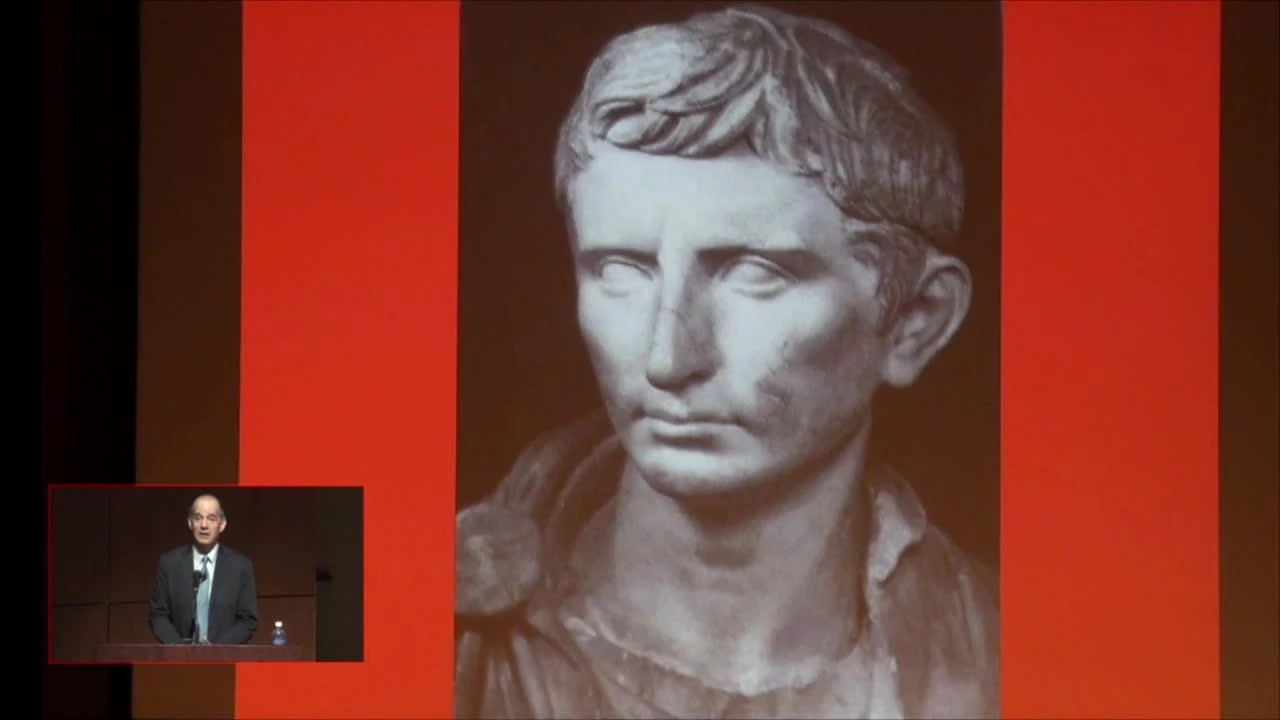
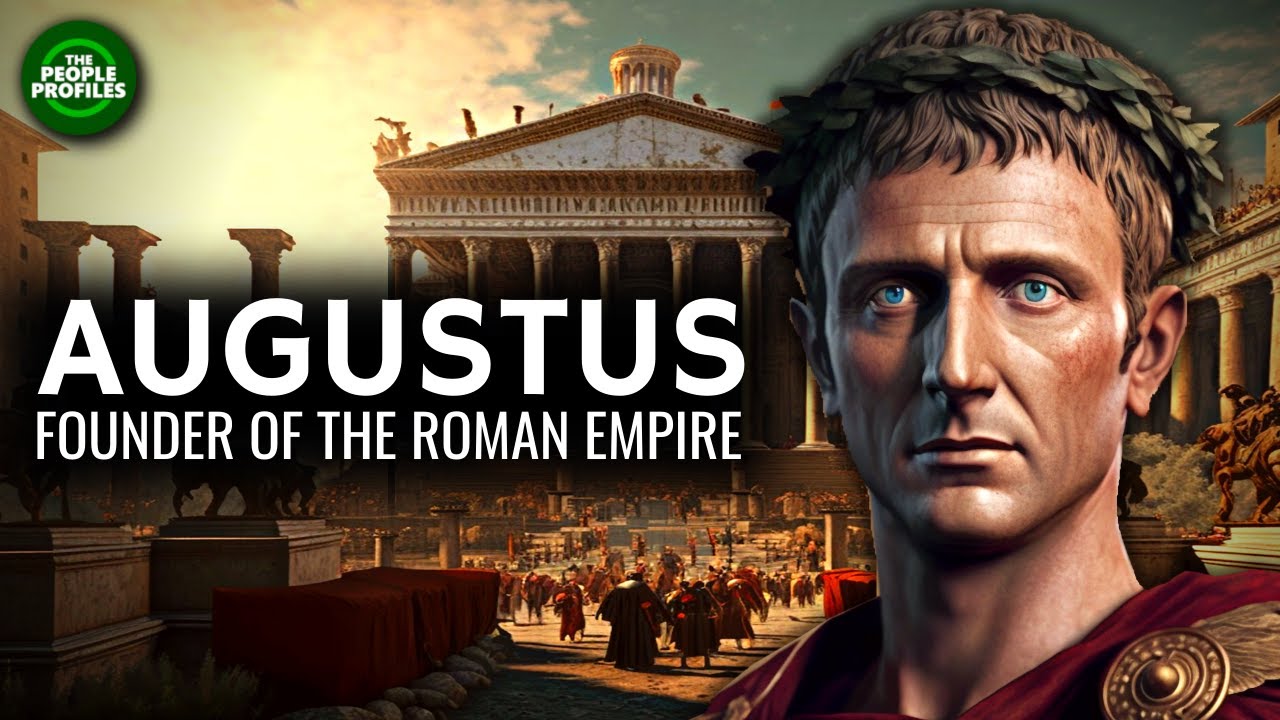
foreign had been traditionally funded formed and governed by Democratic officials serving for one year sharing power the idea had always been to stop anyone becoming a king again but with Pompey the Romans began to Shell their rejection of individual power if you needed to defend or extend the Empire perhaps you had to hand over control to just one man yet for a man who revolutionized Rome he's left very few visible traces this is a wonderful bit of Roman Street archeology you might miss it to start with but the layout of these buildings this sweeping curve facade actually matches ancient Roman foundations underneath are those foundations belong to a huge semicircular Auditorium of a theater these are the traces of the theater that Pompey put up with the prophets of his Eastern campaigns and they're the first time ever that Roman buildings begin to match the Rome of our imaginations huge Monumental magnificent designed to impress [Applause] [Music] home piece set the Benchmark for what an Imperial Building should look like and one that later Emperors would follow [Applause] [Music] but he's never become a household name he's always been overshadowed in the Quest for Glory and the competition for personal power the one person that forever after stole the Limelight was his great rival Julius Caesar bloody off we go never done this before going in the opposite direction to Pompey sees a headed west when poppy had been so stunningly and bloodly successful out east and come back such a load of cash spoils Caesar if he wanted to rival him had only one option which was to have a great Conquest himself but in one important way Caesar really outdoes Pompey Pompey has big victories Caesar has big victories and writes about them and the reason why we could go to Elysia the site of one of Caesar's last victories there is because we actually have Caesar's own account of it atalesia the army of Gauls had set up camp on a hill in Caesar's own description he seems in complete control camps were constructed at strategic points he writes Picketts were stationed day and night there was hard fighting on both sides I had two trenches dug I erected a rampart and a palisade when you see the scale of it all is that despite what he claims when he writes the story up Caesar couldn't possibly have had his eye on all the areas of this battlefield in the end winning an ancient battle comes down to strength of numbers starving the enemy out surprising them from behind across most of all the truth is it comes down to luck [Music] or not I'm sure that Caesar himself will be delighted to know we still read his own version of these campaigns however he won the battle the real point is that his story has lasted for centuries and in terms of Imperial propaganda it's a nice proof that the pen really can be mightier or at least more enduring than the sword the leader of the Gauls in their doomed Last Stand was bursting gatoris since then he's become a hero of modern France a freedom fighter standing up for the French Nation the irony is that everything we know about versing etrix goes back to what Caesar wrote about him in a way our verse in getterex is a Roman creation whatever he was really like the point was that Caesar needed to show that he had defeated a dangerous Brave and ultimately worthy opponent the Romans would never have thought that there was any kudos to be gained in beating a city Caesar also boasted about the number of Galls that his army had killed during his campaign modern estimates come to around a million his figures may have been sexed up to impress back home but there's little doubt that Caesar's ambition to surpass pompey's glories had been achieved through nothing short of genocide excavations of the battlefield have Unearthed some of the weapons that one Caesar his victory including the ancient version of landmines these things aren't exactly high tech but they're very very nasty this one in particular you have to imagine standing on it in your leather sandal the point goes right through and into your foot and you can't pull it out because of that little Barb there your foot's bleeding you can't get your sandal off you're in agony you can't move makes my toes curl just to think about it there were people in Rome who got anxious about what was going on in ghoul and at the level of the killing and some of Caesar's enemies even went so far as to suggest that he teached on trial for war crimes and that the judge and jury should be all goals Roman Empire was a it was a brutal thing but there were some levels of brutality that even the Romans couldn't stand [Music] Julius Caesar would never have made it without the loyal support of his troops they were far from the cattle Raiders of the early City the soldiers were now professionals bound to their General as he was to them even more than to the state and unlike Pompey Caesar was prepared to use that Army to seize control of Rome [Music] for his part Caesar was well aware that his enemies in Rome were conspiring against him that they were trying to back him into a corner and as he put it to undermine his dignitas that distinctive Roman combination of prestige and clout so we took a chance and with one of his Legions he set out to march on Rome when he got to the river Rubicon which marked the border between Gaul and Italy he said let's throw the dice in the air then in other words God only knows what will happen next some Romans saw this as the legacy of Romulus and Remus the twins whose quarrels resulted in the death of one now a Roman fought Roman for ultimate power Caesar's return to Rome triggered a chaotic Civil War that engulfed not just Italy but most of the empire [Music] Pompey himself ended up dead on the coast of Egypt decapitated head presented to Caesar who so we're told burst into tears at the sight of it Caesar won the war and was made officially dictator sole ruler of Rome but he didn't last much longer if there's just one Roman that everyone knows it's Julius Caesar not because of what he did but because he died his assassination has been blown up into a heroic scene that we all know think we know from films paintings and plays and from those Famous Last Words at to brute which he definitely didn't say what we know for sure is that he was ambushed by a group of his friends in a meeting in a senate house that ironically had been built by his great rival Pompey it all happened just over there where that tree now is it was another Echo back to Rome's Foundation story now it was Caesar who took the part of the murdered Remus [Music] it's the most famous political assassination ever carried out in the name of Liberty just a few weeks after Caesar had been made dictator for life too soon to know whether he'd succeeded or failed but the fact was that the Assassins may have got rid of a man they thought of as a tyrant they didn't get rid of tyranny it was all too little too late by now it was inevitable that the Empire would be ruled by one man the question was what shape would that one-man rule take that was defined by the man who established autocratic power long term who we call first emperor of Rome Gaius Julius Octavius or has he later called himself Augustus that name actually doesn't mean very much the closest you can get is revered one but he worked out the do's and don'ts of being a one-man ruler in the early 3rd Century BC Scipio barbartus on his tomb could have his career summed up in just a few lines 300 years later the Emperor Augustus wrote his own Epitaph to be displayed outside his two in hundreds of lives foreign [Applause] [Music] overblown account of what I did but it also offers a blueprint of how to be an emperor in the future and there are three things he stresses first of all you have to be massively generous to the Roman people you have to give handouts and entertainments and services and that's what he lists here all the cash he spent on that then you've got to build build build and that's really the model of Pompey and Augustus tells us about the temples that he constructed and the theaters but most important of all and this is what the biggest part of the document is about you have to invest in Conquest and Augustus explains how he extended the boundaries of the Roman Empire how he pacified the provinces of Gaul and Spain how he pacified the Alps the message he's hammering home is clear you want to be a Roman Emperor you have to look like a conqueror however much the Romans tried to avoid the pompeys and the Caesars of this world the problems of governing policing and ever-expanding Empire proved that decisions taken by committee didn't work [Music] it wasn't the emperor that created the Roman Empire it was the Empire that created Roman emperors augustus's account of what he did is a practical tool kit for how to be a Roman Emperor but the ideology behind it all is best represented on another Monument he put up celebrating Pax peace so this is an altar of peace it's celebrating the security and the prosperity that the Roman Empire can bring but it isn't really peace in our sense of the word this isn't about the absence of fighting it's about peace that is the result of fighting this is peace that has been won by victory really this is an altar of pacification foreign it's also more than that built out of marble by the best artists in town you couldn't miss the messages here the walls around it are covered with freezes some depicting Augustus with his family carving the Imperial Dynasty into stone and some of the images spread the idea of his Divine Birthright projecting his lineage all the way back to the mythical founders of Rome on either side of the main steps there are two different versions of Rome's ancestry on one side the wolf with Romulus and Remus and on the other side Aeneas who's just arrived initially from Troy there's a special resonance for the emperor here because Augustus claimed to be directly descended from Aeneas but there's an even bigger point if you take these two scenes together on the one side there's Romulus who welcomed into his new city outcasts and Runaways on the other side Aeneas who really did come from abroad the message about Rome's Origins is clear Rome was always foreign this made perfect Roman sense the stories they told of their own Origins reflected the growing diversity expansion and openness of their world and there was one corner of the Empire that had a particular resonance I'm in the place that many Romans thought the whole story of their City began it's more than a thousand miles away from Rome it's the city of Troy the city of the Trojan War that most famous most defining war in the whole history and myth of the classical world it's the war of Helen Achilles Hector and the Trojan Horse so the birthplace of innius for the new Augustine age the Roman poet Virgil elaborately reimagined and rewrote aeneas's Journey from Troy to Italy in his epic poem they are needed he was using myth to explore the complexities of the Rise of Rome and of its Empire [Music] there are all kinds of themes in this poem love honor heroism and Empire Virgil also points to some of the much more disconcerting sides of Imperial power at the end of the story and it's really the last thing we see Aeneas doing our hero cruelly and gratuitously Slaughters an enemy soldier who has surrendered to him it's as if in Virgil's hands the story of Aeneas both celebrates Rome's Empire and exposes its potential brutality [Music] and yet Virgil could also present the Roman Empire as a gift from the gods themselves [Music] at the very beginning Jupiter the king of the Gods prophesies Rome's future power I have given his Earth I have given the Romans Imperium sinephine I have given them Empire without limit [Music] it hasn't really started that way a completely unremarkable City had expanded far beyond its walls becoming the power center of a vast Empire twins to the empress to organized armies from the early victories of Scipio barbatus to the crushing destruction of Corinth in the East or the bloody Killing Fields of Gaul in the West through a combination of improvisation good luck greed and ambition Rome has imprinted on our minds what it means to be an Empire the idea of Empire without limit is something that Scipio barbarters could never have understood he knew all about conquest and Military glory and the prophets that came with them but Rome having territorial control over swathes of the outside world thought of as Limitless would have been absolutely incomprehensible to him two and a half centuries later Virgil zeneid claims that Jupiter himself had planned it that way it's as if Virgil looking back is reinterpreting the messy the improvised history of Roman Conquest into some Grand Design of manifest destiny
Up Next
12:56
Gladiators in Ancient Rome: History with Gregory Aldrete
@LexClips
403.1K views•2024-09-14

93:30
Zola, Baudelaire, Maupassant & the Transformation of Paris, 1852-1900
@SylviaSagona
5.6K views•2015-05-31
71:07
Roman Republic History: Rise and Fall of an Empire
@odyssey
146.2K views•2025-06-22
17:05
Understanding the Cold War: Superpower Conflicts and the Road to Détente
@OverSimplified
46.1M views•2019-01-24
Related Study Plans & Knowledge Roadmaps
Structured learning paths in History
history
Byzantine Iconoclasm: Theology, Art & Politics
01Foundations of Byzantium and Early Christian Images
02The First Iconoclasm: Leo III and the Crisis of Images
03Empress Irene, Nicaea II, and the Second Iconoclasm
+ 2 more learning modules
9h5 modules
Explore Roadmap
history
Iranian Revolution (Causes, Events & Legacy)
01The Pahlavi Dynasty and the Roots of Discontent
02The Spark of Rebellion and the Rise of Khomeini
031979: The Fall of the Shah and the Climax of the Revolution
+ 2 more learning modules
8h5 modules
Explore Roadmap
history
Mali Empire: Mansa Musa, Trade & Timbuktu
01Foundations of the Mali Empire
02The Trans-Saharan Gold and Salt Trade
03The Reign and Pilgrimage of Mansa Musa
+ 1 more learning modules
6h4 modules
Explore Roadmap
history
1947 Partition: Politics, Borders & Legacies
01Foundations of British India and the Divide
02The Political Negotiations and the Mountbatten Plan
03Drawing the Boundary: The Radcliffe Line
+ 2 more learning modules
8h5 modules
Explore Roadmap