




![[한식조리기능사 필기] 위생관리 및 안전관리(1)](https://i.ytimg.com/vi/VgXZFUqjdFU/maxresdefault.jpg)

















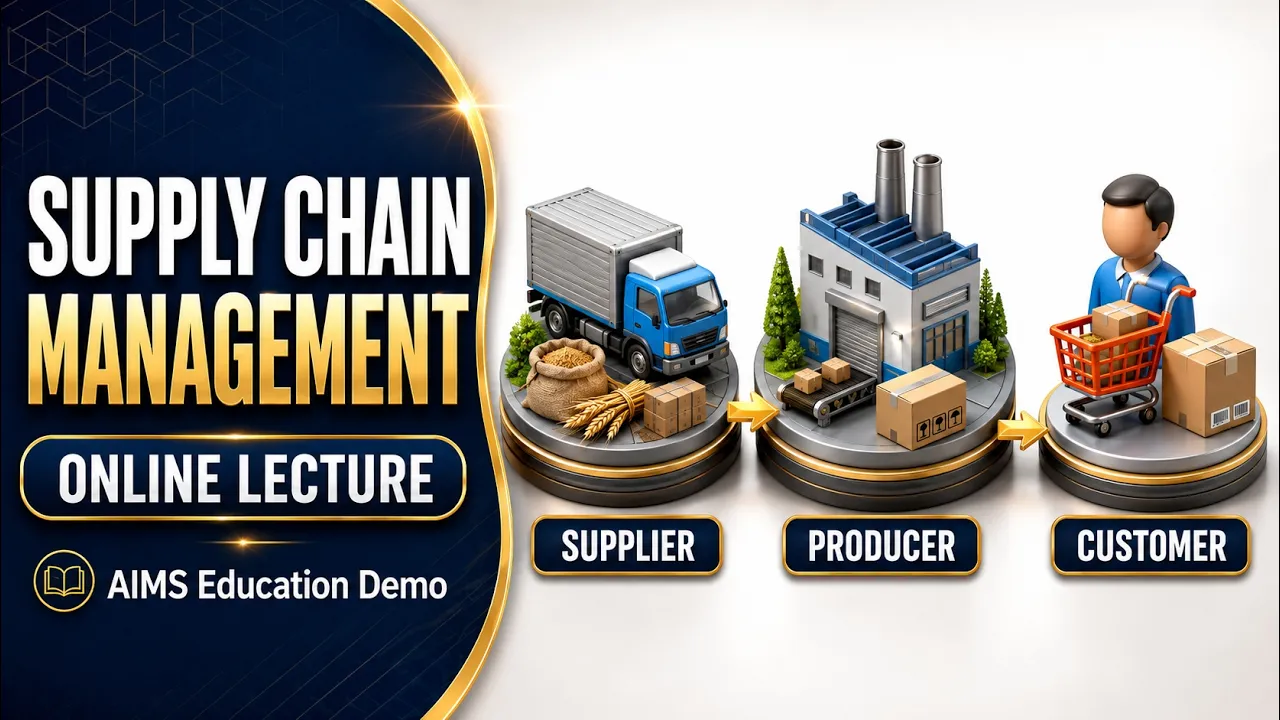
The food supply chain is a five-step system that moves food from farms to consumers: (1) Production - farmers grow agricultural commodities like fruits, vegetables, grains, and livestock; (2) Processing - raw commodities are transformed into finished products like cereal, cheese, or baby carrots; (3) Distribution - products are transported via various methods to retailers; (4) Retail - products are sold to consumers through grocery stores, supermarkets, or restaurants; (5) Consumer - the end user who drives demand and revenue back through the system. Each dollar spent on food generates approximately 7.8 cents for farmers, highlighting why supporting local agriculture through farmer's markets helps boost farmer profits. The supply chain is thoroughly regulated with safety standards enforced by agencies like the FDA and USDA, enabling traceability in case of recalls and ensuring food safety throughout the journey from farm to table.
Food Supply Chain Explained: From Farm to Table
Added:what are you doing there all right so our last video talking about understanding carbon farming where we talked about how you can get carbon into the soil and how that whole thing is working has been getting tens of thousands of views so i figured we'd do another cool little video but this one's talking about the food supply chain in particular so for example how does food go from the farm to your table in this case how does a box of eggs go from a chicken farmer in i don't know arkansas canada to your table or in this case to your fridge so we're going to talk about that and in 2021 and 2020 this whole pandemic thing has kind of thrown the whole food supply chain for a loop and we're going to talk about that too so let's learn how the food supply chain works and let me know if you get cold in the fridge mankind was once a roaming species that went out hunting and foraging for food it wasn't until the invention of agriculture that mankind had a steady supply of food all year round in the same location even in a primitive state this is when the first food supply chain was formed farmer jim would take his freshly harvested corn to market to sell at the market consumer pam would buy that corn to take home and cook to eat that basic supply chain is still in use today in many countries around the world and it is the basics of the highly advanced supply chain we have available to us here in the united states and around the world the food supply chain can be described as how food items travel from their origins at a farm to eventually you the consumer it can be broken down into five different steps production processing distribution retailer and finally the consumer step one is production production involves farmers and ranchers producing ag commodities such as fruits vegetables grains livestock and other ag products not all states or countries produce the same thing usually due to a wide variety of issues such as climate available land and soil nutrients just to name a few this requires companies to partner with farmers and ranchers from around the world to bring their customers a wide variety of products no matter the region nor the season in some instances for example farmers and ranchers even create cooperatives to bring their products to consumers florida's natural co-op is one of the largest citrus cooperatives in the united states and aims to bring consumers high quality orange juice directly from florida because of this consumers are able to buy fresh florida orange juice all year round from anywhere in the united states some farmers grow during certain seasons and some even year-round depending if their climate allows it these farmers and ranchers might be the most important part of the supply chain but they get paid the least but we'll talk about that in a little bit step two is processing processing includes turning various ag commodities into various food products or ingredients think of it as a farmer selling his wheat to general mills who then processes it into different types of cereal like cheerios lucky charms and other famous brands under the general mills umbrella more broad examples include turning peanuts into peanut butter creating frozen pizzas or turning milk into ice cream or cheese processors also sort out food in terms of quality and each quality has different uses for example beef is ranked in terms of quality from prime choice select standard and a few other categories these qualities are based on several factors one being intramuscular fat which can lead to better flavor if more fat is present in the muscle prime beef for example is high dollar and can be found at your favorite steak house while choice beef is slightly lower in quality and can be found at your local supermarket another example is baby carrots there are currently no quote unquote baby carrots on the market instead these carrots are made from regular carrots that are broken or misshapen instead of throwing out those carrots processors cut them down into baby carrots you know and love this helps decrease food waste and gives consumers another food choice that might be more convenient for them this processing step essentially turns a large amount of commodities into more convenient items for consumers distribution is step three and serves as the link between the processors and the retailers distributors transport products from processing facilities to retailers so that consumers can have easy access to agricultural goods this can involve being transported via boat plane ship you name it distribution is a hotly contested issue now as more people are looking to buy locally to not only to support local farmers but also to help reduce greenhouse gas emissions that are a result of various transportation methods while we might want to help reduce the impact we have on the environment certain commodities just won't be available to consumers based on their region or climate step four is the retailer once processed ad commodities will be distributed to a retailer which showcases their products to you the consumer retailers include grocery stores supermarkets and even online shops like amazon retailers usually compete against one another to gain customer loyalty and try to demonstrate to consumers why their products are superior or why their shopping experience is more enjoyable the key word there is loyalty if the consumer is like a retailer's product or prices they are much more likely to spend more time and more money at that particular store building customer loyalty can be done in various forms of media like the labels on food items billboards magazine and newspaper ads commercials and even product placements in your favorite tv shows and movies this step can also include restaurants as it provides food products for consumers these restaurants provide consumers with the value of convenience at a decent price point depending on the restaurant of course consumers can get a quick meal and save themselves their most precious resource time and lastly is step 5 which is you the consumer you might not know it but as the end point in the supply chain you are the most powerful aspect of the entire food supply chain what you want is what companies will make if you want more organic ice cream guess what companies will start making more organic ice cream just for you with your purchase you supply the revenue that flows back through the entire food supply chain recently consumers have shown trends of wanting sustainably grown products and with this data retailers and distributors have been partnering with sustainable producers to bring consumers those preferred items advertisements even reflect this trend as more and more commercials and food labels highlight products that are quote unquote all-natural organic or sustainably grown all of which are geared towards swaying consumers from one brand to the other even if those label claims aren't 100 accurate so earlier i mentioned how the farmer gets some of the smallest cut out of the supply chain what may surprise you is the breakdown of all of the revenue streams based on data from the united states department of agriculture in 2017 with each dollar spent on food the farmer receives about 7.8 cents other categories include food processing with 15 cents packaging 2.3 cents transportation 3.5 cents and advertising with 2.6 cents food service which includes all eating drinking and related establishments receives about 36.7 cents on the dollar and is the highest receiving category that makes sense given how much americans eat out nowadays 7.8 cents on the dollar might not be enough for farmers who we all know aren't in the business of getting rich but seed costs are expensive land is expensive livestock fertilizer everything is expensive in farming did you know that the average cost of a new combine is over three hundred thousand to five hundred thousand dollars that makes a ferrari seem like a simple used car purchase the best thing you can do to help farmers receive a better share is to buy local go to a local farmer's market and buy produce from farmers in your community even supporting food grown in your own state or country is huge buying foods from out of country is okay most of the time but did you know that countries like mexico will dump food shipments in the u.s to huge discounts just to gain access to the american dollar and most of the time that produce doesn't even go through the safety checks the way u.s grown produce does so it might be cheaper in the store but it's certainly not going to be any healthier another great thing you can do is visit a farm like a beekeeping operation where they sell their honey and you can even see the process of honey production one of my favorite podcast guests vine farm dairy in the united kingdom is a great example of supporting local agri businesses vine farm dairy sells their own produce in-house in the form of a milk vending machine instead of shipping off their products to stores local customers are able to visit the dairy and buy their own milk straight from the farm this not only allows the dairy to receive larger profits by cutting out the middleman it also is a great way to build relationships with customers and provide them with a fresh product if you want go check out the interview it's in the link below buying locally is a great way to boost farmer profits while also keeping that money in your local economy so we've talked about the flow of food supply chain and even how your money travels back through it now let's cover how your produce is monitored during its venture through the food supply chain each entity in the food supply chain has regulatory standards in place to ensure you are going to receive a product that is safe for consumption as a starting example if a beef rancher has given a cow antibiotics for an illness there are government regulations in place that require that cow to go through a withdrawal period before it can be processed that withdrawal period ensures that all antibiotics have exited the cow's system this process was put in place by the fda in the usda in ensuring both animal health and human health are of top priority and that no antibiotics are found in your meat therefore there are never and i repeat never any antibiotics in your food antibiotics and meat are a whole other topic for a different day but they are given to animals with their best interest in mind processors and distributors also have standards that must be met to ensure safe environments for food handling and are regularly checked by governing bodies these standards relate to facility environment cleaning and disinfection of equipment pest control personal hygiene and inspecting and sampling of materials the safety process inevitably ends with you the consumer you've probably heard that you need to rinse your fruits and vegetables or even your meats before cooking to remove any harmful residue or bacteria this is the last step to ensure your product is safe for consumption food recalls do happen and thanks to the food supply chain and its safety regulations were able to trace back exactly where the issue began remember that blue belt ice cream recall a few years ago after the initial reports of sick consumers blueberry called all of their products and were able to pinpoint where the exact bad batch came from thanks to some quick action they were able to prevent any additional customers from getting sick as well as eliminating the source of the contamination only after they double and triple check their production did their ice cream return to shelves the food supply chain isn't perfect and sometimes poorly managed food does get through however compared to other countries the united states has the safest most abundant food supply on the planet and the regulations put in place help prevent foodborne illnesses but when those instances of foodborne illness do occur the supply chain has a proven way to find the source and stop the spread okay so it's 2021 and last year we had that whole pandemic thing that kind of screwed up the food supply chain and let me tell you why so mid-2020 you might have seen people farmers dumping food dumping milk stuff like that the problem is that farmers and ranchers have contracts already established with either restaurants grocery stores or some other random companies so when the pandemic happened people stopped traveling they stopped going to restaurants so food for those places had nowhere to go of course they would send it to food pantries but the thing is most produce needs to be refrigerated and a food pantry might only have one or two refrigerators so there's a problem also stuff intended for restaurants cannot be repackaged easily and go to a grocery store plus those grocery stores have contracts with other farmers and other ranchers so it's not like they can just bring in random stuff but one really cool thing farmers started selling direct to consumers there's one story of a farmer in south florida where he grew squash and cucumber and he couldn't sell it to restaurants anymore because they were all closed down and so what he did he started selling direct to consumers by inviting them to his farm so he posted it on facebook and he was like hey come pick out produce on monday when he did it there was a three mile long line of cars getting produce he sold it cheaper than consumers could find it in a store and he got more money how awesome is that so yeah even the pandemic was really bad but people have been buying direct to farmers because it's cheaper better for the environment and it's helping the farmers out too so it's a win-win and another thing you might have heard there was a beef shortage or a milk shortage during the whole pandemic that's not the case this is a whole other topic for a different day but meat packing plants are kind of a hot button issue because there's only a couple big ones throughout the united states and they're owned by one or two companies that kind of control all the distribution of it which is interesting and the problem wasn't that we had a beef shortage it was that people were getting sick at the processing plants so when they get sick they don't go into work you can't process nearly as much meat as you could so we didn't have a lack of beef what we had was an issue with the supply chain because people were getting sick [Music] really funky one of the downsides of our current food supply chain so in conclusion the food supply chain is a thoroughly regulated system that provides you the consumer with an abundant and safe selection of agricultural commodities no matter where you live you can buy pretty much whatever whenever and know that those products are safe for your consumption so the next time you pick up that baby carrot or that glass of milk know that it's traveled a great distance to get to your kitchen table and that it's passed through multiple layers of safety checks to ensure that it's safe so what do you think do you think our food supply chain is royally messed up or can we improve it and if we can improve it let me know in the comments what you think how we can make the food supply better and if you're new here consider subscribing if you liked the video hit thumbs up if you didn't hit thumbs down i don't know why you would but comment subscribe do the whole youtube thing and we'll see you next video here on farm travel hope you understand the food supply chain a little bit better i know i sure do so see you later [Music]
Up Next

Fast Food History: From 1950s Craze to Global Health Crisis
@TheHistoryTube90
157 views•2025-06-22

Triumph of Orthodoxy Icon: Byzantine Art & History Explained
@BenCallan
2.1K views•2024-08-06

FastAPI vs Flask vs Django: Choosing the Right Python Web Framework
@TechWithTim
302.5K views•2024-05-26

Game of Thrones Opening Credits: A Cinematic Analysis
@gameofthrones
46.3M views•2011-04-18
Related Study Plans & Knowledge Roadmaps
Structured learning paths in General & Interdisciplinary Studies