









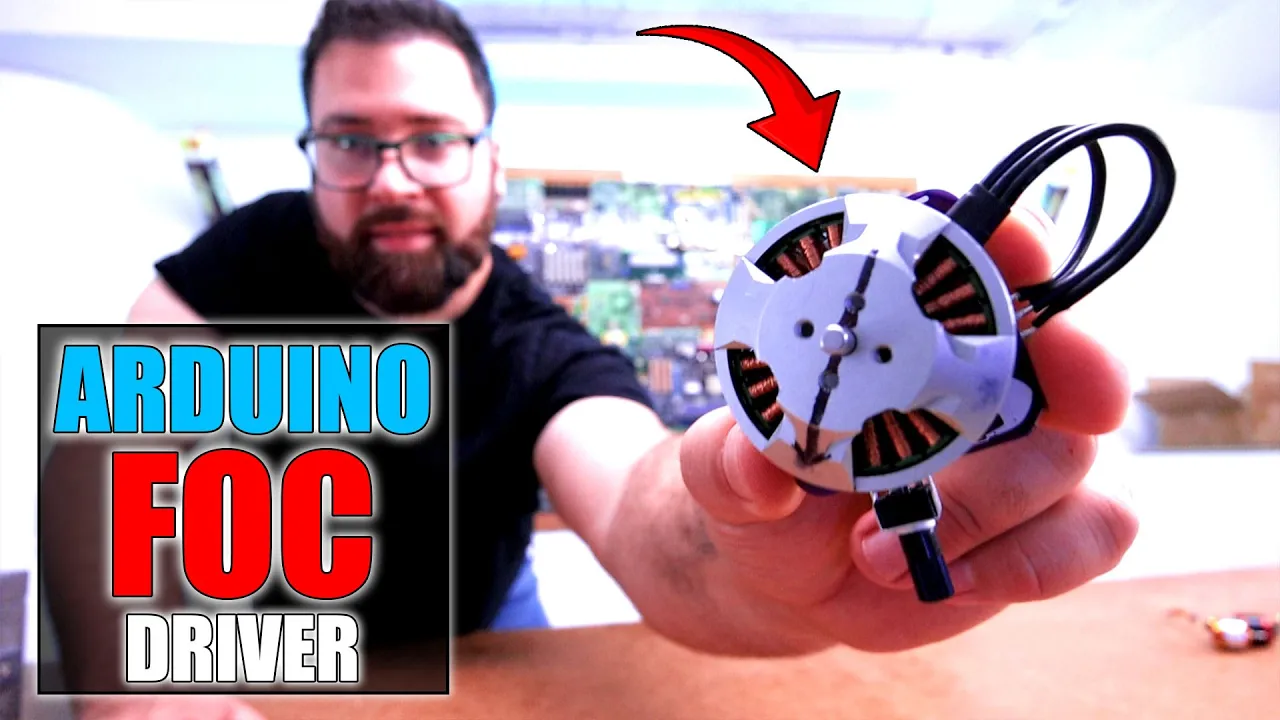



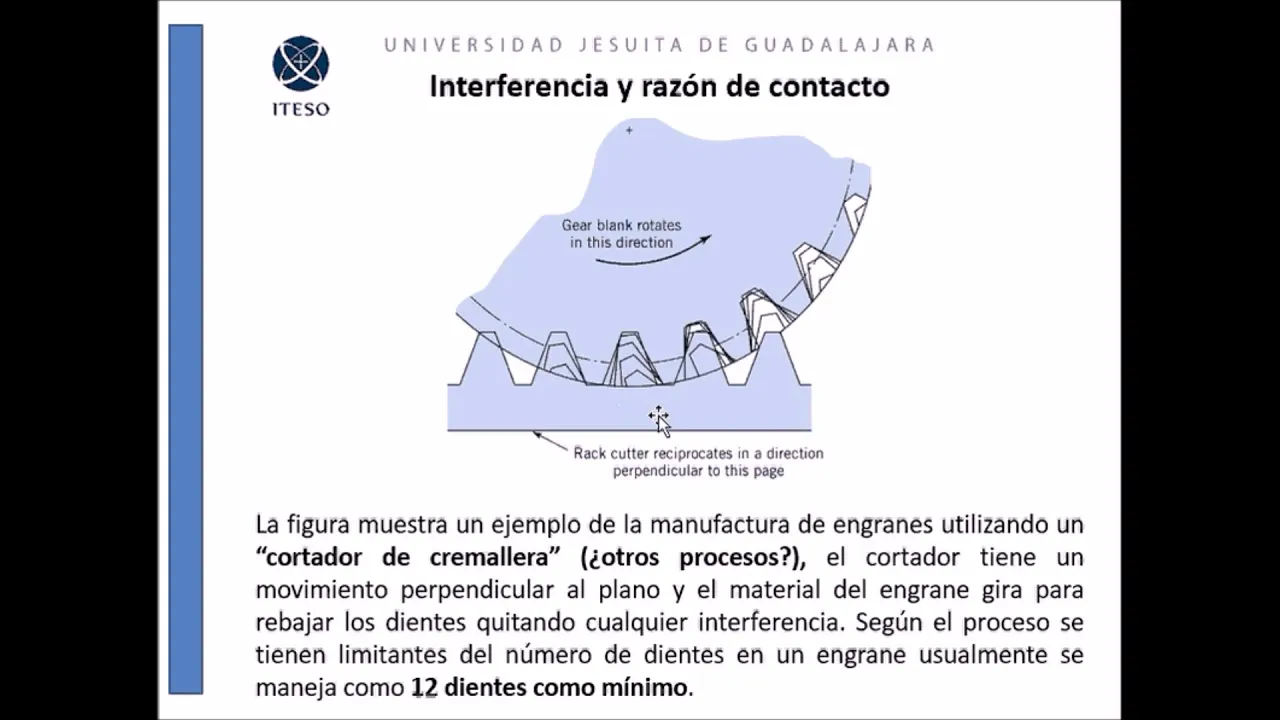






Brushless outrunner motors provide significantly higher power density than traditional brushed motors, with a small 20-50 KV motor capable of delivering nearly 1 kW of power when combined with a gear train. By using a 16:1 planetary gearbox and multiple gear reduction stages, a compact brushless motor can generate approximately 1000 kg of lifting force at 1 cm radius, making it suitable for powering a working exoskeleton arm. The high-speed operation of brushless motors (up to 25,000 RPM at 11.1V) requires careful gear train design to manage torque transmission and prevent component failure.
Brushless Motor Exoskeleton Arm Design - Torque Testing & Gears
Added:Fundamentals of rotational mechanics, including the mathematical relationship between torque, force, and angular velocity.
The basic operating principles of Brushless DC (BLDC) motors, including electronic commutation and the role of motor controllers.
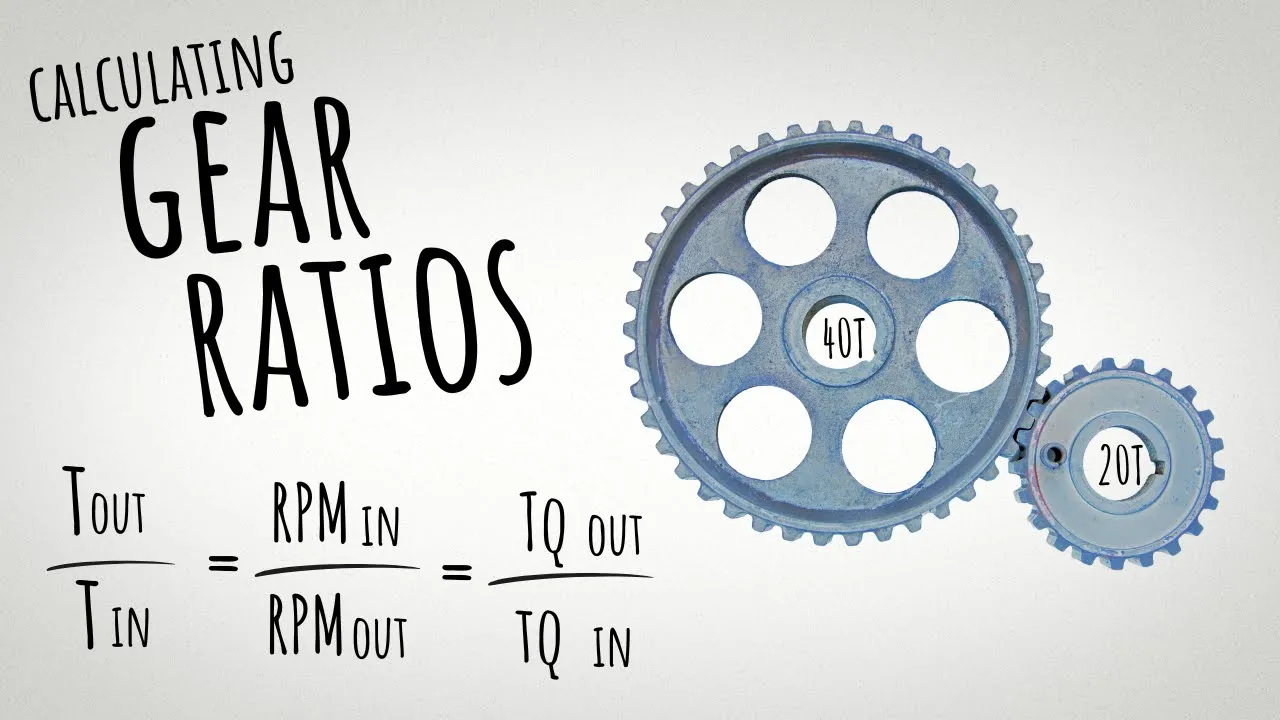
Principles of mechanical advantage and gear reduction, specifically how gear ratios trade speed for torque.
Basic electrical engineering concepts, particularly how voltage and current relate to motor torque and speed constants.
Advanced motor control techniques, such as Field Oriented Control (FOC) for precise torque and position regulation.
Integration of feedback sensors, including magnetic encoders and load cells, to implement closed-loop safety and force-reflective control.
Finite Element Analysis (FEA) and stress testing of structural materials to withstand high torque outputs without mechanical failure.
Human-robot interaction control strategies, such as admittance/impedance control and EMG-based intent detection for seamless assistive movement.
642.7K views6.3Klikes22:30Original Release: 2016-08-05
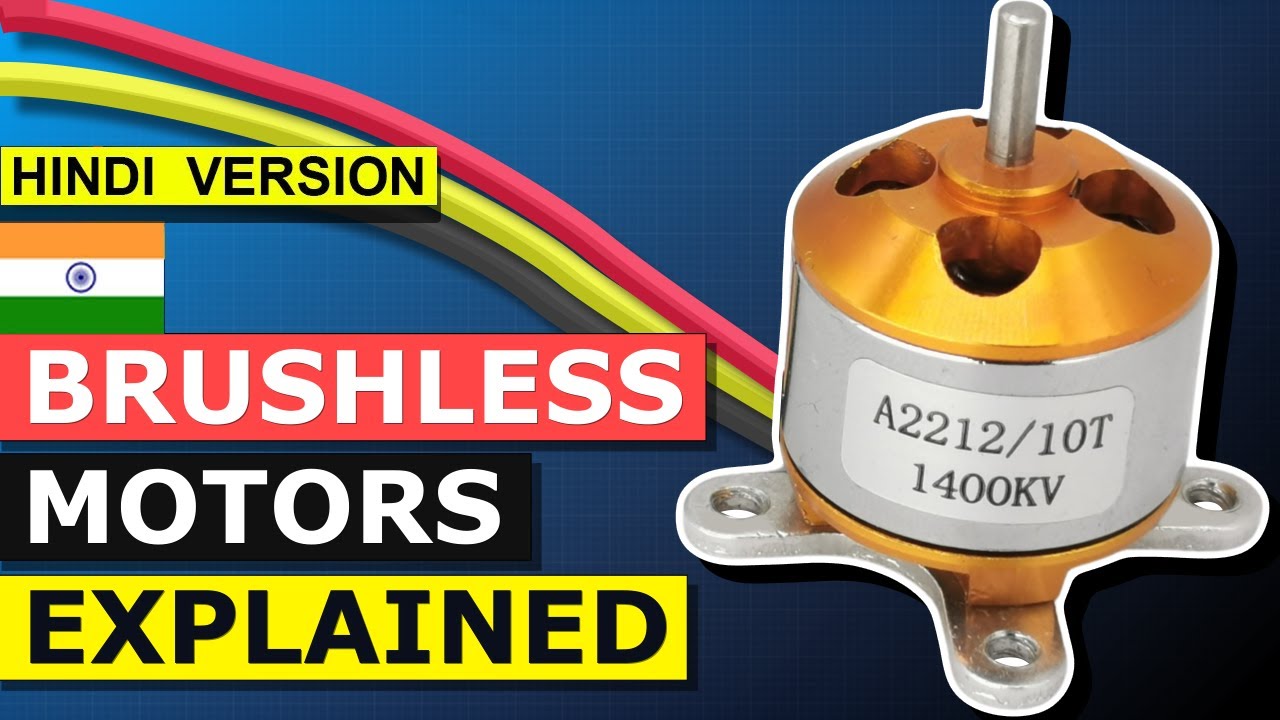
hello is James sure makes robots not Cody uke this is part one of my real working I am an exoskeleton arm this isn't it at the end of the last construction part of Hulkbuster which is behind me and yes I'm still due to do a testing video I put up a poll and asked people to vote on what project they'd like to see next as well as my other main projects of which one is Ultron and you voted for a real working exosuit power arm that's going to make me really strong so this is a fictional arm from my last project based of course on Iron Man and I can tell you that the working one is going to have to be a lot bigger because that tiny thing there isn't big enough to put a motor in to make my elbow really strong or any of the other joints on the suit so we're going to do some investigation today about motors and how to power it it is going to be electric because that's the most accessible and easiest and probably safest thing to do it could be pneumatic or hydraulic but particularly hydraulic is quite hard because there's also compressed oil you'll need a sump and a compressor big enough to compress it at a high enough right to move with every cylinder move obviously it has to fill or empty that cylinder with oil and the same with pneumatic so I don't really want to cast around a compressor and an engine or a big electric motor to power it obviously if I made the whole suit and it was really strong then I could carry their compressor with me and fuel and so on to power it but for the purposes of this project we're gonna start with the arm we're going to look at electric motors today to see what sort of motor I could use that's stronger than me essentially so let's have a look my original idea was to use one of these which is a windscreen wiper motor now these are fairly hefty motors as you can see I've used these in other projects like bb-8 the ocean 2 in version 3 and these have a big DC motor brushed motor with a kind of worm gear in here such a worm gear and a big gear and then the output shaft is this thing in the middle and obviously when you're driving down the motorway at 70 miles an hour and the wipers are still wiping the windscreen fine and it's blowing a gale you know there's quite a lot of talking here and they're quite reliable so the amount of power you get from one of these basically if I stall it by grabbing this with a wrench and putting say 12 volts on it it draws about 7 amps so if I were to power it from you know an 11-1 point 1 volt lipo or something say we've got say 10 or 11 volts and we're going to get roughly you know 7000 a bit more watts out of this in terms of its power consumption but DC motors aren't very efficient because the magnets are fixed and the commutator rotates rounds and there are brushes which you know don't transfer power very effectively also this motor is from a long time ago I have a box of these I acquired a few years ago as scrap this style of motor was in cars in probably the 80s or before so obviously magnets rare-earth magnets have come along and motors have got a lot efficient and a lot smaller since then we're going to look back now the video I made in December 2014 where as exhibiting with the r2d2 builders at a model engineering show at Sandown Park so there were lots of trains and stuff tools and things like that to buy this videos in my channel if you want to look at it and I was there with the r2d2 builder's club so that included in fact Oliver steeples who has since worked at Pinewood building the real r2d2 for episode 7 and he was in my video recently of Star Wars Celebration where he was actually on the droid builders panel there we go there's his own r2d2 at the time Oliver was looking at motors and this is a J car motor which is just a DC motor with the gearbox on and he's saying a lot of the builders the shaft shares and they're not really up to much so many builders around the world use these to Powell there are two D twos which is the back end of a scooter an electric scooter and these are there we go 24 volts DC 120 watt motors are even heavier than the wiper motor I just showed you with the output shaft just powering a belt and powering the back wheel directly a lot of the builders run them on 12 volts because they're just too fast for r2d2 but obviously this is quite a hefty assembly he's saying it weighs quite a bit and obviously it's massive it's even bigger than that wiper motor so he's looking at more efficient options so what comes up next is in fact this assembly which is a bane box gearbox and this is 16 to 1 planetary gearbox and the motor on there is a brushless outrunner so that's similar to the ones using quadcopters and radio-controlled models which is much more efficient and yes got three wise because it's a brushless motor Sony's a brushless motor controller but basically the point of this is that with a hundred mill wheel on in fact this thing was able to push him along on a skateboard or something so it's more than powerful enough and in fact as we'll see in a bit of footage in a moment quite fast enough so compared to the physical size and the weight this is a much more efficient option so here's another video I made in August the next year and this is actually in the so making YouTube channel which is my local makerspace that I'm a trustee of so this is Oliver again he's now fitted the brushless motors into his droid and as you can see there it's it's pretty nippy and I'm not sure if that's even flat out but perfectly acceptable and obviously powerful enough compared to having those scooter motors so I've done quite a bit of investigation into brushless motors and in fact I've got one here you'll notice it's got three leads and you need one of these special drivers this is a really cheap one that cost about ten pounds it's probably not powerful enough they all run the motor so this motor you'll notice is different to the one I'll ever had this is an in runner and what he had was an out runner so having looked into it this is this all thing you have an ax radio control car and the out runners are typically what you get on quad copters and so on so the out runners go slower and have more talk but they turn the propellers directly whereas you'd think that you would need that sort of motor in a car but actually motors run more efficient when they're going quickly so to get good acceleration you want the motor to be going really quickly and have a really good gear train so you get lots of torque so basically the motors running a fast speed when the other end of the gearbox is going slowly and that means you can start and stop reliably so for robotics and things like that what you really want is the in runner which is this style of motor now this motor is it's 20 to 50 kV which means it will do 2250 revs per minute per volt so on say an 11 point 1 volt lipo flat out it will do nearly 25,000 ribs per minute so we're going to need some serious gearing on this the other thing about this is it's sensorless it's just got three and the way these work is by pulsing the windings in turn to make this this output shaft turn so that's what the controller does with three wires so with the censored ones have Hall effect sensors in the back it can tell exactly what the position of the motor is so it knows which winding to pulse to start it this is sensor list so it just starts pulsing them hopefully the motor catches up so there's sometimes a bit dodgy to start up but they don't start up smoothly but with a lot of gear train in front of it that's not really a problem because the other end of the gear train you don't see the jitter so we can basically get away with these rather than an expensive sensors brushless motor and a sensor driver if we put enough gears on it but obviously this does spin incredibly fast the power consumption of this maximum is 80 amps so more than ten times this in fact pretty much so we're talking about many times more power nearly a kilowatt in fact or the best part thereof if we run it flat out or maximum load so we're getting much better power density compared to this ten times the power consumption at least for a fraction of the size obviously we need to put a gearbox on but we probably would on this anyway realistically in terms of providing that sort of current I've got some batteries here these are a 2.2 amp power and a 5 amp our 11.1 volt lipo batteries and these are rated at 20 to 30 C which means that you can draw 20 to 30 times this rated current all at once so for a 5 amp hour I can draw well 25 s is 135 is 150 so I could draw somewhere between 100 and 150 amps from this in one go and it would be happy with that obviously wouldn't last very long cuz his capacity is only 5 amp power so I can draw 5 amps for an hour or before I were to draw 20 times the capacity or be 20 times less than an hour this one of course is still 20 to 30 C bits only 2.2 amp hour so I can only draw about 40 or Vitt amps from that in one go so you should have enough power to power an 80 amp motor even if it's flat out we might need several of these batteries maybe one for each axis and obviously when they go flat I can just swap them out for some charge ones have to worry about the compressor for hydraulics or pneumatics there's no driver I think is a 30-amp one so I'm probably going to need to upgrade that but it's good enough for testing so let's power it up the way you normally use these is with a radio control receiver and the motor drive the plugs straight in the batteries plugged into the motor driver and obviously the motor is as well make gives you power for your radio control receiver and obviously your transmitter is over here and it's a wireless this is the same sort of thing that I can control with an Arduino servo command so I can control this driver or a similar one straight from an Arduino for now I just happen to have all this stuff so I'm just going to test the motor with the remote so I've connected this to one of the channels on this which is this little knob so if I turn the knob should find the motor starts up so it's getting pretty slow that's about as slow as I can go if I go any slower it stops and it's not full speed if I turn up now company tell her father's going but it's going really fast and I'm not gonna grab it because I really tried that and it burned me so what we really need to do is make some sort of give train so we can realistically see what we can get out of this and try and test the talk that's already got quite warm actually now you'll notice I've got a belt pulley on here which i think is a t5 and I've got some t5 belts and I previously experimented with making a t5 pulley with a gear on and this hasn't been in any projects but here we go this fits perfectly took quite a lot of trial and error to make this 3d print which I did manually so what we're going to do is make an assembly to drive this and the gear training from there now what I really want is a precision metal gear box on here and then put some 3d printed gears on the end of that but I don't have one that fits so the best thing to do I think so that we don't end up mashing a 3d printed gear at 220 thousand rpm or whatever is to use belt drive for the first stage and then take gears once I've slowed it down through one stage here so take bigger gears off here smaller and bigger till we get it to a reasonable speed and then we can test the talked a little bit so here's a little bit of the gear train obviously I've got my two two pulley and a little small gear on top there in turquoise and then we're gonna have another gear there it goes so goes small to big to small and then another one and then we'll just stack these up on two parallel shafts until we get to the right sort of speed and every one of these is a three to one reduction we've got eight teeth on the small gear and we've got twenty-four on the big gear so that should reduce quite quickly in each stage now it's not the sort of best type of height or gearbox just having spur gears we better to have a planetary gearbox but I'm not gonna try and make one of those for now we're just gonna do this and see how much reduction we can get and how much force or torque is on the end of that and the whole thing's gonna be mounted on this sort of assembly so I've got our two parallel shafts running through the purple parts and then we've got the motor there and it can slide up and down a bit so I can adjust the belt tension that's about the size of the motor so obviously on the right hand side will have that toothed pulley I've got my gears printed and I put my motor in this mount that I'm going to mount the studying through to mount the gears on so these are ABS gears it's probably not the best choice for a really tough gearbox in the future I will probably use something like this which is Tallman alloy which is a nylon material which is really tough so that would be much better for gears it's getting on towards the same strength as some metals but for now we're just going to test with ABS because it's easy to print and obviously I'm just going to be running these gears on studying which is a terrible idea but again it's only for a test of sort of a quick test of talk eventually spinning at least as fast as the fastest gear they would melt so it's not a great way to build a gearbox essentially we should have a bearing encapsulated in there bit like the guide wheels in my bb-8 version of three are we gonna call this together and see what happens anyway it is quite noisy now so the motors a lot more noisy now it's attached to this big piece of plastic that's probably gonna be even noisier when the gears are in there but let's assemble it and see what happens I've assembled it it's the most awful noisy gear box ever so I've got a whole series of these grey gears and then I've got this black gear with a lever on so my motor driver doesn't have reverse on so this can slide up and down and it clutches with the final small gear at the bottom there in fact the small gear on the output isn't really big enough but it's nonetheless I can test the amount of torque by grabbing this handle so we're just gonna run it without the handle it's extremely noisy and ratalie and obviously as I say it's a terrible gearbox but it'll do for now to test so if I put this lever on so you can see on the final output stage slow speed and that's full speed so it is actually very chunky indeed so if I try and somehow grab hold of this I can't actually stop that with my hand skips a couple of gears there and I'm probably you can already see there's actually damage on this lock here having quite a snapped one but they're starting to get kind of slightly indented there the motor drive is getting pretty hot it's only a 30 and motor driver and as I say the maximum pull of current on the motor is 80 amps and the battery can't provide that either but that felt pretty tough to me so let's see if I can do some sort of strength testing with it so I actually minced that gear you can see the teeth are broken actually on it there so I've printed a new one which you can just seen here it's a printed in black it's a hundred percent infill and it's also got a wider little gear on it to mesh properly with this so I've now attached this to a tow rope which is tied around a parallel bar on the table with the leaver facing off and we're gonna see how much mass we can lift right the first test is an 8 kilogram kettlebell I've got one attached here and that's actually taking the strain now so provided this doesn't slip off just by turning that on not too many troubles there the next test is 2 8 kilogram kettlebells I've got 16 kilograms let's give that a go last time I didn't turn the knob up very high and there go the gears so again of course the smooth gear here is broken where the bigger lever interlocks of it which is exactly the same thing that happened last time which means these ABS gears and nowhere near strong enough but let's think about how much force we did lift or how much talk we had around the output shaft here considering we did lift one of these kettlebells now this is a kilograms but this shaft is 15 centimeters long and normally when you buy a motor you'll see a kilogram centimeter rating and that's basically the stall tool for the motor it's kind of a budged linear force measurement of how much it can lift one centimeter radius on its output shaft of the gearbox or the motor so basically if we were to convert this into kilogram centimeters for 8 kilograms it would be 15 times more because this is 15 times longer so it would have had 120 kilograms per centimeter if you like of torque compared to normal ratings so comparing that with the wiper motor this is about 40 kilogram centimeters it's already we've got an assembly if the gears will the gears did survive in fact and if they kilograms so ready this assembly has three times the talk of this wiper later if we had lifted both without the gears failing of course it would be double again at 240 kilograms of being at a lift or at 1 centimeter there and I'm easily pretty sure it could have done that because the motor driver didn't even get warm remember that's a maximum of 30 amps and the motor can draw a maximum of 80 so if this has got really hot and exploded and passed 30 then we know we'd have passed 30 amperes it is is completely unaffected and didn't really get hot so we know in near the maximum power for the motor so I'm pretty sure we could have lifted at least 20 or 30 kilograms if the gears hadn't failed now would have given us somewhere between 300 and 400 kilograms at 1 centimeter and of course if we added another 1-2-3 gear we'd get a speed reduction down to another third but another three times the talk and that's nine hundred to a thousand kilograms a talk at 1 centimeter or kilograms of force being lifted so that's basically a metric ton out of this tiny motor so a thousand kilograms centimeters or thousand kilograms of lifting force per centimeter of radius sounds like it should be alright from my power on projects and it's certainly pretty economical considering the cost of industrial motors with that kind of talk but I looks like we need stronger gears or some other way of conveying the form through the gear train but looking at the other end everything looks perfectly intact so we've got this kind of rubber belt here there's not even particularly tight and it's not particularly well aligned and it's going on to a 3d printed t5 pulley there's pretty low profile and the rest of the gears look perfectly intact even though they're only abs in fact they all look fine up to the last one where that little gear snapped and that's basically because considering the motor can max out at 20,000 rpm and the other end here is probably doing fifty to a hundred rpm at that speed this sides actually going four hundred times faster but it's also four hundred times less talk to convey talk from one stage to the next or this very end in fact on the actual motor shaft so we could still use ABS gears at the end and probably as we go through the gear train we should make them tougher maybe to an alloy in the middle and then finally metal gears there are more effects gearbox is where there are more than one gear per stage like planetary gearboxes but maybe gears aren't the right answer obviously with with gears then we've got all of that force is pretty much on each gear because there's only one or two gears meshing at a time that's why this one is failed because basically having that lever with such a massive weight on let's put all the force that's required on just one of these teeth this is the back end of a bicycle upside down so this is the back wheel and these are of calls for pedals and you'll notice that bicycles have chains that go around sprockets there's two main reasons for that one is of course that the pedals aren't really near the drive wheel so if we had gears they'd have to be really close all they'd have to be lots of gears next to each other to cover the distance and also the chain is much better at conveying higher torques and you'll notice the chain of course is wrapped all the way around the sprocket so that means it grips on every tooth so instead of just having the force on the two teeth or the two or three teeth that are meshing at the time it goes around all of them so all of those teeth can pull and convey the force along the chain and the torque around the wheels and around the pedal so perhaps on the final stage a chain drive might be the answer actually went out on my bike recently and I call the Sun a little bit and that's all my face suddenly got rid of between shots but that's nothing really to do with the project all right so probably that's enough playing around with plastic gears and chains and motors what I really need to decide next is how the suit looks is it anything like this probably not it's probably much bigger and probably sits outside my arm with all these massive motors and gear boxes on although they're actually not that big but I need to decide where the axes are on how the whole thing is going to hang together also need to decide where the controls are whether they're joysticks I hold or whether they're things inside the arm I push on them reluctant to put my arm down inside tubes in case there's a problem and I build both arms and my arms are stuck in and there it goes out of control and I can't stop it so I think I'm gonna have a big emergency stop but it'd be great if I could just let go so next time I'm gonna think about the structure for the suit how those control mechanisms work obviously there's quite a lot more to implement in software in the future but first of all we need to decide where the mechanical axis are so we can decide where those gearboxes go and where any potential chain drive goes so don't forget to subscribe for more updates on this project and the other projects you can see a preview video after this all right that's all for now
Up Next
32:52
Exoskeleton Prototype Design and Aligned Axis of Rotation Theory
@DylanEdmiston
17.9K views•2019-03-06

30:32
Ultrasonic Transducers: Resonant Frequency Measurement and Horn Design
@imajeenyus42
229.9K views•2017-02-22

16:13
Building a Quadruped Robot: Electronics Assembly and Power-Up
@jamesbruton
92.8K views•2020-06-23

33:39
How a Student's Question Saved a NYC Skyscraper from Collapse
@veritasium
22.8M views•2025-04-26
Related Study Plans & Knowledge Roadmaps
Structured learning paths in Engineering
engineering
Building Acoustic Levitators: Physics & Arduino
01The Physics of Sound and Standing Waves
02Piezoelectric Transducers and H-Bridge Drivers
03Arduino Programming: Generating 40 kHz Signals
+ 2 more learning modules
14h5 modules
Explore Roadmap
engineering
Building Peltier Cloud Chambers: Particle Tracks
01Cosmic Rays & Cloud Chamber Physics
02Thermoelectric Cooling (TEC) Fundamentals
03Custom Liquid-Cooling Loop Design
+ 2 more learning modules
18h5 modules
Explore Roadmap
engineering
Yagi-Uda Antennas: Modeling, Build & VNA Test
01Introduction to RF and Antenna Fundamentals
02Yagi-Uda Antenna Design Principles
03Antenna Modeling and Simulation in 4NEC2
+ 2 more learning modules
18h5 modules
Explore Roadmap
engineering
ECG Monitor Design: Op-Amps, Filters & Noise
01Electronics & Breadboard Basics
02Op-Amps and Instrumentation Amplifiers
03Bioelectricity and ECG Fundamentals
+ 2 more learning modules
18h5 modules
Explore Roadmap