






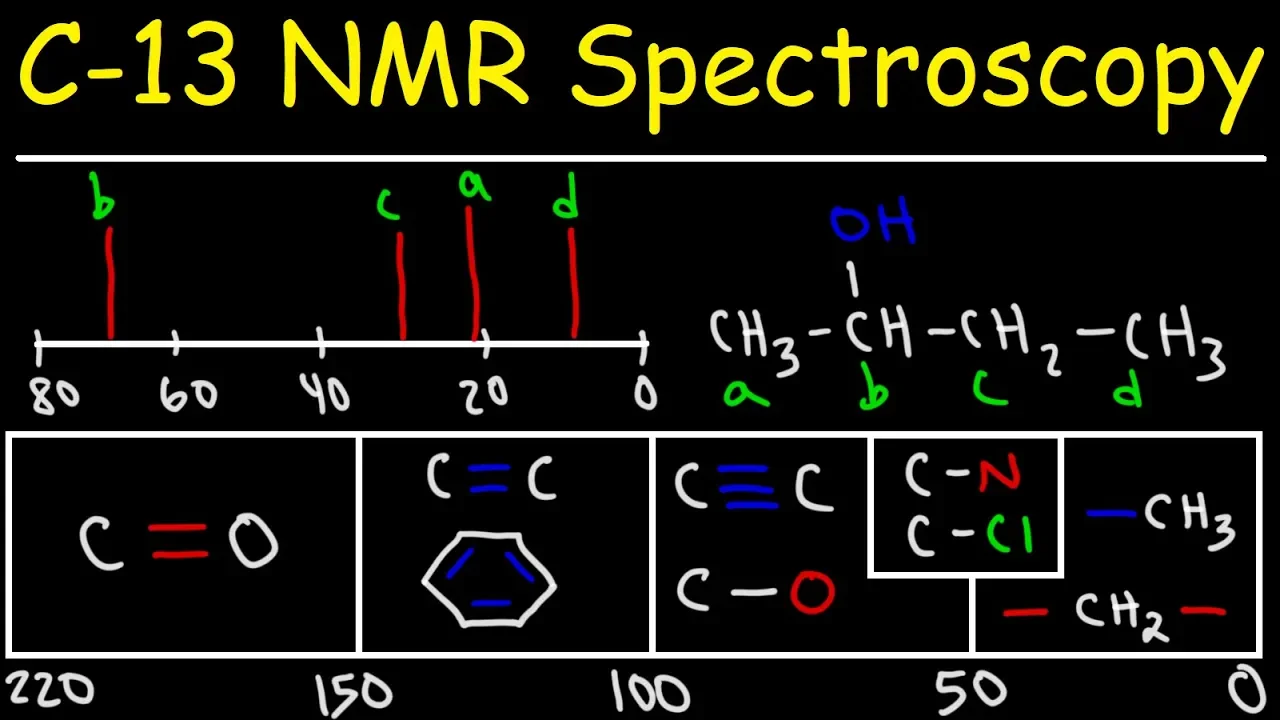









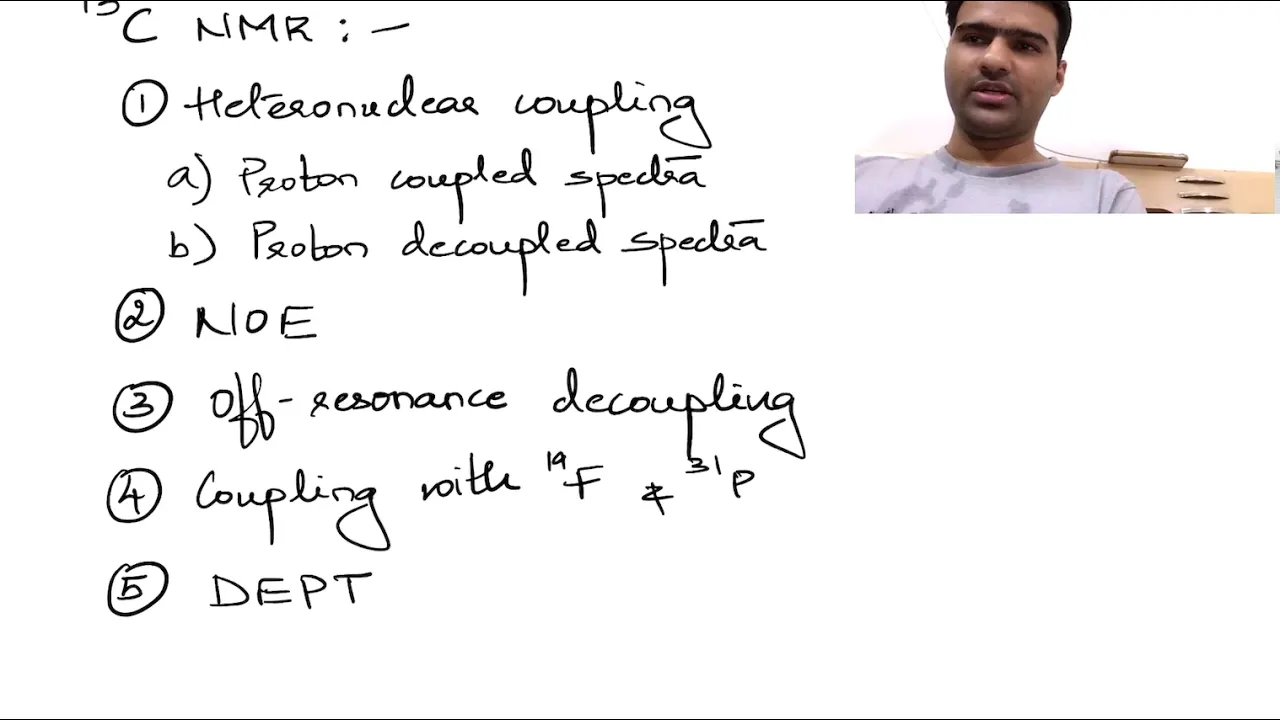
Carbon-13 NMR spectroscopy differs from proton NMR in several key ways: it uses a much larger chemical shift scale (0-220 ppm vs 0-12 ppm), shows signals primarily as singlets without splitting due to proton decoupling, and lacks reliable integration because of the low natural abundance of carbon-13 (1.1%) and its long relaxation time; DEPT (Distortionless Enhancement by Polarization Transfer) experiments overcome these limitations by revealing the number of protons attached to each carbon: DEPT-45 shows only CH and CH3 carbons, DEPT-90 shows only CH carbons, and DEPT-135 separates CH2 carbons from CH/CH3 carbons by displaying them on opposite sides of the baseline, enabling structural assignment of organic molecules.
13C NMR Spectroscopy: Carbon-13 and DEPT Explained
Added:Fundamental principles of Nuclear Magnetic Resonance (NMR) spectroscopy, including nuclear spin, resonance, magnetic fields, and chemical shift.
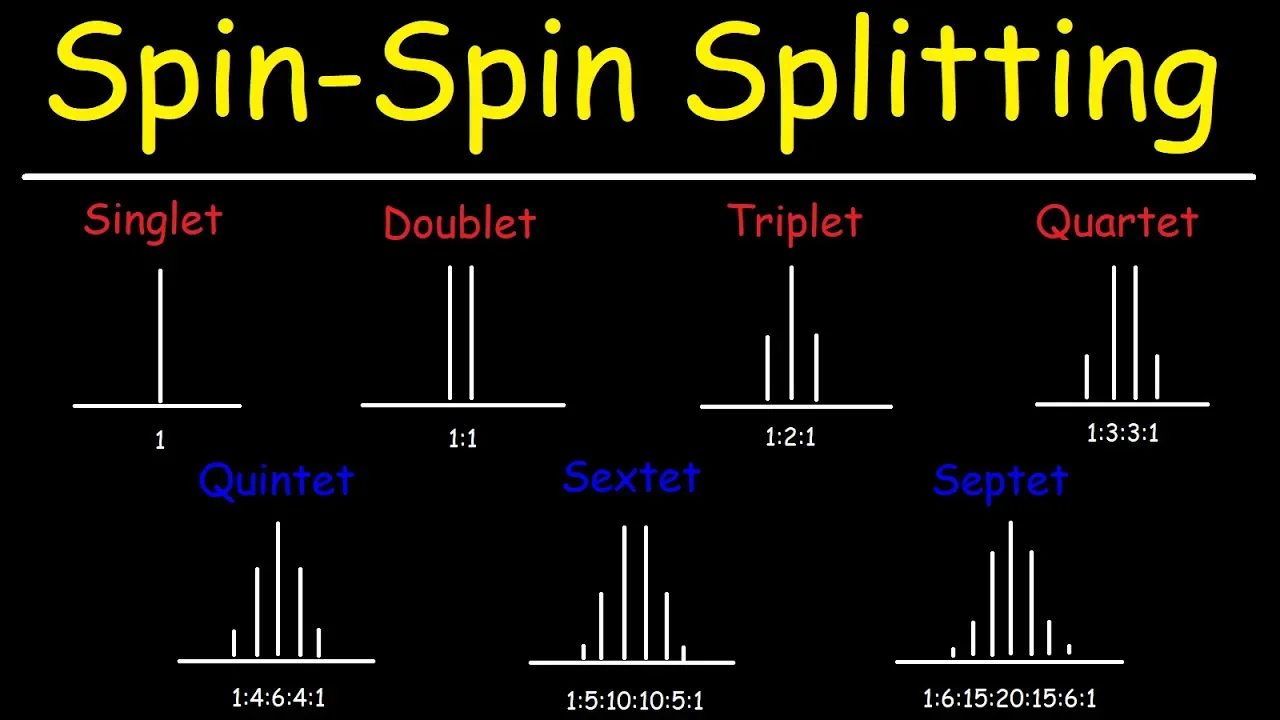
Proton (1H) NMR spectroscopy, including chemical shifts, integration, and spin-spin coupling (multiplicity).
Carbon isotopes and their properties, specifically the difference in natural abundance and nuclear spin between Carbon-12 (spin 0, NMR-inactive) and Carbon-13 (spin 1/2, NMR-active).
Basic organic chemistry structure determination, including carbon hybridization (sp3, sp2, sp) and the electronegativity effects of heteroatoms on chemical shielding.
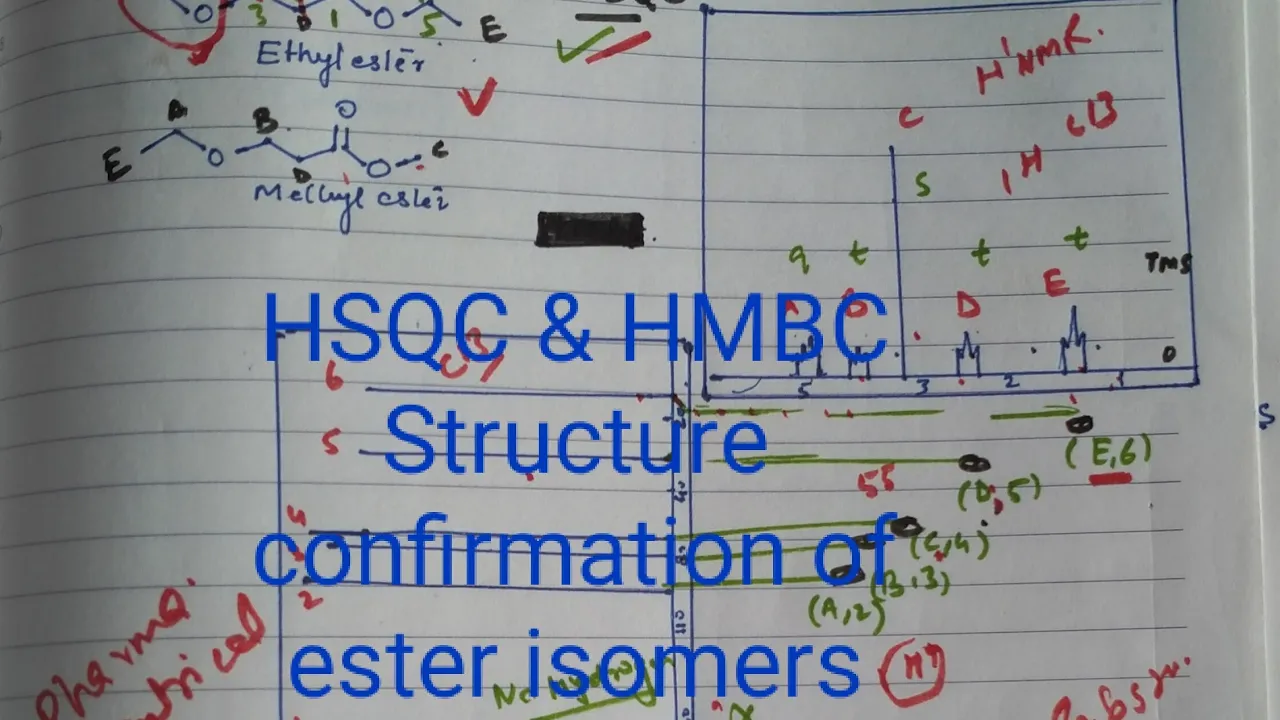
Two-Dimensional (2D) NMR spectroscopy techniques, such as HSQC (Heteronuclear Single Quantum Coherence) and HMBC (Heteronuclear Multiple Bond Correlation) which map carbon-proton connections.
Advanced structure elucidation of complex organic molecules and natural products by combining IR, Mass Spectrometry, 1H NMR, 13C NMR, and DEPT data.
The quantum mechanical principles behind polarization transfer and pulse sequences (such as INEPT and DEPT pulse sequences).
Quantitative 13C NMR spectroscopy, including understanding the Nuclear Overhauser Effect (NOE) and using relaxation agents for accurate signal integration.
27.3K views0likes14:16Original Release: 2020-08-07
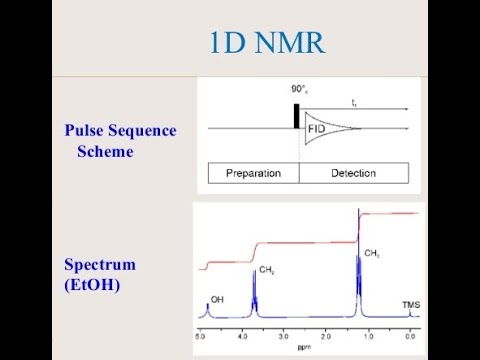
so this video is going to cover carbon 13 nmr spectroscopy and how it is similar or different to proton nmr spectroscopy and we're also going to talk about carbon 13 depth experiments and what they can tell us about our molecule so if we compare a proton and a carbon nmr spectrum you'll notice that there are a few similarities and differences first thing you'll notice is that the scale is different so on a proton nmr you're generally looking between about naught and 12 13 ppm most of your signals coming between naught and nine or so on a carbon nmr the scale is much longer so you're looking between nought and about 220 ppm you'll also notice that most of the signals in a carbon nmr don't have any splitting they all appear as what you might call singlets in a process whereas in present nmr we do see signal splitting you'll also notice that on carbon nmr you don't get the integrated trace like you do on pro cinema so these integration curves here generally don't appear on a carbon 13 nmr so we'll discuss why some of the differences uh are the way that they are but um there are some similarities so in previous videos i talked about chemical shifts and the effects of shielding and de-shielding now this is exactly the same on a carbon nmr as it is on a proton nmr so the effects that shield and d shield protons um are the same as those shield and d shield carbons it's to do with the amount of electron density surrounding the nucleus in question now another practical difference between these two is that proton nmrs typically take around one minute to run whereas carbon 13 nmrs can take around 15 to 30 minutes to run and we'll come across some of the reasons why that is uh in this video so i mentioned that there's no integrated trace on the carbon 13 spectrum now we're used to on protonmr spectra seeing the integrated trace values like this you might sometimes see the numbers written underneath but that's just a translation of this integrated trace line and we discussed in the video on integration that the ratio of the integrals of all of these signals gives us the ratio of the proton nuclei that went into making them so in this case we can say this is a one to two to one to two to two to three integration ratio just based on the size of the integrals and therefore this was caused by that ratio of protons so it could be one to two to one to two to two to three or it could be two to four to two to four to four to six and so on any compound ratio of that those numbers now in a carbon 13 nmr you won't see the integrated trace used routinely and that's because uh carbon 13 works in slightly different way so carbon 13 has what we call a longer relaxation time than proton so the integration tends not to be as reliable now as an example i've just extracted some carbon-13 signals from a single spectrum so i've bunched them all together but these all these signals are from the same spectrum and they all um are caused by a single carbon nucleus so none of them are 2c or 3c signals or anything like that and you can see that they're all different sizes you can see that they're all slightly different widths and you have to take my word for it but i've integrated all of these signals using nmr processing software and some of these signals have less than 40 the area of others so if it worked the same way as in a proton you would expect all of these to have the same integration um as it is they don't so carbon 13 integration is generally not that reliable so we don't do it as standard the other main difference between proton and carbon nmr is the natural stop abundance of each of those elements so in natural hydrogen 99.98 of your hydrogen is 1h or proton uh and only 0.02 is 2h or deuterium now the this has a implications on your running your samples because if you take a standard sample like this 99.98 of the protons in this sample are going to be nmr active so all the ones that i've highlighted in purple here are going to contribute to your proton nmr signal and that means a that 99.98 of your sample is responding to the uh the spectrometer so that makes your sample sensitive and this is one of the reasons why proton nmr takes much less time to run than carbon in ml but you also see things like proton proton coupling because your protons are so abundant in your sample you can see things like proton proton coupling between different chemical environments in the same molecule now if we take a look at carbon um natural carbon is 98.9 carbon 12 and only 1.1 carbon 13. now the issue is that carbon 12 doesn't have spin so it's nmr inactive so when we're doing carbon 13 nmr that's the reason why we have to use carbon 13 is because carbon 13 is the isotope which is spin active which responds to the nmr spectrometer now because the nmr active isotope is only 1.1 percent of your sample that means that whenever you're putting your powder or your oil or whatever it is into your nmr tube only 1.1 percent of the carbon atoms in that sample are gonna respond to the nmr spectrometer so looking at the same sample that we looked at the proton mr4 only one of the carbons in all of these molecules is going to give a response when we run a carbon 13 in a mr spectrum and that makes the carbon nmr inherently less sensitive so that's one of the things that contributes to it um taking 15 minutes to half an hour to run as compared to protons taking one minute to them the other being that carbon has a much slower relaxation time the other thing it means is that we generally don't see coupling between carbon 13 nuclei because if you imagine this sample here the odds of you having two carbon 13 nuclei directly next door to each other so that they could undergo coupling is very small indeed so that's why that's one of the reasons why we don't see carbon 13 carbon 13 coupling in our carbon 13 nmr spectrum so we don't see carbon 13 carbon 13 coupling but carbon 13 and proton are both spin active elements so we can see proto carbon 13 proton coupling so if we look at this um this spectrum of norborne here norborne has three chemical environments in it and if we look at the carbon 13 nmr of norborne it looks pretty much how we would expect we don't see any splitting patterns or anything like that and we see three carbon signals for the three carbon 13 chemical environments that are in the molecule however we do have carbon 13 proton coupling present we just switch it off as standard so this is what we call broadband proton decoupling so carbon 13 experiments ordinarily would show coupling between the carbons and the protons that are attached to them but we turn it off to make the the carbon 13 spectrum easier to interpret so this is a broadband decoupled carbon 13 spectrum you sometimes see this as a a proton in kind of wiggly brackets but this is this is the routine way that we do it we basically broadband decouple all of the carbons from the protons if we turn off that decoupling this is what we see so you can see actually the signals do split out and i'll just bounce back and forth between those two spectra so you can see here are the three signals um correlations onto the chemical environments if we turn off the decoupling you can see that the splitting actually is there and you can see that it's it's between the carbon and the proton so signal one for instance has one proton attached to it and we're getting coupling between this carbon and this proton so it's giving us a doublet signal here whereas if we look at the green protons over here there are two attached to this carbon so because it's this carbon is coupling to two protons we're ending up with a triplet type pattern but let's say we routinely turn this off and pretty much all the carbon 13 spectra you will see will be broadband decoupled as standard so these effects can explain some of the things that may have been that you may have noticed in the spectra that i've been showing you so far and these are some of the signals that i've not really explained like these two here shown in blue and red now what these are is the the solvent that we're running the nmr spectrum in and in this case it's deuterated chloroform or cdcl3 now when we make deuterated chloroform um there is a small amount of protic chloroform in it so it's depending on the quality of the chloroform you've got it's generally around 99.8 percent deuterium and 0.2 proton now the reason we use juice-rated nmr solvents is so that the the proton signal doesn't show up in the proton spectrum because otherwise it would drown everything else out because the the solvent is a vast excess over your sample but this little impurity of protic chloroform is what gives you the nmr signal over here so you can actually see uh the signal for chloroform in your proton nmr spectrum and it's just due to that little impurity of protic uh chloroform whereas if we look at the carbon spectrum what we're actually seeing down here is carbon 13 that's present in cdcl3 but we're seeing it coupling to the deuterium and you might say well didn't we decouple the protons from the carbons well yes we did we decoupled the protons from the carbons we did not decouple the deuterons from the carbons so the reason that you see this the this signal appearing in the the carbon 13 nmr is because some of the uh the carbon that's in the duty in the cdcl3 is carbon 13 and we didn't decouple carbon from deuterium so this appears as a triplet because deuterium has a different uh spin number to print to hydrogen to proton hydrogen so therefore it appears as a triplet when you get a single coupling between one deuterium and the carbon so that's just where that signal appears from but you'll see it in in every carbon 13 nmr spectrum that you run in cdcl3 so this concept of carbons coupling with protons uh allows us to run pulse sequences which basically tell us a lot more about a molecule than just the carbon-13 spectrum alone and these experiments are called depth so distortion is enhancement by polarization transfer and they come in a number of different flavors so the most common ones are debt 45 step 90 and depth 135 and what they're going to do is allow us to differentiate how many protons are attached to each of these carbon signals so are they quaternary carbons where there's no protons attached are they ch ch2 or ch3 signals so a depth 45 spectrum um basically all of the quaternary carbons will disappear and everything else will be will remain on the spectrum in a depth 90 spectrum everything will disappear apart from the ch protons of ch carbons sorry and in a depth 1 3 5 spectrum the quaternary carbons will disappear the ch and the ch3 carbons will appear in one direction either above or below the baseline and the ch2 carbons will appear on the opposite side of the baseline so let's have a look at what these look like so to start with a depth 45 spectrum so i'll just bounce back and forth between the carbon 13 and the depth 45 so all of the signals that have disappeared out of this spectrum must be quaternary carbons so ones with no protons attached and notice that the cdcl3 signal here disappears because it doesn't have any protons attached it just has a deuterium attached if we look at a depth 90 spectrum now everything disappears apart from the ch signals so this tells you obviously that these ones only have a single hydrogen attached and if we go to a depth 135 spectrum now some of the signals have moved below the baseline uh the reason that i call this a and b rather than positive or negative or something like that is that you're not guaranteed to get you know ch3 and ch on one side above and ch2 below it might be the other way around so it could look like this and it's up to you to work out which is which the final experiment i just want to briefly talk about is j-mod um j-mod basically reintroduces the quaternary carbons so it's similar to a depth 135 only the quaternary carbons appear and they're in the same direction as the ch2s so a j-mod spectrum looks a bit like this but from my own personal point of view i think jmod is a bit redundant because if you've run a carbon 13 spectrum and you've run a depth 135 spectrum that kind of gives you all the information that you need because anything that disappears out of the carbon 13 spectrum is a quaternary so we know that all of these are quaternary carbons anything that moves on to one side of the baseline is a ch2 everything on the other side is ch or ch3 and it's kind of up to you to look at the molecule that you are analyzing and make your assignments based on that so for instance i know that there's only one ch2 chemical environment in this molecule so therefore the signal which flipped to the opposite side of the baseline must be ch2 that leaves all of these as ch or ch3 signals and if you're thinking well how do you tell between ch and ch3 signals that's usually just an issue of the region of the spectrum that they're in and also the structure of your molecule this region over here tends to be where the aromatics come and you can't really have a ch3 on an aromatic system right these tend to be chs so you can start to narrow it down based on that um i also know that there's an ether group in this molecule so there's a ch3 unaccounted for somewhere so therefore this must be the ch3 it just basically gives you an extra layer of information that you can then use to aid your structural assignments
Up Next
7:19
Understanding DEPT NMR: Identify Carbon Types via 13C Spectroscopy
@WallaceWay
1.1K views•2023-01-19
83:56
Biocatalysis and Catalysis in Islatravir Synthesis | Merck Webinar
@SCIwheresciencemeetsbusiness
675 views•2020-10-08
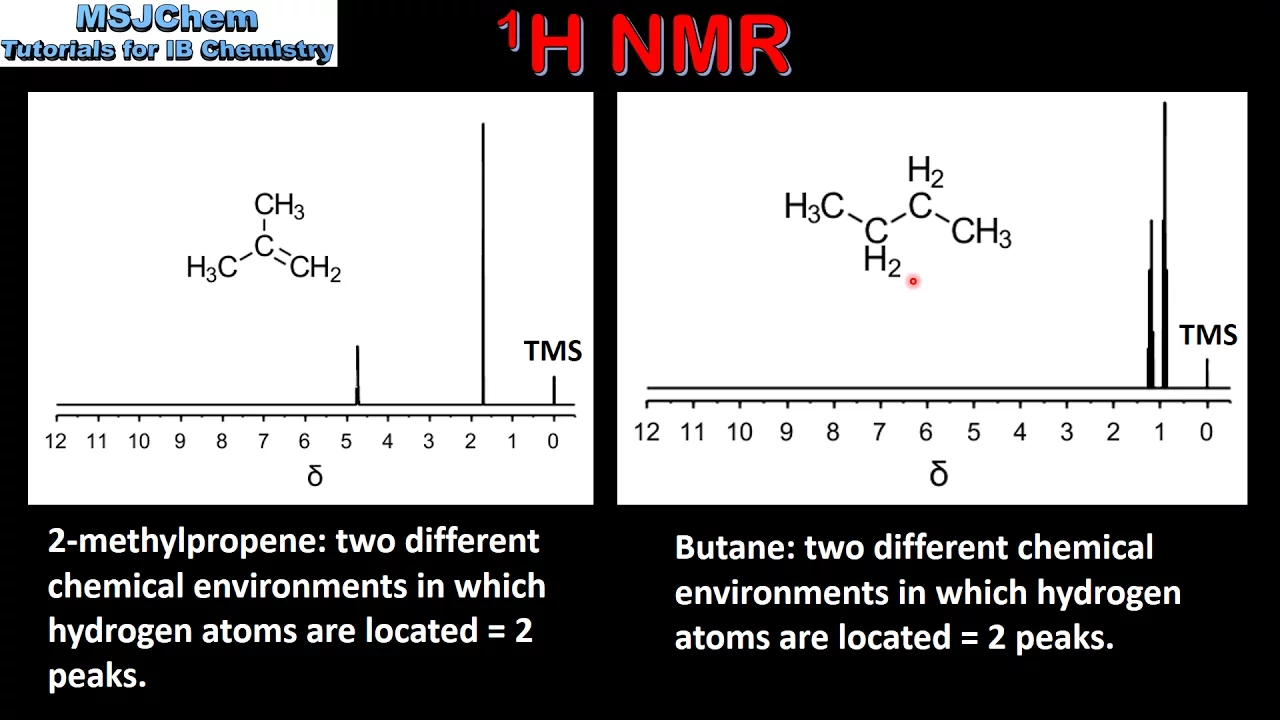
10:06
1H NMR: Determining Number of Peaks from Structure
@MSJChem
59.2K views•2017-04-06

17:31
Edible Water Bottles: A DIY Guide to Sodium Alginate Spherification
@ryan
10.5M views•2019-06-21
Related Study Plans & Knowledge Roadmaps
Structured learning paths in Chemistry
chemistry
Nuclear Chemistry: Decay, Meds & Fuel Cycle
01Introduction to Nuclear Structure and Radioactivity
02Decay Dynamics and Kinetics
03Radiation Interaction and Detection
+ 2 more learning modules
24h5 modules
Explore Roadmap
chemistry
Supramolecular Chemistry: Forces & Machines
01Foundations of Chemical Bonding and Intermolecular Forces
02Introduction to Host-Guest Chemistry
03Thermodynamics and Dynamics of Self-Assembly
+ 2 more learning modules
16h5 modules
Explore Roadmap
chemistry
Photochemistry: Excited States & Reactions
01Foundations of Light-Matter Interactions
02Molecular Orbitals and Electronic States
03Photophysical Processes and Jablonski Diagrams
+ 2 more learning modules
18h5 modules
Explore Roadmap
chemistry
Coordination Chemistry: Bonding & Properties
01Introduction to Transition Metals and Ligands
02Crystal Field Theory (CFT) and Geometry
03Magnetic Behavior and Spin States
+ 2 more learning modules
14h5 modules
Explore Roadmap