



















Fast fashion retailers' promises of sustainability and recycling are largely marketing tactics; despite collecting millions of tons of used clothing, very little is actually recycled into new garments due to mixed fabric compositions and low-quality materials, with most ending up being burned as fuel in developing countries, releasing harmful pollutants and causing significant health problems.
Fast Fashion's Recycling Myth: Unveiling the True Environmental Cost
Added:The Linear vs. Circular Economy Framework: Understanding the fundamental differences between 'take-make-waste' manufacturing systems and closed-loop product lifecycles.
The Fast Fashion Business Model: Conceptualizing how rapid production cycles, low-quality materials, and planned obsolescence drive modern apparel consumption and waste.
The Definition of Greenwashing: Recognizing how corporations employ deceptive marketing techniques to present an environmentally responsible image without substantial reform.
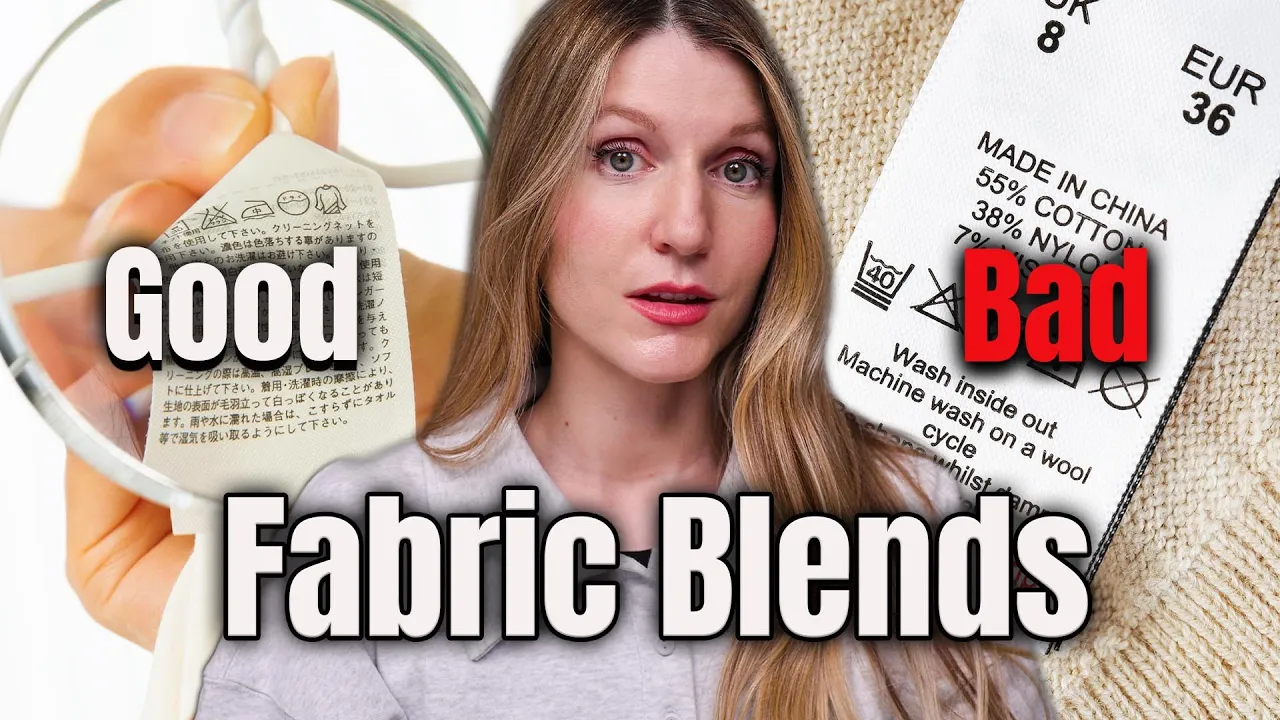
Textile Fiber Composition and Blends: Understanding the chemical difference between natural fibers (like cotton and wool) and petroleum-based synthetics (like polyester), and why blended fabrics present recycling challenges.
Extended Producer Responsibility (EPR): Exploring legislative policies and economic instruments that hold fashion brands legally and financially responsible for the end-of-life management of their products.
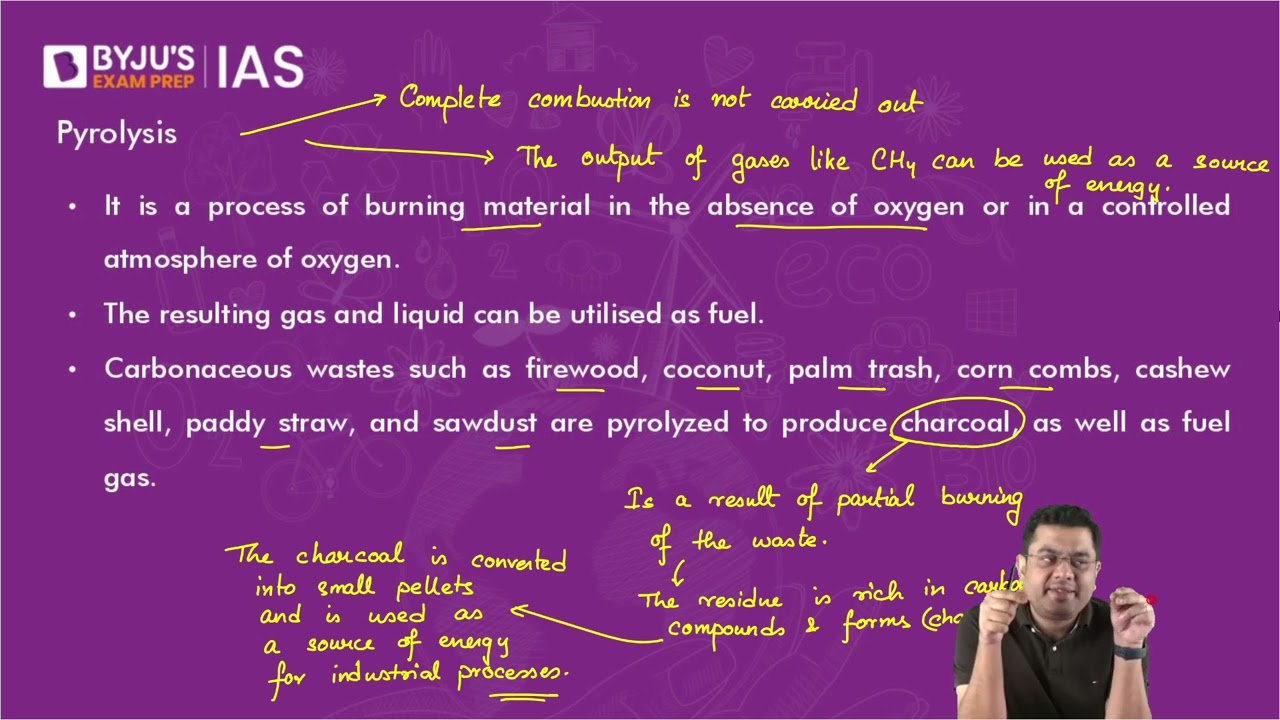
Advanced Chemical Recycling Technologies: Investigating the scientific differences between mechanical fiber shredding and chemical recycling methods like depolymerization.
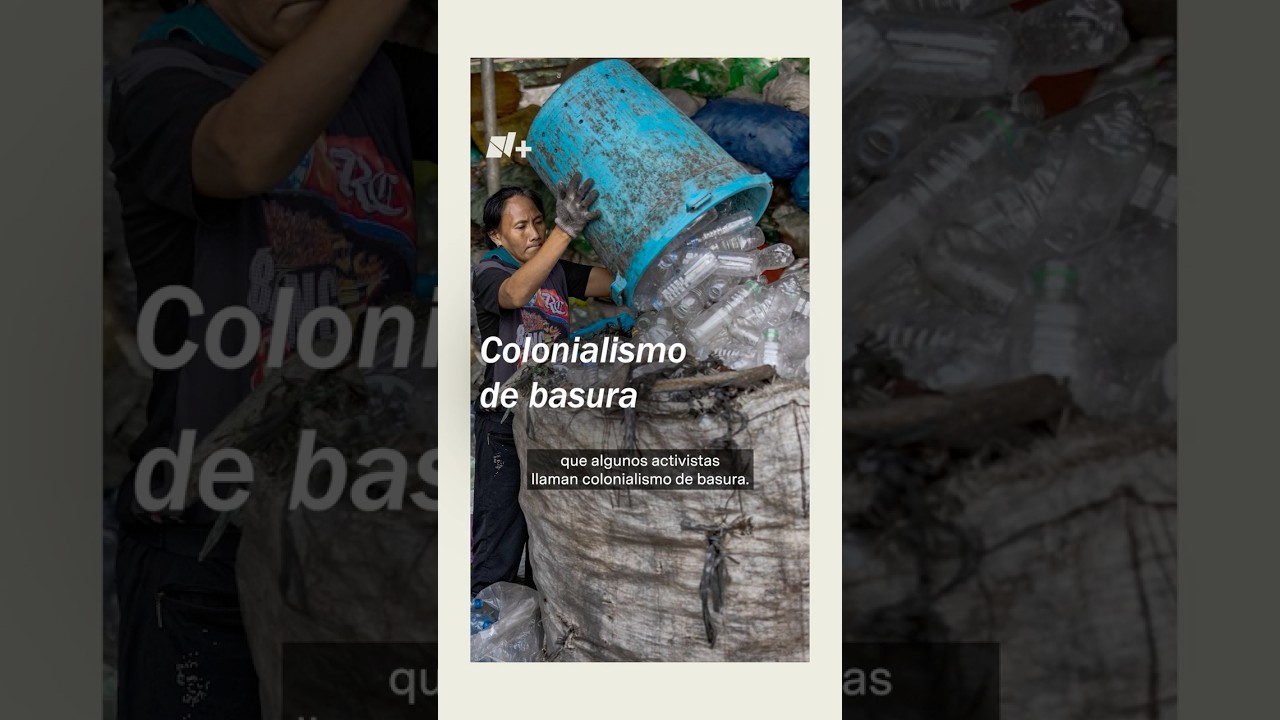
Global Waste Trade and 'Waste Colonialism': Analyzing the geopolitical and environmental justice issues surrounding the export of second-hand textiles from the Global North to the Global South.
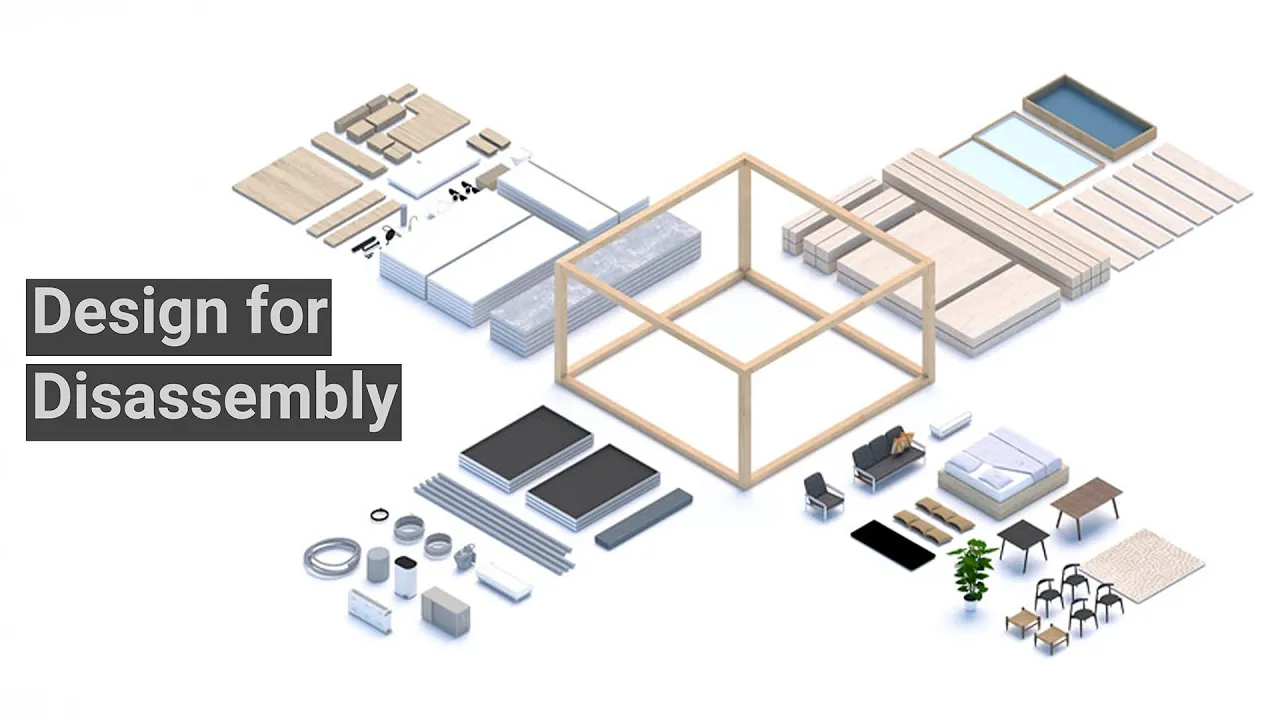
Design for Disassembly (DfD): Studying sustainable supply chain management and product design principles that facilitate easier sorting, disassembly, and biodegradation of garments.
755.1K views10.2Klikes28:26Original Release: 2021-10-19
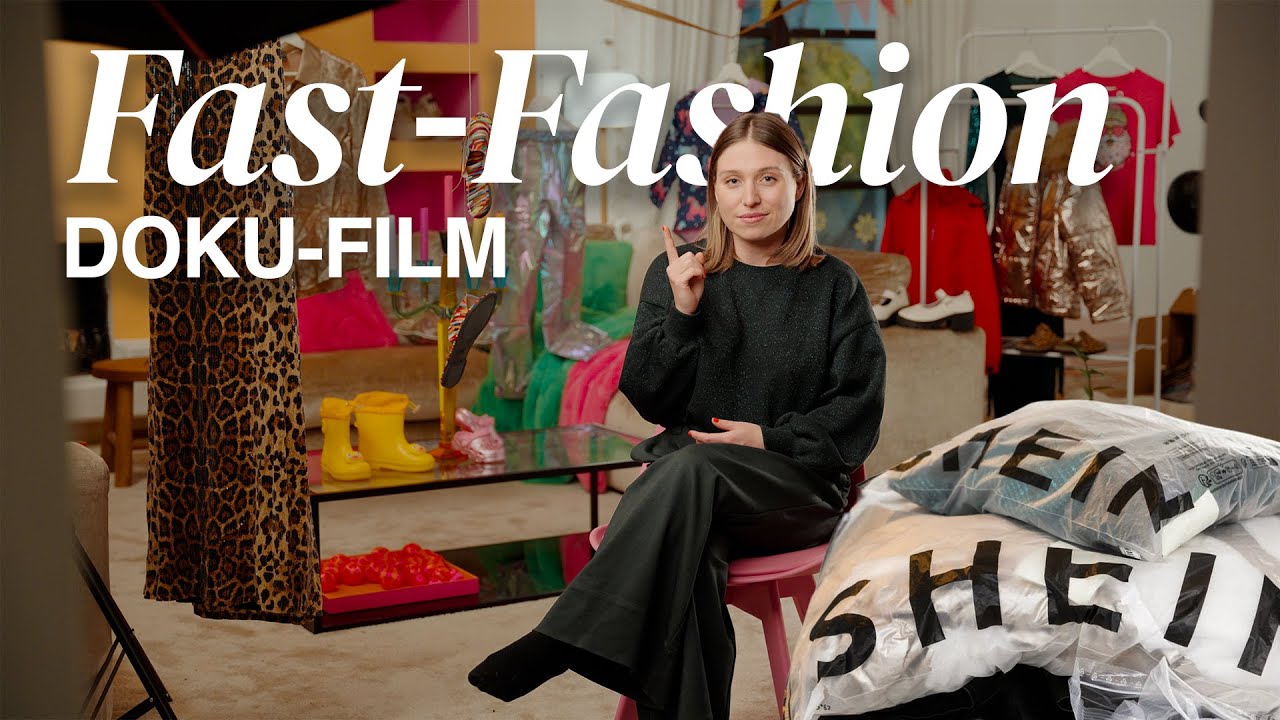
Fast fashion produced cheaply, worn briefly, discarded quickly. The pursuit of happiness for trendconscious teenagers.
Getting something new to wear gives you a little kick, makes you happy.
No buyer's remorse. With fast fashion, the textile industry has managed to turn a whole generation into fashion junkies.
Customers have become more critical. The industry has reacted, promising recycling as a solution to plate buyers consciences.
You can quite safely say that these are false pretenses. Recycling clothing into clothing hardly ever happens.
Huge quantities of fast fashion end up in countries like Bulgaria. It's becoming a problem.
The last scraps of clothing are burned as fuel by the poor.
That we have no money to buy firewood.
The burned textiles pollute the air they breathe. Many of the clothes contain a significant proportion of elastos and plastics. It's a smell of sickness.
What about the fast fashion producers promise of sustainability?
[Music] [Music] In normal times, fast fashion chains such as H&M, Zara, Primark, and others dominate our high streets. During the pandemic, a lot of stock was left on the shelves. But online shopping is still possible. Fast fashion has turned the textile industry around, accelerating the pace of fashion.
What is the attraction of always having something new to wear? In VBOT, we visit two bonafide bands of fast fashion.
Michelle and Elena are in their mid20s and both are studying to be psychotherapists. Their hobby, fashion, is an expensive one. Today, they're searching for dresses, trousers, and pullovers online.
You think I'd wear that?
It depends on how it looks when you've got it on. You can always send it back.
We will visit them again when their order has arrived.
So where do they see all the new trends?
It's definitely social media. Instagram is a huge factor. All the influencers do so much advertising. You don't really want to be influenced that much, but if I see the same top every day in my feed and then it's linked to the online shop, well, I don't have a lot of choice.
Internet and social media are accelerating the speed of fashion.
Influencers with their own YouTube channels promote new trends and present bargains on a daily basis.
Let's all go inside.
They're pouring oil on the fast fashion fire.
So cool.
Some influencers have up to a million followers, which gives them real advertising clout.
I just tried this one. It's pretty cute.
It's cute.
Where there used to be four new collections a year, cheap clothing chains like H&M, Zara, and Primark now bring out up to 52 micro collections per year. A new one every week.
[Music] Since the year 2000, new clothing purchases have doubled.
Over 120 billion garments are produced worldwide annually.
The whole world is in a fashion frenzy.
We visit Michelle and Elena again. Their clothing order has arrived.
[Music] I can't wait to see what you girls have ordered.
The two of them have ordered from a wide range of shops. Germans buy 26 kilos of clothing per person per year. The lifetime of the garments is getting shorter. On average, a party top is worn 1.7 times before it's discarded.
According to a Greenpeace study, around 40% of the clothing is never worn. How long does this nice feeling last? Oh, I've got loads of new clothes.
With something like this, it lasts for a day. Great. When it arrives and I look at it, but the little high doesn't last longer than that.
Michelle shows us her wardrobe. She needs space for new stuff. Which items does she still wear?
This is a summer top. It's totally creased.
I think it can go.
I never wear this anymore either.
This is from Sara, too.
It's the same story with this one.
Totally sweet, but I only had it on once in the summer. Pretty color, but I really never wear it.
Some clothes still have the price tag on them.
This isn't the only one. I've got another one here. The price tag is still on this one.
And on this one, we find plenty of clothes she never wears.
H&M is now offering customers the chance to return used clothing.
H&M is right in front of my door.
I have taken some clothes back there, but I don't know where they go after that.
What happens to Michelle's clothes when she brings them back to H&M?
Since 2013, it's been possible to take discarded clothes to H&M and put them in a used clothing bin. Zara, CNA, and other retailers are following suit and putting containers in their stores with a promise of making new textiles from old.
H&M accepts two bags per customer per day and in return gives a 15% discount as an incentive for the next purchase.
The campaign is successful. H&M alone collected 16,000 tons of secondhand clothing in 2016.
In 2019, 29,000 tons were collected worldwide.
The fast fashion retailers are working on a more positive image, praising their own recycling efforts.
Wasting resources, they say, is yesterday's problem. Shopping then throwing things away is not an issue. We make new clothes from your trash.
Another crucial part of becoming circular is to make sure that all the products are kept in the loop so that they can be used over and over again.
The advertising promises pretty new clothes made from used textiles.
We order clothing labeled as sustainable from H&M and Zara and stumble across a muddle of definitions. What do sustainable and recycled really mean? At Royingan University, we meet a textiles expert who has been observing the fashion industry for years. We bring him the discarded garments from Michelle's wardrobe.
Kai Neu from the Institute of Textile and Design knows all about clothing.
Can new clothing be made by recycling old?
We have a blend here. These are two different fabrics. You can feel it. This is polyomide and viscos. That's already a different combination.
Around 70% of all newly produced textiles are made of synthetic fibers.
They're made from crude oil and are hard to recycle.
[Music] When I'm in the shop, they suggest circularity, a cycle. And I think to myself, of course, they make nice new clothes from my old ones. noise.
You can quite safely say that these are false pretenses. If I talk about recycling, also if we look at the declaration, we see a part of it is recycled, but it doesn't say exactly where it comes from. 99% of it certainly doesn't come from old clothing.
Recycling clothing into clothing hardly ever happens.
[Music] If no new fashion can really be made from old clothing, then what's in these allegedly sustainable garments?
On the label, it says 25% recycled polyester. It's hard to find more precise information.
In the online store, we discover more information about the trousers from Zara's join life range. Here, it says that some of the polyester in the trousers is partly recycled.
Recycled.
Of course, that is confusing. If it says there is a certification global recycled content standard, it's only saying that there is no certificate visible and even these standards don't actually say much.
All they say is that recycled material is or could be in it. Mhm. But it's nothing concrete or verifiable.
There is never any transparency.
We ask Zara why the information is so confusing for Zara. It seems obvious. The company writes, [Music] "We would like to make it clear that the percentages given on the join life labels refer to the whole garment."
In other words, in the case you mention, at least 25% of the whole raw material of this product is recycled polyester.
But how high is the percentage of reused clothing in these trousers? Zara gives us no concrete answers.
Finally, I'd like to ask whether it's possible to produce new clothes from the used returned ones using recycling materials.
You certainly can't just produce new clothing from these piles of worn clothing. These textiles have been made from old plastic bottles, not from textile waste. In terms of recycling, I can't say that it really works.
Kynable discovers that there's almost no recycled clothing in the products described as sustainable and that new clothing cannot be made from the textile blends of our discarded fast fashion.
We ask H&M as a reply. We get some statistics about the percentages of recycled materials from plastics but not from used clothing. H&M writes, "As already described, the materials come from different sources depending on the raw material as well as the specific collection.
For example, in the H&M conscious exclusive collections, 100% recycled polyester is used."
[Music] Recycled polyester, yes. But H&M doesn't tell us what percentage of recycled clothing is in the new textiles.
So, what happens to the old clothing in the container at H&M if it's not used to make new clothing?
H&M works together with the company I collect, a subsidiary of Soex, Germany's biggest textiles recycler. This is where the bags of textiles from H&M bins end up on the same sorting pile as used clothing from other collection points.
Only the best garments are sold on as secondhand goods. The lower quality clothes are recycled and at most used as insulation material or wash rags. In this way, the system can finance itself.
So in the best case, our discarded fast fashion will be turned into a cleaning cloth. What happens if more and more fast fashion of poorer quality ends up with the textile recyclers? We meet Thomas Fisher of the Federal Association for Secondary Materials and Waste Disposal. He's familiar with the complaints of recycling firms regarding the masses of fast fashion.
The quality of the goods is a decisive factor when it comes to reselling it.
The higher the value and quality of the clothing, the higher the revenue I can get from sorting for resale. The question is how can the whole system be paid for? The faster the fashion comes, the lower the quality and the lower the margin. Until this business model is finished, we have maybe 3, four, 5 or 10 years until we reach this point. But at some point, we will be overrun like an avalanche.
A large part of the used clothing is sold to foreign countries by the sorting companies. Increasingly large quantities end up in Eastern Europe in countries like Poland, Romania, and Bulgaria.
When large quantities of textile waste go to Eastern Europe, what happens to it there? In our research, we come across some reports on Bulgarian television that the remnants of secondhand clothing end up being burned as fuel in households there. The report shows that rogue traders from the used clothing industry sell textile remnants to the poor population as fuel for around €30 per ton.
Here we have clothes, bags, hats, shoes.
According to Bulgarian law, remnants of clothing which cannot be recycled have to be destroyed at a cost in specially equipped incineration plants.
In order to save these costs, some sorting companies prefer to sell on the textile remnants.
A friend of mine told me there was some old clothes here. I need them to burn for fuel.
I can tell you what burns even better than clothes. Used shoes. They burn much better because they contain more synthetic materials.
We travel to Sophia. Where does all the textile waste from Western Europe end up? And what happens to it there? The fast fashion producers claim they can make new clothing from old.
We look for textile waste traders in the industrial areas on the outskirts of Sophia.
This sign promises used textiles from Germany, but there is nothing for sale today.
We meet somebody who knows the industry in Bulgaria.
He wants to remain anonymous.
We ask for his help. Wearing a concealed camera in his glasses, he's going to procure some sacks of leftover garments for us. He makes his way to a selling point for textile waste.
Hello.
Hello. I was just in the area and I wanted to get some sacks of clothes. Do you have any left? I'll take two.
Okay, two.
I heard that people have sometimes bought clothing here to use as heating fuel.
bought clothing for fuel.
That's crazy.
What sort of a guy was he?
He told us it was for his car workshop.
Then later he said he used it as fuel for heating.
Back at the meeting point, our informer gives us the sacks of clothing. We ask him, "Who normally buys stuff like this?
And do people use it as fuel for heating?
These sacks are normally bought by the socially weak, very poor people who live in parts of town where there isn't even any central heating or electricity for heating.
Most of the people who live there have old wood stoves.
It's obviously cheaper for them to buy some textile remnants for little money from the secondhand warehouse and then they burn it for heating.
We take the sacks of clothes back to Germany to find out which substances they contain and which chemical compounds are released when they're burned.
It's illegal to dispose of used clothing as heating fuel.
Legally, the used clothing is sorted and resold on the Bulgarian secondhand market. On the outskirts of Sophia, the Swiss company Texade runs a sorting factory. We're allowed to film here.
Sales manager Alina Valkova shows us around the factory. So this is the first step of the textiles from used clothing bins in Germany, Switzerland, and Scandinavia end up here. Up to 25 tons are sorted here daily into different qualities with the aim of reselling as much of the well-kept clothing as possible.
But the barrage of mostly lowquality fast fashion clothing messes up the calculation. Year after year, we feel that the the high branded goods are less and less and the fast fashion goods are more and more because we were using much more percent in the previous years and now we are losing uh more percent of clothes and the highest qualities are less and less.
Fast fashion often is not suitable for recycling and has to be disposed of at a cost. Rogue traders illegally sell the remnants as heating fuel.
We traveled to Fakulteta, a Roma district in Sophia. Some of the houses have no electricity, water, or heating.
Most people burn wood, coal, or pellets for heat.
We meet social worker Zonita Stoichkova.
She prefers not to arrange a contact with a Roma family. The residents here often feel they are on display.
We ask her whether she's seen clothing burnt as fuel here.
In all the years I have worked here, I have seen it a few times. For instance, in the heating stove in the house every now and then, clothing too gets burned in the oven.
Bulgarian winters are cold. According to an EU study across Europe, Bulgaria has the highest number of children sleeping in unheated rooms.
When the winter is cold, like two weeks ago with snow and subzero temperatures, then you burn anything you can find.
You put anything in the stove.
to create a little warmth in your room.
Sophia has an air pollution problem.
Burning trash along with emissions from cars and industry is a further cause of air pollution. In Europe, Sophia is the city with the highest level of air pollution. Is this also due to burning clothes as fuel in household stoves?
Dr. Alexander Simich is a specialist for lung diseases at the medical institute of the Ministry of the Interior. For years, he's been investigating the connection between air pollution and health problems in Sophia.
It's a smell of sickness. Many of the clothes contain a significant proportion of elastos and plastics and things like that. When we burn it, uh we get a lot of volatile organic compounds on top of everything else. There are other problems like nitrogen oxides and sulfur dioxides. Many of these compounds they attach themselves to the other pollution. So it's not that they're a small part, they're a very significant part.
How does it affect people's health?
When we have high levels of pollution, we have uh more u respiratory or lung infections. Um other things are a type of stress response. for example, increased blood pressure, uh increased amount of stroke, which is a a neurological complication. All of these have been linked in a very short period of time, for example, between 1 hour and 24 hours after exposure to increased levels of air pollution.
Sophia is struggling with contaminants in the air, and household stoves seem to be part of the problem. What is in the sacks we have bought? These are shredded tops, many with a synthetic print. Again and again, we come across known labels from Zara, H&M, and other fast fashion brands.
Back in Germany, we send the clothing for analysis to the Braymond Environmental Institute.
Director Or Zimas examines the composition.
We collected a very mixed bag of samples. Some of them contained chemical fibers which contained polyester for example or other chemical fiber elements.
They were often dyed textiles. Some of them were undyed and many of them had a print on them. The test was designed to show whether toxic compounds could be released when burning the textiles. If the flame changes color, the test is positive. If halogenated compounds are found or signs of them, it could be, especially with the chlorinated compounds, that so-called dioxins are released on burning the material, they're classified as carcinogenic and harmful to health.
When these substances escape from leaky indoor ovens and are breathed in directly, they are especially harmful.
[Music] Environmental organizations are concerned about the negative effects of the increasing fast fashion waste.
In Hamburg, we meet Viola Vulgamut, who is responsible for the fields of consumption and resource protection at Greenpeace. She's demanding fast and resolute political action.
No firm is going to voluntarily change their business model. We need a legal framework and it has to be enforced.
It's important now otherwise we will never make progress in fighting the climate crisis with something as bal as an overconumption of clothes.
Why are there not already stricter conditions governing the production of textiles?
[Music] We ask the parliamentary state secretary in the ministry for the environment Florian Pron.
The fashion chains have to change their behavior. I think the central point in such a large market as Europe is that we really have to make laws regarding the way the products on our market are designed.
This is the central point. If there are so many textiles, then they have to be recyclable to have the right quality so we know what's in them.
But this process has been going on for many years. Why isn't it possible to intervene faster and more strictly? How can the producers keep getting away with it?
We are campaigning for an EUwide textile strategy to be in place by the end of the year, which will do exactly that. We can't do it alone as a national state.
We can't control it, but the EU can, and the EU has to set the rules regarding how textiles have to be to be recyclable.
Recycle.
German politicians are looking to Europe where they are in the process of working out clear regulations for the textiles industry by the end of 2021.
But they alone will not be sufficient.
At the moment, the fast fashion business is booming relentlessly. Again, we asked Biola Vulgamut from Greenpeace.
Every fast fashion giant who is serious about change has to show a model of how they want to quit this fast fashion addiction and become a textile service provider. There are so many models worldwide for lending, sharing, exchanging clothes. We share everything be it our cars, our music, our films. It has become normal among the population.
They are used to it. But where we don't have it is in the textile sector.
sharing and swapping clothes. This model is still in its infancy, but there have long been alternatives to classical shopping, using it again instead of throwing it away.
We meet secondhand entrepreneur Robin Bza in his firm's central warehouse. The clothes hanging up here are not called old clothing, but pre-owned or pre-loved. There are garments which have been discarded, but by being resold, have gained a new lease on life.
[Music] I think there should be a moratorium on production for 3 to 5 years.
And if nothing new are produced, everyone could still wear a different garment every day for those years.
Vintage has become a business model.
Online platforms for secondhand clothes are springing up everywhere. Global turnover is set to increase from$25 billion US in 2019 to around 36 billion US in 2021.
Secondhand is the lifestyle of environment conscious customers.
Oh, that's nice.
Noami, Emily, and Valentine are fans of secondhand or as they call it here, vintage fashion.
[Music] I think the new generation has much more consciousness for where things come from than people did 10 years ago. But I don't think everyone is ready for it yet. Me neither.
Things seem to be changing, but currently secondhand clothing is mostly bought in addition to fast fashion and is not yet replacing the fast fashion hype.
Mountains of used clothing trash are a consequence of fast fashion shopping sprees and it's getting increasingly difficult to handle. With their promise of recycling, producers are trying to plate their customers conscience, but it's just a marketing gimmick. In truth, fast fashion can never be sustainable.
The most sustainable garment of all is the one which doesn't have to be newly produced.
[Music]
Up Next

17:39
Drawing Molecules with Avogadro: A Tutorial for Methane, Ethene, N2, and Benzene
@vyshnavivennelakanti
15.6K views•2021-02-15

26:22
Walking in the City: Urban Rituals and the Flâneur in Contemporary India
@PSBTIndia
1.9K views•2016-08-02

41:31
Iran, Israel, and the United States: A 40-Year Secret War | DW Documentary
@DWDocumentary
1.1M views•2025-06-26

1:42
Game of Thrones Opening Credits: A Cinematic Analysis
@gameofthrones
46.3M views•2011-04-18
Related Study Plans & Knowledge Roadmaps
Structured learning paths in General & Interdisciplinary Studies
general-studies
Artificial Light: History, Tech & Human Impact
01The Pre-Electric Era: Fire, Oil, and Gas Lighting
02The Incandescent Revolution and Grid Electrification
03Gas Discharge and Fluorescent Illumination
+ 3 more learning modules
14h6 modules
Explore Roadmap
general-studies
Elevator Engineering: History, Physics & Cities
01From Hoists to Safety Brakes: The Dawn of Vertical Lift
02Hydraulic vs. Traction: The Engineering Physics of Elevators
03Modern Speed, Safety, and Algorithms
+ 2 more learning modules
12h5 modules
Explore Roadmap
general-studies
Rubber: Material Science, History & Geopolitics
01Origins of Natural Rubber & Mesoamerican History
02The Chemistry of Natural Rubber & Vulcanization
03The Geopolitics of the Rubber Boom & Colonization
+ 2 more learning modules
12h5 modules
Explore Roadmap
general-studies
Containerization: Evolution, Logistics & Trade
01Ancient Trade & Bulk Cargo: Amphorae to Barrels
02The Industrial Revolution & Cardboard Packaging
03The Containerization Revolution: Malcom McLean
+ 2 more learning modules
12h5 modules
Explore Roadmap