




![싱가포르가 원래 말레이시아 땅이었다고?_싱가포르 독립_[센서 스튜디오]](https://i.ytimg.com/vi_webp/420F8mGUDPo/maxresdefault.webp)
![사법부, 민주당에 브레이크!ㅣ김현지 "난 김남국 누나 아니야?"ㅣ민주당의 폭주, 야당 입까지 틀어막는 법안 만들어ㅣ이재명 정권 폭주, '연성독재'막아라! [오후LIVE]](https://i.ytimg.com/vi/-H-wDYnCU94/maxresdefault.jpg)










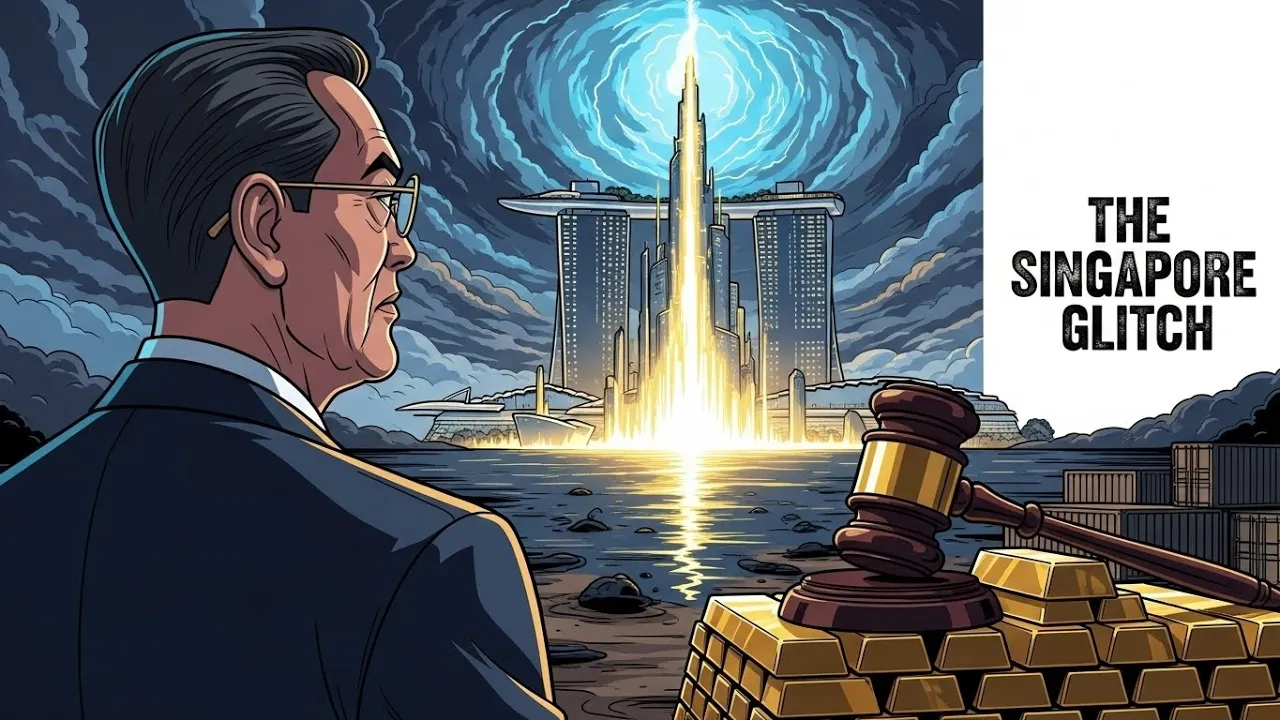
![ลอว์เรนซ์ หว่อง นายกฯ คนใหม่สิงค์โปร์ อวยจีนหรือทาสอเมริกัน : [คุยผ่าโลก worldtalk]](https://i.ytimg.com/vi/FNGt1010Z7k/maxresdefault.jpg)

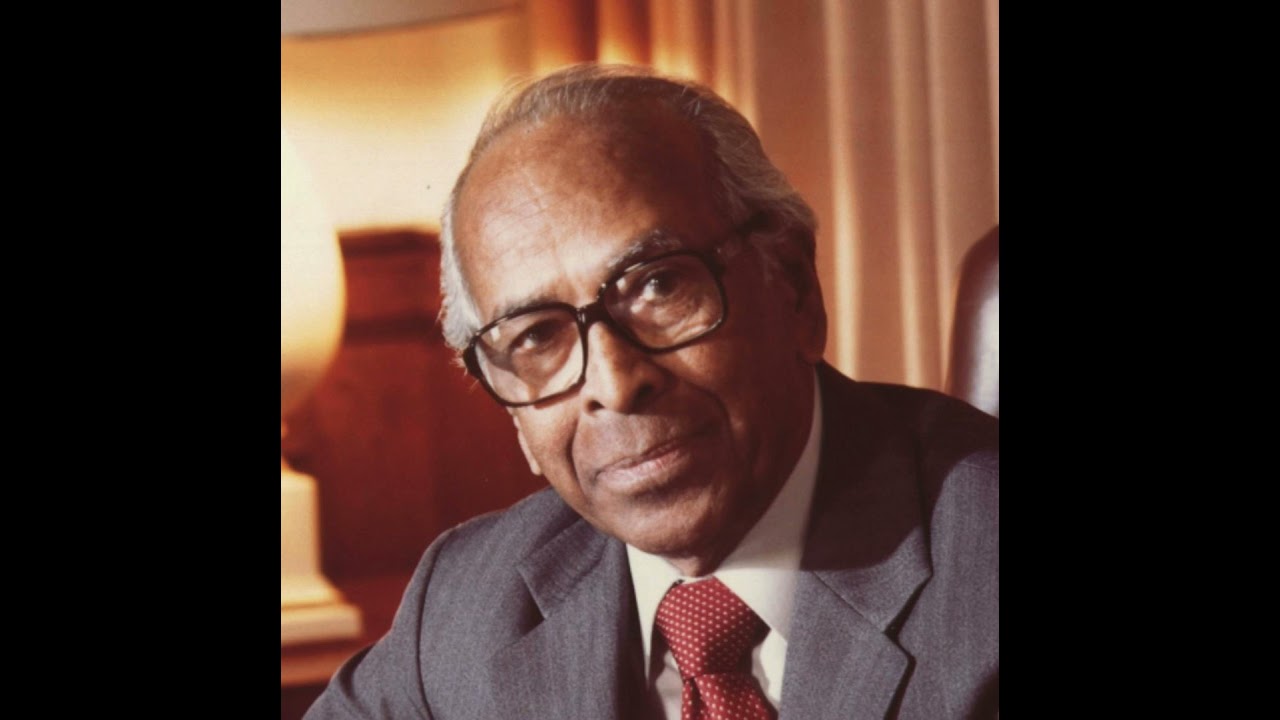
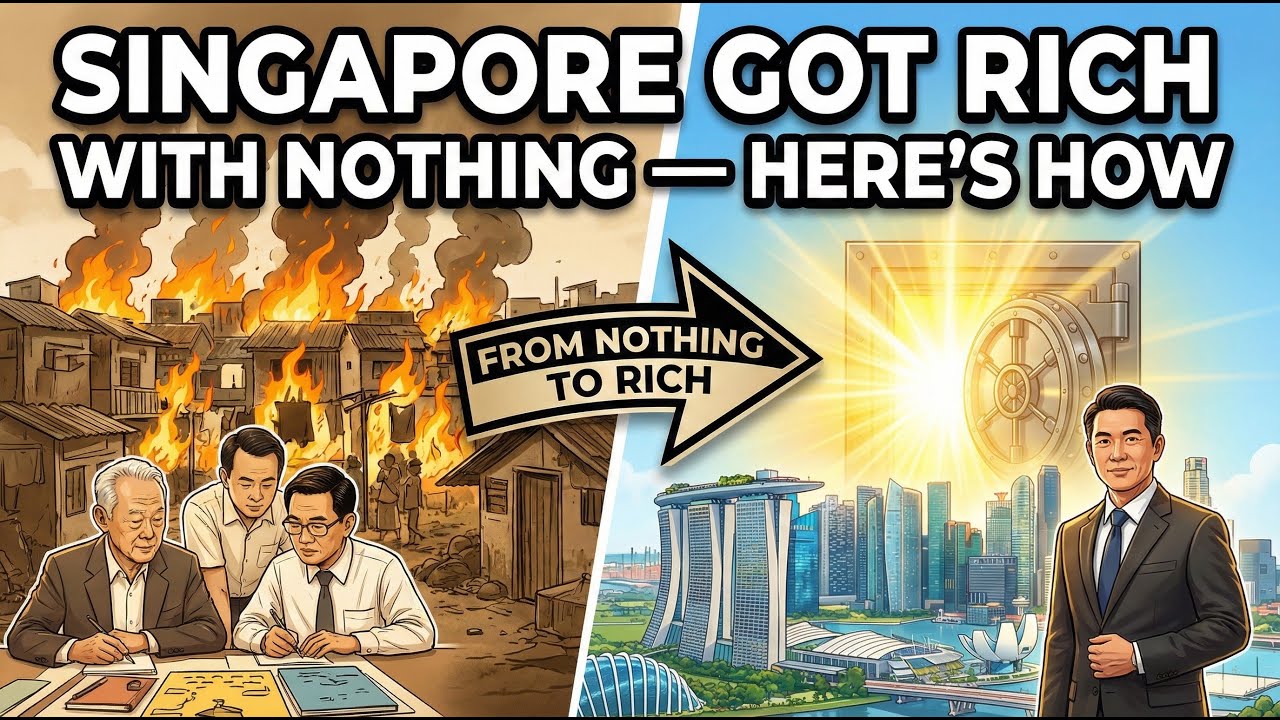
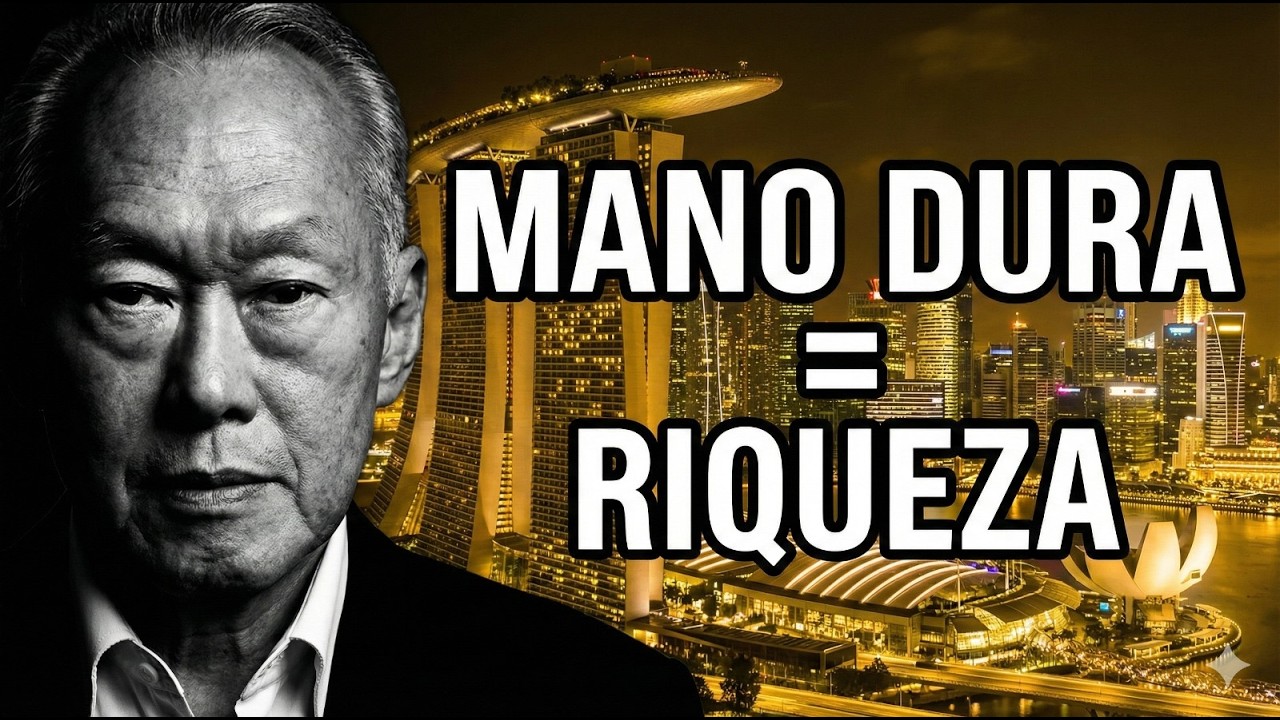
Lee Kuan Yew transformed Singapore from a war-torn, impoverished colonial territory into one of the world's most prosperous nations by implementing a unique hybrid governance model that combined authoritarian control with democratic elements, free market capitalism with state intervention, and multicultural integration with strict social discipline, demonstrating that pragmatic governance tailored to specific national circumstances can achieve remarkable development outcomes even when departing from conventional ideological frameworks.
Lee Kuan Yew and the Making of Modern Singapore
Added:The history of British decolonization in Southeast Asia and the geopolitical vulnerability of newly independent city-states in the mid-20th century.
The concept of a 'developmental state' and the principles of state-led capitalism (dirigisme) versus laissez-faire economics.
The regional geopolitics of maritime Southeast Asia, specifically Singapore's relationship and brief merger with Malaysia (1963-1965).
Basic definitions of political systems, specifically the characteristics of illiberal democracies and soft authoritarianism.
A comparative analysis of the 'Four Asian Tigers' (Singapore, Hong Kong, South Korea, and Taiwan) and their distinct economic growth models.
The philosophical debate surrounding 'Asian Values' and the perceived trade-offs between individual civil liberties and collective social stability.
The study of state-owned enterprises (such as Temasek Holdings) and sovereign wealth funds as engines for national economic development.
The governance challenges of post-Lee Kuan Yew Singapore, including political succession, demographic decline, and wealth inequality.
456.4K views11.6Klikes25:33Original Release: 2022-06-10
this video is brought to you by squarespace from websites and online stores to marketing tools and analytics squarespace is the ultimate all-in-one platform to build a beautiful online presence and run your business you can check out squarespace through the link in the description below more about them in a bit it was the era of great east asian authoritarians up in china and mao zedong clung to power in south korea park chung he mixing economic progress with an iron fist in the philippines in indonesia corrupt kleptocrats ferdinand marcos and sahato were plundering the nation's treasuries to say nothing of the mad house in north korea it was a time of strongmen are powerful rulers who dominated their nations but not all of them would be awful on a tiny island at the south of the malay peninsula one man would forge a different kind of regime a hybrid that would mix authoritarianism with democracy oppressive laws with staggering wealth free market capitalism with state control known as lee kuan yew he would create modern singapore coming to power at the end of the colonial era lee inherited a singapore still ruined by war and riven with poverty and ethnic divisions yet he somehow managed to transform it into one of the richest safest nations on earth controversial in his methods brilliant in his results this is the story of singapore's father [Laughter] given that he's now famous for championing singaporean independence it can be a surprise to discover just how much lee kuan yew benefited from british rule when he was born on september 16 1923 it wasn't into a world of poverty and depression but into a family embedded among the colonial elite as a fourth generation straight chinese the lays were part of an ethnic group who'd come to control the british colony decades before mixing their culture with that of both the local malay and the ruling british for lee that meant growing up in a mostly english-speaking environment until he was an adult nearly everyone he knew called him harry lee it also meant growing up in relative comfort with his solidly middle-class parents lee was able to attend the raffles institution an elite school named after the port city's british founder but while he was certainly pampered young harry lee wasn't just coasting through life although undoubtedly part of the elite the boy's family came from the lower rungs of the privileged ladder less the one percent and more the struggling to get into the one percent this gave him a drive many of his peers lack to drive to prove his worth when lee graduated in 1939 it wasn't just at the head of his class but ahead of any other student in the whole colony of british malaya it was a vintage piece of lee kuan yew a combination of searing intelligence extreme determination but also a desire to show off to prove he was better than anyone else and it worked that far lee planned to go to study at a prestigious university in england just the first step on a short staircase that would take him to the top of the colonial administration but you know what they say about the best laid plans of mice and men while the arrival of world war ii was about to do to lee's plans what a sadistic cat does to a helpless mouse the eruption of conflict in europe forced the ambitious young man to stay put in singapore trading england's green and pleasant land for a scholarship at raffles college it wasn't all a bust it was while studying that lee met his future wife lawsuit and kwa gyoku on the other hand it also meant that he was still in singapore in early 1942 when the japanese imperial army came rolling in the battle of singapore began on february the 8th after the fall of mainland british malay by now the colonial authorities had destroyed the bridges to the islands and concentrated their forces of tens of thousands of troops with the added advantage of a defensive ring of heavy guns they theoretically could have kept the japanese at bay in the end though they barely managed to hold them off for a week despite an order from churchill to keep fighting singapore's governor surrendered on february the 15th at which point the imperial army did what it did best and launched a campaign of mass murder as a straight chinese the japanese occupation was an odd time for lee on the one hand the japanese were actively hunting down and killing chinese people on the island one time lee was nearly caught by a death squad another he was interrogated and humiliated on the other hand he was also part of the elite the japanese still needed to run their new territory once the chaos of the invasion was over family connections managed to get him a job at the imperial news agency dumay where he quickly learned japanese what he was really doing there remains uncertain in the closing days of the war lee was suddenly forced to go into hiding it's been speculated that he was passing information onto british intelligence and may have been discovered whatever the truth lee managed to stay underground until the danger had passed on the 12th of september 1945 british forces liberated singapore yet lee didn't exactly welcome them back with open arms the easy surrender of singapore had left many on the island with a bitter taste in their mouths from seeing himself as part of the colonial elite he had now gone to seeing the brits as people who abandoned his home in a tower of need as lee himself later wrote the war had left him determined that no one either the japanese nor the british had the right to push and kick us around although lee came out of world war ii distinctly unimpressed with singapore's overlords that didn't mean he was entirely done with britain after working in the post-war black markets for a year it pulled together enough cash to get a boat to england to take up his studies for four years he'd live at the heart of the empire it was an experience that would transform his life as lee quickly found out britain was somehow both more or less than he'd imagined during his colonial childhood on the one hand he developed a deep love for the rolling hills of the west country and life among the money to leak on the other hand he soon discovered that his hosts could be unbelievably racist so rude were so many people to this asian man walking among them that any remaining scales fell from lee's eyes as he later noted i saw no reason why they should be governing me they're not superior still it wasn't all bad times while in england lee finally married quake cho more significantly for our story though he also got deeply involved in politics this was the era of the atly labor government perhaps the most left-wing in british history helping the party campaign in tottenham's for the 1950 election lee began to drink in its ideas to take on board its great plans for social housing for establishing powerful state monopolies when he returned to singapore he'd carry them back with him tucked up carefully in his heart alongside the anti-colonial ideas that had picked up mixing with african and indian students although left-wing politics seemed a natural fitfully back in singapore he resumed his life among the money class a young wealthy lawyer who loved golf and fancy cars but lee was deeply aware that left-wing politics could also mean something more than just wealth redistribution a chance to stick it to the colonial administration over the next few years lee honed his oratory addressing strikers and defending activists in the courts developing a punchy street fighting style yet he took care to keep his distance from those who actually threw punches lee you see felt activism had to come second to law and order especially given the rise of communism the 1949 creation of the people's republic of china returned a generation of singaporean chinese into hardcore red activist activists determined to win singapore's increasing number of elected seats by now lee was acutely aware that he'd need some of this vast chinese population on his side if he ever wanted to win elections but he also detested communism his solution the people's action party formed in 1954 pap was a shotgun marriage between singapore's anglicized left wingers and the chinese-speaking communists who actually wanted to get into power from lee's perspective though it was also a way for him to appeal to local chinese voters who might otherwise regard him as unacceptably close to britain to help sell his credentials he brushed up a mandarin learned hockey and then just for the heck of it he also learned tamil by the time of 1955 election lee was able to appeal directly to all of singapore's major ethnic groups in their own tongues be they chinese malay or indian it was a stupendous feat of learning sadly though it wasn't enough that year pap lost out to singapore's other major left-wing party the labor front but what was bitterly disappointing on that night soon turned out to be a blessing ruling as a minority government labor front lost control of the striking workers causing britain to pause singapore's timetable for decolonization paranoid this was all the fault of communist agitators laborfront launched a brutal crackdown targeting the chinese the result an unpopular government that also did lead the massive favor of kneecapping his communist rivals in pap by the time of the 1959 election the once divided party was largely under his control the results that made were a blowout for the ap netting them all but eight of the 51 contested seats just a few days later on june 3rd 1959 the british surrendered internal control of the island at age 35 lee kuan yew became the first prime minister of singapore yet the wunderkind had no intention of leading his island to complete independence instead the b.a.p had run on a specific platform one of taking singapore fully out of british control and into federation with malaysia the fulfillment of that plan would soon become lee's greatest triumph and his darkest nightmare alright we'll get back to today's video in just a minute but first a quick word from today's video sponsor squarespace you know what's great about the summer vacation time off a little bit of r r it's the perfect time to spend on the beach daydreaming about that next project that you want to work on fortunately squarespace gives you every possible tool you might want to get started with that next project whether it's a small business a sports blog a creative portfolio or just a page full of dank memes it doesn't matter if you can dream it you can build it with squarespace if you're looking to get in and out quick without thinking too much about what your website should look like bam use one of their quick and beautiful templates to make a website that's fresh and for you or maybe you're more the hands-on person you've got lots of opinions and ideas about what exactly your site should look like well squarespace gives you all of the customization options you could ever want no updates no patches no technical bs to worry about once you're done setting up your website tinkering with the design if you're so inclined or maybe playing with the colors there are so many extra features that squarespace provides so your website can thrive email campaigns patronage portals social integrations member-only areas analytics commercial options 24 7 customer support really everything you need is in one place so when you're ready to get started go to squarespace.com for a free trial and when you're ready to launch your new site go to squarespace.com forward slash biographics to save 10 of your first purchase of a website or a domain and now back to it so here's something you need to know about singapore it really shouldn't exist at a little over 700 square kilometers it's a quarter of the size of rhode island it's home to an ethnic mix with no natural shared language or culture plus a host of different religions it's also resource poor without even enough water to sustain itself as lee himself put it long after it somehow made this impossible state work to understand singapore and why it is what it is you've got to start off with the fact that it's not supposed to exist and cannot exist we don't have the ingredients of a nation the elementary factors homogeneous population common language common culture and common destiny hence the insane effortlessly put into joining malaysia independent since 1957 malaysia had the resources and market for products that singapore needed to stay afloat and they were happy for their island neighbor to join in 1961 lee met malayan prime minister tunku abdul rahman to discuss a merger between their nations plus sarawak and north borneo a tentative agreement was reached unfortunately this alone was enough to make singapore explode while many backed pap on malaysia a whole bunch of chinese were terrified it could be their ticket to becoming a persecuted minority that summer a splinter faction from p.a.p formed the barris and socialist to campaign against the merger so lee called a referendum which returned a solid pro-malaysia majority but when riot then broke out he decided to put an end to the boris and socialist once and for all launched in february 1963 operation cold store was perhaps the first time lee kuan yew showed just how far he was willing to go to keep order over a hundred people including all of baris and socialist leaders were arrested and held without charge effectively locked up for opposing the merger it was a glimmering of the hard authoritarian edge lee would display all his life but it also ensured singapore would join the malaysian federation on august 31st 1963 lee held a special ceremony to mark the end of british influence over the island and swear loyalty to kuala lumpur just over two weeks later singapore ceased to exist as an independent state and a bright new future as part of a dynamic federation began at least that's how the script was supposed to go in reality lee would barely have time to celebrate his greatest political trial before it all came crashing down in flames the reasons the singapore malaysia union collapsed to legion and vary depending on who you're talking to but there are some common threads from the staggering taxes kuala lumpur levied on the island to lee's aggressive attempt to expand pap's reach on the mainland but perhaps the clearest threat running through every part of this disappointing tapestry was the issue lee feared most of all race to simplify a complex issue the new malaysia wanted to promote malay culture while lee felt only an avowedly multicultural project could stop the peninsula from descending into ethnic violence when two separate race riots paralyzed singapore knight 64 killing 36 and injuring hundreds both sides felt their worst suspicions had been confirmed by summer 1965 tensions were no longer simmering so much as they were boiling over the edges of the pot and covering the stone in angry resentment that june things got so bad that tunku abdul rahman basically went you know what to hell with this fool the process of expelling singapore from malaysia was as swift as it was irreversible while he was given a few days notice to give the illusion that this was a mutual parting it was a clear case of jump before you pushed on august 9 1965 lee held a press conference to confirm what news had reported that morning that singapore had left the federation to call it a shock would be an understatement most of lee's cabinet hadn't even been told until less than 48 hours before the announcement but that afternoon it was lee who seemed to be most shocked of all eyes glistening with tears lee asked his countrymen to stand firm to believe that they really could survive as an independent state later he would call that press conference his moment of anguish and it's easy to see why for the first time in modern history this tiny overcrowded island was now utterly alone alone in a dark hostile world surrounded by larger powers unless he wanted to be remembered as the man who destroyed singapore lee was going to need a miracle since we're living in a world where singapore clearly didn't implode into ethnic violence there's not much point in us structuring this chapter like a narrative following lee kuan yew as he struggles to make miracles happen instead we're going to dive into the details of lee's rule without regard for chronology so you can see for yourself how he held his city-state together one of the biggest issues the young country faced was his ethnic cocktail one which had already produced two notorious race riots with so many chinese malayan indians all crowned together singapore was always going to be multicultural but lee surprised everyone by how far into that he leaned rather than favor one language or culture over the other lee's solution was to embrace aspects of all of them chinese tamil and malay were all made official languages with english promoted as the lingua franc were to bind them together the calendar was stuffed with public holidays for all the major religions with christian muslim hindu buddhist and chinese celebrations sprinkled throughout the year perhaps most surprising though was housing policy underly the housing and development board or hdb became one of the most powerful government department eventually building homes for around 80 of singaporeans this is important because many hdb blocks were given strict ethnic quotas intended to reflect the demographics of the country at large in other words an enforced multiculturalism that lee intended to stop the formation of ghettos another big issue was poverty if like me you grew up long after singapore became a byword for well-ordered and freakishly clean it can be hard to imagine the state it was in owen lee assumed power the people were poor the streets dirty tracts of land still scarred by war damage half the population was functionally illiterate as one popular travel magazine of the era sniffed utter filth and poverty one must see with his own eyes to believe it fast forward to 1990 and singapore would be the second richest nation in asia so how did this happen what potent ideology did lee seize upon to transform this small tropical island the answer none grafted onto a european or american understanding of left and right the great singapore experiment can be laughably hard to quantify the finance in the free market were embraced along with low corporate tax rates and all sorts of incentives for international businesses to base themselves there at the same time though lee never forgot the lessons he'd learned from atlee's labor government in britain certain sectors such as housing were dominated by powerful state monopolies with a level of government intrusion into people's lives that would give most conservatives a heart attack most famously this came in the form of social improvement campaigns a hard-bitten realist lee didn't trust his fellow humans not to be gross so he employed a carrot and stick approach to stop citizens from doing everything from spitting or chewing gum to fly tipping and failing to flush the toilet in this case the stick was quite literal those who acted crude in public could be sentenced to not just fines but also caning yet for all its weird mishmash of what we consider right and left it's hard to deny that these methods worked poverty rates plummeted literacy skyrocketed the city became cleaner richer and more orderly than the british could have ever dreamed back when we did our geographic video on singapore itself we talked and wonder about how such ideological opposites such as margaret thatcher and den xiaoping could both visit and come away thinking i want to do that yet despite his own professed lack of ideology in a weird way you can see a consistent logic to lee's decisions a champion of what he called asian values lee believed in putting the health of society above the rights of the individual no matter who those individuals were that meant coming down on corrupt government officials like a ton of angry bricks it meant ensuring a high-wage economy for everyone in the public sector and creating a compulsory saving system for health care there's a reason millions mourned when lee kuan yew died in 2015 and that's because he faced a future where singapore could have easily been poor or corrupt or just really really divided and instead he created a safe stable and wealthy society but that doesn't mean it was all a utopia it's time for us to take a quick look at the darker side of life in lee's gleaming metropolis one marked less by great strides in living standards more by creeping authoritarianism back in our opening oh we lumped lee kuan yew in with some pretty unsavory characters while that was mostly to demonstrate how different he was from other east asian rulers in this era it was also because he at least vaguely belongs in their group no one but no one could stay in power for over 30 years without having at least a mild authoritarian streak and lee's streak was sometimes a shade or two beyond mild for starters is singapore functioned under some pretty strict limits on free speech and public assembly it also featured a judiciary that was less than independent while judges were free from obvious interference they still towed the pap party line on nearly all significant rulings and speaking of pap it wasn't just lee who became a permanent feature of the landscape despite technically being a multi-party democracy with free and fair elections singapore effectively became a one-party state between 1966 and 1981 not a single seat in parliament was held by a non-pap politician when a record 40 of voters backed opposition candidates in 2011 just six of 87 seats went to other parties part of the reason for this was pap's ability to spot emerging new talents and co-opt them bringing the best and brightest into the fold another was the party's genuine enduring popularity but at least part of it was due to pap's vice-like grip over society not just central government but local work brigades residence committees and local associations they all fell under his spell to take part in civil society almost by default had to get involved with pap this meant a level of identification with the party that pretty much no one in the opposition could muster and when they tried it often meant trouble unlike a classic lock em up or shoot em authoritarian lee had a much more humane yet equally effective way of dealing with political opposition thanks to stringent libel laws critics of the government could easily be hit with devastating lawsuits opposition star war jbj retinum was repeatedly bankrupted by politically motivated rulings from lee's point of view the reason for all of this was clear loosen things up in society just a little and the demons of ethnic strife or communist agitation might come howling out again as he confessed in an interview long after his retirement i'm not saying that everything i did was right but everything i did was for an honorable purpose i had to do some nasty things locking fellows up without trial still sometimes this obsessive micromanaging of society spilled over into cartoonishness under lee's tightly controlled rule the specific types of trees that could be planted by roadsides were mandated and the government even set up its own dating agencies to try and get high quality graduates to reproduce more seriously an aggressive drive to stop families having more than two kids was so successful that it badly damaged the birth rate leading to an ongoing demographic crisis so yeah if you're used to europe or america's focus on individual freedoms life underly probably would have seemed stifling a democratic hero he certainly was not yet lee never really claimed to be a democrat he was always clear-eyed about what he wanted to achieve via his soft authoritarianism and the results speak for themselves in lee's time in power singapore's life expectancy increased by 10 years literacy levels skyrocketed gdp per capita went from relatively low to among the highest on the planet while the nation he constructed would be one many outsiders found oppressive william gibson famously dubbed it disneyland with the death penalty it was also one in which its citizens were both extremely safe and often extremely comfortable but perhaps lee's cleverest move would have come at the end of his rule rather than simply staying in power until he died like most authoritarians he did something that helped prepare this tightly controlled society for life without him he willingly stepped down lee kuan yew's time as prime minister ended on november 28th 1990 when he handed the reigns over to gorchok tong still this wasn't the end of lee's influence on singapore like denshopping in china lee may have vacated the throne but he remained a significant power behind the scenes first as the cabinet senior minister and then in the specially created role of minister mentor this way he was able to keep his steadying hand on the tiller through all 14 years of gauze premiership right into the early years of zelda's son lee hassan lung's ongoing reign it was may 2011 before lee finally surrendered any role in politics following a historic election that saw pap's vote dropped to its lowest level ever by then though it was abundantly clear that the nation he had forged would be capable of carrying on without him lee kuan yew died on march 23 2015 at the age of 91. as he breathed his last it was at the center of an island nation that had utterly transformed in his nine decades a one-time tropical colony that was now both a gleaming metropolis and one of the most avowedly multicultural nations on earth today it's hard to overstate the impact lee had in his long life as pap's main visionary he more or less created modern singapore the wealth the safety the limits on free speech the luxurious lives of many inhabitants they all can be rested at his feet to be sure the system he left behind isn't ideal inequality remains a problem and government censorship has gotten even more hard hard-edged over the last decade or so but when you look at the cards lee was dealt after singapore crashed out of malaysia and then look at the results well it's hard to argue that he didn't play his hand spectacularly sometimes people like to talk about the idea of a benign autocrat the leader who may hoard power but really does have their people's best interests at heart normally this is just a comforting story dictators tell themselves a handy fiction to cover their corruption and psychopathy yet lee was the rare ruler who did fit this mold maybe his tactics were at times questionable maybe he sometimes did some bad things without him though singapore today would likely be a much poorer much more divided place he may not have been perfect but lee kuan yew was undoubtedly one very important thing a visionary [Music] you
Up Next

6:07
Federalism Explained: U.S. Constitution and Government Powers
@fra0diavolo
41.8K views•2011-07-02

24:30
BRICS Pay and de-dollarization: A New Financial Order Emerges? | 55 chars
@DannyHaiphongYT
164.6K views•2024-10-22

7:33
Government Surveillance Methods: 10 Ways You May Be Watched
@BeAmazed
1.6M views•2017-04-09
10:19
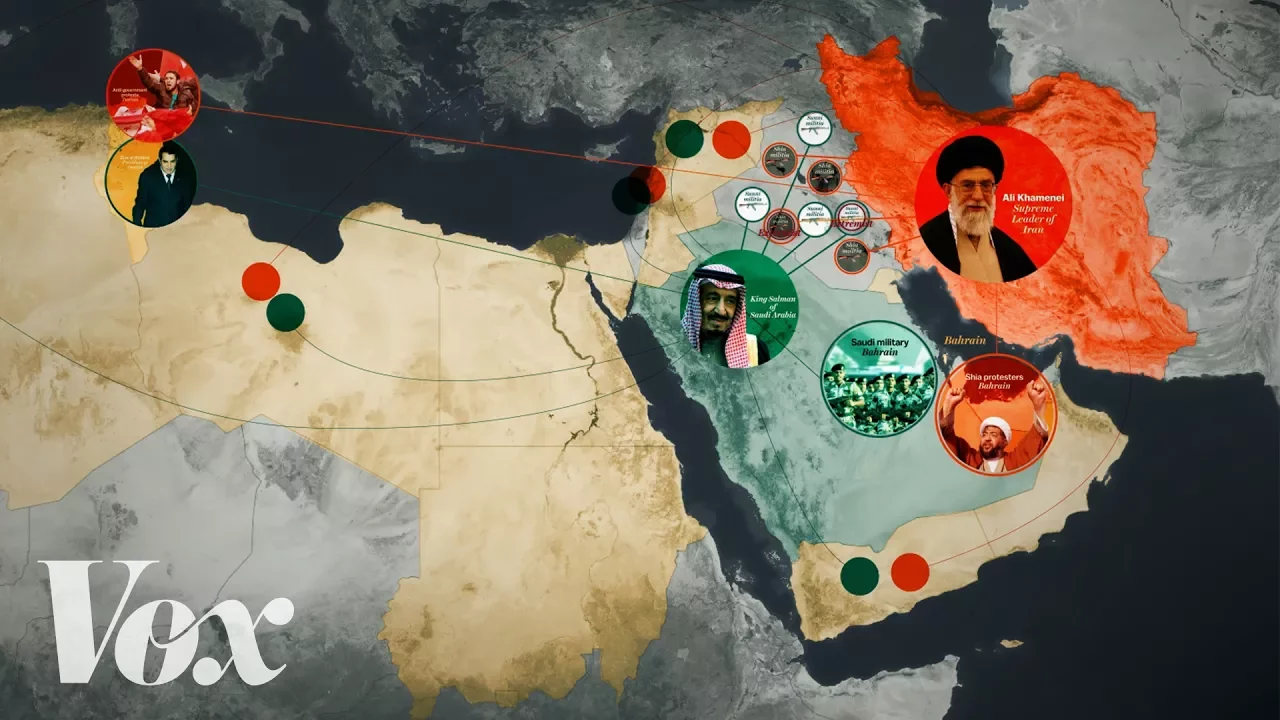
Explaining the Saudi-Iranian Proxy Conflict in the Middle East
@Vox
18.2M views•2017-07-17
Related Study Plans & Knowledge Roadmaps
Structured learning paths in Political Science
political-science
Economic Statecraft: Sanctions & Chokepoints
01Foundations of Geoeconomics and Economic Statecraft
02The Mechanics of Weaponized Interdependence
03International Sanctions: Types, Implementation, and Efficacy
+ 2 more learning modules
12h5 modules
Explore Roadmap
political-science
Central Bank Independence: Politics & Policy
01Foundations of Central Banking and Monetary Policy
02The Time Inconsistency Problem & Inflation Bias
03The Delegation Model and Designing Independence
+ 2 more learning modules
12h5 modules
Explore Roadmap
political-science
Consociationalism: Power-Sharing & Stability
01Democratic Dilemmas in Divided Societies
02Introduction to Consociational Democracy
03The Four Pillars of Consociational Design
+ 2 more learning modules
12h5 modules
Explore Roadmap
political-science
Rebel Governance: Legitimacy, Economy & State
01Foundations of Rebel Governance and Statehood
02Establishing Political Legitimacy and the Rebel Social Contract
03Wartime Economies and Rebel Resource Management
+ 2 more learning modules
14h5 modules
Explore Roadmap