
















![¿Podemos ser 100% Renovables? [Charla] 💡 Sígueme la Corriente](https://i.ytimg.com/vi_webp/yEqm6rVYhTc/maxresdefault.webp)





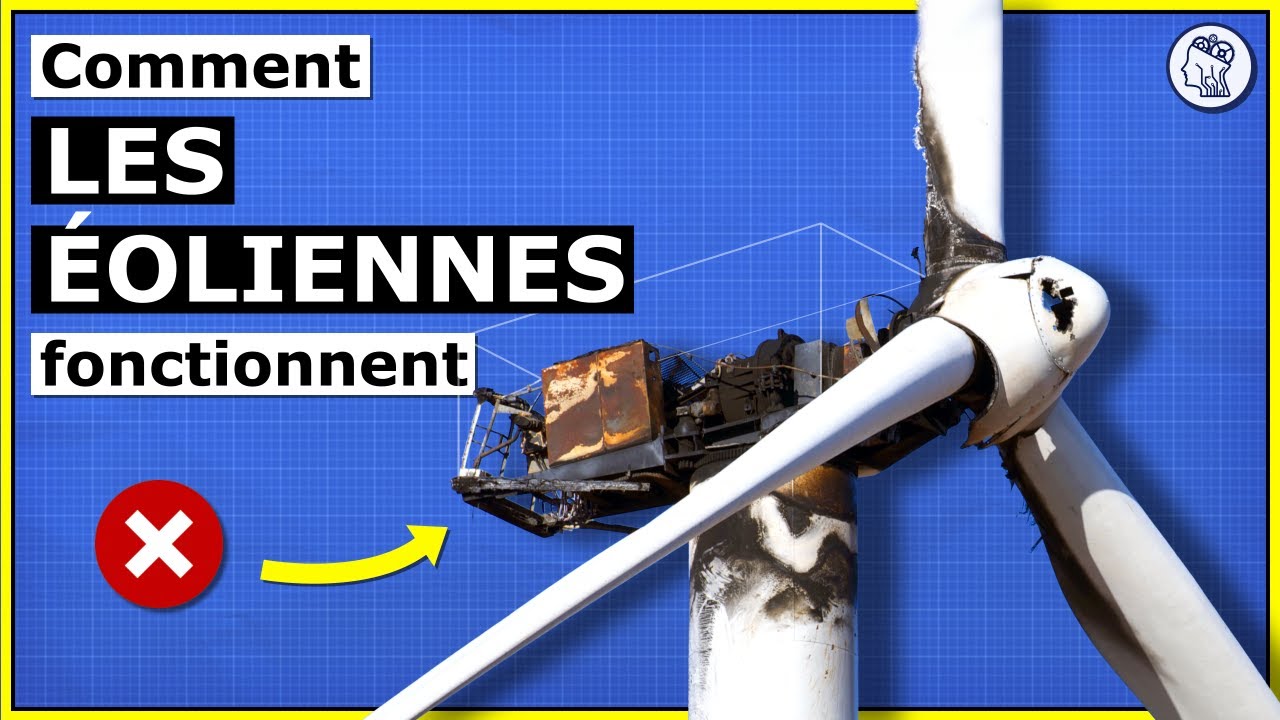
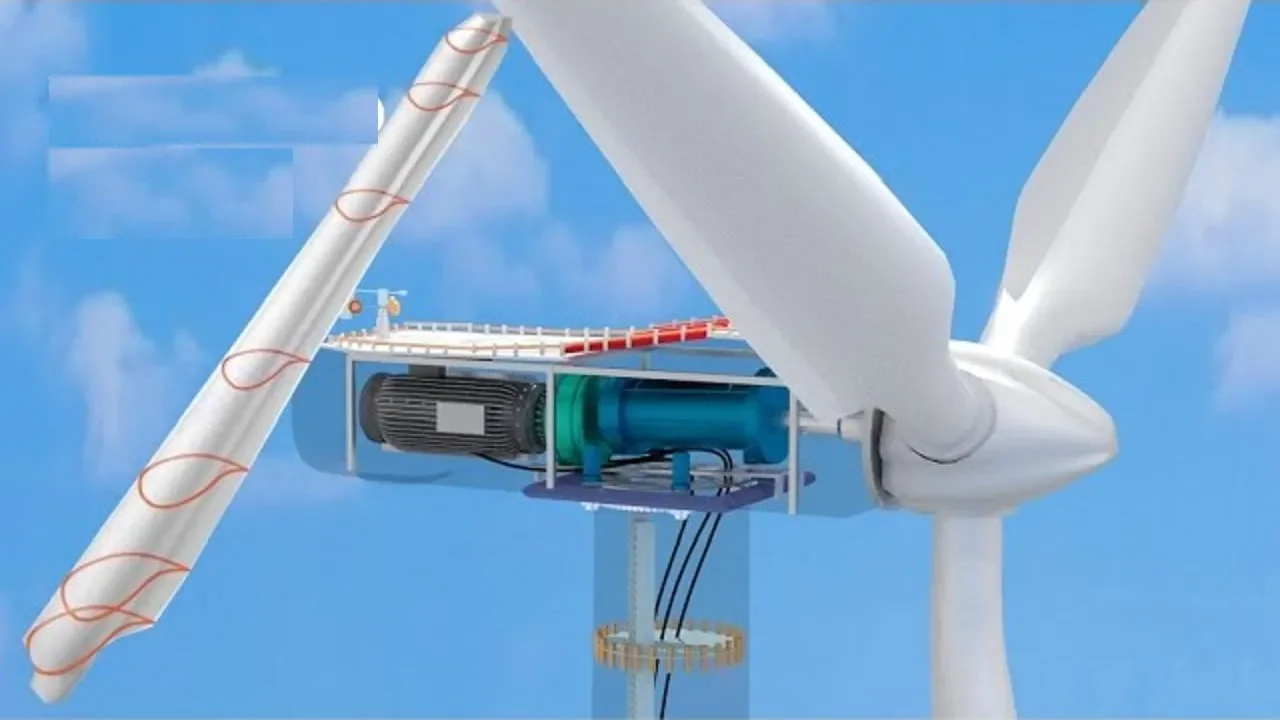
A wind turbine converts kinetic energy from wind into electrical energy through three major components: the tower (steel structure with protective coating, supported by a deep concrete foundation), the nacelle (housing the gearbox, braking system, directional control, generator, and electrical transmission), and the rotor assembly (three-bladed structure that captures wind energy and converts it to rotational motion, which is then transformed into electricity via electromagnetic induction in the generator).
Anatomy of a Wind Turbine: Key Components Explained
Added:The Law of Conservation of Energy and the concept of converting mechanical energy into electrical energy.
Basic principles of electromagnetism, particularly how a generator utilizes magnetic fields to produce electricity (Faraday's Law).
Fundamental aerodynamics, specifically how lift and drag forces interact with blades to create rotational motion.
An understanding of basic electrical concepts, such as voltage, current, and the distinction between AC and DC power.
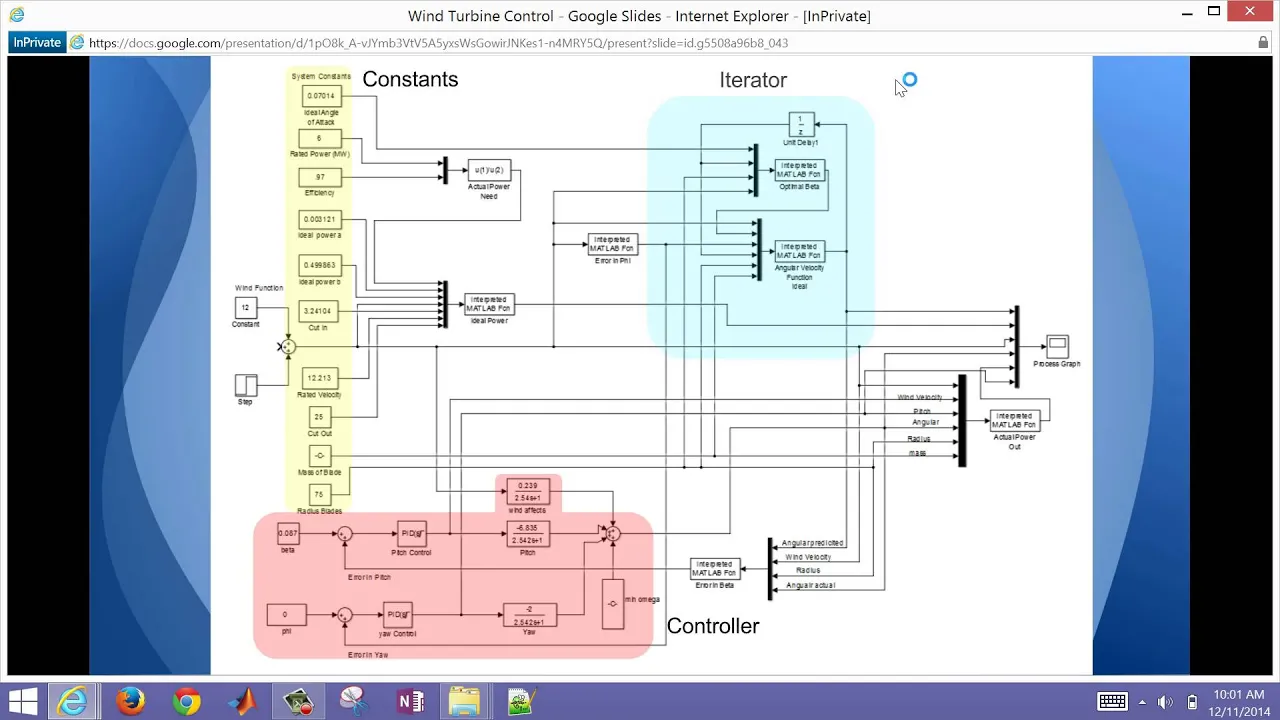
Advanced wind turbine control systems, including active pitch and yaw mechanisms for optimizing efficiency and safety in varying wind speeds.
The engineering challenges of offshore wind energy, focusing on deepwater floating foundations and marine environment corrosion.
Grid integration and energy storage solutions, addressing the intermittent nature of wind power in modern electrical grids.
The economic and environmental lifecycle assessment of wind farms, including capacity factors, maintenance, and recycling of turbine blades.
241 views5likes8:36Original Release: 2023-01-14
have you wondered what's inside a wind turbine you and I have an insatiable appetite for electricity come with me and we'll look at the issues relative to wind farms and the communities that they serve this is the wind Funk guy hi this is Dennis Stout and thank you for joining me for this episode of the Wind Farm guy a modern wind turbine is made up of many different parts which can be broken down into three major groups the tower the nacelle and the rotor assembly the main support towers made up of Steel finished with a number of layers of protective paint to Shield it against the harsh elements to which it will be exposed wind is stronger the fast and faster the further away from the ground this is because of friction with the ground so wind companies make the tower as tall as they reasonably can considering all of the project constraints like economics permitting and the local setting of course the tower must be tall enough to ensure the blades don't interfere with normal day-to-day operations at ground level the blades at their lowest point do not come anywhere close to the ground to ensure the tower is securely attached to the ground a 15 to 20 foot deep concrete foundation is poured requiring as much as 30 000 tons of cement the anchor bolts for the tower are embedded deep into the concrete pad itself a turbine Foundation looks sort of like a flattened out upside down funnel the center narrow part of the funnel is called the pedestal the soil is then backfilled so that the only thing coming out of the ground is the top of the pedestal with its protruding bolts the tower is then securely bolted onto this concrete foundation and is designed to be strong enough to hold up the nacelle and the rotor blades in all weathers for that area now the nacelle is that bus size box at the top of the wind turbine the rotor assembly is attached to the front of the nacelle housed inside the nacelle are five major components gearbox assembly braking system directional control system the turbine generator and the electrical power transmission system which received the rotating input from the low speed shaft attached at the Hub at the center of the rotor assembly and using a system of Gears it speeds up the rotation to a high speed shaft suitable for running the turbine generator at its Optimum generation speed the high speed shaft from the gearbox then directly drives the rotation of the generator modern wind turbines use two different kinds of braking systems aerodynamic braking and mechanical braking aerodynamic braking or blade Feathering as it's sometimes called is achieved by twisting the rotor blade so they present a smaller cross section to the oncoming wind this means they catch less of the wind and so rotate slower now mechanical braking is the system incorporated into the gearbox mechanical braking is just another term for friction braking similar to what you would find in a car's brakes a rotating disc is mounted into the onto the input shaft of the gearbox and using a hydraulic actuator brake pads are clamped onto the disc and gradually slow the blade assembly to a stop at typical wind speeds the mechanical braking system do not need to be used under normal operation the rotation speed of the blades is controlled using aerodynamic braking alone mechanical brakes are used only if the turbine needs to be stopped completely for example to allow workers to enter and Carry Out maintenance also in the nacelle are systems that monitor the wind and change the direction of the nacelle in order to generate electricity optimally wind turbines should always be pointed directly into the wind to that end on board the nacelle is a small weather station that constantly monitors the wind then Motors turn the nacelle to face it into the wind when the wind changes directions there are constant Direction adjustments throughout the day the generator is the component that turns the rotational energy that is the high speed shaft from the gearbox into electrical input the electrical principle of electromagnetic induction shows that while a magnet is moving past a coil of wire an electrical current is created in that wire inside the generator there are two main components the rotor and the stator the rotor are the parts that rotate and the stator are the parts that don't some systems use rotating magnets against a static coil of wire while other systems use rotating coils of wire against static magnets either way the end result is the same an electrical current is generated the electrical current from the generator is not yet ready for putting on the electrical grid though and so it is First Fed into a small transformer either in the turbine or on a pad Mount Transformer next to the turbine that transforms that voltage to the appropriate output so it can be sent to the next step these electrical systems at the turbine assure output is alternating current which is then sent through buried collection lines to the main power transformer where it is converted again to the voltage that matches the point of interconnect where it is injected into the grid from there that electricity is available for use by homes and businesses and finally there is the rotor assembly where there are three long thin blades that attach to the hub of the nacelle conventional wind turbine engineering today incorporates three blades for more information on why there are three blades watch Wind Farm Guy video number 44 Y3 blades where I go into the science behind that these blades are designed to capture the kinetic energy in the wind as it passes through the rotor assembly and converts it into rotational energy The Hub holds the three blades and is attached to the low speed shaft that rotational energy is later converted into electricity at the generator mentioned earlier at in this video the largest wind turbines being manufactured today are in the neighborhood of 15 megawatt turbines and are designed for offshore applications these turbines can have rotor blades over 150 115 meters long and with a swept diameter of 230 meters at normal operational speeds the blade tips of a 15 megawatt can reach speeds of approximately 230 miles an hour to withstand the very high stresses they experience wind turbine blades are made from Modern Composite Materials like carbon fiber or glass fiber to give the most amount of strength and rigidity for the least amount of weight under normal operation conditions a wind turbines blade is expected to give 20 to 25 years of service before they need to be recycled or replaced if you like what I've said today be sure and click like And subscribe below if you have thoughts or want me to address a particular topic relative to wind farms please also leave me a comment this is a very simplified description of what is going on inside a modern wind turbine in short a wind turbine converts that free kinetic energy that's in the wind into electricity that is then put on the electrical grid so you and I can use that electricity because after all we are kind of addicted to electricity this is Dennis Stout and I'm the wind farm guy [Music] watching working together we can make good energy decisions and save our planet I am the informed guy
Up Next

6:30
Wind Turbine Components & Degrees of Freedom | DTU
@DTUWindEnergy
216.3K views•2016-02-26
30:32
Ultrasonic Transducers: Resonant Frequency Measurement and Horn Design
@imajeenyus42
229.9K views•2017-02-22
54:16
Polymer Environmental Degradation: Mechanisms & Stabilization
@iit
1.8K views•2012-07-10
33:39
How a Student's Question Saved a NYC Skyscraper from Collapse
@veritasium
22.8M views•2025-04-26
Related Study Plans & Knowledge Roadmaps
Structured learning paths in Engineering
engineering
Building Acoustic Levitators: Physics & Arduino
01The Physics of Sound and Standing Waves
02Piezoelectric Transducers and H-Bridge Drivers
03Arduino Programming: Generating 40 kHz Signals
+ 2 more learning modules
14h5 modules
Explore Roadmap
engineering
Building Peltier Cloud Chambers: Particle Tracks
01Cosmic Rays & Cloud Chamber Physics
02Thermoelectric Cooling (TEC) Fundamentals
03Custom Liquid-Cooling Loop Design
+ 2 more learning modules
18h5 modules
Explore Roadmap
engineering
Yagi-Uda Antennas: Modeling, Build & VNA Test
01Introduction to RF and Antenna Fundamentals
02Yagi-Uda Antenna Design Principles
03Antenna Modeling and Simulation in 4NEC2
+ 2 more learning modules
18h5 modules
Explore Roadmap
engineering
ECG Monitor Design: Op-Amps, Filters & Noise
01Electronics & Breadboard Basics
02Op-Amps and Instrumentation Amplifiers
03Bioelectricity and ECG Fundamentals
+ 2 more learning modules
18h5 modules
Explore Roadmap