






















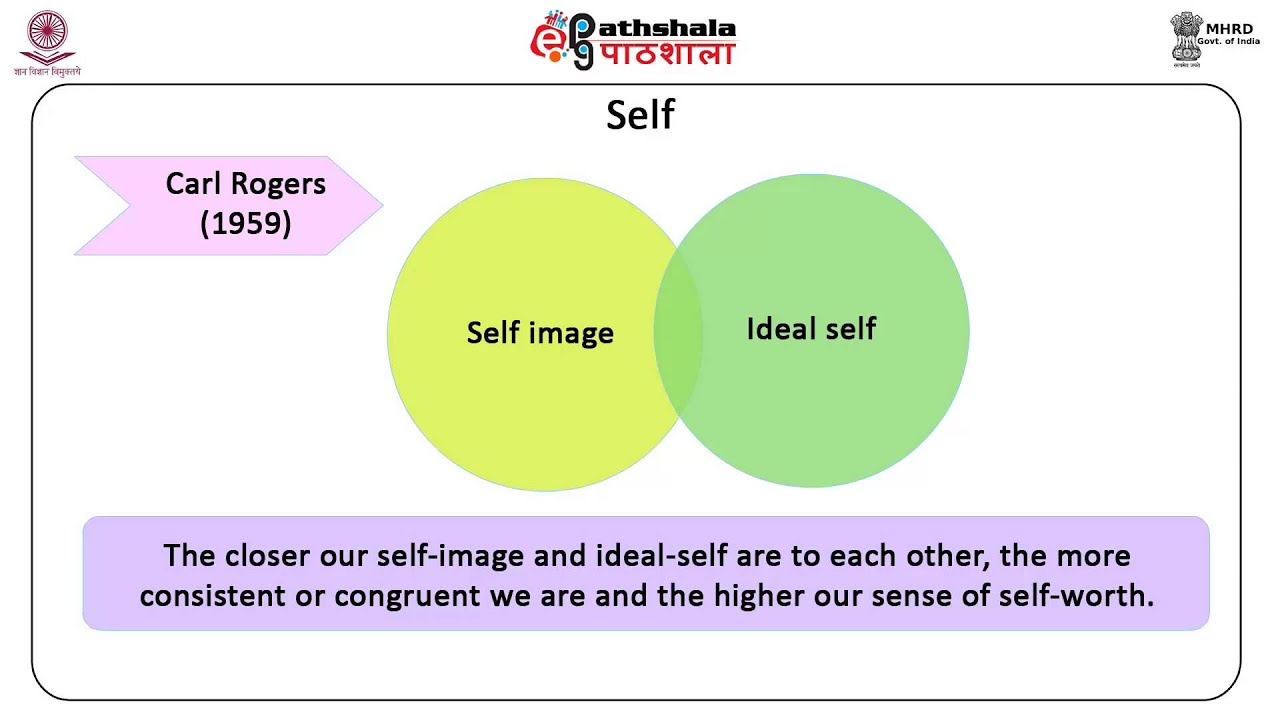


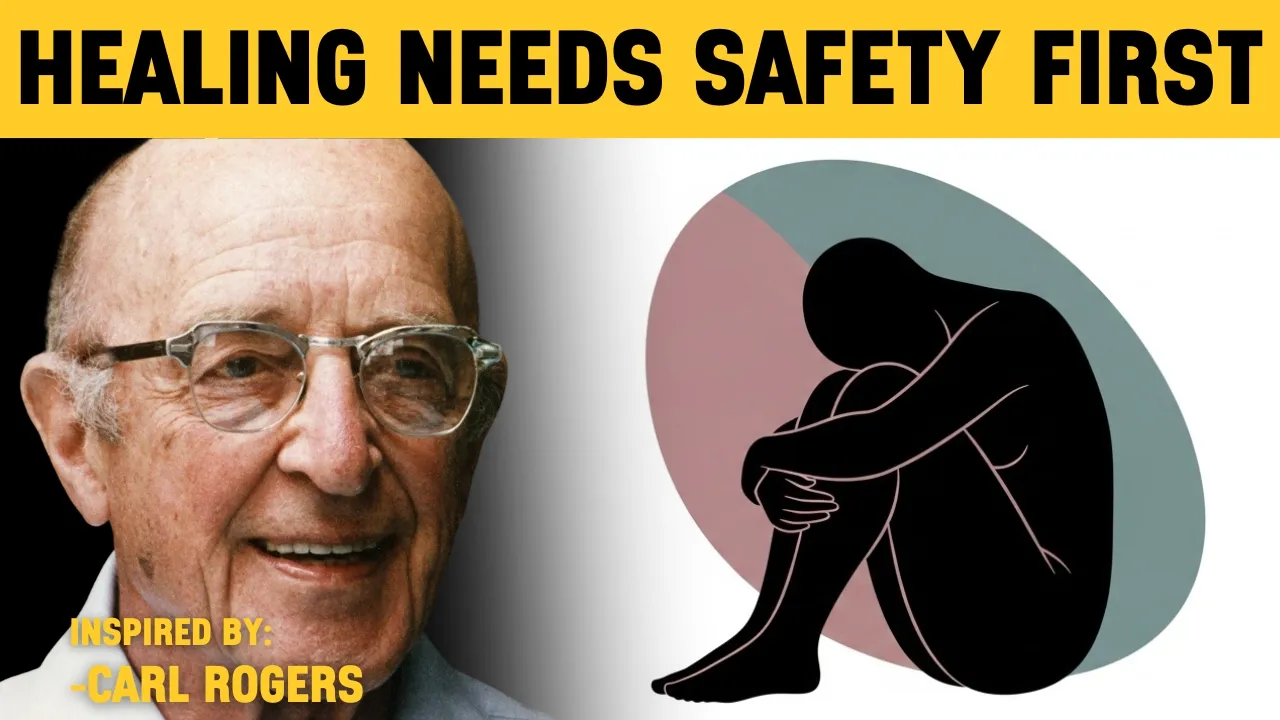


In person-centered therapy, therapeutic change occurs when the therapist creates three essential conditions: congruence (authenticity and transparency where the therapist's inner experience is present in their communication), unconditional positive regard (genuine caring and acceptance of the client as a separate individual), and empathic understanding (the ability to enter the client's inner world and sense their feelings). When these conditions are present, clients typically experience changes including deeper exploration of feelings, discovery of hidden aspects of themselves, increased self-acceptance, greater capacity for self-evaluation, and more direct relating to others.
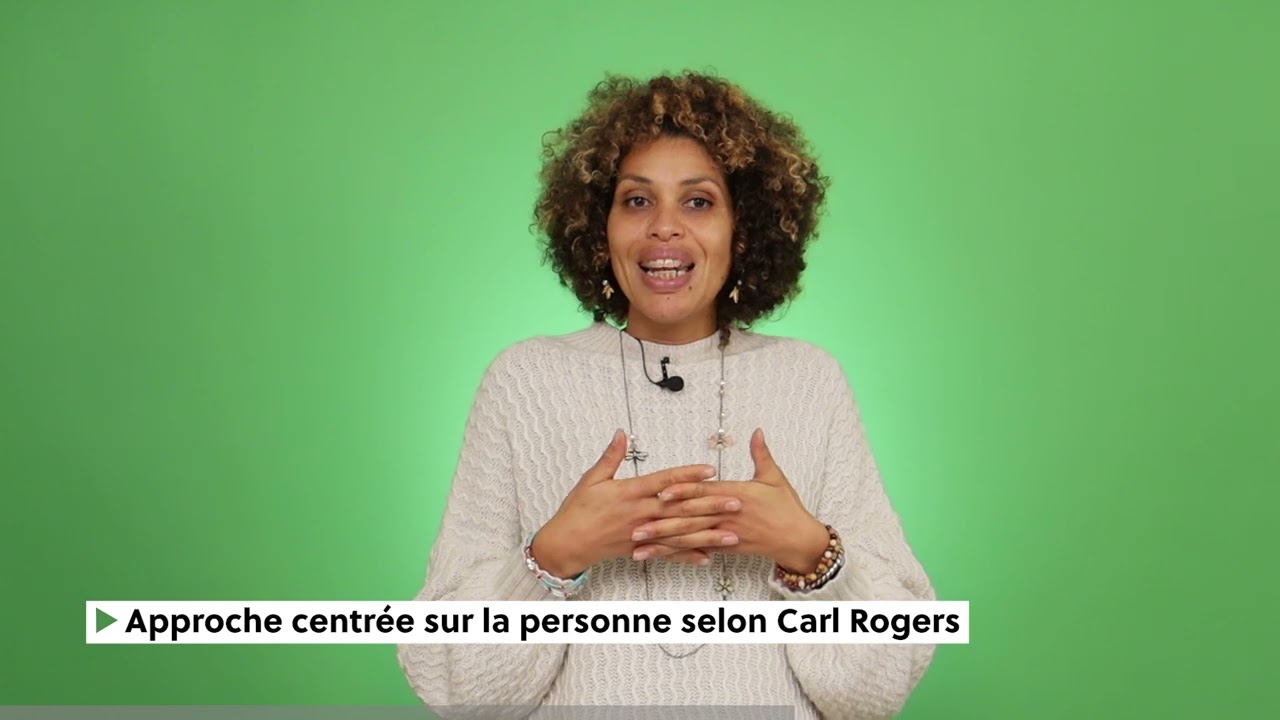
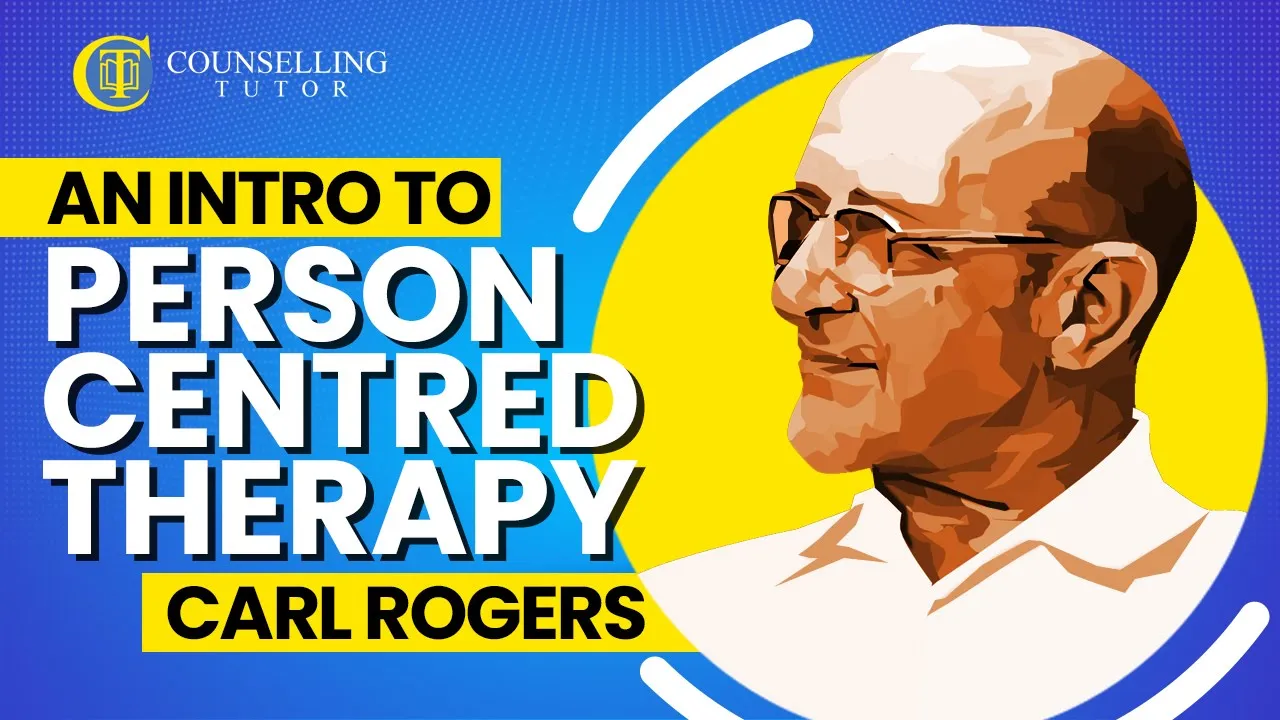
Carl Rogers: Person-Centered Approach and Conditions for Therapeutic Change
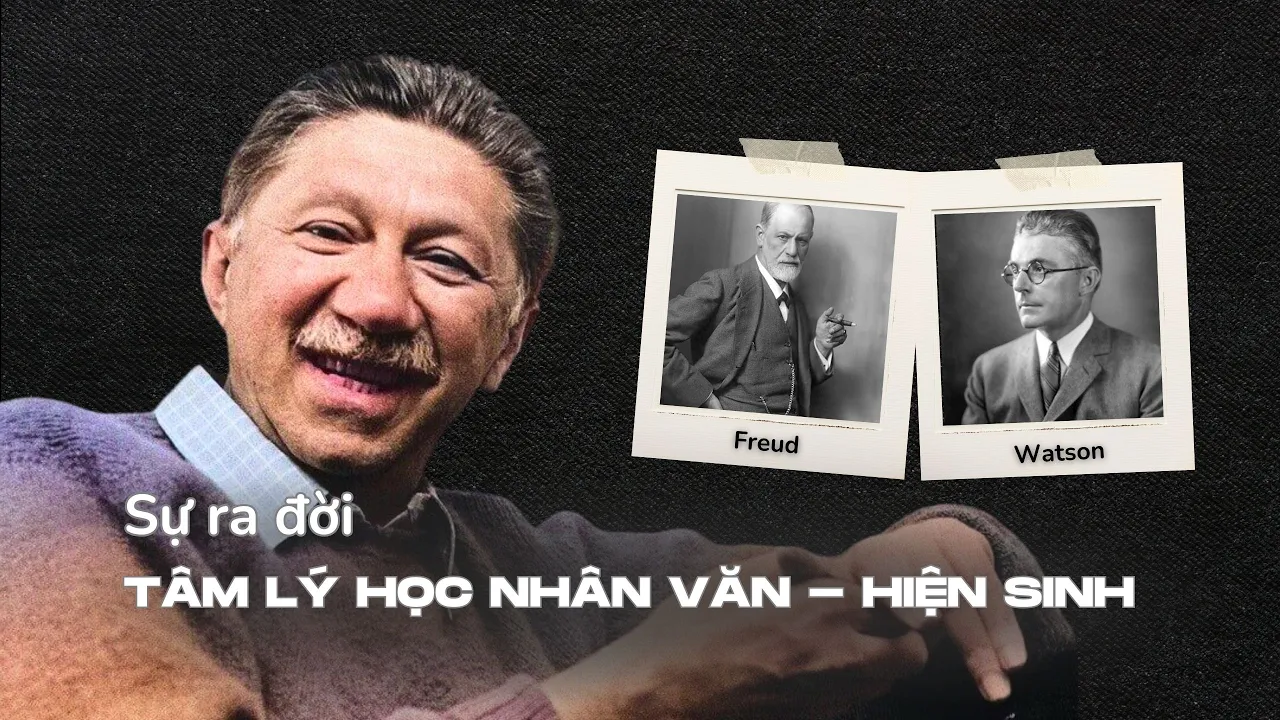
Added:An introduction to Humanistic Psychology and how it differs historically from Psychoanalysis and Behaviorism.
The basic concept of the 'Self', including self-concept, the real self, and the ideal self.
The traditional therapist-client dynamic and the history of clinical psychotherapy structures.
Fundamental communication concepts, particularly active listening and basic empathy.
Advanced therapeutic modalities derived from Rogers' work, such as Motivational Interviewing and Emotion-Focused Therapy (EFT).
Critical evaluations, limitations, and empirical critiques of the Person-Centered Approach, especially regarding severe psychopathology.
Carl Rogers' concept of the 'Fully Functioning Person' and his theories on self-actualization.
Application of the core conditions (empathy, congruence, and unconditional positive regard) to non-clinical fields like education, leadership, and conflict resolution.
7K views170likes6:51Original Release: 2016-01-01
my own years of for feeding experience I've come to feel if I can create the proper climate the peppery relationship the proper conditions the processes for fuel attainment will almost inevitably occur in my class notice what is this comment what are these conditions will they exist in women I'm about to talk with whom I've never seen before let me try to describe a briefly what these conditions are as I see them first of all one question is can I be real in the relationship this has come to have an increasing amount of importance to me over the years I feel good genuine this is another way of describing the quality I would like to have I like the 10 congruence better tell me what I'm experiencing inside is present in my awareness and comes out through my communication in a sense then I had this quality I'm I'm all in one piece in the relationship there's another way that describes it for me I feel love in the relationship I'd like to have a transparency I would be quite willing from that client to see all the way through me there'll be nothing nothing hidden unreal and especially that I'm trying to describe them I know that my own feelings well they'll often bubble up into awareness and be expressed but be expressed in ways that don't impose themselves on my client when we second question I would have is will I find myself raising this person caring for this person I see they don't want to pretend a caring that I don't feel in fact if I dislike my client persistently I feel it's better than I should express it but I know that the process of therapy is much more likely to occur and constructive change is much more likely if I feel a real spontaneous closing of this individualism and Vickie phrasing of this person is a separate individual you can call it call the acceptance you can call it caring you can call it a non possessive love if you wish I think any of those terms came to describe it I know that the relationship will prove more constructive if it's present mainly food quality will I be able to understand the inner world of this individual can you come inside will I be able to see it through her eyes will I be able to be sufficiently sensitive to move around inside the world of her feelings so that I know what it feels like to be her so that I can sense that I'll make the surface meanings but some of the meanings that liar send up to underneath the surface I know that if I can let myself sensitively and accurately in the end of the world of experience then changing therapeutic movement they're much more likely the space I am fortunate in the very experience some of these are kids in relationship for ten yogam a variety of things are likely to happen votes from my clinical experience and from our research investigations we found that if auntie's of the surf that I've described there present and quite a number of things will happen she'll explore some of her feelings and attitudes more deeply she's left me to discover some hidden aspects of herself that she wasn't aware of previously feeling herself prized by me it's quite possible she'll come to place herself more feeling of Singapore meanings are understood by me then she can now readily perhaps listen to herself listen to what's going on within her own explains listen to some of the meanings she hasn't been able to catch before and perhaps if she says they should be able to herself I suspect there will be a change in the manner of her expression of this this is constraints and other instances can be a Debbie denied from her experience in the milk peanuts going on with me it's possible that she knew toward the immediacy of experiencing which is she able to sense and express what's going on in her in the immediate moment in being disapproving of herself it's quite possible she will move toward a greater degree of acceptance of herself then somewhat of a fear of relating she made me there being able to relate more directly and to any company more directly then conspiracy and somewhat rigid black and white pattern she told my tentative ways of being her experience some of CLE feelings in it Jenny a locus of evaluation which is outside of herself it's quite possible she will move to recognizing a greater capacity within yourself for making judgements and drawing conclusions so those are the some of those are some of the changes that we have tended be I think that all of them changes that are characteristic of the process of therapy or therapeutic treatment you can't have any success in creating the kind of conditions that I described initially then we may be able to see some of these changes being as client even though I know in advance so that contact is going to be very brief
Up Next
11:33
Psychodynamic Therapy vs CBT: Research on Effectiveness
@GabrielPatrich
3.8K views•2024-01-07

68:32
Cognitive Skills for Differentiated Instruction | Teacher PD
@BrainWareLearning
631 views•2017-12-17

9:55
Thinking, Fast and Slow: Daniel Kahneman Animated Book Summary
@FightMediocrity
2.3M views•2015-06-05

6:40
The Nocebo Effect: How Beliefs Can Cause Real Harm
@CGPGrey
10.4M views•2013-12-23
Related Study Plans & Knowledge Roadmaps
Structured learning paths in Psychology
psychology
Neuroscience of Creativity: Networks & Training
01Foundations of Creative Cognition
02The Cognitive Neuroscience of Insight & Fixation
03The Triple Network Model of Creativity
+ 1 more learning modules
15h4 modules
Explore Roadmap
psychology
Imposter Syndrome: Etiology & CBT Framework
01Defining the Imposter Phenomenon
02Socio-Developmental Etiologies
03CBT Fundamentals & Thought Distortions
+ 2 more learning modules
15h5 modules
Explore Roadmap
psychology
Adult ADHD: Executive Dysfunction & Scaffolding
01Neurobiology of the ADHD Brain
02The Core Triad of Executive Deficits
03Executive Dysfunction and Emotional Regulation
+ 2 more learning modules
12h5 modules
Explore Roadmap
psychology
Loneliness: Evolution, Neurobiology & CBT
01Evolutionary Origins of Human Connection and Loneliness
02The Neurobiology and Physiology of Chronic Loneliness
03Maladaptive Social Cognition: The Psychological Loop
+ 2 more learning modules
12h5 modules
Explore Roadmap