



![I SEMINÁRIO DE ÉTICA ANIMAL [Mesa 1] - Ética Animal - Homenagem a Tom Regan](https://i.ytimg.com/vi/XxRQN-VmsyE/maxresdefault.jpg)










![[생활과 윤리] 25강. 환경 윤리 - 싱어와 레건의 동물 중심주의](https://i.ytimg.com/vi/cMr6Zfp2Dpc/maxresdefault.jpg)
![[마더텅] [생활과 윤리] CH.28 자연과 윤리 (해설 : 배준호 선생님)](https://i.ytimg.com/vi/ZSeit_IWqFM/maxresdefault.jpg)


![[생활과 윤리] 동물 윤리(싱어, 레건)와 성·사랑 윤리 사상(길리건, 나딩스, 에리히프롬)](https://i.ytimg.com/vi/NBuG0tBlfIg/maxresdefault.jpg)




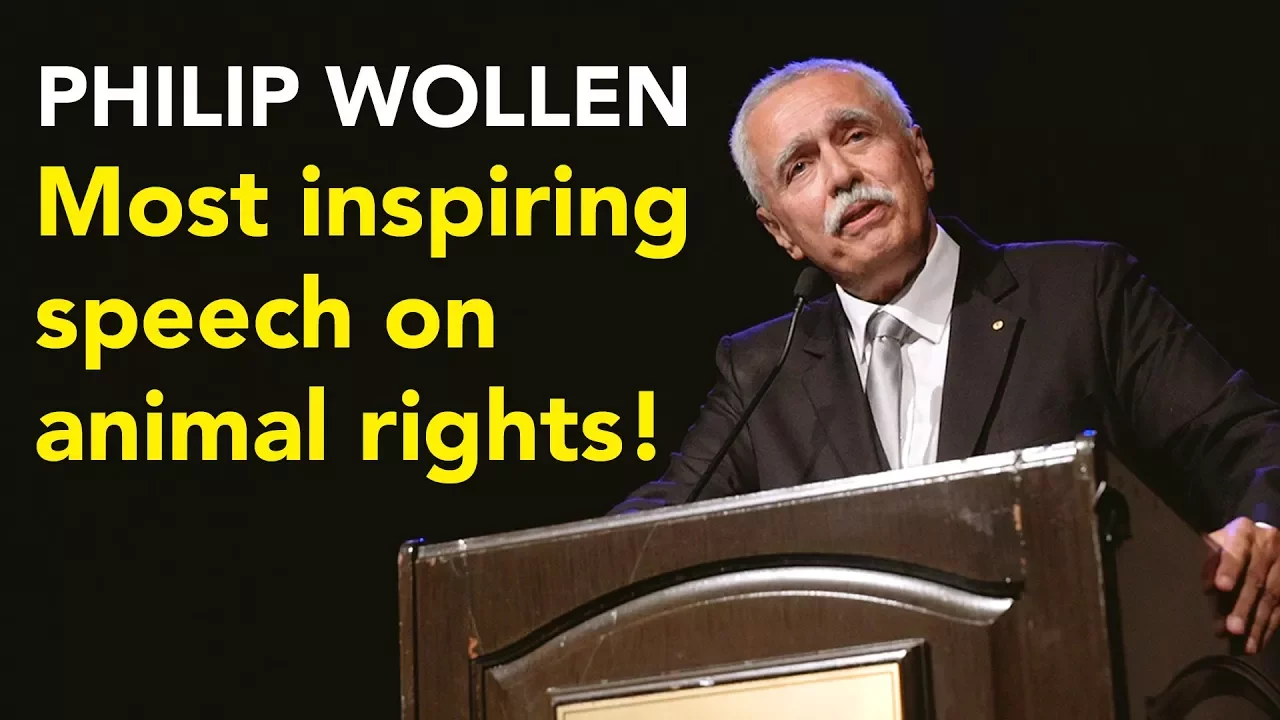


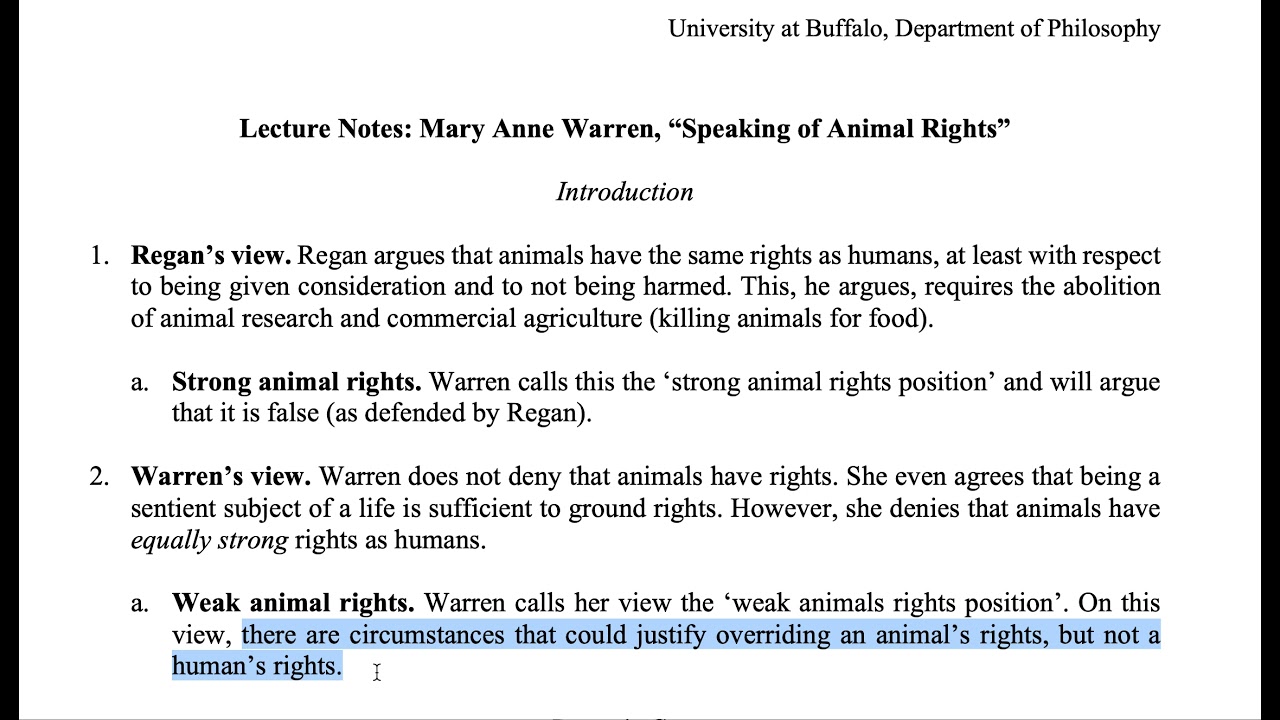
Tom Regan argues that animals possess inherent moral rights because they are 'subjects-of-life'—beings with interests, awareness, and a life story uniquely their own—rather than mere objects or instruments for human use. Drawing on philosophical influences from George Edward Moore's analytical rigor and Mahatma Gandhi's moral vision, Regan contends that just as we extended rights to previously marginalized groups like slaves and women, we must extend rights to animals who share our biological and psychological kinship. He distinguishes between legal rights (created by governments and varying by nation) and moral rights (universal and equal for all beings capable of experiencing life). Regan challenges common objections that only morally responsible beings or self-aware entities deserve rights, noting these create inconsistent double standards when applied to children. If animals have rights, then killing them for convenience, tradition, or personal enjoyment cannot be morally justified, as rights 'trump' other considerations like social custom, personal benefit, and public good.
Tom Regan: The Case for Animal Rights | Philosophy Lecture
Added:ladies and gentlemen good evening stop for now the music has stopped but I hope she's still around she's there and she played the cello for you and her name's Ivana Popovich thank you very much for your music on behalf of fix in needs and the John Adams Institute I warmly welcome you all here at this church an auditorium of the University of Amsterdam University from Amsterdam parkinson note fix in need approached me several months ago about a possible lecture by Tom Regan hunt by together with Claudia Lynn son of pigs in need did not he did not need to talk for long for me as director of the John Adams Institute I immediately saw the importance of the subjects where Professor Regan stands for I'm delighted professor Regan is here tonight and he will share his views with us the John Adams Institute is an independent nonprofit organization that is dedicated to bring you the best American writers thinkers and public figures to audiences in the Netherlands we have brought you many speakers as diverse as Justice Scalia to Medellin Albright's Norman Mailer tomove and any proof just to give you some names next month we will have the brilliant young writer Jonathan Safran Foer in our program to find out more about these events I refer to the information table just at this and you came all out here for professor Tom Regan in a moment professor Pulitzer will introduce him proudly sir is professor at Leiden University and a well-known columnist on various issues known for his liberal views liberal in European sense of the world word he's also an ambassador for pigs in need after his introduction professor Reagan will give his talk using the PowerPoint I hope everything will turn out right without a break we'll have a public interview that will be moderated by NSA to analysts an esteemed board member of the John Adams Institute Tracy Metz Tracy will invite you all so at a certain moment to join in a discussion and you can use the microphone in the aisle enjoy the evening for now and may I ask Tracy to come and help me out thank you it was Paul I'm so complicated so many people here thank you ladies and judgement and the purpose of my my little speech is to give you an introduction to what will follow and that's a lecture by Professor Tom Regan now the first thing my task is not so easy it's very thankful to introduce a writer who is a little obscure but in the case of Professor Regan we have to do with a very clear writer so I will be brief Tom Regan is the most vocal and sophisticated representative of the animal rights movement among his many publications many of them are dedicated to animal rights and environmental philosophy his most elaborate treatment of this topic is his book the case for animal rights but he has also written some books for a broader audience and that's the case with animal rights and human wrongs and his most recent publication empty cages the animal rights movement could be described as the group of philosophers and other scientists and intellectuals that favor the introduction of rights for other animals than the human animal and their idea is that the introduction of those rights would greatly benefit animals at this moment animals are subjected to inhumane treatments by their fellow animals mainly the UN and we all know the examples of this we deprive animals of the skin we eat them sometimes we cut off their heads and hang them on the wall we cut off their hands to make ashtrays from as happens with gorillas animals are literally at the mercy of one animal the human animal what animal rights activists do basically I think is is advocate the rights of other animals as a requirement of justice it is not as new and spectacular as it sounds this has been done in the past for for many creatures for black people for women for slaves why not for the human animals now there are many reasons why animal liberation is very difficult but the main reason I think that is to following the overwhelming majority of men living on the planet do not want to give up their privileged position so they argue with people like Reagan and they say all only humans are human only humans are persons humans are self-aware humans use language humans live in a moral community humans have souls God gave animals to us and two majority of the people consider these to be convincing arguments against changing the state squirrel now what our animal rights activists do is contesting that these arguments are good arguments to deny animals their rights later on professor Reagan will advocate that many animals are subject of life this is a central notion in his work it means animals are not the objects of our lives instruments that we can use to further our goals no animals have a life of their own and also the rights that protect them in their vital interests the foundation pigs in need takes a great interest of course in the theoretical foundation of animal rights because that underpins our practical goals some years ago we launched a DIC declaration of the rights for production animals and the ideas was that if animals have rights it must be possible to formulate those rights in a formal declaration as has been done with the Universal Declaration of Human Rights after United Nations in 1948 and we also thought and still think that in the future there will be a special or to dealing with the rights of animals and if there are rights and ports so there will also have to be a Public Prosecution office to prosecute those that violate the rights of animals now perhaps these ideas will strike some of you as ludicrous others as utopian but hopefully also people who say well that's sounds ambitious but it's not impossible there have happened more unexpected things in world history and growing realization that creatures that are genetically more or less identical to the human animal if the same rights as the human animal is not that strange that non-human animals have the same rights as human animals is from a certain perspective self evidence as we see it now as self-evident that all men are created equal in possession of certain inalienable rights and yet a lot of work has to be done by many intelligent people and Tom Regan is one of them let me conclude with a personal remark on the specific contribution of Tom Regan to the animal rights movement his specific contribution has something to do with two influences that shaped his life the first one is that Regan is a specialist in the work of the philosopher George Edward Moore a British philosopher in the first half of the 20th century Reagan wrote a book under the title Bloomsbury prophets GE Moore and a development of his moral philosophy Reagan also edited the early essays by more more is the firm founding father of the movement in philosophy that's known under the title analytical philosophy and analytical philosophers favor analysis clarity clear distinctions and usually they do not engaged in grand ethical and political projects but they are very good in meticulous and somewhat abstruse subjects now what distinguishes the work of Regan is that he borrowed the clarity I think and two methodological rigor from the analytical philosophy and applied this to the one great moral issue of his life his concern with the maltreatment of animals and for this great theme the position of animals he is indebted to another influenced Mahatma Gandhi the second influence of his philosophical development I do not know what whether many of you are familiar with the writings of Gandhi of course everyone knows something about Gandhi probably you have seen the film but not many people have read Gandhi well I have and I tell you it's not a likely candidate for admiration by an analytical philosopher Gandhi's reasoning is much too vague for that yet he had great moral vision and his vision appealed to Reagan I'm personally very impressed by this plate fusion you can say of the head and the heart in his work in reagan's work we really encounter I think the best of the two worlds on the one hand the visionary power of Gandhi and the analytical power on the other hand of George Edward Moore it's great pleasure to have him here and on behalf of the John Adams Institute and the foundation bigs in need I would like to give the floor to Professor Reagan [Applause] [Music] thank you so very much Paul for your more than generous introduction and and to the John Adams Institute and Monique often in particulars and to claudia Linson Hans PI and Dirk freedom of barkins in nude if I'm pronouncing that correctly sort of and to all of you for taking time for your busy life to share some time with me my wife Nancy and I are just so very grateful I want to begin by reading the first page and a half from my new book empty cages from the prologue called the Canada a few years ago the home box office network HBO aired a program entitled to love or kill man versus animals it told a fascinating I'm sorry I see if I get this working for me it told a fascinating and at the same time a disturbing story about how different cultures treat the same animals differently one especially chilling segment took viewers out to dinner in a small Chinese village you know how in some American restaurants patrons get to choose from among live lobsters or live fish and how after they make their selection the animal is killed and the chef cooks a meal of their choice this happens in America because I have this lobster or I'll have this fish I don't know if it's common here and how after they make their selection the animal was killed and the chef's cooks a meal of their choice at this Chinese restaurant things are the same except the menu is different at this restaurant patrons get to select from home long live cats and dogs the video takes its time first we see the hungry patron patrons expect the cats and dogs Jam cheek-by-jowl into wooden cages next we see them talk it over then we see them make their selection finally we see a man the cook I assume using long metal tongs yonk a cat from her cage and hurry into the kitchen what follows does not make for a pleasant reading or hearing I regret to say well the cat claws and scratches the cook hits her abruptly several times with an iron bar cawing and screeching more now she is abruptly submerged in a tub of scalding water for about 10 seconds once removed and while still alive the cook skins room from head to tail in one swift pool he then throws the traumatized animal into a large stone bat where as the camera zooms in we watch her gulp slowly with increasing difficulty her eyes glazed until her last breath taken she drowns the whole episode from selection the final breath takes several minutes when the Pope serves the meal the diners eat heartily thanking him and praising him for his skill watching this video I have never been more stunned in my lives I was literally speechless like many Americans and many of you I already knew that some people in China Korea and other countries eat cat and eat dog the video didn't teach me anything new about dietary customs what was new for me what pushed me back in my chair was seeing how this is done seeing the process watching the awful shock and suffering of the cat was devastating to me I felt a mix of disbelief and anger welling up in my chest I wanted to shout it's strange and silly as this my son I wanted to shout to the television stop it what are you doing stop it but what made matters worse for me at least for me as I say was how the people behaved for them everything was just so ordinary just so ho just so matter-of-fact the diner said we'll have this cat for our dinner the way we say we'll have this roll with our coffee and the cook the cook could not have cared less about the cat's ordeal the poor animal might just as well have been a block of wood as far as he was concerned I have never seen people behave so nonchalantly so comfortably so indifferently in the face of an animal suffering and death I don't think many of us could watch this episode and not ask ourselves as I asked myself what is this world coming to I think all of us in this room care to share a common core of compassion and I think it's awakened for us in our culture in our time in our lives by the cat episode each one of us I know I'm not the exception each one of us would oppose would happen to the cat each one of us would want to intervene if we could each one of us would want to help this cat in her ordeal each one of us would if we could stop it from happening not so I mean we share in this culture at this time this place in our life this common core of compassion that we extend two cats and two dogs and a few other animals but we do have that common core of compassion animal rights advocates and I know some of you are here and I'm honored to be on your presence animal rights advocates simply generalize on that common core of compassion that all of us share we just go beyond feeling that way about the cat we oppose what is being done to other animals in addition to the cat in addition to the dogs that are mistreated we want to oppose what is being done on factory farms here in your country and halt gestation crates where animals spend four years in crates too small for them to turn around in with no social contact no sunlight no fresh air no companionship not a decent day in their life here not far from here well animal rice one does not only oppose what's being done to the cat in China we want to oppose what's being done to hogs not far from here we want to intervene and if we could we would help and if we could we would stop it so we are just like everybody else except we go a little further we're not not we're not crazy we're not lunatics or you know we're not we just go a little further than other people we take that common core and let it grow how did we get this way because we were so obviously out of step with most other people how did we get this way and I think that simple there is no one-size-fits-all answer to this we had animal rights advocates here in the room I'm sure we'd all have different stories to tell but I think there are three basic stories so if you are we're not an animal rights action not an animal rights advocate you know some and you wonder how they got that way my guess is that one of these three stories is their story first or are the da Vinci ins I used this concept after Leonardo you know and we know Leonardo of course because of the great paintings the Mona Lisa and the Last Supper but what may be less well known about Leonardo is he was one of the great animal liberation errs one of the great animal rights advocates especially at this time he gave up eating meat as a young boy once he realized where it came from and he gave up drinking milk as well and cheese and all animal products he was a vegan at Leonardo he likened the drinking of milk to stealing stealing was Steph drinking milk was theft because who stole the milk from the mother that was intended for the calf and he would have none of it and the story is well told how he would go into the marketplace and and spend some money and take birds from cages and released them into the air to their freedom the first as I say a kind of animal liberation mentality now Leonardo I know many animal rights advocates who are like this they seem to be born with that compassion that it is awakened for all of us in the case of the cat but they filled it for all animals all those animals that they grow up with in their nursery all those animals they grow up with in their only child with stuffed animals animals in their clothes animals on their shoes animals under sheets animals everywhere animals in their books elephants and giraffes lions tigers rabbits cows pigs it's the same today I'll tell you grandchildren little grandchildren one and two years old we go and reread the books it's the same as when we grew up it's old MacDonald's farm all over again they go oink oink they go Lulu I mean these are some of the first sounds children made the Leonardo didn't lose that core of compassion he had as a child that in fact carried it over into his adulthood as through some animal rights advocate then there that the this natural empathy that they have this something that's not taught it's not like Leonardo's parents had to take him aside and say I want to teach you a lesson about compassion or I I want to make a proof for you so you will be convinced that animals should be treated with respect it's not something he figured out it's as though it was in the genes of The DaVinci ins and then there are the damask ins that I use this after the famous episode of st. Paul on the road to Damascus you may remember the story in the Bible Paula Zahn saw saw was on the road to Damascus threw up as we say in the United States to put the badmouth on Jesus he was going to Damascus to try to tell people not to listen to Jesus to put rahib discredit on Jesus so that he would cease to have his influence on others and as he walked on the road to Damascus Jesus made himself present to to us all and remember the words he said Saul Saul why doth thou persecute me and here is this dramatic rendition of of you can see on the ground in the face of this overwhelming presence and on the basis of this Saul the principle detractor of Jesus becomes Paul the principle disciple of Jesus and I think some animal rights advocates the damask ins are like this they have a transforming life altering experience one minute they are oriented towards animals in one way and the next minute they're oriented in a quite totally different way now I tell you people can have this experience I know people who have gone to a slaughterhouse and walked in and then walked out different people I know people who have seen videos and done that I'll tell you another example of a man in in Germany I met he was 10 years old during the Second World War the Allies bomb they were in the basement the siren sounds and they they come up and he comes up out of the base in ten years old he walks out and he hears this clattering of a horse galloping madly down the street of the streets of Berlin and the horse is on fire the horse is on fire from nose to tail apparently gasoline had spilled over the horse and was ignited and as the horse ran directly at him just as he got to the young boy he glanced to one went past him and he looked him in the eye and at that moment this young boy said it was as if the horse said to me what have I done to deserve this why aren't you helping me except it was or accusatory what have I done to deserve this why aren't you helping me and from that moment forward this young boy has devoted his life to asking other people the same questions that the horse had asked him what of animals done to deserve how they were treated what are we doing what are you doing you know toddlers what are you doing to help them so there's a new consciousness Saul becomes Paul immediately becomes a vegetarian it's not based on proof it's not something that's figured out it's not something you have to be convinced of it's something that happens to you rather than something that you do then there are the rest of us who are animal rights advocates I call the rest of the smugglers mothers are people who just are muddling along didn't getting all its life you know they don't know where they're going you know they're just kind of moving along and there's nothing in the genes it's not like Leonardo like Oh from an early age I understood and animals and I stopped eating them and I wouldn't wear nothing like that and you sound like there's something dramatic oh you know Saul becomes Paul and nothing like that mother's had just work getting through life walking along and and then and they are on a journey whose destination is unknown when you when you're on the journey you don't know where you're going you know you're moving you know that there are questions to ask there are things to think about there's so much to learn about animals who they are who they are what they are how complicated and fascinating a mysterious and wonderful they are there's so much to learn and how they're being treated and what goes on behind the doors of the laboratory that they're locked and we can't get in we can't get the records there's so much to learn and understand and to digest and then at the same time there is this experience - this is coming - no animals through the heart on bed everyone here maybe if not everyone out of it 90% of you have had a cat or dog in your life and I've lost a cat or dog in your life and I know that that's the death in the family our heart is so hurt when we lose an animal with whom we shared our lives so our heart has a place for animals it's just a question of whether that heart stays narrow and confined and stingy or whether it opens up and embraces animals that are like unto those friends we have in our home but live someplace else so do animals have rights I mean I've been introduced as like an advocate of the rights of animals and I indeed I am some things we do know we're not gonna find the answer to this question in the media and I know there are people from the media here and I'm grateful for them for being here but whatever we're gonna find in the media answer a difficult question like this is not going to be found tomorrow morning's paper tonight's evening news and we're not going to find the answer in opinion polls we find it how much what a percent of the people in your country believe in animal rights that's an interesting thing to know but it doesn't answer the question do they believe truly is what they believe true is what they believe well-founded we're not going to find the answer to the question do animals have rights by just appealing to our unexamined traditions in America was on an unexamined tradition that we could own people they were called slaves we could trade them bargain you know barter them we could beat them with impunity you know you could was very difficult to get convicted for killing a slave in the United States the reasoning went like this that if you killed a slave then you were destroying your property and no person in the right position of their mind would destroy their valuable property so anybody who killed a slave must have been temporarily out of their mind and so therefore you were not guilty of murder so it's very difficult to you know unexamined traditions only by thinking independently only by taking that muddler step only by beginning to the journey saying this is a serious question this question affects every aspect of my life from the moment that I wake up to I go to bed it affects what I eat it takes what I wear it affects what I brush my teeth with it affects every aspect of my life more than in some ways more than any other question you can think of this question just trickles down into the details of one's life and so we have to think independently and that's what the invitation of philosophy is as I come here as a philosopher the invitation of philosophy philosophy advise us to think for ourselves to muddle along if you like using logic being factually informed freeing ourselves from prejudice and that's the purpose of my remarks really not to try to convince anybody that animals have rice I don't think anybody's going to have a Saul becomes Paul conversion experience here because of what I I don't think that's gonna happen but what I can do is encourage people invite people to take the journey when philosophers think about rights we to make a distinction between legal rights and moral rights legal rights or rights that we make I mean if you have a right to vote here it's because the people in your country have decreed in an appropriate fashion that you have the right answer because the appropriate people hadn't created their right you wouldn't have it shame would be the case in my case and they differ from nation to nation not everybody has a right to vote depending on where they live not everybody has a right to freedom of religion wherever they live not everybody has a freedom of assembly freedom of speech wherever they live it depends on where you live and when you live there so they're not universal and they certainly are not equal these legal rights on the other end when we talk about moral rights as in the United Nations Declaration of Human Rights form all human beings what we're saying is we don't make these there isn't some legislature that can make a moral right or or unmake a moral right and it's they don't differ from nation to nation if people have a fundamental right to bodily integrity then they have their right no matter where they live when they live who they are that doesn't mean that everybody respects it doesn't mean that their government respects it on the contrary we know all too well that the government doesn't always respect the fundamental rights of the citizens but that doesn't mean that they lack that right it just means that they lack having the right respected our moral rights as human beings are universal and they are equal my right to life my right to bodily integrity my right to liberty is no higher or lower no stronger no weaker no different than yours or for that matter for any other human being any serious advocate of human rights and I include myself among those and as an advocate of human rights believes this human rights are universal equal and not made by us now here's why I think rights are really important there are two things of our rights that make them very very important in our moral thinking the first is that our integrity must be respected our freedom our Liberty our bodily integrity our life must be respected and it's like the right shirt as the protection against the excessive freedom of others the excessive freedom of others and it's as if then these rights are like a no trespassing sign here's here's where my body begins and here's where your freedom ends here's where my this is my life not yours for the taking as you please this is my freedom in my life and so long as I don't violate anybody else's rights leave me alone and in particular the government leave me alone keep out of my life that's what we mean when we that's why our rights are so important it's the protection against the excessive freedom and intrusion and interference of others including the government not just other individuals not just our neighbors not just your your enemies but also the government and the second thing about the importance of of animal rights is that should be individual rights I think is it cannot justify by violating animal rights because we benefit we cannot say the in this case we're saying is that rights are Trump and and that's from the analogy in bridge and if you know the game of bridge is I'm sure some of you do yes still play bridge if we imagine that we're playing a game of bridge and that the first person plays the Queen of Spades second person plays the king of spade third patient pays asa space and you the last player you have no space diamonds or Trump you do have the two of diamonds in bridge that two of diamonds beats the Queen of Spades the King of Spades - the ace of spades that little diamond is more powerful than any and in in that particular hand because I miss our trunk so if we think of it in terms of the analogy with the bridge game then if we think of the Queen of Spades representing the social custom the King of Spades restaurant of personal benefit the ace of spades representing the public good these are all very important values my benefit the group's benefit they the public good custom tradition all important but never to be advanced the public good social custom personal benefit at the expense of violating the rights of the individual so when we say rights are important we mean first that they serve as a protection against the excessive interference and freedom of others into our life including the government and secondly we mean that respect for the rights of individuals the most important card in the game of morality that respect for the rights of the individual Trump other important moral considerations but do animals have rights if they do then they have that protection that a no trespassing sign represents if they do then respect for the rights Trump's other important goods but do they have rights and to ask answer that question we have to ask two kinds of questions factual questions which ask what is the case and moral questions that ask about what ought to be the case the main factual questions are pretty simple it seems to me they ask are any animals like us physically or are there any other animals that are kind of made the same way we are and in particular are they any other animals that have a central nervous system in a brain that kind of physical structure there if we look around the world do we find any other animals like us physically and there are there any other like us mentally or to any other animals have a psychology are they psychologically present to the world in terms of physically the answer is obvious sure to other any other any other arguments animals have sense organs so they have a central nervous system do they have a brain yeah mammals do birds too they're clear candidates do mollusk - clams I don't know I don't think so but I'm in willing to kind of leave that question open all I want to say for our purposes all we have to agree on is that there are some animals that really do resemble us physically they have the structure that makes experience possible they have the structure that makes experience possible fish to crabs or any other animals like us mentally there are various possibilities one is the idea that there is nothing going on in the mind of an animal there is no mind it's completely empty nothing happens there are no sensations there are no desires there are no emotions no beliefs nothing going on your cat your dog nothing going on behind those eyes the other posture but another possibility is that while there's nothing going on there's more than nothing going on but what's going on is very little just a little bit going on nominal nominal in terms of sensations or desires or emotions or beliefs just a tiny bit going on the other possibility of course would be you know when you actually stop and think about it as a muddler you actually ask the question there's a lot going on in those Minds there I mean it's not like they're robust in terms of their sensations and their right desires and their emotions and their beliefs now what's the most credible position here that nothing's going on very little going on or there's a robust mental life psychological life that's going on in the case at least of mammals at least the birds perhaps a fish well I think it's perfectly reasonable to think that they have a robust mental life look they don't worry about investments in the stock market I grant you that they don't worry about you know the promotion it's a job they they don't worry about whether they're going to be late to and make the plane that's flying to Las Vegas or I mean they don't worry about things like that they don't have beliefs about things like that but that they have beliefs in those hours of what's important to them I think that that anyone who has lived with an animal understands that their these these animals are living beings who are in the world aware of the world aware what happens to them and what happens to them matters to them whether you care about it whether I care about it whether anybody cares about it it matters to them it's of importance to them it makes a difference to their life to the quality of their life and the duration of their life they are not objects but subjects not a life without a subject but a subject with the life so they say the main factual questions are or any animals like us mentally physically I think so I think the overwhelming evidence impartially considered as yeah they are our kin our biological psychological kin by the way when I say this I'm only saying what Darwin said I'm only saying what Darwin said and he said it more forcefully when he said that the minds of these animals differ from ours in degree and not in kind made normative questions who has rights and why philosophers this is where philosophers now they weighed in with their arguments here the history of philosophy is just littered with debates about rights and some will say all and only those who are morally responsible have rights so it is then that you and I have rice because what we when we act we are reason reasonably and rightfully held morally accountable for doing what is right or for failing to do so for doing what is wrong and not having the courage to avoid it we are held accountable we are assumed to have control over our choices we have freewill and so we're accountable if only those of all those have-have who are morally responsible have rights then of course all of us and if only those then only those and so the argument is hot there we go your dog and your cat cows and pigs porpoises and penguins are not morally responsible no one thinks it reasonable to say cows have duties and that pigs ought to behave in this way rather than that way they simply aren't made that way the difficulty is that neither our grandchildren they're not morally responsible for what they do I mean they accidentally set fire to the house you know burned down the apartment 17 people Farish in the flames I mean they're not morally responsible to that although very bad things have happened to people who didn't deserve it they're not morally responsible they're not held accountable or we just say therefore that they are not to be protected that we are at liberty to take they injure their body and pursuit of our personal gain and pursuit of some social costume no we don't we don't say that we don't say that children have to be morally responsible for their to be protected by their rights we don't say that and shouldn't say that but if we don't say that in the case of children then it's a double standard to say that in the case of your cat and dog and other animals you can't have it both ways you can't say well children don't have to be morally responsible to have rice but by god those animals have to be morally responsible to have rice that's just a double standard that's not playing fair enough to be self-aware another favorite thing and you can see it's gonna have the same problem on this account you and I have rice because we're aware we're in the world we're aware are the world and we are aware that we are in the world we're aware we're self aware and the argument then is other animals aren't they aren't aware like that well I'm not sure about that to tell you the truth I think probably a lot of animals are aware that they're in the world but that's a separate matter the plain fact of the matter is that our grandchildren are aware that they're in the world and we don't say therefore they lack rice and can use language is the same problem again have immortal souls something that Paul mentioned that's it that's the final that's the that's it right there because we've got them and they don't end of debate you know that's it we haven't they don't well I've always said first I mean there are a lot of religions according to which animals do have souls as you know so I mean it's not like there's just some religions that teach that animals don't have souls and second I'm not sure that we have well I'm not sure that you do anyhow but I mean no I always said I really hope I have one it would be very interesting to kind of go on living after your body dies to some other plane and so on it would be you know it would be interesting but I'm not sure that that's that's true but here's the the main thing that I think is of importance to to people to consider muddlers to consider and this comes from the CS Lewis who many of you may know the name CS Lewis a great writer of popular stories and also great Christian theologian of the 20th century Louis makes the following argument he says animals I I think animals don't have souls and I think we do and therefore we shouldn't eat them or and we shouldn't the experiment on it and we shouldn't wear them wait a minute we say well that's not the way this arguments supposed to work it's supposed to work that we've got we've we've got rights and they don't how did that happen assert and Lewis says look if they don't have souls then this is the only like life they have right right well then if bad things happen to them in this life then there's no future life where good things can happen to them right right well then this should be their best life don't you think oh right it should be your right I forgot about that you know and so therefore you should kill them you shouldn't experiment I shouldn't wear other meaning you're very absence of a soul in their case gives them added more protection rather than more and more protection rather than less moral protection so the argument that with the standard arguments responsibility self-aware language souls all that seemed to me to fail but if we say how can we get how can we get our grandchildren and and others into this family of rights holders even though they're not morally responsible and they're not self-aware well my answer is well they are subjects over the life they're in they're aware of the world what happens in the matters to them because it does make a difference to the duration and quality of their life my little grandchildren and all of us and this respect we are equal and the same as those grandchildren and they are equal in the same as we but in this respect as subjects are alive then the same is true in the case of other animals that we've been talking about there are objections that are raised against this animals lack rights because they don't understand rights because they don't respect our rights because they don't respect each other's rights it's the same it's the same problem again that not all human beings understand rice not under they don't respect rice and the like it's the same problem it's the constant effort to have a double standard as one standard for us and another standard for them it's over and over and over it's the main theme it's just simply variations so here in my sense of muddling along and I'm trying and with my head and I'm thinking about who has rice and why do they have rice and what are other animals like and or any of them like us physically and mentally psychologically and and I get to this conclusion that that they are subjects of a life just like we are they are somebody not something they have a biography not simply a biology they have a life story that is uniquely their own just as you do and just as I do when I get to that and I think about look think of the practical implications if this is true rice says Trump Queen of Spades King of Spades Ace of Spades social custom tradition public good personal benefit personal gain all important values but respect for the rights of the individual Trump's that limits that places limits you can we can do anything we want to do to advance our person the good of the public at large so long as we don't violate somebody's rights in the process of doing it so if rights your Trump then we can't justify killing animals because we benefit we can't justify killing them to eat for example because it's convenient because it's what everyone else does it's how I was raised by God my mother taught me to do this no that's not a sufficiently good reason for violating somebody's rights that your mother taught us to do it to do to live this way it's what I enjoy I love the taste of steak you know pork chops or lamb chops or something that's not a sufficiently good reason for violating somebody's rights if indeed animals have rights so the practical implications of this you can't just like injuring animals or killing animals or injuring their body you can justify that for these sorts of reasons applies to what we eat even though it's convenient ritual omnipresence you know the Gordon golden arches are the most universally recognised symbol in the world more recognized by people than the cross of Jesus and the sign of David you know sign of Judaism most universally recognized symbol in the world the cold marches applies to what we eat lies to what we wear as to how we learn and what we do for fun now what do you you go to Disney World or a SeaWorld or something and watch animals and captivity as I said before it it applies to virtually every aspect of our lives so do animals have rights that's the muddler question to ask that's the question to explore can't find the answers in the media can't find the answers in opinion polls or an unexamined traditions we can't find that in those ways we can only find it by thinking independently and that's the invitation of philosophy philosophy advices come forth let's start thinking independently of good Dutch tradition I must say I think for ourselves using logic being factually informed freeing ourselves from prejudice and so the purpose of my remarks has not been to try to create some damask and experience for anybody but simply to extend that invitation to think about the issue using logic being factually informed and freeing ourselves from prejudice I wanted to let these images sink in before bothering you with more words these are pictures by the photographer John from Agra and they're part of a project that I want to tell you about let me introduce young sand anchor to you first I hope that you'll be interested in taking the opportunity to talk with him later about his project John could you please stand up so that people will recognize you he's at the back of the hall [Applause] these pictures are six images from a huge number of photographs that y'all has taken in the course of the last year and a half and he is the photographer of the next installment of the projects document Nederland which is a cooperation in the area of documentary photography between the Rijksmuseum and NSA homeless plaza the theme of this eighth installment of the project document netherlands is has its working title mentioned dear man and animal and the theme was so appropriate that I wanted to give you a taste of the project and tell you that the exhibition will open on the 13th of November at the photography museum house Marcia here on the Ganges half Saddam Saddam and on that same day there will be a special supplement of the newspaper devoted to this theme and the theme of course is so appropriate for professor Reagan's work you've mentioned something professor Aten about the way different cultures treat the same animal differently this is about how the same culture treats different animals very differently some of them we we coddle and we polish and we comb their hair we kissed their toes and others we have no regard for at all what did these photos mean to you it's working as working yeah what I'm sure others had saw some of the same things that I saw in them I saw the the theme of closeness and distance in particular how some animals are within our life and then some animals are outside our life and how those within our life the dog even the pig in the 1-1 shot with the pig in there in the dining room yeah and the pigs in the dining room inside the house that shows that we're capable of relating to animals as somebody special and not money yes somebody special and not not just a traditional companion animal I mean that pig was obviously somebody special to be in in those circumstances and that and that yes I say I mean it would would not be it would not work well in our household let's put it that way and you can see this personal relationship and then on the other hand when you get into the some of the other photographs you see how human beings can create a distance between themselves between themselves and other animals and and how animals become anonymous some things rather than somebodies and how they become some of these pictures strikes he was being let's share a microphone because this doesn't better work okay they struck me as being both well let me say equally sick we go overboard in coddling and we go overboard in abusing sure I thought that as well that is that there is a that's why I was trying to be polite about saying about the hog would not fit well within our household I was trying to say in a blight way that I thought that was going a little too far and the idea of the pampered pet and that that idea again I think probably it's it's not necessary to show respect for another animal to go that far do we pamper out of a sense of guilt my guess would be that we pamper out of a sense of need more than we pamper out of a sense of guilt that is that there's something that that animal gives back to us and it could be the need we have for for to feel good about ourselves in terms of a relationship to animals this is like a substitute for all the other animals and we'll show well we really do care a lot about animals but I I guess what I think is when people have animals like that that they pamper like that it really is the animal is a representative of the person and then the person needs some sort of recognition from others and the animal is a substitute for an attempt to get the recognition for the person so that's what I mean by need I think it's not necessarily a question of guilt is the question of needing some sort of public attention and they don't know how to get it but the dog will get it for them that sort of thing and the next thing about pets too is that they give you unrequited love and they don't ask anything in return except some basic yeah well some of them do and then some of them don't I mean there he goes I was just thinking about the dogs we had in our life I mean I don't think they always gave us unrequited love they seemed to be pretty demanding sometimes you know but no I understand exactly what you mean when you come home from a long day at work or something you open the door the one who's happiest to see you is the dog thank god there's somebody there happy to see you you know so yeah they they are they are and they don't talk back no they don't talk back and they don't criticize your driving either I'm not sure I'd want to have this thing in the backseat no no that seems really to go far so as I say I I don't think we have to go as far as some of the things we saw in the photographs in order to show respect for animals remember what it is to show respect for animals is is to make sure that we're not hurting them and make sure we're not obviously taking their life or except for on grounds of mercy for them I mean if the best thing that can happen for them because of their sickness is that we end their life mercifully then that may be something that we should do but we're not to kill them just because it's convenient or that sort of thing in your recent book empty cages he described philosophy is a discipline passion which I thought was a disciplined passion mm-hmm do you remember I do that maybe wondering even more than I already did reading your work are you are you a philosopher are you an activist oh I'm the philosopher first that's for sure I mean I wouldn't be an activist if I wasn't a philosopher no thing I mean I'm the kind I'm a muddler but I only became an animal rights advocate because I was convinced of the animal rights argument and it really was reason reason led me to activism and if I I would not have been an animal rights advocate if I hadn't been a human rights advocate but once I saw the connection between respect for human rights and respect for animal rights I mean I couldn't avoid becoming an animal rights advocate so no I think reason reason but it's also see the thing that thing about at least in my my life anyhow I know people care a lot about a lot a lot of others like I care about my wife and my children and my grandchildren you know I really do I care about what's true I care about what's reasonable I care about I care about abstract things like that and so it's that's part of what I mean by philosophy being a discipline passion it's like you're really patty really care about where the best argument is and it just so happens that I think the best argument is in favor of the rights of animals and that's now I've got to go and try to share that truth which i think is true with other people because if we don't it's not enough people care about this then things are terrible for animals nothing's gonna change for them and that's where the activism comes in that's where the activism continue you wrote that the catalyst for getting your thinking started about the position of animals in society and their moral position was the Vietnam War how did that happen well that's just how old we are I mean how old are you really well run it up how old am I 66 yeah okay 66 yeah I think that's right 66 I'm 66 but when we were not caring about animals we had we had eyes but did not see when it came to Kim dams until the Vietnam War the other day I'm walking along and my wife Nancy and I were opposed to it we organized the state of North Carolina our state to a grassroots organization to end the war I wrote about it I lectured about it I did everything I marched in Washington about it and then I thought I would write about it I was a philosopher I'd about it and the problem was I didn't know where to start I had never written and I was in the section of library about war and I took down a book about war and it was an autobiography the story of my experiments with truth by Mohandas K Gandhi an autobiography if you haven't read that I commend it to an autobiography and Gandhi said basically this to me so do you think the war in Vietnam is wrong because it involves unjustified violence so yeah I do that's why it's wrong then Gandhi said to me and when I I meant don't mean that I actually thought he was there talking to me this is a life it's as if they were there talking to me then he said to me from the page then what are those dead body parts doing in your freezer because Gandhi was a famous vegetarian you know he's a great pacifist also a great vegetarian and what and the point of he was trying to make her you could read from it is that the destruction of animals for food in America and 19th in the middle of the 1960s roughly it was not necessary for any important human good not important for human health not important for human vitality not important for human longevity if anything was contrary to those Goods and it involves violence so it involved violence it couldn't be justified and I thought my god I had never thought that thought in my life no I mean that was just totally new to me I walked as a butcher I worked as a butcher I mean I'd never thought that but the more I thought about it the more I cared about it it was true so it was not so much the immorality of the Vietnam War as the process of the war that as it were by a happy happenstance brought you in contact with the work that's right if I hadn't read Gandhi I wouldn't I wouldn't be sitting here I'm sure that I just would not have made that turn I mean I would not have taken that pass in my lives I think it was he was the right person that were depending how you look at it I think he was the right person at the right time in the right place for me I read him at the right time I read in some other time it probably would have gone right past me but it was because of the war and and the idea that you could have a whole nation committed to doing something that was wrong you know and then the idea that the host the whole culture could be based on was strong yeah it was the right person the right time for me this sounds very much like you we're talking about in your in your lecture about the dimensions were born with the natural empathy for animals have born with compassion for animal right you make it sound like this is not so much a reason conviction but an epiphany the light a bolt of lightning hits you from the sky and you think oh this is the way it should be and and and I ask you this specifically because I think there's a danger in that of making animal rights advocates or activists into a sick no no and I hope I'm not saying that that there was a that's the the de Baskins are the ones who have this transforming experience I didn't have any transform expert no but you described about your you're getting cleaned with the work of Gandhi and the the the moral awareness that that broke like the Red Sea no not quite not quite no it wasn't it wasn't that but let's put it this way it was a it was a a truth that I wanted to resist rather than to embrace because if I accepted it if I accepted it I had this change how I live and I mean who wants to do that I mean I just wanted to go on eating my hamburgers and having turkey at Thanksgiving you know I mean I just wanted to go on that but there so it was it wasn't like that all I agree that's it but but it was the truth I had to embrace because I cared I cared because it was true and I had to reconcile my life adjust my life to that insight so it wasn't I didn't I'd if I conveyed that I'm sorry I didn't mean that it was like a struggle I was like I didn't want to give it up I didn't want to change but I cared about the truth and so I just had to I was reluctant is there anything sectarian to the animal rights movement I would remain exactly the timin gonna just by sectarian I mean having devar hide the box ever knowing that this is the only right way I I think it's true I understand that other that everybody sees the truth through their own lens so that other people will see it differently the important thing is that I the way I see it I'm not trying to impose my truth on anybody I'm trying to persuade people I'm sorry I'm doing that but that's different than imposing and I take it that the sectarian way would be to say this is the one truth and you better believe it or else we're gonna do something bad to you or but I'm not doing that so no I don't think they do at least as I understand it that it has that that characteristic you do differ with a group like the animal liberation movement do because they resort to tactics which are not yours how do you know but you do on the other hand in your writing say that you are willing to do things that are illegal because you stand for your convictions how far can you how far do you go in your in your in your conviction in your campaign where do you draw the line right my position is Gandhi's position if you break the law you face the law if I break the law and I have I don't run away I Stay I broke the law Here I am and if you if the person wants to say well we're gonna arrest you and we're gonna try you or we're gonna convict you then that's what I have to that's the that's the battle you have to fight the way you don't serve the truth or justice from my by my lies if you break the law and then vanish into the night Gandhi would never do that alright so my my Linda's question is always what would Gandhi do and Gandhi would if he broke the law he would face the law so that I understand the people who break the law by burning down buildings for example I understand that it burned down a laboratory I understand why people would be motivated today I would never do that or if I did we were party to it I'd stay there but of course they don't I think it gives animal rights a bad name I think that people think of the movement as a movement of people who are willing to break the law and we're currently when it comes to paying the consequences I don't want to be associated with that has this created a schism within the animal rights movement oh yeah I think so I think pretty pretty much the people are divided on those who favor these signs of taxes and those who don't what happens of course and I say this is a friend of the media as you know but what happens is that when there's for the most part not all the time but for the most part is the general pattern the story the occult is when animal rights advocates engage in unlawful or outlandish activities that's that the media is interested in that the media is not interested in a safe landing the media is interested in a plane crash not all the time but just generally not all the time but see the public perception of animal rights advocates is not a perception of Claudia and Hans and Nancy and I for example the people the media doesn't present normally non-degenerate rolled this is the animal rights movement these ordinary people have doing this it's people with black masks yeah I mean so so we're always working against the the stereotype who we are all we are again are people who take that compassion we all have for some animals and extended to other animals that's really what we are there's a basis of it and then the question is were tactics to use what means that you use and the means you use I think must always be respectful of the people you disagree with there's a phenomenon in the United States called open rescue I favor this I participated in the fight we decided to do and here's what's involved the people go into a factory farm for example and they document abuse of animals they documented on videotape and then they'll go to the the people who are responsible for this farm and they'll say we understand that terrible things are happening to your animals and we'd like to come and help you straighten them on and of course what happens is two people say you've got to be kidding get out of here we don't have anything to do with you and then what they do is they go in and they get the animals and they bring them up the ones that they documented have been abused and they say we've just stolen this property arrest us and of course nobody will because if they were to arrest them and have a trial and all the negative publicity about the treatment of animals they would never do it so that kind of law-breaking again breaking the law and facing the law is something I would exhale I'm sure you're aware of the very negative publicity that the animal rights movement accrued when full grits from the pay murdered been present we are at a distance aware of that now and what I first I don't think that from what I know is that the person who committed the crime did it in the name of animal rights I don't don't know that there was any any any anything any reason to think that that's why this crime was committed and secondly if that if that were true if that person had committed that crime in the name of animal rights I'd be the first to stand up and say well he was just mistaken about what animal rights is and and and and and they a means that we should be using you understand people I mean during the time that we've we've been meeting here there's been like five billion animals five million animals killed for food in the world just during the short time we've been here five million over fifty billion a year so if you're an animal rights person you want to help you want to stop you want to you know all that and and all this this carnage is going on all around you you can understand why some people kind of lose their patience I want to resort to other kinds of activism rather than my polite activism you might say so I understand them and I've written about that I don't I don't think it's justified to I understand it I'd like to refer to another schism in the animal rights movement between yourself and for example Peter Singer he says bigger cages and you say and that's the title of your newest book empty cages yeah well we're to begin if there is a significant difference between us you're more categorical yeah I will use my use other words but I really vertical with what I think is that singer has a way of thinking about morality that goes like this very broadly that in order to know whether whether you've done is right or wrong have to count all the pluses and all the minuses although all the pleasures and all the pains all the costs and all the benefits then you add them up and and you see whether the the roughly speaking the plus is not way that the minus is the pleasures outweigh the pains and if they do that's what you ought to do they'd be the right thing to do I just think that's got to be a mistake and I'll give you just a one quick example that illustrates why I think it has to be a mistake this is actually a real-world example a few years ago there are a group of boys in Boston who took a mentally disadvantaged girl from their neighborhood and took her down into the basement and raped her with a baseball bat and other implements and just abused her terribly this terribly almost to the point of killing her now all of us realize that's wrong if somebody says well I'm not sure about that then there's nothing to say to this person of course this is wrong now the question is what makes it wrong that's what philosophers come in they say but we have to try to explain yes it's wrong but what makes it wrong so if you like singers goes like this remember you have to take all the pluses all the minuses all the pleasures all the pains weigh them up and blah blah blah so here you say well what about the girl pain pain - - - what about the girl's parents Oh pain pain - - - Oh what about what about the other girls in the neighborhood where they might they that they were insecure now a lot of - it's the parents and so you can see it a lot of minuses say ok but then singers position the position he represents says oh wait a minute though don't forget about the boys but don't forget about the boys you got to put their pluses in there before you can say that what that what they did was wrong we have to kind of add all this up you can't ignore yeah well I just find that morally obscene the idea that you have to count the pleasures of the rapist before you can say that what the guys did what the rape was wrong just means morally obscene to me of course it was wrong the fact that the boys enjoyed it makes it worse not doesn't doesn't take away from the wrongness it makes the wrong worse that they enjoyed it but here's no way of accounting for something like that so if here's no way of accounting for why raping that girl's wrong and I don't think he has an adequate way of explaining what we have we should be treating other animals that's that's the philosophical difference we have I hear you aware that Europe is in the throes of deciding whether to ratify the European Constitution right we're having a referendum here on the 1st of June and in an article which will appear in the NSA homeless laws of tomorrow if it interest you yeah there's an article by a hoody hospital who's a well-known writer and also very dedicated to animal rights and he for him a reason to vote against the European Constitution is that he is against a constitution that does not make a clear statement against animal abuse at this point in time in fact that unacceptable he says the only policy in our European Constitution is devoted towards increasing production is this the kind of thing that you can deal with practically or morally in a document like a European Constitution I think you can try I mean it's pretty clear that animal rights advocates in this country are divided over this I mean from the students who I've spoken to I mean I can hear some people thinking one thing and some people thinking another thing and it's not that they're they're uninformed they are informed that it's not that they're they're biased or prejudiced or I mean they're not I mean they just have honest disagreements and it is the sort of thing that in the ideal world you'd want something strong in the ideal world you'd want something strong and in the constitution that came down on the side of animals but we're not in an ideal world it might not be the right time to want to think you're going to get that and they and so there might be the other things you you think about or other things but you are going to get and and as an animal rights advocates should be human rights advocates to in what would be the ideal legislative forum to protect animal rights in a you know in a more secure fashion it's probably gonna be very from case to case I mean what would constitute progress in terms of how farmed animals are treated for example might be different than what would constitute progress in terms of how animals and laboratories are treated if we try to have some magic formula that covers everything some few words that covers everything it'll be so vague is to probably allow virtually anything we'll give you an example in the United States we require as a matter of law that animals be treated humanely and so do you in this country as I understand this is the language of the law annals are to be treated humanely and if you actually look and see what the word humane means it has a meaning look it up it means to treat with compassion consideration kindness mercy gentleness that so here you have a law and here we have a law this requires humane treatment of animals and we go out to a pig farm and we see salves installs for four years can't turn around no daylight no fresh air that same saw image again a sigh limit again like that for four years 400-pound animals these are big animals that's humane treatment no law is broken no law is broken that's merciful that's that's compassion that's consideration what's the point of the law what's the point of the law if it's if it's allows of that in the name of humane treatment so what instruments do we have well for me I mean the legislation is always going to be an incomplete answer to the question from for my mission if I could do that I'm not a campaigner and I'm not a a person I'm not a head of an organization or something like that I'm the educator that's what I think of myself I mean that's what I spent my life doing before I retired from teaching I was a teacher I figured my mission is to educate people so that they make choices and and I'm not a drafter of legislation is it okay if we go to the zoo if the cages are empty I think it would be a good idea I mean that somebody told me there's a zoo zoo in Amsterdam and I said I mean are Christians five lions in Amsterdam - I mean I it just seems like an anachronism that you would have we would have zoos in the middle of cities I mean like you could understand what it was that led people to do this before we had the kind of educational opportunities we have now Animal Planet and in terms of videos and all the rest of that but when all we had were like books and you say no no we want to we want the children to really see the animal you can understand and it wasn't like evil people did this I mean people with good intentions did it but it seems to me to be an anachronistic especially when when see when you've got like elephants that have a that can walk 50 miles a day 50 miles a day or if you have dolphins dolphins you know dive to 400 feet it can swim up to 40 miles an hour and you go to these places that see what sea world's where you have marine mammals and they live in these concrete prisons where they really can't be who they are we're animals and zoos can't be who they are I mean so what we need to try to do is to figure out what we do so for example United States what we're trying to do is we're trying to take animals other zoos and putting it putting them in sanctuaries where they can walk 15 miles not maybe not 15 50 miles a day but where they can walk 15 or 20 miles a day where they have matriarchal structures where as social structures where they go from one generation to another generation dolphins in the wild dolphins in the wild you know they can have three or four generations of family in the same pod and sometimes what happens is that the male's go away for a year and then they come back they find him in the ocean they find their family again so you know it's just amazing what's going on so now we have them in SeaWorld or a Disney World or Busch Gardens or something like that I don't know what the situation you're here is do you have dolphins marine mammals in captivity oh well you know better than we are I mean I mean no I am I tell you what my I know no I know you're you are better than we are in many respects you written film scripts and won prizes with them oh yeah that was in my early early life I haven't done it for quite a while but the other film is a wonderful way of trying to reach people we're talking about the videos yeah you are they're filming videos yeah and they're they're short and you can pack a lot of information and a lot of inspiration that was the point of it to try to educate people the viewers and at the same time motivate and educate motivate there's a famous thing where where Stephen Douglas was a great leader of the abolitionist movement in slavery in the United States was a black patriarchal man and he was dying and a young man the true story young man came to pay a visit to him and said mr. Douglass could you tell a young man who's just starting out on this journey that you're near completing what what are the three most important things I can do and Douglass says so the story goes lifted his head from this pillow and he said agitate agitate agitate and I thought and when he meant I think was not to to burn buildings down and stuff like that but it was it was it was the idea of moral suasion was the idea of challenging people to see with their eyes and to hear with their ears the reality of what slavery was and not to let him not to let them escape from facing it and then if they faced it and they can look it in the eye and accept it then you've done you've done what you can do with that person you go on to the next person and you agitate your agitate with that person - I always thought that if I was dying not that I'm planning on anytime soon but and somebody were to come in I think I would lift my weary head from my pillow and I would say educate but it would be the same idea if we if we look the evil in the arm it's all around us if we actually look it in the eye and we can live with it then then we've we've honored the animals see my feeling is that to the extent that we don't look at what is happening to them we dishonor them we betray them no it's like the final insult to them it's worse it's worse than being cruel to them as being as George Bernard Shaw said worse than being cruel to an animal is being indifferent because the indifferent person won't look at it at least a cruel person's dealing with and dealing with the real reality of the animal but in our greatest challenges to is to raise to make what's invisible visible and then to act on that your stances is very clear and very specific no animal research no factory farming no hunting no circuses sorry no zoos how realistic is this I also think you can turn a oil tanker right and bathtub and if you know what I mean you know it's I'm not sure how unrealistic it is in empty cages you you you you've tackled this issue of course when you say well it's realistic as long as you believe in the human capacity for good that's right it is funny because when people think about the the triumph of animal rights would it be like for us to finally get to the point where by God for animal rights are being respected as one everybody thinks it would be so wonderful for animals that was just so wonderful for animals but it would be even more wonderful and remarkable for us it seems to me because we would have had to grow from where we are now with a selective compassion selective concern selective mercy narrower like that too big soul people know big soul big heart we would be we would be transformed we would wouldn't just be better for them it would be so much better for us it seems to me so I'm a human liberator not simply an animal Liberator you've been working on this for more than 30 years now in 1985 you established the animals and cultural organization have you seen any progress in all these years of advocacy my favorite story goes like this Nancy and I became vegetarians when there weren't any any other vegetarians we've really did it we ran and we didn't know anybody was a bit sure not another couple not another person and I always say that in our social life we were like ants at a picnic everybody knew we were coming but nobody was happy to see us [Laughter] oh here comes those ants again you know and social porcupine but here's what happened and more more than 25 years ago we went to the first-ever international conference on animal rights that we ever attended it was in it was a Cambridge University in England and we went there and we were freshly minted vegetarians ourselves and we went there and all the big names in animal rights for there it was really a big deal for us and the first evenings the dinner was beef wellington and the second evening was venison and that on the menu and then the third one was rack of lamb and then the fourth evening the gala banquet was veal cordon bleu and we thought we had gone to the wrong place you know we've done now wait a minute we're doing over here to discuss animal rights so we went up to the organizers and we said there were some other vegetarians there and we went up we said I don't know is it possible to have make an accommodation here if we're going to talk about the rights of animals during the when our meeting we'd prefer not to be eating them at mealtime and and and that and the organizers not all than the some of them looked at us like like we were just horrible people that we would make so rude and and and I say if they had had a what is it a an iron do you put a branding branding on if they had to had a branding iron with the letter V they would have put it in my forehead you know so that everybody would know we're vegetarians the rest of our life but yeah but so it was what was interesting is they finally did make an accommodation for us and then eight years later they had another conference and no meat was served but then we had become vegans and we were another and they gave him a hard time again he's clear right so when when and yet when any especially young people ask has the movement changed at all in the years you've been involved I say you want a idea how much things have changed here's what it was like to go to a conference almost thirty years ago and then another one almost twenty-five years ago with people who said they believed in animal rights yes things have really changed so men mankind has perhaps become just one jot less hypocritical I think so we're making I think we're making progress look how many people have come all these people oh if you have such a busy life and to make time in your life to come and think about this I know the Dutch love the thing and I know the Dutch loves to discuss and debate I mean I it's what the greatest character national characteristic of the country it seems to me I mean it is I mean it is a compliment but my last question is you said that the audience can have a go at you as welcome it's in it's in the same vein but I thought this was a great a prism that you crow you're in your one of your books you said all great movements go in three stages ridicule discussion adoption right where are we now we're in a discussion I wish is appropriate here here in Amsterdam no it's quite clear 35 40 years ago animal rights people were dismissed as little old ladies and tennis shoes and it is the case that it remains the case today that most of the movement is women property seventy percent of active animal rights advocates in the United States for women so there's a feminization of the movement that remains true and always has been true but it wasn't young women it was both women ladies old ladies who cared about their cats and pampered their dogs and so on who were identified as the animal rights movement I don't think that was accurate he's back then tell you the truth not at all but now it's not not our identity at all now now thirty years ago there was not a single university in the United States of America where there's a single class where students read and discussed animal rights we have over 4,000 colleges and universities and I venture to say that today there's not a single university where there's not a discussion of the topic as anyone who's involved in philosophy in particular knows the landscape has been radically altered this is an animal rights is as legitimate a topic of discussion in the classroom as abortion euthanasia and fantasise stem-cell research all these other divisive issues of our day and time the long-term consequences of putting it on the agenda putting the topic on the agenda or are yet to be calculated but yeah so I remain optimistic we're in the stage of disco discussion and it's just a question of creating a critical mass and getting rid of a critical mess that stands in the way of our transforming this world thank you thank you [Applause]
Up Next

Biocentric Ethic | Environmental Ethics & Christian Perspective
@BiolaUniversity
12K views•2011-04-23

John of Damascus on Holy Images: A Theological Defense
@BannedBooks
139 views•2026-04-25

Should We Destroy the Machines? Big Tech Surveillance Critique
@TheStoriesWeTell303
167.9K views•2025-11-30
The Myth of Sisyphus: A Greek Legend of Eternal Punishment
@TEDEd
8.6M views•2018-11-13
Related Study Plans & Knowledge Roadmaps
Structured learning paths in Philosophy