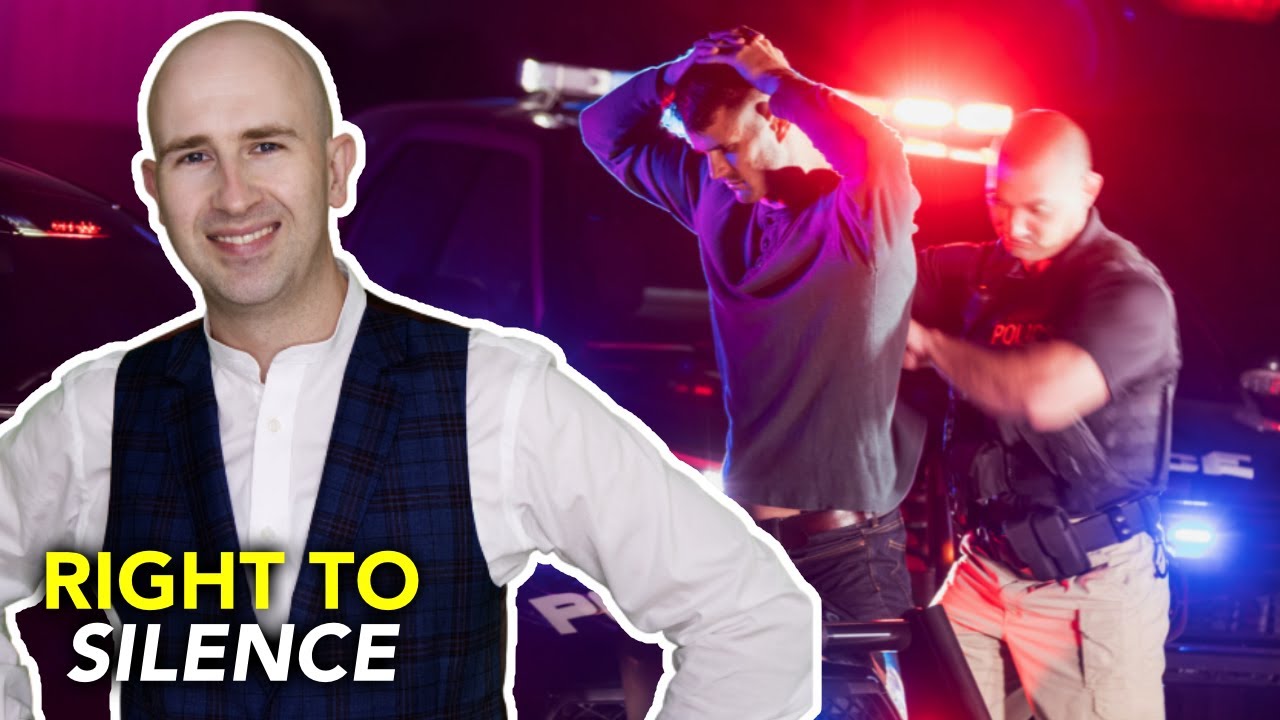






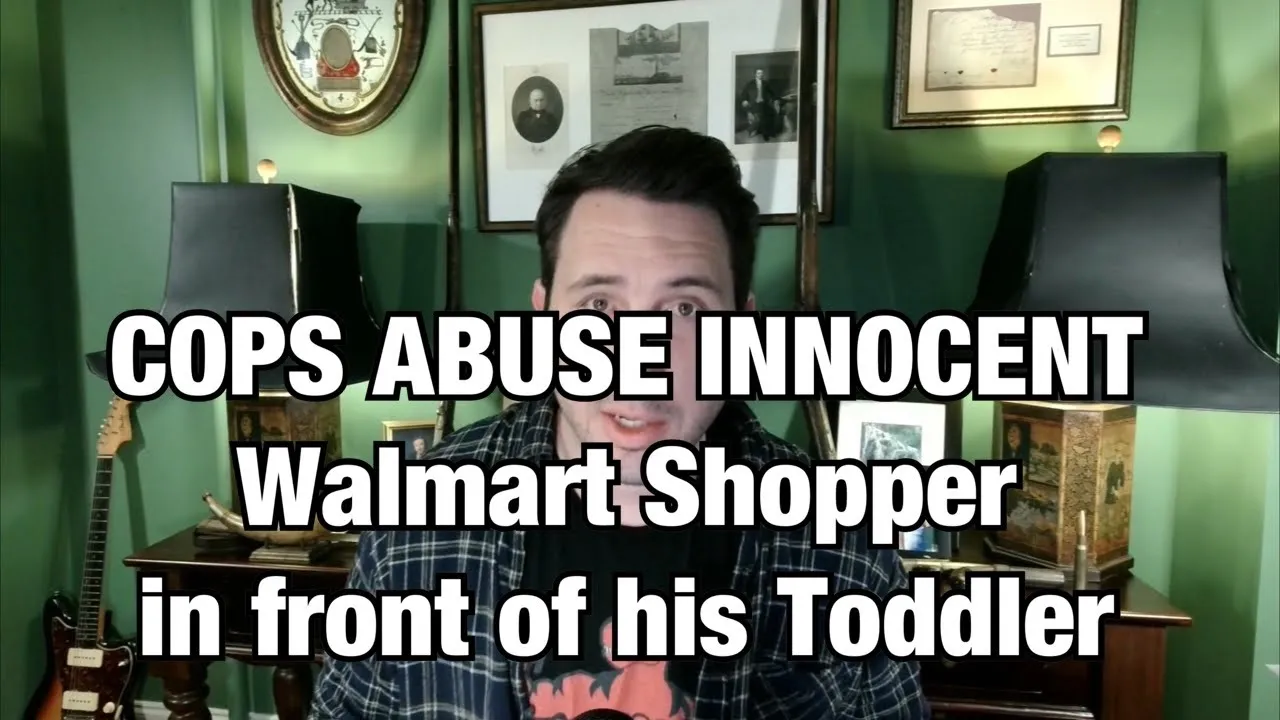

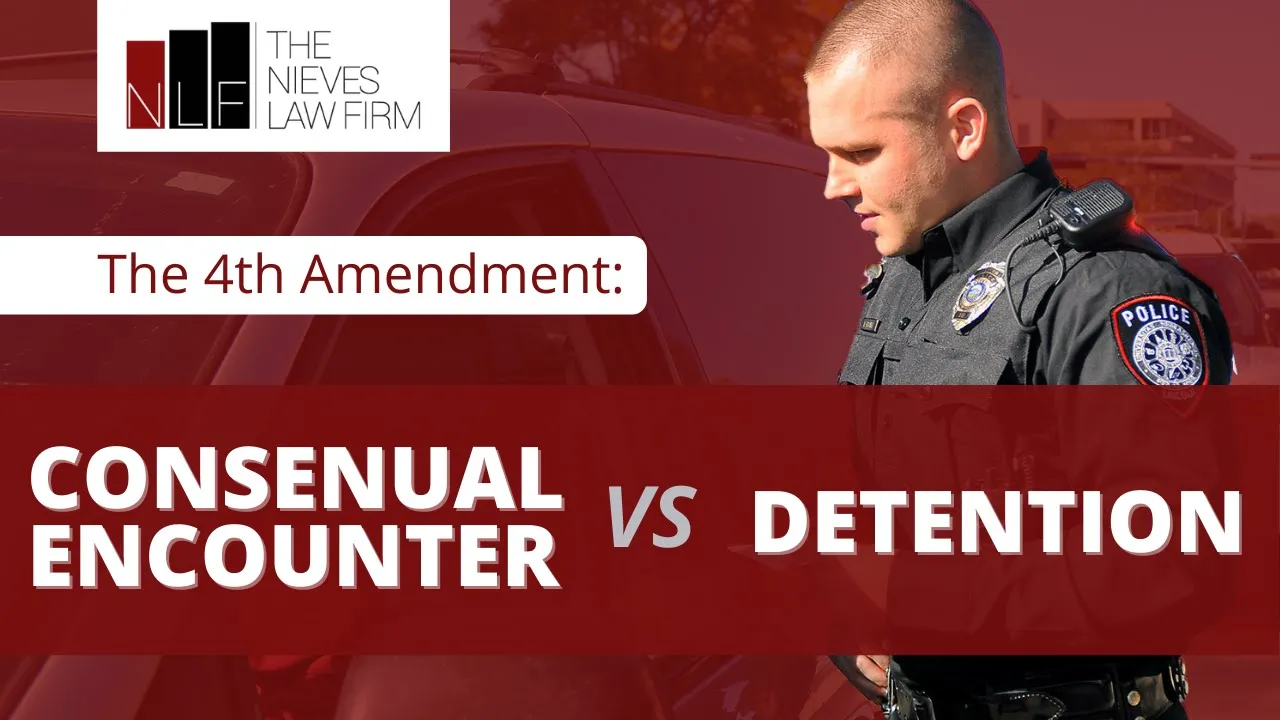














During a police traffic stop, you are not legally required to answer questions about weapons beyond providing basic identification documents (driver's license, registration, insurance). The phrase 'I want counsel' is a legally protected trigger that, according to the Supreme Court's Edwards v. Arizona ruling, must immediately stop all questioning. This right applies regardless of whether you are under arrest or just being questioned, and it does not constitute rudeness or guilt—it simply protects your Fifth Amendment rights against self-incrimination. Even if you have nothing to hide, answering questions voluntarily can lead to unintended consequences, as courts rarely suppress voluntary statements. The recommended response to any question beyond basic identification is to calmly state: 'Officer, I want counsel before I answer any questions. I'm happy to cooperate fully, but I'd like to speak with a lawyer first.'
Legal Rights in Police Traffic Stops: The Power of I Want Counsel
Added:A gun owner just lost his carry permit, his job, and his freedom. All because he answered one simple question from a police officer.
And the worst part, he thought he was doing the right thing by being honest.
Don't let that be you.
Quick question before we continue. Are you subscribed to this channel?
Because what I'm about to show you in the next few minutes could be the difference between going home tonight and spending the next 10 years behind bars. If you carry a firearm, own a gun, or even just live in a house where there's a weapon, this applies directly to you. Hit that subscribe button right now because 90% of gun owners have never heard this, and I don't want you to be one of them. Now, let's get into it. Here's the situation.
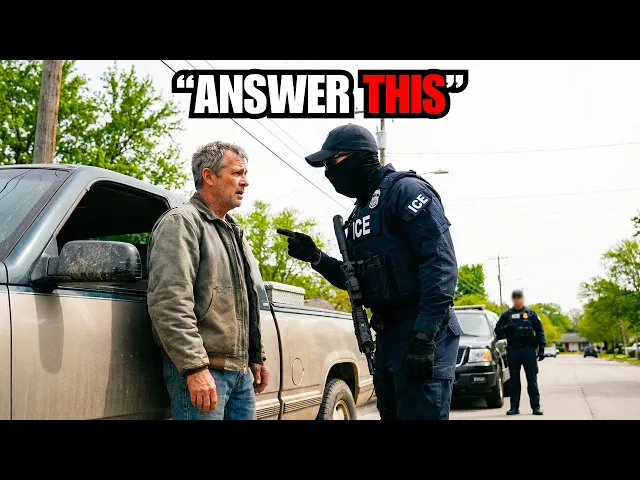
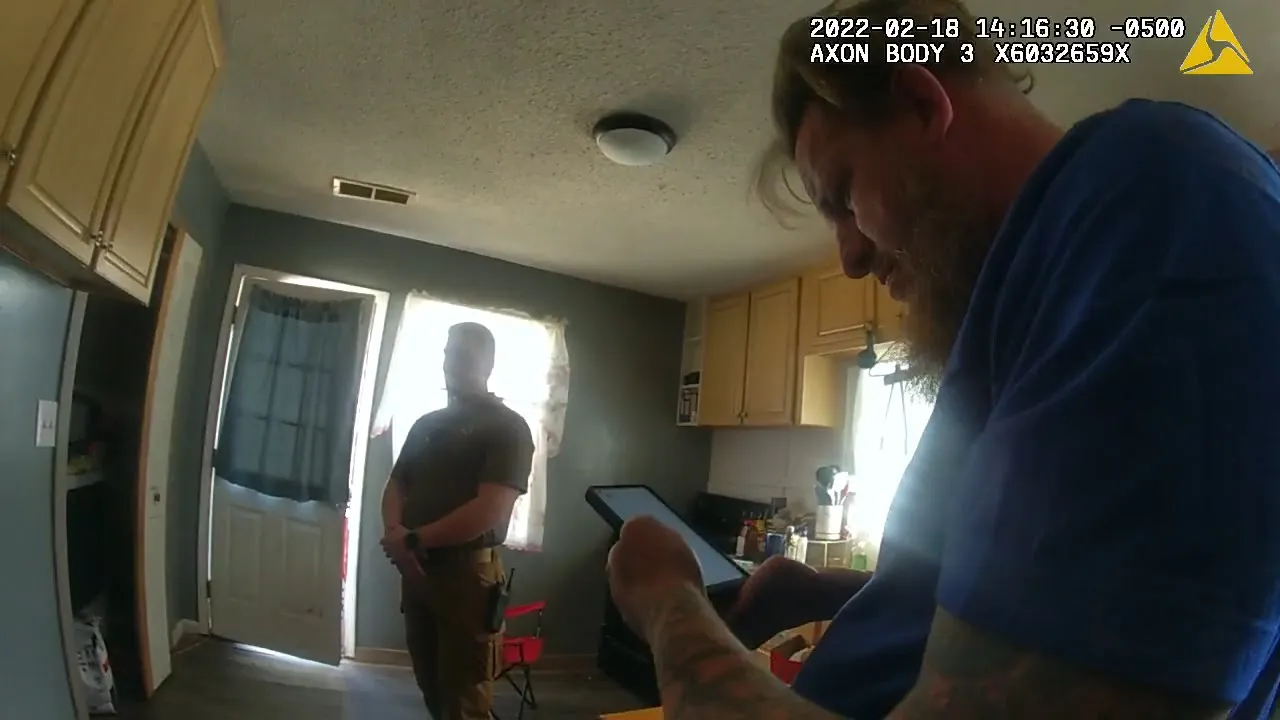
A police officer pulls you over. Maybe it's a routine traffic stop. Maybe your tail light is out. Maybe you were going 5 miles over the speed limit. The officer walks up to your window, and before you can even say hello, he asks you this question. He says, "Do you have any weapons in the vehicle?"
Now, most people think the right thing to do is just be honest. Just tell the truth. Nothing to hide, right? So, they say, "Yes, officer, I have a gun in the glove box. I have a permit. Everything is legal." And that is exactly where things fall apart.
Because here is what nobody tells you.
The moment you answer that question without saying these three words first, you may have just handed the officer everything he needs to turn a simple traffic stop into a criminal investigation. The three words are, "I want counsel."
And I'm going to explain exactly why those three words matter, how to use them without making the officer angry, and what happens when you don't say them. Stay with me.
Let's start with why that question is so dangerous.
When an officer asks, "Do you have any weapons?" it feels like a simple yes or no question.
It feels innocent.
But in the legal world, that question is the starting line of a race you didn't know you were running. The second you answer, you are now on the record.
Everything you say from that point forward can and will be used against you in court. That's not just something they say in the movies. That's the Fifth Amendment of the United States Constitution working against you in real time. Here is something that will shock you. You do not have a legal obligation to answer most questions from police during a traffic stop. You have to provide your driver's license, registration, and proof of insurance.
That's it.
In most states, that is where your legal requirement to speak ends.
But most people don't know that. So, they talk, and they keep talking.
And they dig themselves deeper and deeper into a hole they had no idea they were standing next to.
Here's what just happened to a man I'll call Marcus. Marcus is a completely law-abiding gun owner in a state with strong concealed carry laws. He had his permit. His firearm was stored legally.
He was not doing anything wrong.
But when the officer asked if there were weapons in the car, Marcus said, "Yes," and then started explaining everything.
He told the officer where the gun was, how long he'd had it, why he was carrying it that day.
He was nervous, and he thought being cooperative would make things easier.
What actually happened is the officer asked Marcus to step out of the vehicle.
The officer ran the gun serial number.
It came back clean.
But Marcus, in his nervous rambling, had mentioned that he had lent the gun to a friend the week before. That one detail opened up a whole new investigation into whether an illegal transfer had taken place.
Marcus spent thousands of dollars on a lawyer, missed weeks of work for court appearances, and lived under the shadow of a potential federal charge for months, all from one conversation he didn't have to have.
Now, this is where it gets interesting.
The phrase, "I want counsel," is not just a polite request. It is a legal trigger. The moment you say those three words to law enforcement, the United States Supreme Court has ruled, in a case called Edwards versus Arizona, that all questioning must stop immediately.
Officers are not allowed to keep asking you questions once you invoke your right to counsel. That is the law of the land.
It doesn't matter what state you're in.
It doesn't matter whether you are under arrest or just being questioned. Once you say, "I want counsel," the conversation is legally supposed to end until you have a lawyer present. This is one of the most powerful tools any American has in any police encounter, and the overwhelming majority of gun owners have never used it, never heard of it, and wouldn't know when to use it even if they had. If you're finding this helpful, imagine what you will learn in my next video. I'm covering the exact five things you should and should never say when a cop asks to search your vehicle. That video alone could save you from losing your firearms license permanently.
Subscribe right now so you don't miss it when it drops.
But here's the part nobody's talking about. Saying, "I want counsel," is not the same as being rude, being aggressive, or acting guilty. This is a massive misconception that stops people from protecting themselves.
Most gun owners are afraid that if they ask for a lawyer, the officer will think they have something to hide.
But let me tell you something. Lawyers, actual criminal defense attorneys who defend gun owners for a living, say the opposite is true.
Invoking your right to counsel tells the officer that you know your rights. It tells the officer that you're smart enough not to be manipulated. And here's the legal reality. An officer cannot legally use your request for a lawyer as evidence of guilt. That is also settled law. So, when you say, "I want counsel," you are not incriminating yourself.
You're protecting yourself.
And there is a huge difference between those two things. Now, let's talk about how you actually say it. Because delivery matters. You don't want to be confrontational. You don't want to create unnecessary tension.
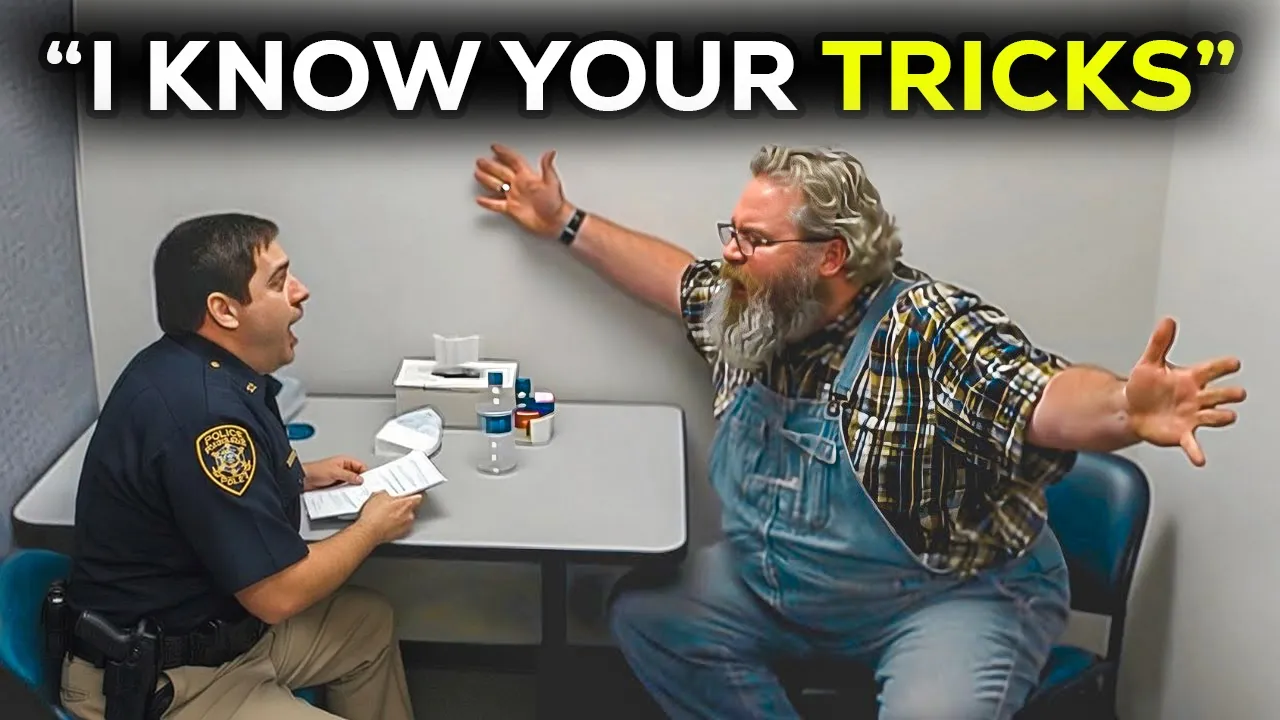
Here's a script you can literally memorize right now. When the officer asks the question, whether it's about weapons, where you've been, what you're doing, anything beyond your basic ID information, you say this calmly and clearly, "Officer, I want counsel before I answer any questions. I'm happy to cooperate fully, but I'd like to speak with a lawyer first."
That's it. That's the whole script. You are being calm. You are being respectful. You are communicating that you are not a threat. But you're also activating one of the most powerful legal protections in the Constitution.
You are not refusing to identify yourself. You are not refusing to hand over your documents. You are simply refusing to give a voluntary statement without legal representation.
And that is your right. Full stop.
Now, quick legal note.
Everything I'm sharing in this video is educational information only. It is not legal advice for your specific situation. Every state has different laws. Every encounter with law enforcement is different. I am not your attorney, and this is not an attorney-client relationship. Always consult a licensed attorney in your state for advice about your specific circumstances.
Okay, with that said, let's keep going because this next part is critical.
Here's what most people get wrong about the Fifth Amendment. Most people think it only applies when you are under arrest. They think you have to be in handcuffs before you can stop talking to police. That is completely false. The Fifth Amendment protects you from being compelled to be a witness against yourself at any point. You don't have to be under arrest. You don't have to be at the police station. You can be standing on the side of the road at a traffic stop, and your Fifth Amendment rights are fully in effect. The problem is that police officers are trained to ask questions in a way that makes those questions feel routine, friendly, and harmless.
"Just checking, do you have any weapons today?" Sounds casual. It sounds like small talk. But it is not small talk. It is an investigative question, and your answer to it is admissible in a court of law. Here is a hypothetical example to explain this.
Imagine you are a licensed gun owner.
You are driving home from the shooting range. You have your firearm in the back seat, unloaded and in a case, exactly as your state law requires. An officer pulls you over for a broken tail light.
He asks if there are any weapons in the vehicle. You say, "Yes, I just came from the range. It's in the back. It's unloaded." The officer says he needs to verify. He searches the case. The gun is fine.
But while doing so, he notices a magazine in the back seat that holds 15 rounds.
You're in a state where standard capacity magazines are restricted to 10 rounds. You had no idea. You bought the magazine in another state. Suddenly, a routine traffic stop is turned into a potential felony weapons charge. And the whole thing started with one voluntary answer to one question you didn't legally have to answer.
Now, this is the part that shocked me when I first learned it. Courts have consistently ruled that voluntary statements, meaning things you say when you were not forced to say them, are almost impossible to suppress as evidence. Once you say it, it's in. Your lawyer can't take it back. The jury will hear it. But if you had simply said, "I want counsel," the conversation never happens.
Hey, I want to stop for a second and say something directly to you. Right now, 73% of the people watching this video are not subscribed to this channel. That means 73% of you could miss the follow-up video where I'm going to break down exactly which states have changed their weapons disclosure laws in 2025, and what you need to do before those changes take full effect. Don't be in that group. Join the over 50,000 gun owners who rely on this channel for honest, clear, no-nonsense legal updates.
Click subscribe right now. It takes 2 seconds, and it could save you years of your life. So, let's bring this all together with one final piece of information that I want you to walk away with.
There's a specific question that defense attorneys say is the most dangerous question police ask gun owners during traffic stops, and it is not always, "Do you have a gun?" Sometimes the question sounds like this.
"Have you been anywhere today where you could have picked up a firearm?" Or it sounds like this.
"Is there anything in the car I should know about?" Or even this.
"You seem nervous. Is there a reason for that?"
These questions are designed to get you talking. They are open-ended. They invite you to fill the silence.
And the more you talk, the more information the officer collects, even if you are completely innocent. The answer to all of those questions is the same.
"Officer, I want counsel before I answer any questions." Those three words. Every single time.
It doesn't matter if you have nothing to hide. It doesn't matter if everything you own is completely legal. The purpose of invoking your right to counsel is not to hide guilt. It is to protect your innocence from being accidentally complicated by a nervous, well-meaning conversation you didn't need to have.
Listen.
This information could literally become more urgent after the new round of state-level disclosure laws take effect.
Several states are considering bills right now that would change what you're legally required to disclose during a traffic stop if you have a carry permit.
The rules are shifting.
Subscribe to this channel right now because my next video is going to break down exactly which states are changing their laws, and what gun owners need to do before those changes go live. You do not want to miss that. Let me leave you with the three things I want you to remember from this video. First, you are not required to answer questions about weapons during a routine traffic stop beyond providing your basic documents.
Second, the phrase "I want counsel" is a legally protected trigger that should stop all questioning. Use it calmly, use it respectfully, and use it every single time.
Third, talking more does not protect you. It does not make you look innocent.
It gives law enforcement more material to work with. Even when you have done nothing wrong. The best thing you can ever do in a police encounter as a gun owner is to say less, stay calm, and get a lawyer involved before you say anything on the record. If this video helped you understand your rights better, share it with one gun owner you know. They need to hear this. And subscribe to this channel right now because protecting your rights is not something you can do once and forget about. Laws change, rulings drop, and when they do, I'll be right here to break it down for you in plain English, the way it should be. Stay safe out there. Know your rights. And I'll see you in the next one.
Up Next

Day 7 Apple River Stabbing Trial: Miu Testifies, State Cross-Examines
@fox9
284.8K views•2024-04-09

Triumph of Orthodoxy Icon: Byzantine Art & History Explained
@BenCallan
2.1K views•2024-08-06

FastAPI vs Flask vs Django: Choosing the Right Python Web Framework
@TechWithTim
302.5K views•2024-05-26

Game of Thrones Opening Credits: A Cinematic Analysis
@gameofthrones
46.3M views•2011-04-18
Related Study Plans & Knowledge Roadmaps
Structured learning paths in General & Interdisciplinary Studies