






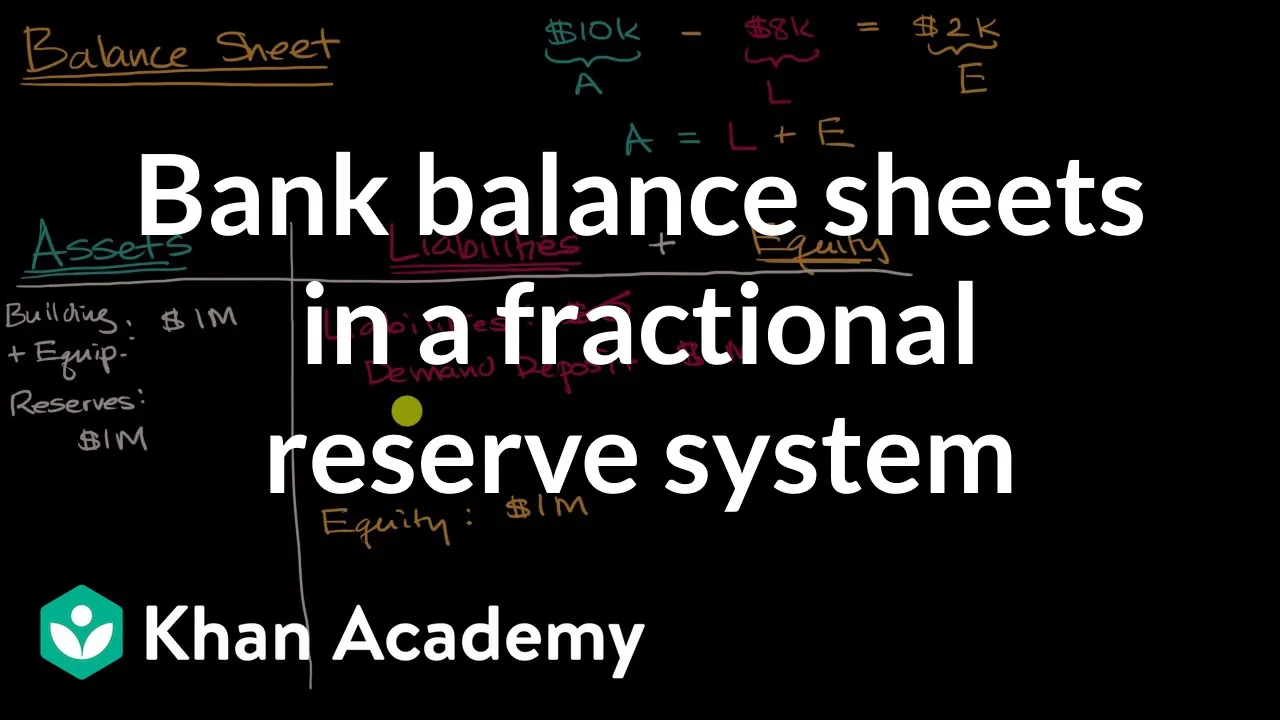







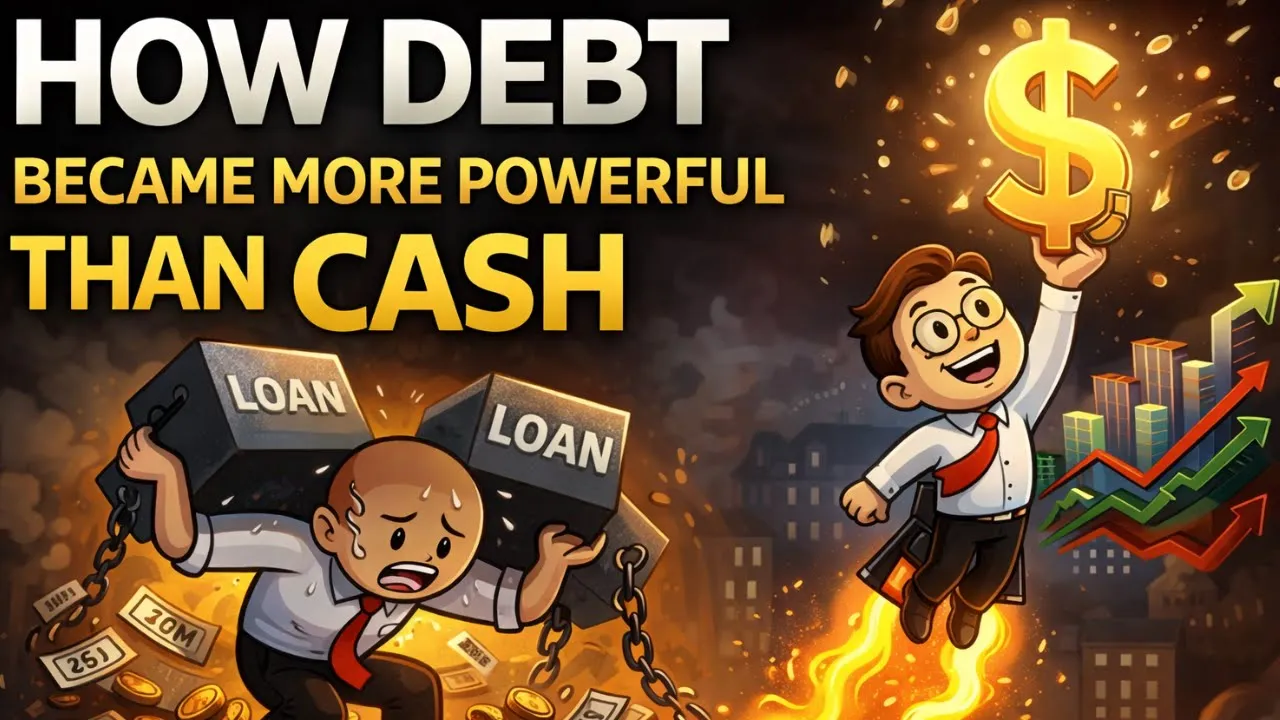



Money is fundamentally created as debt through the fractional reserve banking system, where banks create new money by lending against deposits, with the total money supply expanding through a multiplier effect as loans are deposited and redeposited; this system requires perpetual economic growth to function, as the interest on loans must be paid from new money creation, creating an escalating cycle of debt that makes long-term sustainability incompatible with current monetary structures.
Money as Debt: A Documentary on Modern Monetary Theory
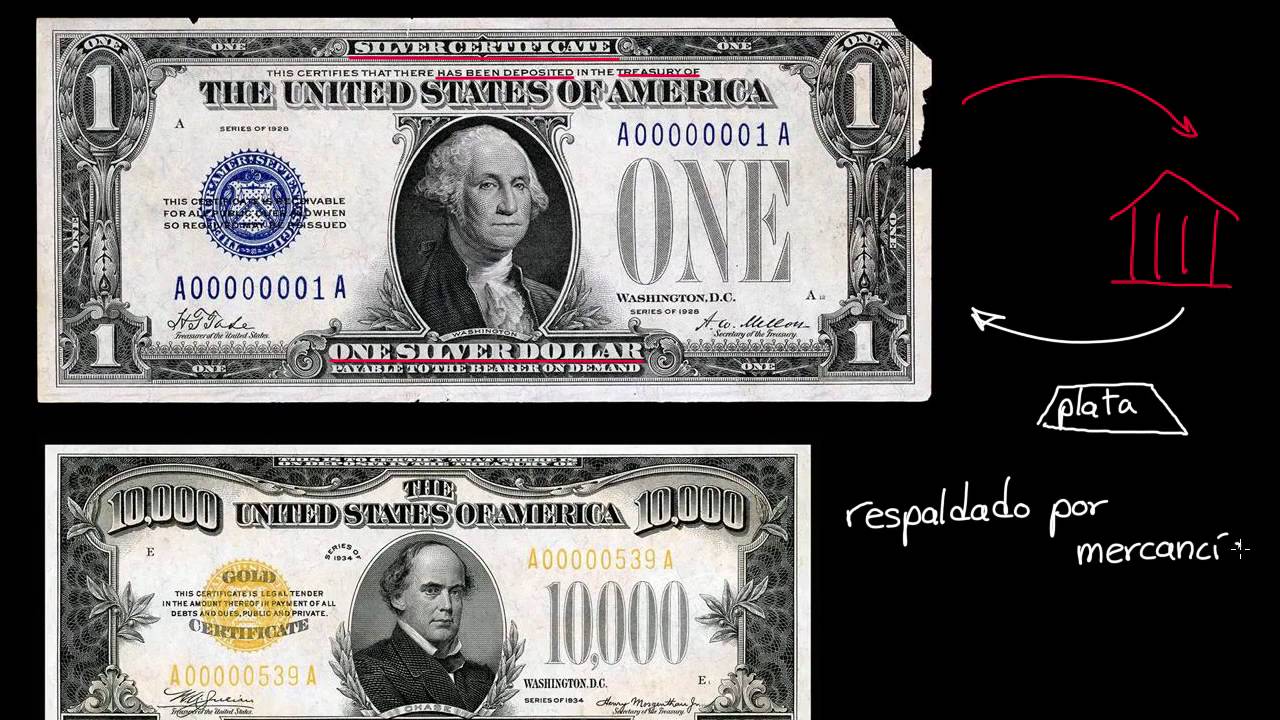
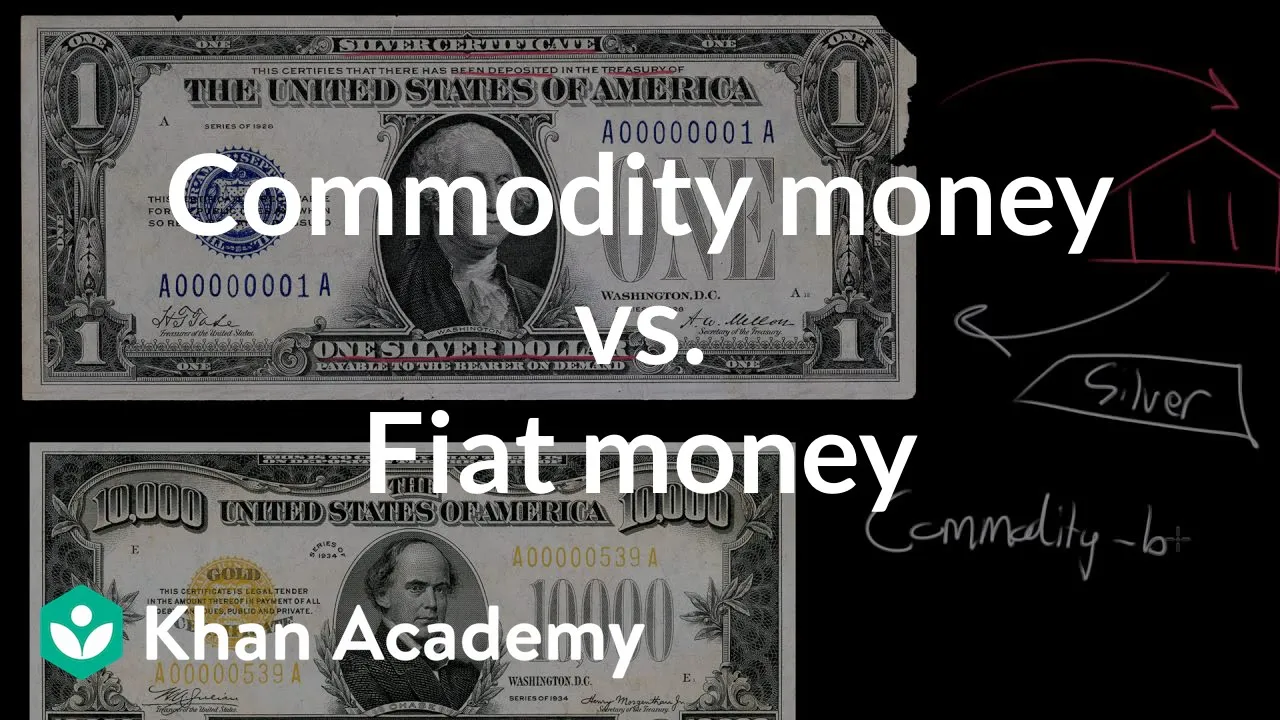
Added:Understanding the difference between fiat currency and commodity-backed money (like the gold standard).
The basic mechanics of fractional reserve banking and how commercial banks historically leverage deposits.
The fundamental role of a central bank (e.g., the Federal Reserve) and how it influences the money supply through interest rates.
Basic accounting principles, specifically how loans are recorded as both assets and liabilities on a bank's balance sheet.
Deep-diving into Modern Monetary Theory (MMT) and its assertions regarding sovereign spending, taxation, and inflation constraints.
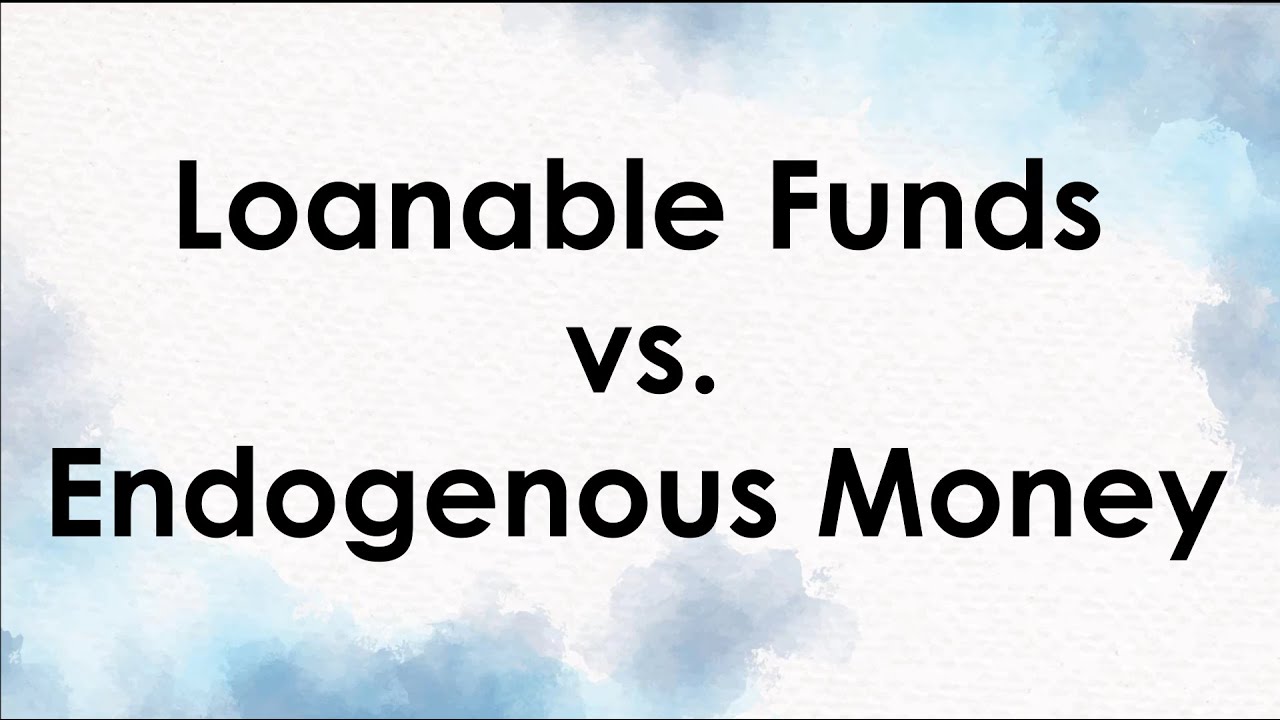
Analyzing the Endogenous Money Theory vs. the Loanable Funds Theory to understand conflicting economic paradigms on money creation.
Evaluating the macroeconomic consequences of debt-leveraged growth, including systemic risks, asset bubbles, and financial crises.
Exploring alternative monetary systems, such as public banking models, sovereign money initiatives (e.g., Vollgeld), and decentralized finance (DeFi).
283.4K views4.4Klikes46:20Original Release: 2015-10-28
[Music] for [Music] I [Music] two great Mysteries dominate our lives Love and Money what is love is a question that has been endlessly explored in stories songs books movies and television but the same cannot be said about the question what is money it's not surprising that monetary Theory hasn't in inspired any blockbuster movies but it was not even mentioned that the schools most of us attended for most of us the question where does money come from brings to mind a picture of the mint printing bills and stamping coins money most of us believe is created by the government it's true but only to a point those metal and paper symbols of value we usually think of as money are indeed produced by an agency of the federal government called the mint but the vast majority of money is not created by the mint it is created in huge amounts every day by private corporations known as Banks most of us believe that Banks lend out money that has been entrusted to them by depositors easy to picture but not the truth in fact Banks create the money they loan not from the bank's own earnings not from the money deposited but directly from the Borrowers promis to repay the borrower signature on the loan papers is an obligation to pay the bank the amount of the loan plus interest or lose the house the car whatever asset was pledged as collateral that's a big commitment from the borrower what does the same signature require of the bank the bank gets to conjure into existence the amount of the loan and just write it into the borrower's account sound far-fetched surely that can't be true but it [Music] is to demonstrate how this miracle of modern banking came about consider this simple story The Goldsmith's tale Once Upon various times pretty much anything was used as money it just had to be portable and enough people had to have faith that it could later be exchanged for things of real value like food clothing and shelter shells cocoa beans pretty Stones even feathers have been used as money gold and silver were attractive soft and easy to work with so some cultures became expert with these Metals goldsmiths made trade much easier by casting coins standardized units of these Metals whose weight and Purity was certified but to protect his gold the Goldsmith needed a vault and soon his fellow townsmen were knocking on his door wanting to rent space to safeguard their own coins and valuables before long the Goldsmith was renting every shelf in the vault and earning a small income from his vault rental business years went by and the Goldsmith made an astute observation depositors rarely came in to remove their actual physical gold and they never all came in at once that was because the claim checks the Goldsmith had written as receipts for the gold were being traded in the marketplace as if they were the gold itself this paper money was far more convenient than heavy coins and amounts could simply be written instead of laboriously counted one by one for each transaction meanwhile the Goldsmith had another business he lent out his gold charging interest well his convenient claim check money came into acceptance borrowers began asking for their loans in the form of these claim checks instead of the actual metal his industry expanded more and more people asked the Goldsmith for loans this gave the Goldsmith an even better idea he knew that very few of his depositors ever removed their actual gold so the Goldsmith figured he could easily get away with lending out claim checks against his depositor's gold in addition to his own as long as the loans were repaid his depositors would be none the wiser and no worse off and the Goldsmith now more Banker than Artisan would make a far greater profit than he could by lending only his own gold for years the Goldsmith secretly enjoyed a good income from the interest earned on everybody else's deposits now a prominent lender he grew steadily richer than his fellow townsmen and he flaunted it suspicions grew that he was spending his depositors money his depositors got together and threaten withdrawal of their gold if the Goldsmith didn't come clean about his new found wealth contrary to what one might expect this did not turn out to be a disaster for the Goldsmith despite the duplicity inherent in his scheme his idea did work the depositors had not lost anything their gold was all safe in the Goldsmith's Vault well rather than taking back their gold the depositors demanded that the Goldsmith now their Banker cut them in by paying them a share of the interest and that was the beginning of banking the banker paid a low interest rate on deposits of other people's money that he then loaned out at a higher interest the difference covered the bank's cost of operation and its profit the logic of this system was simple and it seemed like a reasonable way to satisfy the demand for credit however this is not the way banking works today our Goldsmith Banker was not content with the income remaining after sharing the interest earnings with his depositors and the demand for credit was growing fast as Europeans spread out across the world but his loans were limited by the the amount of gold his depositors had in his vault that's when he got an even Bolder idea since no one but himself knew what was actually in his vaults he could lend out claim checks on gold that wasn't even there as long as all the claim check holders didn't come to the vault at the same time and demand real gold how would anyone find out this new scheme worked very well and the banker became enormously Wealthy on the interest paid on gold that did not exist the idea that the banker would just create money out of nothing was too outrageous to believe so for a long time the thought did not occur to people but the power to just invent money went to the Banker's head as you can well imagine in time the magnitude of the Banker's loans and his ostentatious wealth did trigger suspicions once again some borrowers started to demand real gold instead of paper representations rumors spread suddenly several wealthy depositors showed up to remove their gold the game was up a sea of claim check holders flooded the street outside the closed doors of the bank alas the banker did not have enough gold and silver to redeem all the paper he had put into their hands this is called a run on the bank and it is what every Banker dreads this phenomenon of a run on the bank ruined individual Banks and not surprisingly damaged public confidence in all Bankers it would have been straightforward to Outlaw the practice of creating money from nothing but the large volumes of credit the bankers were offering had become essential to the success of European commercial expansion so instead the practice was legalized and regulated Bankers agreed to abide by limits on the amount of fictional loan money that could be lent out the limit would still be a number much larger than the actual value of gold and silver in the vault quite often the ratio was nine fictional dollars to1 actual Dollar in Gold these regulations were enforced by surprise inspections it was also arranged that in the event of a run central banks would support local banks with emergency infusions of gold only if there were runs on a lot of banks simultaneously with the Banker's credit Bubble Burst and the system come Crashing [Music] Down [Music] over the years the fractional Reserve System and its Integrated Network of banks backed by a central bank has become the dominant money system of the world at the same time the fraction of gold backing the debt money has steadily shrunk to nothing the basic nature of money has changed in the past a paper dollar was actually a receipt that could be redeemed for a fixed weight of gold or silver in the present a paper or digital dollar can only be redeemed for another paper or digital Dollar in the past privately created Bank credit existed only in the form of Private Bank notes which people had the choice to refuse just as we have the choice to refuse someone's private check today in the present privately created Bank credit is legally convertible to governmen issued fiat currency the dollars loonies and pounds we habitually think of as money fiat currency is money created by government Fiat or decree and legal tender laws declare that citizens must accept this Fiat money is payment for debt or else the courts will not enforce the obligation so now the question is if governments and Banks can both just create money then how much money exists in the past the total amount of money in existence was limited to the actual physical quantities of whatever commodity was in use as money for example in order for new gold or silver money to be created more gold or silver had to be found and dug out of the ground in the present money is literally created as debt new money is created whenever anyone takes a loan from the bank as a result the total amount of money that can be created has only one real limit the total level of debt governments place an additional statutory limit on the creation of new money by enforcing rules known as fractional reserve requirements essentially arbitrary fractional reserve requirements vary from country to Country and from time to time in the past it was common to require Banks to have at least $1 is worth of real gold in the vault to back $10 worth of debt money created today Reserve requirement ratios no longer apply to the ratio of new money to gold on deposit but merely to the ratio of new debt money to existing debt money on deposit in the [Music] bank today A bank's reserves consists of three things the amount of government issued cash that the bank has in its Vault the amount of credit it has with the central bank and the amount of already existing debt money the bank has on deposit to illustrate this in a simple way let's imagine that a new bank has just started up and has no depositors yet investors have paid for the bank's infrastructure and have supplied it with sufficient cash to meet the demand for cash withdrawals typically cash in the vault will amount to no more than $1 for every 20 or $30 that could be demanded from the bank the bank has joined the central bank system which permits the new bank to borrow cash from the central bank if it's [Music] needed the doors open and the new bank welcome com its first Loan customer the customer needs $10,000 to buy a car on approval the bank creates an account for the borrower and types in that the Bank owes the borrower $10,000 this $10,000 is not taken from anywhere it's created on the spot the borrower does not take this money out in cash instead he writes a check on his account to buy the car the seller then deposits this newly created $110,000 check at her bank at a ratio of 9 to1 this new $10,000 deposit allows the sellers Bank to create a new loan of $99,000 and if that $99,000 is then deposited by a third party it becomes the legal basis for a third issue of bank credit this time for the amount of $8,100 like one of those Russian dolls each layer of which contains a smaller doll in inside each new deposit contains the potential for a slightly smaller Loan in a decreasing series now at any stage if the money created is taken out in cash and not deposited at a bank the process stops that's the unpredictable part of the money creation mechanism but more likely at every step the new bank credit money will be deposited at a bank and the reserve ratio process can repeat itself over and over into until almost $100,000 of brand new bank credit money has been created within the banking system all of this new money has been created entirely from debt and all transactions have been carried out with bank credit none of the banks involved have needed to use any of the cash in their vaults what's more under this ingenious system the books of each Bank in the chain must show that the bank has 10% more on deposit than it has out on loan this gives Banks a very real incentive to seek deposits in order to be able to make loans supporting the general but misleading impression that loans come out of deposits now it can't be said that any one bank got to multiply the initial $10,000 of bank credit into $100,000 of bank credit however the banking system is a closed loop Bank credit created at One Bank becomes a deposit in another and and so on and so on in a theoretical world of perfectly equal exchanges the banks would owe each other nothing at the end of the day and the $10,000 created out of thin air as a loan by the First Bank could indeed become almost $100,000 of new loan money in the banking system if that sounds ridiculous try this actual Reserve ratios can be much higher than 9:1 for some types of accounts 20 to1 and 33 to1 ratios are common there are also many exceptions where no reserve requirements apply at all so while the rules are complex the common sense reality is actually quite simple Banks can create as much money as we can borrow despite the endlessly presented mint footage government created money typically accounts for less than 5% of the money in circulation more than 95% of all money in existence today was created by someone signing a pledge of indebtness to a bank what's more this bank credit money is being created and destroyed in huge amounts every day as new loans are made and old ones repaid Banks can only practice this money system with the AC of cooperation of government first governments pass legal tender laws to make us use the national fiat currency secondly governments allow private bank credit to be paid out in this government currency thirdly government courts enforce debts and lastly governments pass regulations to protect the money system's functionality and credibility with the public while doing nothing to inform the public about where money really comes from the simple truth is that when we sign on the dotted line for a so-called loan or mortgage our signed pledge of payment backed by the assets we pledge to Forfeit should we fail to pay is the only thing of real value involved in the transaction to anyone who believes we will honor our pledge that loan agreement or mortgage is now a portable exchangeable and sailable piece of paper it's an IOU it represents value and is therefore a form of money this money the borrower exchanges for the bank's so-called loan now a loan in the real world means that the lender must have something to lend if you need a hammer my loaning you a promise to provide a hammer I don't have won't be of much help but in the artificial world of money A bank's promise to pay money it doesn't have is allowed to be passed off as money and we accept it as such once the borrower signs the pledge of debt the bank then balances the transaction by creating with a few keystrokes on a computer a matching debt of the bank to the borrower from the borrower's point of view this becomes loan money in his or her account and because the government allows this debt of the bank to the borrower to be converted to government fat currency everyone has to accept it as money again the basic truth is very simple without the document the borrower signed the banker would have nothing to lend have you ever wondered how everyone governments corporations small businesses families can all be INB that at the same time and for such astronomical amounts have you ever questioned how there can be that much money out there to lend now you know there isn't Banks do not lend money they simply create it from debt and his debt is potentially unlimited so is the supply of money and as it turns out the opposite situation is also true isn't it astounding that despite the incredible wealth of resources Innovation and productivity that surrounds us almost all of us from governments to companies to individuals are heavily in debt to Bankers if only people would stop and think how can that be how can it be that the people who actually produce all the real wealth in the world are in debt to those who merely lend out the money that represents the wealth even more amazing is that once we realize that money really is debt we realize that if there was no debt there'd be no money if this is news to you you are not alone most people imagine that if all debts were paid off the state of the economy would improve it's certainly true on an individual level just just as we have more money to spend when our loan payments are finished we think that if everyone were out of debt there would be more money to spend in general but the truth is the exact opposite there would be no money at all there it is we are totally dependent on continually renewed Bank credit for there to be any money in existence no loans no money which is what happened during the Great Depression the money supply shrank Dr drastically has the supply of loans dried up and that's not all banks create only the amount of the principal they don't create the money to pay the interest where is that supposed to come from the only place borers can go to obtain the money to pay interest is the general economy's overall money supply but almost almost all that overall money supply has been created exactly the same way as Bank credit that has to be paid back with more than was created so everywhere there are other borrowers in the same situation frantically trying to obtain the money they need to pay back both principle and interest from a total money pool which contains only [Music] principal [Music] the big problem here is that for long-term loans such as mortgages and government debt the total interest far exceeds the principle so unless a lot of extra money is created to pay the interest it means a very high proportion of foreclosures and a nonfunctioning economy to maintain a functional Society the rate of foreclosure needs to be low and so to accomplish this more and more new debt money has to be created to satisfy today's demands for money to service the previous debt but of course this just makes the total debt bigger and that means more interest must ultimately be paid resulting in an Ever escalating and inescapable spiral of mounting indebtedness it is only the time lag between money's creation as new loans and its repayment that keeps the over over all shortage of money from catching up and bankrupting the entire system however as the bank's insatiable credit monster gets bigger and bigger the need to create more and more debt money to feed it becomes increasingly urgent why are interest rates so low why do we get unsolicited credit cards in the mail why is the US government spending faster than ever could it be to Stave off collapse of the entire monetary system a rational person has to ask can this really go on forever isn't a collapse [Music] inevitable money facilitates production and trade as the money supply increases money just becomes increasingly worthless unless the volume of production and trade in the real world Grows by the same amount add to this the realization that when we hear that the economy is growing at 3% per year it sounds like a constant rate but it's not this year's 3% represents more real goods and services than last year's 3% because it's 3% of the new Total instead of a straight line as as naturally visualized from the words it is really an exponential curve getting steeper and steeper deeper the problem of course is that Perpetual growth of the real economy requires perpetually escalating use of real world resources and energy more and more stuff has to go from natural resource to garbage every year forever just to keep the system from [Music] collapsing what can we do about this downright scary situation for one thing we need a very different concept of money it's time more people ask themselves and their governments four simple questions around the world governments borrow money at interest from private Banks government debt is a major component of total debt and servicing that debt takes a big chunk of our taxes now we know that Banks simply create the money they lend and that governments have given them permission to do this so the first question is why do governments choose to borrow money from private banks at interest when government could create all the interest free money it needs itself and the second big question is why create money as debt at all why not create money that circulates permanently and doesn't have to be perpetually rebored at interest in order to exist the third question how can a money system that can only function with perpetually accelerating growth be used to build a sustainable economy isn't it logical that perpetually accelerating growth and sustainability are incompatible and finally what is it about our current system that makes it totally dependent on Perpetual growth what needs to be changed to allow the creation of a sustainable economy at one time charging any interest on a loan was called Usery and was subject to severe penalties including death every major religion forbade Usery most of the arguments made against the practice were moral it was held that money's only legitimate purpose was to facilitate the exchange of real goods and services any form of making money from Simply Having money was regarded as the act of a parasite or of a thief however as the credit needs of Commerce and increased the moral arguments eventually gave way to the argument that lending involves risk and loss of opportunity to the lender and therefore attempting to make a profit from lending is Justified today these Notions seem quaint today the idea of making money from money is held as an ideal to strive for why work when you can get your money to work for you however in trying to Envision a sustainable future it's very clear that the charging of interest is both a moral and a practical [Music] problem imagine a society and economy that can endure for centuries because instead of plundering its capital stores of energy it restricts itself to present day income no more wood is harvested than grows in the same period all energy is renewable solar gravitational geothermal magnetic and whatever else else we discover this Society lives within the limits of its non-renewable resources by reusing and recycling everything and the population just replaces itself such a society could never function using a money system utterly dependent on perpetually accelerating growth a stable economy would need a money supply at least capable of remaining stable without collapsing let's say the total volume of this stable money supply is represented by this big circle let's also Imagine That Money Lenders must actually have existing money to lend if some people within this money supply begin systematically lending money at interest their share of the money supply will grow if they continually reloan at interest all the money that gets paid back what's the inevitable result whether it's gold Fiat or debt money does doesn't matter the money lenders will end up with all the money and after the foreclosures and bankruptcies are all filed they'll get all the real property too only if the proceeds of lending at interest were evenly distributed among the population would this Central problem be solved heavy taxation of Bank profits might accomplish this goal but then why would Banks want to be in business if we were able to free ourselves of the current situation we could imagine banking run as a nonprofit service to society dispersing its interest earnings as a universal citizen dividend or lending without charging interest at [Music] all [Music] if it is the fundamental nature of the system that causes the problems tinkering with the system cannot ever solve those problems the system itself must be replaced many monetary critics call for a return to gold-based money claiming that gold is a long history of reliability they ignore the many scams that can be played with gold shaving coins debasing the metal cornering the market all of which were abundantly practiced in ancient Rome and contributed to its fall some Advocate silver at being more abundant than gold and therefore more difficult to Corner many question the need to bring back precious metals at all no one wants to to go back to carrying heavy sacks of coins to go shopping it's a certainty that paper digital plastic or more likely biometric ID money would be the real medium of trade with the same potential for creating unlimited debt money we have now beyond that if gold again became the sole legal basis of money those who have no gold would suddenly have no money other monetary reform Advocates have concluded that Gree and dishonesty are the main problems and that there may be better ways to create an honest and Equitable money system than returning to silver or gold inventive Minds have proposed a variety of alternate ways to create money many private barter systems create money as debt much as Banks do but it is done openly and without charging interest an example is a barter system in which debt is expressed as pledges of hours of work all work being valued equally at a dollar figure that then allows ours to be equated with the dollar price of goods this kind of money system can be set up by anyone who can devise a way to do the accounting and find willing and trustworthy participants setting up a local barter money system even if it were little used now would be prudent emergency planning for any Community monetary reform like electoral reform is a big topic and one that requires a willingness to change and to think outside the box monetary reform again like electoral reform will not come easily because the enormously powerful interests that benefit from the existing system will do their utmost to maintain their advantage now that we've seen that money is just an idea and that in reality money can be whatever we make it here's one very simple alternative monetary concept to consider this model is based on systems that have worked in the past in England and America systems that were undermined and destroyed by the Goldsmith bankers and their fractional Reserve System to create an Economy based on permanent interest free money money could simply be created and spent into the economy by the government preferably on long lasting infrastructure that facilitates the economy such as roads railro roads Bridges harbors and public markets this money would not be created as debt it would be created as value that value being in the form of whatever it was spent on if this new money facilitated a proportional increase in trade requiring its use it would cause no inflation whatsoever if government spending did cause inflation there would be two courses of action available inflation is equivalent in effect to a flat tax on money whether the money goes down in value 20% or the government takes 20% of our money away from us the effect on our buying power is the same viewed this way inflation in place of Taxation might be politically acceptable if well spent and kept within limits or government could choose to counter inflation by collecting tax monies that it then takes out of use thus reducing the money supply and restoring its value to control deflation which is the phenomenon of falling wages and prices the government would simply spend more money into existence with no competing private debt money creation governments would have more effective control of their nation's money supply the public would know whom to blame if things went wrong governments would rise and fall on their ability to preserve the value of money government would operate primarily on taxes as as it does now but tax money would go much much further as none of it would be required to pay interest to private Bankers there could be no national debt if the federal government simply created the money it needed our Perpetual Collective servitude to the banks through interest payments on government debt would be impossible [Music] what we have been taught to believe is democracy and freedom has become in reality an ingenious and invisible form of economic dictatorship as long as our entire Society remains s utterly dependent on Bank credit for its supply of money Bankers will be in the position to make the decisions on who gets the money they need and who [Music] doesn't [Music] he [Music] few people are aware today that the history of the United States since the revolution in 1776 has been in large part the story of an epic struggle to get free and stay free of control by the European International Banks this struggle was finally lost in 1913 when President woodro Wilson signed into effect the Federal Reserve Act putting the international banking cartel in charge of creating America's money the power of this system is deeply ingrained so is the educational and media silence on the subject years ago a Canadian Deputy Prime Minister surveyed scores of non-economists both Highly Educated professionals and Common Sense people on the street and found that not one of them had an accurate understanding of how money is created in fact it's probably safe to say that most people including the Frontline employees of banks have never given the matter a moment's thought have you [Music] the modern money's debt system was born a little over 300 years ago when the First Bank of England was set up with a royal Charter for fractional lending of gold receipts at a modest ratio of two: one that modest ratio was just the proverbial foot in the door the system is now worldwide creates virtually unlimited amounts of money out of thin air and has almost everyone on the planet chained to a perpetually growing debt that can never be paid off could it have all happened by accident or is it a [Music] conspiracy obviously something very big is at stake take [Music] here [Music] e [Music] he [Music] yeah
Up Next

16:50
Gold Standard Abandonment: Economic Mistake or Necessity?
@EconomicsExplained
1.8M views•2022-05-25
5:07
Impact of Yuan in Indo-Russian Trade Amid Sanctions
@WION
261.9K views•2022-07-01
10:33
Behavioral Economics Explained: Rationality, Nudges, and Risk
@crashcourse
1.1M views•2016-03-12

113:18
The Age of Easy Money: Fed & Inflation | Full Documentary
@frontline
21.2M views•2023-03-15
Related Study Plans & Knowledge Roadmaps
Structured learning paths in Economics
economics
Sovereign Debt: Defaults, IMF & Restructuring
01Introduction to Sovereign Debt & Government Bonds
02Debt Sustainability & Credit Ratings
03Anatomy and History of Debt Crises
+ 2 more learning modules
12h5 modules
Explore Roadmap
economics
Market Design: Matching Theory & Gale-Shapley
01Introduction to Market Design and Price-Free Markets
02Two-Sided Matching & The Gale-Shapley Algorithm
03School Choice Systems and Mechanism Design
+ 2 more learning modules
10h5 modules
Explore Roadmap
economics
Impossible Trinity: Forex, Capital & Policy
01Introduction to Monetary Policy and Central Banking
02Exchange Rates and International Capital Flows
03The Mundell-Fleming Model
+ 2 more learning modules
8h5 modules
Explore Roadmap
economics
Healthcare Economics: Market Failures & Systems
01Introduction to Healthcare Markets and Market Failure
02Asymmetric Information and Adverse Selection
03Moral Hazard and Insurance Design
+ 2 more learning modules
12h5 modules
Explore Roadmap