






















![Microeconomic impacts of trade unions essay plan [3.5.3]](https://i.ytimg.com/vi/bK16rb8slZc/maxresdefault.jpg)






The Marginal Productivity Theory of Wages, developed by J.B. Clark, determines wages based on the marginal product of labor (MPL), stating that wages equal the value of marginal product of labor (VMPL) and marginal revenue product of labor (MRPL); under perfect competition, the demand for labor is downward-sloping due to diminishing marginal returns, while supply is a horizontal line at the market wage rate, with equilibrium occurring where VMPL equals MRPL equals wage rate.
Marginal Productivity Theory of Wages Explained | Economics
Added:The Law of Diminishing Marginal Returns and how it affects production output as more units of a variable factor are added.
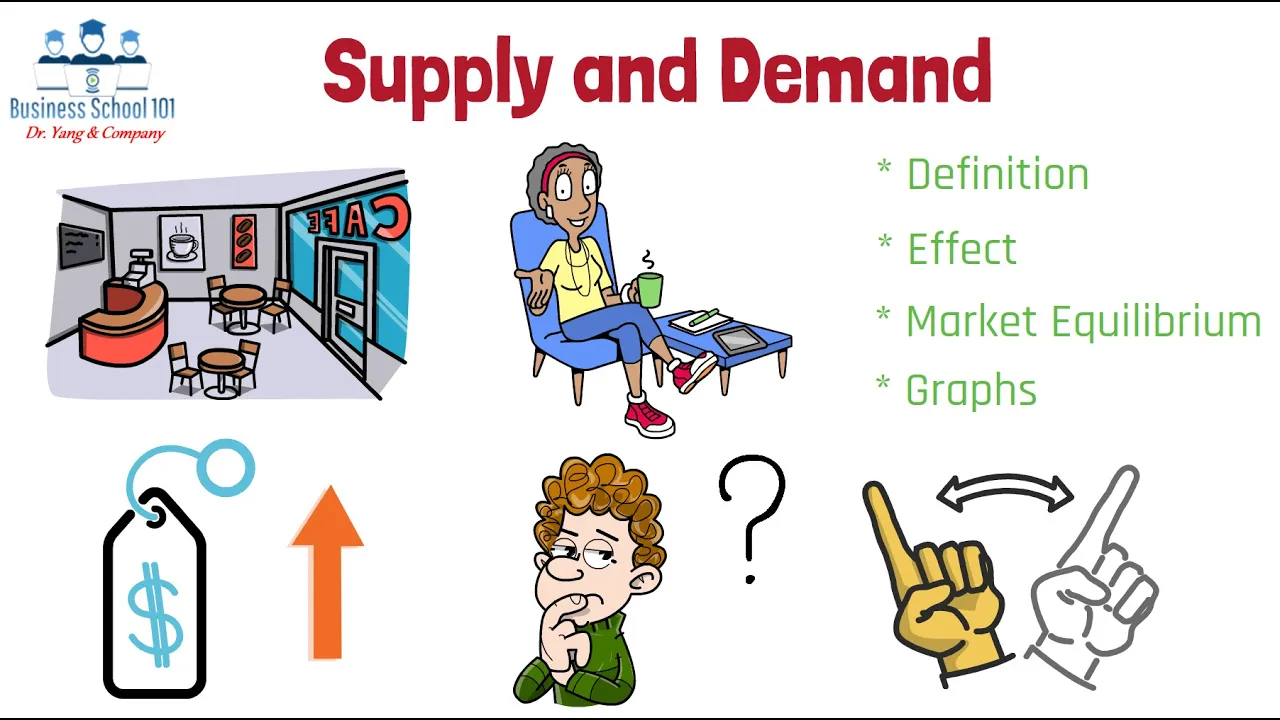
Basic concepts of supply and demand, including market equilibrium and price determination.
The distinction between Marginal Physical Product (MPP) and Marginal Revenue Product (MRP).
The characteristics of a perfectly competitive market structure in both product and factor markets.
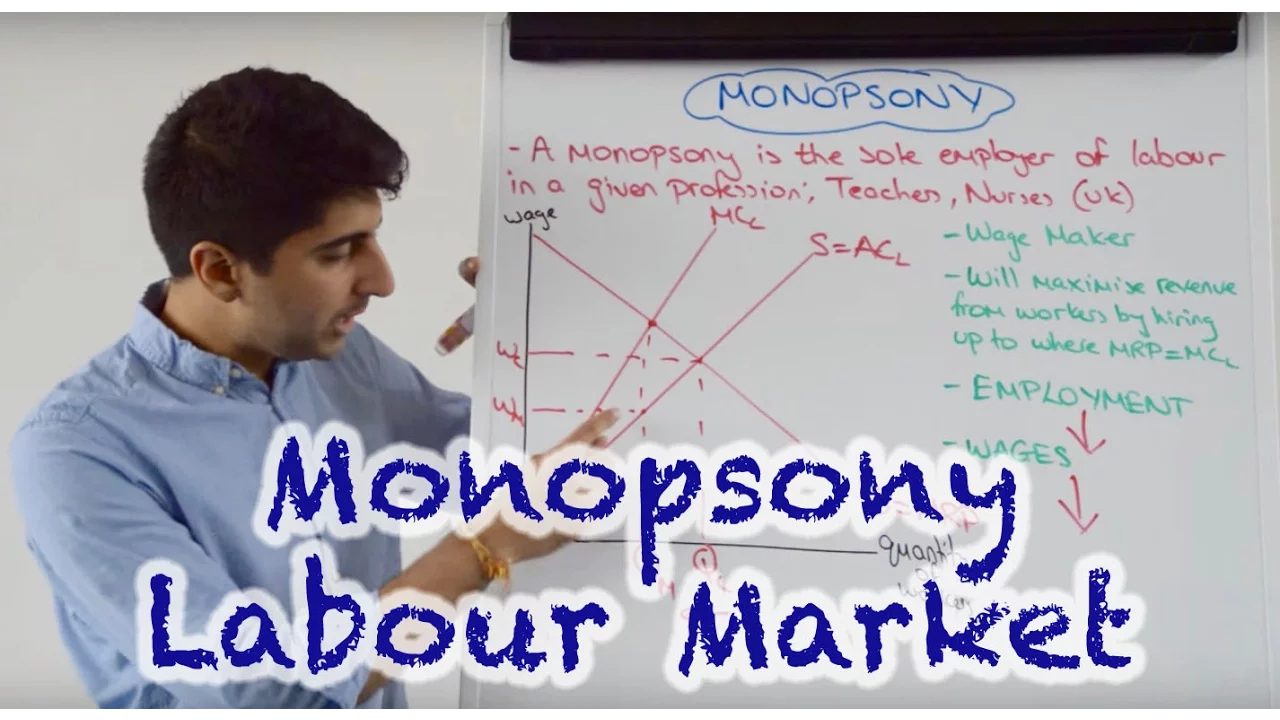
Labor market imperfections, such as Monopsony, where a single employer has market power to set wages below marginal productivity.
The economic impact of Trade Unions, collective bargaining, and government-mandated minimum wage legislation on market equilibrium.
Efficiency Wage Theory, which explores why employers might deliberately pay wages above the market-clearing rate to boost motivation and reduce turnover.
Human Capital Theory and how investments in education, training, and health enhance individual marginal productivity and lifetime earnings.
9K views125likes5:06Original Release: 2022-07-03
hello everyone welcome to my channel kamal sudhu so today we are going to discuss an important topic of economics which is the marginal productivity theory of wages the marginal productivity theory of wages is basically based on marginal product of labor that is mpl so it is also known as the labor price wage theory and it was given by jb clark let's discuss this concept with this example suppose 5 laborers produce 20 items and if we increase the labor force to 7 then 7 laborers will now produce 25 items so in this case the marginal labor is true and the marginal product of labor is five so with applying two more laborers there will be a production of five more items so this is the concept on which this theory of marginal productivity of wages works before discussing this theory in detail let's discuss the assumptions of this theory the aim of the firm is profit maximization then there is perfect competition in the market and law of variable proportion is operating the theory also assumes that all the laborers are homogeneous and there is labor mobility in the market that is free movement of labor it also assumes that all these sources are fully employed the criticism of marginal productivity theory of labor is also due to these assumptions so before determination of wages by using this theory let's discuss the three main components of marginal productivity theory of wages these are marginal physical product of labor and the second is value of marginal product of labor and marginal revenue product of labor we can say that marginal physical product of labor is basically the product that is produced by the labor and the value of marginal product of labor is basically money value of that produced product the third component that is marginal revenue of of product of labor is the change in existing revenue due to marginal productivity so this theory states that value of marginal product of labor should be equal to the wage and similarly the wage should be equal to the marginal revenue of product of labor so vmpl is equal to wages is equal to mrpl so this is what the theory states now let's determine the wage rate by using this theory of marginal productivity of wages as we know that the wage rate is determined when the demand and supply interact with each other here demand of labor is based on the value of the labor so in this case the demand is the value of marginal product of labor that is vmpn and we have also assumed that there is perfect competition so the demand of labor is equal to vmpl is equal to mrpl so the demand curve will be downward the downward slope is due to the diminishing marginal returns now in case of supply the supply is equal to the average cost this is also due to the assumption of perfect competition so we can say that sl is equal to acl is equal to mcl which is the marginal cost of labor the supply will be a straight line as wage rate is fixed which is the case of again perfect competition as we have assumed the point is the equilibrium point which states that on w wages oc quantity of labor will be employed this is shown in the graph then similarly the graph also shows that if wage increases the labor quantity will be decreased which is shown by opqr in the graph then in another case if we increase the sorry in another case if we decrease the wages the labor quantity will increase which is shown by oabc so following this process the wage rate can be easily determined so this was all in today's lecture session so do like share and subscribe my channel for easy simple and precise lecture sessions related to bba bcom mba m com and current business environment related topics thank you
Up Next

47:31
Productivity and Costs | Principles of Microeconomics
@mitocw
130.2K views•2012-01-24

5:07
Impact of Yuan in Indo-Russian Trade Amid Sanctions
@WION
261.9K views•2022-07-01
10:33
Behavioral Economics Explained: Rationality, Nudges, and Risk
@crashcourse
1.1M views•2016-03-12

113:18
The Age of Easy Money: Fed & Inflation | Full Documentary
@frontline
21.2M views•2023-03-15
Related Study Plans & Knowledge Roadmaps
Structured learning paths in Economics
economics
Sovereign Debt: Defaults, IMF & Restructuring
01Introduction to Sovereign Debt & Government Bonds
02Debt Sustainability & Credit Ratings
03Anatomy and History of Debt Crises
+ 2 more learning modules
12h5 modules
Explore Roadmap
economics
Market Design: Matching Theory & Gale-Shapley
01Introduction to Market Design and Price-Free Markets
02Two-Sided Matching & The Gale-Shapley Algorithm
03School Choice Systems and Mechanism Design
+ 2 more learning modules
10h5 modules
Explore Roadmap
economics
Impossible Trinity: Forex, Capital & Policy
01Introduction to Monetary Policy and Central Banking
02Exchange Rates and International Capital Flows
03The Mundell-Fleming Model
+ 2 more learning modules
8h5 modules
Explore Roadmap
economics
Healthcare Economics: Market Failures & Systems
01Introduction to Healthcare Markets and Market Failure
02Asymmetric Information and Adverse Selection
03Moral Hazard and Insurance Design
+ 2 more learning modules
12h5 modules
Explore Roadmap