























When building RC aircraft, selecting the appropriate wood grain type is crucial: A-grain (hardest, stiffest) should be used for outboard wings and leading edges that will take abuse, B-grain (stiff but less rigid) for general structural components, and C-grain (least stiff) for less critical areas; proper wood selection ensures structural integrity and performance in racing and stunt aircraft.
Balsa Wood Selection Guide for Control Line Model Wings
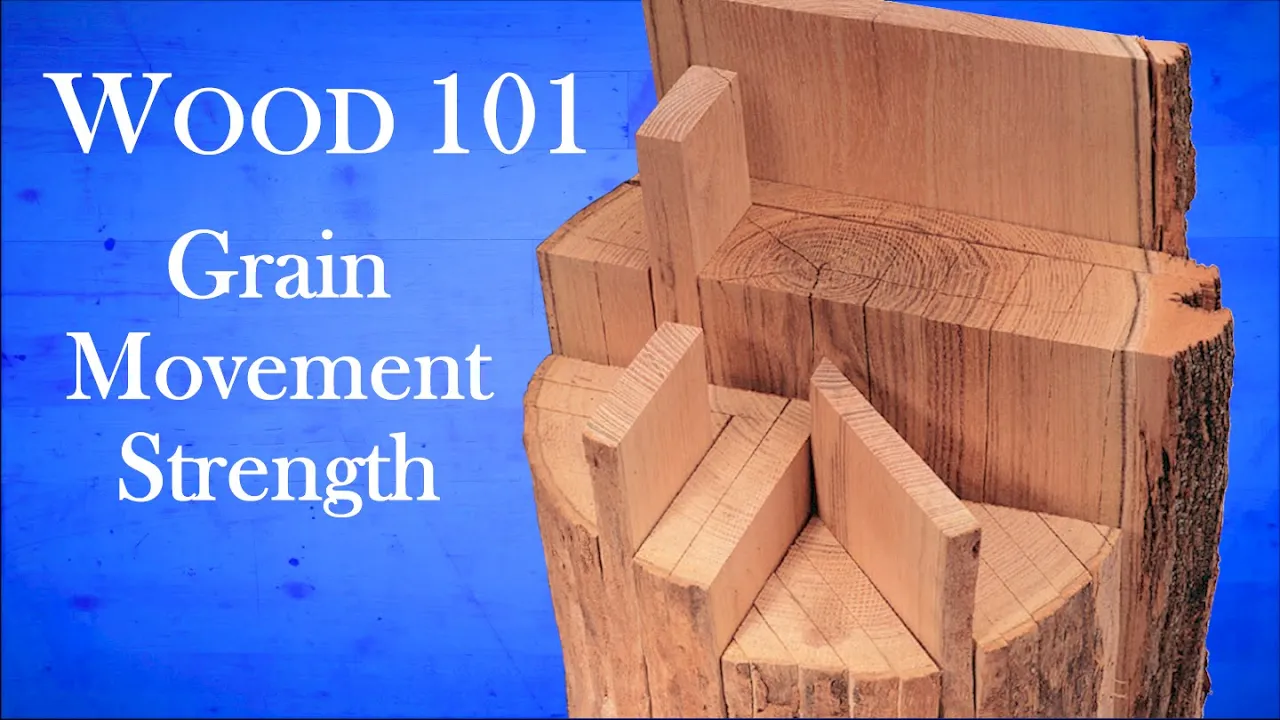
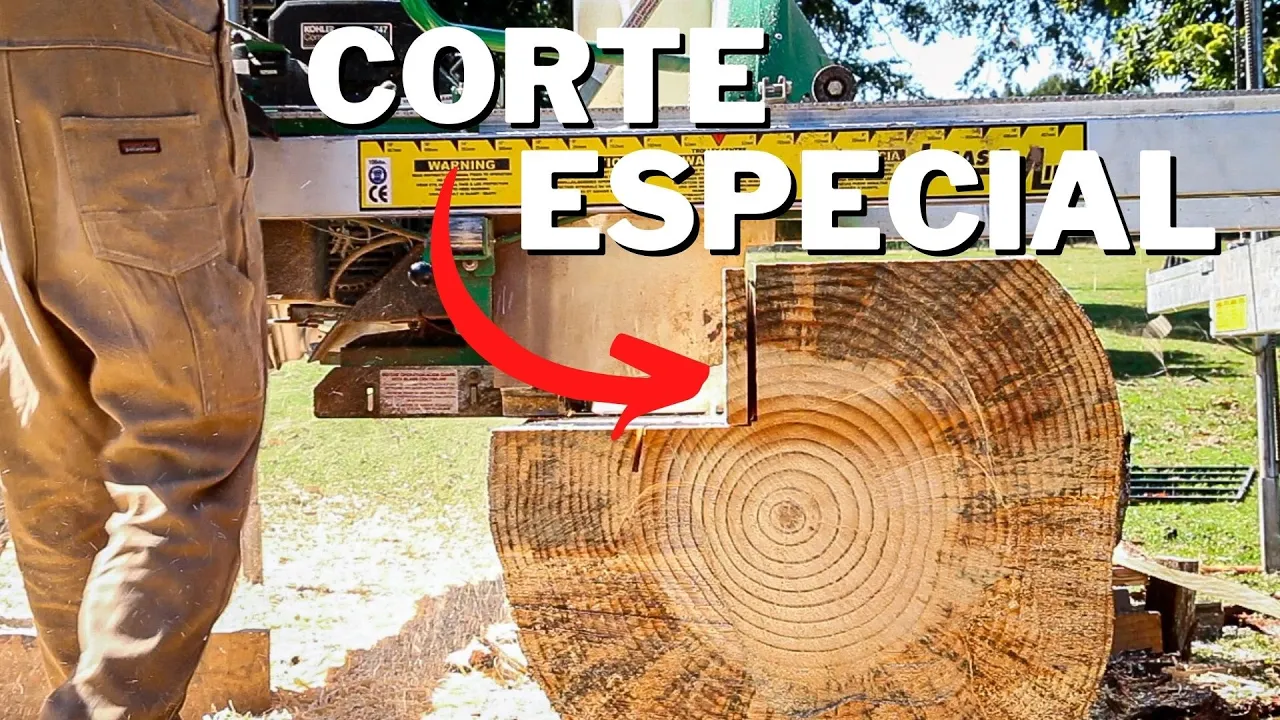
Added:Understanding the biological structure of balsa wood, specifically the differences between A-grain (tangential), B-grain (compromise), and C-grain (quarter-grain) cuts and their unique mechanical properties.
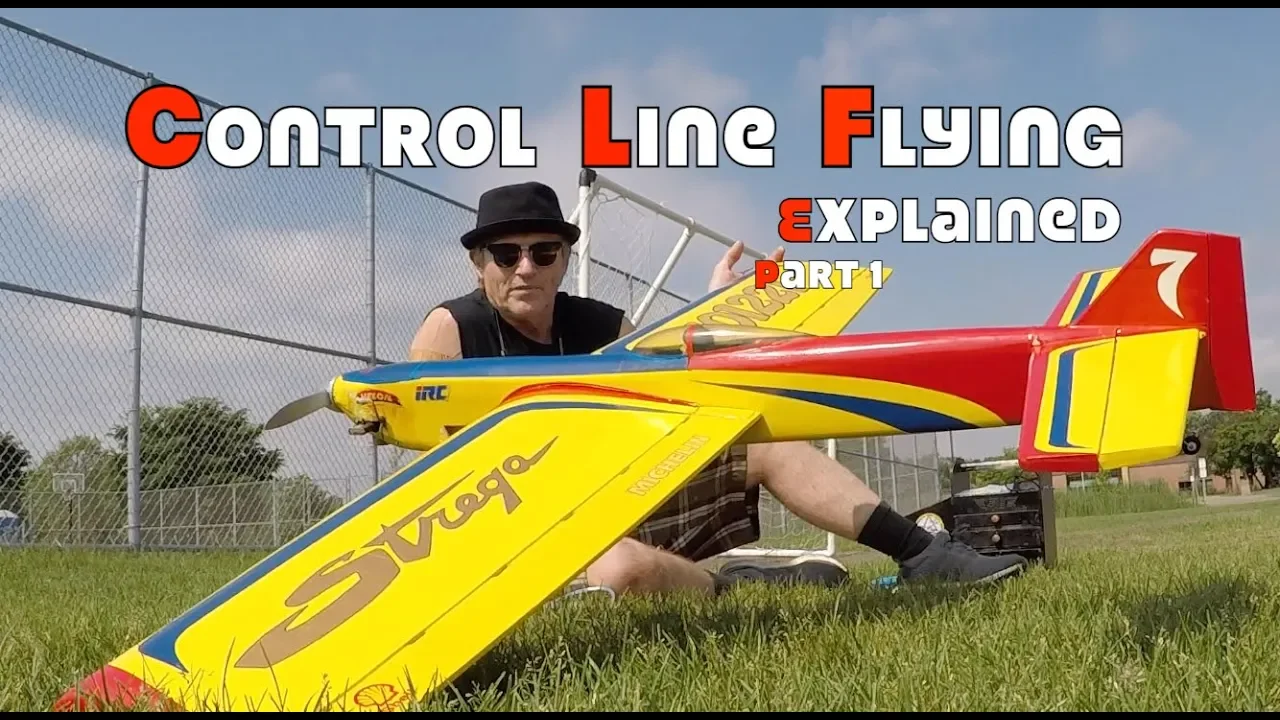
Fundamental principles of Control Line (CL) model aircraft flight dynamics, including the concepts of line tension, centrifugal force, and asymmetric flight loads.
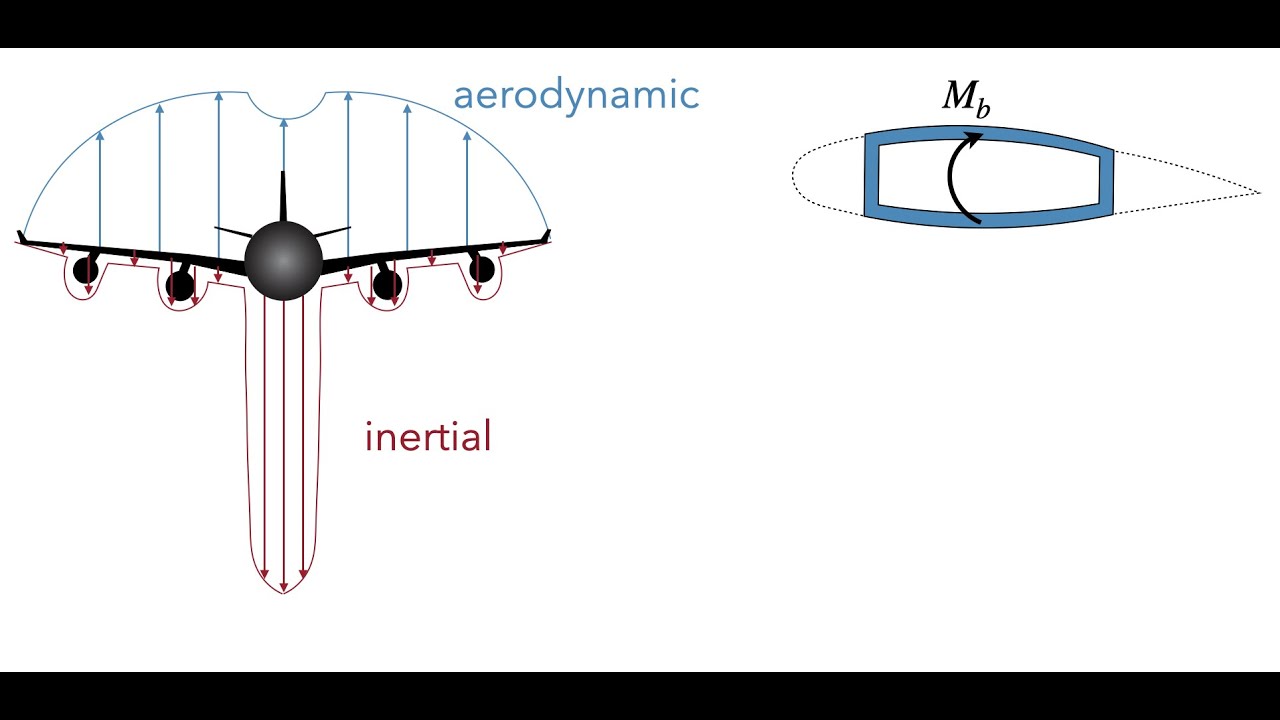
Basic aerodynamics of model aircraft wings, particularly how bending moments, shear stress, and torsional forces act on the wing structure during high-speed flight.
Familiarity with vintage model aviation classifications, specifically the design constraints, weight limitations, and speed requirements of Class 'B' Team Racers.
Advanced woodworking techniques for model aviation, such as wood conditioning, stripping, and precision laminating of matched balsa sheets.
Structural assembly of vintage CL wings, focusing on gluing techniques, rib alignment, and maintaining aerodynamic symmetry during the build.
Traditional model aircraft finishing methods, including the application of silk, tissue, or light film coverings and the proper use of shrinking dopes to prevent wing warping.
Practical aerodynamic trimming, specifically calculating and installing outboard wing tip weight to achieve optimal line tension and flight stability.
242 views1likes6:04Original Release: 2026-02-08
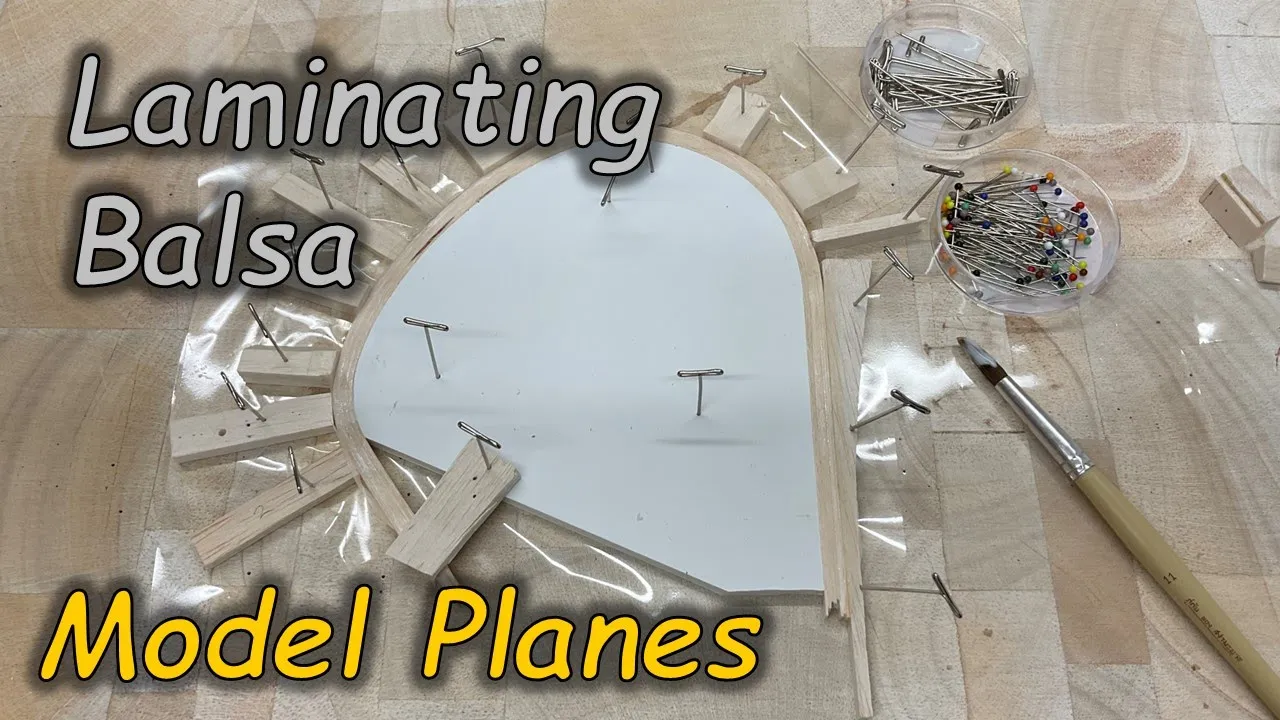
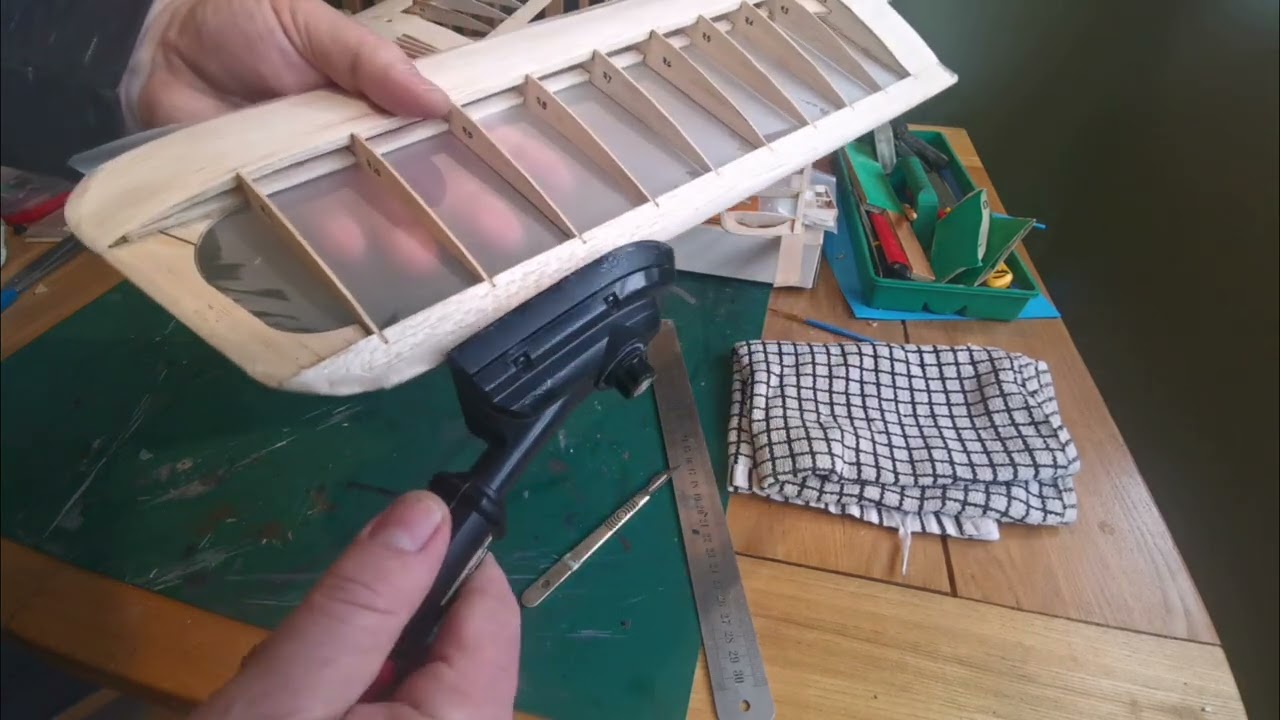
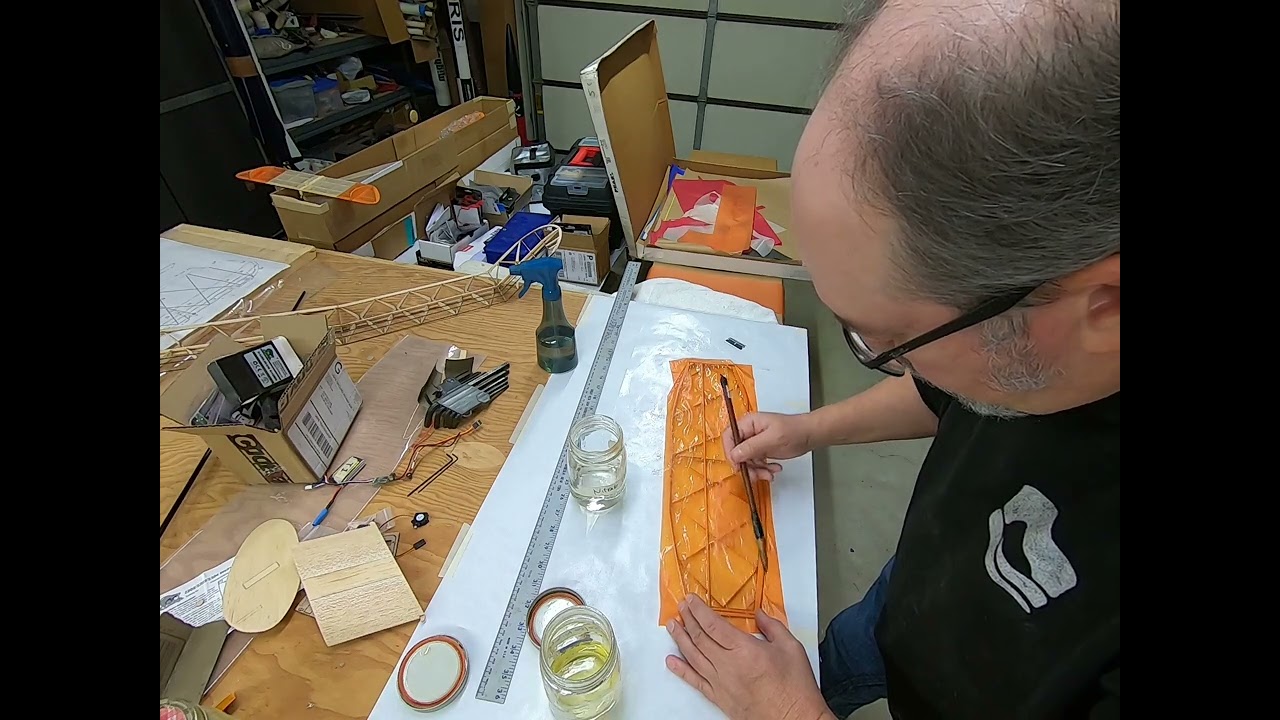
onto the wing. Um, the way P had cut this kit was two pieces of 3/16 inch and then they were supposed to be laminated together to get, you know, the thickness that you needed and then of course, you know, there was a front half and a back half just like you see here. Um, I tried to laminate his pieces. I can't complain about his choice in wood, the way he cut it, anything like that. Um, it just didn't turn out the way I was expecting.
Um, I'm not exactly sure what I did wrong other than not have crazy amounts of weight, but this was the top. This is the bottom.
I really can't get the light good enough in here for you to be able to see it, but you know, pretty nasty gaps all over the place. I don't know if I didn't have it clamped down hard enough, which is what seems like the obvious, you know, answer to this is that it was a me problem, not a him problem. Um, but yeah, so that didn't work that way.
So, what I had to do was I had to dip into the proverbial good wood. Um, it's kind of a long time running joke about, you know, quality of wood balsa and what we can get now versus what used to be sold and how much it costs then and how much it costs now.
But man, let me tell you what, the way kits, well, not kits, this was just a plan. The way people used to build as far as their definition of good wood and dimensions and all this and that, man, I wish uh wood prices were still like that. And if you listen to these guys and about how they didn't have two nickels to rub together and they still managed to build these absolutely crazy airplanes, um that would be super cool if that quality wood was still available for those kind of prices. Luckily, I get my wood at um what you call it uh trade shows and things like that. You find the right guy and this guy's, you know, and they they always have good stuff and man, they can't give this stuff away.
And so you get them towards the end when it's time to start uh you know packing up for the day and all that you you can walk away with some pretty good deals from uh swap meets on balls wood. But anyways, so I wanted to really take a second here and just talk about choices of wood for what you're doing and how you're doing it. Um, this is a really good example as why I kind of stopped here and this is going to be its own video on its own.
How to pick and select and choose wood.
So, you can kind of see how it gets darker over towards this side, lighter over here. And yeah, part some some of that is my light, but a lot of that also comes from the grain and the structure of the wood.
So, man, I really hope I can show this to you guys.
Easiest to see are these really large big check marks. This is how you're reading the grain of the wood. Yeah, I know there's some ugly spots and stuff like that from storage, but anyways, you know, these really long straight lines and you see them all all the way down through here and to the back. All right.
When it looks like this, that's seag grainwood quarters. Um, may have heard it called. Um, but this is the hardest of the hard balsa.
And this is also the outboard wing. So, when this thing's coming for a pit stop, that pit guy is just grabbing the wing, right? So, you want something good and hard and solid right out there in that leading edge. So when he grabs it, just doesn't go and and just collapse and look gross or break at the absolute worst.
On the other side, you can see how the lines get a lot longer, but they're still they're still short. I mean, they they're not all super long and connected. So, it would make it look obvious that you could bend it like that. This will kind of go all over the place. That's more of your B-grain type wood. um which again it's stiff. It's not as stiff as our C and but it's way stiffer than the A grain.
So on something like this, you want to pay attention and see if you can lay your board out in such a way that you get the hardest wood on the outside for a racer. Um I mean if this were to be some kind of combat plane for that too. All right.
Anything where you know you you know that outboard wing is going to take a lot of abuse. Even on a stunt plane if you're carving your uh end caps for your wing, your wing tips, you can make the outboard one out of maybe a more not not really crank because it doesn't carve very nice, but heavier wood cuz this crane gets heavy. You can make out of heavier wood so that way you don't use as much tip weight that's nonfunctional.
um that gets into trimming of an airplane. But same also comes in for racing and speed as far as tip weight because you usually need a lot of tip weight in speed and racing planes. Um that comes from torque roll. Um we're running these motors a lot harder than a stunt engine and also from the prop choice that there's a lot of forces involved.
Needless to say, tip weight helps on uh speed and race planes. That's way outside of what we're talking about here, but tip weight good. Remember that. Um but yeah, so as far as wood choice, that's that. And now from here, we you know, just chew up the edges from, you know, the band saw before we glue them together. And then we start carving in air foil.
Up Next

3:26
Truss Bridge Components Explained: Structural Engineering Guide
@CivilEngineeringExplained
107 views•2025-08-15

30:32
Ultrasonic Transducers: Resonant Frequency Measurement and Horn Design
@imajeenyus42
229.9K views•2017-02-22
54:16
Polymer Environmental Degradation: Mechanisms & Stabilization
@iit
1.8K views•2012-07-10
33:39
How a Student's Question Saved a NYC Skyscraper from Collapse
@veritasium
22.8M views•2025-04-26
Related Study Plans & Knowledge Roadmaps
Structured learning paths in Engineering
engineering
Building Acoustic Levitators: Physics & Arduino
01The Physics of Sound and Standing Waves
02Piezoelectric Transducers and H-Bridge Drivers
03Arduino Programming: Generating 40 kHz Signals
+ 2 more learning modules
14h5 modules
Explore Roadmap
engineering
Building Peltier Cloud Chambers: Particle Tracks
01Cosmic Rays & Cloud Chamber Physics
02Thermoelectric Cooling (TEC) Fundamentals
03Custom Liquid-Cooling Loop Design
+ 2 more learning modules
18h5 modules
Explore Roadmap
engineering
Yagi-Uda Antennas: Modeling, Build & VNA Test
01Introduction to RF and Antenna Fundamentals
02Yagi-Uda Antenna Design Principles
03Antenna Modeling and Simulation in 4NEC2
+ 2 more learning modules
18h5 modules
Explore Roadmap
engineering
ECG Monitor Design: Op-Amps, Filters & Noise
01Electronics & Breadboard Basics
02Op-Amps and Instrumentation Amplifiers
03Bioelectricity and ECG Fundamentals
+ 2 more learning modules
18h5 modules
Explore Roadmap