















Ethylene glycol, the primary ingredient in automotive antifreeze, was historically used as a poison because its sweet taste attracted victims who would consume it before experiencing severe symptoms including kidney failure, seizures, and multi-organ dysfunction; however, manufacturers voluntarily added bittering agents (denatonium benzoate) in 2012, rendering it no longer viable for poisoning purposes despite its continued use as an effective coolant.
The Chemistry of Antifreeze: Why Ethylene Glycol Is a Deadly Poison and Why It’s No Longer a Viable Option
Added:Basic organic chemistry nomenclature and functional groups, specifically alcohols and diols (glycols).
The concept of colligative properties, specifically freezing point depression and how solutes alter solvent properties.
An introduction to human metabolic pathways, particularly how the liver utilizes enzymes like alcohol dehydrogenase to break down substances.
Fundamental principles of toxicology, including dose-response relationships and how chemical structures dictate biological toxicity.
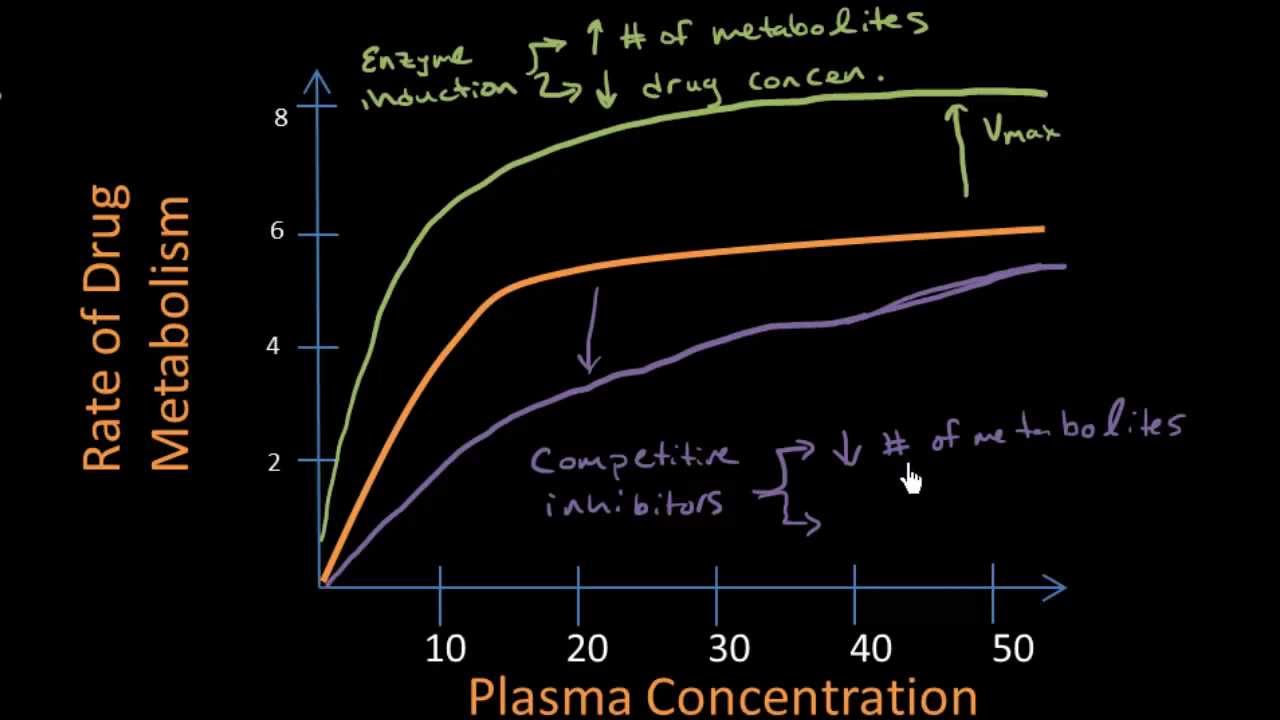
The biochemical mechanism of competitive inhibition, focusing on how antidotes like fomepizole or ethanol treat ethylene glycol poisoning.
The chemistry and safety profile of alternative heat-transfer fluids, such as propylene glycol and glycerol.
The physiological impact of metabolic acidosis and renal failure caused by calcium oxalate crystal formation in the kidneys.
Consumer safety regulations and the chemistry of denaturing/bittering agents (e.g., denatonium benzoate) added to toxic household chemicals.
107.1K views4.4Klikes10:34Original Release: 2022-12-21
Let me start by saying that I'm not planning on poisoning anyone. I want to get that out of the way upfront. But I did recently notice that one very common poisoning method is no longer a viable option. It's ethylene glycol, the most common ingredient in automotive antifreeze. Ethylene glycol poisoning is slow, painful, and often not deadly, but it was a common enough issue for manufacturers to voluntarily make a change. So it is no longer a viable option for poisoning someone. That is the bottom line takeaway here.
This video is not an instruction manual for poisoning your enemies. No poisoning here.
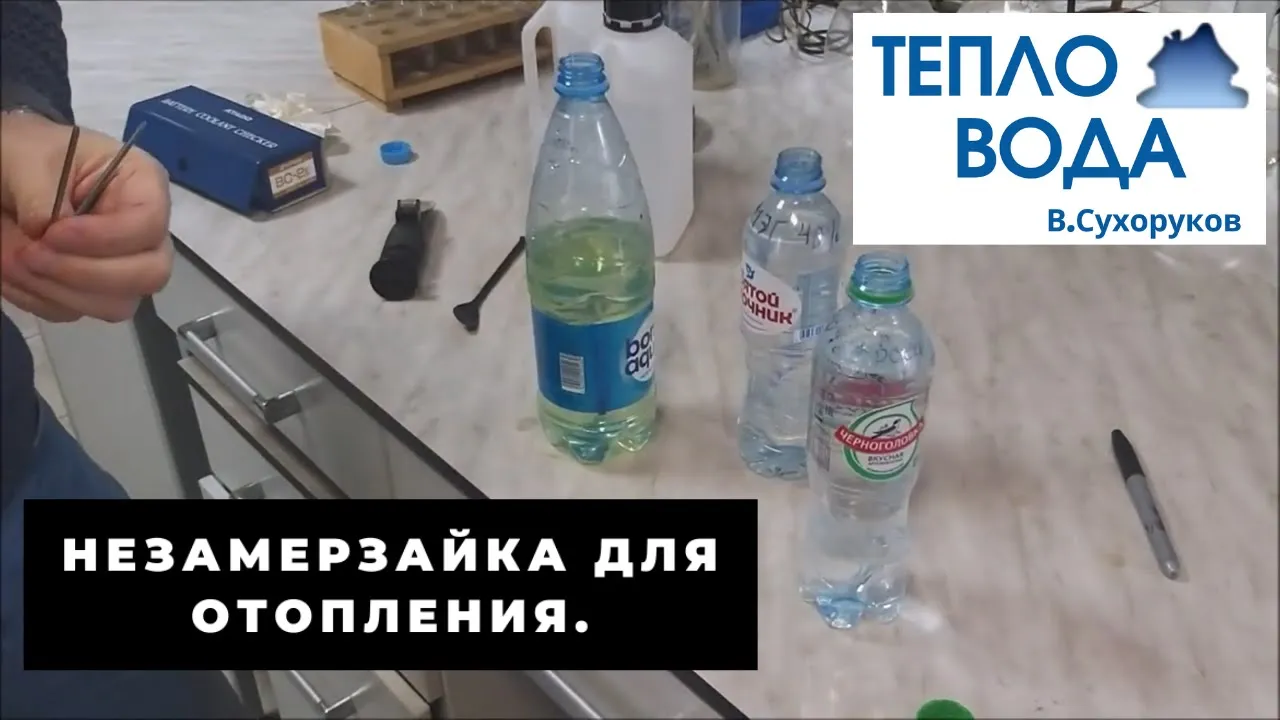
Demo attempting to freeze water ethylene glycol in a solution of a 50/50 mixture of the two.
Ethylene glycol was first synthesized in 1856, and it is a deceptively simple looking molecule. It's got two carbons with some hydrogens attached and two hydroxyl groups. That's it. And it's the most common chemical added to engine coolant systems to keep them from freezing up or boiling over. So you would think that it must have a super low freezing point, right?
Well, it doesn't. The freezing point of ethylene glycol alone is about negative 13 degrees Celsius or around nine degrees Fahrenheit. A little producer birdie named Andrew tells me that when he lived in Montana, those temperatures would just be called late spring. It's a bad joke, Andrew.
So we're going to need something with a lower freezing point than that to keep our cars running.
But something interesting happens when you mix ethylene glycol with water. So water freezes at zero degrees, but as you add more ethylene glycol, the freezing point drops lower and lower. Get to a one-to-one ratio, and the freezing point is nearly negative 40 degrees. At 60% ethylene glycol, the freezing point is even lower, but if you keep adding more, eventually that freezing point starts to go back up. If you get to 100% ethylene glycol, you're all the way back up to negative 12 degrees, huh? Now, I know we're here to talk about poison, but this freezing point thing is too fascinating for me to just gloss over. And understanding how ethylene glycol works as an antifreeze will help you understand how it also works as a poison. It is so weird and unbelievable that I just want to show you this phenomenon actually happening. Roll the demo.
Later.
The water is solid. The antifreeze.
Oh, yeah. Okay. Antifreeze is starting to freeze here. And now the mixture, mixture is still totally liquid. Oh, yeah. Look at that. So what is going on here? Why does mixing water and ethylene glycol drop the freezing point so dramatically between either of their individual components? Well, in general, anytime there's a question about what's going on with water, you should just start by guessing that it's hydrogen bonds. It's always hydrogen bonding.
We talk about hydrogen bonding pretty regularly on this channel. If you need a refresher on that, you can check out the video that I did a few months ago about why water is so weird.
It's hydrogen bonding. When hydrogen and oxygen bond to each other, the oxygen ends up with a slight negative charge and the hydrogen with a slight positive charge. Because of those partial charges, neighboring molecules with OH groups can attract one another with the oxygen on one molecule attracting the hydrogen on another. Now take another look at the ethylene glycol molecule.
Do you see what's happening? Those OH groups sticking out on either end of the molecule are interacting with water molecules and vice versa. That is important because in order to freeze two of the same kind of molecule, basically we just have to bump into one another while moving slowly enough to just lock into place. But in a solution of ethylene glycol and water, each chemical is constantly interacting with the other. This means that a water molecule is less likely to run into another water molecule and freeze. Since the oh groups are constantly attracting one another, it's much harder for either ethylene glycol or water to freeze to itself.
This is the same reason that ethanol dissolves well in water. And if you remember our recent whiskey video, you'll remember that this is essential to understanding how distillation works. And I'm not just saying this to plug our other video, although you should go watch that right after this. I'm saying this because ethylene glycol actually is an alcohol.
In ethanol, you have two carbons attached to an OH group at one end. In ethylene glycol, you have two carbons with an oh group on each end. It's very similar, and this is where your body starts to run into problems. Ethanol is also a poison, but it's a poison that your body knows how to deal with. If you ingest ethanol your body gets to work breaking it down.
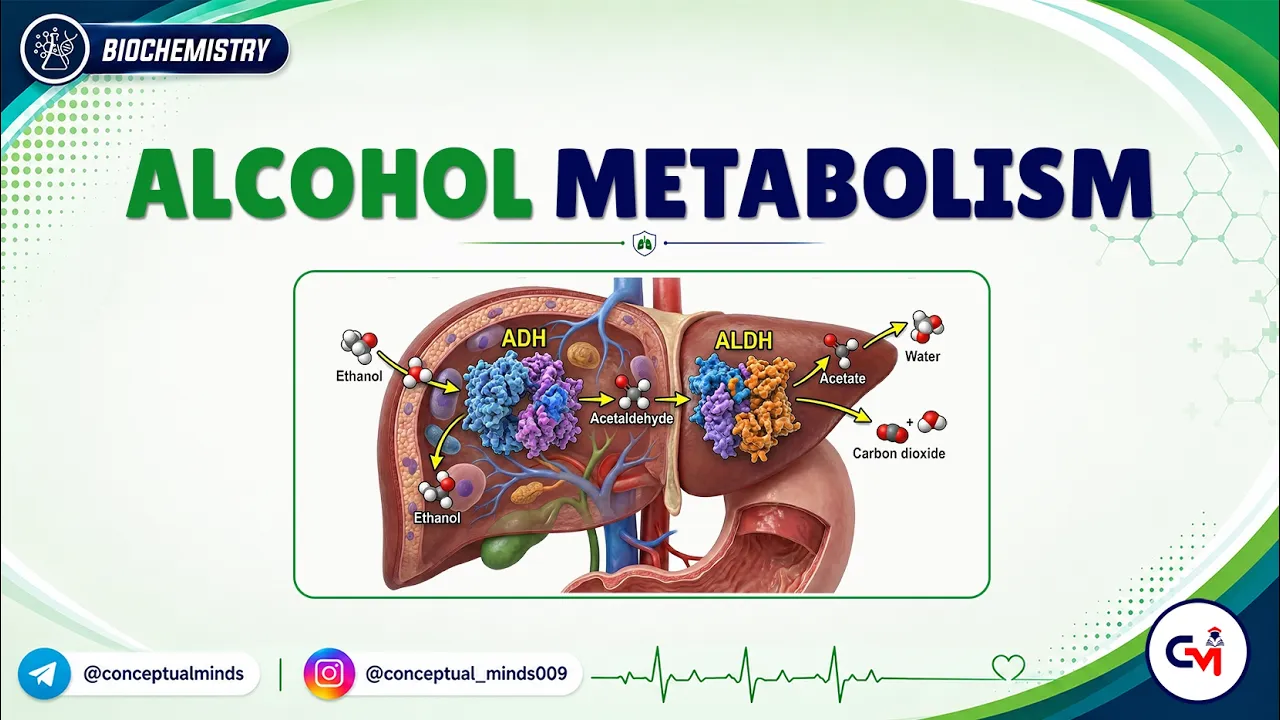
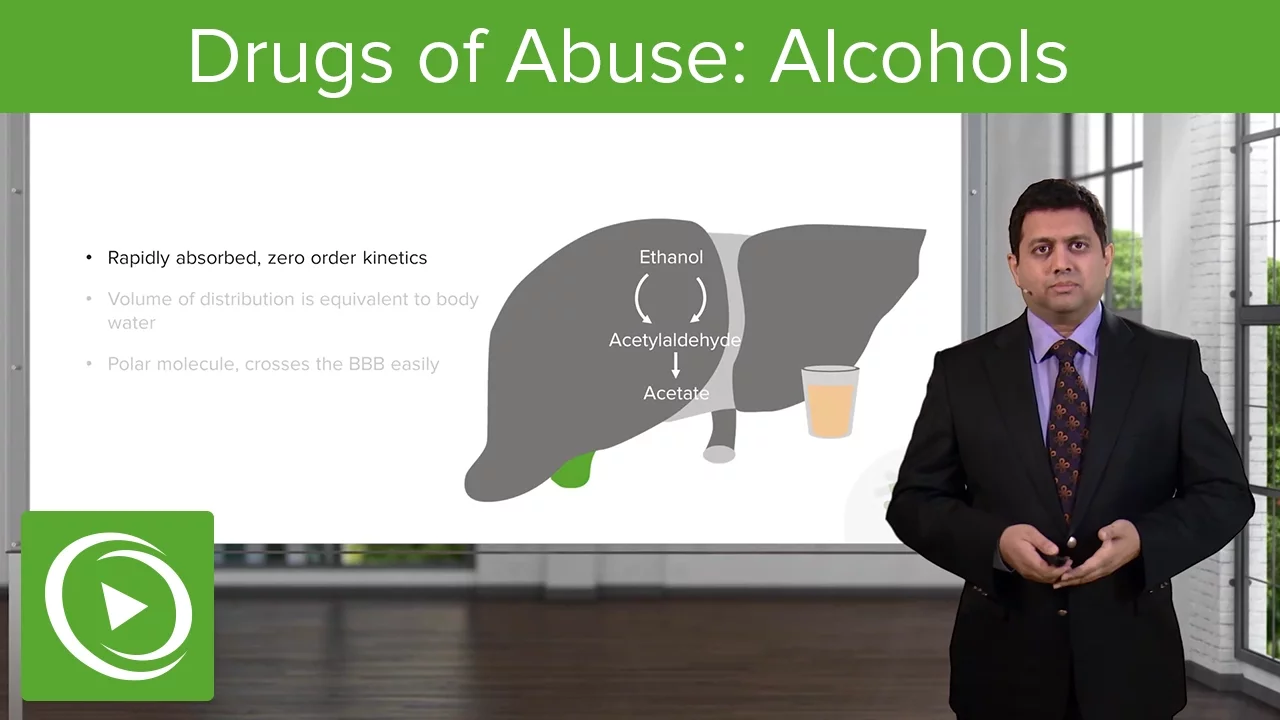
Two enzymes in particular get the ball rolling, alcohol dehydrogenase and aldehyde dehydrogenase.
These enzymes work together to convert that ethanol into... I always struggle with this word.
These enzymes work together to convert that ethanol into acetaldehyde and then acetate, which can then be easily broken down into carbon dioxide and water. If you ingest ethylene glycol, these same two enzymes get to work breaking it down. But this chemical process does not produce acetate. Instead, with ethylene glycol, alcohol dehydrogenase and aldehyde dehydrogenase produce something called glycolic acid. And from there, everything goes off the rails.
Glycolic acid sticks around in your body long enough to cause metabolic acidosis, meaning that the acid builds up in your system and your whole body's pH starts to drop. Glycolic acid is more chemically similar to lactate than it is to acetate. So at this point, the biochemical process totally jumps the rails to a completely different process with enzymes that aren't even involved in processing ethanol. Lactate dehydrogenase is really important for cellular metabolism. So it's basically everywhere in your body. When it runs into glycolic acid, it converts it to glyoxylic acid, which is a precursor to oxalic acid. And large amounts of oxalic acid widely distributed through your body is really bad news. Oxalic acid grabs onto any calcium it can find and then precipitates out of solution, meaning that it forms a solid that settles onto the surfaces of your veins, kidney tubules, and all kinds of other places where you don't want solids building up. So I'm going to show you a visual of what happens in the body when oxalic acid is involved with a precipitate reaction experiment.
Okay, so I have a solution of calcium chloride, and I have a solution of oxalic acid. So I'm going to pour a little bit of the calcium chloride into the oxalic acid. And as you can see right now, both of these are just clear solutions, right? They're totally dissolved, no problems. However, when the oxalic acid and the calcium chloride combined, they're going to fall at a solution and form a precipitate. They're going to form a solid. And you can see almost immediately they start to form a precipitate. It goes cloudy, and that is a solid that is coming out of solution.
You do not want this solid accumulating in your veins. That would be very, very bad.
You really do not want this precipitation happening in your body.
The process destroys your kidneys first before leading to multi-system organ dysfunction. At the same time, you'll have seizures and every muscle in your body will start to spasm and cramp. It is not a good time. And if this sounds miserable enough by itself, keep in mind that this excruciating process plays out for days or even weeks. This is a nasty poison. Ethylene glycol has an intensely sweet flavor. Well, we can't quantify exactly how sweet it tastes for humans because no one is going to participate in that study. We know that any animals that stumble across it are likely to keep drinking it until all of the symptoms I just talked about start to happen.
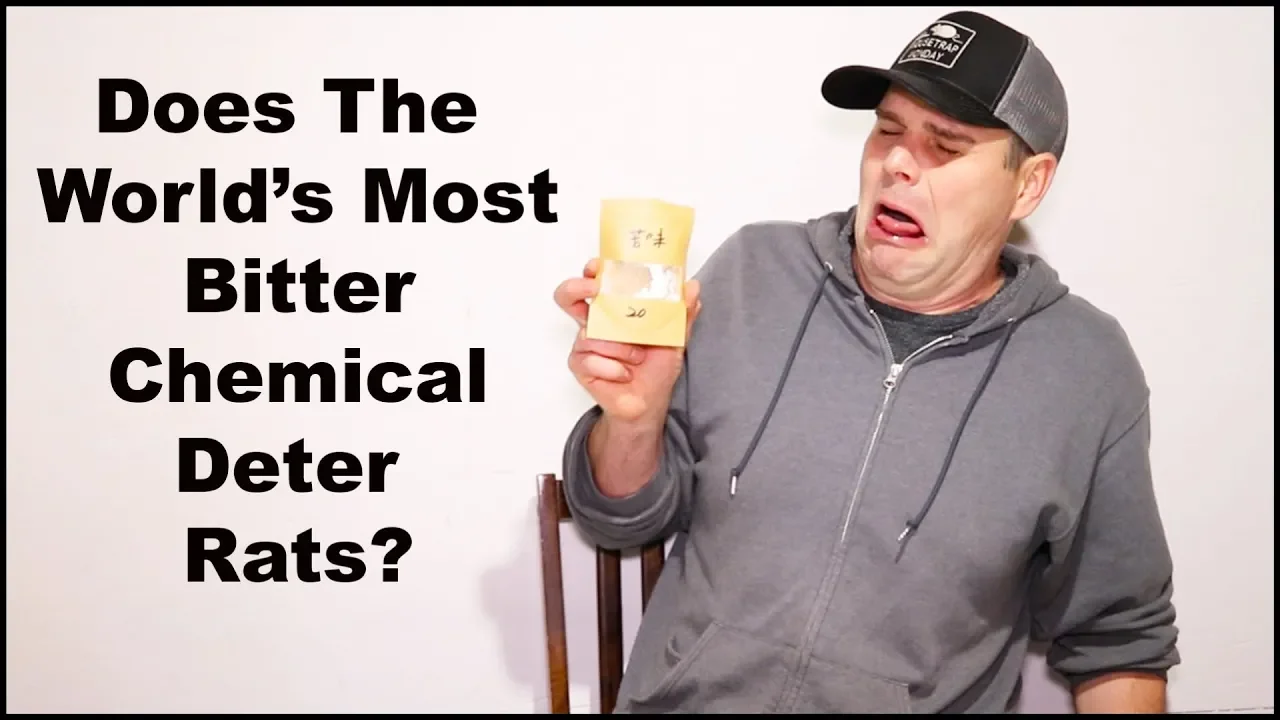
And in fact, at one point, it was estimated that just in the United States, 90,000 animals and 4,000 children were drinking ethylene glycol each year. 4,000 kids. And because it has an extremely high toxicity and a purely sweet taste, small amounts could easily be mixed into sweet drinks. Things like soda, juice, or maybe even a little vodka cran. Honestly, I feel uncomfortable having these things this close. So in 2012, manufacturers of antifreeze voluntarily agreed to start adding a bittering agent to their products. The bittering agent is called denatonium benzoate, and it should sound familiar if you're a fan of this channel. Judging by George's reaction there, I don't think that you could easily hide this in someone's drink anymore. And while that covers us for intentional homicidal poisonings, unfortunately, studies that have looked at accidental pediatric poisonings found no change after adding the bittering agent. God, that's depressing. So given all of that, why do we have so much of this stuff lying around? Seems like there has to be a better option for antifreeze and engine coolant, right? Well, we've tried. Propylene glycol has been suggested as a good option. It's been used for decades in food coloring and flavoring as a solvent in intravenous and oral medications, and more recently as one of the main ingredients of vape juice. Unfortunately, it's not as effective of a coolant as ethylene glycol. It doesn't lower the freezing point of water as effectively. And it's more expensive to manufacture. But because it is so safe and ethylene glycol is so dangerous, a lot of people think that those are trade-offs worth making. In 2015, some researchers developed a propylene glycol solution with metal oxide nanoparticles that actually proved to be more effective than ethylene glycol. In theory, this could even allow car engines to be built with smaller radiators, saving weight and approving fuel efficiency in the process. But this hasn't been rolled out to market yet, and if it eventually is, the cost will likely be significantly higher than ethylene glycol.
So for now, we are stuck using this very effective poison in our cars, but at least it tastes worse now I guess. Before you go, we're looking for your feedback. Each year, PBS Digital Studios conducts an audience survey. It helps us to understand what you like and what you want to see more of. You also get to help PBS pick new shows. It only takes a few minutes, but your feedback is extremely valuable to us. There's a link in the description. Thanks in advance.
Because we've been talking about poisoning here, if you know someone who's in suicidal crisis or emotional distress, please call 988.
Up Next

8:08
Structure of Atom: Continuous, Emission & Absorption Spectrum | CBSE Class 11 Chemistry
@LearnoHubClass1112
75K views•2012-12-02
83:56
Biocatalysis and Catalysis in Islatravir Synthesis | Merck Webinar
@SCIwheresciencemeetsbusiness
675 views•2020-10-08
10:06
1H NMR: Determining Number of Peaks from Structure
@MSJChem
59.2K views•2017-04-06

17:31
Edible Water Bottles: A DIY Guide to Sodium Alginate Spherification
@ryan
10.5M views•2019-06-21
Related Study Plans & Knowledge Roadmaps
Structured learning paths in Chemistry
chemistry
Nuclear Chemistry: Decay, Meds & Fuel Cycle
01Introduction to Nuclear Structure and Radioactivity
02Decay Dynamics and Kinetics
03Radiation Interaction and Detection
+ 2 more learning modules
24h5 modules
Explore Roadmap
chemistry
Supramolecular Chemistry: Forces & Machines
01Foundations of Chemical Bonding and Intermolecular Forces
02Introduction to Host-Guest Chemistry
03Thermodynamics and Dynamics of Self-Assembly
+ 2 more learning modules
16h5 modules
Explore Roadmap
chemistry
Photochemistry: Excited States & Reactions
01Foundations of Light-Matter Interactions
02Molecular Orbitals and Electronic States
03Photophysical Processes and Jablonski Diagrams
+ 2 more learning modules
18h5 modules
Explore Roadmap
chemistry
Coordination Chemistry: Bonding & Properties
01Introduction to Transition Metals and Ligands
02Crystal Field Theory (CFT) and Geometry
03Magnetic Behavior and Spin States
+ 2 more learning modules
14h5 modules
Explore Roadmap