

![577- Traiano , l'Optimus Princeps (Imperatores 13) [Pillole di Storia]](https://i.ytimg.com/vi_webp/U-qFsPbQJsw/maxresdefault.webp)
















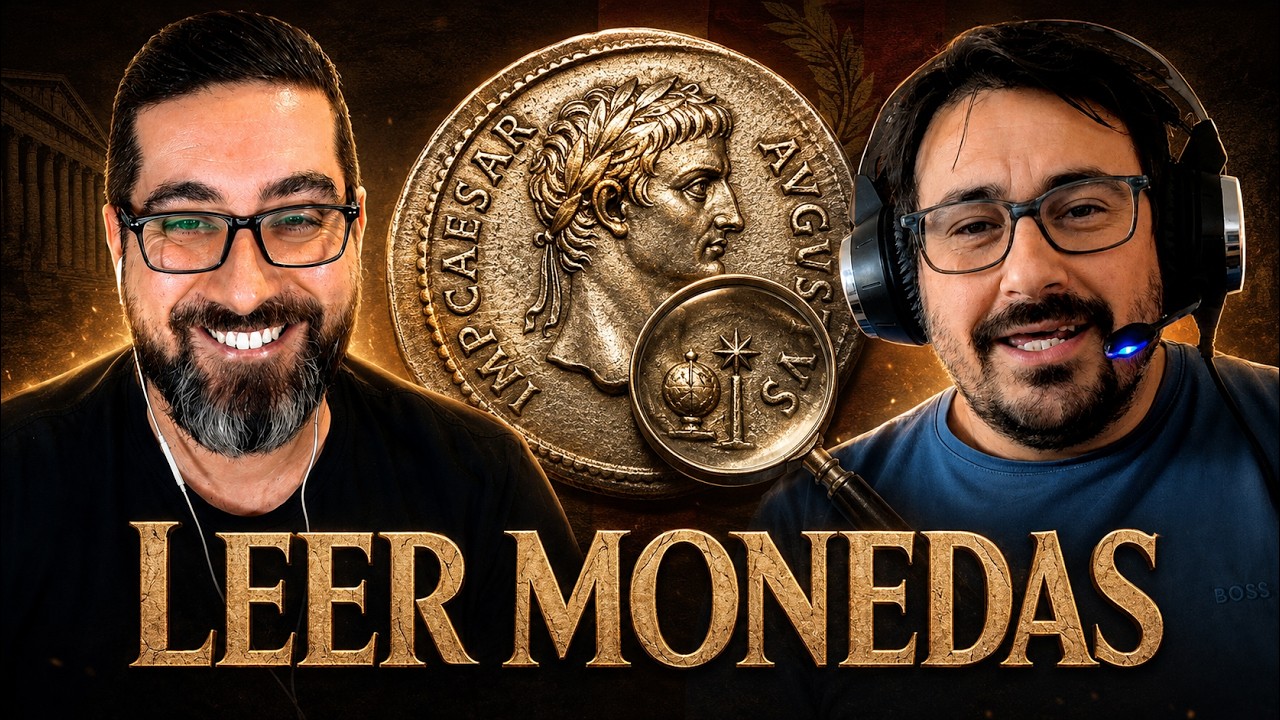
![Tutorial: cómo leer y fechar una moneda imperial romana DESDE CERO [Ep.1. denario de Domiciano]](https://i.ytimg.com/vi/n9I7WLkw8O4/hqdefault.jpg?sqp=-oaymwEmCOADEOgC8quKqQMa8AEB-AHUBoAC4AOKAgwIABABGHIgTyhGMA8=&rs=AOn4CLA5mBHOxwckCEeso9wUU2zmu76llg)
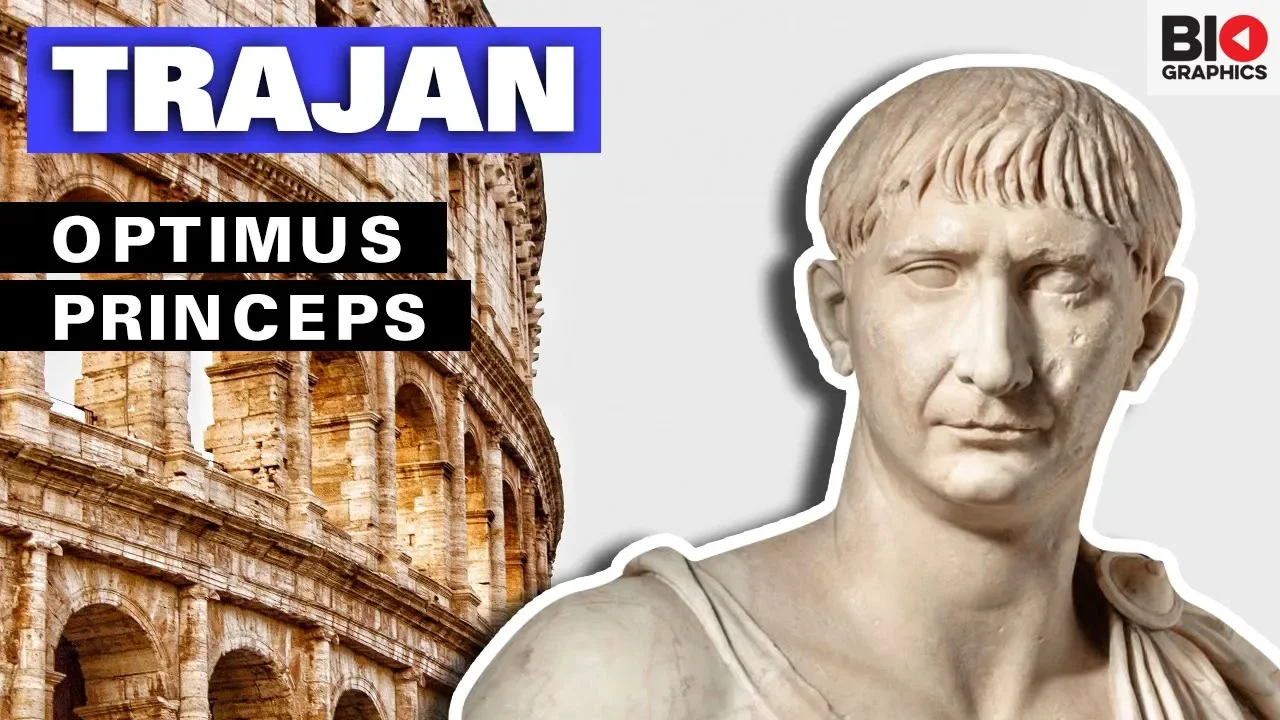
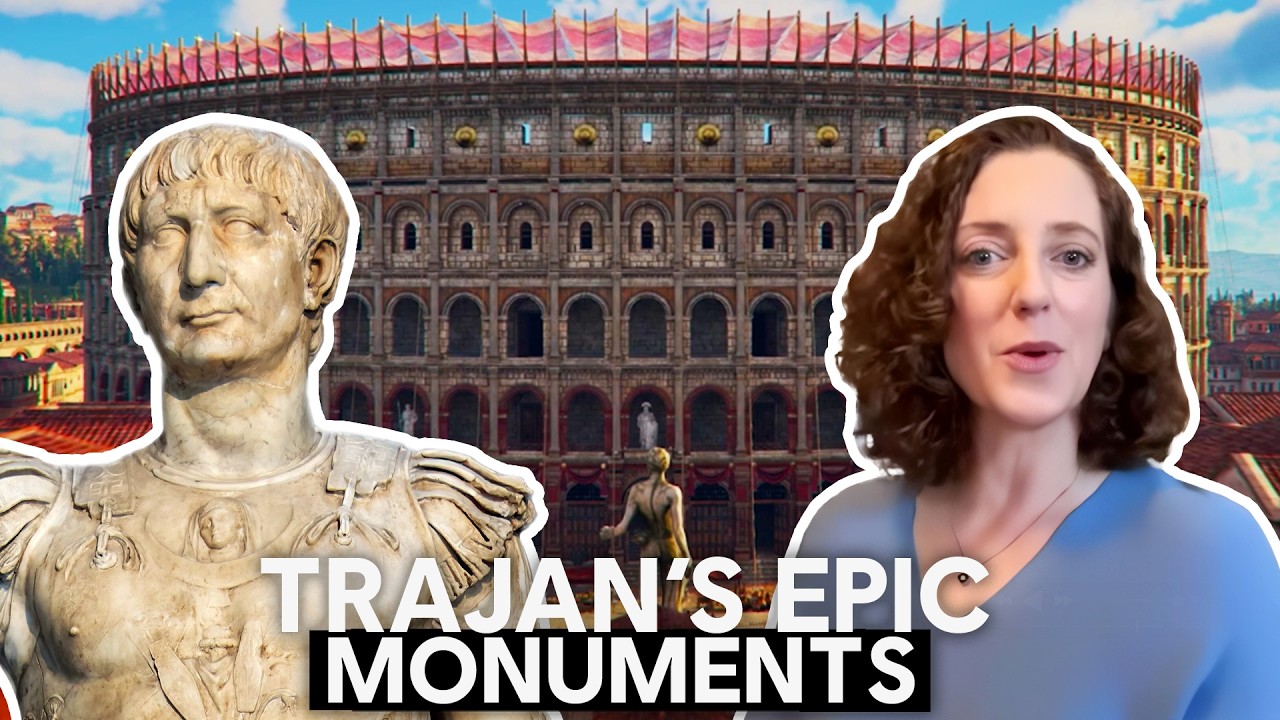
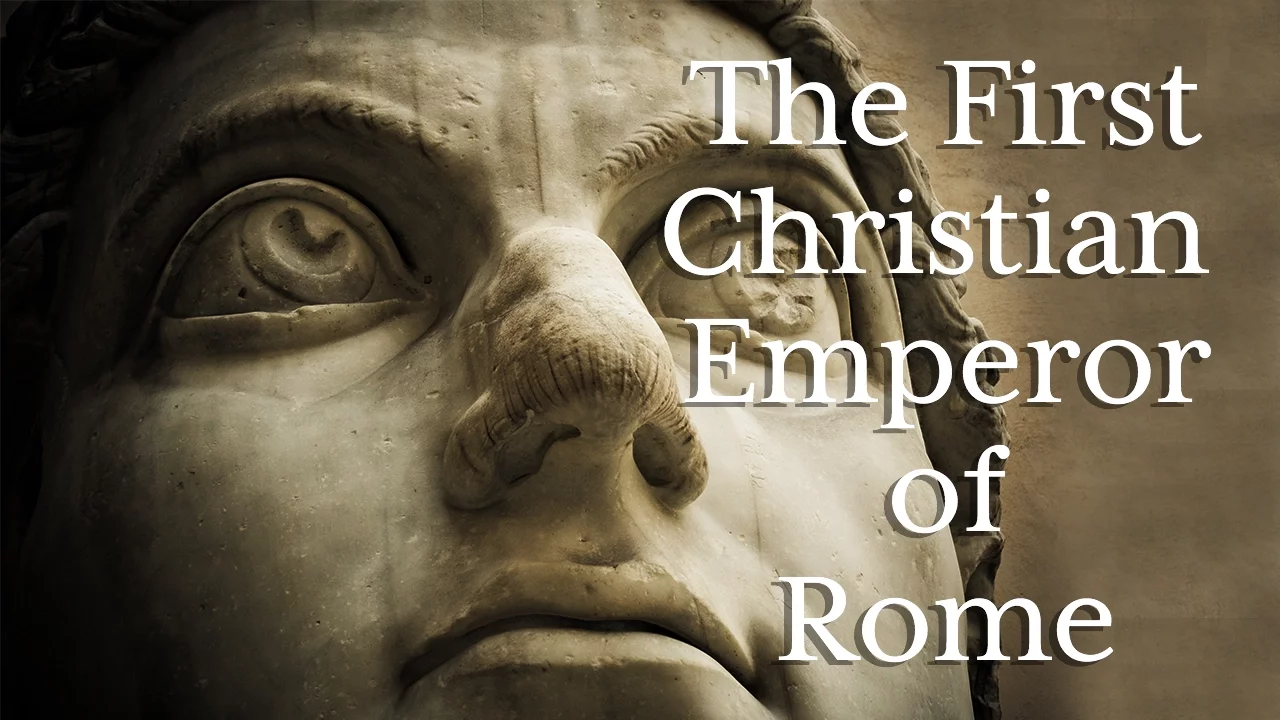
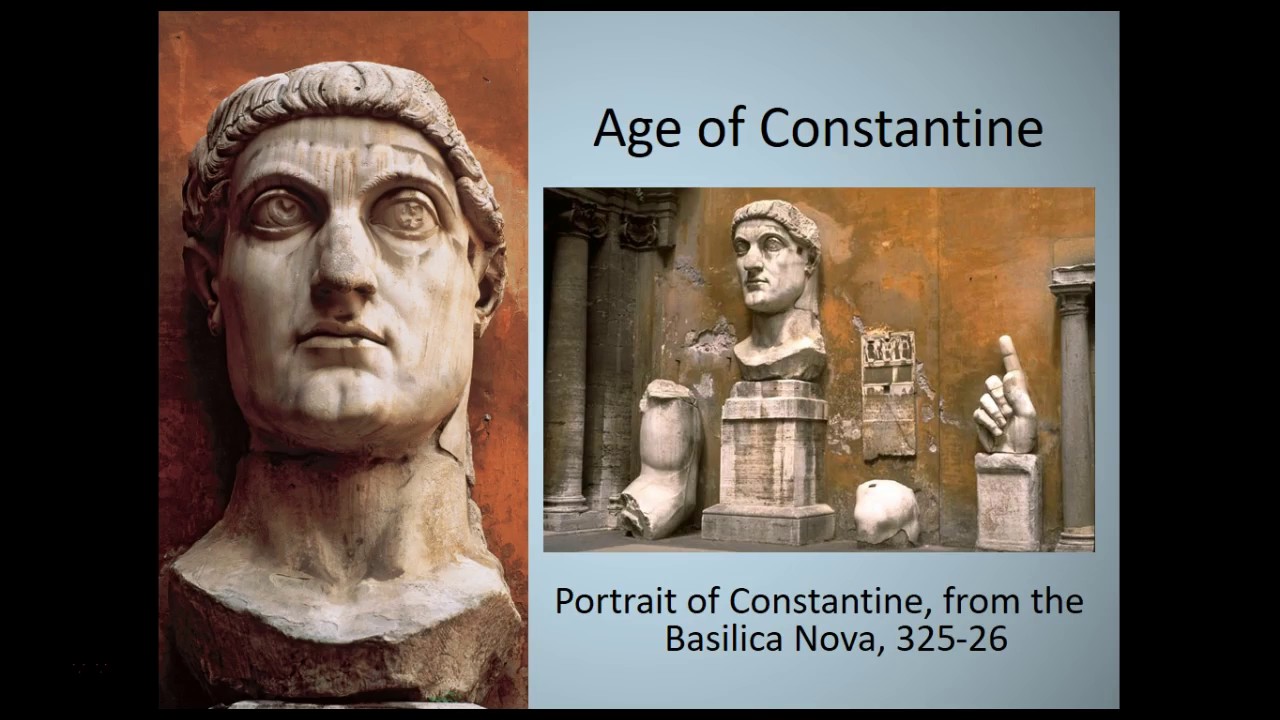
Emperor Constantine strategically employed the image of Emperor Trajan (2nd century) as a political model to legitimize his own rule, using the title 'optimus princeps' (best leader) on coins beginning in 310 CE and continuing through his reign, demonstrating how ancient rulers recycled historical figures and titles to create positive imagery and ideological messages during periods of political crisis.
Constantine's Use of Trajan: Power, Imitation, and Ideology in Ancient Rome
Added:The historical significance of Emperor Trajan, traditionally regarded as the 'Optimus Princeps' (best ruler) of the Roman Empire.
The political instability of the late 3rd and early 4th centuries (the Crisis of the Third Century and the Tetrarchy) leading to Constantine's rise.
The role of Roman state media—such as coinage (numismatics), public inscriptions, and monumental architecture—in disseminating imperial propaganda.
The concept of 'imitatio' (imitation) in classical culture as a legitimate method for establishing authority, legitimacy, and continuity.
The physical reuse of older imperial monuments, known as 'spolia', specifically analyzed through the architectural relief work on the Arch of Constantine.
The ideological transition from pagan Roman imperial imagery to early Christian iconography under Constantine and his successors.
Comparative analysis of 'imitatio imperatoris' across different eras, such as Charlemagne's imitation of Constantine or Napoleon's imitation of Augustus.
Advanced study of Roman numismatics as a primary source for tracing rapid changes in imperial theology, titles, and political alliances.
190 views3likes36:02Original Release: 2021-09-21
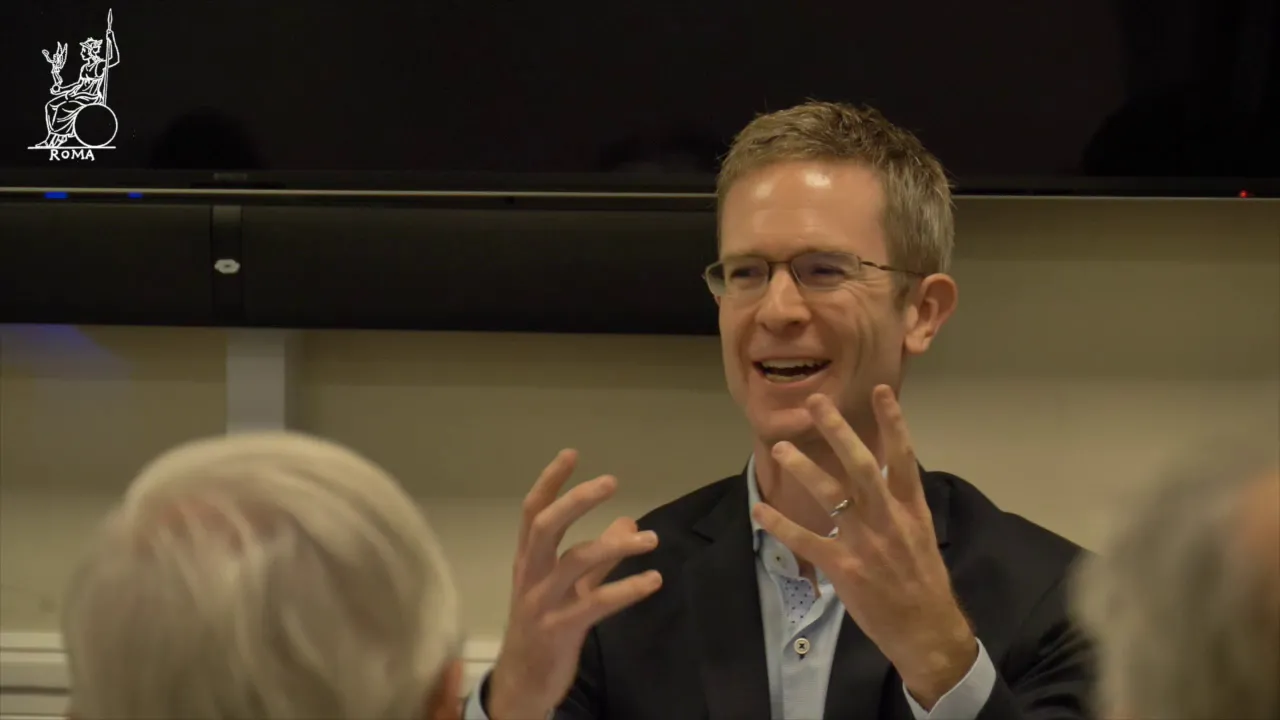
hello everybody my name is alessandro martinezi and i teach roman history at the university of pavia today i'm going to talk to you about the representation of power through the past and in particular how emperor constantine fourth century emperor constantine used and imitated emperor tria to create his power his political power so let's start with my powerpoint where you can see of course my uh the title the title of my presentation and as you probably know in greek mythology heracles the song of sales performed 12 labors a dozen incredibly difficult and highly dangerous tasks but slying the name lion or battling the learning hydra must have been a walk in the park compared to what vladimir putin has had to deal with as this bbc report very well explains whatever strange things tend to happen in russia what's happening behind me now is quite frankly very strange it's an art exhibition comparing president putin to the greek hercules battling terrorism and next door battling the european union japan canada and the united states his response to western sanctions this has been part of our culture for a thousand years a strong leader has always been at the center of society here and we the people have trusted them bizarres the emperors or general secretaries of the communist party it's hard to imagine an exhibition like this in london or washington comparing david cameron or barack obama to mythological heroes but russia is different certainly over the 15 years what is true though is that despite the pressure domestically western politicians and even hercules himself so the reporter affirms that it would be impossible in western democracies this kind of exhibitions however though they are not artistic representations even in europe and in the us other media depict political leaders comparing them to historical personalities historical and mythological examples are used by modern media to praise leaders to show loyalty to them to criticize and of course to mock them in general these images offer ideological comparison for their audiences and in so doing they provide models from the past to influence and to re-elaborate the image the image of the leader obviously the instigators of these images are different sometimes they these models can be inspired directly by the leader or by his inner circle as probably in the case of mr vladimir putin sometimes as in the case with the cover depicting silvio berlusconi as caesar they certainly come from communicative agents not involved in the propaganda organized by the legal self like single activists or journalists publishers political economical or social organizations style to him the aim of my lesson today is to investigate if and eventually how a particular model from the past the second century emperor trian appears and affects polit political constant communication of another another early 4th century roman emperor constantine the great in fact together with the partially earlier studied examples of alexander the great or claudius gothicus we can find more than a clue that also the second emperor trian was used as a model to shape the constantinian ideology scholars acknowledge only the existence of some suspected connection between the two emperors between constantine and this possible modal trian also in a highly fragmented fashion for example in the satirical work the kaisarebus written by emperor julian around the end of 362 a.d where a bossful and coincided constantine after having highlighted a superiority to caesar and octavian are films that in comparison with triumph you find here there on the powerpoint the quick text i'm going to to read it translation it would be only fair to regard ms as his triads equal on the score of that territory which he added to the empire and i constantine recovered using a pungent irony the last pagan ruler describes constantine desiring and searching for a direct relationship with his second century predecessor and the line is equality with triang in a military perspective according to the majority of scholars other hints of the existence of a relation between constantine and triangle come from the arch erected after the battle of milvius bridge in rome in 312 as generally accepted the spolia included the constantinian arch next to the colosseum were used to transmit precise political images not restricted to the utilitarian material recycle of ancient works ancient reliefs sculptures and thundi representing battles and ceremonies laid by emperors such as trion adrian and marcus aurelius would have been used to define a material and ideological network of commas and models necessary to represent the new liberator orpis a third suspect of trianic inspiration in constantinian representation is less direct but it involves one of the most influential intellectuals of the early fourth century lucius calcilius fiamianos lactantius in his most well-known war de mortabus prosecutor on the deaths of the prosecutors the english english translation written immediately after the battle of mildred's bridge the negative character of emperor galileos is repeatedly described as a summa of the negative qualities typical of enemies and persecutors of christianity depicting the invasion that the this that the galilea used this bad emperor conducted in italy during the late summer of 307 [Music] lucktantius remember that he supposedly proposed to call his new empire as dakiskum find here the latin text and i'm going to to translate to read a translation in english consequently the region of italy through which that pestilential column marched was devastated everything was pillaged women were raped maidens violated and parents and husbands tortured to betray their daughters their wives and their possessions cattle and puck animals were driven off as through they were booty sized from barbarians this was the way in which he got himself back to his sound territories once a roman emperor now a devastator of italy he had caused the universal damage one expects of an enemy he had in the past received the title of emperor but now he had declared declared himself an enemy of the roman name he wanted the empire to be called not the roman but the dakian empire the comparison appears clear estranged was the first conqueror of dakia and winner over the barbarians so constantine overtook gallegos emperor scalars enemy of constantine darkis imperium and restored the roman civilization in other words the construction of an association between galerius and the barbaric daca formed a stereotype not only very useful in emphasizing galileo's negative attitude but also effective in relighting triangle as a positive model for constantine thus we now have more than a clue about the existence of political connections between the two emperors but we do not have a general scenario an official policy which illustrate the fact that constantine was during his life depicted using models provided by trion's tradition looking for a more solid evidences i investigated the adoption of the most characterizing an official title used by trials communication this title is optimus prince and how constantine used this sentence this short sentence this title optimus prime as pliny the young explains this effected this title embrace embraces all the virtues and no one before trian deserved it moreover the trianic title optimus primecaps it marked his close relationship with jupiter optimus maximus furthermore it is interesting to note that after brian's death only septimus employed and occasionally in this coinage the legend the title optimus princess the first examples in which constantine is represented as optimus principles come from the imperial mint of arellate nowadays south of france arl in coins dated to 310 we can still register the existence of six bro bonds bronze coins mintages dedicated to constantine um on reverse the legend s p q r optimum primekeyp in 310 constantine was in a related the city for the latin arm and from there he moved to the nearby city of masilia to fight against the two-time usurper maximian in masilia max maxinen had barricaded himself while trying to convince his troops to resist constantine who in the end forced him to commit suicide the coins minted in ireland and in a limited number also in the city of are the first witnesses of the modal existence by re-employing all coin types typically from ostia and in accordance with the center's input these coins formulated this implicit message i am appropriating the trianic title the trianic epithet because i am the new trial when constantine moved to italy to defeat maxencios local means started to imitate coins reporting the trianic legend the image you see now is exactly taken by this historical moment in particular here the legend s p q a optimal principles appears for the first time in italy on a solidus golden coin minted in tichinu in pavia where i'm speaking now from during the years 312 313 and in a very consistent number of coins created in rome and in austria during the same years 312 313 [Music] now a general pattern starts to become clearer constantine needed positive model when as young augustus as young emperor ingall and the in goal and then and then in italy enforced maximia to commit suicide and when he defeated in italy the emperor maxencious was there his first enemy at the same time sta means started to broadcast image and imagery it's not the only is existing imagery taken by the past there is for example another one in this age represented constantine as a new constanzus the because another emperor but now trian starts to become the most intriguing the most powerful political figure represented in constantin imagery so means started to broadcast this imagery capable to connect constantine with a great beloved super popular emperor like like try and pass them very popular and to create positive representation for local elites soldiers and senatorial class in other words during the very first years of his reign he constantine promoted the construction of different images capable of providing in different ways convergence of different social powers on in in particular optimus primecaps was a unifying reminder to trian that since 310 had been employed by constantine to broadcast a trionic imagery the trianic character as the insistence of the ancestry with claudius gothicus another emperor as i mentioned earlier was one of the models used to sound out new messages and to define new imageries from the center constantis as many of his predecessors and as maxentius during the same years broadcasted his identities reusing and recycling not only archaeological spolia as we have seen but also ancestors virtues traditions ethical and moral models in order to shape identities acceptable also for the most conservative groups not only in rome the existence of these optimal springtips coins seems to be even more import important if compared with contemporary christian literature just to give you an example chatulian [Music] which was a christian emperor represented for the first time trian not just as a prosecutor of christians and tertullian is a model [Music] taken then also by other christian authors like jeromes in other in other words christian authors described in a negative way trying because it was considered a powerful and negative persecutor of christians chatulian is the first to slightly change this perspective even if in describes trian in negative way but we have seen [Music] before as lactantheus who was very close to constantine and he was christian he described in a not negative way trian so there is an ideological change which takes the christian perspective and which and which tries to re-represent a christian negative model triam the persecutor in a not negative model thanks to lactances but it's not enough because not only lactances not only christian literature tries to change and to model in a positive way or in a not negative way tradionic representation because there are also pagan texts pagan literature which used as its possible c seen in this examples you can see here just the the latin text but it's enough because what is interesting to see how in this so in these discourses written to praise constantine the authors and in particular nazarios [Music] you see in different passages of this text to retake to recycle another image which is typical typical of trial representation and we have already seen it optimus primecaps clearly retaken on coins and [Music] inspiring in these discourses represented in this very case in 321 in rome [Music] in front of constantine zones there is another kind of media which was extremely popular in roman time and this is inscriptions risk inscriptions were everywhere so broadcasting messages through inscriptions was a powerful way to describe to define a propaganda we have precise attestation [Music] that this inscription you find here described re taken in in latin and extremely popular in northern italy we represent using another language again the form humana optimum to define constantine constantino maximo pio the text was reported in a specific form of inscription milestones which were put in particular as i mentioned before in northern italy you see here on this map where exactly these inscriptions have been found it's extremely interesting to see how between 327 328 in the northern part of italy many milestones reporting this text and in this text there was the inscription that the title opt [Music] was used before this expression optimum never was never employed before in such instructions and for this reason it was it has been uh discussed uh for many years by the scholars because it's it's difficult to understand why this expression y in this part 1 327 328.
the years 326 to 327 were characterized for constantine by a period of a short but impacting crisis distinguished by the baffling murders of his son christian and his wife fausta so although the appearance of these milestones may have depended on local circumstances for example constantine visited the north of italy in 326 and for this reason there were strong maintenance works on the local road network and perhaps even if they have been created and dedicated by local officials so not on a central level [Music] it's clear that the optimus prime kept topic comes up and again probably because constantine in the years before the creation of these milestones it was in a political in a moment of political crisis again [Music] s in 310 s in 312 so in period of crisis in period of big political and military changes constantine decided to use a winning model helpful to diffuse a good imagery and to overcome a period of political crisis so [Music] as it did in 310 uses using claudius corticos and ryan as he did again in 312 and 313 using trian now it's time again to employ trian targeting is used in a specific media milestones in a specific place north of italy the trianic messages the trianic imagery optimus primecaps on milestones in 327 represented for constantine the start of a counteroffensive base on triads imitation which ended one year later in the spring of 328 constantine was in nicomedia after having left the city he arrived near the danube where i built the stone bridge from oescos to suicidaba which announced they is intention of carrying war beyond the river and re-conquering dachau in doing so he had rebuilt the triangle the triangles bridge across the danube only with three campaigns in 332 in 334 and in 336 constantine was able to re-obtain the emperor of dakia the provincial of the province of dakia but recycling the imagery of the past constantine had already been an optimus fingerps for 24 years in every society different kinds of media inspire their audiences with different kind of messages as today mr vladimir putin is described as devoted to hercules as a new tsar as an archaeologist a lenin reincarnation and even as the fictional car as the fictional character frank underwood the president of the united states in the series in the discussed series house of cards so trian was 17 centuries ago one of the models that media inspired but necessarily not necessarily directly controlled by constantine used to describe him and to create positive imageries as well as claudius gothicus alexander the great in the eastern provinces and augustus were other inspiring historical characters employed to sound out ideological messages thank you for your attention in case of questions please do not hesitate to write me my email address is alessandro maranesi at unipv dot it thank you for your attention and best wishes from pavia bye bye you
Up Next

3:40
Medical Anthropology Explained: Culture, Illness, and Healing
@TheHumanConditionEWU
6.3K views•2023-08-28

12:54
Triumph of Orthodoxy Icon: Byzantine Art & History Explained
@BenCallan
2.1K views•2024-08-06

9:49
FastAPI vs Flask vs Django: Choosing the Right Python Web Framework
@TechWithTim
302.5K views•2024-05-26

1:42
Game of Thrones Opening Credits: A Cinematic Analysis
@gameofthrones
46.3M views•2011-04-18
Related Study Plans & Knowledge Roadmaps
Structured learning paths in General & Interdisciplinary Studies
general-studies
Elevator Engineering: History, Physics & Cities
01From Hoists to Safety Brakes: The Dawn of Vertical Lift
02Hydraulic vs. Traction: The Engineering Physics of Elevators
03Modern Speed, Safety, and Algorithms
+ 2 more learning modules
12h5 modules
Explore Roadmap
general-studies
Rubber: Material Science, History & Geopolitics
01Origins of Natural Rubber & Mesoamerican History
02The Chemistry of Natural Rubber & Vulcanization
03The Geopolitics of the Rubber Boom & Colonization
+ 2 more learning modules
12h5 modules
Explore Roadmap
general-studies
Containerization: Evolution, Logistics & Trade
01Ancient Trade & Bulk Cargo: Amphorae to Barrels
02The Industrial Revolution & Cardboard Packaging
03The Containerization Revolution: Malcom McLean
+ 2 more learning modules
12h5 modules
Explore Roadmap
general-studies
Textile Tech: Evolution, Labor & Global Impact
01Pre-Industrial Textiles: Handloom & Cottage Industry
02Mechanization: The Spinning Jenny to the Power Loom
03The Factory System & Global Labor Transformation
+ 2 more learning modules
10h5 modules
Explore Roadmap