













![The Ahgren Ryan Power Hour 3 - Bits and Banter [05/16/2025]](https://i.ytimg.com/vi_webp/CWolZ8hJCGs/maxresdefault.webp)






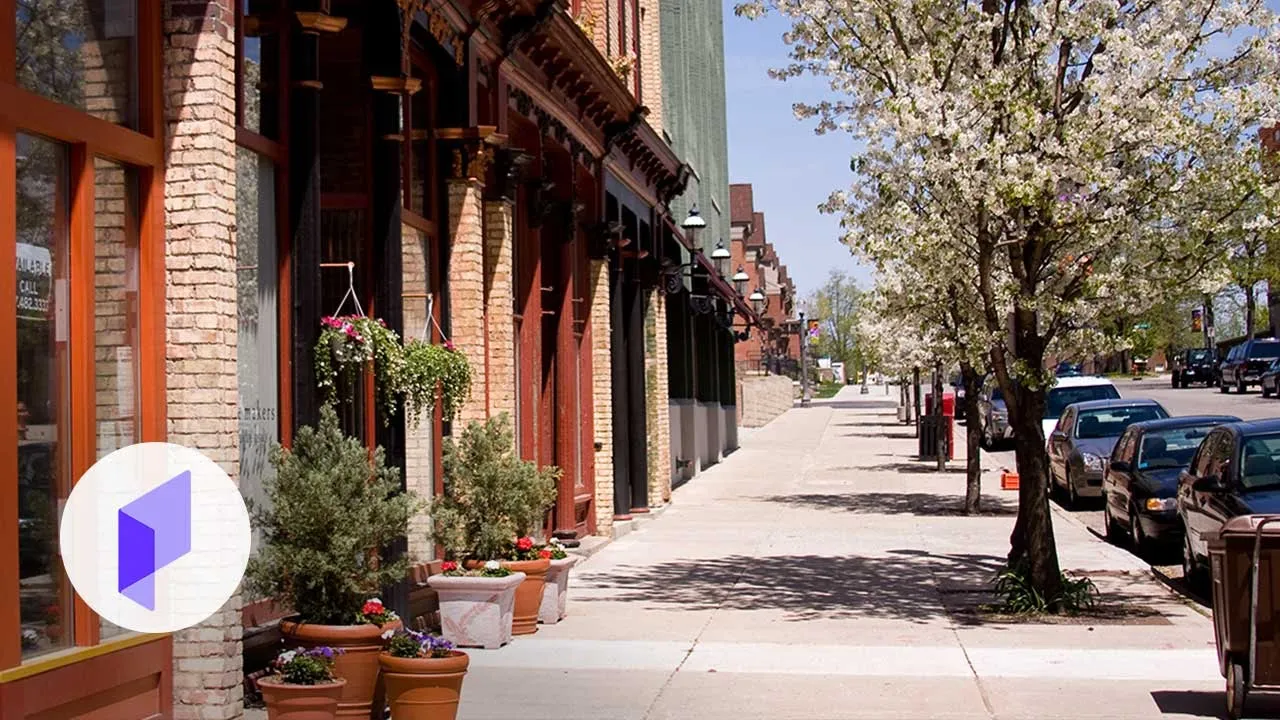
Urban design is the practice of shaping how cities look and how people experience them, encompassing streets, buildings, parks, and public spaces to create environments that enhance quality of life, well-being, and community belonging for all residents.
Urban Design Explained: Shaping Cities for People
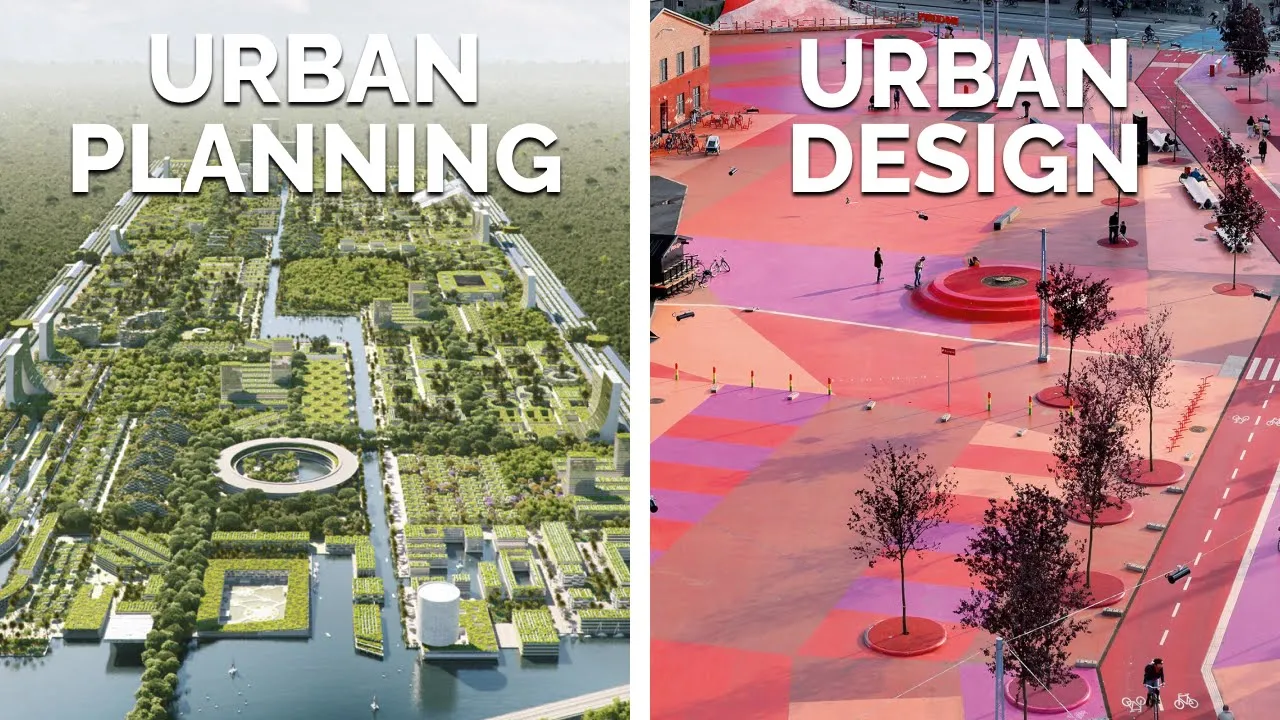
Added:The fundamental difference between urban planning (macro-level policy, zoning, and land-use) and urban design (micro-level physical form, human scale, and aesthetics).
Basic concepts of civic geography, specifically how public spaces function as shared resources versus private property.
The historical shift in 20th-century transportation planning, particularly the transition from pedestrian-centric cities to automobile-dominated infrastructure.
A foundational understanding of environmental psychology, specifically how physical surroundings affect human behavior, mood, and social interactions.
Tactical Urbanism and Placemaking: Exploring how communities use low-cost, temporary physical interventions to rapidly reclaim and transform public spaces.
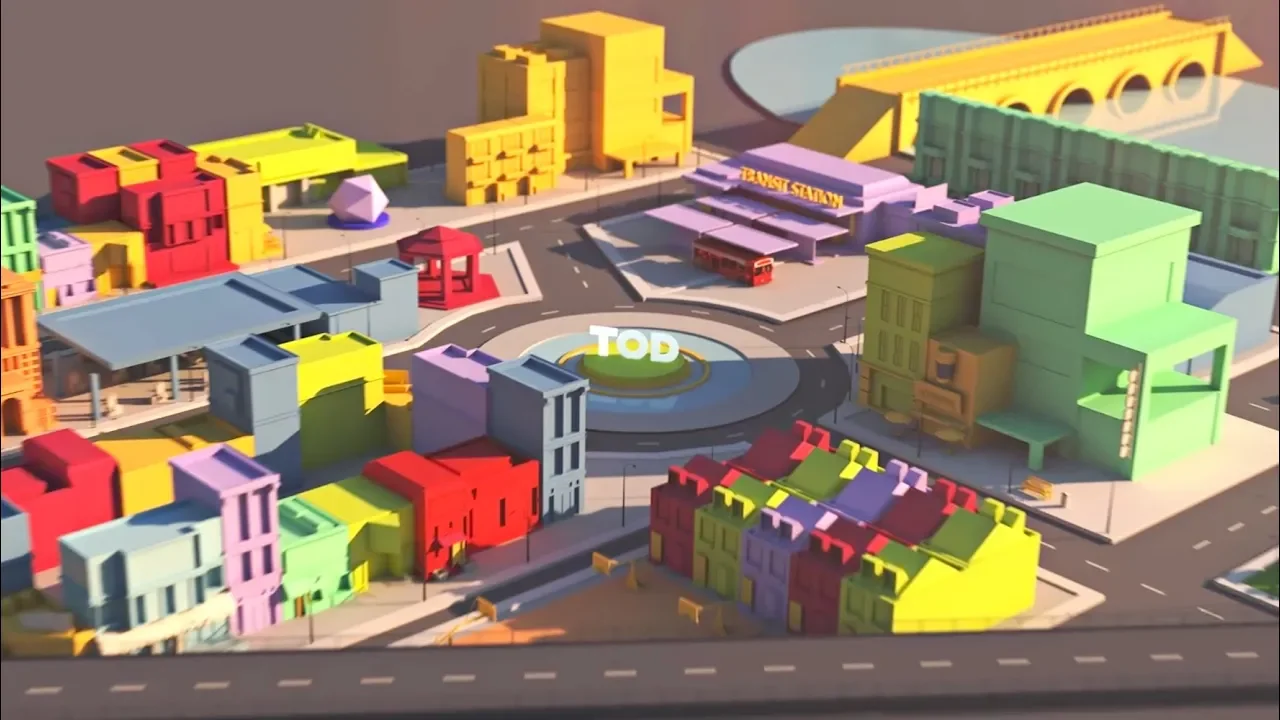
Transit-Oriented Development (TOD): Analyzing the integration of high-density, mixed-use zoning with efficient public transportation systems.
Biophilic Urban Design and Green Infrastructure: Studying how incorporating natural elements and ecosystems into city design mitigates the urban heat island effect and improves mental health.
Form-Based Codes and Policy Reform: Investigating how modern regulatory frameworks can replace traditional Euclidean zoning to promote walkable, human-scale neighborhoods.
79.8K views0likes4:02Original Release: 2021-09-15
What is urban design?
Urban design shapes how the city looks and how people experience it as they live, as they work, as they come together, and as they move around.
Urban design is about people and how they connect to their surroundings.
Urban design shapes the many features that make the city: the streets, the buildings, the parks, the plazas, and all the spaces in between.
Urban design can affect what people see and how they feel as they move through the city every day.
Urban design plays a big role in making the city more enjoyable and comfortable for all, a big role in supporting everyone’s quality of life, well-being, and health, a big role in influencing how the city looks and feels, and a big role in fostering a sense of belonging and civic pride.
What does urban design mean to you?
Let’s think about the spaces you might move through every day and how you experience and perceive those spaces.
When walking out the door you can see how the buildings stand in relation to the street and in relation to one another.
For instance, you may notice if upper parts of tall buildings are pushed away from the sidewalk.
This allows more natural light to reach out to the street.
When you stop by at your local shop, the street around you may feel lively with stores and shop windows lining the sidewalk.
When you walk around busy areas of the city, you may appreciate wide sidewalks that accommodate the many people going in and out of buildings or subway stations.
You may also enjoy the shade provided by trees along the streets, awnings around buildings, or even elevated subway tracks.
And you may feel safe and comfortable with lighting to guide your path at night.
Now, consider the size and shape of a public space you pass by as you run your errands, or the one in front of the public building you like to go to when you have time off.
You may wonder if you’ll find a place to sit or a spot with trees and plantings to protect yourself from the sun in the summer.
All these spaces are part of what is called the “public realm”.
Your experience of the public realm might change depending on the time of the day or depending on the time of the year and how much your senses might be engaged.
Your experience of the public realm might also change based on your point of view.
For example, if you stand right next to a building you will be more aware of the ground floor and a few stories above that so the way they’re designed will have a big effect on your experience.
If you move across the street you will be able to see more of the building, and even neighboring buildings, and you will get a sense of the architecture and activity on the whole block.
When you look from farther away, for example, across the waterfront you can see buildings in their entirety and how they shape New York City’s skyline.
Every New Yorker has a role to play in shaping their city whoever you are, the person delivering goods for your fellow New Yorkers, or a proud resident a gardening enthusiast or a knowledgeable member of your community.
Good urban design is meant to serve every New Yorker by reinforcing their neighborhood's unique sense of place, by supporting ease of movement around their city and an accessible public realm, by caring about the details that – combined together – make up the city, and by ensuring that public spaces are comfortable, welcoming, and feel safe to all.
Up Next
11:17
Urban Planning Explained: Models, Brasilia & Redlining | Crash Course Geography
@crashcourse
289.4K views•2022-03-21

12:54
Triumph of Orthodoxy Icon: Byzantine Art & History Explained
@BenCallan
2.1K views•2024-08-06

9:49
FastAPI vs Flask vs Django: Choosing the Right Python Web Framework
@TechWithTim
302.5K views•2024-05-26

1:42
Game of Thrones Opening Credits: A Cinematic Analysis
@gameofthrones
46.3M views•2011-04-18
Related Study Plans & Knowledge Roadmaps
Structured learning paths in General & Interdisciplinary Studies
general-studies
Elevator Engineering: History, Physics & Cities
01From Hoists to Safety Brakes: The Dawn of Vertical Lift
02Hydraulic vs. Traction: The Engineering Physics of Elevators
03Modern Speed, Safety, and Algorithms
+ 2 more learning modules
12h5 modules
Explore Roadmap
general-studies
Rubber: Material Science, History & Geopolitics
01Origins of Natural Rubber & Mesoamerican History
02The Chemistry of Natural Rubber & Vulcanization
03The Geopolitics of the Rubber Boom & Colonization
+ 2 more learning modules
12h5 modules
Explore Roadmap
general-studies
Containerization: Evolution, Logistics & Trade
01Ancient Trade & Bulk Cargo: Amphorae to Barrels
02The Industrial Revolution & Cardboard Packaging
03The Containerization Revolution: Malcom McLean
+ 2 more learning modules
12h5 modules
Explore Roadmap
general-studies
Textile Tech: Evolution, Labor & Global Impact
01Pre-Industrial Textiles: Handloom & Cottage Industry
02Mechanization: The Spinning Jenny to the Power Loom
03The Factory System & Global Labor Transformation
+ 2 more learning modules
10h5 modules
Explore Roadmap