








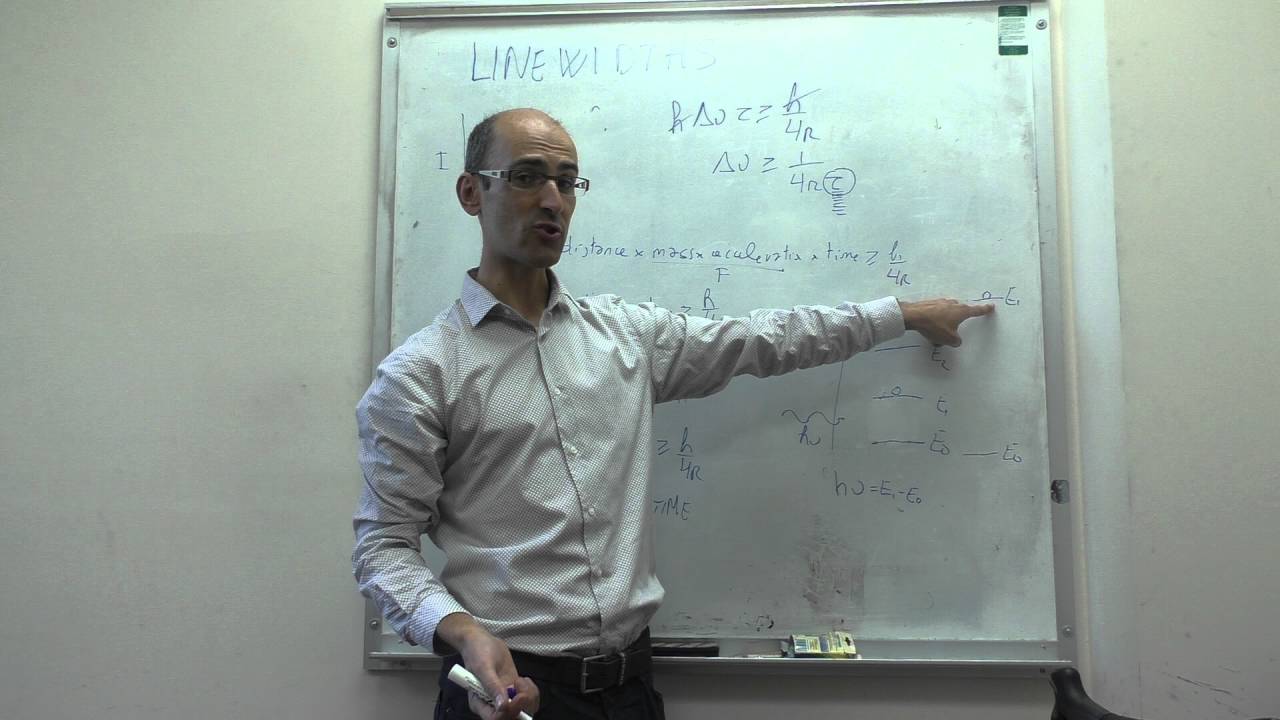






The width of spectral lines in spectroscopy is primarily determined by three factors: (1) the natural line width due to the finite lifetime of excited states governed by the Heisenberg uncertainty principle, (2) Doppler broadening caused by the thermal motion of molecules leading to frequency shifts, and (3) collisional broadening resulting from molecular collisions that perturb energy levels. Additionally, instrumental factors such as the narrowness of the monochromator slit play a crucial role in determining the observed spectral line width.
Width of Spectral Lines in Spectroscopy: Slit Narrowness Factors
Added:Basic principles of wave optics, particularly the phenomenon of light diffraction through narrow slits.
The fundamental design and components of a spectrometer, including monochromators, slits, and detectors.
The physical concept of a spectral line and how emission and absorption spectra are produced.
The trade-off between spectral resolution and light intensity in optical systems.
Fundamental physical mechanisms of line broadening, including Doppler, natural, and pressure (collisional) broadening.
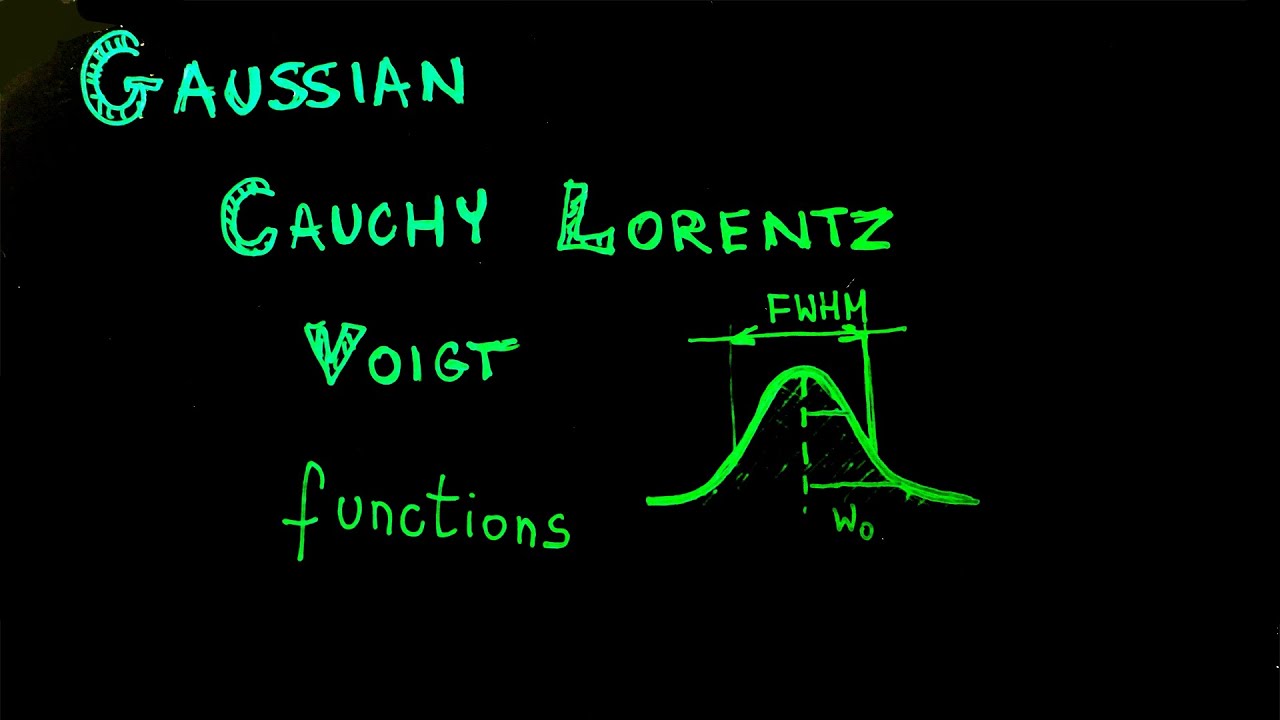
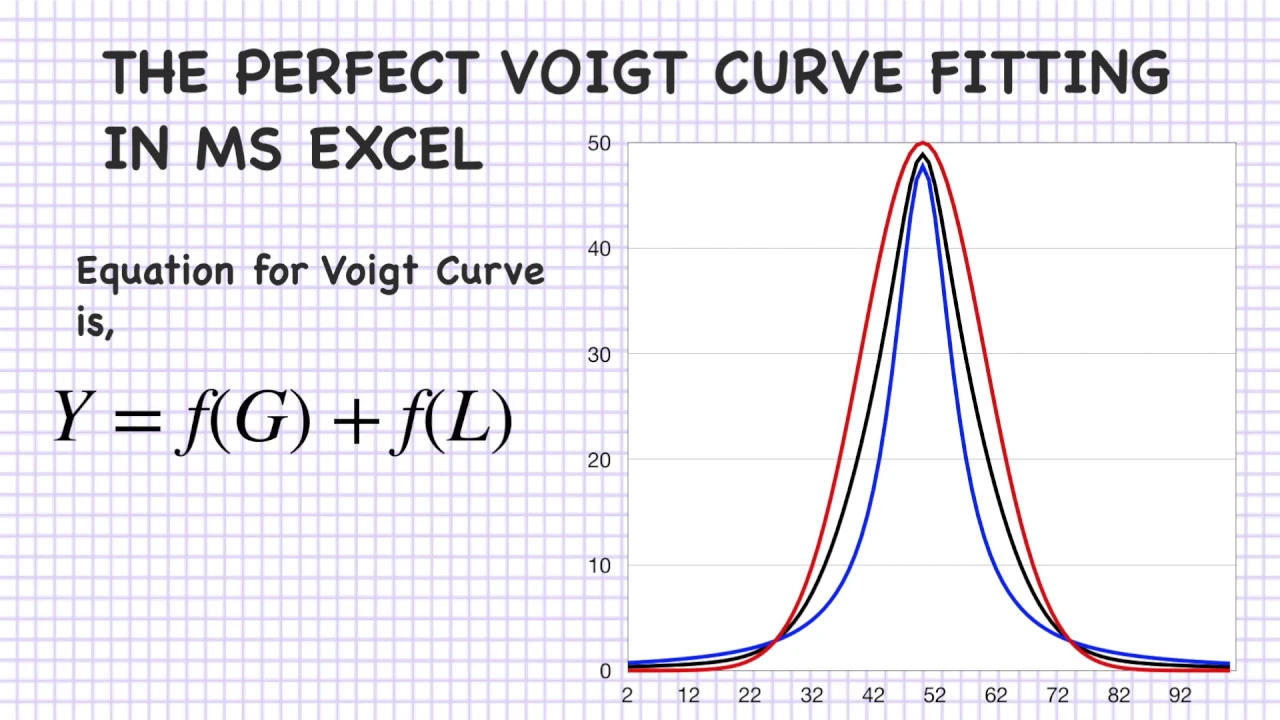
Mathematical modeling of spectral line profiles using Gaussian, Lorentzian, and Voigt functions.
Practical optimization of spectrometer slit width to balance signal-to-noise ratio (SNR) with spectral resolution.
Application of resolution limits in advanced fields such as High-Resolution Infrared (HRIR) and Raman spectroscopy.
75.4K views1.7Klikes9:14Original Release: 2018-07-01
hello welcome to chemistry enter so Adam bath carnival egg before the important topic Cadogan spectroscopically say I am born and who time or spectroscopy may subsea the important yoga that is about my experiment experiment cartoon busca by the grappa horse graph gonna interpret Khurana both important Luther said kisi bhi spectroscopic to technique I make a graph um go milk I go XRD Kagura only though our same guy at time car this making my images milk in same time man yeah a pass a wide rational Kagura foramen graph for octopus rotation spectroscopy Capgras for a boy be a graph we like image hope this is M time mayor kisi McGraw father so depending upon the graph and image oppose whose graph say I was image say both conclusions Nicholson agar aapke spectroscopy male light absorption emission spectroscopy high up capacity absorption or emission or a circus America the graph Milkha house graph key Peaks both important with him some say pelion Bhaskar think essa é esse spectroscopy Jamaica molecule light absorb kartha hai kaisa spectroscopy tapioca molecule light amid curtain our absorption moon a Tokyo emission only though hamsa pocket i key molecule other eight energy level say Doceri energy level may transaction ache energy level seducer energy level miss Abu Jaffa so energy absorbed curtain and gia blob car make about lower energy level say higher energy level pitcher lozada there were higher energy level shall lower energy level Piazza OC amount of energy coho release go home go of hama absorption k terms may be the exact same is quite a mission atoms may be the exact night depending upon hunk a say they cannot char them so basic spectroscopy Mamata yeah the octopus XOR sawfly to the octopus XOR SOTA octopus axilla to the octopus of the main compound with a half way up to analyze carnage is come sample get them so this will be your simple this will be your slit or up Kapus last made detector jota this detector play a poo yato graph Malaika other dharak reading Malaika depending upon ki aapke detector kiss tight car sir basic spectroscopy map car thefts or shake light go Ambedkar throws a light OTL wake coherent light hoon each eye a single wavelength he a single frequency light on each eye a Joe Behati narrow slit me a pass oviously TAS are not used wake particular wavelength Kohi allow Caraga Johnny Kelly any agar Mary pass both multiple wavelength you bought multiple wavelengths key light in the mirror slit as soon as he is okey see a particular wavelength Kohi ARPA Johnny Vega Somu Jumeirah slit causal narrowness a what was his hobby I just karna but I got yourself a key light who are personally the Valle lied who slit me across who he - very simple case at interact correctly interact Carnegie but Mary detector Tokyo Kazakh college a kebab emission Michael rocky absorption Michael row depend Carta the Bose detector cooper zach a legate of the music peak milling usually homie a expected earth a neck if your atoms within yas america's molecules athenian on atoms or molecules casa energy level hooter have a body precise note on the marathon both he presides over any well-defined rota this is what we expect if I ask quantum mechanics yeah Bucky cave chemistry or physics k rules applied there make a bath the monkey see atomic Kissimmee rotationally a vibrational energy levels of ammonia Carlton is molecule car rotational energy keeping alga is molecular vibrational energy Kanaga hum I expect car thank America molecule Ogawa body M sky energy level but precise OPA sohe me expecting a key other mu J graph Malaysia to a graph Musa body sharp brass Malaga he gives immediate particular brick wavelength key I particular frequency key light shaggy - why him only to lose kiss @interact tárrega this cows case at resonance of a adduce who should be able in to absorb carnival ah hoo ha so mucho graph Milnes a you may expect or County music Rob to me like I was sharp graph mulatto here because Mary who seemed only Hughley I would say at Omni absorbed Kia hey Jose frequency he lied to absorb curse act ahead because wake single wavelength here but unfortunately Jota yeah here he hamari so sweet hair school narrow Carnegie limit her up both odd on irony kar sakthe both of our experiment courtesy muhammara political narrowness Jota whoa Kabuto nonny opava ideal easy to know who nacho you so usually what happens he a grave lengthy alarm up a range of wavelength johnny range of frequencies key light persona start with a DM who scares me okay a lot a lot molecules oh Allah Galaga energy level pay this erectus Americana agar my rapist example hey a container make solid liquidy I guess take away molecules Giroux Rina he hacky Haram molecule car energy level same hygge Derouen a hacky her molecules same energy pay hoga sir a burger Maxwell distribution Papa Doggett sahaja yoga he made a pass occur n number of atoms hand so is may push fraction of molecules oka this key energy bought komoti a whose fractions of molecules key energy both highest Athiya to marry the energy head energy hike particular temperature pay or agave repast number of molecules and her molecule key energy same nahi Houthi would differ Katya a burger Mary pass Marlowe does molecule Samira passed does molecule area the Somali khillski Allah de la cueva lengthy Ya Allah Gallic energy said to make one I am expecting that make single frequency key energy Co put up Carew motto koi a key molecule absorb Careca this case are to match own Avila but unfortunately Jota chimera slit narrow na hoona key but they say multiple wavelength was honest article 18 here this key value say multiple molecules tsuki gyobu frequency cocina KCK subcommittee OB for in Iquitos for absorb Careca so Allah Ghulam multiple molecules absorb thermostatic RTA or yep al apparent hota hai ki tu mera peak hair was sharpener on Akiva they say push push broadening the kana start car data so you will see some broadening in the peak and this is the first problem yeah this is the first cause of a broadening of your Peaks now he spoke um he has a successor on Laguna Connie resolving power scape are I'm a pariah upper spectroscopic technique commodify core such they are busca both sophisticated of anise active but the couch level puts a level that up is broad Minko is broadening go come curse at him now basically by broadening Kamata start broadening is leotta is frequency baby kissing absorb key alga is frequency baby kissing absorb Tioga is frequency fabrication at the putamen a xx SQ / katya frequency on a wavelength plot car town or y-axis kyo per my plot katana absorb kiya hai a katana a emit here the kisi molecule another which fraction of molecules neighborhood the other absorb Kiowa puts fractions of molecules nada thank yoga for some molecules make a frequency pay Cuyahoga can he he he under Mary pass Allah Allah frequency valley molecules n so the subset of the frequency valium molecules who Nagar subsea da in light absorbing I met here so music intense speak me Laguna Kelly but SK are to Kazuki energy level below Navy absorb Kia here because made a slit may say multiple wavelengths nickel KJ are eating so escape Isaiah says o Musa peak my leg ago multiple frequency spin with a peak - raaga katana he to attack you whoa whoa Pete mujadara milega Teru schema the system with a peak milligram with a syllabic abroad the punic a satiate awake sharpen a tiara sir ec frequency pay absorption hona chahiye Aetna Borowski alabanza value frequencies pain nahi Munna Chiquita but Jota hey reasoning a give multiple wavelengths great multiple wavelengths they are somnium in a simple white house mice are a molecule a key frequency penny a key energy level pinning bubula Galaga energy level pain so a lot energy level a la alegría le frequency case a absorb Corrigan Internet carita BOSU Allah energy level voila value only energy case at the interact Karakoram in a minimal DQ Joseph's a main mini wavelength Daria host case at interact Corrigan so a girl Mary pass teen Allah Galaga energy level K molecule same or Mary pastina lagalag1 and Elie Tahari hand to the Meryem interaction who protein illegal igloo a mokuba so me remain amok Sakata syrup a cat Tom or eight wavelength case at hona chahiye but unfortunately multiple items or multiple wavelengths case at the interaction witha this schema the same as a Mary domain wavelength II who spray the sharp pick Malaga for algebra Jubilee wave length wave image a sharp peak milna sharply conga music however small but music peak Milne estado jaya this cave where they say the merepeka O'Meara peak broadening Hosanna sorry ya pehle reason is half a peak broadening jota soapy broadening cave or teen reasons him Humira peak broad hooter sorry here the instrumental error I squirm correct car sucked a SS little Banaszak tanky this say bye bye bye ideally a key wavelength paso - ideally set up a high-energy c'mon liquid interact Caraga whoa a key energy can internet correct also a que frequency play music straight line will not start was like but unfortunately couch or effects person hands ocarina by broadening may contribute curtain this methine factors are a subset Bella factor after collisional broadening collegian hooning Eva this is a broadening with the second half ahead Doppler broadening ferrata his own Berg uncertainty principle Kiva Jason cerise may pollution or Doppler broadening Joe have a main role play car pan however Heisenberg uncertainty principle key was a-sayin a valley brodny italy italy intensely irony of ethnic Dada neo thesis any Doppler yeah pollution key was a pseudo broadening ethey so a cake directly hung window in t no reason scope at Nagiko she's carrying it he coalition Rodney or Doppler broadening or his own birth uncertainty principle-- atiba they say poncey whoa reasons hang above conse factor say this key with the same area pass broadening will now start other cues a broadening - Toyota [Music]
Up Next

6:09
Build a CD Spectrometer Tutorial | MIT Nanomaker Lab
@mitocw
175.1K views•2013-11-15

12:53
21cm Hyperfine Transition in Neutral Hydrogen: Radio Astronomy Basics
@AaronRobertParsons
12.4K views•2011-10-13

32:32
NMR Spin Physics I: Zeeman Effect, Resonance Condition & Larmor Frequency
@nptel-indianinstituteofsci8064
2.3K views•2024-01-17

27:14
Entropy and the Second Law of Thermodynamics Explained
@veritasium
27.5M views•2023-07-01
Related Study Plans & Knowledge Roadmaps
Structured learning paths in Physics
physics
Nuclear Physics (Decay, Fission & Reactors)
01Atomic Structure and the Binding Force
02Radioactive Decay and Half-Life
03Nuclear Fission Mechanics and Chain Reactions
+ 2 more learning modules
12h5 modules
Explore Roadmap
physics
Soft Matter (Polymers, Colloids & Rheology)
01Foundations of Soft Matter & Thermal Forces
02Polymer Physics and Macromolecules
03Colloids, Surfactants, and Self-Assembly
+ 2 more learning modules
38h5 modules
Explore Roadmap
physics
Analytical Mechanics: Lagrangian & Hamiltonian
01Mathematical Foundations: Calculus of Variations
02From Newtonian Mechanics to Constraint Dynamics
03The Principle of Least Action & Lagrangian Mechanics
+ 3 more learning modules
28h6 modules
Explore Roadmap
physics
General Relativity (Spacetime & Cosmology)
01Foundations of Relativity: Special Relativity
02The Geometry of Spacetime: Equivalence Principle & Curvature
03Einstein's Field Equations: The Mathematics of Gravity
+ 2 more learning modules
55h5 modules
Explore Roadmap