








![As 100 Maiores Descobertas da História - Genética [Ep. 5 de 9] - Discovery Science (2004)](https://i.ytimg.com/vi/SnBI7U0v0FM/hqdefault.jpg)

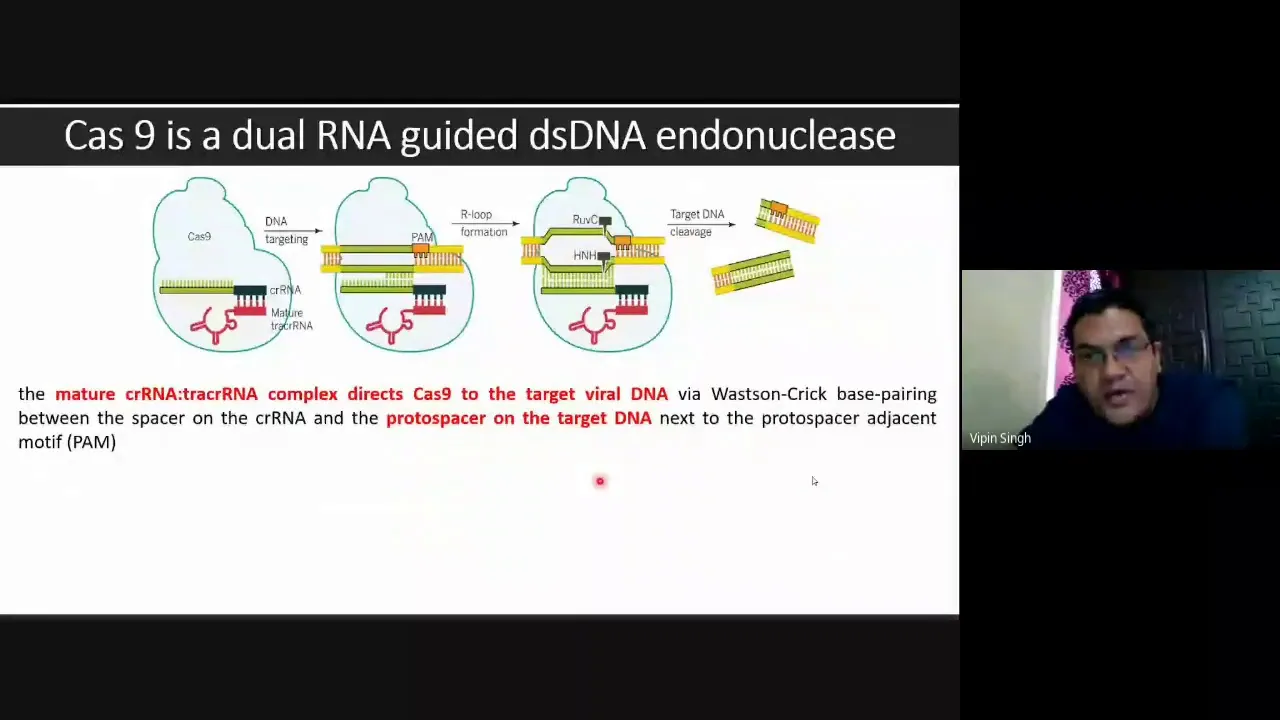








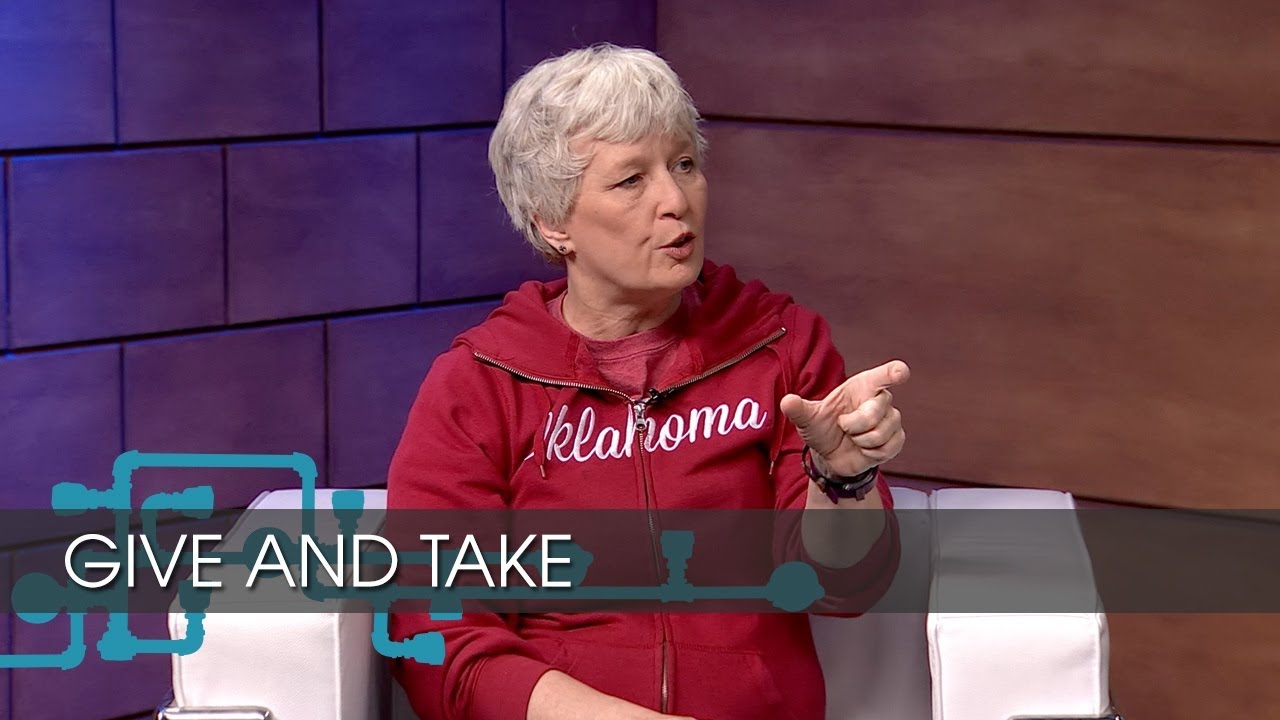
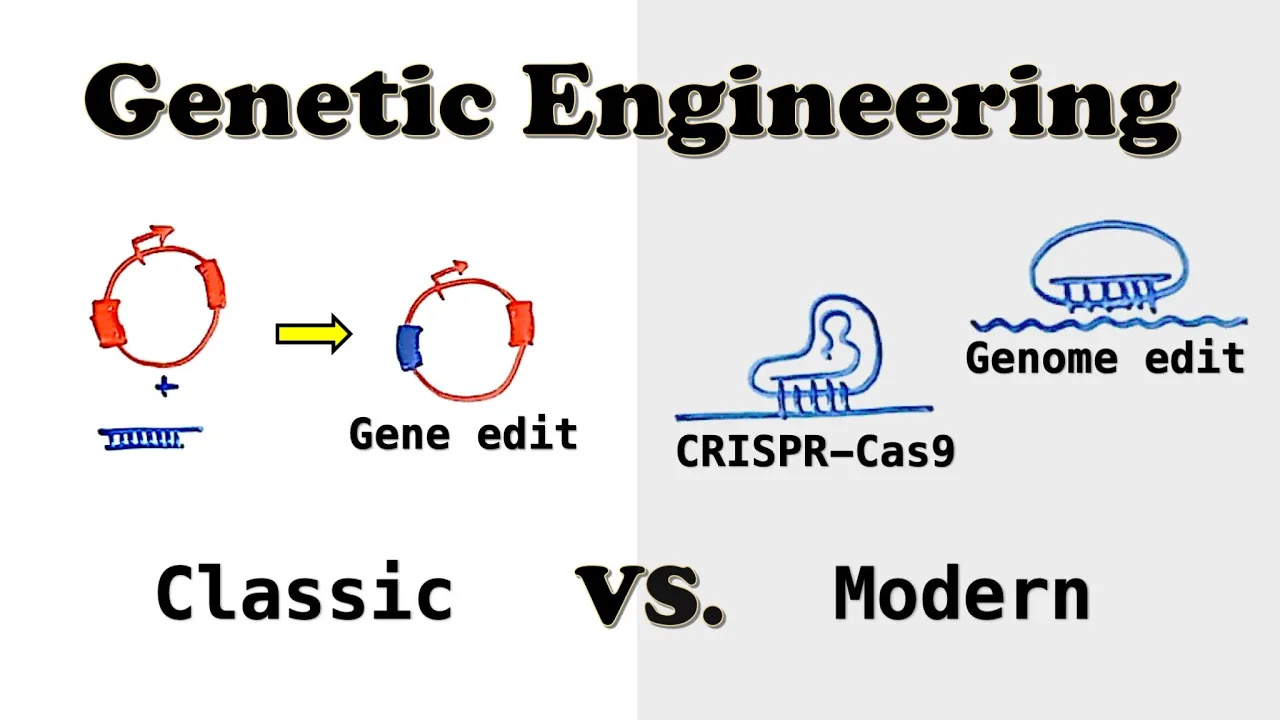
CRISPR-Cas9 is a revolutionary genome editing technology that enables precise modification of DNA sequences by using guide RNA to direct molecular scissors (Cas9 protein) to specific genomic locations, creating double-strand breaks that cells repair through either error-prone non-homologous end joining or precise homology-directed repair; this technology has transformed biomedical research and is now being applied in clinical trials for treating genetic diseases such as sickle cell disease and Leber's congenital amaurosis, though its use in germline editing raises significant ethical concerns about designer babies, accessibility, and long-term societal impacts that require careful consideration and regulatory oversight.
CRISPR Gene Editing: Treating Human Disease & Ethics
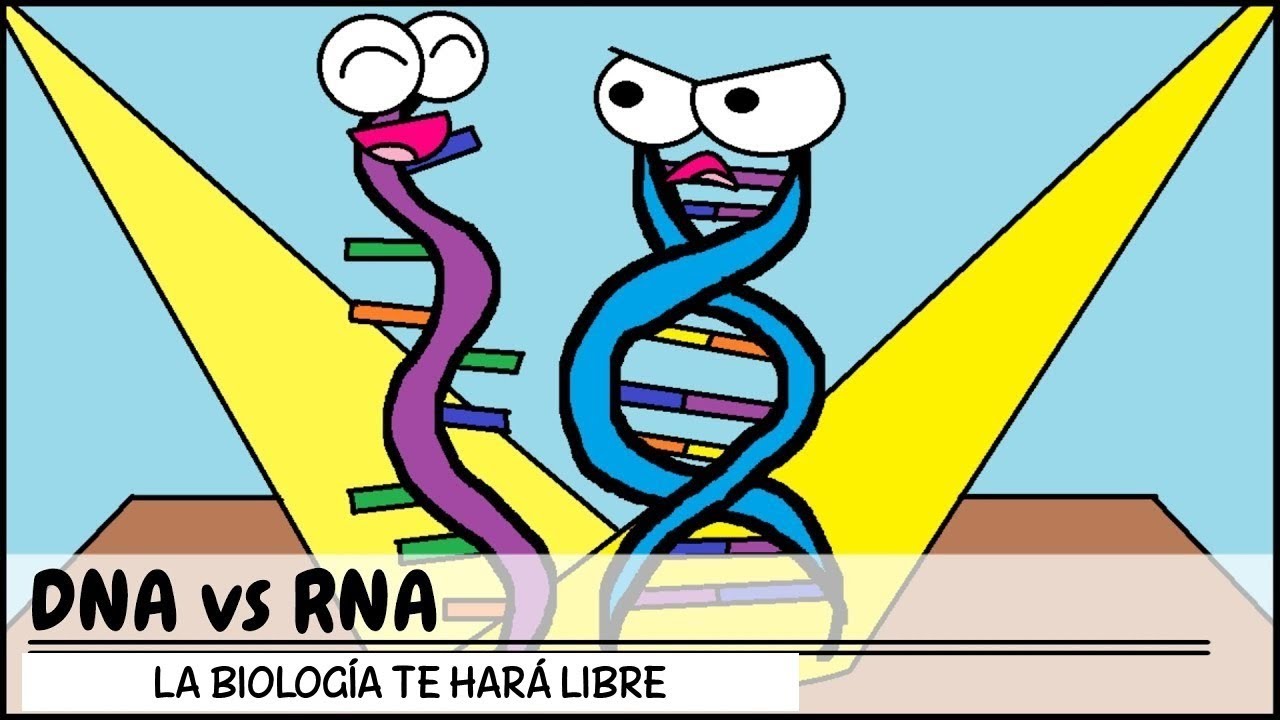
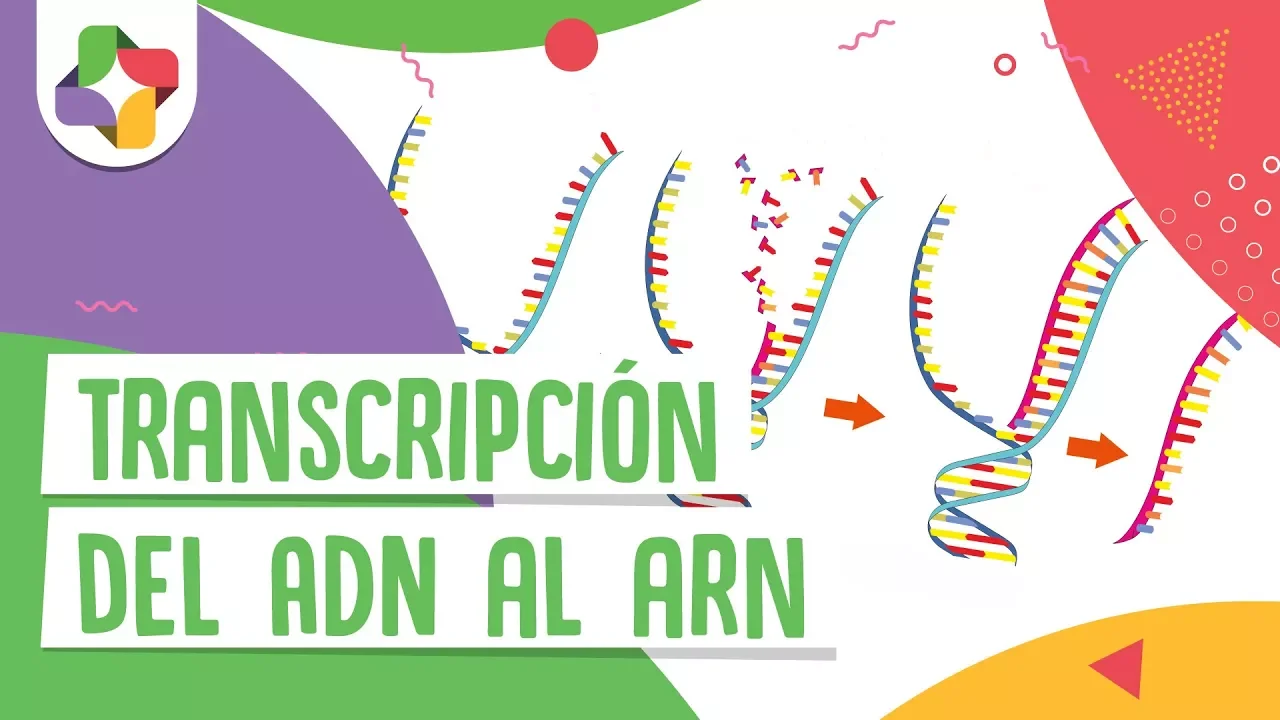
Added:The basic structure of DNA, RNA, and the central dogma of molecular biology (how DNA is transcribed to RNA and translated into proteins).
The definition and biological mechanisms of genetic mutations and how they lead to inherited human diseases.
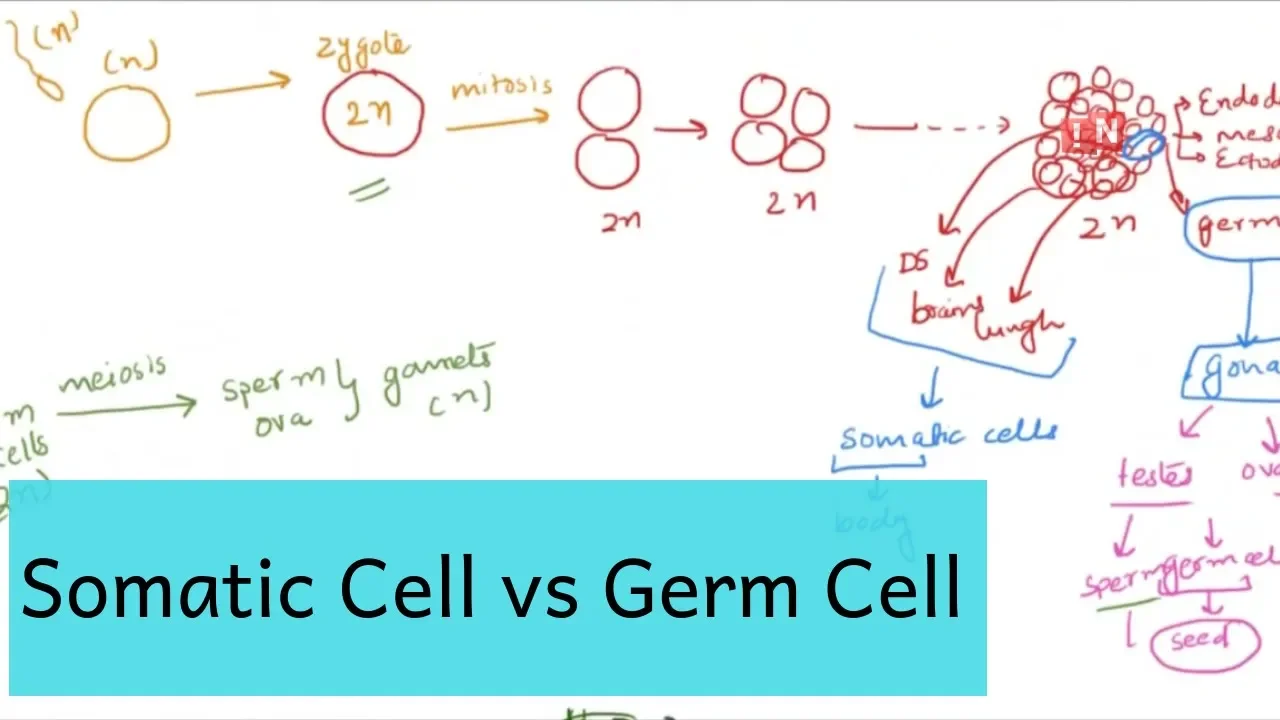
The fundamental difference between somatic cells (non-reproductive body cells) and germline cells (sperm, egg, and early embryos).
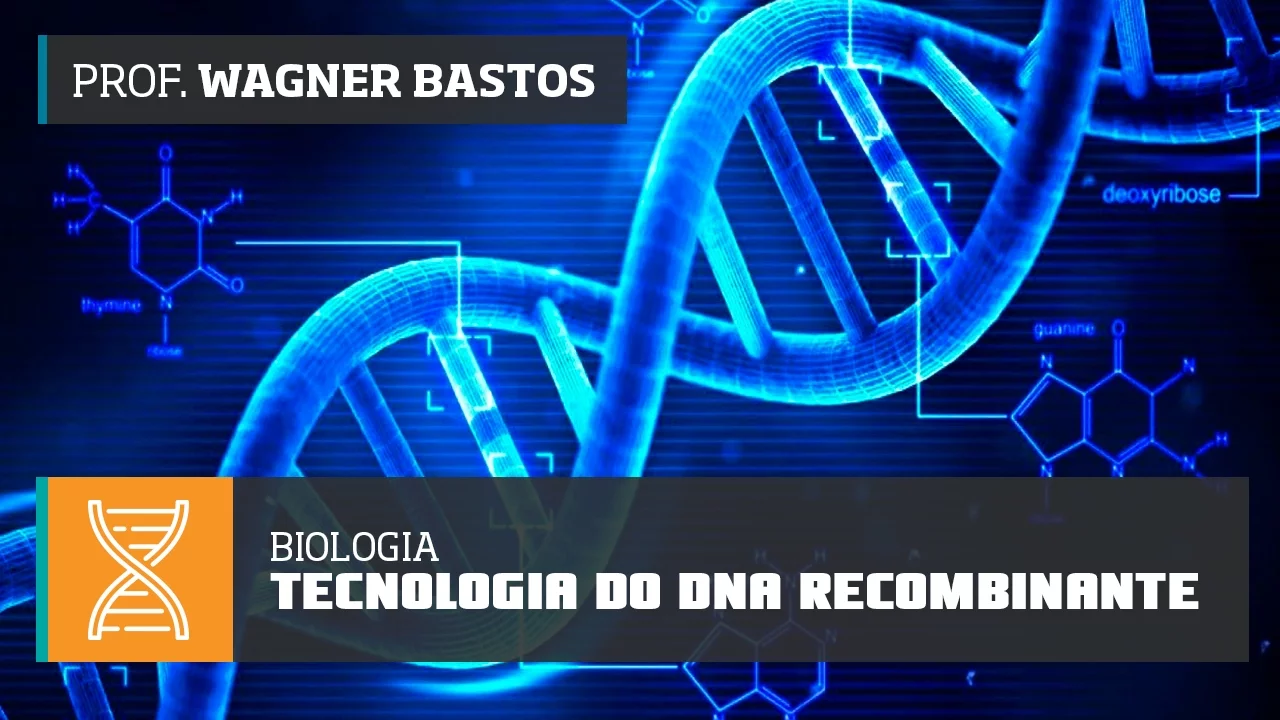
The history of classic genetic engineering techniques, such as restriction enzymes and recombinant DNA technology.
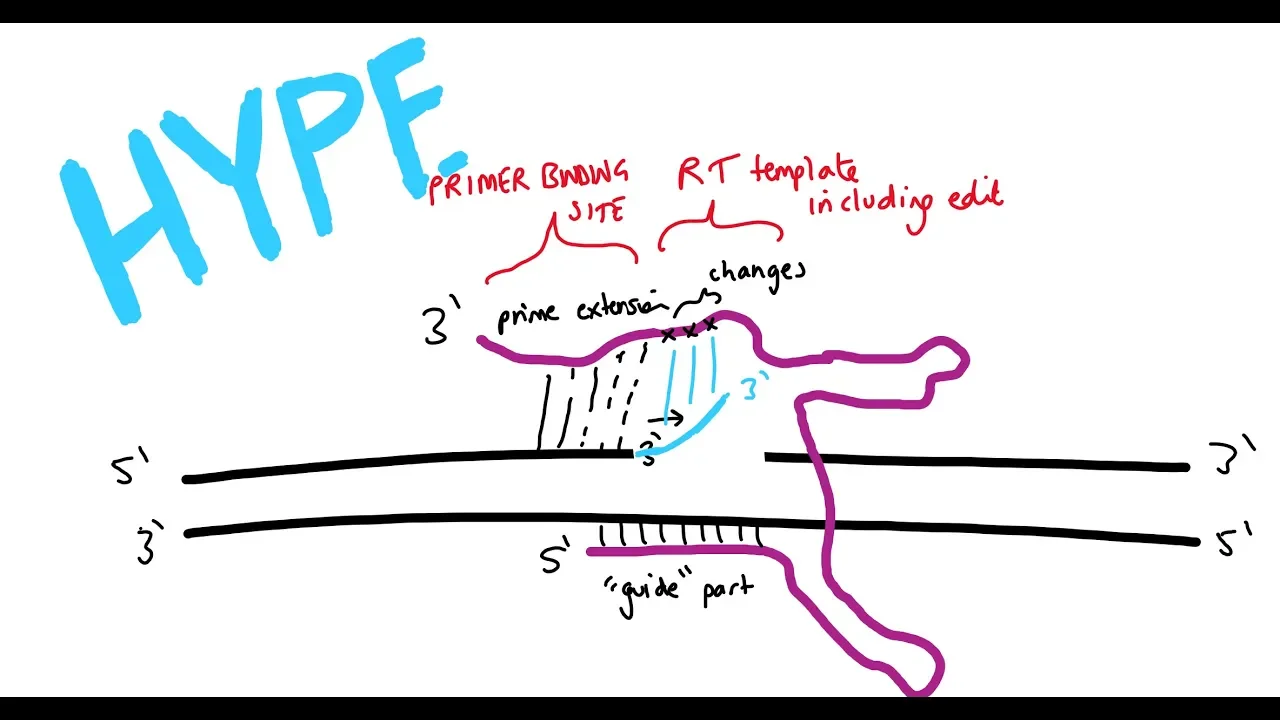
Advanced gene-editing techniques that build upon CRISPR-Cas9, such as base editing, prime editing, and epigenome editing.
The mechanisms of delivering CRISPR components into the human body, including viral vectors (AAVs) and lipid nanoparticles (LNPs).
The scientific challenges of clinical trials, particularly addressing off-target effects, mosaicism, and patient immune responses.
International bioethics policies and regulatory frameworks (such as FDA or WHO guidelines) that govern human genome editing research and clinical applications.
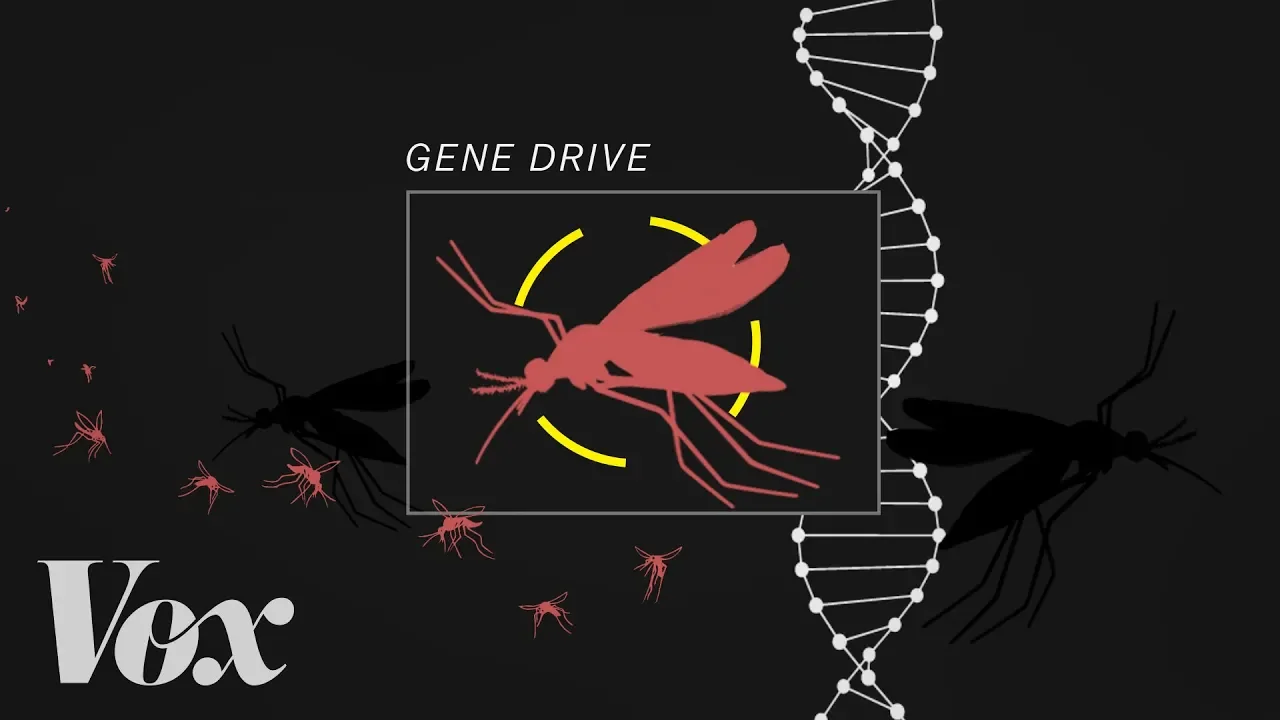
The concept of 'gene drives' and their ecological and ethical implications in malaria eradication and agricultural pest control.
1.7K views15likes1:14:07Original Release: 2022-03-15
all right everyone i think as people start coming in i'll start out with the introductions so um i'm dr chaiya morali i'm one of the pediatric genetics physicians here at texas children's and baylor college of medicine and i'm excited to welcome you guys tonight so tonight is our evenings with genetics webinar it is i guess probably the fourth or fifth one of this year and the title is crispr genome editing treating human disease and ethical considerations this series is sponsored by the department of molecular and human genetics at baylor college of medicine as well as texas children's hospital all here in houston texas spanish interpretation will be provided thanks to mercedes alejandro and to listen you can click on i believe the interpretation box on the bottom of your screen during the webinar you can enter questions into the q a box at the bottom of your screen and we'll answer as many as possible either by typing or live during the webinar this webinar is being reported recorded and it will be posted on our website www.bcm.edu slash evening genetics we have two speakers this evening dr jason heaney and ms sarah hughenard and i'll introduce them both today because they'll be tag teaming the presentation so dr jason haney received his bs in biochemistry from the university of new hampshire and his phd in physiology from penn state university then he completed a post-doctoral fellowship in developmental biology and genetics at case western reserve university focusing on the developmental origins and genetic risk factors of testicular germ cell tumors dr heaney joined the department of molecular and human genetics in 2012 and he now runs a research program that uses mouse models and genome editing technologies to annotate gene function and the contribution to human disease dr heaney is the director of the bcm genetically engineered rodent models core director of the bcm center for precision precision medicine models a principal investigator of the knockout mouse phenotyping project and a principal investigator of the bcm rice small animal testing center of the somatic cell genome editing program sarah hugonard is a native houstonian who received her ba in biology and religious studies and a minor in bioethics from the university of virginia in 2013.
she received her ms in genetic counseling from the university of texas health science center in 2015.
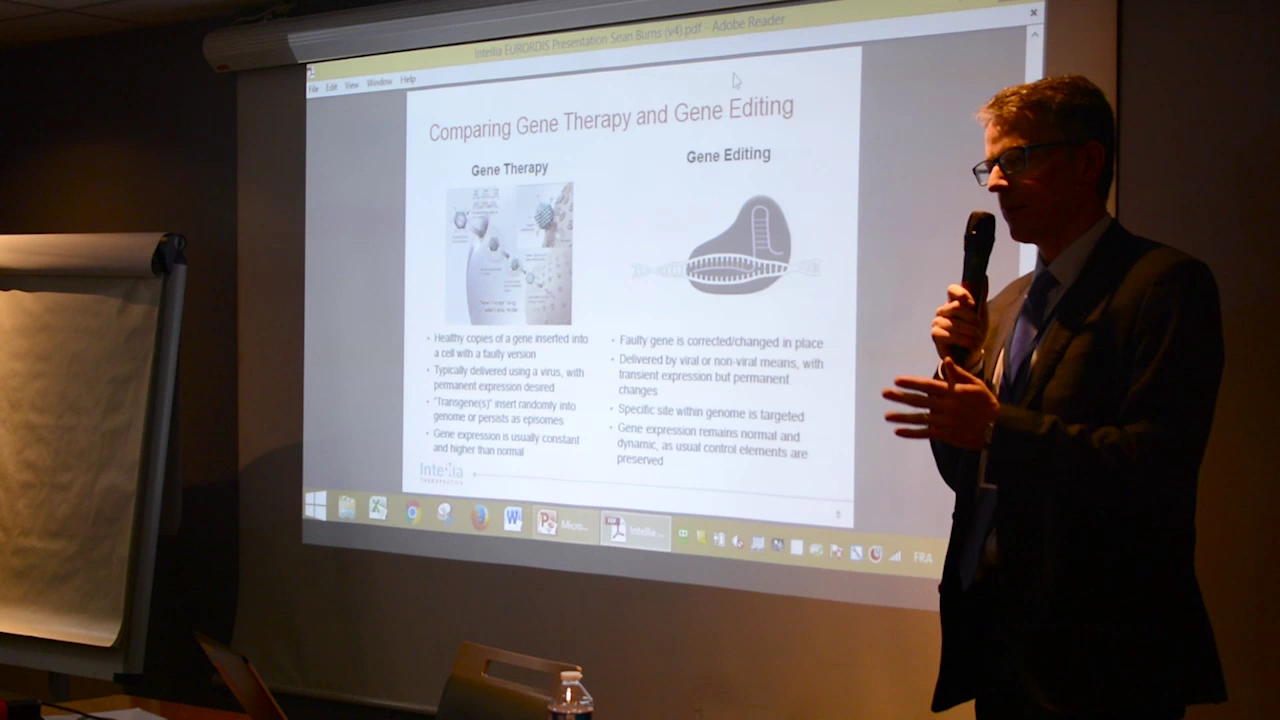
sarah is a clinical genetic counselor who sees patients at the preconception prenatal and oncology settings at more than 10 clinics in the greater houston area and she also performs telecounseling she is active in the genetic counseling program here at baylor college of medicine where she teaches a course on genetic counseling ethics and so without further ado i'll hand it over to dr heaney and sarah and thank you for your attendance and we look forward to hearing this wonderful presentation all right excuse me thank you everyone for um for calling in and and attending today um so um i i i think sarah and i forgot to put this on i i have no conflicts to report for this talk i believe sarah does not have any complex either so just started off with that the other thing that we wanted to start off with um is everyone's showing up just to kind of gauge where everybody is as far as whether or not they've even ever heard of what we're talking about today so i'm going to launch a poll um that people can answer asking if you've ever heard of genome editing or crispr i'll give a few seconds to see what people say about this well i love it people are actually using the poll i do this in class that never happens okay so the exciting news is that oh so people are still answering the vast majority of folks appear to have heard of crispr our genome editing technology which is fantastic so we at least have a basis to start off with that we've heard we've heard about this so um something great thank you everyone for um i can share the results um and thanks everyone for responding to that um so sarah and i are going to tag team this talk so we're going to bounce back and forth um i'm going to give sarah access to the remote control here um okay here we go um so we're going to bounce back and forth a bit um dealing with some major sections um so stick with us if there's some technology snap foods as we go through the process of doing that we practice it and it should work fine um so what i'm going to do is i'm going to first start off talking a little bit about genome editing technologies in general um and how they work with a little bit of focus on crispr and then we're going to get into a little bit more about the applications for um for treating or or preventing human human genetic disease and then some clinical ethics at the end so um just to start off with a simple definition of genome editing um it entails the modification of dna sequences in living cells for the purposes of determining changing or expanding their function um so simplest thing we're really going at um trying to to to change the function or or of genes so this occurs in two steps um which i'll talk about in these two sets separately first it occurs by targeting nucleuses when the easiest thing to think of these as molecular scissors to a specific dna sequence some place in in your cells in the genome of those cells so it's going to target some specific gene of of interest those nucleases are molecular scissors when they're delivered to that specific spot in the dna sequence of a cell cuts the dna creating a double strand break and that double strand break is actually the basis through which genome editing is can occur and the way and how we actually are able to use genome editing to eventually uh to modify a gene in in the cell and that's because when dna damage occurs or these dna breaks occur the dna damage needs to be repaired by the cell and it's that repair process that we use for genome editing so how do we actually do that first part which is targeting those molecular scissors to some place specific site in the billions of bases in your in your dna sequence of a cell to cut that dna at that specific spot so that delivery that specific delivery can be done in one of two ways um and i'm going to first review a couple of ways that um where the original technology is used for genome editing um before crispr which we'll talk about in a second um became developed later on so these first two technologies um deliver and enzymes or proteins that cut dna through protein dna interactions and it's this particular seek makeup or sequence of these proteins that determine what's parts of what sequence of dna will be targeted for dna break so one of the first technologies that was developed and this was actually shown to work back in the earl of the mid 1990s or zinc finger nucleases they're abbreviated zfns these use protein sequences that have little domains on them that recognize this is a strand of dna and these little bars represent dna base pairs that recognize groups of three bases and these can be put together and programmed to in which together can go in and recognize in this case is three domains three amino acids three bases each that recognize nine base sequence someplace in the genome this delivers one part of it of a new of the nuclease called thought one that's able to to cut the dna the problem is one nucleases require two of them to be present to actually achieve a dna break so when we talk use these protein targeted nucleases to someplace in the genome we actually have to deliver them in pairs so we also have to target the other strain of dna with these proteins that recognize another set of dna sequences at the target site to deliver the complementary part of the protein and together that these two parts of the protein this dimer is referred to it will mediate a cut of the dna and will create a double strand break talins which are an abbreviation for transcription activator like effector nucleases do a very similar type of thing where the protein sequence determines what dna sequence will be targeted for for dna for dna break or dna cut in this case we have elements of this protein sequence which are shown here by these multi-colored ovals that each recognize a specific base and in this case these each recognize the same base like this yellow bar could be an a um the green bar could be a t in the dna sequence and it's this combination of these little elements together that that that basically encode what the protein will recognize in the dna sequence just like losing finger nucleases we need to deliver two two copies of this protein to the site to mediate the double strand break and it's breaking the dna so again we have to target sequences on one side of where we want to cut and sequences on the other side we want to cut bring these both together to create a double strand break so again this is a using proteins that we can generate in the laboratory and that we can generate and encode to target basically any region of of the genome the billions of cells billions of bases in a particular cell of your body to create this double strand break in much the same way we can do this using what we call an rna targeted endonuclease and this is basically what crispr technology is so crispr stands for clustered regulator regular regularly interspaced short palindromic um repeats sorry who's blocking something um and this is a technology that was actually who was actually derived from bacteria so this crispr these these crispr um technology that we use originated from bacteria and it was used in by bacteria as an as an immune response to invading uh um viruses that try to infect them and it actually in much the same way uses these nuclease activities that cut dna to cut the virus dna so it can't actually infect the cell so we've actually adopted this technology to use it in cells of humans and animals which we'll talk a little bit about later um to do the same type of generating dna strain breaks so i'll just walk through this technology a little bit so there's two components to talk about with crispr um genome editing the first is the casino protein this is the nuclease this is the thing that will have the protein that will actually cut the dna and this protein has the capacity to cut both strands just by delivering one copy of the protein at some site in the dna of a cell the other part of it is an rna which is a single stranded um ribo nucleic acid molecule very much like dna but it's a single strand rather than a double strand and that this rna molecule is actually what guides the cas9 protein to a location in the genome to target for generating a double strand break this rna molecule when we introduce the protein and the rna molecule into the cell they'll form a complex together and the rna will guide the cas9 proteins to the location in the genome and they'll form basically a connection between the rna molecule and the dna molecule at that site the rna basically forms base pairs with one strand of the dna and dislocates the other strand and this site is where the dna cut will occur there's one additional trick for getting cast 9 to actually go ahead and cut the dna and that's what's shown here in yellow and this is what's referred to as um a spacer sequence there's other names for it that i won't get into it's a very specific sequence that needs to be present next to where the rna molecule binds and that sequence is necessary to change the shape of the cas9 protein so it can actually physically create the cut if that sequence was not there next to the target sequence the casino protein would not be able to cut the dna every cas9 derived from bacteria and there's cas9 proteins that are that we've found in variety of different types of bacteria have a different type of spacer sequence that needs to be present next to these these target sites for that cut to happen and that's part of how we determine the specificity of the fact that that cut's going to happen at that specific location and again just like the other nucleases we talked about before um the cast line will cut the dna and will create this double sram break and that will eventually need to be repaired so again both of these technology types actually create these double strand breaks and it's that break that is the basis of genome editing so how does that actually happen so we have a dna break and now needs to be repaired and that's what the cell is going to do it it detects that dna break and it needs to go through the process of repairing it when we use that repair process for genome editing and how so how does that work and again this is true for all the tech all the different technologies i just talked about so once the double strand break is is created there's basically one of two pathways that a cell can use to repair that dna break one is more random it's actually called non-homologous and joining if you want to know the name of the of the dna repair process and basically i think of it as a paper gluing the ends back together it's not precise um and what can happen is during that that process of basically gluing or sticking those ends of dna back together one of two things can happen extra bases can be added in or like a t c's and g's can be added in at that site which are represented by these alternatively colored lines here or extra bases can be removed from these ends um for example the yellow and the green bases here during during the process of putting this back together this is the product called random insertion of sequence of bases and random deletion spaces and it's this process by when this happens depending on how we actually what sequences we choose to to to target in the gene and actually turn off the function of the gene in this case we could potentially be turning off the function of the dysfunctional gene that creates an abnormal protein that's causing let's say some kind of disease the other process is more precise and you can think of this as almost like precisely stitching the ends of the dna back together to repair it to the point that it almost looks like it originally did to do this we have to when we introduce the the genome editing materials we all into a cell we also have to introduce what we refer to as a donor dna this donor dna acts as a template or a guide for mediating the precise stitching back together of these dna ends but so this donor dna has sequences that match the yellow bases over here it has sequences that match the green bases over here we could just put this back together in a way that just repairs exactly what we did the fun trick to this though is that we can actually put new bases inside of them and during the inside between these two matching ends of the to this particular cut dna and by doing this we can actually add remove or change a base that have been present at this cut site and this allows us to basically repair a genetic lesion or genetic mutation at the particular site so i've counted them so i could mention this there's actually 10 purple bases that are shown here in this diagram so let's say that there is a disease that's caused by 10 base deletion at this site we can actually put those bases back in to turn the gene function back on so then this is called commodity directed repair and these are the two main mechanisms that are used by a cell for repairing dna that we've now recruited to allow us to do what we refer to as genome editing so then the question then becomes we talked about through technologies zinc finger nucleases talens and crispr they all do the same thing but over time and some of you may know crispr has become the dominant technology that we use in the laboratory for research and for for clinical trials for treatment of human diseases and the question is why is that become the dominant technology and it basically comes down to three things one they're easier to design than than the the protein-based genome editing systems it's just from just from a standpoint of of picking where we're going to do the editing and designing the things that will that will target those sequences easier to design they're also much easier to produce in the laboratory um and they have good editing efficiency so they work just as efficiently as the two technologies but because they are so much easier for us to work with the laboratory and to build the tools and the components that allow genome editing we've moved to those particular this particular technology as the one that's become predominant in the use of the genome editing field okay and now i'm gonna um sarah's gonna we're gonna switch over and sarah's gonna talk about uh begin talking about how crispr is actually used today fantastic so now that you're familiar with how gene editing works and what it is we're going to talk as jason mentioned about some practical applications of how crispr is being used today and that will be followed by a discussion of the ethical implications of using this technology and some considerations that we'll we'll need to be thinking she probably didn't expect to see a cow in this presentation today but this is cosmo cosmo was born on april 7 2020 in the bay area of california and he is here today because he is the first cow to have his genome edited in order to alter the sex of his offspring so in order to explain how this works i'm going to take you back to high school biology class for a moment to show you a picture of dna many of you may be very familiar with with this picture but dna as you may know comes in packages called chromosomes which come in pairs so within each pair one copy comes from mom and one copy comes from dad in humans we have 23 pairs but this is a picture of cows chromosomes and they have 30 pairs of these chromosomes so this last pair here dictates whether a cow develops as male or female and that's true of humans as well so here we have a male x y whereas females are xx so there is a specific gene that's located on the y chromosome called sry and this is the gene that makes an animal or a human develop as male and since females don't have a y chromosome and therefore don't have an sry gene they'll develop as female so what researchers did with cosmo is that they used crispr technology to add a copy of this sry gene or the male development gene you could say uh to one of cosmos chromosome 17.
of course when cosmo has offspring half of them will inherit his y chromosome which would make them male and then half of them would inherit his x chromosome which would make them typically female but half of those uh offspring that inherit that x chromosome and would normally be female will also inherit this copy of chromosome 17 that includes that sry gene and will develop as males so therefore 75 of cosmos offspring will be male and as you can imagine this has huge implications for uh the the beef industry crispr is also currently being used uh to increase viral resistance in some animals uh so one one application of this is uh in the pork industry so for the past 34 years the pork industry has been fighting a viral disease uh called prrs and this prrs has plagued the pork industry um and it's something that they think about on a daily and weekly basis so researchers have used crispr to edit a gene that makes these pigs more resistant to prrs which has made a huge impact on the on the pork industry and crispr is not only useful for increasing resistance to viruses such as the applications and animals that we talked about it also has the ability to detect viruses so if you think about uh you know crispr is designed to target specific nucleotide sequences which are building blocks of dna and therefore it's also capable of detecting specific rna sequences or the building blocks of viruses and researchers have developed a test that uses crispr technology to diagnose covid19 within about 20 minutes this very practical easy test has received fda approval for emergency use authorization to be used within certain uh certified clinical labs uh developers are still working to get it up to par uh in terms of its operation to be able to operate within any setting uh so you can imagine that potentially in the future if needed uh this technology could be used in businesses or even in homes uh to have an answer as to whether you're infected with covid19 within 20 minutes or so i'll pass it over to jason to give us a little bit more uh background before we delve into the the clinical trials and uses in humans great so um now we're going to talk a little bit about um the way that crispr is the genome editing in general is being used to treat and potentially cure human genetic diseases um so and we're going to go through basically what are the three fundamental approaches that we can use to help ameliorate uh genetic disease in individuals and we're going to walk each uh through each one of them um separately um so the first approach is what we refer to as ex vivo somatic editing um therapy um and really the easiest way to think about this is that in this process the some some type of cell is collected from an individual is been taken into the lab and it's grown in in culture dishes and um and we'll talk a little bit about in a second about the cell types where this can happen those cells grown in these cultured dishes can then um we can then introduce genome editing systems like the crispr genome editing systems into those cells to edit their dna to create some kind of to um to uh to amend or or or do genome editing at a locus or on a gene that's causing a particular um genetic disease um and again we can use either the two types of approaches where we're just pasting the ends back together or doing more precise uh repair of the of the sequence so we can do that in the dish and we've gotten very we're very good and have been very good of many years for actually being able to introduce things into cells in the dish it's not very for most cell types it's not a very difficult process once those cells go through the process of having the genome editing materials and components delivered into them we can then collect those some of those cells back and actually ask what happened within that with the cells that were being cultured did we have the genome editing event that we wanted to have happen occur and we can look at that on the dna level and we can also ask questions about did we see events happen that we didn't want to have to we didn't want to occur and we'll talk about off target genome editing a little bit later and other types of events that we would want to look for once we do that and we sometimes have capacities of selecting out specific cells that were the right things have happened we now have these verified cells that have had some kind of gene editing occur that has corrected the function of a gene or turned off turned off the function of a gene that was that was abnormal to begin with and put those cells back into the body of the individual now those cells have been corrected and can hopefully work normally and ameliorate correct cure whatever disorder the individual had now that they have cells containing um you know back to a normally functioning gene this process is most easily done with cells that we are very proficient at basically doing this process of culturing outside the body one of the main cell types that we can often take this approach with and watch to talk about a clinical trial example of this process in a bit um are the stem cells or the progenitor cells for white blood cells and red blood cells that circulate throughout the body so from aquatic stem cells as a name from them or bone marrow type cells we're very proficient at taking those out of the body growing them in culture doing genome editing and putting them back in where they can populate the bone marrow again and provide normally functioning either red or white blood cells a more complicated way of using the genome editing to for their therapeutic approaches is referred to as in vivo somatic editing and in this process rather than taking the cells out of the patient's body correcting them and putting them back in we're now going to introduce into the body of the individual the components of the genome editing system so we'll do the genome editing within within the body to do this we need to have a mechanism of delivering these materials to the right the genome editing cells to the right cell types in the right tissues and have the right events happen within the body one of the issues with this approach which we'll talk about in a second is we're actually doing the genome editing in the body and there's no way for us to pre-screen the cells like for ex vivo editing that we're putting back in so we have to have very good confidence about exactly what types of events our genome editing system will create if we take this type of approach so again we have to have a mechanism putting these materials into the body and delivering them to the tissue or the cell types that we want to get them to um and in this process which is called somatic editing we're going to be targeting tissues like the lung or the liver or the the intestinal tract so those gene and editing events will only happen in those cell types they will not happen in other cell types like sperm or eggs so we're not going to be editing cells that basically like sperm and eggs that will give rise to or the next generation or the offspring of these individuals so these changes that we're creating using this approach are not passed on to the next generation the other approach for doing this the third approach is in vitro germline editing and in this case we're actually going to um build on the process of in vitro fertilization to do genome editing in a mouse right now and a human embryo that's what happens when you work with mice in the lab and so we're doing genome editing in a human embryo so just like we starts off with a normal in vitro fertilization process where we create very early stage embryos um which we can grow out in in dishes in the laboratory which is a normal part of in vitro fertilization during that process we can introduce genome editing components into these early embryos at the stages that we introduce the genome editing components to these embryos the cells that comprise the embryo have not established what types of tissues that they eventually are going to give rise to so it hasn't been decided that this cell is going to be turned into liver a liver cell this cell is going to turn into a lung cell these are undetermined cells so when we do the genome editing at this at the stage these cells will all give will give rise to all the tissues of the resulting um embryo and then child so in this case when we do this we're going to also be doing genome editing and throughout the body including sperm and eggs so these embryos when after doing the genome editing um pre-implantation uh genetic diagnosis can be used um on some of the the cells from the embryo to determine what kind of editing events happened those embryos can be grown out a little bit more and then put back um and transferred into um into a woman to be carried and give birth to a child and again this can be this can be used to correct um a genetic uh variation or mutation that causes a specific disease the problem with this approach though is that we are editing all the cells of the of the individual that will be born including the sperm and eggs which means that if they have children that genetic change will be passed on to the next generation so not only are we editing that particular individual we're editing all the generations of people that will come down off of that particular individual we'll talk about the ethical implications of that in a bit uh but that is the the approach that currently at least within the united states and most countries is currently banned so just to focus in on this in vivo genome editing approach this is really the approach that we're looking at getting to as we can only do x vivo genome editing on certain cell types there are other cell types that we want to be able to correct we're going to have to actually go into the body and do the genome editing directly in the individual so we have to have mechanisms of delivering these the genome editing components to let's say the liver or the lung or even the brain basically any organ that you can think of so we have to be able to target those specific tissues and organs and and and just not have the materials delivered to those specific cells but to have them deficiently delivered to those cells we need to have them delivered to the majority of the cells in particular target tissue or organs so we have tools to do that um in gene therapy using other types of approaches that has been done for quite some time now using this these same types of approaches for targeting specific um areas of the body so viral but referred to as viral vectors so these are virus-based delivery systems that are built off of naturally occurring viruses like lentivirus adenovirus and adeno-associated virus in the genome editing field adeno-associated virus is one of the primary uh viral vectors that's used um humans typically have a very low in immune response to these um viral vectors when they're put into the body and there are a variety different types of them which we call serotypes that have naturally occurring preference for infecting cells of specific tissues like for example adeno-associated virus 8 prefers to target the cells of the liver we can also use nanoparticles um so these can be gold narrow particles iron oxide or lipid-based nanoparticles that are basically you know small molecules that can basically encapsulate and enclose the genome editing components that we want to introduce into the body and people are working on generating these types of particles that will home into specific types of tissues however the primary easiest purpose in use is when we can directly administer these particles to a particular um tissue if you think of like the lung um in the lung um the the cells of the lung that are responsible for taking in oxygen when we breathe and they're called epithelial cells those cells we can basically like through an inhaler or some nebulizing agent can introduce nanoparticles that will basically coat the inside of the lung and will have direct contact with those cells and can be taken up very easily to perform genome editing so nanoparticles are being very closely looked at for genome editing approaches to deal with cystic fibrosis so again nanoparticles have somewhat of a specific purpose when we can do this direct application or direct introduction despite the fact that we have these there's significant room for improvement because there are some particular issues with some of these types of particles so one of the issues with doing this direct delivery is dealing with tissue specificity and efficiency of these types of delivery systems again when we're talking about doing genome editing in the body so like for example i said adeno associated virus 8 has a preference for the liver and cells of the liver however it can go to other tissues infect other cells about the tissues and do genome editing there typically for genome editing therapy when we think of the way that we're using it we really want to do the editing in a specific cell type and the smallest number of cells possible to have the benefit to the patient so the disease is being caused by a change of in a gene and the resulting protein of a cell and affecting cell function in the liver specifically then we want to deliver it specifically to the liver cells we don't necessarily have to have it go other places and we also have room for improvement of efficiency of that of the delivery the second issue is of human immune responses to the delivery vehicles and the cas9 protein that's used to cut dna when we use crispr editing technologies so many of the viruses as i mentioned there are innate immune there are human immune responses when they're introduced adeno associated virus there is some immune response adenovirus is definitely an immune response um in the cast 9 as i mentioned before we've actually recruited it or adopted it for this approach from bacteria all of us have been exposed to um uh staphylococcus and other types of bacteria and we've built an immune response to components of those bacteria those are the same bacteria that castline comes from so many individuals actually will have an an immune reaction not reaction or have an immune response to in response to cas9 will have through that immune response can potentially decrease the the efficiency of cast iron working as it could potentially cause those cells to to die that are affected by it so we have to work around these issues and improve these types of approaches the other issues that can come up is that these dna repair processes although we talked about them as as you know we have we have known expectations um there's a couple of things that can happen um first is the precise dna repair this process where we use a dna donor is very difficult to occur in many types of what we refer to as somatic tissues so think of neurons cardiomyocytes um like cardiac the muscle cells of the heart and the muscle cells of other parts of your body that's because for this process to happen um for this type of dna repair to occur the cells need to be actively dividing most mature cells like neurons don't actively divide they're more resting mature cells so this process really can't doesn't work well in those cell types it works well in things like stem cells that are actively dividing however so that's a potential issue and is why from a lot of the currently being uh genome editing technologies clinical trials this approach of this more gene inactivation approach um through this process is being utilized it does not require a dividing cell any cell can do this type of dna repair the other problem is that although we have ideas of how what genome editing events will happen sometimes abnormal unexpected genome editing events can happen at these sites when dna is cut there can sometimes be very large deletions that can happen um the donor dna repair repair process doesn't always go perfectly i mean there is always the probability of us causing a bigger problem at the gene in the gene that we're targeting for gene editing then um then what we really wanted to start it off with to begin with so a lot of um testing needs to go needs to occur to understand how frequently these these undesired events happen relative to the desired events and then finally what people would probably refer to as the the biggest potential achilles heel of crispr genome editing technology is what we refer to as off-target genome editing so one of the issues of crispr castline genome editing technology is that it uses an rna molecule which is shown here to target a specific dna sequence and the rna and the dna basically create a double strand just like dna normally is a double strand and that pairing does not need to be specific so if there's another site someplace in the genome of the cell and some other chromosome that has a similar sequence that's one base different so there's a t instead of an a or there's one base missing or there's one base added that that rna molecule can actually sometimes form a pair and create a double strand break someplace else in the genome that you didn't want to create it and it's always possible if we do that if that's in another gene we could actually turn off the function of another gene that was that's critical to the function of that cell and we really need to be careful when we pick these guide rnas especially for gene for for doing gene editing for therapy that these types of events either never occur or occur at locations in in on chromosomes or the genomes of the cells that are likely to have no effect on cell function so all of those issues are being addressed by many people across the the us and internationally within the united states one of the programs that that i'm part of that's addressing this is referred to as a somatic cell genome editing program it involves several dozen sites across research sites across the united states that are looking at developing novel genome editing components so cas9 molecules from different bacterial species other things other than cas9 new delivery tools that are more efficient um and more specific um developing platforms for tests using tissue culture and animal models to test the safety and efficacy of genome editing approaches and then making this information available to the research community to try to improve how we use genome editing for therapeutics and these are a website that describes that program at the nih and there's actually a youtube video that describes the program as well so um so that's kind of where we are with the technology for doing genome editing in people for for correcting genetic disease so where are we actually with clinical trials and using these technologies so this is a um a table from a publication from 2019 that basically summarizes all the clinical trials using genome editing technologies from 2009 to 2019 it's probably too small for everyone to read one of the things i will point out from this table though as we go down and through time from 2009 to 2019 you actually see a shift from using zinc finger nucleases which came first tailings that came second and then eventually mostly cas9 or crispr technology so you can actually see the shift as one technology is easier to use beyond the other the preceding technologies of what's being used within particular clinical trials um and there's plenty more that have now in the last couple of years that have come online they're basically off using crispr technology um and sarah now is going to talk a little bit about some of those trials that are that are underway yeah so one of these first crispr casting trials is in patients like victoria gray who's pictured here who have sickle cell disease as you may know sickle cell disease is an inherited blood disorder that affects between seventy thousand to a hundred thousand americans uh currently people with sickle cell have severe uh pain episodes that often require hospitalization and blood transfusion and the disease can shorten someone's lifespan so this this clinical trial is ex-vivo and as jason explained to us this means that some of uh victoria's cells are removed repaired and then returns to her body so they can function as they should and victoria is the first person to receive crispr therapy for sickle cell disease and she celebrated one year symptom-free in 2020.
another condition uh currently being treated with crispr therapy and clinical trials is called labor's congenital amaurosis type 10.
and this condition is the leading cause of congenital blindness in children and so the crispr therapy is actually administered directly to the eye in order to improve vision and potentially allow individuals to see perhaps for the first time so clinical trials for um are underway for gene editing for other genetic conditions as well like hunter syndrome hemophilia and beta thalassemia with varying results as jason mentioned earlier you'll note that these initial clinical trials using crispr are treating conditions wherein it's easy to uh or easier to deliver the crispr therapy either directly to the affected tissue or to remove and replace the cells that are targeted so our blood and our eyes are easily accessible when we need to treat organs and systems such as connective tissue skeleton the brain getting the the delivery of the crispr therapy to the cells uh that's needed to edit becomes much more complex and more challenging so this clinical trial with libra's congenital amaurosis type 10 is an in vivo example of an in vivo clinical trial as the therapies delivered directly to the eye so crispr use in humans currently goes beyond treating hereditary diseases as this technology is also being used to treat certain cancers in clinical trials so crispr therapy is used to harness the power of a person's immune system and the the t cells which are shown here in green uh are the part of the immune system that identifies specific foreign particles and so in these tr in these uh clinical trials t cells are removed which means it's an x vivo uh trial and they're reprogrammed using crispr technology in order to be able to recognize cancer cells surround and destroy the cancer cells and i should mention if you're interested in the scientific details of how crispr is used specifically in these three trials we'd be happy to address that during the the q a portion so let us know if that would be something of of interest to you um but these are just three uh quick examples and as you can see there are a lot of exciting applications of crispr technology that are already being used uh in clinical trials to detect and create uh to to detect and treat disease uh and therefore improve people's lives but the rise of gene editing technology uh brings about a lot of questions about how when and why to use this technology in a responsible manner so i'm going to now delve into more of the ethical complexities surrounding the use of gene editing technology before i do i want to send out a quick bowl to gauge the audience our question is is it okay to modify the dna of the next generation it's okay if you need a minute to think about it a lot of people spend their careers on this question um so some yes some know and some sometimes my my students who are on will tell you that i love i love the gray i love it when when we disagree and can have a fruitful uh discussion about something that's that's so important is this um great thank you for those those who responded to the poll very very interesting i love it um so you know in order to discuss the ethical implications of a new technology it's important first to understand how it's different from what's previously been done so prior to this gene editing technology being available we currently have the ability to detect whether a genetic disease has been inherited and this can be done at several points it can be done either after a baby's born during a pregnancy or even testing embryos prior to a pregnancy using for couples who are undergoing in vitro fertilization as jason explained to us um so the the question that we can currently answer is was it inherited or was it not and i've gone a slide further than i meant to um that was my fault i apologize sir no no worries um we're we're figuring out this this remote control feature of zoom which is fantastic i think all of us are learning more about zoom this year than we ever hoped to um but i digress so so currently the question that we can answer with available technology in clinic is was it inherited or was it not but gene editing technology or crispr technology specifically allows scientists not just to detect whether it was inherited but to make changes to the dna that exists as you well know the the details of by this point so we're moving now in our discussion from talking about somatic gene editing which is what's used in the the clinical trials that we discussed we're going to talk a bit about what about this germline editing and i think this is what a lot of people think of when they think of uses of crispr or or just genome editing in general is this technology that can be passed down genetic changes or genetic edits to the next generation so because of this heritability aspect ethical discussions about germline gene editing are much more complex and difficult so you know while germline editing may harken sci-fi future futuristic images uh the use of this technology is for better or for worse already here um going back to 2015 2016 when it became clear that this technology um was going to be able to be used from a scientific standpoint in the germline uh very soon the international bioethics community and societies agreed that while research in clinical trials should proceed for somatic gene editing when we talk about germline editing or editing the dna that's passed down to offspring should be strictly controlled and should not be implemented yet in a clinical setting until much more of the scientific kinks and ethical considerations had been worked out but in spite of this in 2018 this individual dr hay announced to the world that he had already edited the embryos of an ongoing twin pregnancy and another pregnancy as well to make these embryos and at the time of the announcement fetuses uh more resistant to hiv the parents of these pregnancies were hiv positive and dr hay had made a change in a gene called ccr5 this gene is known to or the specific change that he made in this gene is known to make people more resistant to contracting hiv it was important to note though that while his justification was that this would reduce the chance of these babies contracting hiv from mom there are other measures other than gene editing that are standard of care uh that are already in place to to do just that so scientists actually speculate that dr haye may have chosen this gene uh to edit uh for not for its hiv resistant capabilities as he purported but actually for its known association with higher intelligence so the international bioethics community of course was outraged at this announcement because dr haye had edited the embryos without any oversight he'd also done this without the proper consent of the parents and without uh the equivalent of an institutional review board oversight so uh recently he's been sentenced to three years in prison in china where he lives and works and he's also received a fine that's equivalent to 430 000 us dollars so needless to say this is not an ideal start to human germline editing there's hope that the the repercussions of dr hayes actions will discourage uh scientists from going rogue uh in germline editing until there's much more data about how to use it safely and ethically so i imagine that since you're here you likely have heard the term designer babies before i know that i hear it a lot when i tell people that i'm a genetic counselor sometimes that's the the first question that people ask is about designer babies although that's of course not what what we do most people think of you know looks superior intelligence or increased athleticism when they think of this term designer babies uh but there are a lot of complexities um including that there's not just one gene for eye color nor is there an intelligence gene but in reality there are likely dozens of these genes that interact to determine these traits in a person so for personality and aptitude traits we don't even completely understand how much genetics as a whole contributes to those traits versus the environment much less understand which genes make up the building blocks to to cause those traits in an individual so we have a long way to go to be able to identify the involved genes be able to target them be able to edit them tweak them for the desired result additionally the more tweaks or edits you make you can appreciate the more complex the process of doing this becomes from a scientific standpoint but currently there are some traits for example such as dementia obesity muscle tone wherein we know one or a handful or a few dozen perhaps puzzle pieces that make up those traits but we are a very long way from knowing what the entire puzzle looks like much less being able to change the puzzle and just because we're a long way off though doesn't mean that we'll never never get there and so bioethicists agree that now is the time to debate and discuss how and when this technology should be used so what should we use this technology for this gene editing discussion really became hot as horizons began to broaden through the human genome project which as you probably know first mapped the human genome in the 1990s and early 2000s before crispr technology was developed and a common thought process at the outset of this discussion was that gene editing should be limited to treatments uh and not allowed uh for enhancements so allowed for treatments such as to cure sickle cell disease like we've been talking about but should not be used for enhancements such as improving someone's intelligence some people disagreed with this saying that the technology should not be used at all uh under any circumstances for fear of playing god uh on the other side of the spectrum though others felt that this technology should be available in any application uh to to individuals who wanted it so despite these debates uh the categories of treatment and enhancement appear at the outset to be deceptively clear but it gets complex very quickly so for example think about that ccr5 gene that dr haye had edited even if his goal was to you know reduce the risk for hiv transmission what do we do with that potential for higher intelligence as a result of this particular edit has this side effect crossed into the territory of enhancement and then what about preventing obesity say is this a treatment or does this qualify as an enhancement so again although this distinction between treatment and enhancement it appears at first straightforward most bioethicists now dismiss it because the lines become gray too quickly so this is a really difficult discussion of trying to figure out in which scenarios it is responsible or morally morally responsible or ethical to use this technology another gray line that we run into is potentially putting parents into the position of having to determine what's acceptable for a child and some people worry that parents may sometimes have ulterior motives and making these decisions for their children or may not have their future child's best interest at heart so i've pulled a few concerns that have been published by scientists and bioethicists that demonstrate really the wide spectrum of thought on this topic even from within the scientific community and keep in mind this is before we even branch out into the thoughts of the general public so i thought these were notable a researcher was quoted in a journal called science saying would it be appropriate to use the technology to change a disease-causing genetic mutation to a sequence more typical among healthy people this highlights the nuance of that very gray line between treatment and enhancement what about a sequence that's just more typical among healthy people a cardiologist at ucsf ethan weiss said if we have a chance to edit congenital blindness out of an embryo should we changing my daughter's disability would have made us and her different in a way that we would have regretted so this quote i think highlights the impact that disability can have on families and we especially as clinicians tend to think first of the negative impacts of disease on families but what about the the character building the positive the the relationship building aspects that it can sometimes have for some families another quote anyone who has to actually face the reality of one of these diseases is not going to have a remote compunction about thinking that there is any moral issue at all so this individual would be on the other end of the spectrum in the camp of we should allow any use of this technology that we that we possibly can and finally a professor in disability studies at emory says at our peril we are right now trying to decide what ways of being in the world ought to be eliminated so these quotes have made you feel uncomfortable and unsure you're in the right place um this is a these are very complex uh topics to be thinking about um so these quotations are only a taste of the diversity and thought of opinion and opinions on germline gene editing in in our society and finally on top of that if we were to come to some sort of societal consensus or agreement on the kinds of situations in which germline editing is acceptable we would also need to then have discussions about who has access to these services who's going to pay for it if we use in vitro fertilization as an example a building block since we're currently you know ivf is currently available most insurances provide unfortunately little to no coverage for these services even if there is a genetic risk in the family we're seeing that slowly slowly change over time but this has really been a struggle for families opting for for ivf for one reason or another crispr technology for germline editing will likely be much more costly much more complex than in vitro fertilization and even pre-implantation genetic testing itself is so should should insurance cover it will the availability of this technology then contribute to already widening socioeconomic gaps if so is this okay and then if parents in theory have the option to correct a genetic condition or prevent it from happening would society then place an obligation on parents to make use of this technology and potentially this could increase discrimination against individuals with certain heritable conditions so i appreciate that i'm leaving you with more questions than answers about the moral and ethical acceptability of germline gene editing but that is where bioethicists in society as a whole must start in an effort to responsibly introduce gene editing technology so finally we have pulled a few articles of interest if you would like to do any further reading of really the high points of what we've talked about today and i appreciate these are not easy to click on so you can check those out in the recording or we'd be happy to email them to you if you would like with that we will transition into our q and a portion so i'll invite shia back uh to to help us out with the q a version thank you to sarah and dr hindi for such a wonderful presentation um you definitely simulated a lot of great questions in the chat box so i will read out a few of these to you um and what one thing i was thinking about if one of y'all is able to if you're not it's okay but um those links that you had put on your final slide perhaps you can put them in the chat function that available to all the participants that way they can click on them if they'd like to i can do that right now fantastic um so we have a question um can we use donor dna i think this is when you were first introducing crispr to modify the oncogenes and cancerous cells you don't mute myself sorry um the ant the answer is yes um and people have been thinking about this and there's plenty of um experimental data and animal models that have done looked at and done exactly that the key to that just like the key of key to everything else is um targeting those specific cells and getting into a tumor mass and that really again is all it all comes back to delivery and the efficiency of delivery and the efficiency of hitting the entire cell population so could imagine a resected tumor and with margins and maybe introducing nanoparticles at the surgery sites to deal with any kind of potential cells in the surrounding area and targeting an aqua gene that yes this would be an acutely skill for that type of cancer so those things are absolutely being looked at but again the key is getting the materials to enough of the cells to um for that to happen so great thank you for that answer we have another one somebody had asked how soon can people with sickle cell disease benefit from the success of the crispr technology that um i think it was victoria gray benefited from yes so there are i'll let jason answered this as well but there are more than one uh trial uh sickle cell disease related trials uh using crispr cas9 technology currently underway um and since this technology is so new and uh is you know currently it's in the the clinical trial phase rather than in the clinically available phase um for for all of these conditions um i think it's a bit difficult to predict how soon this will be clinically available to all patients with sickle cell disease but individuals with sickle cell disease certainly are you know can can sign up for these clinical trials to find out whether or not they qualify to participate if that's something of interest uh jason do you have any other comment on the the timeline for these things i actually i actually don't um one thing i did look at though um see how it actually worked pasted them into the chat um one thing that i did take a look at though was the time frame in which the the genome editing approach actually leads to uh most a shift in the and again we can get into the technology of this we really wanted to shifts to getting normal hemoglobin function in in red blood cells and preventing the sickle cell issues um it's actually quite fast um once these cells were put back into the body we're talking months of of ameliorating the the basis of the of the sickle cell disease so that part i can answer how quickly it works when it's used is fairly quick and it's very efficient um a few individuals that have gotten it they see a very rapid and widespread response so great so i'm going to bounce around a little bit here there was a question that i think i had a little bit of trouble understanding we can see if this individual can clarify if we need to but the question was if an individual has been living with a genetic disorder for years his or her body has developed compensating mechanisms after crispr is it reasonable to expect that these compensating mechanisms can be reversed in short order without serious consequences oh i'd have to think about what disease uh what what state you're talking about now you know the i before correction of blindness and maybe you know individuals be more attuned to hearing that that i don't know if this is a is really a compensation versus a kind of nature versus nurture type of a thing just becoming more familiar with with your sounds in your environment so sure something like that might be lost over time you're actually talking more about like a physiological response um to that change it probably would depend on the on the particular disease or situation that's being that's being targeted um i don't think that there's really anything that would i would maybe for metabolic diseases would be a little bit more complicated with compensatory mechanisms and other pathways that are involved so sure there could be potential issues but just like everything else in science that never would happen i mean we do our best to test those questions in cells and animal models before going into people with slow walking into people to begin with so i would say i i always say that nothing in biology is absolute when someone tells you there's a rule for something um the rule will be broken so um that's that would be my my quick answer to that question that's a good rule um and the other thing i was thinking about is you know in folks with say disorders where you have hepatomegaly or storage of certain things or things like things that kind of develop over time i think even if you were to correct the the genetic anomaly you might have difficulty reversing certain things and sort of you know like spasticity that develops over time and things like that yes so there what yeah there will be some things that will be difficult to to to change like that yeah so definitely oh okay i think the person clarified was about autism so yeah i think that's that comes back to kind of that nature versus nurture that you were talking about so one of the one of the issues about just quickly on brain and brain development you know so you're there there's there's you know issues with with changing the neurological pattern and patterning of neurological connections in the brain versus dealing with you know a neurotransmitter disorder where that might cause you know um might cause seizures or might cause um tremors or something like that where the basis could just be you know continuous stimulate i mean there are going to be certain things that that crispr technology will not be able to fix so crispr is never probably i mean i'm not going to say never it's not going to not going to be able to be used to necessarily re-pattern uh you know uh you know neuron connections very very easily so those types of things are going to be a little bit harder harder to deal with so indeed um so i'm going to try to do three more questions if you can um no sorry i'll just add unless you do it in children that have that actually are going through active um you know neurogenesis and pattern formation that and everything we talk you know we show pictures of adults but this can be done in pediatric settings as well so again it's one of those if caught early enough questions sorry oh that's fine um and so i'm going to try to do three more really quickly so one is still a little bit more medical and the other two are a little bit more kind of ethics related and about resources so the first question is is it possible to use this technology for stimulating and repairing nerve cells in disabled patients again it depends on what the basis of it is um again it's the patterning issue um when and how neurons are connected to each other it's going to be a more difficult story than um if it's an issue of an abnormal neurotransmitter production that's just affecting again how how the established patterns talk to talk to each other so i would say it's going to be the easiest question so yeah um and then i'm going to end with i think you guys had already put a lot of resources with those links in the chat box somebody had asked a similar question are there any books videos or articles that the presenters recommend so are there any books or other things beyond what you had already listed here um it was a question about more the ethical part of it or more just christopher in general oh if you if you go on to youtube and crispr and google google crisper genome editing there are so many i literally almost thought about just playing a video so um there are so many videos very beautiful graphics about how this works so yes peruse at your at your own will you will find lots of medic you know medical institutes and research institutes that are producing very very nice videos so that's great that are accessible to the general public wonderful and then the very last question how do you think the future of the profession of genetic counseling will change in relation to these new gene editing advances so it's kind of in sarah's court there i i wonder this all the time and i am both excited and terrified about it of course if you think about uh genetic counselors who practice in adult and pediatric settings the benefits are are right there in front of us and already you know being implemented in these clinical trials as patients are able to receive treatment for diseases where you know previously we've only been able to provide band-aids that don't work super well in a lot of cases um so so that's very exciting um in those settings uh i i practice primarily in a prenatal and preconception setting and so um this would really come into my court if uh if and when i should say uh this technology is being implemented in the the germline scenario that we we've been talking about uh and i think that once that technology is available um we'll have really another dimension of preconception uh genetic testing uh or preconception genetic counseling i should say in exploring these complex ethical and moral uh issues and questions with patients uh you know we have a little bit of a foundation for this in uh exploring options for pre-implantation genetic testing with patients who are undergoing in vitro fertilization but as as you can see you know that's that's really our our closest stepping point whereas talking about uh options and implications of crispr technology is is much more complex and and difficult to tease out so i think that in the future i guess the short answer would be yes um but but for the the prenatal preconception genetic counselors i think that's going to be a whole uh other you know area of expertise that that will need to be for uh guiding patients through those complex and emotional decisions absolutely thank you for that answer so um if you guys have any further kind of closing thoughts otherwise i'll close out the session all right well thank you i'll start with the science it's it's pushing forward the people are pushing very hard on this and this um at least the somatic editing where we target specific tissues and cell types um it's going it's going to be a thing that that within the next few years everyone you're going to probably end up knowing somebody that's that's had gene editing therapy so it's it's going to be much more common thing it's there's there's not an end in sight on this one it's it's the real it's the real deal so and it's working which is fantastic news and uh my closing thought would be whether you're in the research arena or the clinic uh or none of those things and have nothing to do with with science or medicine uh in your profession uh please engage in these conversations because it's you know going to take a a lot of discussion uh and exploration for us to really think through how to responsibly implement these technologies specifically with regard to germline editing so um to tune into those discussions and and let your voice be heard and i'm excited to to see where those discussions take us in the next years decades all right thank you both so much for a wonderful presentation and thank you for all the attendees who have been here and have engaged with us in this wonderful presentation we do have evaluations that we like all our attendees to fill out so that we can improve our future evenings with genetics unfortunately i don't have the link for you today so i can't put it in the chat box but what we will do is we'll email it to you tomorrow it only takes about two minutes so please do help us out by filling that out our next webinar will be on tuesday april 13th and we'll be focusing on pharmacogenomics and so we'd love it if you want if you guys would join us again then um and lastly again thank you to dr heaney and sarah for joining us and for giving us this talk today and thank you to all the attendees have a good night [Music] thanks everyone
Up Next
15:21
CAR-T Cell Therapy: Design, Workflow, and Challenges
@biolegend
21.4K views•2020-06-26
14:12
Quantitative Real-Time PCR (qPCR): Principle, Method & Data Analysis
@animatedbiologywitharpan
129.2K views•2023-09-06
23:33
Microbial Degradation of Plastics: Biodegradation Pathways & Sustainability
@majeedhammad
2.9K views•2021-04-11
16:04
CRISPR and Genetic Engineering: How Gene Editing Works and Why It Matters
@kurzgesagt
30.5M views•2016-08-10
Related Study Plans & Knowledge Roadmaps
Structured learning paths in Biotechnology
biotechnology
AAV Production: Transfection, Prep & qPCR
01Introduction to Gene Therapy and AAV Biology
02Mammalian Cell Culture: Suspension HEK293 Cells
03Upstream Bioprocessing: Triple-Transfection Optimization
+ 2 more learning modules
18h5 modules
Explore Roadmap
biotechnology
Building Gut-on-a-Chip: PDMS, Cells & TEER
01Foundations of Microfluidics and Gut Anatomy
02Cleanroom Fabrication & PDMS Soft Lithography
03Epithelial Cell Culture and On-Chip Seeding
+ 2 more learning modules
26h5 modules
Explore Roadmap
biotechnology
Optimizing CFPS: E. coli Extract & Yield
01Fundamentals of Molecular Biology and Translation
02Introduction to Cell-Free Protein Synthesis (CFPS)
03Preparing E. coli Crude Lysate (The Extract)
+ 2 more learning modules
19h5 modules
Explore Roadmap
biotechnology
Haematococcus PBR: Design, Stress & Astaxanthin
01Biology and Life Cycle of Haematococcus pluvialis
02Bench-Scale Photobioreactor (PBR) Design and Engineering
03Culture Media Formulation and Inoculation
+ 2 more learning modules
15h5 modules
Explore Roadmap