






![Monitoring of circulating CAR T cells [WEBINAR]](https://i.ytimg.com/vi_webp/oWqgBQ6enHk/maxresdefault.webp)




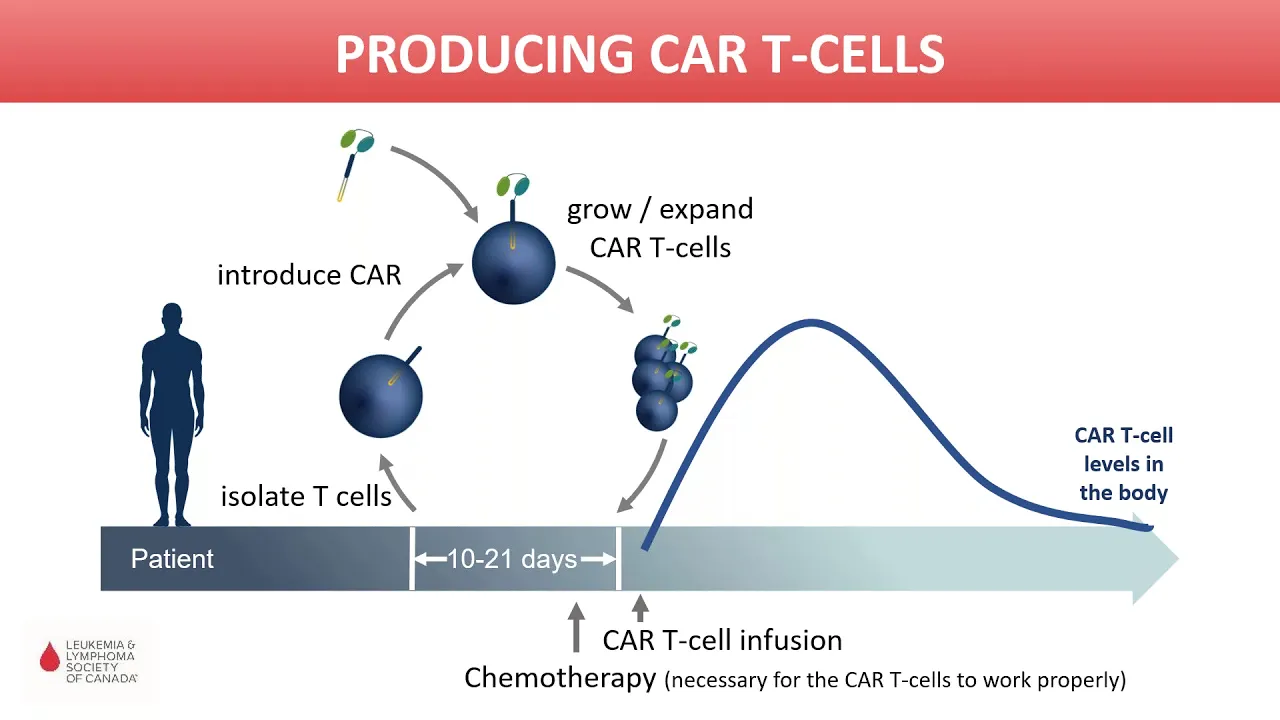
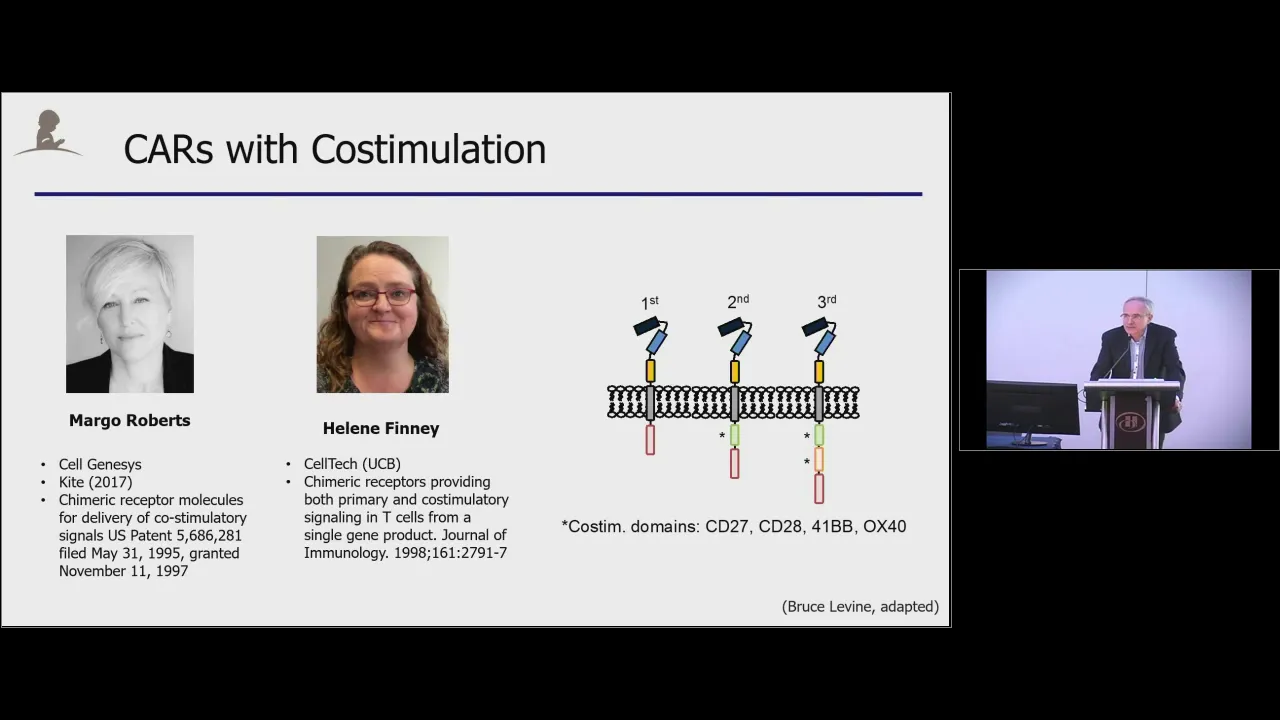




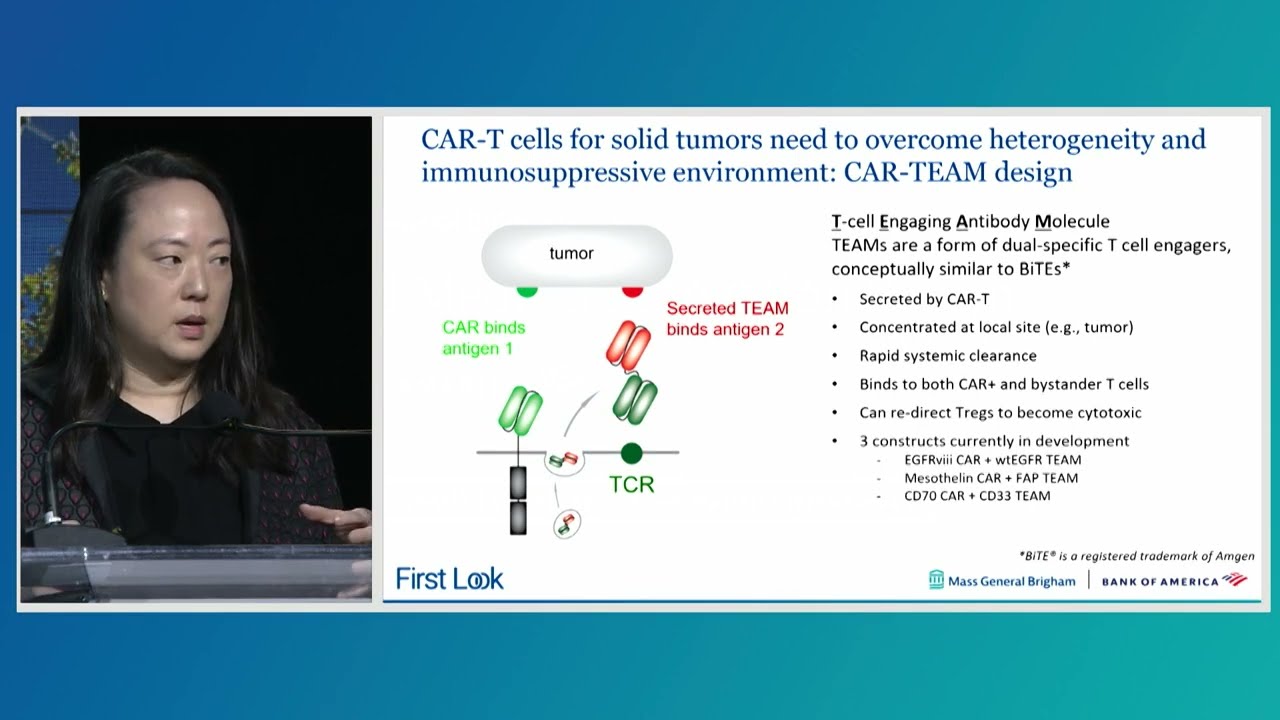


CAR-T cell therapy is a revolutionary immunotherapy that genetically modifies a patient's T cells to express chimeric antigen receptors (CARs) that target tumor antigens; the technology has evolved through four generations—from first-generation constructs with only CD3ζ signaling domains to fourth-generation constructs incorporating co-stimulatory domains and propagation factors like interleukins—the manufacturing workflow involves isolating T cells from patient blood, expanding them ex vivo, transducing them with viral vectors expressing CARs, and reinfusing them after lymphodepletion chemotherapy, though the personalized nature of this therapy creates significant technical challenges including lengthy vein-to-vein times of 3-4 weeks and the need for specialized manufacturing facilities.
CAR-T Cell Therapy: Design, Workflow, and Challenges
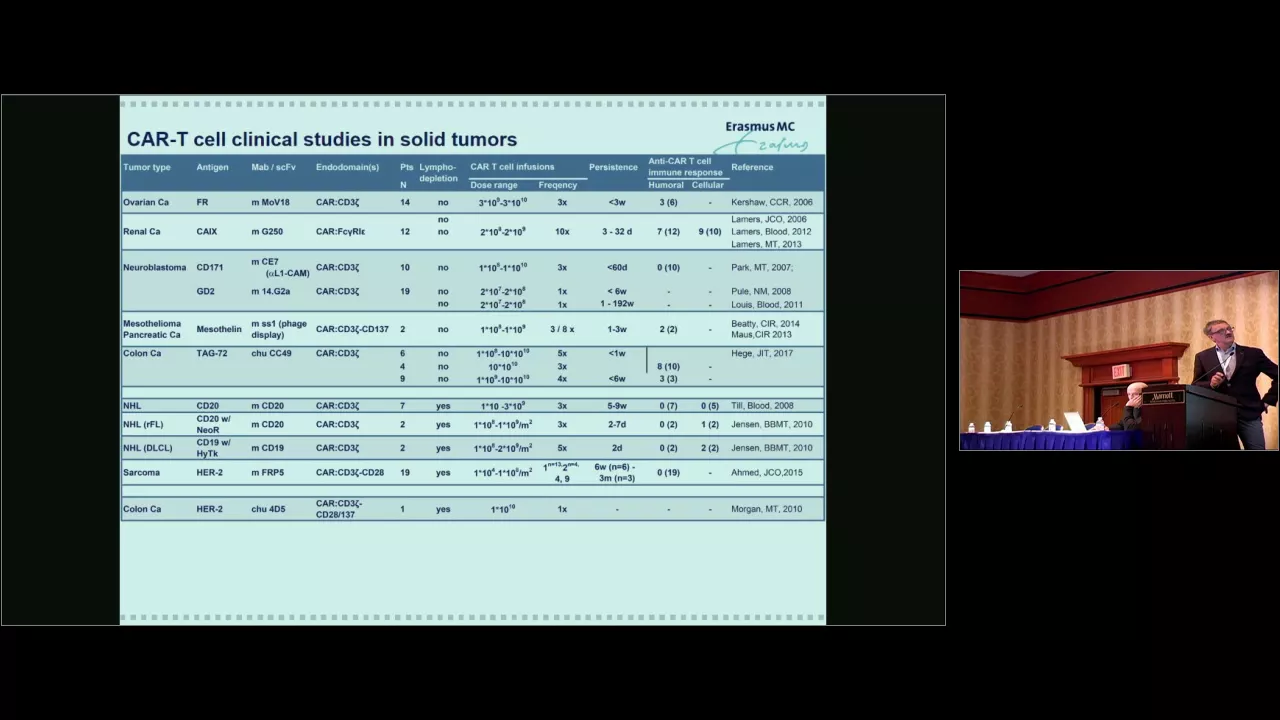
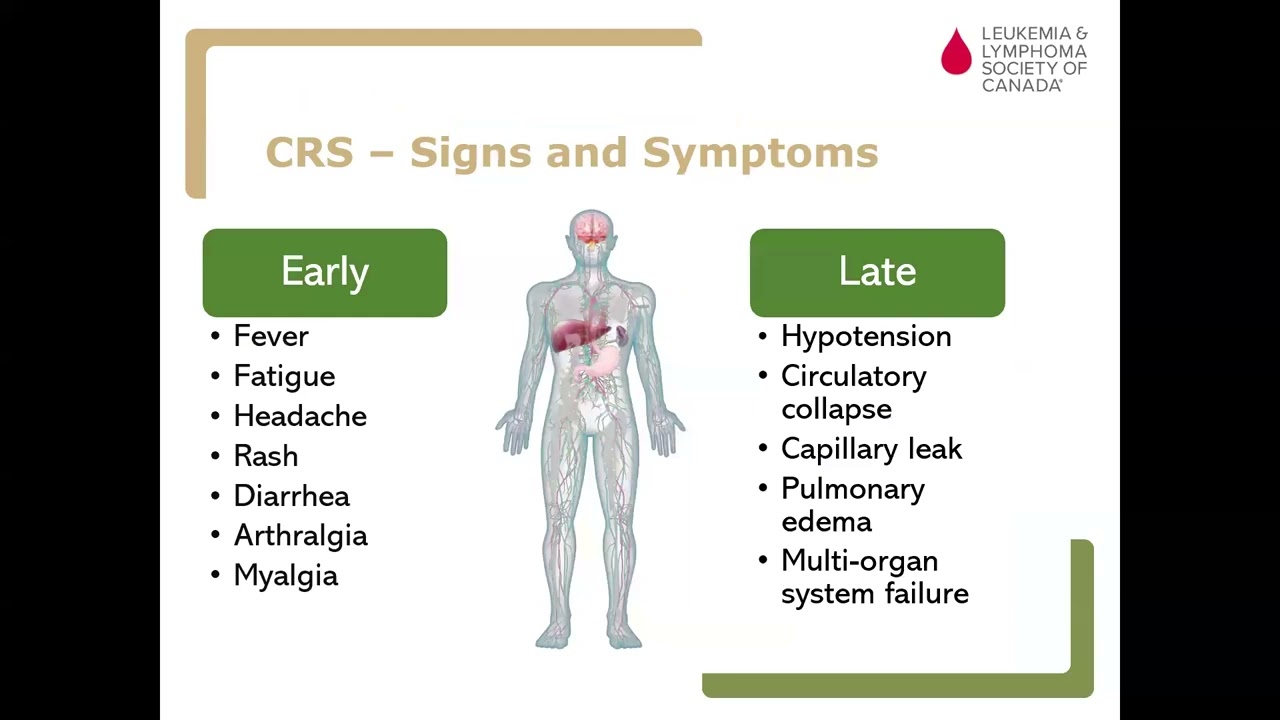
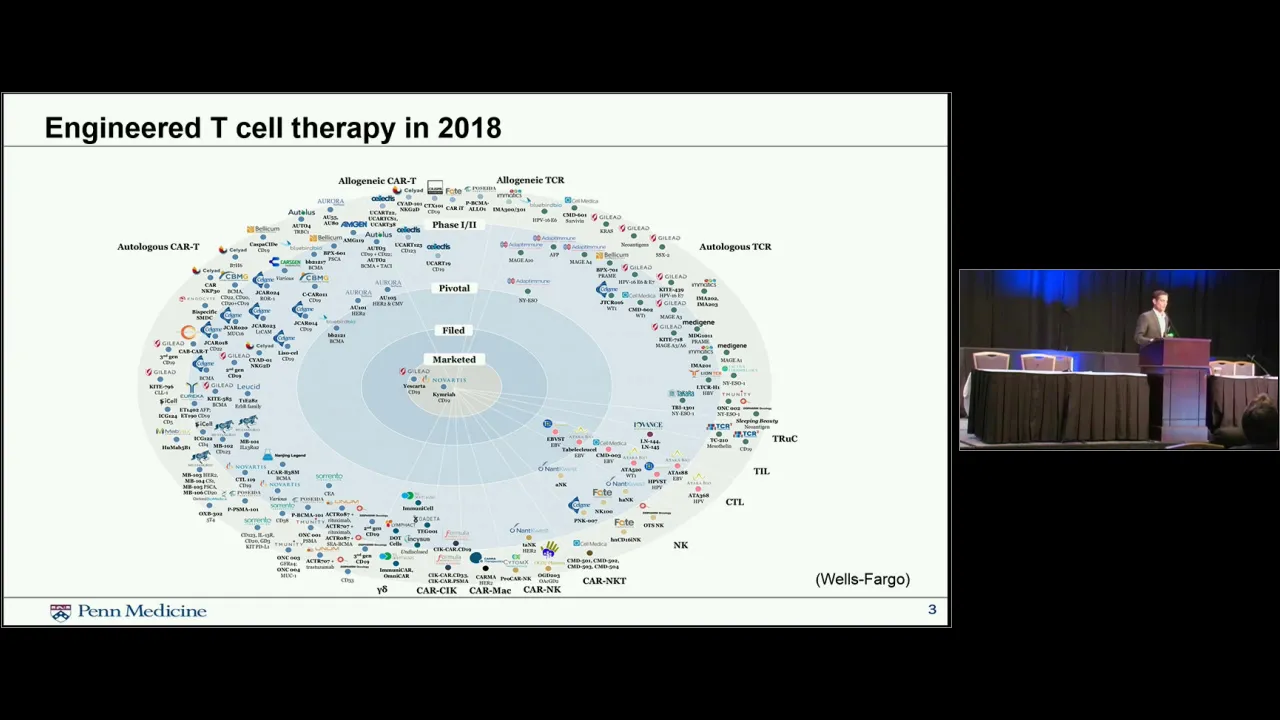
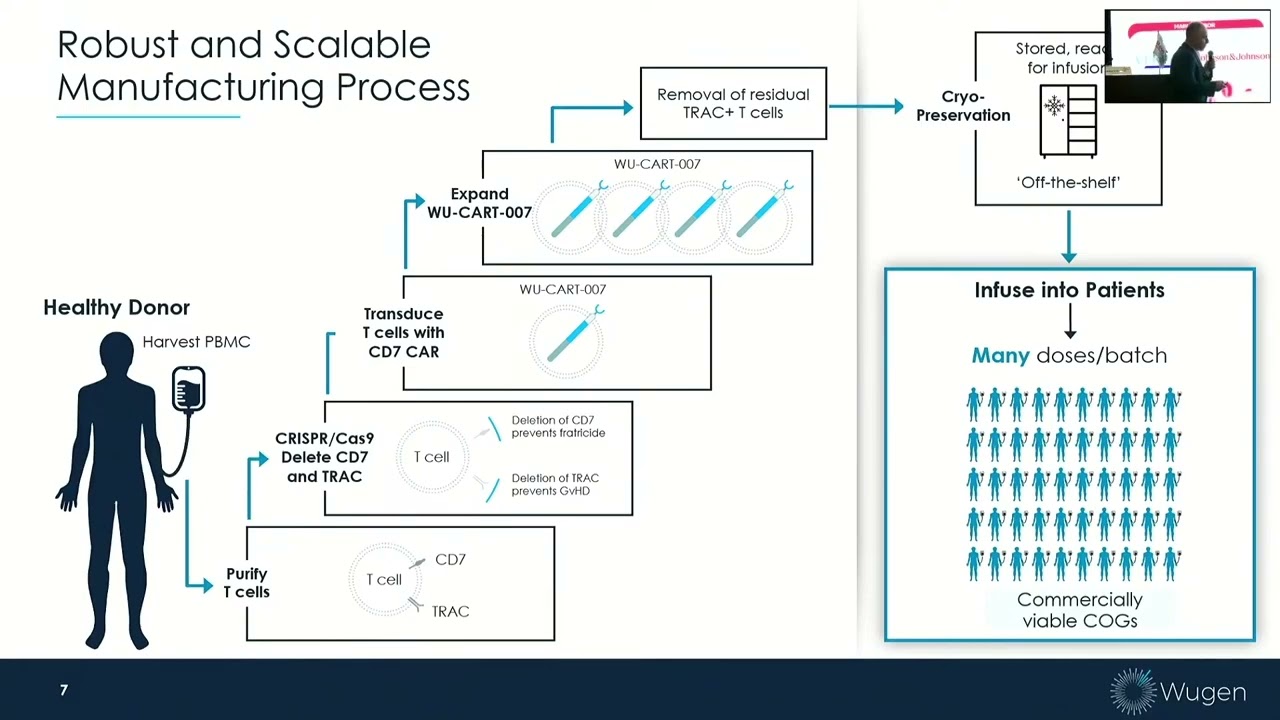
Added:[Music] in part three of our series on technologies that enable immunotherapies we will examine a novel class of living drugs called car t-cells a chimeric antigen receptor t-cell also known as a car t-cell is a novel class of immunotherapy that involves genetically manipulating immune cells derived from a patient to better recognize tumor antigens this cell based gene therapy has become the standard of care for some hematological malignancies including pediatric acute lymphoblastic leukemia and for certain types of non-hodgkin's lymphomas the first car t-cell therapy was approved by the FDA in 2017 and to date only one additional car t construct has cleared this regulatory hurdle both of these approved therapies target cd19 a surface antigen found on b-cells car t-cells have actually existed since the late 1980s but over the years their design has become more complex and more effective as our knowledge of how the immune system functions has expanded in fact there have been four generations of car t-cells the first generation consisted of a single chain variable fragment attached to an intracellular signaling domain the cd3 zeta intracellular signaling domain was used but there were no co-stimulatory domains included so these cells had limited capabilities as far as expansion and cytotoxicity were concerned the next generation of car constructs addressed this limitation and added the intracellular co-stimulatory domain 41 BB or cd28 these constructs are the basis for the FDA approved therapies currently available the third generation of cars combine multiple co-stimulatory domains such as cd28 Oh X 40 or CD 2941 BB to augment t-cell activity the fourth generation of constructs sometimes referred to as next-generation constructs consists of similar co-stimulatory domains to the previous generation but adds factors that help the cell propagate such as interleukins cytokines or other co-stimulatory ligands this generation of instructs is still being investigated in preclinical studies but the hope is that they will result in better effective functionality and have an improved persistence in the patient but while these constructs are improving the potential efficacy of car t-cell therapy there are still technical challenges involved with getting them produced and into patients in a timely manner utilizing immune cells for treatments not appeal it's not a pill that you just give an injection that you give and you know it's not off-the-shelf drug it's basically a personalized medicine type of approach there are technological limitations to this especially car Ducati sells technology as a entirely new treatment modality which is cellular therapy so you have to produce a personalized medicine which is a cellular therapy the other thing is the vein to vein time which means the process takes long from taking cells from the patient manufacturing Carty cells in the central manufacturing facility and bring the t-cells back to the patient for a new infusion is typically something between 3 and 4 weeks this piece of malignancies sometimes rapidly progressing so patients die before they get to treatment fortunately there have been technological developments designed to speed the process of creating car t-cells and getting them to patients quickly in this piece we will look at the workflow for creating these therapies and identify areas that are being streamlined to optimize this new class of therapies the creation of a Carty construct starts with the isolation of T cells these T cells are then expanded ex vivo and engineered to express a tumor specific receptor usually using a retro viral vector the newly modified cells are then injected back into the patient who is monitored over time to determine persistence and efficacy the process of isolating the cells to be used for kotti therapy depends upon the intended use of the final product it is now possible to purchase purified immune cell subs to work with there are a number of suppliers out there that are seeing a surgeon interest due to these new therapies the other big change has been in the cell therapy space so adoptive t-cell therapy and cartee which has primarily been used in hematological cancers but I think as a technique that's something that we've seen really emerge and our clients in our working in that sort of space and coming to us for help and support with resources for that be that the ability to supply very large numbers of PBMCs through provision of fresh Luca packs for process development for people that develop car t-cell protocols but also in advice looking at constructs for things like safety testing on what sorts of models are going to be required for the safety testing of some of these cellular therapies going forward but for clinical applications the purified cells generally come from the patient or an allogenic donor in these cases after the blood is taken and separated magnetic beads containing antibodies to T cells surface markers are mixed with the peripheral blood mononuclear cells or PBMCs the antibody bead conjugates bind the T cells which are then isolated and ready for activation and expansion T cell activation generally requires a cell medium containing il-2 and antibodies to cd3 once the cells have expanded they are ready to be transduced with an appropriate vector this is usually done using retroviral vectors the production and testing of which can take some time the voice for - itself is a big enterprise it may take many months to manufacture a clinical grade batch if you will our virus so that's in between 4 to 9 months depending on the complexity of the virus because you have to understand that we need to do a lot of testing testings for lot release of the virus batch they have to be clean without any contaminant no virus not nothing completely safe to tube utilize in clinical trials actually the testing that actually what takes longer the manufacturer device itself can take between two to four weeks so it is quite fast recently there have been Karthik instructs created using the CRISPR cast nine system instead of a retroviral vector while this is an active and exciting area of research it is still too early to tell how successful this method will be in the long term once the cells have been transduced and tested they are ready to be re-infused into the patient the protocol for this varies across clinical centers and even from patient to patient but they generally require that the patient undergoes lympho depletion via chemotherapy before being reinforced this is to decrease the competition between the car T cells and normal cells for interleukins and other factors within the body after the car T cells have been reinforced ver side effects as well as car T cell persistence and the impact the therapy is having on the cancer monitoring the patient is critical as car t cell therapy can have a number of potentially dangerous side effects including cytokine release syndrome and neurotoxicity the monitoring process involves traditional techniques such as peripheral blood smears as well as newer ones such as flow cytometry but as with most new therapies new monitoring solutions are also coming online of course you look for katisa persistence just taking that and look for the car T cells enumerate them you can use standard imaging technologies to look for the tumor PET scan or something but for sure we need more sophisticated technologies to really understand what's going on there you can take liquid biopsies you look for circulating tumor cells or circulating cell-free DNA from the tumor which you can analyze these samples you can also use to do mutation analysis so to see how the mutational landscape of the tumor has changed not just for car T cells you can also take my needle biopsies from the two more let's say lymphoma from affected lymph node and analysis we offer nowadays ultra high content imaging technology study done by su kita and out of Monica Grossman's lab at Cornell a car t-cell they made they introduced in various doses into the mice and they were asking two questions using digital PCR they were measuring the persistence of the car t-cells they put in up to I think almost three hundred days as well as the tumor which had an NPM one marker as an SMD that they could use her multiple snv's they could use to spatially track tumor volume essentially and so they had some beautiful curves showing how different doses gave greater or lesser persistence of the car t-cells and also were you impacting favorably on reduction of the tumor volume so it was a really nice example of being able to both follow the reagent in this case a car t-cell whether it's still in in the system and whether the tumor was being knocked down by it although car t cell therapies represent an exciting advance for cell based gene therapies they still face many challenges some are biological like tumor antigen escaped accessing solid tumors or overcoming a suppressive tumor microenvironment and some more technical such as identifying appropriate targets and the time required to create these personalized medicines identifying new more specific targets is an active area of study less known specific binding towards no antigens or peptides that not related you to the target we are utilizing now a very quick discovery platform which is basically a tandem PCR type of platform we can get samples blood tumor samples get the T cells out from there and in London PCR we have designed primers to identify those TC RS utilize RNA extracted from upon those cells by this process and then get cDNA that can be put into a vector right away and you can do that in 48 hours another area immuno oncology where we think we're going to be able to help out with this technology is in the development of novel Carty cells when Karthik constructs are put together and ultimately make it into patients some of them are highly efficacious others less efficacious some have high toxicity others don't and you'd obviously like to figure that out before going into a clinical trial putting them into patients and there aren't good tools for doing that right now we recently published a paper in which we use this untargeted proteomic profiling to look broadly at what phospho signaling happens downstream of a Carty receptor and what differs between ones that have desirable properties and others that don't and that's now allowed us to identify potential biomarkers that we are now converting into these higher throughput more quantitative immuno mrm targeted assays in the hope is that we'll be able to use those in the preclinical space to characterize different Kartik constructs and be able to predict which ones might work better when they make it into patients and with the selection of targets improving the need for getting those targets into the appropriate car constructs in a timely manner becomes more important the vein to vein time for these therapies is particularly critical for patients with advanced cancers where even a matter of days can make a big difference one issue facing physicians is how to get the patient t-cells isolated and shipped to a facility that can generate a car t-cell let's see if you have a central manufacturing facility now let's say three to four weeks most of the time is actually not the actual manufacturing process so the actual manufacturing process is I think something like 14 days but you have to take the sample the look of services from the patient freeze it shape it for it manufacture car t-cells freeze them ship them back infuse them and cells don't like to travel and they don't like to be frozen and thawed on the one hand we developing katisa manufacturing procedures which are a little bit shorter you know so it's not 14 days it's rather 8 to 12 days on the other end we try to get rid of the additional time which is spent on shipping the stuff in freezing and thawing so we pursued studies with fresh-cut results and this of course works only if you do local manufacturing so close to the point of care so either directly in the hospital people have done that in clinical trials not even in a clean room or in local regional hubs so a cell factory which produces in a local way the car t-cells in fact we have at Modena biotech it's a factory where we could use riccati sets for studies in germany so they are within a day 24 hours you can easily ship the car T cells for infusion to the patient so they're all overall time requirement is then something like I guess 10 to 14 days I just want you have a site how fortunate we are here I mean as I research a scientist and the way that the leadership is putting X effort in trying to really develop this new type is something that made a huge difference here we can open clinical trials based on knowledge that we get from the lab so we test individual incubator animal models and those concepts in the cellar therapy field is quite fast you go into the clinic I mean what drugs against the cancer it takes many many years from the from the first concept to the first patient being treated we could get our concept here from the lab to the clinic in three years we already have a clinical trial so that's very fast now we have a nice core facilities and also services inside the Center for immunotherapy to do that so while the technical challenges of car t cell therapies are being worked out and the biological challenges are being studied the future of this unique approach to fighting cancer looks promising in our next segment we will look at where key opinion leaders in the immunotherapy space think the field is ding
Up Next

Viral Vector Design, Packaging & Optimization Webinar
@abmgood
15.7K views•2019-06-19

Algae Biofuels: Harnessing Microalgae for Renewable Energy
@LosAlamosNationalLab
623 views•2020-12-03
Microbial Degradation of Plastics: Biodegradation Pathways & Sustainability
@majeedhammad
2.9K views•2021-04-11
CRISPR and Genetic Engineering: How Gene Editing Works and Why It Matters
@kurzgesagt
30.5M views•2016-08-10
Related Study Plans & Knowledge Roadmaps
Structured learning paths in Biotechnology