



















![[Podcast] Gene Editing, Mentorships, and Making Big Moves! | Episode 6 | BioAgilytix](https://i.ytimg.com/vi/zulGKyStfS8/maxresdefault.jpg)
Lentivirus is a powerful gene delivery tool derived from HIV-1 that enables efficient transduction of both dividing and non-dividing cells with high efficiency (90-100%), permanent genome integration for long-term expression, and carrying capacity up to 9 kb; third-generation lentiviral systems enhance safety by splitting packaging genes across multiple plasmids, removing the tat gene, and incorporating self-inactivation mutations, making them suitable for BSL-2 laboratory environments.
Lentiviral Gene Delivery Tools: A Comprehensive Webinar Guide
Added:Fundamentals of virology, specifically the biology, genomic structure, and replication cycle of retroviruses.
Basic principles of recombinant DNA technology, including plasmid vector design, promoters, and transfection.
The distinction between transient gene expression and stable genomic integration within host cells.
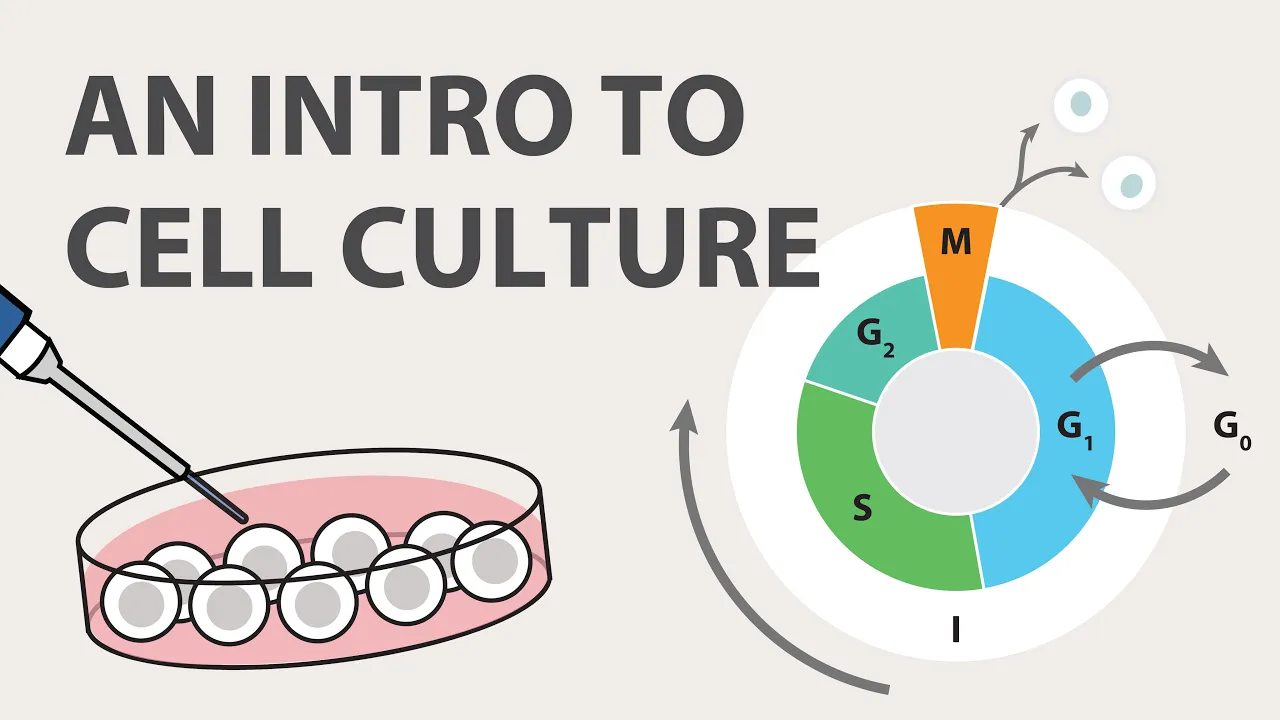
Standard mammalian cell culture techniques, as these are critical for both virus production and transduction.
Clinical applications of lentiviral vectors, such as CAR-T cell immunotherapy and ex vivo gene therapy for monogenic disorders.
Advanced methodologies for lentiviral titration, purification, and quality control metrics (e.g., determining physical vs. functional titers).
Biosafety standards (BSL-2/BSL-2+) and regulatory guidelines (cGMP) governing the manufacture and clinical use of viral vectors.
Comparative study of alternative gene delivery systems, including Adeno-Associated Virus (AAV) vectors and non-viral lipid nanoparticles (LNPs).
5.8K views100likes35:44Original Release: 2022-12-08
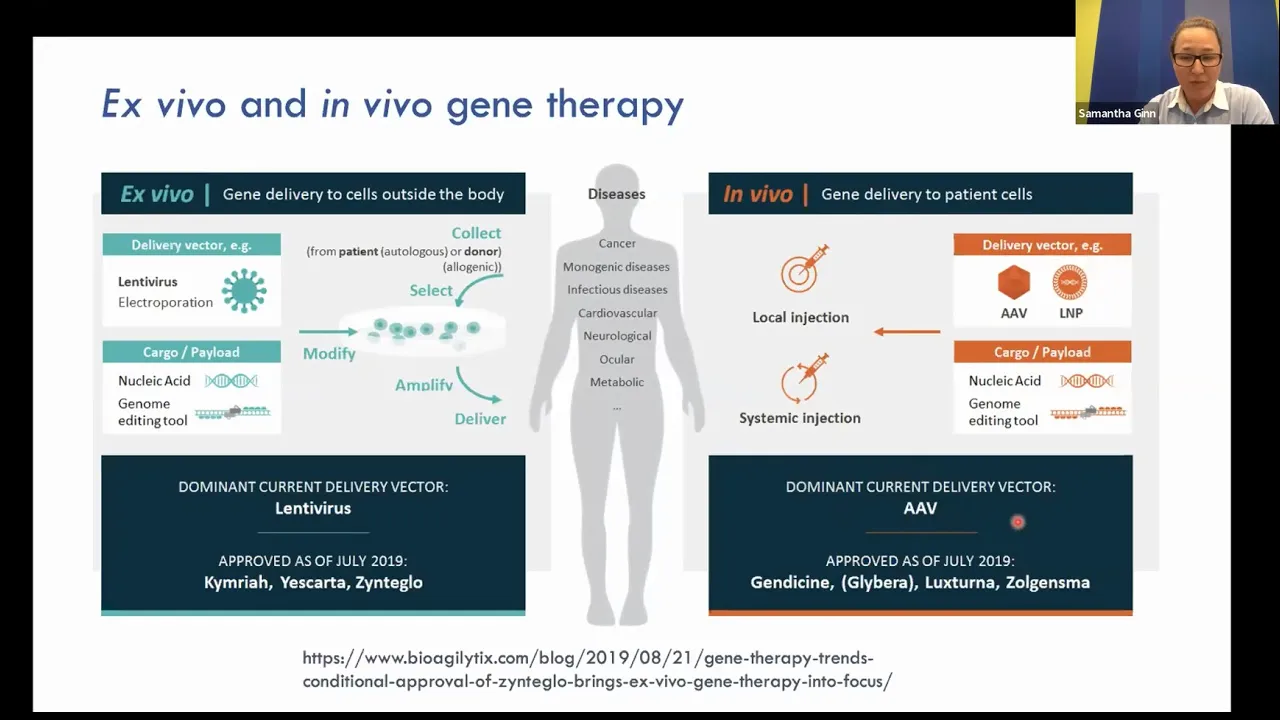
so today as you know we'll be talking about the ins and outs of lentivirus in this webinar I'm going to give a brief overview of viral Gene delivery tools as a more General topic and then I'm going to dive into um lentivirus so exactly what it is how it's used and some of the benefits that come along with using lentivirus to deliver your genes and then we'll go into some of the safety so the differences between first second and third generation and um which ones are beneficial to you as a user and then how to produce lentivirus and then lastly we will wrap everything up with the different solutions and services that we offer here at origin that can help you when you are handling lentivirus so let's start out with going over the most popular viral vectors and then the benefits of viral Gene delivery versus plasma transfection so as you can see here we have some of the most popular viral vectors used for Gene delivery and in this list we have lentivirus adenovirus aav which is a dental Associated virus and the herpes simplex virus or HSV and within this list multivirus I would say is the most popular option for people and in general viral vectors do have that benefit over General plasma transfection because certain cells can be hard to transfect or certain non-dividing cells can be difficult so these viral vectors really come in handy when you're running into that problem now I want to take some time to talk about Gene delivery and the differences between using a virus versus plasma transfection so if we start out by looking at the process you'll notice that using a virus is much more simple than plasma transfection so for plasma transfection it's heavily dependent on the transfection reagent and how effective it is or you need to use electroporation whereas once you have viral particles that are ready to use then you can just add them to your cells for transduction and this is not talking about the process of um actually creating the viral particles where in that case you do need an effective transfection reagent in order to produce the particles this is after that so once you have those really great particles then they're ready to just um deliver to your your targeted cell line and then the delivery efficiency is actually very high for viruses compared to plasma transfection where it can vary another benefit of using viruses is that you can transduce most cell types so this includes dividing cell types such as neurons that may be kind of difficult to transduce whereas when you're handling um when you're using plasma transfection you are limited in the cell types that you can Target because sometimes those cells that are um hard to transfect uh they might may not necessarily respond or or non-dividing cells may not respond to Plasma transfection in the way that you want um and then for viruses The genome integration chances are high this isn't for all viruses so if we're looking at lenti for a second lenti does integrate into the genome which allows for that stable gene expression whereas aav does not integrate it actually stays in the eposome but you still get um strong gene expression either way but for viruses The genome integration is higher whereas plasma transfection you know you have a very low chance and then the last thing I want to highlight is that for viruses um if you are working in Vivo then viruses are usually a better a better option to go with versus plasma transfection where you have limited applications and I just wanted to make sure that I show this beautiful image that was taken by some of our r d scientists showing that as you increase the number of lentiviral particles um actually transduced into the targeted cell line so into hack293t cells then you get increased gene expression so in this case we created lenti gfp particles using our lentiviral packaging kit and then fluorescent images were taken 72 hours post-transuction so I thought this was a beautiful way to show how um how effective using lenti is for gene expression so now that I've given a brief overview on viral Gene delivery tools we're going to jump straight into lentivirus 101 so what exactly it is how it works and some of the benefits that come along with using lentivirus starting out with what is lentivirus so lentivirus is a genus of retrovirus that expresses reverse transcriptase and integrase and these two enzymes are used to actually integrate the viral DNA into the host DNA which allows for the exploitation of host Machinery to then Express the viral genes and lenty vectors are actually modified from hiv-1 but a lot of the viral genes that are needed for viral replication are removed so the lentiviral vector only contains the long terminal repeats or ltrs and the packaging signal and in addition to um in addition for the lentiviral packaging the genes are actually provided on separate plasmids when you're actually trans affecting them to produce the particles so the pseudo-lentiviral particles are replication deficient and using lentiviral vectors to deliver genes into targeted cells has been proven to be a very dependable and efficient method for research and they're also very safe so here I have a really great infographic showing how lentivirus actually enters into the cell and how it works and so you'll see that we start out with binding and entry and then we'll have uncoding so your RNA that contains your Gene of interest will be released into the cell and then reverse transcriptase will take this and change it into C DNA which will then be integrated into the host genome and once the viral DNA is integrated into the host genome it just continues to divide along with the host cell and after this integration normal processes of transcription and translation will occur and you'll get your viral protein or the protein expression that you were looking for and since I mentioned that these are replication deficient you will not see steps five and six when using third generation lentiviral systems ideally because that's what makes them safe that they are replication deficient moving on to the benefits of lentivirus so lentivirus has a very high transduction efficiency and commonly used cell lines the transduction efficiency can be as high as 90 to 100 percent and lentivirus also infects uh both dividing and non-dividing cells so a few potential targets for lentiviral Vector based gene therapy are hepatocytes neurons hematopoietic stem cells monocytes and macrophages just to name a few you also get permanent integration into the host cell which I showed in the previous infographic so this is a benefit because you get the long-term gene expression lentivirus also has a pretty high carrying capacity compared to uh other viral vectors so the carrying capacity is up to nine kilobases and it's also great for in Vivo studies because it has the ability to infect cells that are hard to transfect so lentivirus has really great benefits and that's why it's one of the most popular viral vectors used in research now we'll be going over the safety of lentivirus and we'll go over the differences between the first second and third generation systems as well as the BSL recommendations so I've kind of grouped the first and second generation systems for this description and simplicity's sake because they are so similar so the second generation system is similar to the first one with the exception that the HIV accessory proteins that are not essential for lentiviral particle production have been removed making the second generation um a bit more safe than the first generation but uh as a whole together they both consist of three plasmids so you would transfect three plasmids in order to produce the particles one plasmid would be the transfer plasmid containing the gene of Interest one plasmid would contain all of your packaging genes so gagpole raventat and then you have one more plasmid which is the envelope plasmid for vsvg and in comparison to the third generation system the third generation system actually can consists of four plasmids to produce the particle so you have a transfer plasmid containing your Gene of Interest one plasmid containing the packaging genes gag and pole one plasma can containing the packaging genes rev and then you have a packaging the enveloplasmid which is for bsvg and that's the main difference you have four plasmids here whereas you have three plasmids here and in the next slide I'll show you the exact reason why that actually makes the third generation system more safe so by splitting the packaging genes into two different plasmids as we've done in the third generation system we actually make it more safe because we're reducing the likelihood of a replication competent lentivirus or an RCL randomly popping up when we are creating our lentiviral particles we also have removed the tat Gene compared to the first and second generation Systems Second Generations don't always have tot most have been removed but in certain cases tat is still included and tat is an essential Gene for viral replication so since this isn't present at all in third generation systems then that also makes it a a much safer option and for the third generation systems there is also a mutation in the three prime LTR specifically a deletion um called the sin or self inactivation um mutation and this deletion does not affect lentiviral packaging but it just results in self-inactivation after the uh the viral genome has been integrated into the host genome and the integrated lentiviral genome is then no longer capable of self-replication moving on to biosafety so you're going to want to handle lentivirus in a bsl2 environment so that's lab coats gloves under a biosafety cabinet or hood and that's because lentivirus can transduce primary human cells so even though there is a very low risk you still want to take just general precautions when handling the virus now we're going to talk about how to produce and use lentivirus and in this section we will talk about steps to produce lentiviral particles the factors that can affect the packaging efficiency the different storage recommendations and then how to actually use the lentiviral particles that you make for infection of your targeted cell line and here I have a general outline of how to produce lentiviral particles so it's quite simple and generally only takes four steps so day one you're going to Plate your heck 293 T cells and then day two is when you're going to co-transfect the lenti transfer plasmid containing your Gene of Interest with the other lenti packaging plasmids so for the third generation system you're going to be co-transfacting with four plasmids on day three you're going to change the media and then you're going to incubate for 48 hours and then on day five is when you harvest the cell culture supernains and you obtain the viral particles and after this webinar is over I will be sending all of you a detailed protocol that we have so when and if you decide to produce your own antiviral particles you can refer to a more detailed step-by-step guide so there are many factors that can affect your packaging efficiency and you want to make sure that you know all of them in case your packaging um is less than optimal or you get a lower tighter than optimal just so you're able to troubleshoot so the first thing that you want to look out for is the DNA quality of the lenti transfer plasmid so since lenti transfer plasmids contain ltrs potential recombination vents must be tested for so plasmid recombination can be tested using restriction enzyme digestion to check the plasma DNA size or you can do simple sequencing the next thing is you want to make sure you have the optimal ratio of plasmids so the use of ion exchange plasmid purification and endo-free kits are highly recommended for the preparation of the plasmid DNA just to ensure that um you're not encountering any contamination that's throwing off the the ratio that that you need in order to transfect the cells the next thing is the fragment length between ltrs so since the packaging limit for lentivirus is around 9 KB larger inserts may lead to lower packaged viral tighter so this is something else you should look out for the next thing is the health of your hack293t cells so firstly uh hack 293 T cells usually lose packaging efficiency after many many passages so cells should not be used after culturing for about one to two months secondly these cells are happier when they're seated the day before transfection so this results in higher transfection efficiency and the last thing is the transfection reagent that you're using so having a um a really good transfection reagent is critical for the high tighter production uh and this is maybe something that you should consider um so for example uh here at origin we actually do have a transfection reagent that is specifically um cater to lentiviral packaging so if you're able to use one that is specific for lentivirus um or just one that you know is in general a very good transfection reagent for lentivirus then that's one you should use I wouldn't just use any transfection reagent um because that could affect the tighter that you get at the end now after you have produced your lentiviral particles hopefully successfully you'll need to know how to store them so they can be stored at four degrees Celsius for uh up to one week and then they can be stored at negative 80 degrees Celsius for a long-term storage so that's up to one year you also will want to avoid frequent freeze thaw Cycles um because this can cause a two to three fold tighter drop which is not ideal but when some people they decide to re-aliquot them once they get the final product just so they get into little alcohols that they know that they will use so they can't avoid that and then you also will want to make sure that the lentiviral particles are stored in a suitable liquid so serum free media buffer to about 7.2 should be used and we actually have a really great buffer a lenti stabilizer which if you go through our custom lentiviral packaging service you have the option to request that we send your particles in our lenti stabilizer so as you can see here um this is lenti this is a lentiviral particles that are produced made fresh these were lenty gfp particles and then um on the right this is at 37 degrees Celsius so quite high they were stored for five days and you can see that when they are just um in stored in culture media versus indolenti stabilizer the infectivity was actually preserved so this goes for um the one year at negative 80 degrees Celsius as well if you store it in a really great buffer such as the lenti stabilizer you will preserve that infectivity another thing you want to look out for is mycoplasma contamination when you are storing your lentiviral particles because this contamination could affect your transduction efficiency uh when you're actually ready to use your particles so certain things to look out for include clumping increased Confluence or decreased growth rates and um when you or if you see these things it's not recommended that you actually filter the viral particles because they can stick to the filter which will then affect your transduction efficiency as well so but if filtering is absolutely necessary a 0.45 micrometer or larger pore size filter is recommended but one of the things that you can do in order to avoid this is just constantly tracking for mycoplasma contamination throughout your lab and throughout your um throughout the process of handling lentivirus so we actually have a mycoplasma detection kit called mycotrack and once you all receive these slides you can easily just click on this link right here and it'll bring you straight to the product but this this image shows that uh the mycoplasma detection of a over expression stable cell line that was created in our uh in our research Labs so all of the cell lines were actually negative and you can see the positive control had a very strong positive and we had the internal control throughout all of the samples so that was our mycoplasma detection kit is very sensitive and very helpful in in all aspects not just when you're looking for contamination when handling lentivirus but I know mycoplasma contamination can affect quite a few other experiments that you're doing in your lab so just something to keep in mind now we're going to talk about lentiviral infections so basically what you do after you have completed um making the actual lentivaro particles so for day one or step one um the cells are seated at 0.5 to 2 times 10 to the fifth cells per milliliter and then you can incubate these for either 24 or 48 Hours next these cells are transduced with the virus at various Moi or multiplicity of infection and we actually do have a document that has the recommended mois for each cell line so for example for a 549 cells the Moi is 5 whereas C2 C12 cells the Moi is 100 so it really just depends on what cell line you are targeting with your lentiviral particles and then the third and last step is that the cells are harvested at 48 Hours post transduction for analysis so the actual um steps for transduction are quite simple and much more simple than plasma transfection now we're going to wrap up today's webinar by talking about the solutions and services that we offer here at origin that can help you as a researcher in every aspect we have a very large and comprehensive portfolio for lentivirus whether that's the custom service that we offer as well as ready-made lenty ORF plasmids shrna plasmids as well as all-in-one crispr vectors and accessories so I'll get into that in the next few slides so our lenti orfs are probably our most popular product and as you can see here these are the four vectors that house our lentiors and the these are the variations that your Gene of interest can come in so you'll see that we have a mick ddk tag or flag tag option and then a gfp tag option as well as those same tags available down here but with Puro selection so any say PDL one if you're working on that will have four different vectors available readily available that have these variations mcddk tag gfp tag and then with or without Puro and some of the applications that uh lentilor can be used for is General over expression of your uh Gene of Interest rnai rescue and creating stable cell lines um that where you will actually use this and then transfect it with the packaging plasmids and then create the particles that you need in order to make your stable cell lines um and lentivirus you have the general um feature of broad cell Spectrum so it can affect infect many cells both dividing and non-dividing cells as well as cells that are hard to transfect you have that high transduction efficiency you have the convenience because there is a minimal need for optimization our system is already very optimized these vectors are very safe they have they are the third generation system so they have improved biosafety and then you have that Puro selection option as I mentioned and I just want to take a moment to highlight um one of the Publications that utilized our lentiviral particles so we are lentivaro products have been cited more than 4 000 times uh they're very popular as I said in the first lenti orif slide so this in this paper we see that this person used our lenti ORF um specifically the mcflag tag and the gfp tag option for pdl1 to create stable overexpression cell lines and in this paper they were studying the proteolytic processing of pdl1 by atom proteases in breast cancer cells and they were able to conclude that pdl1 is subject to proteolytic cleavage by atom 10 and atom 17 in breast cancer cells and then in normal in the normal epithelial cell line mcf 10A and although pdl1 cleavage is unstimulated in vitro it's different in Vivo so you you feel free to actually click on the paper and read this really interesting paper and see how they used our lenti ORF in contrast if you're looking for Gene knockdown instead of over expression we actually offer pre-made lentiviral shrna plasmid kits that contain four sequence verified expression cassettes that Target your Gene of Interest so each lentiviral cassette contains three major functional elements so it's the shrna a pure myosin selection marker and a tgfp reporter and we have a guaranteed knockdown of greater than 70 percent with these kits so our ready to use lenti shrna particles are a great option for studying long-term Gene knockdown another thing that I want to highlight is that that our shrna is actually designed with a 29 mer versus a 21mware design so we have increased potency as well as increased specificity and here you can see a really beautiful image of um this lenti sh RNA that was created to Target tgfp and we have great knock down great knock down here so feel free to click on this link to learn more about those lenti shrma options um 4G knockdown now moving on to our lenty crispr vectors so um the all-in-one crispr vectors are designed for the cloning of the guide RNA under the U6 promoter and the vectors also Express a CMV driven codon optimized cas9 protein which can cut the desired targeted genome after cloning us of specific guide RNA sequences so one of the benefits that we have is that when you use the all-in-one vectors we have increased transfection efficiency in comparison to using three vectors where you have to do multiple transfections also we offer lengthy vectors with only cas9 or only guide RNA so you still do have the option to not use the all-in-one if that's not what you're looking for for your experiment so now I want to touch on our lentiviral accessories and these are really um really great products if you are producing your own lentiviral particles in your own lab so to start off we have a really great packaging kit this kit is designed to optimize the packaging of third generation lenti vectors into high tide or viral particles the next thing we have for you is control particles and the particles come with a guaranteed tighter tighter of 10 to the seven to you per ml so they are really helpful some people already have everything else they need in order to produce lentiviral particles in their lab so they will just get the control particles from us so basically it's just whatever you need whatever your preference is the next thing we have is a tighter kit which is very popular um so basically virus titration will show you how successful your lentivirus production is and it can help you troubleshoot if viral transduction fails and say you're by say you end up having a low tighter that you notice with your once you use the tighter kit you can actually use our concentrator and this allows for the virus to be concentrated quickly and it can the titers can reach up to 10 to the 9 Tu per ml so this is another really helpful product and a lot of people will get both of these the Tighter and the concentrator together the next thing we have is the stabilizer which I briefly touched on a bit earlier when I was talking about storage conditions so the lentivirus stabilizer was developed to preserve the infectivity of lentivirus in storage so when stored in regular production media such as dmem after about six months of storage at negative 80 degrees Celsius most of the infectivity will be lost so when you actually go to do your transduction it's usually not as successful so if you actually store the lentiviral particles in the lenti stabilizer it can preserve that infectivity for up to one year at negative 80 degrees Celsius and the last thing that we have is lenty Tran which is our uh lenti transfection region it's specialized for lentiviral um production so once again a really helpful product uh that is very helpful for a lot of our customers and um this all of these products can be used to help you produce high quality viral particles stress-free so moving on to our inducible lenti vectors so these are new this year to origin and they are exclusively available through our custom lentiviral packaging service so basically you can only get the inducible particles not the inducible vectors to then go ahead and create your own particles but some of the benefits of these inducible systems that is that it allows spatial and temporal control there's also increased sensitivity due to certain features that have been added to the vectors so this increase sensitivity is particularly advantageous for in Vivo studies in tissues where High doxycycline concentrations are difficult to attain for instance in the brain there's also tight regulation of the p-type promoter which consists of conventional Tre sequence fused Upstream of the CMV promoter and this allows for a remarkably low basal activity and high mark maximal expression after the induction the lowered background expression also provides improved Dynamic expression range compared to the traditional tet on promoters that you find and so the inducible uh the inducibility of these uh vectors is helpful in various Fields such as functional genomics gene therapy tissue engineering biopharmaceutical protein production drug Discovery Etc and here I've just included a really great image showing uh the these were inducible lentiviral particles that were created for gfp so inducible lenti gfp and you can see as doxycycline is added in higher concentrations that you get um that you get really great expression so high doxycycline expression was observed with when 10 micrograms per milliliter of Doxycycline was added to the systems and you can see that even as low as 0.001 micrograms still induced uh expression of gfp and here we just have a table showing the inducible particles that we're able to make the current vectors that we offer in our packaging service so we have three available two are for um orfs or over expression and then one is for shrna or knockdown and you can see that at least for the options we have for ORF uh ps100131 has pyromyosin selection and mcddk tag and the the ps100128 vector has no selection but a tgfp tag so if you have any questions about these inducible systems please feel free to either click here and learn more or ask me questions at the end of the webinar so lastly I just wanted to go over our custom multivirus Production service so we have quite a few options for our customers for you as scientists you can either choose to mail us the plasmid to package or um choose for us to package a clone that you find on our website and then the last option is if you can't find the Clone on our website or you don't have the plasmid to actually send us that you want us to package then um you can provide us with a cheat sequence and then we can package the particle that way as well and some of the benefits that you get by using us for your lentivirus production is the speediness so we have a lot of lentiviral particles that and clones just ready to choose from we've been around for 25 plus years so we have over 500 000 clones so more than likely most customers if you don't have the plasmid yourself and you that you want us to package they can usually already find the Clone on our website and just say hey I want to package this and then we can do it for them very fast because we already have um a lot of those clones already in stock and so our turnaround time is 10 to 15 work days next you also get really high quality particles so our packaging process has been optimized and we deliver lentiviral particles that must uh must be passed um transfection and they go through a QC process so we will use the virus to infect 293 T cells and then after 48 Hours check the gfp or ddk gene expression to ensure uh that your particles are working um and then you also have the option for Ultra purification so if you would like to use your particles in Vivo we can actually purify the lenti particles by gradient Ultra centrifugation and then lastly you do have the safety because all of our particles are produced um using the third generation system so to summarize everything that I talked about in our Solutions and services section we basically are your One-Stop shop for everything you need for lenti whether that's um providing you with ready-to-use particles that have been produced using our third generation system or are providing you with all of the tools you need to actually make your own lunchy uh lentiviral particles and we have lunch tea or for over expression um and then lenti shrna as well as our lenti crispr vectors and then our lenti accessories so you can see it over to the right just a little diagram showing everything that I talked about today and I just want to make sure that I highlight the current promotion that we have for lenti accessories so if you're interested in producing your own particles and you will need any of the lenti accessories that I mentioned in the previous slide then you can save 20 off by using the code lenty20 when you're placing your order and this is valid um until the end of this year so December 31st of this year and the this will apply to every single accessory that I said previously as well as our lentiviral vectors that um I mentioned that this includes valentiviral crispr vectors as well as just the Standalone vectors that I showed in the first lenti ORF slide so if you need any of those control vectors then you can get the um the discount for that and here I've just included some relevant pages and links that you may find helpful when you are looking to find out more information about the lentivirus and lentiviral products that we have available on our website and the one thing that I do want to highlight in this slide is our lentivirus 101 ebook so in this ebook it contains the basics of lentivirus how to produce and prepare lentivirus how to titrate the particle and the best way to store it so this is a really good and concise um book that kind of reiterates kind of what I uh presented in this webinar today in case you are looking for this book and it is free so this is a really great um document that a lot of our customers find useful so I just wanted to make sure that I do bring attention to this one and if you have any questions um that you that for some reason maybe we don't get to it today um or you think of them later feel free to contact us you can contact me directly um at Kaa origin.com or you can contact our customer service or tech support depending on the nature of your question so feel free to revisit this slide and reach out to um to any of these emails with your questions and now I want to open the floor up to a question and answer session so um before I do that though just want to mention that you will be sent um these slides everyone who attended this meeting today will be sent these slides so you can access the links that I provided and also go back through the presentation if you need to but um I'd like to thank everyone for attending this webinar and I hope that you can join next week when we go over our aav webinar and how that how aav works and how to use it and all of those things similar to how we did for lenti today but thank you so much for your attention and I'd love to hear any questions that you have
Up Next

4:59
Closed-System CAR-T Cell Harvest with G-Rex100M and GatheRex
@joshludwig4985
5.6K views•2015-06-25

12:54
Triumph of Orthodoxy Icon: Byzantine Art & History Explained
@BenCallan
2.1K views•2024-08-06

9:49
FastAPI vs Flask vs Django: Choosing the Right Python Web Framework
@TechWithTim
302.5K views•2024-05-26

1:42
Game of Thrones Opening Credits: A Cinematic Analysis
@gameofthrones
46.3M views•2011-04-18
Related Study Plans & Knowledge Roadmaps
Structured learning paths in General & Interdisciplinary Studies
general-studies
Elevator Engineering: History, Physics & Cities
01From Hoists to Safety Brakes: The Dawn of Vertical Lift
02Hydraulic vs. Traction: The Engineering Physics of Elevators
03Modern Speed, Safety, and Algorithms
+ 2 more learning modules
12h5 modules
Explore Roadmap
general-studies
Rubber: Material Science, History & Geopolitics
01Origins of Natural Rubber & Mesoamerican History
02The Chemistry of Natural Rubber & Vulcanization
03The Geopolitics of the Rubber Boom & Colonization
+ 2 more learning modules
12h5 modules
Explore Roadmap
general-studies
Containerization: Evolution, Logistics & Trade
01Ancient Trade & Bulk Cargo: Amphorae to Barrels
02The Industrial Revolution & Cardboard Packaging
03The Containerization Revolution: Malcom McLean
+ 2 more learning modules
12h5 modules
Explore Roadmap
general-studies
Textile Tech: Evolution, Labor & Global Impact
01Pre-Industrial Textiles: Handloom & Cottage Industry
02Mechanization: The Spinning Jenny to the Power Loom
03The Factory System & Global Labor Transformation
+ 2 more learning modules
10h5 modules
Explore Roadmap