


















This tutorial explains how philosophers approach consciousness problems by identifying and resolving conceptual confusions, fallacies, and ambiguities in our thinking about mind and consciousness, using methods like logical analysis, disambiguation, conceptual analysis, and thought experiments to clarify what we mean by consciousness and why certain philosophical problems arise.
Consciousness Research Tutorial: Philosophical Problems for Scientists
Added:Basic understanding of neuroanatomy and cognitive science, specifically how the physical brain processes sensory information.
Familiarity with the scientific method and the limits of empirical measurement regarding subjective experiences.
Introduction to the mind-body problem, specifically the historical distinction between physicalism (materialism) and Cartesian dualism.
The conceptual definition of 'qualia' (the subjective, qualitative feel of individual conscious experiences, like the redness of a rose).
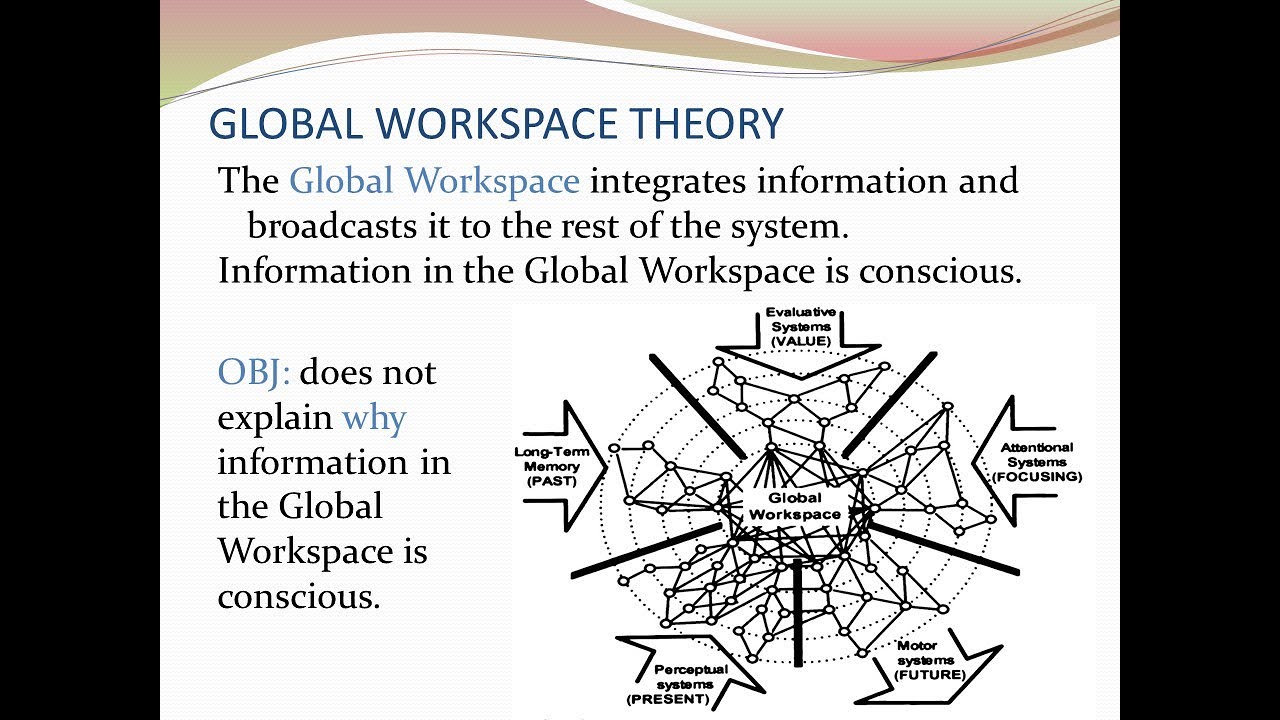
In-depth study of contemporary neuroscientific theories of consciousness, such as Global Workspace Theory (GWT) and Integrated Information Theory (IIT).
The search for the Neural Correlates of Consciousness (NCC) and how researchers design experiments to isolate conscious awareness in the brain.
The philosophy of Artificial Intelligence, including debates on machine sentience, functionalism, and the possibility of artificial qualia.
Ethical implications of consciousness research, such as assessing awareness in non-human animals and patients in vegetative or minimally conscious states.
Advanced philosophical stances on the Hard Problem, such as panpsychism, eliminative materialism, and illusionism.
189 views1likes1:51:11Original Release: 2019-02-02
so thanks very much for inviting me I suppose it's great to be able to help actually which is that's my goal today it's not particularly to put forward my theories of consciousness but to try to make sure that by the end of it the particularly the scientist among you have maybe not done much philosophy before have some better understanding of how philosophers are approaching the problems or what kind of problems they're approaching so that when you talk to a philosopher you somewhat know a bit more about what they're thinking that's my call at the end the problem oddly is that I have no idea how much you already know about philosophy and philosophical problems approaches to consciousness so that's partly why I wanted to have make it interactive so perhaps at some point so I might just stop and let you collect your thoughts and think about anything that you just didn't get from what I say and I can go over it again in a different way the important thing is your understanding okay so I guess I thought I would start from the basic what is philosophy question and everything I say from now for any philosophers in the room is going to be very controversial and probably wrong in their perspective the question of what is philosophy there a lot of people have a lot of ideas about what philosophy is or should be and none of them are basically generally accepted but there are some common things that people will often agree with so I'll give you some of those as a way to have philosophers are often thinking about what they're doing and so here in this way I'm talking about philosophers in the most general sense not people doing philosophy of consciousness particularly I'll start out generally so here's one of them this is basic instructor is very vague and unhelpful but I really do it because a lot of philosophers will say that this is accords with how they're how they're imagining what they're doing so sellers in 1962 said this the aim of philosophy abstractly formulated we still understand happens in the broadest of happiness in the broadest possible sense of the term hang together in the broadest possible sense of the sender and that's not going to be very helpful they're doing another thing though that lets Ellen is famous for putting forward as the aim of philosophy is the reconciliation of what he called the scientific image with the manifest image what he meant by that is that so through science we build up a picture a model if you like of how the world is but we already have a picture of how the world is that way we get from day to day experience and interacting with others and they're talking about things we have in their own mind and perceiving that I matter we have a we have a sense which is just manifest to us in daily life and what the world is like then we have this picture that we get from science about what what the world is like and part of the job of philosophy or the main job of philosophy according to sellers is to make these two somehow fit together into one package if you like so to reconcile that to the scientific you meet with the manifested you did one task a philosophy that a lot of people with what loss was I think would have agree with but here's another one this is one I kind of like as well that it's a big concern hazardous had this idea it's often quoted that a philosophical problem has the form I don't know my way about and as a consequence of that his analogy of what a philosophy for suckers doing is to show the fly the way out of the Bible and what he is very enigmatic thing to say as well but the thing he what he meant and what a lot of lot of philosophers thought it around that time particularly is that lots of other problems arise because in some way we've gotten ourselves confused we whether it's from a confusion in the language a confusion in some some wrong turn we make in our thinking that we just keep making and it just leads us to the wrong direction somehow other philosophical problems are confusions we were just kind of lost in her own thoughts somehow so the task of the philosopher day is to just try to untangle these so that you can see a little bit more clearly and once you've done that then idea race you no longer have a philosophical problem anymore it's our obvious what the solution is or perhaps in some way it's going to be just an easy easy problem where which in chama sense meaning so that one way that I kind of like so philosophical problems are just ways that we've confused ourselves and a bit earlier than that you get jump Stuart Mill this is a quote I liked it it was the it was a at the beginning of my PhD thesis actually and Mill says that language is as it were the atmosphere of philosophical investigation which must be made transparent for anything can be seen through it to the few truth figure and position the idea is that so we didn't philosophy you often find that where we're talking about words and concepts and the idea is that it's these words and concept in a way which are tricking us and we need to get clear about what we're talking about and that can be your f---ing getting clear about how we're talking about something and once we figured that out then we can go and solve the problem but we often find at a certain point we stop and start talking about the language and that's that's another way or a related way of talking about possibly this is a lot earlier than that 1874 words we can sign is more or less 80 years after this but anyway that hopefully gives you some sense of how philosophers are thinking about philosophy it's definitely not the only way of thinking about philosophy and as they probably for each philosopher in the room in this room there'll be a very different way of thinking about what philosophy is but that will give you that gives you some sense so this is more difficult part of what I would you a sense of how this was done in a kind of technical way hundred years ago or so we had the beginnings of what's often called the linguistic turn in philosophy and it's that with Bertrand Russell or at least it's that's with actually before that with love Frigga but Russell wrote a paper that did change the way that people think about how to solve how two approaches of the problem in terms of the language that's used to in terms of the problem being the language and I'll just go through this exam and I'm not sure that we will get the point across but let me just give the example so there was a problem in philosophy the problem was of terms that refer to things like in this case the King of France the present King of France and Russell had a problem there was a problem with the sentence the president king of France is bold the problem is that there is no King of France Christ doesn't have a king so what does this what does this refer to the phrase and there was a big problem about this because if you say refers to well nothing it's kind of empty set right but if that's what the word means and everything that refers to that everything would refer to something that doesn't exist means the same thing so it can't be that the meaning is this empty state what I mean some things that pick out something though people were coming up with all kinds of metaphysical ideas about what this could be that the president king of France what the word refers to is it back oh my god including for example the president King acquaints doesn't actually exist but he exists as a kind of possibility to the possible king of France or something well the king of France has some kind of reality in order for us to talk about him but doesn't actually exist people were getting really knocks trying to solve this problem and Russell solution was kind of ingenious it's in a paper called on DDT he said well maybe what's going on here is that the president king of France is actually a shortened version of a longer expression and when we say that president France is bold we're actually saying a couple of things in you and one of them is that there is akin your friends and the other is that that person is bull thank you I didn't mean to go so fast let me go back one further step the other problem with this sentence the present King of France is bold is that doesn't doesn't really have a truth value this was important to particularly to people in a logical frame of mind for him everything everything it's like this is gotta be true or false around in betweens so this would also probably keep present King of France is it true or false well it's obviously not true but it's not false ID because the distance in such a person so this is another problem that we're trying to solve so Russell's solution was that well this sentence the president king of France's oldest it's kind of a shortened way of saying something much longer and if you kind of analyze what's what's being said in this sentence you get something like something like this like this but there is currently opinion France and that person is bold and now we have a sentence that's just clearly false there isn't because there isn't in France just thanked applause and there's no problem of referring to a non-existent entity yes postulating so for Russell's that there are so is what were very perilous of this solution and this became one of the classics in analytic philosophy and it started a trend and the trend was to try to solve problems in this kind of way by thinking of the the problem as not inherently the topic itself in a sense but not caused by some complexity in the world but rather the problem it's close by complexity we are not understanding the complexity of iron what we're saying of our language so this is in a sense the beginning of analytic philosophy and so people went on to do this this kind of thing this kind of thing meaning to try to figure out a solution to a problem in terms of trying to understand what we're saying and untangle that and the style of analysis changed Russell in Russell's time it was very much making transforming a sentence into logical form and predicate calculus in that kind of thing but that's not the only way to do it still you will find people trying to figure out first what is the maybe the maybe the problem here is not with the phenomenon maybe it's with the way that we're talking about the fundamental phenomena the way that we're thinking about it and we're confusing ourselves because we usually have to use language even to think about things right so anyway but I wanted to give a sense of how philosophy has been done and kind of the change the change that the linguistic term brought about into thinking of things okay so that's the sense of what is the philosophy it's a very simplistic one scientist and I hope that gives you some idea for those of you new to the methodology philosophers always have a problem with methodology on great forms where you'll be asked what is the methodology for study as a philosopher my inclination to say is to say something like well I'm gonna think about that's what I'm gonna do that's how I'm gonna solve this problem and that's that's what we're taught to say that philosophers don't tend to have to be taught that there is a methodology of philosophy there are just problems and however you can solve the problem solve it and nevertheless you can pick out you can pick out some common let's say strategies that philosophers will use and I don't think these are things that are done only in philosophy but there are things that in some ways as a group characterize how philosophers go about things yes and you you will see some people some philosophers defending the idea of methodology which is unique to philosophy which is particular to philosophy no I'm not sure that's true but certainly there as a group you can find as a kind of cluster of things that people do to solve problems you will find something like this let me just go through them so the topic of logic and reasoning including everything from Aristotle's original studies into syllogism tillage is amazing a if I even be a therefore be this kind of simple syllogism is something that Aristotle wrote about and there are lots of patents like that were described but then much more recently you have the logic both formal and informal logic which are both part of the methodology of not just philosophy but of course logic is now in turn field in a sentence debatable whether it's in some ways whether is philosophy anymore so the the other one is fallacies supporting so so fallacy is a it's it's a it's a kind of reasoning which is intuitive but also wrong so there are lots of fallacies actually not all of them are you know philosophical fallacies but so here's a fella famous fallacy of let's say it's called affirming the consequent so the syllogism I just gave you if they didn't be a therefore B so it's kind of natural for people to make this following reasoning if a then B be there for a it's a kind of natural way for people to reason but it's known to be obviously not valid right so that's a famous fallacy but there are the fallacies that are not just so here's a patient holiday probabilistic fallacy is not particularly philosophical one do you know that must know that the gamblers fallacy which is the if I from doing roulette and I roll you know read ten times if you ask me what's the probability that the next one will be well that's obviously fallacy it's not particularly philosophers fallacy but it's a it's a it's an intuitive way that people naturally think that we also know our reflection that it's the wrong way to think so fallacy spotting is one thing that philosophers do have done which is why you'll see philosophy departments showing mostly departments I'm gonna just try to show you this so yeah if you can see these this is the just the possibility in college in Texas and they will have help their students little fallacies this is in a way what multiple parents teach their students at one point I'll teach them whole bunch of fallacies to look out for so if Alice this is another kind of method that he's comment if you like fallacies Potter so verification of language is another thing that philosophers are known to do a lot and by that I mean disambiguation and as you in studying consciousness you probably come across various places where people disambiguate the word consciousness into two three four five different kinds of consciousness different things that consciousness mean the state consciousness in future consciousness so phenomenal consciousness zone so making clear all the different possible things you could mean when you say a word and that's important partly because of it helps there is a fallacy known as a fallacy of equivocation where we have an argument where the premise who used the word in one way in the conclusion to use the word in other ways to say with another meaning that kind of reasoning doesn't work so it's very important or just but when that's happening and so getting clear on which which disambiguation word you're using is important so philosophers are often known for making these distinctions sometimes it feels like gets too much too many distinctions being drawn but this is an important thing to be aware of the other thing is conceptual analysis there are some people who some philosophers who not who have argued that conceptual analysis is a method of philosophy and I'll give you examples such as the study of knowledge so the study of what knowledge is these often thought to be the study of the concept and all into the clarifying what we what what knowledge is is what we we mean by knowledge in some way and famous analysis that's often given as a kind access case is the idea that knowledge what knowledge is is is justified true belief so we said in you know something if you believe it and it's proved and you're justified in believing it and these three things are necessary and sufficient often at least nowadays that's a lot more complicated but this is taken as one of the kind of success cases of philosophy doing it's kind of poor task of learning it of finding out or discovering in some way what knowledge is by analyzing the concept of knowledge and the final one I'll talk about as both experiments as as a method and or sometimes people talk about this as the method of possible cases or something like that so you get [Music] very often these all these will go together so for example you know position should be idea that justified to believe that knowledge is justified true belief somebody will give you at some point probably what's known as the get to your case and get a case is an example of somebody who's that justified in believing something and it's true but they didn't know it so example would be that we would normally say you're looking at the clock over there and you'd be justified in believing that it's close to ten o'clock but it could be that let's say so they broken you just noticed it now and happens to be stopped at ten o'clock but that is the right time in that case you would have a true belief that would be justified but you wouldn't know them if Jennifer because it's just lucky that happy to look over at the corn that time is showing so food experiments are one way that we that one thing that philosophers do a lot you you're probably aware of married to Mary the neuroscientist called experiment can I just give us a sense of who does everybody but maybe not is there anyone who hasn't doesn't know the married the newer sites for the experiments make it a six oh okay well I'll definitely go through it in more detail later on I'll start at the beginning later on okay so you'll be introduced to this totally experiment later on so how's everything it's not necessarily that all these methods are purely philosophical methods all of them you use in some way in other fields that's a kind of a group in some way they characterize I think what philosophers do okay so that's philosophical methodology so before I get onto the consciousness part of this I realized I thought I was wondering good that I have enough time but I'm gonna go this far so I want to give you just my quick take on this the way that I think about philosophy is something like the avoidance of what I'll just call a thought trap so this can be a fallacy but I'll just call it a code trap is a train of thought or reasoning that we look to avoid but for some reason we find intuitive and we keep rolling into it and philosophy is the task of finding and making clear these traps it's kind of a negative conception but it can involve positive theories of why we do this you know why why this kind of reasoning is so attractive to us otherwise so in that sense questions like what is consciousness isn't isn't a philosophical question but it can become a philosophical question if we suspect that the answers to it are falling prey to some kind of thought trap I'll just go there are some kind of whether it's a whether it's a whether it's a kind of ambiguity that we're going one way at some point in another way on the ambiguity which is making us come to the conclusion on something or whether it's a fallacy that we're making or whatever because things become a philosophical question when we suspect that somehow thinking on this problem is used and we have to fix our thinking about it at least okay I'm not gonna subject you to any more of my take some things but then of course that sort of thing is not particularly the sole responsibility of an academic philosopher or possible basically it's everyone's responsibility not to fall into four tracks but it's just that's that's what philosophers do that as their main job and that's what distinguishes philosophers philosophy is whenever you are doing this so in that sense you're all doing philosophy at some point of your day when you're trying to think things through just think it through more clearly okay so now I thought I would kind of apply this or show you how these are or have been applied to problems in possibly in mind them particularly on consciousness so let me go through these actually couldn't think about the logic or reasoning logical approach to the problem of consciousness or mind holy is one and I just don't know it logical logical a logical approach to the problem of consciousness I forgot to mention the beginning that if you were here another philosopher in this audience I automatically think of you as my affiliate or in this tutorial so I'll call this a fallacy maybe not everybody calls it a fallacy but if this is a really when Royals Royals kind of dismantling of an argument by de cats I'll give you the argument first I don't know if you've come across it but it's a really strong argument so here it is anything that physical has dimensions its extended is actually what Descartes would say anything that's physical has some dimensions being physical means having dimensions this is zdenka so we're talking about 400 years ago and the mind doesn't have dimensions the no real answer if I ask you how how wide is your mind where is the center of it it just doesn't have dimensions in that sense and therefore the mind isn't a physical object that's the that's one of Jacob's key arguments that it's a good argument and it really convinced people or helped to convince people for hundreds of years very simply anything physical objects all have some dimensions the mind doesn't have dimensions isn't extended therefore the mind isn't of this world it's very simple so if anyone knows the Royals Royals Gilbert Ryle solution to this so this is a this is Royals famous solution he accused the q-tip wrote the wrong turn but he he wrote that Descartes is guilty of what he called a category mistake and kind of doing mistake is well here's the years Gilbert riles and 1950 so the answer to this and since they've had argument basically riles has agreed as far as that the mind can't be physical project the Mayan currently visible beam because physical things have dimensions mine doesn't have dimension so rivalries up to this point but then he says well there were there are two ways of not being a physical thing I have one way is to be a non-physical theme but the other way is not to be a thing at all and Brian's argument was that so the mind is not a theme and this was what he calls Descartes had a big mistake he put it into the wrong mind into the wrong ontological category our minds are not things there's something else and of course as you may know rawness Vegas for is behavioristic the area of the mind the mind is what we do have the hell things function if you like no object and therefore no physical object so this was Ryles have a clear mistake icons a kind of against dualism so I thought would give another example of policy yeah in here is this and this comes up in especially discussions about consciousness here's the intuitive idea in fact well you find a way or something then be something that I'm aware of which easily translate to you know if I'm aware of something then there exists there is something unaware of this is really intuitive thing to think cause it feels like it's justice it's like dramatical a change in the sentence right doesn't feel like everything's changing the first of the last things being said at all so but there is a fallacy here that's being pointed out earlier earliest I suppose my Brentano and so well before I point out the fallacy this is this comes about in discussions of consciousness because people very often go from unaware other red sensation and therefore they're either been sensation unaware and very intuitive right it feels like happiness fail to be true so I haven't put the solution to the problem so print the this rigidly Brentano 1800s we're talking about intentionality being aware of something then the idea was that you can be aware of something in there be nothing that you're wearing and that's that's often the case when you're dreaming you're hallucinating you're thinking just about thinking of golden mountain doesn't mean that there's a golden mountain intentionality being aware of has been a feature you can be aware of something that doesn't exist so in that case if just not true that if I'm aware of something then there is something that I'm aware of those two those two things being something different and that's something to be aware of and that people like sorry people like then it will often emphasize this in his IQ expect consciousness we can be aware of that's because we're aware of a phenomenal quality that's a doesn't mean that there is a problem but there is something that has those speeches that were aware of okay so this is a big you Asian I'm not even gonna go into this really except because you're probably you've probably read many we're disambiguate the word consciousness and it's its usefulness for necessary even if it seems semantics sometimes the idea of conscious the basic distinction between the idea of creature consciousness the idea of a whole animal being conscious as opposed to the idea of some state within the animal being conscious we believe being conscious or as opposed to unconscious or desirable conscious or unconscious so that kind of distinction is really a useful distinction which I guess philosophers have made but if if there are some scientists who made this distinction then they were in a philosophical moment and maybe for my purposes okay this actual analysis is a this has come up in has a kind of controversial method in philosophy in some ways but even where it first appeared really strongly I guess in the idea of pain being a brain state and before I get to the pain case I'll go through the what's regarded in some quarters at least as a much more obvious case you ask what is water the first thing you need to do is to ask yourself well what do you mean by that what do you mean by water and along you'll need a clear answer to that before you can actually go and do your studies about what water is but that will then give you the answer so water is class we want to award wells the stuff you know in this cup rains comes out of the rains water water comes out of the taps in the seas it's wet and so on if that's the answer you give when someone just asked ask you what is water meaning in a way what do you mean by the water firstly you give an answer to that and then a person can then go well so you mean like the stuff in this cup then yes okay what's gonna study in that is and they'll discover now what's in that copy is just bunch of h2o molecules and then then you'll know that water is h2o molecules that's the idea beginning by some kind of conceptual analysis and connecting that to an empirical research that this kind of way of proceeding is sometimes known as the camera plane that in all cases this is how we figure out what the reasons and its nature so in the case of sensation of red this was done two by JJC smack of paper in 1959 called sensations and brain processes and he applied this kind of answer to what is what is a sensation of bread and it's been unlike water in the sense that you can't give it to somebody to study because has this private element but Jack's ma well there is a sense in which we do mean something when and you can execute can explain what you mean when what's what's the sensation to read you know you can tell that well it's the you know it's this this stick that you're in when you know someone shoves a tomato before your eyes or you're seeing blood or you're seeing maybe you have that great folder at that fold right there here the state you're in statement with the statement when we when we look at we are ready that's what it is that's what a representation is and that yeah I knew was this gives you then something to hold on to that you can then study so then what we have to do is figure out well what's there are people in when they look at red things what is it what is it to be a red sensation so this is a this is known as the topic neutral approach which resulted in the identity theory of my brain so Jackson are basically wanted to say that for mental predicates we this is how we can we don't have to we can we can discover that there are brain process this kind of way at the same time people were this is just after a royal published is category mistake argument so in that sense these are something of a peace [Music] so right but it's not the end of the story because the right now is particularly a lot of people who will deny that read sensation means that that's not what we mean by a read sensation but it means something will be different maybe something more like just you know this looking at a red object this feeling or something like this so I mean that stroke might be more difficult to read but that's the idea and you'll see people still arguing for this kind of way in fact I did for this in my PhD thesis write code experiments okay so for those of you who don't know the Mary the scientists put experiment this is where I'll let you in on the what it is maybe I'll stop there because the marriage the new your scientists detect a little bit of all it's important thought experiment to keep environment it's going to take a little while to do so maybe I'll ask you if anyone has any questions I knew it to ask them in this environment but have baby feel pretty okay that's fine so in that case maybe good that's me let me go on so but I do want to make sure that I don't just end up by confusing everybody so if there are things that you want me just to go over or that then please at some point feel free to go to that where I can just ask me to say something in more detail okay so Mary didn't marry your scientists so here's a thought experiment that is fantastically influential must be a of mind and I suppose in some way well you must be find at least the 'dearest base and the conclusion of the argument is going to be that Mary the nurse that that that phenomenal conscious or consciousness let's say is not physical that's going to be the conclusion thirds of it has to be a fairly powerful thought experiments to get you to believe that so here he goes so we imagine that there is a u.s. scientist just coca-cola Mary she was cold and this neuroscientist has has come to know everything that there is to know about how the brain works and how it functions and I guess we also she knows everything about integrated information theory she knows everything about the reason not about that the functioning of the brain and how to describe it and she knows how color perception works but she's never actually seen in color turns out though she's just been her whole life in the black and white not able to see Pellerin so this is an aside you're probably going to say this - she's never seen her publisher we handle two Sundays but we you know that she just happens never to have seen color but she has the ability to see color and she just never seen but just never seen but she knows that color vision works - the molecule okay so one day she goes out of her black and white environment and she suddenly sees a will ever read post box and she has a red experience for the first time ever and we're asked so does she learn anything at that moment that she sees a red thing for the first time does she learn anything and the the ancillary character keyboard that Frank Jackson whose acumen that disease though he thought he'd become penis many people think it's obvious that does she learns what a ready experience is like what it's like to have already experienced she didn't know that before and now she knows it therefore she learned something there's some fact about the universe that she didn't know and now she knows namely you know what is actually like they have already experienced so if there's some fact that she now knows that she didn't know before but she knew all the physical facts you know down to the molecules we all backs but that means that what it's like to have a read experience is a different fact from all those physical facts so that means all the physical facts aren't enough to describe I don't have to let's say amount to an experience afraid so there's more to there's more to a read experience than all physical facts you could describe there for radical conscious experiences in general if we generalize our have some kind of normal physical nature that's the conclusion so that's the married in your I scientist I either was known as a knowledge I mean who the cushion involves the idea that when Mary sees that for the first time she gains new dollars and what could that knowledge be if not about some non-physical a fact so that's the mirror the neuroscientist and it's a it's been a very powerful argument I'm not going to weigh in on where you know I just wanted to describe it because this is published in 1982 I believe and a follow-up paper in 1983 because so many people disagree with it it's one of the more controversial articles in terms of the amount of people were talking about it but nobody could agree on why it's wrong so there there must be five or six different ways that people disagree with that the knowledge argument and there's a lot of disagreement that where it goes wrong but but none of those people could agree amongst each other people who disagree with the conclusion so definitely it's not that this argument is going to be completely successful argument perhaps anyway unlike Royals category mistake I agree we just thought generally to be I think successful argument against Judaism for this time given in favor of Judaism it's not good to be right now I mean for Jewish there are lots of responses you could make but none of them are agreed upon as the right response so the debate continues on that so still you were people who will see people debating philosophers debating least philosophers about whether this argument works more particularly why it doesn't work so that's that's a thought experiment maybe more one of the more well-known thought experiments I is worth being cautious and one of the one of the lessons one of the things people have said about this Mary the viewers hardest argument is not to to be to be aware of that thought experiments had the notation so for example the thought experiment that I did earlier about the so called a case against the idea that knowledge is justified true belief that is anyway I'm problematic I'm just I'm asking you to imagine that the clock is broken and that's a fairly simple thing for me to ask you to imagine so whatever follows from that we can take it as revealing something but when I ask you to imagine New York scientist who knows everything there is about the brain and how it works then what exactly am I asking you to and you really do that is interesting question and some people thought that it's not really possible for you to imagine that you can imagine somebody saying that they know everything you can imagine someone being regarded as doing everything but can you really imagine someone knowing theory so thought experiments are have implementations are thought to have limitations nevertheless they're a key a key part of the way philosophers okay here you're just a problem that I thought I have to have to have him it's a little bit out of nowhere but before we get on to more problems of consciousness I wanted to just describe this problem because it's related various other problems and rather a serious one and it's called the problem of mental causation and the problem is really that these three statements are compatible and no one can really figure out which one throw away or rather maybe okay so here's the idea this union physics is causally closed what that means is that in order to in some way you in order to account for in order to account for what happens at the level of physics we don't need to talk about the economics in that sense physics is kind of separate from economics talk about well these molecules moving this way here but then interest rates remain up and so therefore that kind of change of causal reasoning doesn't happen in physics and the idea is that physics is just closed in terms of first off Rosalie its own kind of autonomous I suppose you might say you want to describe everything in physics you only need physical forces so take that as given the second one that consciousness has possibly fixed so when you're conscious of something let's say so you're being conscious of the pain of course that is something that we will [Music] to explain the idea that so non-productive our physicalism is yeah idea that that we we gain something by keeping our mental vocabulary even even in principle we couldn't do without talking about minds and consciousness and think about the physical that there's a position in philosophy that relievers in some sense being conscious is just being a certain kind of brain snake let's say or even just physical state and there are others who think that mental vocabulary is or mental concepts are that they describe a part of the way the world is that would be left out if you were to just reduce everything talked about how the molecule what the molecules are doing that there is something genuinely new that gets added you maybe not in terms of extra non-physical things but extra properties of things that get a good adenine when you that make it somehow necessary or at least non redundant to use mental part as we talk about people conscious of things but this actually absent the consciousness itself as such has some effect that's broadly speaking well so non-electric physicalism is a popular idea like that that we can't reduce mental vocabulary mental terms mental concepts down to just physical the times and so those that that idea doesn't sit very comfortably or perhaps an evening is just incompatible with the first two that physics at the level of physics things beings are sufficient to cause everything so this is known as the problem of mental causation and I'm not trying to give a solution to it I just wanted to point out that this is going to be a problem and it's a problem for within consciousness as well because one of the things you get from knowledge arguments the marry that were married the neuroscientist who knows everything at a physical level right she knows exactly how to molecules right and all that sort of thing and therefore she knows what's gonna happen next right based on just her knowledge of the brain she's gonna know what someone's gonna say right so she will know that a person looking at red thing for the first time is gonna say whoa that before she's going to know that not sure I see so that means so that's at the level of as in the level she's gonna she's gonna enough knowledge to describe everything that's gonna happen basically right but so if the argument if the conclusion of the argument is surprised that nevertheless there's something non-physical can't be having any causal effects because if it has a causal effects she would have she would have some have known about it right so so here we have the problem that that sense of mental causation this phenomenal idea of what it's like to see is causally connect the same and that's a problem okay anyway so more generally there is the problem of mental causation okay so finally we get to a hard problem with probably probably or no I'm not so sure you might have heard of the hard problem of consciousness this is made famous by Dave Chalmers in 1996 book factor was reading this book that propelled me on the research that I did for my PhD thesis you in some way in the opposite direction I want to argue that hard problem isn't so hard or at least it's not in the way that geoff chalmers argued but it's a important distinction to understand so I mean somebody I'm gonna suggest this yes you could think of the hard problem as being the philosophical problem where we don't we're not even confident that that the terms were asking you are the right terms and we have a sense that we're maybe confusing ourselves concept but at any rate by the easy problem what they tom is meant and you sir didn't mean this to be insulting to people who are working on it because he knows that they very hard problems this is the problem basically of how the brain works and what was its behavior what causes us to do the things we do how have consciousness functions as we've said it so those things we can we even if we don't know how to look sold them now we kind of know that it's a little fine we'll find solutions there's that kind of incrementally we'll get there we have some sort of confidence in that a hard problem is something that we don't have any confidence about that so the hard problem is the problem of why when I look at a red thing I have this particular sensation why that sensation No some other kind of sensation why is it reddish Mon greenus why did no sensation could there not be creatures out there that are exactly like me but who don't have any sensations at all the actors though they have sensation part just the donors there's just nothing happening so and if that can't be in some way I think that is maybe better to describe this as the philosophical problem in the sense that we not really confident that we know how to how to think about the problem but that's anyway my take on it recently and I understand yesterday there was talk about meta did someone here give that talk this is a recent talk by their recent paper by David Chalmers how extending is so the meta problem this is the problem of why we even are tempted to think that there is a problem even if you think basically even if you think that there's no high problem that it's not an ant problematic that we that we will in some will if you think that there's some day we'll be able to figure out why we have a red sensation particular sensation that we have when we look at a red thing even if you think that somehow we'll be able to do that out of eventually still it has a different character than other problems so it seems trickier somehow to know to try to figure out why I would say why there can't be so called philosophical zombies and so a philosophical zombie is boat exponent so the idea is that I think I just described this whole experiment we imagine somebody who has who is physically exactly like you are but is totally without any phenomenal consciousness and if that seems possible why does it say possible anyway there is some problem of why it seems possible and that's the way the metaphor has written about so the meta [Music] kind of psychological because [Music] yeah in a way it's more like yeah so why do we think there's a problem if you're asking why do we think anything then that's kind of psychological question right but the question where is it more problematic it might not be a psychological it might not be psychological why is it in that of what why do we yeah you could say and if we would have figured that one out maybe this would be that would be advanced so why do we think that there could be somebody who's physically like me but totally without any phenomenal consciousness without any conscious why do we even think that if we knew that answer that then that would be a solution to the Mexico group and maybe even by extension a solution to the heart problem but I don't know if that Dave Thomas thinks of these as connected in that way the meta problem is that why my consciousness is different you know what it's as you probably know consciousness studies is very new and this meeting is part of a study consciousness and it was regarded as not kind of legitimate in a way for decades and so the mental problem could be a little bit that what's different about consciousness that we think of it in this these kind of this kind of way so what's different about consciousness as opposed to all the other properties that when you there's no problem about beliefs and desires and all these mental terms have this relatively on top of many features we kind of feel like we can study their consciousness itself has a different character somehow it seems harder more how did you get a grip grip on how to talk about how doesn't know how to approach that's in a way the fact of that is there is a problem that's the medical as I as I stay so yes the this is in a way just the way I think Dave town was defined it understanding the nuances of behavior would be the easy version and how understanding why state is in particular meaning and way way I mean particular brain state is any so I really so I just wanted to [Music] make an analogy this point actually one thing that philosophers do often do is have a rather broad background so as a philosopher of mind you might also be doing something like it was to be of language or ethics or some other rather broad area of philosophy and there can be useful because sometimes you notice similarities which you wonder if they're useful or not so here's one kind of other yeah I'll just describe it now I'm gonna kind of leave it there but so here is the David Hume actually it's a long to explain a bit first so there's a there's what just is not the only thing that we wonder if it's how to think about it there are other aspects of human life that we also wonder a lot about whether whether we really got this the wrong way around somehow and I think one of these men to ethics is the study of what is it to be ethically right medically wrong that these kind of terms what's the what I they have do they exist really and this problem is not solved and is made particularly famous by David Hume Oscar who raised it in this context I'll read it soon but their idea is that it seems that we can have a complete description of the way the world is and that description wouldn't tell us anything about the way the world should be how we should act how we should behave what's the right thing to do it seems that we don't get that from this kind of description has the world needs so let me just read him so this is human 17:38 saying this so in every system of morality the author proceeds for some time in the ordinary way of reasoning and establishes the being of a God or makes observations concerning human affairs when of a sudden I'm surprised to find that instead of the usual populations of propositions is and is not I meet with no proposition that's not connected with it Walt this change is imperceptible but it is however of the last consequence whereas this thought or whatnot expresses some new relation or affirmation is necessary that it should be observed and explained and at the same time that a reason should be given for what seems altogether inconceivable how this new relation can be a deduction from the others which are entirely different from it the distinction of vice and virtue is found his family's not parented merely on the relationship objects nor was it the seeing reason so in a sense he was talking about how kind of explanatory gap what explains whether something is right or wrong same thing no my description of the world can do that there's no description of something is the case can get you to what would to be the case even this is the huge raising of the problem of the whole idea in the sense of right and wrong reason where we get that from so we can easily understand consequences of our actions well easily we can we know how to understand the consequences of our actions we we can it's not particularly problematic to think about what's gonna happen if I do this and their solution is we can you can figure that out but it might be difficult maybe sometimes in principle impossible practice impossible by a principle we you know do it so a half problem for human is understanding understanding why be able to bring about any particular I need them a good or bad whatever but this seems for human there's a kind of a just a unbreachable gap between how things are how they ought to be and I say the Astrix how does it burst of a metal so if there is a kind of metal problem there to be solved as well which is to understand why we're trying to think of some experiences good and bad some consequences as good as bad at all so that's kind of mental problem so and I'm I'm tweeting this up purely just to give a kind of analogy which has to do sometimes do totally different fields different areas of philosophy just to try to try to try to think through it if the solution of an solution of a problem in another area might help but I wanted to just give you a flavor of that this is not the only pilot philosophy where these kind of gaps exist ok so let me take a short break like five minute break because I'm then gonna go into the harder problem so should we take a break five minute break okay yeah that's a very good question no the idea that there another big definition of consciousness and the common sense will be different not problematic to me because converge [Music] yeah what is it to analyze come say there's a I guess what we need to do it when we says this is my idea we need to do it that when we suspect that we're talking across purposes with somebody and and that's forcing us to not agree let's say where you and I are disagreeing about whether whether I know something then you might be that I'm using a different sense of know that you are and well and one way of solving that will be to actually talk about well what do we mean by to know and and what how you figured that out what we mean by to know is so well one way is to go to the dictionary but the dictionary is just somebody's idea of how to swap the words for some other words right it might not be a very detailed or insightful Monda give you might not help much that's it might be just have a word that means kind of the same thing but might not know would that mean much either or at least their annuity might be in that word too so you might have to work harder to figure out to separate out if you like what different things you could be meaning what we actually mean by this word I'm not sure this is healthy pink there was something else okay but Russell I talked to you earlier bad Russell and his idea that the present King of France actually means there is a there is a King of France end and when Russell took that to be one of the things that well one of the things Russell seems to be proud of is that he figured out the correct analysis of the word done so is kind of something that we didn't really know before what mantle don't we use it all the time you know that King of France for Russell we use this word and we we communicate them but we don't necessarily consciously think about how much we're communicating when we use these words the nothing of France well if you say that then you mean that there is a King of France because one of the things you need and there are these things which are just hard about our shared understand and shed you somewhere but we just might not know what that is especially for a complicated word like consciousness so how to do it well how to analyze the word there there are lots of ways and now nowadays we have the beginnings of movement most people experimental philosophy x5 and their idea is that this is a kind of empirical question actually conceptual analysis is a kind of linguistic study we need to do surveying ask and find out by probing people testing survey questionnaires all this what what people are meaning by and that can often involve thought experiments so what would you say in this case and that's what we often ask ourselves and that's why thought experiments are really useful we give a thought experiment and we ask is this a case of knowledge do you think and the person and person my response saying well doesn't really seem like it to me and we think they know in that case well then that gives us some clue about what I mean No so anyway so this extended and rambling answer to your conceptual analysis system but is there any other questions that anybody has hello yeah I know that's where Jackson proposed it is very small margins he's defective epiphenomenalism I am Not sure that the argument is phenomenal it has confused me yes yes I agree with you that there are many people epiphenomenalism that have no causal power but certainly the argument the paper is cold well no not the paper is it the second paper which is called epic phenomenal qualia it's a title of the paper so at least at that time Jackson thought that it would apply to epiphenomenalism and there are ways of getting out of that consequence I know that would take us into many philosophical territory that maybe it's better not to go into I'm interested in your ideas about why it doesn't and I totally agree with you that it's not that many people take it doesn't although that's problem you have to somehow try to escape just get that going anyway any other questions just one good question what do you think is the role of intuition oh and the second question is who's in - yeah yeah that is a great question I didn't I did I didn't even think till now that I left that off the methodology section intuition is not a method of it I don't think it's actually a methodology but definitely so here's one way that I think I think I think they're couple of ways intuition is used in philosophy and one of them is for semantic questions where people will be asked kind of well you know the clock stopped you just woke up happens to be the right time and then you look at it you know and doesn't I don't think you know that it's just lucky there you are using it it's a kind of you might say semantic intuition that but if other people have a different intuition then we suddenly can't rely on intuition anymore right we have to choose some kind of other way of figuring out the answer and I think that's generally how we have to approach things so often intuition is a starting point you choose you choose somewhere as a as a place that you can't necessarily defend but that you think that it seems right to you and you can't really imagine other people disagreeing so you start there and if someone disagrees with your starting points you might say oh it was just intuitive to me I was a totally intuitive static point but you can't defend it and you precisely can't defend it so if anyone disagrees you have to find some other way of so suddenly the question but intuition is often used to my mind as a as a starting point like that and I think that's often misunderstood as you start from a premise that you think nobody else will object to but there are cases where somebody will object to that starting point and object to the basis that the person is in be having intuitions and that's they have a different intuition and it sounds like then there's a kind of argument intuitions or clash of intuitions or something like that but it's really just a partial of what's a an agreed-upon starting point in that case just there's no shade intuitions and that's no good starting point that's one case another case I think the semantics case a little bit different I think if I ask you what you you know you look at the pockets thought but stopped it exactly the right time so do you know the time I'm looking at that clock and you say sure you know and I say and someone else says it's very good know that in that case in this case the person who's who has a different intuition may be going to be confused by what you mean and it'll be because the in a sense meant a different thing but that worth in you did and in that case is in some way more serious because we're using words in different ways we didn't realize it and in that case intuitions are you in some ways we use words with some kind of expectations that other people understand the same thing that we do a lot of them and words have meanings that we rely on and rely upon those meanings and your understanding the language in a way is just we're using the intuition and other people mean different things by the worst they say well you know that's a serious kind of miscommunication issues which of course you can we have to settle but it wouldn't be settled automatically in particular person's favor just finding out where people are getting their intuition problem and I don't know if that answers your question I think the kindest question that there's this worry that month of discussion of who loves me as based on intuition that's probably only shared by philosophers but only said by philosophy I think yeah I think in that case of course the intuition isn't reliable and shouldn't be relied on in those cases but there's more to say I think and it is that [Music] most of us [Music] do sometimes use worse your technical sense like phenomenology or power or something like these and I think that they're not always aware in the way that because how do they would narrate vocabulary and it feel like they have intuitions about its use these words are actually tech people and no one else has any intuitions about them and that can happen just because you become part of a I don't know put it another way what I was saying earlier about intuition being out just over an assumed shared static point let's say it might be that among philosophers that that do arise this issue assumes shared static points but there only arise among philosophers because of various discussions that they've been having and in the case where they're not read about by others that this is a kind of serious puzzling did you get this particular I think in philosophy you get a lot intuitions problematic the king but I totally take the point I think there probably does happen but I think that when one thing that I want to encourage is that when you do have it don't share an intuition that we should not think twice about saying it it's a it is it is an argument that we don't share that intuition then you have the person you're talking has to find some other way of settling the question and certainly philosophers intuitions are not particularly to be privileged so I think that if there it seems that that's how the discussion is going with the philosophy intuition because they're fossils that have special intuitions but that's definitely not the case and I think that if it looks like that's being assumed to be the case that it's wrong and you should feel free to disagree and there any more credits really yeah and then dr. intuitions and comes up a lot in philosophy in fact there are whole books about intuition which one could get is there any other questions before I push on with the last a harder question I think you might have to give up which is could you explain more about your sports also - oh between scientific investigation and conceptual analysis oh you mean what's a case tonight could I explain my my source so source I thought I thought my thoughts actually I'm about to do that in a way so in my explanation of how the program I'm going to come back to that so that is a fantastic segue thanks very much so let me just do that that will allow me to get on with this - it's going to come up not exactly in that form but in a related form hopefully with clearer okay so let me explain how the problem of consciousness and I I do think that this is a so named by Ned block and I do think that it's more it's a harder problem and do this okay so you know the thing that we want out of a theory of consciousness is a theory that is not chauvinistic that it doesn't apply just in the human case somehow at least we as a starting point imagine that consciousness is something that other kinds of beings could have that we could create artificial consciousness in you know that doesn't have to have a brain and in order for so know what to think think that think that you're going to think that think beyond the brain is like that this consciousness we've got to think of a fully general theory of what what is consciousness and so in order to do that what we need is some we need to collect all the samples but representative like we need to know first so what in the universe is conscious so that we can figure out what left having what what's the thing that they have in common that will presumably give us a general theory that will be a starting point right but in our case but in the case of consciousness we only have ourselves that we know are conscious and we know that by introspection so we know that we're conscious because we feel you like so we know we're conscious we can guess there are other things that are kind of like our subconscious so you know the animals which are sort of more like a square more likely to think that their countries and that seems to be based on desk closeness to us but that's all and but that is a way of picking at what's conscious just similarity to similarity to us seems like a really biased kind of way of picking at what's conscious in the world so we don't have we can't really be confident in that method of picking out what's conscious and that means we don't have a way of even even starting to be able to gather the materials to have a general theory of consciousness so this is this is a harder problem and that blocks harder problem so I'm gonna that's the whole argument I'm just going to go through more step-by-step so here we get to a water kiss so if I want to know what something is we need a kind of a rule of thumb that picking it out in the first place so let's say water you neither or their be the kind of working definition what's the phenomenon that you want to find out about and right so you want to study water you need to know you know at least to the rough-and-ready rule working kind of way so what is the water like you get instant we know in the case of water it you know we can we can say top one talked to of water the other two or not we know that just by a use of the word you just know what whatever is that's kind of purely knowing how to use the water that's we have a way of picking it out more additional okay but so in the case of consciousness we've only got one way of picking it out for sure and that's your own case you know your conscience that's the only one you know for sure is right and this comes partly from dealer well what's consciousness it's it's it's something that it's a state that it feels like to be it's the state that when we're thinking of Mary seeing red redness for the first time she has a red experience well that's what it is having that kind of being its kind of feel like something feel like something from the inside that say it doesn't then you're not conscious so in that sense we have a way of picking it out very clear way of picking it out but that only applies to us and one individual is not really enough okay so the other way you had to show up in this tape you make premise so this is actually an old problem is called the problem of other minds how do we know that anything else has a mind and one statement of this problem comes from 150 years ago John Stuart Mill wrote this kind of common sensical and common sensical answer the problem by the - how do you know other other human beings have minds well he said I conclude other human beings have feelings like me because first they have bodies like me which I know my own case whose the antecedent solution of feelings and because secondly they exhibit the axon other applets science which in my own case I know by experience to be caused by feelings so it's a kind of bicycle biadmin similarity with similarity that's the idea but that doesn't allow you to rationally conclude that in the case of something which is radically not like you you can't really make any any conclusions about how it feels how it feels to be there this is of course the problem of nagels problem of the back opinion that way so some so because they are let's say yeah we're only entitled to think of things conscious that I like us because that's how we know consciousness we just guess from number of similarities let's say similar how with similarities employ some kind of general similarities which implies similarity of consciousness because it's just you know part of the general similarity but something which is not like you in various ways well maybe they like consciousness so there's no rational way to conclude anything no not like you physically is or isn't conscious in the next premise therefore we have that we have a way of just picking out instances of consciousness in the channel case so the neither method so a method meaning neither neither inward observation are not introspection nor by just general similarity give us a way of ruling in or out creatures that are not similar so that block is paper he talks about the case commander data from the Star Trek series next-generation it's from the 80s I don't know if you've seen but anyway think about come on the day two in this series is it's a character who is a robot Android but his his brain is or rather what's in his head is complicated no one can figure out how it works but it's very different from a brain so no one he's one of whatever kind because he was built and then that person died and what's the plans there's something like that no one can figure out how it works I only know that it doesn't work like the brain works but otherwise it's just like us so so block says in this case because because it's so different inside we can use their ordinary way of telling whether of inferring from general similarity to similarity of consciousness as well does the market one of the things one of we know that there's dissimilarity in terms of you know brain brain structure so maybe consciousness is another way that's also dissimilar how could we make that judgment we said we simply cannot is Locke's argument and because we can't could we don't know whether commanded command the data is these conscious or not we don't know that fact we can't use what we know about the structure of the dangerous brain we can fold that into a general theory of of consciousness so that prepare so that we can't fold it in we can't because they include that data as part of you know the things which are conscious to come up with a general theory we also can't excluded either and therefore we can begin to make a general theory of consciousness or write any new your consciousness has to be a just a theory of what causes behavior huh that's another conclusion that I particularly my cellphone to me so this is particle hold the hard problem of consciousness and are probably in day writing so book says the root of this epistemic problem this problem of knowing is that the example of a conscious creature in which the science of consciousness is inevitably based he's ass but how can science based on us generalized to creatures that don't share our physical properties it would seem that a form of physicalism that coup de grâce other creatures would have to be based on them at least in part in the first place but that cannot be done unless we already know whether they're countries so that's the problem for a general theory which is not just about us not just human consciousness that say by consciousness in general I think right we'll start with the Turing test so maybe we're just about at time I think does anybody have any is that right mr. touch two hours right okay I can't think if you have more oh not particularly I mean I there's chewing tests let's not go to the Turing test now I think the harder problem is a good place to end it does anybody have any questions keep in mind this is a tutorial for scientists so one problem there is not sure whether particular entity so yes you are now that's one question the other question is that people if we know for sure that entities conscious we don't know for sure what kind of consciousness that entity has so yes so the matter should you talk about that yeah so I mean I think the typical philosophers including data streams assume that the path is consciously the past have all having some kind of conscious experience when they they are reacting to so let's assume for sure that we have certain expenses the question then is but we don't know we can imagine what kind of conscious experience they are happy so that's good that's another problem if you want to if you want to have a general theory of consciousness but as long as we are not able to imagine what it is like to be that even if we know for sure that they're good too yeah that definitely different thanks for bringing that up yeah I don't know that luck in this article or else what talks about that particular problem of kinds of consciousness I wonder if this is anyway he doesn't he doesn't talk about science approaches is more just a whether or not and that's what he thinks is the thing that we particularly lack just whether or not something is conscious maybe if we knew that is conscious it could get some idea about the kind of it comes from the probably doesn't go to say that but at least but we don't know we don't know whether anything or anything whether it's conscious or not and we also don't know follows anymore any more questions yeah [Music] and the other way around I actually don't have any it's really interesting question a little debate yeah in some ways I think of them as different problems there are philosophical programs and then there are scientific problems how do we how I divided up the hard and easy problem into the scientific problem in the philosophical one whether that's the end but that implies no collaboration so that sounds pessimistic and it must not be the end of your story because I know there is in fact a lot of beautiful collaboration between philosophers and scientists hardly but partly I do think that so if philosophical problems are everywhere and philosophical problems are often confusions fallacies ambiguities all these things that philosophers spend their time dealing with and which they think of as often the main problem to deal with those things are every we're particularly filled by consciousness studies where there's so much uncertainty about the terms and the concepts being used that philosophers have got to be useful there maybe I should just leave so the debate the debate is starting Wow 1:30 until then there's I think what's in two hours thank you okay all right so anyway I'll be grounding for the debate as well so feel free to come in [Applause]
Up Next
9:20
How Can We Talk About Nonexistent Objects? | Philosophy
@crashcourse
872.8K views•2016-09-27

164:01
John of Damascus on Holy Images: A Theological Defense
@BannedBooks
139 views•2026-04-25

68:32
Should We Destroy the Machines? Big Tech Surveillance Critique
@TheStoriesWeTell303
167.9K views•2025-11-30
4:57
The Myth of Sisyphus: A Greek Legend of Eternal Punishment
@TEDEd
8.6M views•2018-11-13
Related Study Plans & Knowledge Roadmaps
Structured learning paths in Philosophy
philosophy
Frankfurt School: Critical Theory & Culture
01Foundations of the Frankfurt School and Critical Theory
02Horkheimer & Adorno: The Critique of Instrumental Reason
03The Culture Industry and Mass Deception
+ 2 more learning modules
12h5 modules
Explore Roadmap
philosophy
Philosophy of Language: From Frege to Austin
01The Linguistic Turn: An Introduction to Language in Philosophy
02Gottlob Frege: Sense and Reference
03Early Wittgenstein: The Picture Theory of Meaning
+ 3 more learning modules
15h6 modules
Explore Roadmap
philosophy
Feminist Epistemology: Standpoint & Injustice
01Introduction to Epistemology and Feminist Critiques
02Sandra Harding and Standpoint Theory
03Donna Haraway and Situated Knowledges
+ 2 more learning modules
12h5 modules
Explore Roadmap
philosophy
Environmental Philosophy: Ethics & Deep Ecology
01Foundations of Environmental Ethics & Anthropocentrism
02Biocentric Individualism and Animal Liberation
03Ecocentric Holism and Deep Ecology
+ 1 more learning modules
10h4 modules
Explore Roadmap