


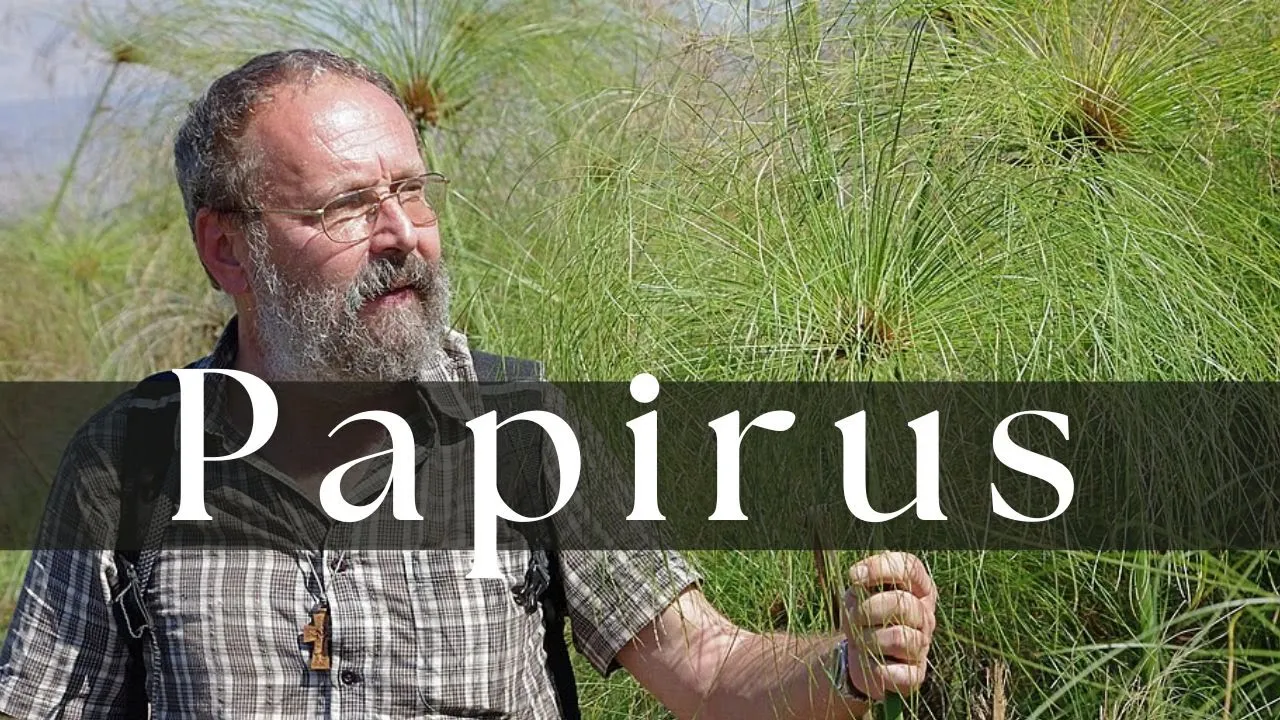
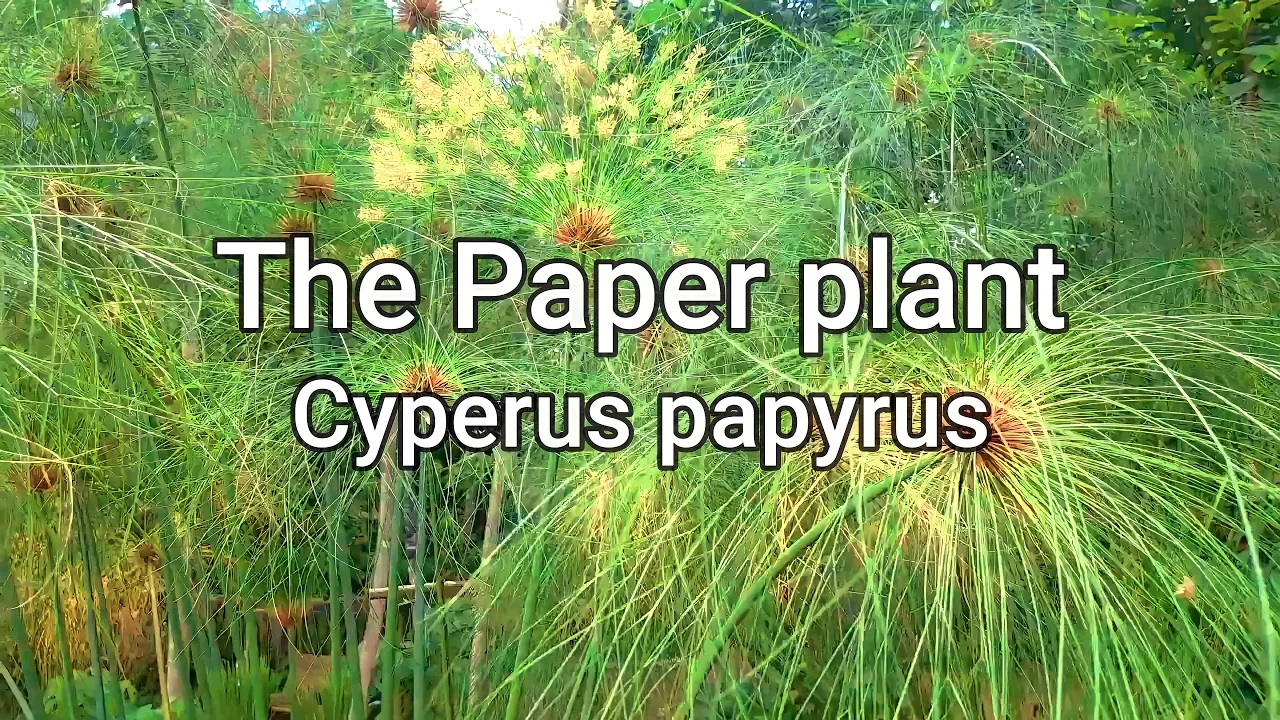
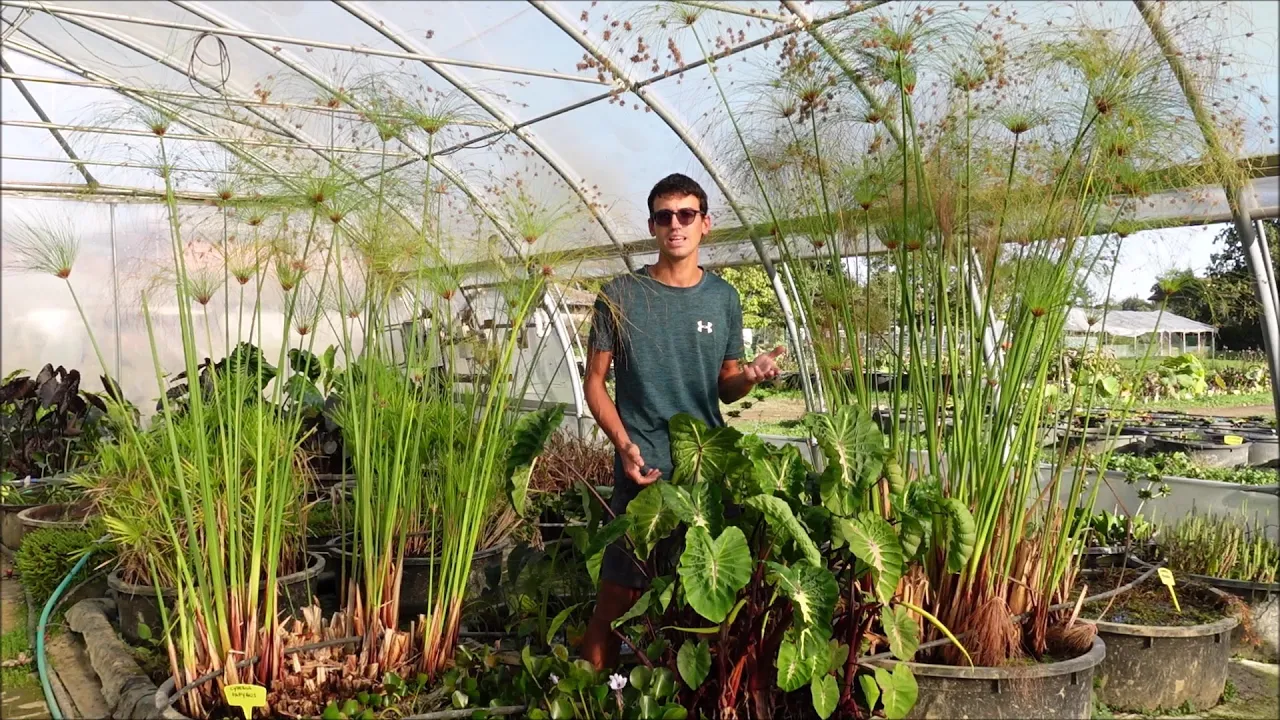



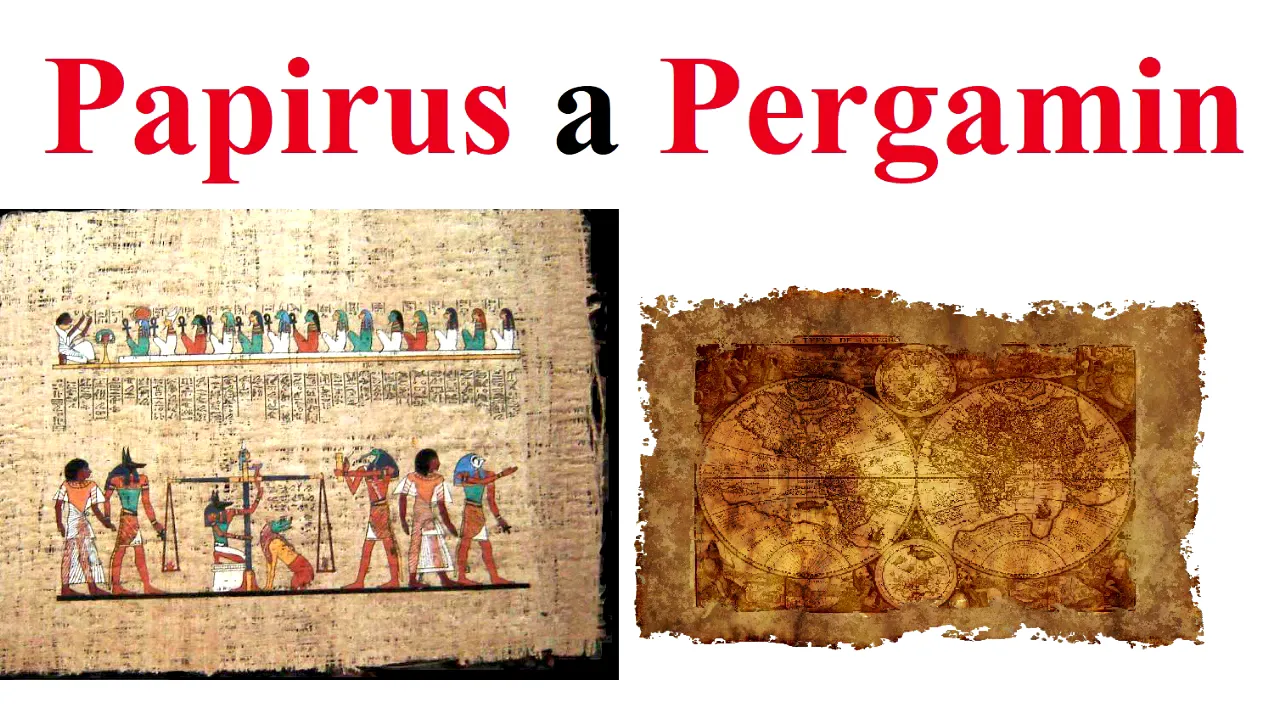

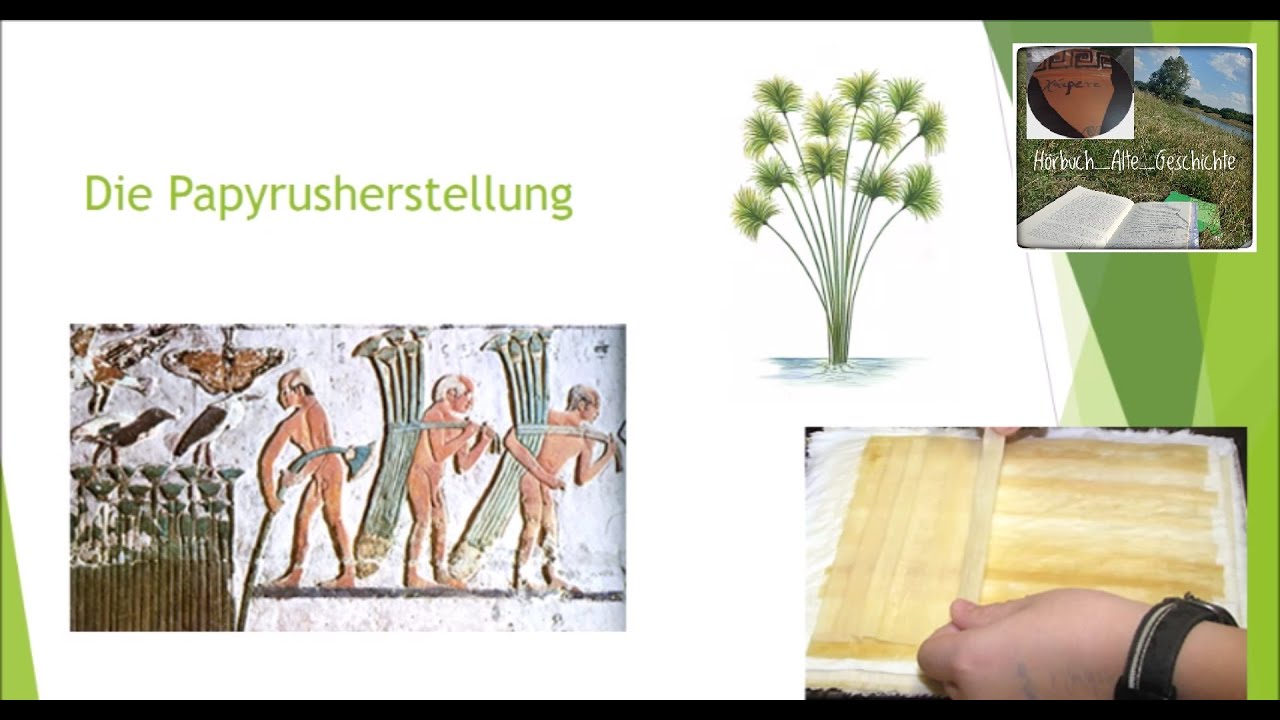










Papyrus paper is made from the stems of the papyrus plant, which grows in Egypt's Nile Delta marshes; the process involves cutting the stem into slices, removing the green cover, soaking the slices in water for one week to become white or two weeks to become brown, overlapping the slices without chemicals or glue, and pressing them under weight for one week, with ancient Egyptians using elephants instead of modern press machines; genuine papyrus is waterproof and durable, lasting forever, while fake papyrus made from banana sugar fades and crumbles within weeks.
How Papyrus Is Made in Egypt: Ancient Traditional Craft
Added:Understanding the historical shift from oral traditions to written records in early civilizations, particularly in ancient Egypt.
Basic botanical knowledge of the Cyperus papyrus plant, specifically its structure, fibrous inner pith, and native habitat along the Nile River.
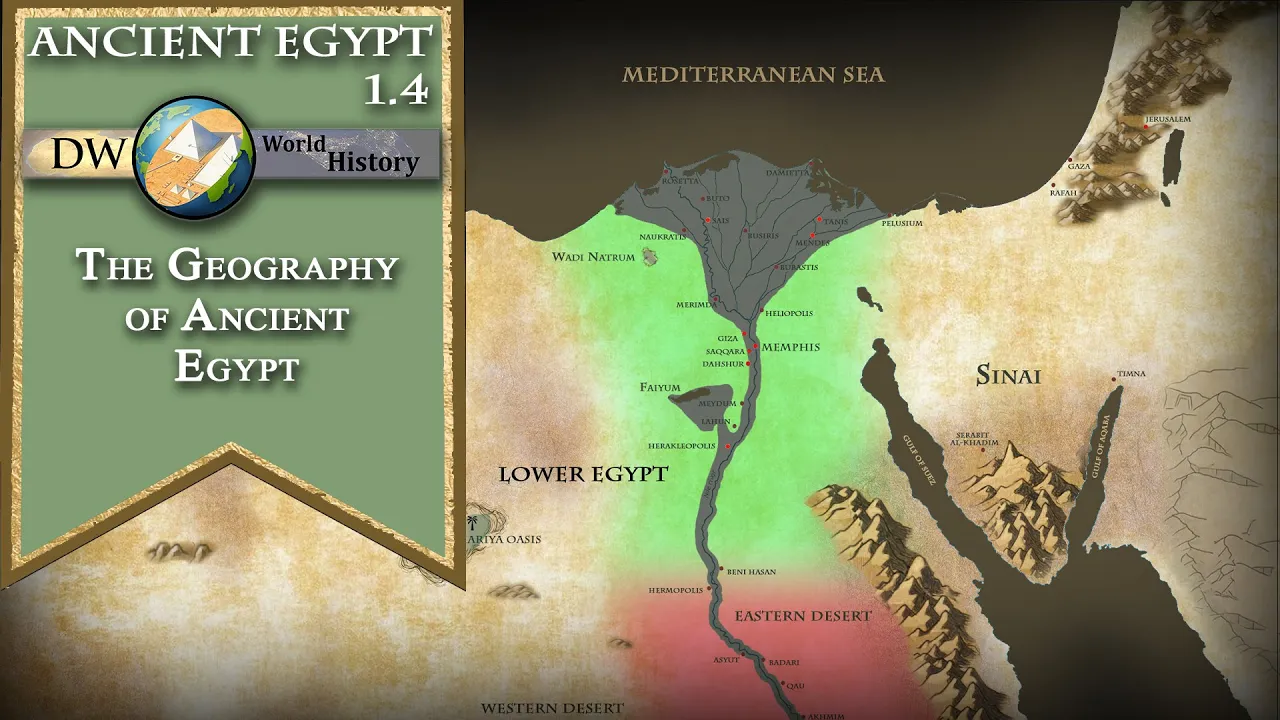
The geography of ancient Egypt and how the Nile's seasonal flooding supported agricultural crafts and raw material sourcing.
The distinction between papyrus, parchment (made from animal skins), and modern wood-pulp paper in terms of material composition.
The academic field of Papyrology, focusing on how historians decipher, translate, and analyze ancient Greek, Latin, and Egyptian texts written on papyrus.
The chemistry and conservation techniques used by museums to preserve, restore, and prevent the degradation of organic ancient artifacts.
The socio-economic history of the papyrus trade, including how Egypt maintained a monopoly on its export throughout the Mediterranean basin.
A comparative study of ancient writing media worldwide, such as Chinese bamboo slips, Mesoamerican bark paper (amatl), and European vellum.
245 views2likes6:30Original Release: 2024-03-17
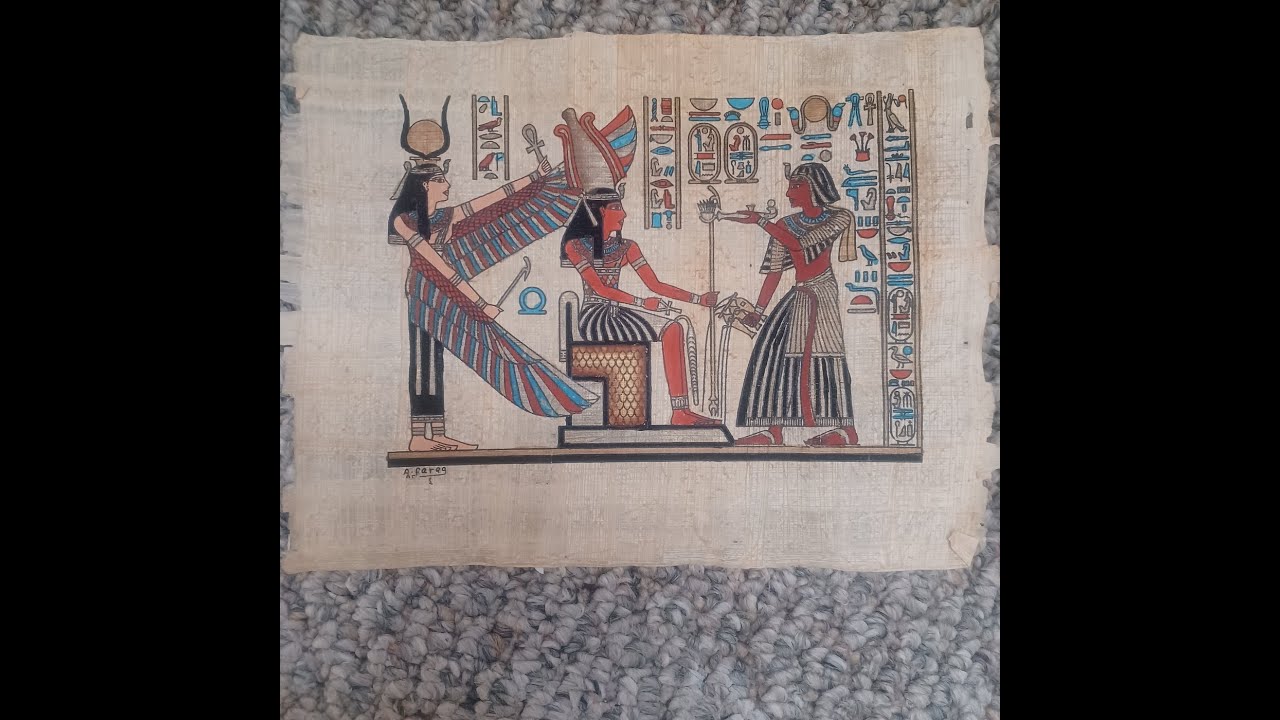
[Music] okay so now welcome everybody what's your name Don doni okay what's your name Kora oh good name Kora doni good name not the ball not the football ball oh oh you know that that's why okay welcome everybody uh here we have the lecture about the plant about the seeds about making Papyrus it's very important to be attentive to listen to ask as well any questions I'm all ear I think English is okay okay the plant is Pap Royal one grows in Egypt around the marshes of the Delta around the N because it needs a lot of water and high temperature to grow up this flower look like Sunrise symbol of the SLE and that stem look like what what the chain what's it pyramid a triangle it's a triangle yeah lucky man to make paper we cut from the step like this size and we remove the green cover my colleages so nothing Quest the green cover they use it to make sandal you use it to make baskets you use it to make boats can you cut it to cut if you cut it I'll give you a big present you know what Egyptian wife oh now yeah so the slice become stronger I love you're from Romania beautiful I like Romania we divided in a slices like this we had to use the hammer like that way Egyptian wife still use it to punish that's why I'm still sing I think they know something see the slices has yes the slices has a star see the slices become stronger if you soak it in the water so they made the paper after soaking it in the water for one week to be white for two weeks to be brown so one week become white two weeks become brown paper to make paper whatever the size big one small one medium we put the slices like this way overlap no chemicals no glue see how they made it we cover it after that to be under the press machine for one week more thousand of years ancient Egyptian they didn't use this press what the ancient people use instead of the press guess what they had used before an elepant yeah on the elephant yeah one week in the water elephant yeah one week under the breast paper it's real Papyrus genuine paper never stronger never F by time never be crashed if you bust into the light you can see the slices into two lines overlap you can see the brown spots papirus is waterproof tou the bottom touch waterprof underneath under so Pap you can wash it it's original papy the fake one is made out of banana sugar can sold everywhere in the street down town is some hotels so you have to differentiate between both of them so this one lasts forever the fake one printed by Machine two 3 weeks maximum the fake color will fade and the B will or the paper will be crashed after that the professor they take the paper to draw by hand yes I have one of my favorites is the family tree or Tree of Life done by the professor of the academy so we can write family names we can write parents and cats the five Birds here represent the stages of the life birth child youth maturity and golden age we can write parents kids whatever the number of the family 5 6 7 2 1 whatever what's this for the wedding Court the most famous love scene the king is with c and his wife she is giving him Lotus symbol of love touching Lotus means become couple husband wife you'll never stick together coup forever so here we can write husband name and wife name and my name at the bottom in her the love what this for like small dictionary we can write anybody's name htics you get a reference like this to translate from A to Z your name or anybody's name any script in hers the calendar 200 BC it's now in the Loof we have the cardinal points depicted by horse the four goddess New Seasons together 12 they are for month their hand is 24 hour in one day and the start sign in the mid they afterlife ancient Egyptian they believe the second life and I was great person like you go Paradise bad guy like me go hell the L person and the judges seven said he is good s said he was liar that's why compitation the dead guy his heart in one B on the scale against the feather of truth if the heart goes down he was not innocent liar so this God will eat the heart anybody if OPP is done he is good he succeeded to go life so he W that so Horus take him to Paradise I wish you enjoy I'm sorry I'm talking too much my Dy to everything right you have the chance to get your name written in hieroglyphics it doesn't cost too much 20 Egyptian bound to get your name and her I have all the Star Sign by the way Aquarius Taurus Leo Capricorn how can you carry yes we roll it up in a tube please let's start from inside this way everybody
Up Next

60:29
Cuneiform: The World’s Worst Script Explained by Irving Finkel
@JprLitFest
133.7K views•2016-02-27

26:22
Walking in the City: Urban Rituals and the Flâneur in Contemporary India
@PSBTIndia
1.9K views•2016-08-02

9:49
FastAPI vs Flask vs Django: Choosing the Right Python Web Framework
@TechWithTim
302.5K views•2024-05-26

1:42
Game of Thrones Opening Credits: A Cinematic Analysis
@gameofthrones
46.3M views•2011-04-18
Related Study Plans & Knowledge Roadmaps
Structured learning paths in General & Interdisciplinary Studies
general-studies
Artificial Light: History, Tech & Human Impact
01The Pre-Electric Era: Fire, Oil, and Gas Lighting
02The Incandescent Revolution and Grid Electrification
03Gas Discharge and Fluorescent Illumination
+ 3 more learning modules
14h6 modules
Explore Roadmap
general-studies
Elevator Engineering: History, Physics & Cities
01From Hoists to Safety Brakes: The Dawn of Vertical Lift
02Hydraulic vs. Traction: The Engineering Physics of Elevators
03Modern Speed, Safety, and Algorithms
+ 2 more learning modules
12h5 modules
Explore Roadmap
general-studies
Rubber: Material Science, History & Geopolitics
01Origins of Natural Rubber & Mesoamerican History
02The Chemistry of Natural Rubber & Vulcanization
03The Geopolitics of the Rubber Boom & Colonization
+ 2 more learning modules
12h5 modules
Explore Roadmap
general-studies
Containerization: Evolution, Logistics & Trade
01Ancient Trade & Bulk Cargo: Amphorae to Barrels
02The Industrial Revolution & Cardboard Packaging
03The Containerization Revolution: Malcom McLean
+ 2 more learning modules
12h5 modules
Explore Roadmap