


























Broad-spectrum antibiotics are effective against a wide range of bacteria (both gram-positive and gram-negative) and are used for empiric therapy when the causative agent is unknown, while narrow-spectrum antibiotics target only specific bacterial groups and are used for definitive therapy when the pathogen has been identified; narrow-spectrum antibiotics are preferred when possible because they reduce risks of antibiotic resistance and microbiome disruption.
Broad vs Narrow Spectrum Antibiotics: Key Differences
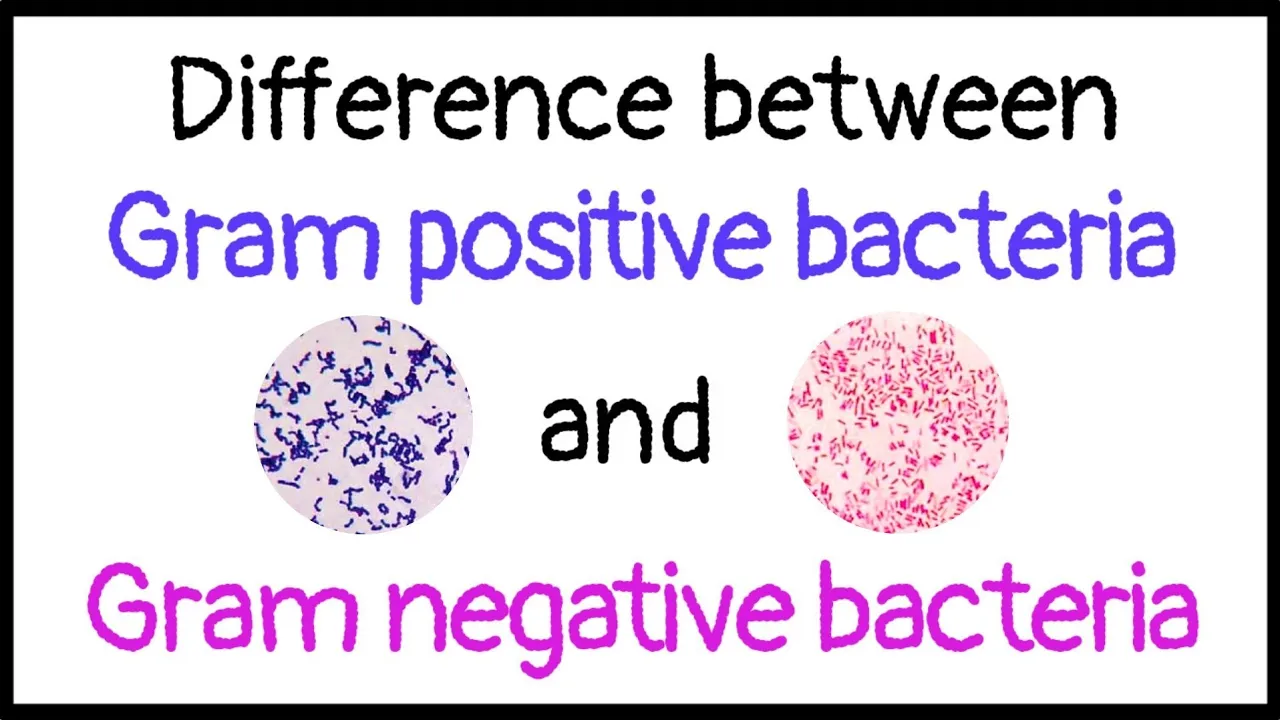
Added:The structural differences between Gram-positive and Gram-negative bacteria, particularly their cell wall compositions.
The concept of selective toxicity and how antibiotics target specific bacterial structures or metabolic pathways.
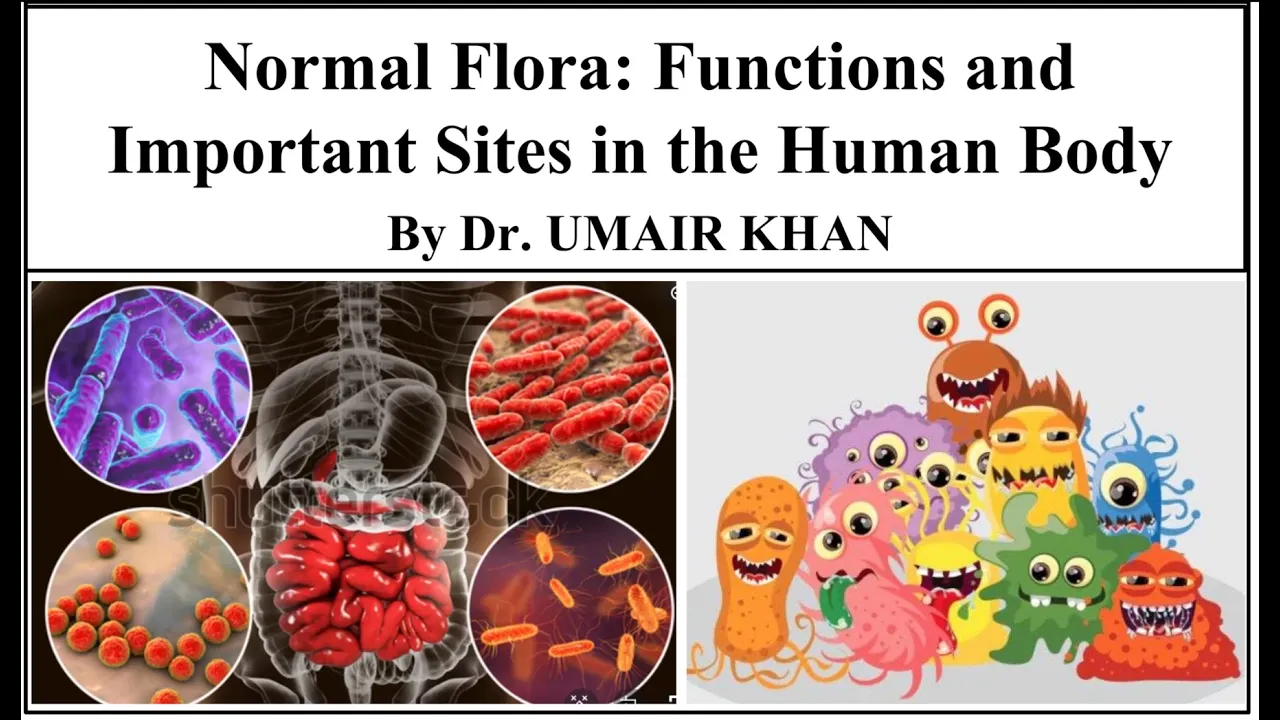
An understanding of the human microbiome and the physiological role of normal, beneficial microflora.
The basic definition of pathogens and how infectious diseases are diagnosed through cultures and staining.
The principles of antimicrobial stewardship, specifically the clinical practice of de-escalating from empirical (broad-spectrum) to definitive (narrow-spectrum) therapy.
The biological mechanisms of antibiotic resistance, including how broad-spectrum overuse selects for multidrug-resistant organisms.
Clinical consequences of disrupting the microbiome, such as Clostridioides difficile-associated diarrhea and secondary opportunistic infections.
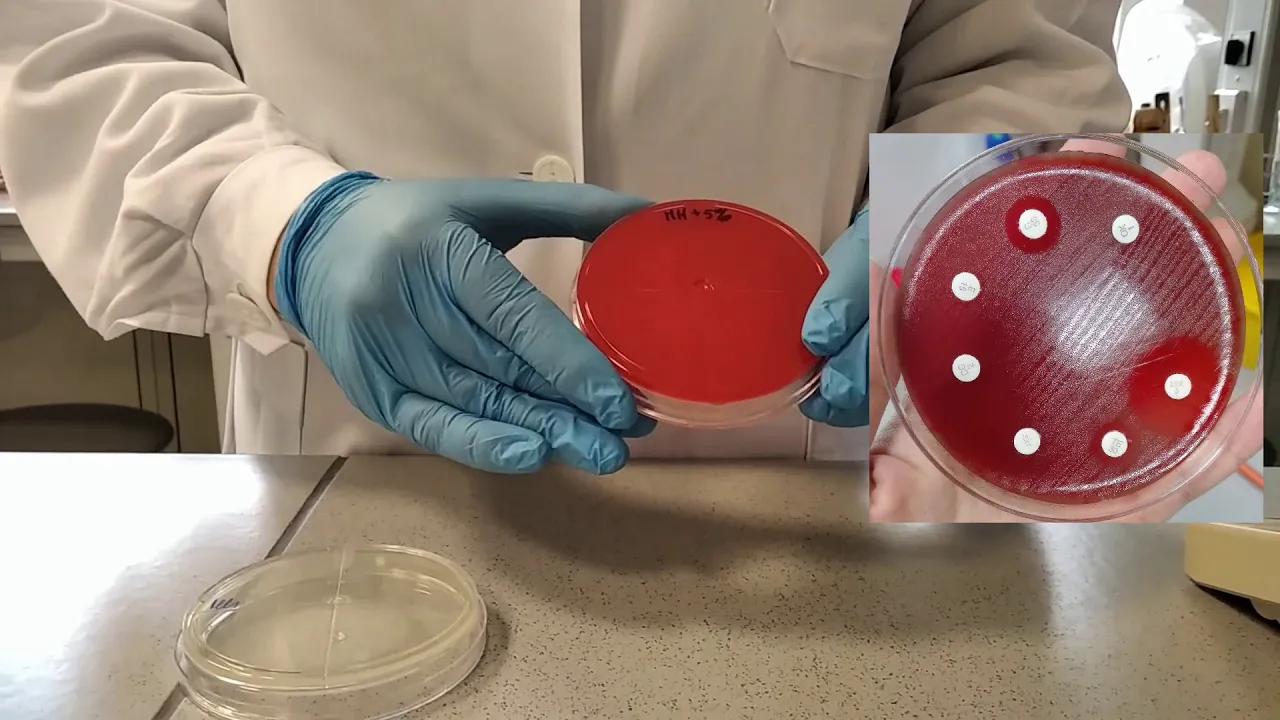
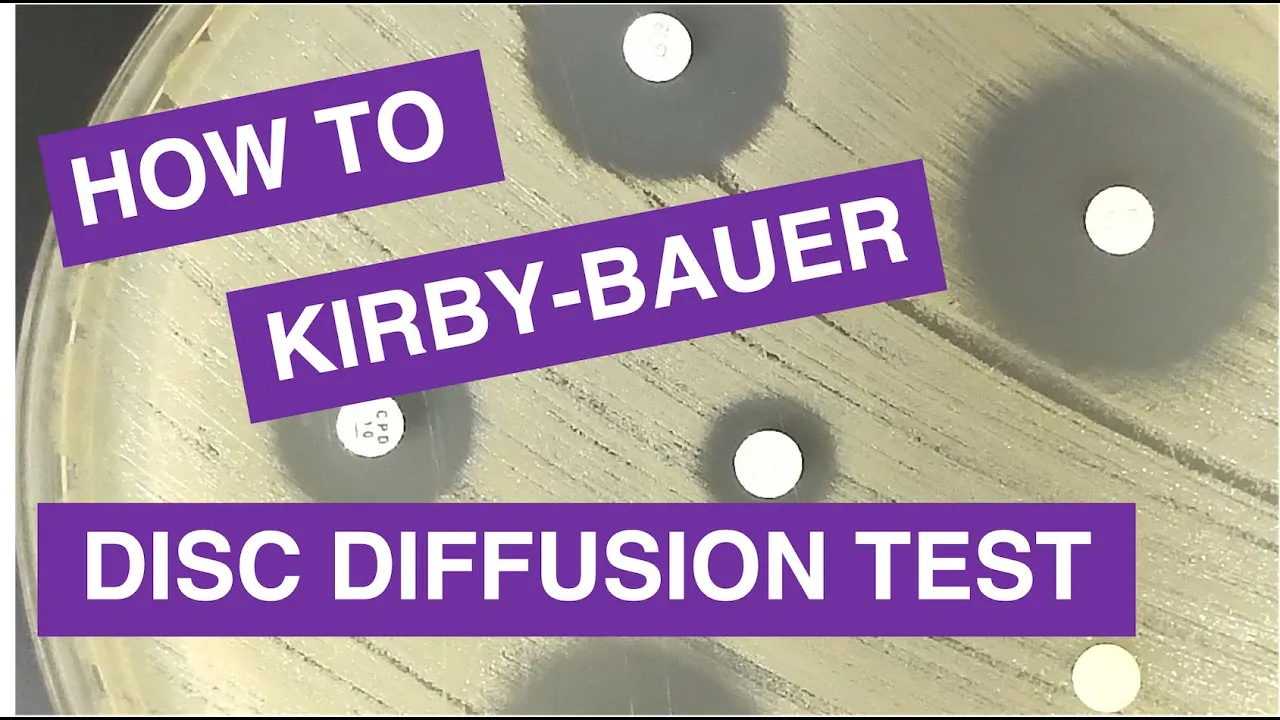
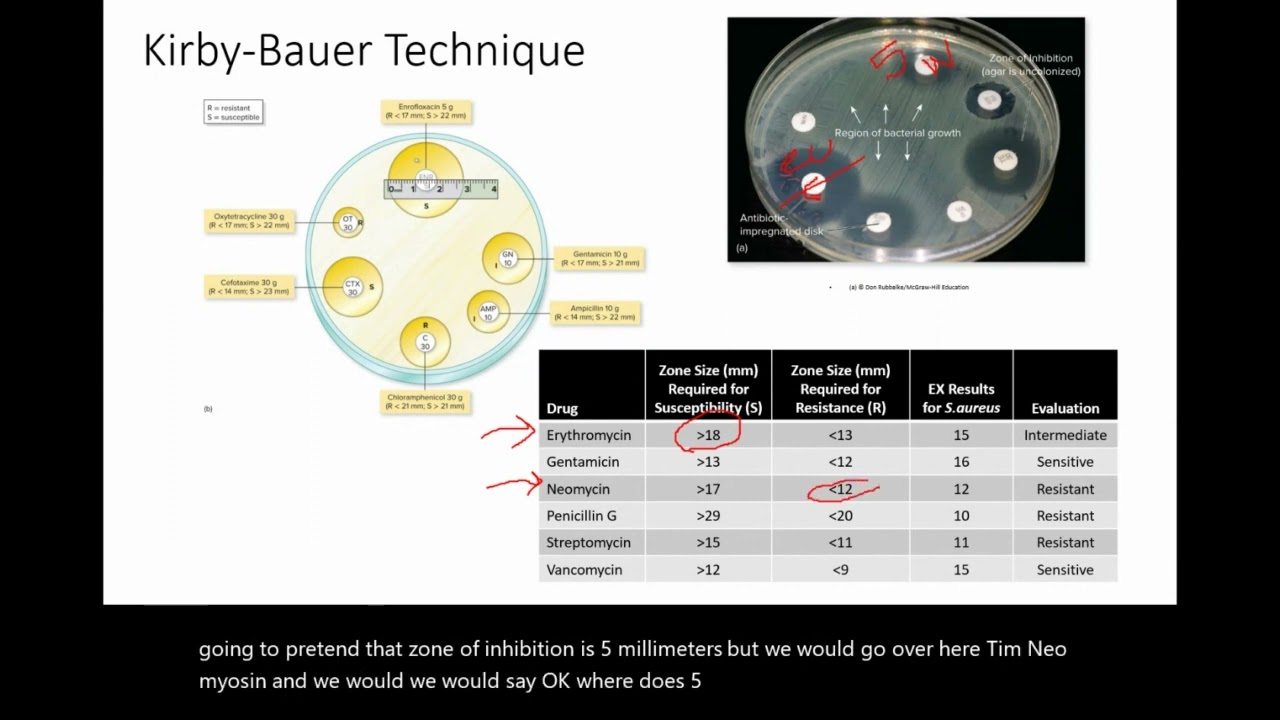
Laboratory methods for determining bacterial susceptibility, including the Kirby-Bauer disk diffusion test and Minimum Inhibitory Concentration (MIC) assays.
42.6K views691likes7:49Original Release: 2019-10-11
hi everyone and welcome to biology professor today we're going to talk about a way of classifying antibiotics this is broad-spectrum versus narrow-spectrum antibiotics so first we'll talk about the broad-spectrum grouping and the antibiotics are classified as a broad-spectrum antibiotic if they are generally effective against a really wide range of bacteria particularly gram-positive and gram-negative bacteria sometimes this term broad-spectrum antibiotics is used more subjectively meaning to refer to an antibiotic that is broadly applicable against a wide variety of pathogens that cause disease but that's a fairly subjective sort of characterization and so more often we see gram-positive and gram-negative bacteria it has to be effective against members of both of these classifications in order to be considered broad-spectrum now gram-positive and gram-negative we're not going to go into really what that means although I do have another video on that topic if you're interested but that's different ways of characterizing bacteria based on the type of cell wall that they have now winter broad-spectrum antibiotics used well they're used when it's been determined that a patient has a bacterial infection but the causative agent has not been specifically identified this is what we call empiric therapy so a doctor has said hey this person has has a bacterial infection and don't quite know what kind of bacteria is causing it and their symptoms are severe enough that we need to be treating them immediately we don't have time to figure out exactly what the infection is being caused by we've got to treat it now so I'm gonna use a broad-spectrum antibiotic for this some examples include ampicillin tetracycline somewhat ciprofloxacin sometimes it's just called cipro these are ones that you might have heard of elsewhere but broad-spectrum antibiotics are not without risks the two main risks we'll talk about them the first one is the development of antibiotic resistance this is something that you may have seen on the news it's a growing problem in our healthcare system and this is when bacteria are developing resistance to our antibiotics and so our antibiotics no longer work to fight infections caused by those specific strains or species that are resistant to that antibiotic and it's definitely a growing problem we have bacteria that are becoming more and more resistant even examples of PAM resistant bacteria this bacteria that are resistant to all known antibiotics and we as a community really need to get some new antibiotics developed if we want to be able to continue fighting these infections another big risk to the use of these broad-spectrum antibiotics is that they may disrupt the microbiome remember that we as individuals have lots and lots of good beneficial symbiotic bacteria living within us whether it is on our skin and our gut in our reproductive tracts we have lots and lots of bacteria this is called our microbiome they do many things for us they helped our immune system Prime there's bacteria in our gut that make vitamin K for us bacteria in our gut that help us to break down our food so that we can get nutrients from our food more effectively they do lots and lots of good things for us unfortunately if you take a broad-spectrum antibiotic its effective against a wide range of bacteria it can kill off your good symbiotic bacteria at the same time that it's killing off the pathogen and so that's a big issue with broad-spectrum antibiotics and the reason that you don't want to use them if you can use a narrow spectrum antibiotic instead and I'll switch our focus to talking about the narrow spectrum antibiotics these are ones that are effective against only a specific group of bacteria so this is when a doctor is able to say hey you have a bacterial infection based on your symptoms or lab tests we can be certain that it is caused by this particular kind of bacterium and so narrow spectrum antibiotics can be prescribed when the causative agent when the bacterium the type of bacterium that is causing the disease has actually been identified so perhaps a sample taken by the doctor has shown that it is definitely some kind of grand positive bacterium or based on symptoms and tests and in a hospital the doctor knows that you're infected with some kind of micro bacterium for example maybe you might go bacterium tuberculosis or something like that and so it's been identified and the doctor can prescribe a narrow spectrum antibiotic one that is specifically effective against just that group of bacteria that a person is infected with some examples of this include penicillin basic trace in polymyxin antibiotics and in general this narrow spectrum antibiotics because the causative agent has been identified instead of being called an empiric therapy this is referred to as a definitive therapy and importantly it has fewer risks compared to using these broad-spectrum antibiotics it's not going to disrupt the microbiome at least not nearly as severely an antibiotic resistance is only going to be a concern within this specific range of bacteria rather than a very broad range of bacteria so fewer risks and so this is the preferred type of therapy to prescribe a narrow spectrum antibiotic rather than a broad spectrum and so about antibiotic and that's just whenever it's possible there are times when a doctor is going to be forced to prescribe a broad-spectrum antibiotic generally because they don't know exactly what's causing the disease but the patient's symptoms are severe not that something has to be done immediately if you are interested in learning more about grande positive and gram-negative bacteria check out my video on that topic if you're interested in another way to classify bacteria that's bass or excuse me um to classify antibiotics that's based on their mechanism of action against bacteria you can check out my video on bacteriostatic versus bactericidal drugs a bit for today thanks for watching biology professor
Up Next

103:56
Antibiogram Interpretation: Step-by-Step Clinical Decision Making Guide
@AJITSINGHDr
467 views•2025-12-21

48:47
Graphic Medicine: Comics for Collaborative Healthcare Communication
@nationalpatientadvocate
189 views•2023-12-04

10:28
Neuroanatomy: Central and Peripheral Nervous System Divisions Explained
@AKLECTURES
136.2K views•2014-09-20

3:05
Stages of Labor and Vaginal Birth | Childbirth Animation
@nucleusmedicalmedia
52.1M views•2017-08-18
Related Study Plans & Knowledge Roadmaps
Structured learning paths in Medicine
medicine
Abnormal LFTs: Diagnostic Workup & Pathology
01Liver Anatomy and Basic Physiology
02Introduction to Liver Function Tests (LFTs)
03Hepatocellular vs. Cholestatic Patterns
+ 3 more learning modules
12h6 modules
Explore Roadmap
medicine
Analyzing Blood Smears: RBC, WBC & Platelets
01Introduction to Blood Components & Smear Preparation
02Normal Morphology of Blood Cells
03Erythrocyte Pathologies & Morphological Variants
+ 2 more learning modules
12h5 modules
Explore Roadmap
medicine
Mechanical Ventilation: Waveforms & Alarms
01Anatomy and Physiology of Breathing
02Introduction to Mechanical Ventilation & Core Modes
03Ventilator Settings and Waveform Interpretation
+ 2 more learning modules
12h5 modules
Explore Roadmap
medicine
Neuro Exam: Localization & Stroke Syndromes
01Foundations of Neuroanatomy and Vascular Supply
02The Neurological Examination: Step-by-Step
03Principles of Neurological Localization
+ 3 more learning modules
18h6 modules
Explore Roadmap