















An antibiogram is a laboratory report that summarizes antimicrobial susceptibility test results, showing which antibiotics are effective (susceptible), partially effective (intermediate), or ineffective (resistant) against specific bacteria. This report is essential for evidence-based antibiotic prescribing, guiding clinicians to choose targeted therapy rather than empirical broad-spectrum antibiotics, enabling deescalation from broad to narrow-spectrum drugs, and serving as a core tool for antimicrobial stewardship programs to combat rising antimicrobial resistance.
Antibiogram Interpretation: Step-by-Step Clinical Decision Making Guide
Added:Basic bacterial classification, specifically distinguishing between Gram-positive and Gram-negative organisms.
Fundamentals of microbiology lab techniques, including how bacterial cultures are obtained and processed.
An introduction to major antibiotic classes (e.g., beta-lactams, glycopeptides, fluoroquinolones) and their mechanisms of action.
The general concept of antimicrobial resistance and how bacteria survive exposure to drugs.
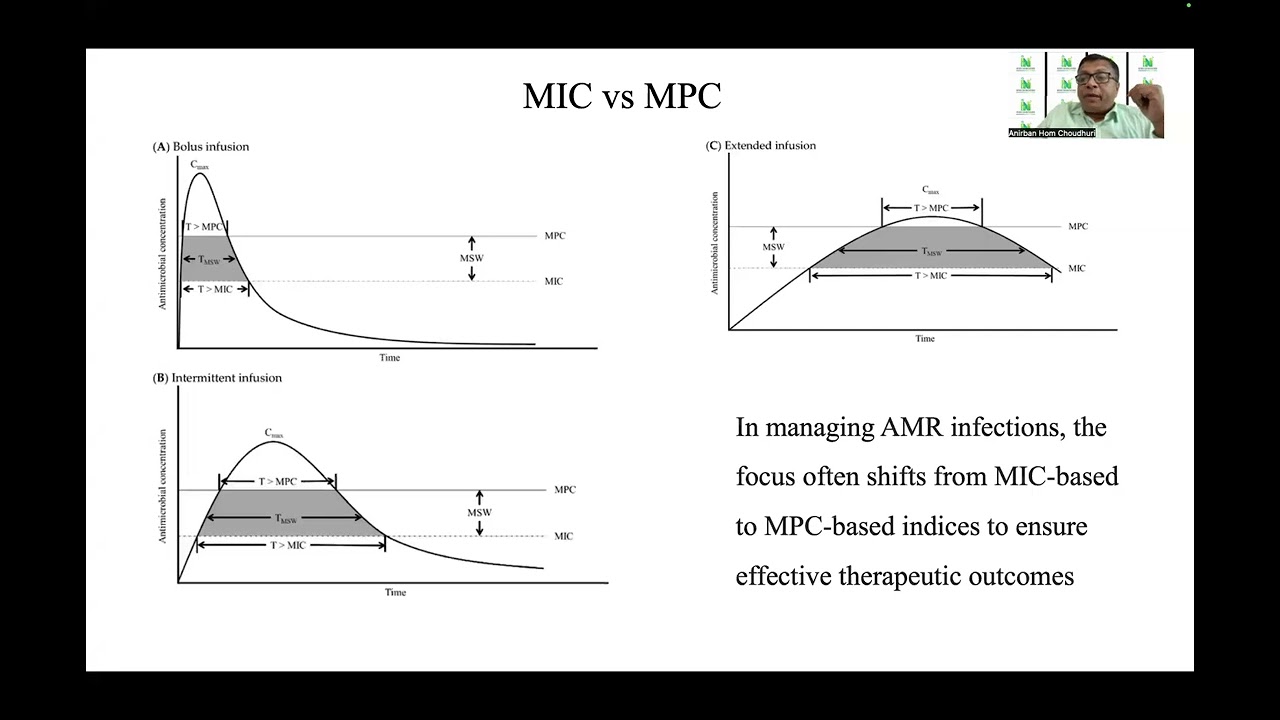
Pharmacokinetics and pharmacodynamics (PK/PD) of antimicrobials to optimize drug dosing based on MIC values.
Implementation of Antimicrobial Stewardship Programs (ASP) and the compilation of cumulative facility-specific antibiograms.
Advanced clinical management of highly resistant pathogens, such as Carbapenem-Resistant Enterobacteriaceae (CRE).
Clinical decision-making algorithms for empirical therapy selection based on patient-specific risk factors and localized antibiogram data.
467 views20likes1:43:56Original Release: 2025-12-21
Hi, good evening everyone. I hope I'm audible everyone. Na, can you hear me?
>> Yes, yes, yes.
>> Great. Thank you.
So, we'll start in a minute, guys.
Hi guys. So I think we should start. Uh good evening all. I am Dr. Aji Singh the founder and uh CEO of climatic solutions and uh uh this is the another free webinar for everyone with certificate.
Okay. So this webinar is uh a part of uh our upcoming program which is going to start on 1st January.
Okay, 1st January 2026, right? So uh let me give you a glimpse. There are two things what I'm here to talk about.
Okay, first is this program and this webinar. So let me just talk to you a little bit about this program. So this is our program. If you haven't seen or if you have seen also this is uh uh no no no no not this I think okay maybe I shared that I'll share later but yeah this uh sorry I think uh okay I'll set the whole screen then only it will be good right yeah so this program I was uh you know talking about so this is our 6 months a first 6 month program and after that because we got lot of recommendations lot of suggestions from people that we should convert this into fellowship but no we cannot convert this into fellowship because this is 100% online and I want to come up with a uh you know fellowship in uh you know antimicrob which has uh uh you know which has extensive hospital practice okay where our founders our fellows who wants to join our you know uh fellowship they can come to the hospital they can join the hospital at least for two three months and they can learn the practice there in the hospital and antimicrobial uh you know schwarzip in the infectious disease department so we are talking to the hospitals and if we get a chance we will even invite some of you to uh get that practice okay but I'm not promising in this course right now okay but this course is 100% you know online six-month program but uh you know as uh this course is not just a course just a theoretical course in this we have a lot of things in this we have included you know uh we have included the practicals we have included the case-based learning and we have included the capstone project okay so you all will be learning you all will be doing it you all will be practicing it okay with Dr. uh throughout and this is a comprehensive course right this is the advanced version of whatever you have seen till date yes but uh you know this is another question that people ask if we can u you know join it uh if we don't know AMS if we are joining it for the first time yes there will be basics also to uh you know make you understand about AMS and then uh definitely we will be you know uh jumping to advanced version of the AMS and related topics right so this is uh 24 weeks program 100% online and you must have seen this there we got the registrations last date is over but considering you know multiple other request we are we are opening it up you know for uh some more registrations you know some more uh remaining seats where we can accommodate uh right so today today only the people who wants to join it after webinar you know you can join it with the same price of $999 otherwise you know the initial price of this course was 9 right but for you because we have come up with two webinars today and on 24th okay so if you want to join you can join this course on this uh you know fees only triple 9 for all 6 months and this is the complete course fee okay this is the complete course fee for uh 6 months you don't have to pay separately if you are joining this so after this webinar you can definitely you know uh if you wish you can join this we will share the links and all okay And other than that you know so today's uh webinar is on antibiogram which is one of the very integral program which is one of the very integral part of AMS and uh every hospital every community centers they have their own you know practice they have their own uh you know guidelines for uh choosing the antibiotics for different different diseases different different infections and uh in that also you know uh they get uh you know lot of uh they include lot of you know uh factors which can you know affect like the cost and uh you know the doctor's preferences and uh the uh you know the uh local uh uh you know problems like uh you know epidemics pandemics and lot of things things are there right and uh so and local prevalence of multiple problems multiple infections and so you will get a lot of things in this right so antibio uh today uh Dr. Dr. Nha will be talking about the antimicro you know antibio interpretations and uh let me tell you a little bit about Dr. Neha. Dr. Niha is a farm graduate and uh she has worked with the one of the prestigious university in India parl university as assistant professor uh for several years and then uh and then she has uh uh you know now she's working with us as our research director uh with Glead. Okay. And she has written one fantastic book the drugrelated problems which has been uh you know Amazon the uh you know the best book seller uh for multiple weeks in past years and she's coming up with the uh you know second part of this book now uh I think in 2026 very soon she will be uh you know coming uh with the second part of the book so a little introduction about nha and uh uh you know she has taken the first part of the AMS as well. Okay. So and now one more uh very important topic guys if you want the certificate you have to be with us till the end and you have to fill the feedback form okay that is not only the feedback form that is attendance form so if I'm getting later that sir I left 15 minutes before or 10 minutes before I got some urgent my network has gone okay so these kind of excuses I'm not going to listen you have to be here and you have to fill the feedback form and that feedback form uh the attendance form will not be shared in any group that is only will be shared here in the uh in the you know uh zoom and YouTube because we are uh you know live on the YouTube as well. So it will be shared only in the live uh webinar. Okay, in last 10 minutes so you have to be there with us.
Okay, and we'll be selling a form. Other than that, I would like to you know I'm very glad I'm very glad uh you know I'm very glad and I would like to you know invite my all the interns. Okay, I'm very glad and I'm inviting my all the you know interns here. Right, let me just uh uh share the whole screen and I'll show you. So in this web webinar and with this webinar because right now I'm in Nagpur I cannot take the uh you know uh their first orient you know orientation program I'll be taking that very soon. So guys I welcome you uh to this internship program which is starting today climate internship and mentorship program lateral entry batch December 2025. I'm telling you uh you know this was in demand and this was in the request since June because we have started our 2025 batch in June 2025 and uh which is going to complete very soon.
Okay, which is going to complete very soon. Okay, but after that I got hundreds of requests. I'm telling you hundreds of requests. So we thought of coming up with this batch of 50 seats, right? But after that we had to increase 80 and I am very glad that we got 85 registrations to that. Okay. I mean we stopped at 50 then we increased 30 more seats and then still after a lot of requests we got five more. Okay. 85 seats we got uh 85 uh interns we got in this seat and I welcome all all of you uh you know with the uh very glad uh you know moment guys. I welcome you and you are going to witness one of India's finest internship. I'm telling you because in this internship you are not just you know uh you know taught with the courses but you are groomed with professionalism, you are groomed with personal development, you are groomed with communications, you are groomed with people management and lot more.
Okay. And other than that like uh you will have lot of uh uh you know courses included one of our uh you know best courses including three in one which costs around 7,000 but you that is completely free in this you will get ICGP trainings you will get research methodology epidemological studies trainings you will get uh you know you will get to know paper writing you will get to know systematic review writing scoping review writing and a lot more okay so this is not the uh bright platform to talk about this but Yes. Uh yes, you know you are going to get a lot and I will be having uh you know one interactive class with all of you with all of you very soon. Very soon means I'm right now in AM Nagpur for some reasons for some uh you know course delivery and uh to take some classes right I'll be back on Tuesday. I'll be having this uh uh you know uh orientation uh for you on Tuesday or Wednesday where I'm back to office or back to Manipal. Right guys? So enjoy this class. Now already I have taken 17 minutes past 7. So I'll not take much time. Please take care and please learn and please ask a lot of questions to Dr. Na. And uh yes don't forget to fill uh the feedback form later, attendance form later. Okay. And uh yeah over to you guys and over to you Dr. Nha. Thank you very much.
>> Thank you. Thank you Dr. Rajit uh for the kind introduction and um I can see I think 250 plus participants are with us. Good evening guys and welcome to this free webinar on antibiogram.
uh I'm so glad that uh you know in such big strength uh students are joining uh and really glad to see so many of DB BM students are here and see today's session uh I can say is not about uh you know memorizing antibiotics or you know memorizing the names and the class and all we are not doing it but we will learn about how to think clinically using this antibiograms okay So this is a this is going to be extra special because many students in you know my personal experience I can uh say many students are not even aware of the term antibiogram right so what it is how to read it what it indicates and why hospitals are using it why institutes are using it uh what is the significance of it we will start from very basic okay we will start from zero and if you are new to this term it will be fun. Okay.
Because to start something from, you know, beginning or from scratch, it is always fun to understand. So, um you know, I uh thought of uh doing this free webinar just to introduce the term antibiogram in front of you. We will start from the basic and we will see some of the you know intermediate level that what is antibio how to read it and what uh you know signifies it and what is the importance of it basically because why should be very clear in your mind if you are learning something okay uh what is the practical um you know thing to handle it okay what is the practical scenarios uh why we need it okay and if I am able to interpret what further you know changes it brings in my daily practice. So this is very uh you know a practical thing. It is not about theory guys. So you should be very clear with the intention. Okay. Your why should be very very clear to you. Okay.
Uh just a minute I think.
Just a minute.
I think someone shares uh the white board.
>> Uh no problem. It's not. Yes, >> we have to we have to take care of this.
>> Okay.
>> No problem guys. Please keep your art right now with you. [laughter] Okay.
>> Exactly.
>> That's perfectly fine if you are uh >> I think there is some glitch or something.
>> No problem. It's fine. They cannot >> Okay. So >> fine please go ahead. They are right now restricted from everything. Okay.
Everything from the chat.
>> So uh you open at the end. We'll open at the end to chat and talk.
>> Okay. You please go ahead. Please go ahead.
>> Sure. So we will give you access guys if you want to speak at the end of the session because of some this kind of you know uh this is the online so we need to take care of this things. Um so people you know students are not aware their mic is open and something glitches are there. So we are restricting you but at the end of the session I will provide the access to you if you want to speak we will discuss if you have any doubt we can solve okay ask as many as questions you want okay as many as questions you have do not hesitate silliest question we can deal with it okay so don't worry uh at the end of the session we will have it okay you can simply put your questions in the chat box also if you don't want to speak okay I will read and I will answer okay so what I was talking about the intention. So your why should be very clear. Whatever topic you are learning, whatever topic you are listening, your why should be clear in your mind that what is the practical thing related to this. Okay. If I know today by the end of this session if I can say you will be able to understand what is antibio but what it indicates how I can practice in your in the daily setting. Okay. If I am visiting a ward round, okay, if I'm participating in the W round, uh how I can read antibiogram, how I can ask, how I can interpret and after interpretation also, what changes I can done, okay, I can do and what further impacts the overall patient care system. So that is what my intention is.
Okay, think it in a very I will suggest think it in a very broad way because we are discussing antibiogram. So it is not a particular class or it is not a particular you know flowchart or algorithm. It is not like that. It is a broad term. Okay. So have broad mindset also to understand it. Okay. Because it is quite complex and I can say to understand antibiogram it is not possible in one session you can understand the whole concept but I can just give you the idea today. Okay. the uh I can say the overall picture or I can at least ignite the curiosity inside you to understand it in you know further ways. Okay. So this is the word which is existing. This is the system which is existing. We if I have a aim to become a clinical pharmacist in future or you know any any uh person who is involved in the healthcare I must be aware of the term antibiogram. Okay. What it is how how exactly it uh you know works and who is uh involved. Okay. So these are the basic thing I can I can say this is the foundation lecture. Okay. This is the foundation lecture uh of the understanding of you know antimicrobial stewardship the big term as a already told that we are launching uh our course okay we already launched and u uh we are starting also from the 1st of January 2026 okay so the course is in a advanced form I think one of you might be having question also in the chat box but let me tell you we cannot directly jump on the advanced way right so we will start from the basic uh we cannot cover the whole basic concept but at least uh you know one to two lecture will be on the basic and then we will proceed with the advanced level. We will talk at the end of the session that what is the course and what is coming inside it. But before that we must learn we must understand the antibbiogram. Okay, very interested topic topic it is and uh it is one of my favorite personal favorite topics all the time to discuss about because many are not aware our system doesn't you know our curriculum doesn't have extensive syllabus on it okay theory be so we are not having those reference books many reference books related to this okay so that is the reason why we chose this topic okay so I hope the why is clear inside your mind before I share the slides. Okay. And if you have guys doubt, I will be very happy uh to interact with you. I will give you the access also at the end of the session.
Okay. So, uh just a minute. I'm sharing the screen with all of you. Just give me a minute.
In fact, uh if the subject and the topic is new to you, I can see your messages in the chat box. So that is as I earlier told you that it will be the most uh fun part to understand this concept from very scratch. Okay to learn something from zero is the most fun part. So imagine and you know think like that and you will be happy at the end. Don't worry.
Okay. So I'm sharing the screen just a minute.
Uh I hope the screen is visible to you guys. Can anyone tell me? Uh just give me a uh sign that the screen is visible.
Okay. Thank you so much. Thank you. Just a minute.
recording in progress.
Okay. I hope the screen is visible to you.
Yes.
Guys, if you have any uh you know, if you found any glitches in between or any kind of uh disturbances because this is online, feel free to u message in the you know, put a message in the chat box so that we can solve that on time.
Okay. So, we can start. Just a minute.
It's just a minute.
>> Recording in progress.
>> Okay. Okay.
>> So, uh let me tell you first that what does it mean? Okay. We will start with the simplest meaning of anti-biogram.
Okay. So, this is the title of our uh webinar. So, we will be having the final antibiogram interpretation. Today I will tell you how to solve it step by step and further you know take a clinical decision on it. Okay. By reading the antibbiogram.
So uh let me tell you that what does it mean? Okay, we have further the slides also with us but uh I will tell you that uh what does exactly mean? Okay, simple meaning and then we will proceed with the slides. So let me tell you guys this antibiogram is nothing but a laboratory report. Okay, in simple terms understand antibiogram is a laboratory report that further you know shows that how sensitive or how the how much resistant a bacteria is having okay uh to the different different antibiotics because we know now resistance problem is much much bigger and it is the challenge in the healthcare right so uh based on as you know in the introduction sir also told us and I also uh give you the glimpse and the idea about the report.
So they are having the institute or the hospital settings are having their own antibiogram based on their epidemological studies based on other factors as well. What is you know uh what is strong resistance they are having in that particular uh uh healthcare setting. So based on that they are having a laboratory report that shows how sensitive or we can say how resistant a bacteria are to the different different antibiotics. I will show you the picture as well at the end of the session how antibiogram looks like but for now just clear your clear the base inside your mind. Okay. So in simple terms we can say you know it tells us the antibiogram tells us which antibiotic will work against a specific bacteria if you found in the culture report. Okay. So if the person is having specific bacteria which antibiotic further helps to treat it. Okay. So by seeing the cultural report by seeing the antibiogram you can choose a better option of the antibiotic that is what the importance the report is holding. So you can actually minimize the resistance pattern and you can target further the you know uh you can make a decision which is more target specific I can say.
Okay. So in simple terms this antibiogram further suggest us that which antibiotic will work against a specific bacteria and which antibiotic will not work against the specific bacteria. Okay. So that is the importance of anti- biogram. Again I will repeat in a very simple definition easy to remember we can say this an antibiogram is a summary. Okay it is a laboratory report. It is a summary of all of the antimicrobial susceptibility results. Okay, I hope you might be aware of the term susceptibility. Okay, so this is a summary report. It is a lab report, summary report of all of the antimicrobial susceptibility results that helps further the clinicians or health care professionals like us to choose the most effective antibiotic for treating any kind of infection. That is what the simplest meaning of antibiogram. Okay. So the next question may be in your mind that is what does an antibbagram generally shows?
I will go forward with the second slide.
But first of all uh in the very first you know uh scenario you must be having a little bit idea about what is coming in the next slides. Okay. So that in a very first uh slide I will I'm just uh telling you the briefing okay the summary and uh the basic meaning of it.
So it will be fun to know further what is coming. Okay. So for now just understand that what is antibiogram and uh what does an antibiogram show? So let me tell you that the name of the bacteria you know which whatever it's isolated for example whether it is ecoli clapsilla or etc. Right? So whatever the bacteria which is isolated from the culture report that is written in the antibiogram and then list of antibiotics which are tested those are also in the report and susceptibility results.
Susceptibility means whether it is a susceptible, whether it is a intermediate or whether it is a complete resistant. Okay. So, SI and R susceptibility, intermediate and resistance. These are the signs it gives. Okay. Sometime shows MIC values as well. MIC means minimum inhibitory concentration.
Minimum inhibitory concentration of any kind of antibiotic which requires to kill the bacteria. Okay. So that is also written in the antibiogram sometimes. So this is how the the introduction of antibiogram is. You can just remember that it is a summary or or you it is a simple lab report showing that which bacteria needs which kind of antimicrobials to treat the infection.
Okay. Now let me start with the uh why.
Okay. Let me start with why because I always start my session with why. Okay.
Because the importance should be very clear in your mind. The intention should be very clear in your mind. Why should be very strong? Okay. So why this topic matters to most and why we are learning this today? So see antimicrobial resistance is now increasing. Okay.
Rising antimicrobial resistance is the global problem, global healthcare problem. It is challenge for us as well.
Okay. Not because we don't have drugs guys, right? But because we often use them incorrectly, that's where the need for antibiogram stance. Okay. So that is not because the resistance is increasing, not because we don't have drugs, but because we often use them very very incorrectly. Okay.
Many times we prescribe or clinician prescribes antibiotics without proper you know properly interpretating this antibiograms and many are not aware of it. Right? So this session will help you to move from you know any kind of guess based prescribing to I can say evidence-based decision making.
Evidence-based means what? Whatever we are having the evidence in antibiogram right that this bacteria needs this antibiotic so we have evidence with us if we are using another antibiotic it will show resistance right because of the pattern because of the pattern. So this is how the importance the topic is holding. So wrong antibiotic is directly the failure or you will be having you will be experiencing treatment failure or the resistance. So that is the reason behind antibiogram. Okay. It is very very useful tool and it is because it is directly shifting your perspective from memorization to decision making and I can say evidence-based decision making.
Okay. So why is an antibiogram important? Because it guides definite antibiotic therapy. I will show you in our upcoming slides what is definite and what is empiric therapy. You will be having the difference as well. Okay, don't worry. So this antibiogram further guides us to the definite definitive we can say antibiotic therapy. It is helping us to deescalate. Okay, deescalation is the principle. I will tell you what it is. Deescalate is briefly I can say starting with the broad spectrum because we don't have any culture report right with us. Once the culture report is with us, once we are identifying the bacteria uh behind the cause, okay, behind which is the cause for the infection, then we are shifting the perspective from broadsp spectrum to narrow spectrum drugs. The technique is deescalation. If I want to do escal deescalation, still I want antibiograms.
Okay. So this antibiogram help us to further do a deescalation. Prevents treatment failure I can say. Okay. So antibio prevents uh treatment failure as well. It is reducing overall antimicrobial resistance and I can say this antibio is a core tool for antimicrobial stewardship. Okay. So when we are talking about stewardships this particular tool antibiogram is very very important. Okay. So that is the importance that is the why this topic matters to us. Okay. Okay. I can start with one simple clinical example so that the picture will be clear in your mind.
See if the E.coli is resistant to septraxon. You know now I think you might be you all might be aware of the term E.coli right? It is the gram negative bacteria right now it is identified in the culture and it is resistant to septri zone. If the person is having UTI and you are identifying E.coli coli bacteria in the culture report and patient is prescribed with sift riox zone but the resistance is there treatment failure for example but I can say susceptible to pepraelin tzobactum on the other side we have another combination of peppel and tzobactum so in case of UTI where the ecoli is found sifton is not effective while the combination therapy is effective what if you are having directly the antibiio in your hand if the person is having E.coli in the UTI you can directly switch to papraculinobactum and you can eliminate septrioxone from trial trial things right so antibio help us to choose the correct antibiotic instead of guessing I can say okay in simple word that is the importance of this topic now let me just share learning objectives with you because uh learning objectives are very important it is giving you the direction that by the end of this session what what you will be able to Understand? So these are my learning objective behind putting this uh webinar in front of you.
Okay. So by the end of this session you should you should feel confident regarding or we can say related reading of a final antibiogram. You should be feel confident. Okay. I will not say you will be uh memorizing or you will be you have to memorize the antibiogram how it should be written. No everything is available on a oneclick on a Google YouTube. Okay. But what my aim behind putting this webinar in front of you is you should be feel confident by the end of this webinar that I am able to understand antibiogram. What it is, how should how should one read it, what the importance it holds. Okay, that is very important. By the end of this session, you should be able to understand the MIC value, minimum inhibitory concentration values. What is the impact of it? You should be able to identify resistance pattern. S I and R is nothing but resistance pattern. Okay, I already told you susceptible, intermediate or resistant. Okay, so antibio in front of the antibiotic and the bacteria that this antibiotic in this particular bacteria it will be S or I or R. Okay. So R it is completely resistant. You should be you should look forward with the alternative agents.
Intermediate you can go forward with it.
Uh risk benefit ratio they susceptible is complete. Yes. Okay. So you should be able to understand this resistance pattern. Okay. You should be also able to understand resistance pattern of like the ESBL or MRSA. I will tell you in upcoming slides what it is. Don't worry.
And also you will be able to understand and you know making a practical clinical decisions. make a clinical decisions instead of just theoretical ones. Okay.
So please understand these are the learning objectives very clearly defined that by the end of this session what you will be having. Okay. So let's start with the what is an antibiogram. I already gave you the idea basic idea about what is antibiogram but we'll see in the PPT. So an antibiogram is basically I I already told you it is a report. It is a laboratory uh you know laboratory report that tells you that tells us that how a specific bacteria reacts to different antibiotic for example Ecoli. Okay. So how E.coli is going to react to the different different antibiotic. How E.coli will respond to Septrioxone. How E.coli will react to give reaction to the prepresentum. Okay. So this is the overall picture. It comes from the antibiogram comes from a culture and sensitivity testing. Okay, it is coming from culture and sensitivity testing and it acts as the guide to choose the right antibiotic. That is why it is known as a course stewardship tool. Many time in interview as well if you are appearing for the post of clinical pharmacist or you know in in any post related to the healthcare they will ask you if you are you aware of the antimicrobial towards ship term if yes what is the course towards ship tools you are having in your mind so the very first tool is reading antibio okay please understand these are the interview specific things we are discussing now okay so it is a summary of data it is coming from culture and sensitivity test. It guides the antibiotic choices and it is a core stewardship tool. I hope it is clear to you and it is clear in your mind that what exactly antibiogram means. Now there are different types of antibios guys. We have different types. It is not like that we have one traditional u you know report in our hand and this is over. Okay. We can have different types of antibios as per our need. Okay. Some can be patient specific which are very important. Okay. Some are hospital basic also unit based. Okay. Some are hospitalwide as well. ICU antibiograms are different. Annual reports are there.
Unit based are there. Cumulative also we have cumulative the word itself has meaning. Right. So each this type has a different role. Obviously that is the reason behind the types. Okay. But today our focus is mainly on the final patient specific antibiograms. Okay. Second part, second portion, bullet point patient specific, we will be having more focus towards it. Okay, patient specific so that the picture will be clear but I will give you the idea about what is cumulative, unit based and annual. So cumulative antibiogram I can say the name itself has meaning. This is a compiled summary of antimicrobial susceptibility data. I can say it is from multiple isolates you know over a defined period for example for a one year for a 3 year etc. Okay. So it will reflecting overall resistance trend trends whatever there are okay in overall healthcare setting which is a cumulative so I can say after one year a healthcare setting or a hospital is having a cumulative antibiogram okay so it will give you the cumulative idea about what resistant patterns we are observing in our particular geographical you know area. So that is a cumulative report. What is patient specific? So an antibiogram generated from an individual patient's culture and sensitivity report for example I am generating a report specific to a person that is a patient specific right and then I am I'm reading it and I am you know choosing the appropriate medicine for him or her okay so that is a patient specific okay it is from an individual patient's culture and sensitivity report to guide further the definitive antibiotic therapy for that particular patient that is a patient specific what do you mean by unit based so antibio prepared using isolates from a specific hospital unit for example ICU specific NICO specific for example cardio cardiology unit okay neurology unit oncology unit specific so these are the unit based to guide further targeted empirical or else definitive therapy in particular unit particular area okay so which requires specialization guys okay because uh we all No, cardiology practice to we need a specialization.
Neurology needs specialization. Oncology needs specialization unit based right and then we have a annual report. So obviously the name itself has meaning yearly summary. Okay yearly summary of institutional antimicrobial susceptibility patterns used for use annual reports. It are you know they are used for surveillance. Okay. Guideline formulation. So uh institute will be having a whole report of one year in in their hand. So they can make a guideline they can make uh surveillance reports okay stewardship planning also. So these are the needs and these are the types of antibiograms. Let me tell you it indicates the same thing guys. Okay where it is using and how it is generated that is based on that classification is done. Okay. So I hope it is clear to you. Now uh what is the importance of final antibiogram? Why final antibiogram is so important? So the final antibio confirms that you know which organism is causing infection.
First of all it confirms organism whether it is ecoli, calapsella etc etc right so it is confirming the the organism which is causing the disease and it is you know causing the infection basically and which antibiotic will actually work against it. Okay. Okay. So it guides a definitive therapy. Okay. So this help us to stop unnecessary broadspectctrum drugs guys. Right. And it is also suggesting us to shift towards the more targeted therapy. We can say more personalized and the precision. Okay. More personalized therapy. Personalized therapy means precision therapy. Right? It prevents misuse. Obviously as I earlier told you one of the great example of UTI. E.coli coli was identified in the UTI and the patient were taking septraon septraon was resistant right so if you know you know at uh at the beginning of the treatment that the septraon is having a resistance in particular situation you might be switching to the combination therapy instead of septraon so it further prevents misuse it uh you know eliminates toxicity as well lots of lots of benefits if you are using antibiogram in a right way Okay. So that is the importance of final antibiogram.
Now uh culture and sensitivity workflow how exactly I I already told you that the antibiogram.
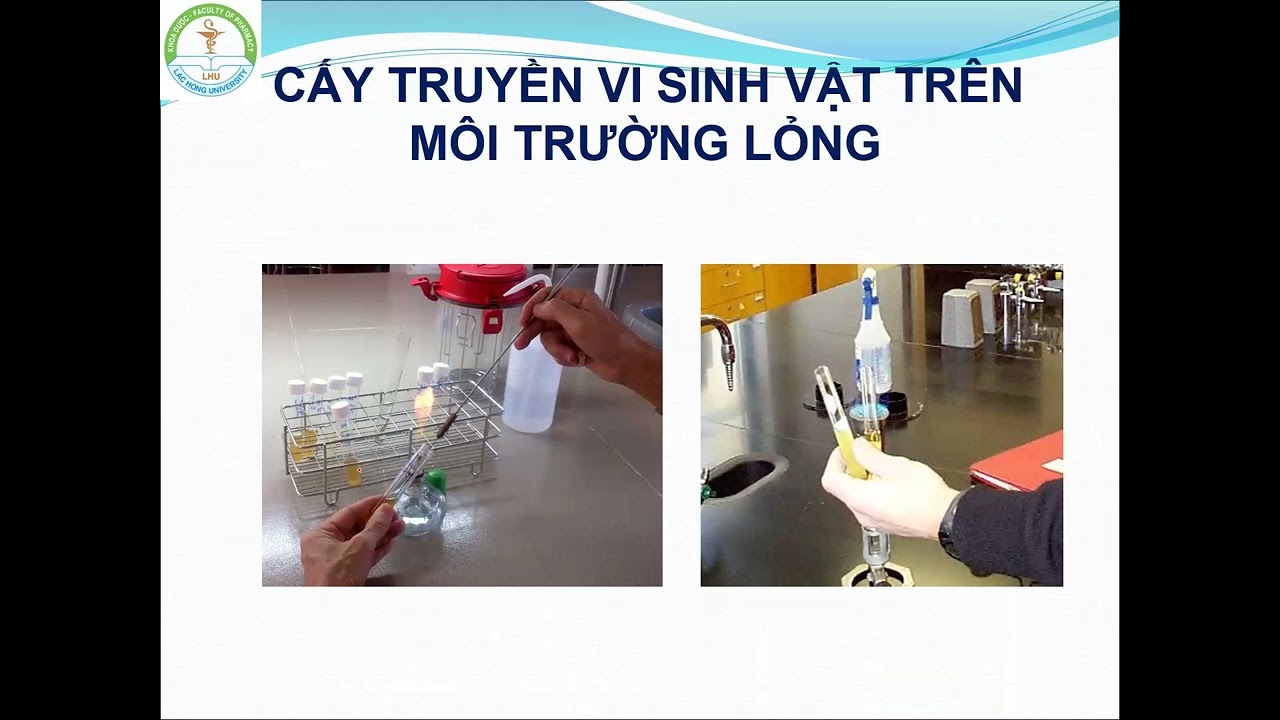
So it it generates from the culture and sensitivity testing. So how how exactly it is happening. Okay. How exactly the process is being done. So this is very interesting to know culture and sensitivity workflow. So first a sample is being collected. First of all sample then the organism is grown. Okay.
Cultural growth are done. Then identification which bacteria is there and then susceptibility testing and then tested the against know testing is done against the antibiotics. Okay. Grow sample then grow then identification and then susceptibility towards the antibiotics. Okay. For example E.coli E.oli example. So that will be very easy to understand. Ecoli is identified and then now you are doing a susceptibility test. For example, you will be having a septra zone with you uh and you will be having a E.coli. Okay. The identific growth and the identification is done.
Now you will check that whether the the molecule of septrixone the chemical moti is able to kill the bacterial growth or not. If no then you will write our an antibiogram. Okay. So that is a resistance. Okay, susceptibility testing and then you will make a final final report on it. See this is not this is this sounds theoretically very nice and easy to understand but practical approach towards it requires skill. It requires further you know uh knowledge and uh specialization to deal with it.
Okay. So please understand the simple process. It sounds very simple but this is quite complex but hospital itself has this thing okay final report with them with them but you should be at least clear with the idea that how exactly antibiogram uh you know uh generates okay so let me tell you what are the components of final report components.
So when you are looking at the report antibiogram always you will be checking patients detail about patient specific antibiogram right so now you have idea that many types of antibiograms we are having we are talking about patient specific today okay so when you look at a report you will always check what patients detail you will check very second thing which is what organism name whether it is ecoli etc etc okay methylin resistance MRS. So you will check what organism is found. Then you will be checking antibiotics which are tested. Okay. There will be a short list. I will show you the uh the real antibiogram at the end of the session.
So the idea will be clear to you. Okay.
You will check the patient detail. You will check the organism which is found which are found and then you will check the antibiotic tested as well. The some of the very commonest antibiotic list you will find and S or I or R. Okay.
Okay. So you will check the SIR status whether it is susceptible, intermediate or resistance. Okay. Also in some antibiogram you will find minimum inhibitory concentration value. Okay.
This is also provided in some uh reports. Okay. So that if you are choosing antibiotic you will be having in your mind what minimum inhibitory concentration I required to kill this bacteria in the person. Okay. Or in the infection further. So mic value also you will be finding these are the components of final report guys and you should be able to read it. Okay. What are the common organisms which you will see? So in the clinical practice you will commonly see the organisms like the very first is E.coli gram negative right? I hope you might be aware of this organisms right very basic very common E.coli coli clapsilla is common, shudamonas is common, stafylocus is common and antocus is also common. So you will find this kind of organisms is written on a column and in row you will find uh you know in a row you will find u uh communist antibiotics and the status will be written okay that the antibiotic against ecoli is susceptible intermediate or resistant klepsila some of the antibiotics are S I or R everything will be written so that you can choose a better option for the patient. I hope it is clear to you common organisms you will find. Now please understand this S I and R status.
Okay. S is susceptible. Susceptible means big yes. Okay. Likely success. You can use it. Okay. So I is here higher dose may work. Intermediate. Higher dose may work. It indicates higher dose may work. It may work at a higher doses or at a certain infection site. Okay.
Intermediate the name itself has meaning 50/50 percentage chances and R means complete no. Okay. Resistant. using this drug will likely fail. Okay. So this is the interpretation guys. You will see some of the common uh see this uh you will see some of the common final report includes this thing. You will see some of the common organisms which are written antibiotics are written and you will see the status of the particular antibiotic in a particular condition.
Okay. So uh by looking at S you can say yes big yes you can go for it. Okay.
Likely success. I means 50/50. Uh higher doses may work. Okay. And treatment failure that is a resistant. Okay. And in some report there is MIC that is a minimum or a lowest uh inhibitory concentration. Okay. So MIC is also written in some of the anti good antibio. MIC stands for minimum inhibitory concentration. If you are noting it down please note it down. This is the lowest possible concentration of an antibiotic that can stop the bacterial growth. Okay. So you can think to you can start the treatment without any confusion. Okay. You can eliminate the complete toxicology risk. Right? So it is the lowest concentration of an antibiotic that can stop the bacterial growth in the patient. Uh lower the mic generally means you know the higher potency guys. Okay. lower minimum inhibitory concentration is equal to the higher potency. But remember MIC alone is not everything. Okay, MIC alone is not everything. We need a whole pharmacological picture clear in our mind, therapeutics clear in our mind to make a clinical decision guys. Okay, self report we can take a decision. It it just helps you. It it gives the idea, it gives the shity that you can proceed with this dose, this medicine. Okay. But it is alone not u you know it is alone it is not everything. We need lots of things with us. Okay. Compare within the same class. Okay. We need to compare everything all together. So these are the uh important components in the antibbiogram. Now MIC versus break points. Now there is a thin line difference between these things. You must be aware of these two different terminologies when we are uh doing a discussion related to antibiogram. See mic values are interpretated using break points guys okay which are defined by CLSI or EUCT these are two different terms very important terms uh I can give you a short explanation but first of all understand you know uh these are the break points defined by this two okay defined by this two that's why the same mic can be you know labeled as S or R depending on the break point I can say okay so if it is sounds confusing to you let Let me just uh you know give a basic idea about what it is. CLSI stands for Clinical and Laboratory Standard Institute. If you are noting it down, please note it down. CLSI stands for Clinical and Laboratory Standards Institute. This is an international organization guys. Okay, CLSI it is an international organization that provides some of the standard guidelines. Okay.
Standard guidelines and antibiotic susceptibility break points be provide.
Okay. So it is used to interpretate further any kind of culture and uh culture result or antibiogram results.
Okay. It this CLSI mainly followed in USA and uh now in many Asian countries as well. Okay. So this second is the EU CASD that is a European committee on antimicrobial susceptibility testing.
The full form of this is a European committee. EU means European, C means committee on antimicrobial susceptibility testing. Okay. A now this is again a European body that sets evidence-based break points. Okay.
Every guideline is there for antimicrobial susceptibility test. Okay.
And this is also widely being used across Europe and increasingly adopted now worldwide. Okay. So these two bodies are there which are giving a break points related to the whole u you know the antimicro antibio. So mic interpretated as the s i and r minimum inhibitory concentration interpretated further whether it is susceptible whether it is intermediate or whether it can be resistant. Okay mic alone is not enough. Now the idea is clear in your mind. So whenever we are discussing about antibio and mic you should be clear having idea about these two different bodies. CLSI and EUCSD both are you know okay both of these bodies have the same uh concept same principle they are working on okay so both of them are international and they are international organization providing a standard guidelines okay for antibi antibiotic susceptibility break points okay so this idea should be clear to you now let me discuss about very common mistakes uh people are having while you know handling antibiogram. So one common mistake is choosing antibiotic with the lowest MIC blindly. Okay. So people are playing safe. Okay. Blind MIC selection.
So that is the biggest mistake while handling antibiogram and uh while you know uh in fact while guessing also blind mic selection is mistake. Okay. uh blind means do you don't have any evidence to start with minimum inhibitory concentration and you are uh simply doing a guessing that this this dose might help okay so this is the blind mic selection also another mistake is ignoring the infection site or the patient's condition okay infection site con which is very very important because when we talk about infection site play a huge role okay whether it is internal infection whether it is uh external infection what is the site of infection right because it can spread within seconds right so another mistake is ignoring the site and I can say patient you know condition so clinical context is always more important than the numbers alone I can say ignoring patient related factors overuse of broadsp spectrum agent you know clinicians and healthare professionals are using broad spectrum just because they are not sure enough that the culture report will show this bacteria right so we can start with broad but once we have a culture report with us, we can deescalate further to the narrow spectrum, right? Because broad spectrum uh drugs will um have some you know adverse drug reaction and it it comes with the huge side effect profile. So as soon as possible we should deescalate and deescalate right for that one of the tool is this reading antibiogram. Okay. So these are the some common mistakes. Now very first now let's discuss about antibiogram and we will be having a steps now. So very first step is to identify the organism.
So first question to ask is what organism it is. Okay. So it is a gram positive or a gram negative. Uh I'm so sorry that is I think negative word negative sign is removed but that's fine you can understand. Just understand that you will be having question in your mind what organism it is whether it is gram positive or gram negative. Second question, is it a true pathogen or just a contaminant one? Okay, very important concept. Okay, whether it is a true pathogen reason behind the infection or it is just the contaminant. Okay, the word itself has meaning. So this step sets further the foundation for all of your decision. Many antibiotics are there which is important for gram positive but not negative. Some antibiotics are having direct action on the gram negative. Okay. So on once you know the results once you know whether the patient having the infection is because of gram positive or negative and once you know the second question's answer that is the whether is it a you know true pathogen or just a contaminant this sets further the foundation for all of your decisions. Okay also you will check whether the infection is community based versus hospital acquired. Okay.
Hospital acquired UTI is very common because of poor hygiene. Hospital acquired tuberculosis. Hospital pneumonia. These are commonest examples.
You will find that community based a hospital acquired hair. Okay. So this is the very first step to know about the cause the organism. Okay. Second is resistant red flags. Now always scan the report. You will scan the report for the red flags like ESBL, CR, MRSA, VR or XDR pattern. I will told you. I will tell you what are the full forms. Don't worry. But you will see the resistant red flex. Now these are the names you can see here. Then the bullet points those are the names of resistance patterns. Okay. So this indicate limited options I can say and the need for careful antibiotic selection. We'll start with the ESBL. ESBL is stands for extended spatum beta lactose. I'm again repeating extended spatum beta lactose.
bacteria that produce enzymes called the lactomse these are capable of breaking down your panicellin group and you know all kind of sephalosporin as well. So in ESBL type of the resistance you cannot use penicellin or sephalosporin because it leads to resistance to the most of the betalactum antibiotics. The name itself has meaning ESBL extended spectrum beta lactomasic enzyme secret panicellin or broad broadspectctrum sphosporins resistance develop right they are not having any effect of beta lactum antibiotics you identify to you should be able to you know you should be able to use some alternatives right second is CR C stands for caren resistant antobacterials.
I am again repeating carbopen resistant antobacterials. Now this antobacterials that are resistance to carbipenam carbipenms okay caripenms resistance antobacterial C okay these are often leaving very very limited and the last resort treatment options guys okay C identify option for okay broadly you can remember third one we have MRSA pattern MRSA means methsylin resistance stylocus orus okay methsylin resistance resistance stylocus orus. This is a strain of stafylocus further you know the broad category stylocus and MRSA this is a strain of it okay which are having a resistant clear resistance to methsylin okay and most of all the betalactum antibiotics and let me tell you guys MRS biggest challenge right so betalactum antibiotic effective next we have vre is a wankcomy resistant anterocus you must be aware Wenkcomyin. Okay. So, antrocous species that have developed resistance to venkcomy. So, again limiting treatment choices. Okay. Next we have XDR. XDR means extensively drug resistance.
Okay. We we must know the term MDR.
Okay. Multiple drug resistance both common term, right? But what is XDR? XDR is one step above. Okay. Extensively drug resistance. Okay. So bacteria that are resistant to nearly all of the classes of antibiotic that is XDR with the you know susceptibility remaining to only one or two agents which can you can consider as a last resort drugs. Okay.
So last option. So that is XDR also it is sometime known as a PDR that is nothing but extensively drug resistant.
Nearly all classes of antibiotics will be resistance. Okay. So you can have a oneline you know clinical uh tip I can give you here. So these resistant patterns whether it is ESDL, CR, MRSA, VR or XDR these are the red flags on an antibiogram guys. Okay. And signals also which gives the signal also to you the need for careful antibiotic selection while handling this kind of red flags in in the whole antibi you know in the whole antimicrobial stewardship program.
Right. So resistance red flags you can identify this in antibbiogram. Okay in the report I hope it is uh making sense to you. ESBL let's understand ESBL in a very short way. ESBL I already told you the full form. Okay, ESBL is a very important term extended spectrum betalacttomase and this is producing the uh organisms which are resistance to most of the panicelline and syphalosporine as I earlier told you here it is written very first bullet point syphalosporine resistance. Okay, penicellin is also resistant. uh carbopenm are usually effective in this case but imagine CR case carbopen resistance antirobacttor in that scenario caripenm use but in this case carbopenam sensitivity is you know effective but in mid- infection this you know in mid infection bli combination may work okay so there is a one combination known as blbli that can be that can be useful this all things are written in the antibbiogram okay severity always matters guys whatever drugs we are uh choosing for the patient what is the case what is the severity status that matters a lot okay so that is ESVL this is caripanm resistant anteroacterials [clears throat] these infections are difficult to treat as I earlier told you and this often requires a combination therapy okay CRM we required a combination therapy and they also demand some of the strict antimicrobial stewardship uh you know principles very limited option Caribbean resistance and needs a stewardship combination therapy is required. What about MRSA and VR? So this is again a very very important word MRSA methylin resistance stafylocusaurus.
So you can directly avoid betalactum won't work and for VE wenkcomy resistance anteracterials treatment options are even more limited guys very limited agents we are having. So drug choices should always consider based on severity and the patient's own condition. Okay, let me tell you about the methasylin resistance strain of this sephalocucus orus that is resistance to methyline and the most of the betalactum antibiotics requiring treatment with you know like agents like vancomycin linazolid or dabot other than that I can say daptoycin these are the things you can use in MRSA okay and in case of v treatment options are more limited okay so living very limited treatment opt options with us.
We can use in that case linazolid or deptomy. Right? So these are some alternative agents uh which you can use in the MRSA and v. So this is the second step guys. First is identification of organism. Second step is choosing this red flex understanding this red flex and third is match this antibiotic to the infection site. So I told you that in common mistakes that the patient uh you know the clinician and healthare professionals are doing they are ignoring infection site. Okay but not all antibiotic reach to all of the body sites equally. Okay you must be aware of the first pass metabolism and lot of factors are involved. Okay. So not all the antibiotic reaches to the all of the body sides equally. For example nitrofurent example.
So nitrofurent you know works very well in the uh UTI urine infection but it is not effective in the bloodstream infection site is different. Okay. So your antibiotic choice should be different in you know in case of the same bacteria is causing it. I hope you are understanding it. Ecoli is responsible for UTI and E.I is also responsible to cause some bloodstream infection as well. But the site is different. You cannot choose antibiotic.
Okay, for example, nitrofurondoins works very well uh in UTI, urine infection, but it is not as effective in the bloodstream infection. You cannot use it. So, always match your drug to the infection site. Okay, urine, blood, lung, these are the sides you can have a you know clear idea in mind. Drug penetration also matters. Many factors are there. You you should be aware of PKPD. Okay. Okay, phagocinetic dynamics and example I already told you. So third process once you know the organisms once you know the red flag okay third is the infection site okay now fourth step is patient specific factor common mistake they are doing a common mistake that they are ignoring a patient related factor so you must be aware of the patient related factor consider their renal function consider their liver function why because uh uh these two organs are very important when we talk about the phocinetic dynamics of any drug right 90% of agents are having elimination root from renal okay if the patient is having any kind of renal impairment we cannot proceed with the drug if the patient is having any kind of hippatic impairment again your first pass if the tablet is there first pass metabolism won't won't help you right so it is it is the process is involved and your hippatic things are not healthy so you must check renal and hippat condition you must check age because age related factor factor is the is is huge right? Whether the patient is having uh 60 more than 65 years of age you should check the comorbid condition multiple factors obesity status okay social habits and all age is the biggest thing pregnancy is comes under the special population category right so in case while we are handling a special population we always need extra precaution we need extra precautionary steps while handling this situation right so the best antibiotic on paper may not be the safest for these patients guys. Okay, patient specific factors consider patient to patient differ and this requires skills, this requires experience, this requires broad mindset as well while dealing with these things, right? So best antibiotic on the paper may not be the safest. Okay, allergy history also you need to identify. So that is the fourth number of step. After learning these all of the things all together, next is deciding empirical versus definitive therapy. For now just understand the concept clarity. What is empirical and what is definitive. Okay.
So empirical therapy is started before the culture results. Uh we have okay empirical before report. So that report is having a gram negative or positive bacteria which bacteria and all. We will start with the broadspectctrum antibiotic to you know uh to prevent the symptoms. Okay. Uh I can say I cannot say cure but I can say preventing a symptom. I can start with the broad spectrum. So that is a empirical therapy. Definitive therapy on the other hand is choosing a u you know deescalate choosing a precise or individualized therapy that is a definitive which can be done after antibiogram reading. So now you have culture report with you, you have antibiogram with you and now you are doing a deescalation. Narrow spectrum preferred deescalation means switching from broadsp spectrum antibiotics to a narrower. Okay, targeted antibiotic based on whatever culture result you are having, whatever antibiogram results you are having.
Okay. While the patient is clinically stable or improving, you can do a deescalation further. So that is our next topic. I hope it is clear to you what is empirical and definitive therapy. You can have a a further the decision. Deescalation principle. I think um this is now clear to you.
Deescalation means switching from broad spectrum to a narrow spectrum. It can reduce toxicity. As I earlier told you broad spectrum comes with the huge toxicity profile. Okay. Resistance thing and all because we are not clear that what we are targeting a specific organism which is responsible to cause infection or not. Okay. And then you are doing a deescalation then you are uh you know treating patient more towards target oriented. Okay. So that reduces toxicity resistance and cost also without harming the without harming the patient's outcome. So that is overall deescalation principles. This is the one of the very important case to understand when it comes to ESBL extended spectrum.
Okay betalacttomy. So in this case ESBL Eoli is isolated from the urine. Just understand the case. If the patient is in a stable condition, oral phosphomycin may be enough. Okay. In severe cases, you can have a carabipenm because it is a ESBL. You cannot use any kind of betalactum. Okay. Or a panicellin or a sephalosporin. So this is the treatment options you can have in your mind. Why I have put this case? Just to just make you understand about how to make a decision, how to make a clinical decision. Trust me guys, it is not that easy. Okay, it sounds theoretically very nice, but when you are handling a case practically, the scenarios are different. Okay, the case scenario is different. Patients complaints are different. So based on that, we need to take a decision. But for now, I can just give you a hint. I can just show you the path that this is how you can uh switch your thinking capability, okay? Or ability to choose a drug. So I am just showing the direction, okay? While putting this case in front of you.
Second case is BSI that is a bloodstream infection. BSI means bloodstream infection CR antibiogram [clears throat] that it is a CR. CR means carbopenm resistant. Okay. So you cannot use here the carbopenm right. So C organism in a blood is a serious condition guys. Bsana that is a serious condition. Combination therapy and the infectious disease consultation both are required. Okay. ID consultation means infection disease consultation and combination therapy.
Now this is where the stewardship becomes critical right because this is a bloodstream infection and in which you have a carbon resistance okay so this is this is how the critical uh the stewardship principle becomes third case is MRSA SSTI SSI is a skin infection guys okay methsylin resistant stphilocus or a skin and soft tissue infection SSTI stands for skin and soft tissue infection okay MRS Skin infection wenkcomyin or linenazolate can be used here. You cannot use any kind of methylin because it is a resistant.
Okay. So venkcomy versus linolid. You should be uh taking choice from these two based on the case based on the severity based on the renal function as well. Okay. So this MRSA SSTI refers to the I already told you soft sorry skin and soft tissue infection caused by methsylene resistance orus. Okay to cellulitis. Boil wound infection where you know common betalactum antibiotics are solid ineffective. Okay.
So that is how you can choose. Okay. So antibiogram and stewardship what it is antibiogram help us to prescribe or to decide rationally. What do you mean by rational prescribing? Right drug right dose right time uh you know right frequency right interval to the right patient at a right cost. I can say so if everything is right that is rational okay rational use of medicine or a quality use of medicine we can say theoretically sounds very nice practically rational approach her maintain it's quite difficult okay so rational prescribing is our goal and antibiogram help us to further achieve this goal it improves outcome patient outcome better outcome and it prevents resistance so cost reduction say right they are the backbone this antibi programs are the backbone of whole anticrobial stewardship programs.
Stewardship is continuous monitoring guys. The use of your antibiotics or antimicrobials. You are watching it. You are monitoring it. That is the stewardship. Okay. So when I say antimicrobial stewardship means handling your antimicrobials with extensive care.
Monitoring it after it. after effect follow-offs monitoring these all are the words which comes under the umbrella of stewardship okay but if I have aimed to do antimicrobial stewardship one very strong backbone what I have is antibbiogram okay what are the roles of pharmacist so pharmacist play a very crucial role key role I can say in interpreting you know interpretating antibiograms you can actually read it when you know it okay you can suggest do those adjustment bas based on your pharmacological and therapeutical toxicological knowledge.
Okay. You can adjust the dose and you can guide the deescalation techniques as well. Recommend therapy AMS participation is when you are comparing the salary of Indian clinical pharmacist with abroad clinical pharmacist. This is the factor guys. They are doing this things and we are not. Okay. So these are your prime responsibility sole responsibility to uh you know integrate AMS principles in your daily setting and uh when you are appearing as in you know you are doing an interview and giving an interview for a post of clinical pharmacist and they ask you about this you are blank that is the reason behind the low pay right so these are very important things which are not written in the books and reference books are not having it but practically you need to deal with it right you should be able to interpret reports. You should be able to recommend therapy and that is all about AMS participation. This is a growing clinical role for family professionals guys. Okay. So this is these are the ways you can have a strong knowledge and then you can go for an interview so that you can ask for a better pay. Okay.
There should be a role also for the pay.
Right? So these are the roles. Now these are the key takeaway. I will show you after this slide how exactly antibiogram looks like. Okay, but these are the key takeaways. Antibiograms are not just lab reports. They are clinical decision tools, not just a table. It is a clinical integration. Okay, always integrate patient related factors, infection site, severity altogether and then deescalation. Okay. So that is very very important thing. See this this is the sample of cumulative antibiogram for gram negative bacteria guys.
Now I hope you should be able to understand. See beta lactums are written here and panicellency phalosporin carbopenm are written here and uh the short forms of every uh medicine is written here. For example a am a am a am a am a am a am a am a am a am a am amp you can have am means ampicylin. Okay.
Then we have amc right. A is amoxicylin clamonic acid. We have tzp. Okay. So every uh the name of the drug which is written in you know below the table whole full forms are written. These are the names of drugs. Okay. C O then we have C A Z and C O is sephosolin. Okay.
ETP is atropenimm. So sept septazidm okay these are written these are the just a minute I can show you like this.
So these are the drugs name. See okay the name is written here. Okay, these are gram negative bacteria whatever they can uh it founds. Okay, N means number.
Here it is written C number, right? So these are the number of gram negative bacteria isolates. Okay, and then you can have here the status. R means resistance. Okay. So how many species are isolated and how many of them are are solid. You r that means they are these are the numbers which are resistance. Okay. For example, AM here AM means ampicylin. So empillin is resistance in this particular gram negative bacteria. Empeiline is resistance in this non-fermenting gram neg rods. Okay. It is resistant in this resistance in this resistance in this. S and I is not written in this report but in some different reports you can have the uh S and I as well that meaning antibio real right and uh this is the real hospital setting antibiogram and it is showing the real evidences of resistance only if it is not written SNI that that means you can use it based on severity based on the patient's condition based on other factors but if it is R complete no is there Okay. So this is how the antibbiogram is look like. This is only one example of cumulative data. Why I show you cumulative? Because I want to show you that this is how it is written.
Maybe some other hospital setting have their own antibiogram. Maybe the the sequence may be different. Okay. Uh the isolates are written here and the negative gram negative positive bacterias are written here. The format may be changed. Okay. Change format.
They have their own format of antibiogram as well. But the uh you know results are written like that and you need to interpret it interpret it right.
So please understand this very important antibbiogram.
Okay. See this is the again what I think this is I think we need discussion about this. uh I can ask you in this that if you have any question related to this thing I hope it is understandable is it may I know okay that's that's fine I'm happy to see the reactions uh we will discuss but if you found any question in this particular slide we can discuss it later right you can simply put in the chat box or unmute yourself as well but uh understand this uh this is a very basic lecture and I try uh very best to uh tell you exactly what antibiogram means but this is I said this is foundation guys many things are left okay if I want to con conduct a small course on antibio I can seven eight lectures are needed to discuss about it okay I hope you understand the sincerity as See this this is the definition. Antibiogram is a report that shows how the certain germs like bacteria or fungi react to medicines called antibiotics and antifungals. Uh in previous uh slides I have it I didn't include the definition.
So that's the reason behind this slide so that even if you are um revising or watching this video later you can just have a definition. So it means the medicine works and could be used in you know to help someone get better.
Doctors, clinicians, health care professionals, clinical pharmacists can use this antibiograms to find out which medicine is most likely to fight infection caused by specific type of germs. So it is like a guide okay that helps them choose the best possible treatment. Here is the book guys antibio book the name of editors as well. If you found interest if you want to deep dive okay if you want to read the book you can follow this. Okay.
Okay. So, uh sir already told you about this AMS program. Okay. This is the advanced level program. Uh 6 months program 24 to 25 week is involved. Okay.
Uh this uh topic is very crucial. So before we conclude today, I just want to say that this particular session on the antibbiogram was only the foundation.
Antibiogram interpretation is one of the most critical skill I can say in this stewardship. Okay. So if you are having a aim to you know do a job in a very reputed organization or a clinical setting they must ask for this. Okay.
They must ask for this critical skill.
Okay. But it is just one part of much bigger clinical picture guys. So if you truly want to develop confidence in you know managing this um uh MDR XDR or a complex infection applying guidelines how to apply guidelines making a real-time clinical decision how to do it and understand the stewardship in detail I strongly encourage you to enroll in this particular antimicrobial stewardship course okay and the date is also nice 1st of January 2026 you will gear up your upcoming year with AMS guys so That is very important thing right so this course is you know designed to move you from any kind of theoretical knowledge to I can say practical case based clinical thinking exactly what it is expected from today's farmd and clinical pharmacy professionals you can have here the highlights you can see the detailed syllabus as well okay details will be shared with you shortly okay I will share uh another on 24th or 25th we will be having another second free webinar for you to understand uh the other concept which is very important when we are dealing with the stewardship. Okay, I would be really happy to have you continue this learning journey with us. These are the modules written here, nine modules. Okay, we are having assessment as well. We have final exams as well. We have capstone mini project as well. Okay, and uh AMS related review articles also you need to make and you need to publish as well in our own journal. Okay. All opportunities are there in this particular uh course.
Okay. The previous price for this course was 2,000 but uh for now it is available for $999 for you people. Okay. It is a sixth month guys. So you can just simply calculate it 6 month and 999. Okay. So simple uh 160 rupees per month and you will be paying 160 rupees for four lectures. So that is I think far more convenient and uh you know it is see money is not the factor but uh I want to make this uh farm professionals industry ready. I want you to be industry ready and uh I want you to have a impact in the clinical setting. Okay.
Why I'm sharing this? Just a minute I can just stop share. Yes. Why I am saying this? Because I can see lot of students are struggle you know doing a struggle to get a job. They are always having a uh the one simple you know confusion and question also that they are not having a good pay. They feel exhausted after 6 months. Why? Because they want something extra from you. And our six years or our four years don't fit this things right. they are not having in this curriculum that yes these are the practical things we required to have a post right so this is very important okay we are open for question answer guys give me a minute I will be back a short water break and then I will be uh answering all of your doubts and the questions I will give you the access also if you want to speak you can just raise your hand and u if uh you want to you don't want to speak you can simply put in the chat box we will solve it okay don't worry Till then I will u give you the feedback or attendance you can consider attendance link for the certification.
Just a minute certificate Yes.
>> I hope the link is there in the chat box.
I request you all to please fill this link.
Any questions guys? Any questions from your side?
No questions.
Okay. So if there is no question we can wind up. Uh I hope uh I sincerely hope to see you all in our next free webinar and in course also. I hope you received the link.
Uh uh any questions if you have you can simply put into the chat box guys.
Excuse me, ma'am.
>> Yes.
>> Yes.
How to decide treatment duration? See duration? How to decide treatment duration? Good question. Uh I can say to decide the treatment duration is completely depend on the patient's status, their hippatic renal uh status.
What uh you know their u uh I can say I can say stages. Okay. Because uh when it comes to duration so you might be having increased you know you might be having the similar dose with the increased intervention uh the the frequency okay or the intervals between the drug so drug doses. So based on completely the status based on completely the stages and the severity the treatment durations is decided.
Three-year-old boy diagnosed with enderic fever with blood culture positive for salarati. The antimicrobial susceptibility report shows resistance to multiple antibiotics. How can multiple drug resistance develop in cy in such young child? See uh reason multiple factors are involved.
Okay. And if you are you know dealing with a three-year-old which is a pediatric case basically where the genetic influence is there. The reason behind this can be the genetic factors.
Okay. or maybe the reason behind malnutrition or maybe the reason behind you should be checking the whole uh background of their you know the pregnancy and whatever the three-year uh old child's you know profile so that multiple factors can be there to influence this multiple drug and I also personally have seen multiple cases of pediatric ward of MDR scope after farm day is wide now okay and India is growing Like anything in research as well very large scope but if I want to discuss about scope I need a whole 1 hour related to farm day scope right lots of things are there I think we can have a free webinar on the scope of farm D scope after farmd you can text me in person I will I will suggest okay I will tell you whatever the things are if you have any question related to biogram please AMS is started uh when AMS is AMS will going to start from 1st to January.
What is the biggest misconception?
Misconception they are not even aware of the antibiogram interpretation. Clinicians are basically having their traditional prescribing practice with them and they are having that misconception related to antibiogram that is it can misguide.
Okay, it can misguide also. So those are the things. But if you have idea about how to read, how to choose, how to use it, uh you know, how to use it in a very efficient way, this is not a big issue.
How to escalate from antibiotic in a patient with MRSA to a higher class of antibiotic like ticoplanin in a patient with a sepset but patient who is in ICU setting. See how to escalate that is a guideline. Okay, there are guidelines to deescalate and escalate. We cannot uh directly do it but there are guidelines for it that we can refer again patient spec patient's case whole condition whole case factors must be uh you know uh further checked while doing a decision while taking a decision and guidelines guidelines we should follow the guidelines certificate will be you will be received in a week uh I will share the link link. Okay. Uh link is there.
Uh you for the mentorship program you can contact with the team. How do we interpret antibiogram when MIC is within susceptible range but PKPD targets are not achievable. Yeah, this is the case.
Okay, these are the complex scenarios I was talking about. Theor I already told you theoretically it sounds very nice but practical challenges are way larger.
Okay. challenge while you are handling this kind of cases. But in this scenarios, you should always check the risk versus benefit ratio related to the patient specific cases and uh apart from that also some of the expertise and skillful decisions are required in the sin. Okay.
Yes, you can have a recorded uh session on YouTube. I will show I will share the link.
uh you will be having certificate in a week.
How to decide antibiotic dosing in a severe condition like sepsis, CKD and hippatic issue. Okay. So see in hippatic impairment cases I can talk about it. uh hippatic in cases you should be having the liver function test results with you and based on that you need to check a child per category also that in which category patient fits for renal impairment and hippatic impairment both you should check the classes severity case and according to that you should check you know choose a antibiotic in case of sepsis sepsis is a life-threatening condition guys so sepsis is again a types okay types of shocks so septic sepsis to you should be able to understand the guidelines which are suggesting antibiotics, antimicrobials which are safe as per the patient's criteria. Okay. So severe condition like that you need to be very precise with the laboratory results.
Okay. With laboratory interpretation ckd right. So that is the scenario.
I think you are having a feedback link with you now. Antibiogram reduce resistance or complete no resistance antimicrobials.
Antibiogram reduces resistance. Of course it can reduce I can I see we cannot say that it reducing resistance but it can show you some ways that that is you know uh eliminate or reduces the risk of resistance right because you are now more uh choosing a more patient specific more targeted therapies while reading antibios fifth year student how can I have more deeper knowledge about this antibiogram and what opportunities can I get or what kind of courses or workshop should Okay.
Uh further you know get in this. Okay.
See sir if you are in a fifth year now you are having a very um you know appropriate knowledge related to pharmarmacology therapeutics you already opted it right. So now you can have a focus on the emerging topics. Emerging topics means theronostic pharmaccogenomics clinical data management antimicrobial stewardship pharmacco vigilance. These are the topics you can have thought.
Okay. advanced clinical pharmacy then you can have a idea about laboratory medicine. Okay. Then uh what those those are the areas where you can focus since you are in fifth year. Okay. What is the biggest misconception? Okay. I think I covered from which point I should start learning to get understand entirely about antibiogram. This is the very basic le this was the very basic lecture about antibiogram. Okay. We will try to come up with the antibbiogram short course. Okay. So that is I think will be convenient to you to understand the whole picture. As I earlier told you this is only the foundation.
How many culture plates we can see during culture set culture testing. See this is this required a specialization and that for this we have a lab person.
So don't deep dive into this particular microbiology things. If you have interest you can go forward with it. But for now if I can see a picture like a healthare professional you can just broadly focus on uh reports what you are having in your hand and then you need to do a decision you need to take a decision.
Oh thank you so much for the compliment.
What about B pharmacy and M pharmacy student? BMA and MARA students are having big opportunities in the clinical settings as well. Some of the B farmer and M pharma students are MOL specifically and this is not about farm DB farm and MM you know these all are come under the umbrella of pharmacy guys and I always have a thought you know thought that they are connected okay they are connected equally all under one umbrella even if it is a BMA pharma they must be aware of this term at the end we all are here for the patient Here very important right as formation of report of micro microbiological contamination antibiogram is related to compare the result with okay so does it possible uh I can say 50% okay that is possible yes among culture and sensitivity of different samples like blood ura and rectal specimen which organism antibi diagram should be standardized one. As I earlier told you, there is no uh kind of standardized one. Okay. Every healthcare setting, every hospital has their own report based on their geographical uh uh you know conditions, based on their epidemiological results. They have their own. Okay. We have some of the standardized as well, but uh uh those can be not as effective as you know their own report.
Sure I will be having it shortly. The career related things. How should pharmacist intervene when prescribed antibiotics don't align with the antibiogram? Um you can have idea that see first of all you should be having enough amount of evidences with you enough an amount of uh uh ideas you know alternatives with you evidences with you. Then you can have a talk. You can suggest in a very polite way. Okay. And you can have always evidence with you to show.
Okay.
Uh how to start, stop or change antibiotic under stewardship. So we have multiple criterias guys. Okay. We have beers criteria, stop and start criteria and many more guidelines with us for that to suggest it. Okay.
Broad spectrum empirical. How could how could the AMS team spot risky prescribing pattern and guide safer choices? So broadsp spectrum antibiotics without any cultural reports AMS team directly spot it. But you cannot go for longer period. Okay. Your your period should be specific. After receiving cultural report you can easily deescalate.
In case of considering antibiotic in UTI in male how to interpret it based on S, I and R or as a percentage. So basically that is written in the antibiogram. I show you the gram negative antibiogram already because gram negative is very popular. Right? I show you the cumulative report. So it is directly written and in some report MIC is also there. So there is no need about it.
Right? How should pharmacist intervene when prescribed antibiotics don't align?
I already told you recorded session will be available. YouTube link will be a available after starting empirical antibiotic like seph sephoperazone salactum after culture growth can we immediately stop that antibiotic and start another antibiotic? See uh you cannot directly do it unless and until you know the whole picture whole patient related factors and the case itself right. So broadspectctum start you are deescalating. We need to check as I earlier told you this alone report is not enough right. We need to check other patient related factors and lots of things to do it. Okay. This is only the foundation. This is only about the antibiogram.
Okay.
I will surely do a webinar on I I need to do it and I uh now I felt the need also for career opportunities. Sure I will do it.
Okay, thank you so much guys. See if you have any doubt you can reach out on LinkedIn or you can reach out directly on the Instagram of climate research solution or DRS talk. So uh please feel free to message uh on our social media platforms. I will uh surely reply and we will get connect. Okay. I hope you have a feedback link with you and you found it you know uh useful.
See you guys on next Wednesday or Thursday maybe I will show I will post also we will advertise also for the another free webinar and uh then I hope to see many of you in the stewardship advanced stewardship course as well.
Okay, there is a link I think. Uh, okay.
Thanks so much guys for joining. Thank you.
Up Next

78:19
Antimicrobial Therapy: Core Concepts and Key Principles Explained
@phc_ua
462 views•2025-05-07

48:47
Graphic Medicine: Comics for Collaborative Healthcare Communication
@nationalpatientadvocate
189 views•2023-12-04

10:28
Neuroanatomy: Central and Peripheral Nervous System Divisions Explained
@AKLECTURES
136.2K views•2014-09-20
3:05
Stages of Labor and Vaginal Birth | Childbirth Animation
@nucleusmedicalmedia
52.1M views•2017-08-18
Related Study Plans & Knowledge Roadmaps
Structured learning paths in Medicine
medicine
Abnormal LFTs: Diagnostic Workup & Pathology
01Liver Anatomy and Basic Physiology
02Introduction to Liver Function Tests (LFTs)
03Hepatocellular vs. Cholestatic Patterns
+ 3 more learning modules
12h6 modules
Explore Roadmap
medicine
Analyzing Blood Smears: RBC, WBC & Platelets
01Introduction to Blood Components & Smear Preparation
02Normal Morphology of Blood Cells
03Erythrocyte Pathologies & Morphological Variants
+ 2 more learning modules
12h5 modules
Explore Roadmap
medicine
Mechanical Ventilation: Waveforms & Alarms
01Anatomy and Physiology of Breathing
02Introduction to Mechanical Ventilation & Core Modes
03Ventilator Settings and Waveform Interpretation
+ 2 more learning modules
12h5 modules
Explore Roadmap
medicine
Neuro Exam: Localization & Stroke Syndromes
01Foundations of Neuroanatomy and Vascular Supply
02The Neurological Examination: Step-by-Step
03Principles of Neurological Localization
+ 3 more learning modules
18h6 modules
Explore Roadmap