












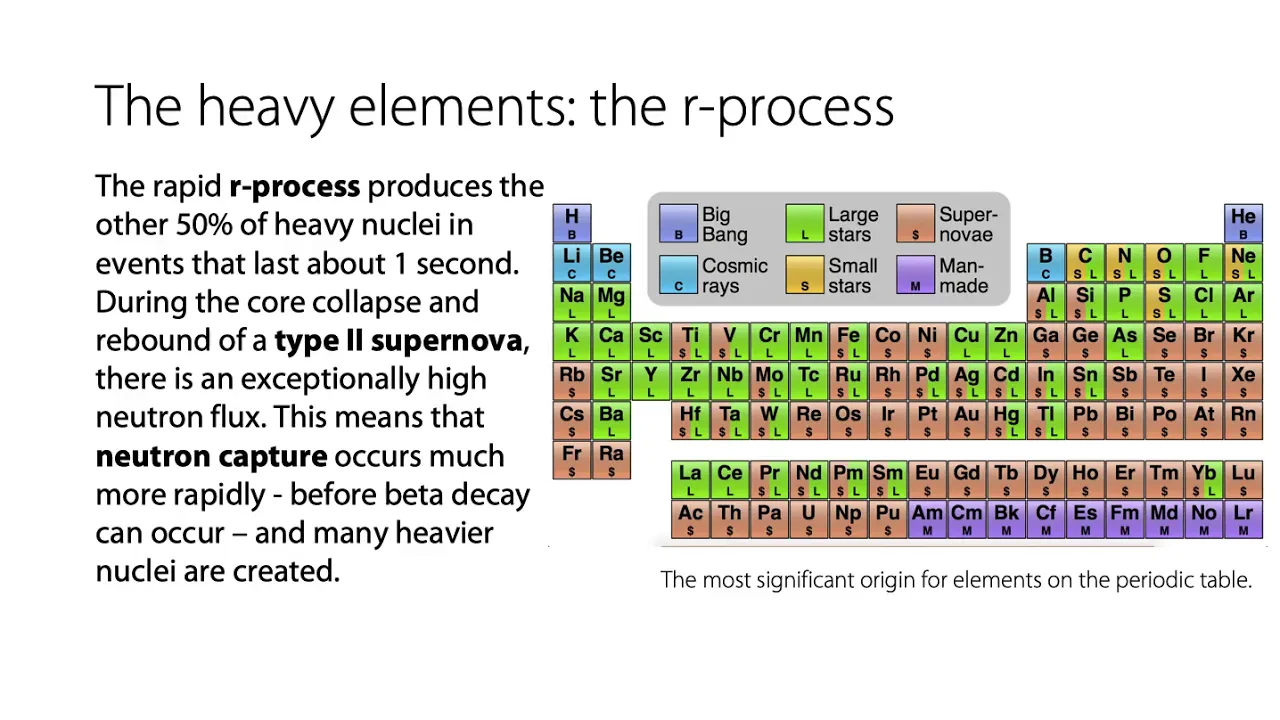













Heavy elements heavier than iron are not formed through fusion but through neutron capture processes (s-process and r-process), where neutrons are added to atomic nuclei either slowly (in giant stars over 10-100 years) or rapidly (during neutron star mergers or supernovae), and these accumulated neutrons subsequently decay into protons, creating heavier elements; the r-process, occurring in neutron-rich environments like kilonovae, is now understood to be the primary source of heavy rare earth elements in our galaxy, with peak production occurring approximately 10-11 billion years ago.
How Heavy Elements Form: Neutron Capture Explained
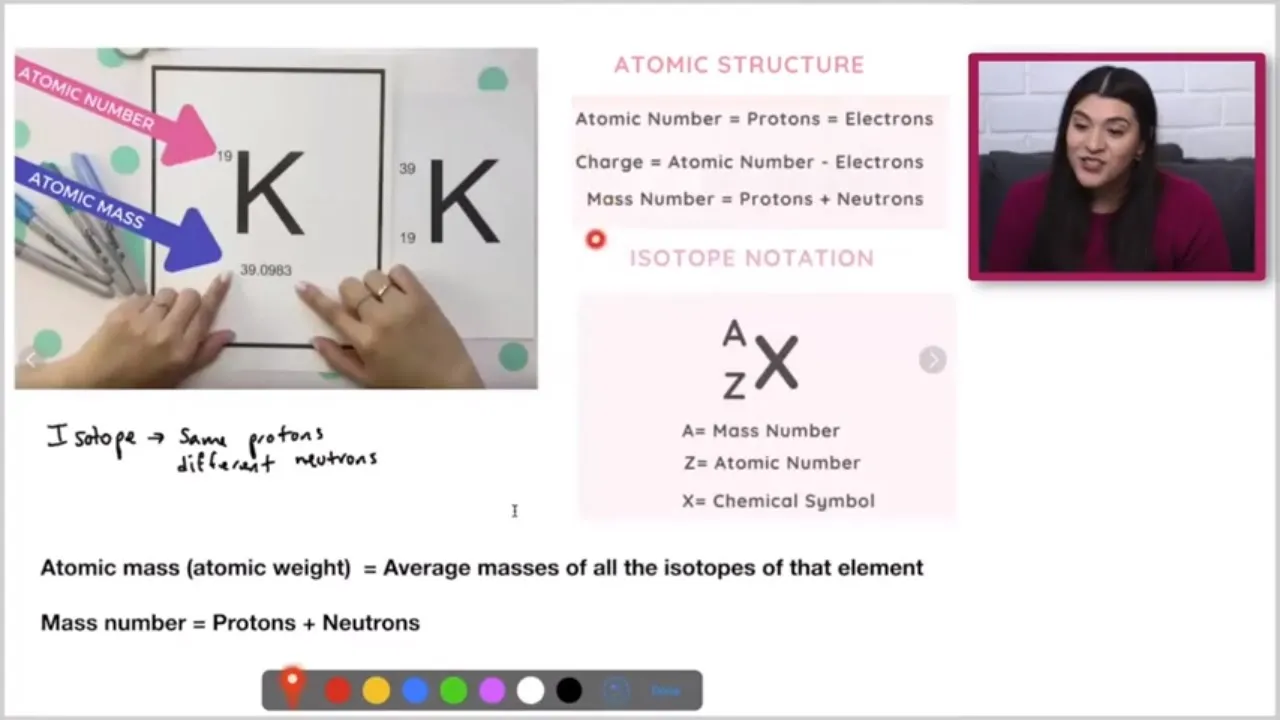
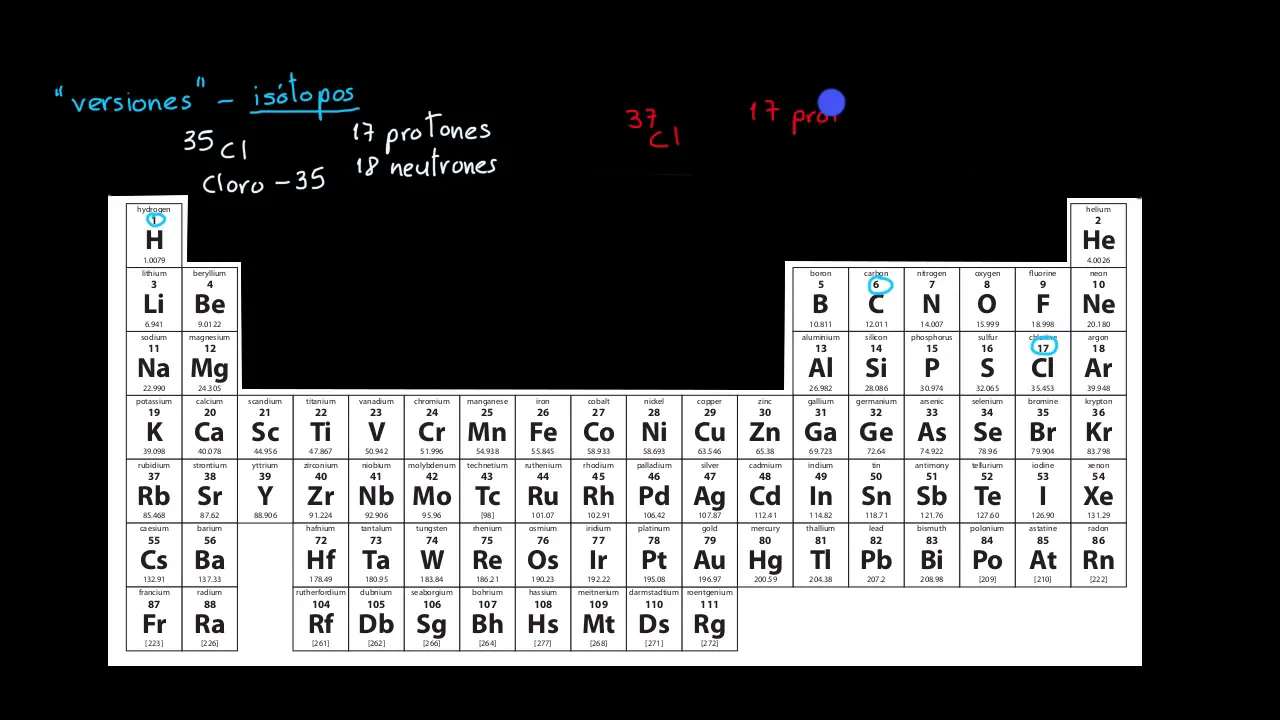
Added:Basic atomic structure, including the definitions of protons, neutrons, isotopes, and atomic mass.
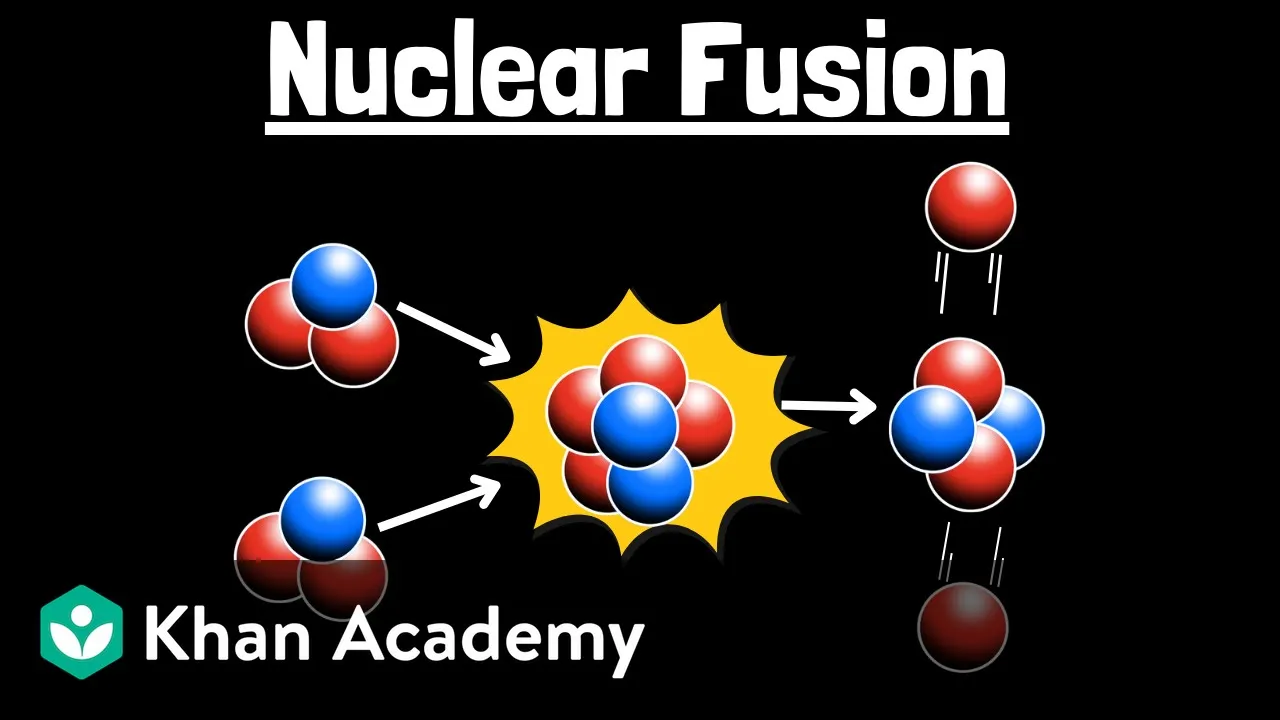
The fundamentals of stellar nucleosynthesis, specifically how stars fuse lighter elements like hydrogen and helium up to iron.
The concept of nuclear binding energy and why fusing elements heavier than iron (the 'Iron Peak') requires an input of energy rather than releasing it.
An introductory understanding of stellar evolution and compact objects, particularly neutron stars and how they form.
The distinct mechanisms and stellar sites of the s-process (slow neutron capture) versus the r-process (rapid neutron capture).
Multi-messenger astronomy, including how gravitational waves and electromagnetic observations (like the GW170817 event) confirm kilonova nucleosynthesis.
The theory of Galactic Chemical Evolution, tracing how the abundance of heavy elements in the universe has increased over cosmic time.
The spectroscopic analysis of extremely metal-poor stars to detect the chemical signatures of the universe's earliest r-process events.
242K views7.8Klikes14:13Original Release: 2023-10-04
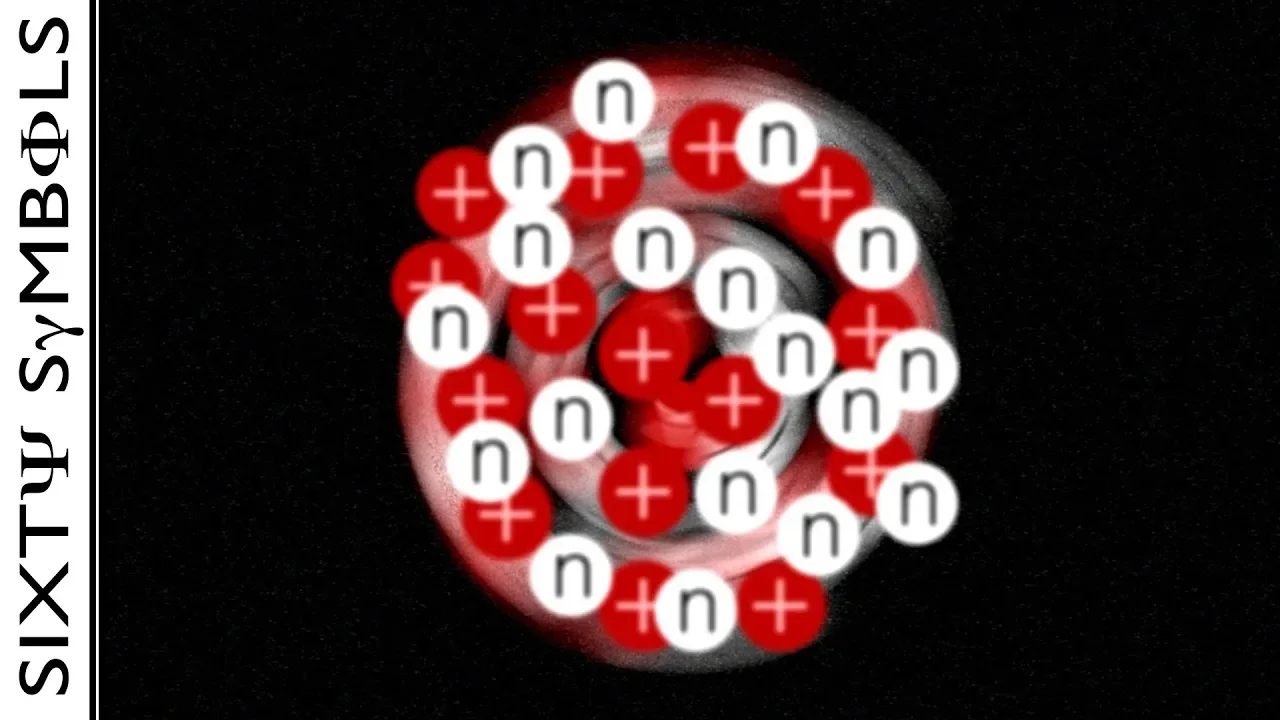
at the beginning of the universe all atoms in existence possessed only one two and very rarely three protons over eons gravity brought these atoms together and Via extreme pressure and heat they fused in the cores of the first Stars creating larger elements but this Fusion can only squeeze about 26 protons together in a nucleus producing iron when we look at a periodic table this is but a small portion of all of the elements in existence what happened [Music] iodine and selenium although Trace elements in the human body are critical for our existence entire Technologies are based around the availability of rare Earths like neodymium and lanthanum used in magnets and batteries one thing that unites these heavy elements is their comparative Rarity leading some like silver gold and platinum to be prized above others but where do these elements come from why are they so rare the most prevalent pop science explanation for their Origins are supernovae although this is not incorrect it is misleading and under explained it is often implied that since the cores of stars can only get hot and dense enough to form iron we simply need hotter and denser medium to fuse heavier elements this is solved thanks to the extreme heat and pressure of supernovae but elements heavier than iron especially the more massive ones aren't formed from Fusion in fact temperatures hotter than those needed to fuse iron produce photons with enough energy to fragment and split these atoms into smaller ones so hotter and denser environments are actually counterproductive to the creation of heavier elements instead these elements are formed from a much more interesting mechanism called Neutron capture before we discuss Neutron capture we should discuss the role of neutrons in atom nuclei nuclei are held together by the strong nuclear force both neutrons and protons can attract one another through this Force but protons repel each other and neutrons are less stable than protons this means the most stable nucleus we can create is a combination of protons and neutrons let's look at an example we were to merge two protons together forming helium both protons simultaneously repel and attract each other the strong nuclear force is significantly stronger than this coulomb repulsion but even still this intense repulsion prevents the diproton to achieve any state of stability immediately after fusing one of the protons will Decay into a neutron this is now more stable because the attractive force between the new Neutron and proton remains while also eliminating the repulsive Force if we add another nucleon either Neutron or a proton we add another source of Attraction which helps hold the nucleus together but if the added particle was a proton then we add an additional source of repulsion if it's a neutron we add a less stable member in the case of helium-3 this repulsive force is acceptable and so helium-3 is stable but tritium is a bit less stable and will Decay into helium-3 after about 12 years adding either a neutron or proton contributes some negative stabilizing factor which requires interactions with the other nucleon to counteract if we were to plot the proton neutron ratios of the most common Isotopes for each element we would see that they tend to stick to this one-to-one ratio in the lower Mass region but as masses increase this ratio skews towards a larger number of neutrons following what is known as a line of stability why is that this occurs because the strong nuclear force that holds nucleons and nuclei together only acts over a very short distance whereas the coulomb repulsion fell by the protons extends over the entire nucleus that means a proton is strongly attracted to all of its immediate neighbors but repulsed by every other proton in the nucleus as nuclei get bigger each additional proton increases the amount of repulsion every other proton experiences we can mitigate this repulsion and increase stability by adding more neutrons adding neutrons is easier to do for larger nuclei hence the amount of instability a single Neutron adds to it becomes less and less significant where in tritium an additional Neutron was a 100 increase in neutrons and their respective instability adding a neutron to a nuclei with 50 neutrons represents only a two percent increase in neutrons the larger a nucleus gets the easier it is to just slap more neutrons onto it and conversely the harder it gets to add more protons [Music] this ability to easily add extra neutrons to large elements is the backbone of neutron capture and the mechanism for creating larger elements Neutron capture can occur either slowly or rapidly the difference being how fast neutrons are added for slow capture neutrons are added slower than the decayed lifetimes of the new isotopes capture events occur on intervals of 10 to 100 years so after a capture if the current isotope is unstable there is typically a Decay before the next capture event this increases the number of protons in the nucleus and creates a heavier element this slow addition of neutrons can occur if nuclei or elements find themselves in an environment with free neutrons floating around like the fusing regions of giant Stars because neutrons are added so slowly s process elements always have a ratio of protons to neutrons that hovers around the line of stability it is theorized that iron formed from older generations of stars which then exploded usually from type 1 supernovae are the seeds for much larger elements the iron can condense along with gases to form a new star or simply fall into the nearby donor star where it remains trapped while trapped nuclei slowly accumulate neutrons and increase in mass as the star carries on with its life these large elements are then ejected back into the cosmos via Stellar winds in the early Cosmos that flurs with countless Stars organizing globular clusters these heavy element enriched media were easily pulled into new stars yet again repeating the process and continuing to grow the second mechanism for Neutron capture is the rapid process this is when atoms are bombarded with neutrons accumulating dozens and dozens of neutrons producing bizarre and highly unstable nuclei these nuclei will then Decay on a longer time scale back towards the line of stability each Neutron that decays produces a new proton and thus a heavier element in order to bombard nuclei with so many neutrons the rapid process can only occur in environments with incredibly High Neutron densities the two most likely candidates for these locations are the neutron-rich cores of supernovae and the neutron pure environments of a binary star merger also known as a kilanova the neutron dense environments created during these events make Neutron accumulation in almost inevitability the only uncertainties being if the newly formed atoms will be able to escape the intense gravitational field formed in the aftermath and the frequency of their occurrence throughout the history of the universe however we expect the rate of neutron star mergers will follow the history of star formation in galaxies with a few hundred million or so year delay for those stars to die and spiral into each other in a galaxy like the Milky Way this means that Peak are process production by neutron star mergers should have occurred about 10 to 11 billion years ago and tapered off to a rate about 10 times Less in the present day as star formation diminishes despite supernovae occurring with far greater frequency than neutron star mergers models suggest the latter is actually the source for the majority of large elements in our galaxy recently spectrographic analysis from the James Webb Space Telescope monitoring a likely neutron star merger detected in a mission line characteristic of tellurium or a heavy R process element similar evidence was only observed once before in 2017 where the Afterglow of the infrared Spectra from a kilanova was characteristic of other R process elements we are starting to find evidence to confirm what models have predicted neutron star mergers take time to occur the gravitational Decay is exceptionally weak requiring hundreds of millions of years before they finally connect when we look at the oldest stars in our galaxy we find evidence for some large r-process elements existing too soon to have been formed by a neutron star merger even though it's theoretically quite difficult to produce large amounts of these r-process elements via supernovae they likely produced some models suggest that fast spinning highly magnetized hypernovae can produce a modest amount of these large elements and these may have been the source for some produced early on but the evidence is trending towards most of our heaviest Rare Earth elements forming during kilanova events [Music] the last thing to discuss are the caveats of these two processes although I did say one can easily add neutrons to larger elements this is an oversimplification much like the electrons that surround the nucleus the nucleus itself is composed of shells or energetic layers dictated by the poly principle that is to say each nucleon in a nucleus must have a unique Quantum State once you fill one of these shells filling the next requires a little more energy electron shells are easily identifiable on the periodic table they are the noble gases these represent completely full electron shells if you wish to add another electron you must do so in a new larger volume if we were to look at the total number of electrons in each shell we'd see that they follow this sequence 2 10 18 36 54 and 86.
nucleons also adhere to this Shell filling however the numbers required to fill their shells differ and that sequence of numbers is seen here these are referred to as magic numbers and they represent local Maxima of stability adding an extra Neutron or nucleon to a filled shell will cause a disproportionate drop in average binding energy per nucleon for S process elements it's a bit harder to add an additional Neutron once reaching a magic number if we were to plot the abundance of Isotopes in our solar system we would see an interesting pattern instead of the expected continual drop in abundance with size we actually have this up and down motion with Peaks this peak represents strontium and a neutron shell of 50. this peak is barium and a neutron shell of 82 and this last guy is Led with a neutron shell of 126.
these Peaks exist because if you continue to add neutrons you will eventually reach a magic number now it's harder to add more so elements with full Neutron shells accumulate the same thing happens during the r process with a slight difference when an s-process nucleus fills its Neutron shell there is a stable or proportional amount of protons however during the r process since these neutrons are added faster than they can Decay when a neutron shell is filled there are fewer protons than an S process nucleus with the same amount of neutrons this means the nucleus is very unstable and neutrons will start to Decay turning into protons and since the number of protons was fewer to begin with the total mass of this nucleus is less so for our process elements their peaks are shifted a bit to the left of the S process Peaks because they have less Mass [Music] to recap large elements are not formed by Fusion this is partly because the extreme temperatures required to do so would produce photons with enough energy to fragment those larger elements the larger a nucleus gets the less destabilizing it is to add a neutron and so it gets easier to add more neutrons this addition of neutrons can be done either slowly or rapidly neutrons being added slowly to elements suspended in stars and neutrons being added rapidly during neutron star mergers and to a lesser extent supernovae these newly added neutrons can then Decay into protons creating new and larger elements slow process neutrons will build up until reaching a magic number at which point it gets harder to add another this is seen in the isotopic abundance of the elements in the solar system our process neutrons also do this but because they have less protons than nuclei build with the S process they have less mass and so their peaks are to the left of the s-process Peaks foreign [Music]
Up Next
3:31
Sodium Laser Guide Star Explained by Dr. William Happer
@CO2Coalition
1.7K views•2024-04-24
61:17
First Billion Years of the Universe with the Square Kilometre Array
@iaaudc
121 views•2022-05-26

6:25
Kepler's Laws of Planetary Motion Explained (Educational Astronomy Video)
@Peekaboo_Kidz
404.9K views•2023-02-17

6:10
Gamma-Ray Bursts: Cosmic Snipers Explained | Astronomy
@kurzgesagt
15M views•2016-07-31
Related Study Plans & Knowledge Roadmaps
Structured learning paths in Astronomy
astronomy
Reionization: Pop III Stars, IGM & 21cm Line
01Foundations of Cosmology & the Early Universe
02Population III Stars & Cosmic Dawn
03Physical Mechanisms of Reionization
+ 2 more learning modules
17h5 modules
Explore Roadmap
astronomy
Planetary Rings: Dynamics, Roche & Resonances
01Foundations of Gravity and Orbital Mechanics
02Tidal Forces and the Roche Limit
03Structure, Composition, and Collisions
+ 2 more learning modules
10h5 modules
Explore Roadmap
astronomy
Asteroseismology: Stellar Waves, Ages & Cores
01Foundations of Stellar Astrophysics & Wave Mechanics
02Stellar Oscillation Modes: P-modes and G-modes
03Mathematical Framework of Asteroseismology
+ 2 more learning modules
35h5 modules
Explore Roadmap
astronomy
Adaptive Optics: Physics, Engineering & Control
01Foundations of Wave Optics and Wavefronts
02Atmospheric Turbulence & Optical Distortion
03Wavefront Sensing Technologies
+ 3 more learning modules
35h6 modules
Explore Roadmap