









![MURALISMO MEXICANO y la ESCUELA MEXICANA DE PINTURA ► [PROYECTO VASCONCELOS]](https://i.ytimg.com/vi_webp/e3TJr8d-gyM/maxresdefault.webp)











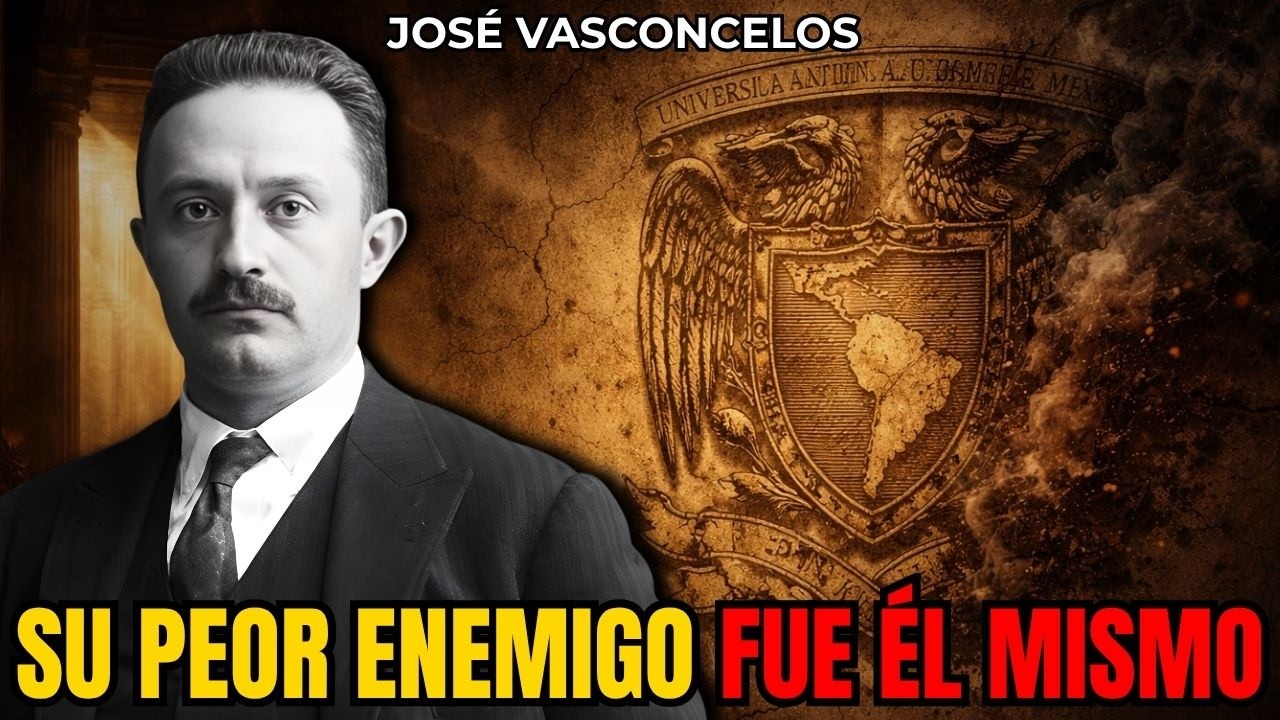
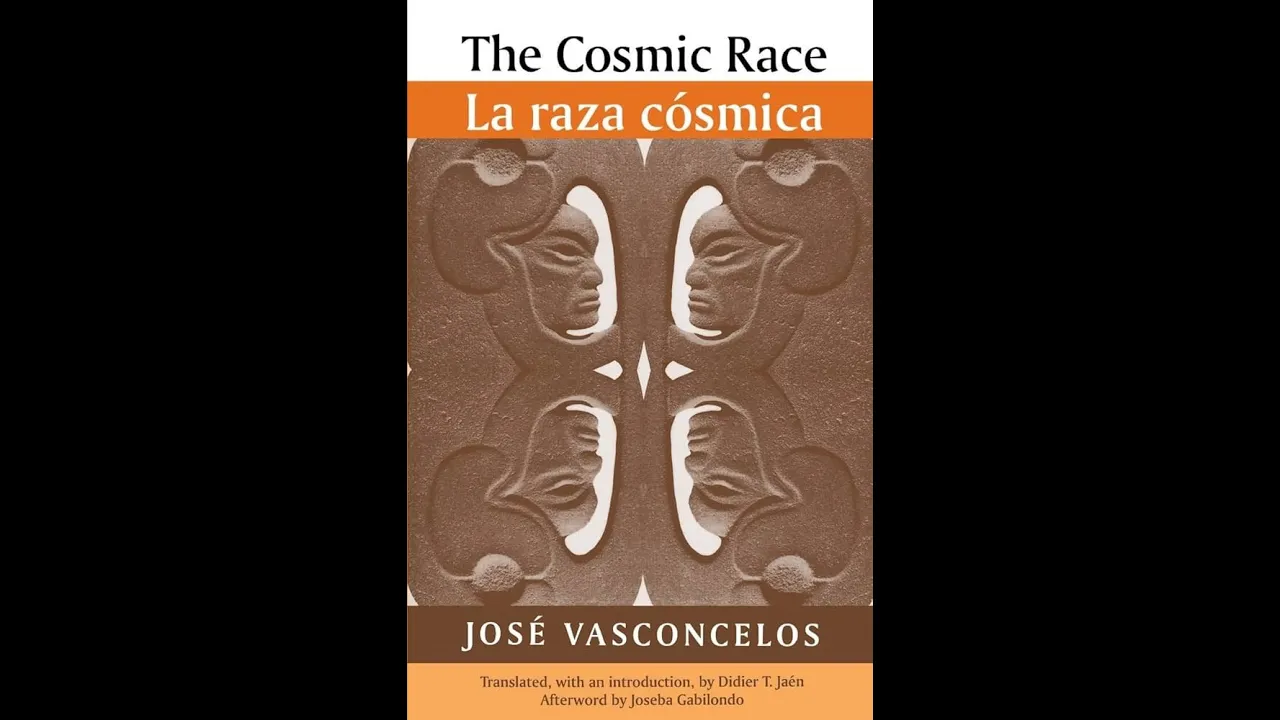
Jose Vasconcelos, a prominent Mexican intellectual and Minister of Education following the Mexican Revolution, proposed the 'Cosmic Race' theory in his influential work 'La Raza Cósmica,' which argued that Latin America's unique cultural and geographic circumstances would produce a new, superior race through the fusion of all peoples, thereby challenging traditional racial hierarchies while paradoxically validating the very framework of racial thinking he sought to critique; despite his controversial racial theories and derogatory remarks about indigenous Mexicans, Vasconcelos made lasting contributions to Mexican culture by founding national orchestras and directly funding the public murals of Orozco, Rivera, and Siqueiros that defined 20th century Mexican art, and his concept of 'La Raza' was later adopted and transformed by Chicano movements in the 1960s-70s to advocate for equality rather than racial fusion.
José Vasconcelos: The Cosmic Race and Mexican Identity
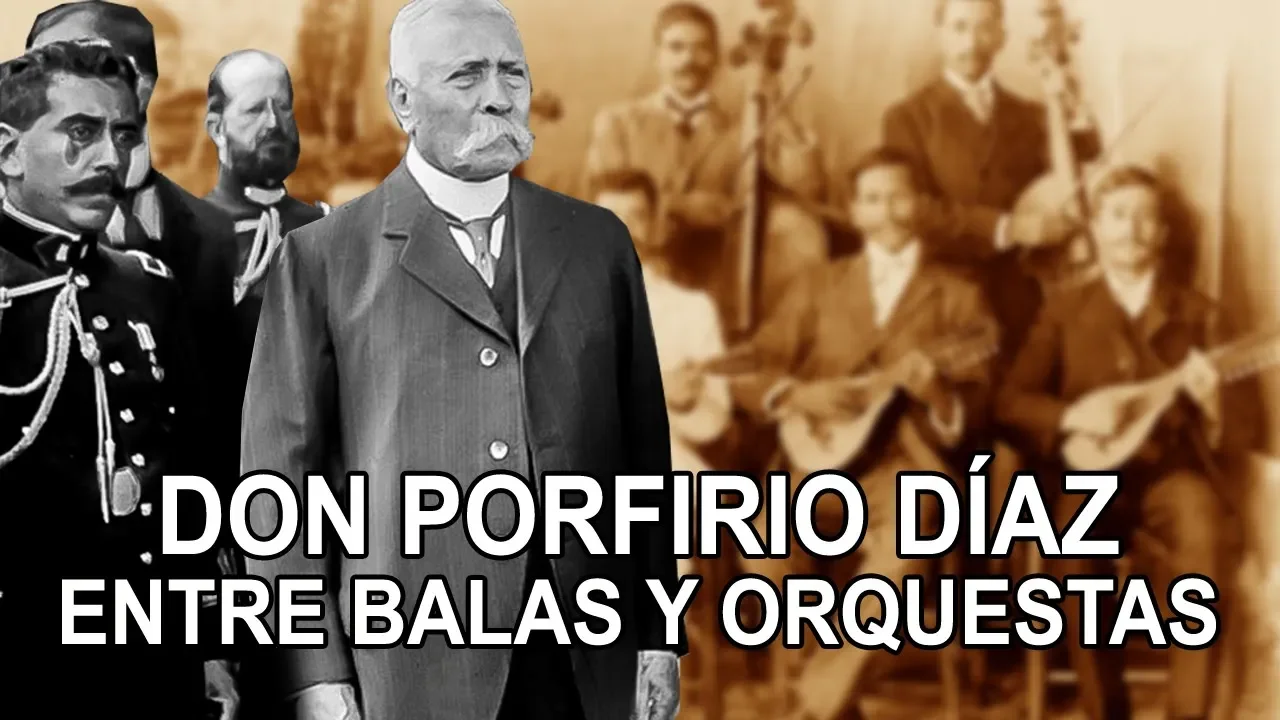
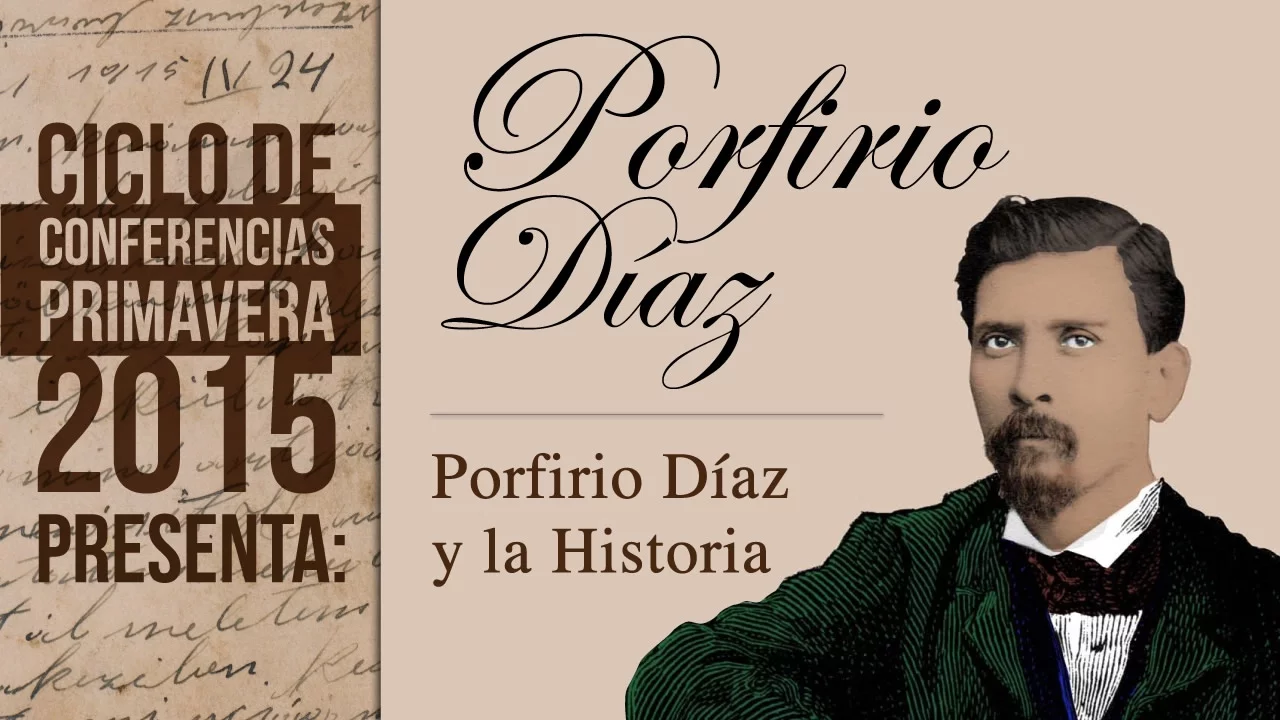
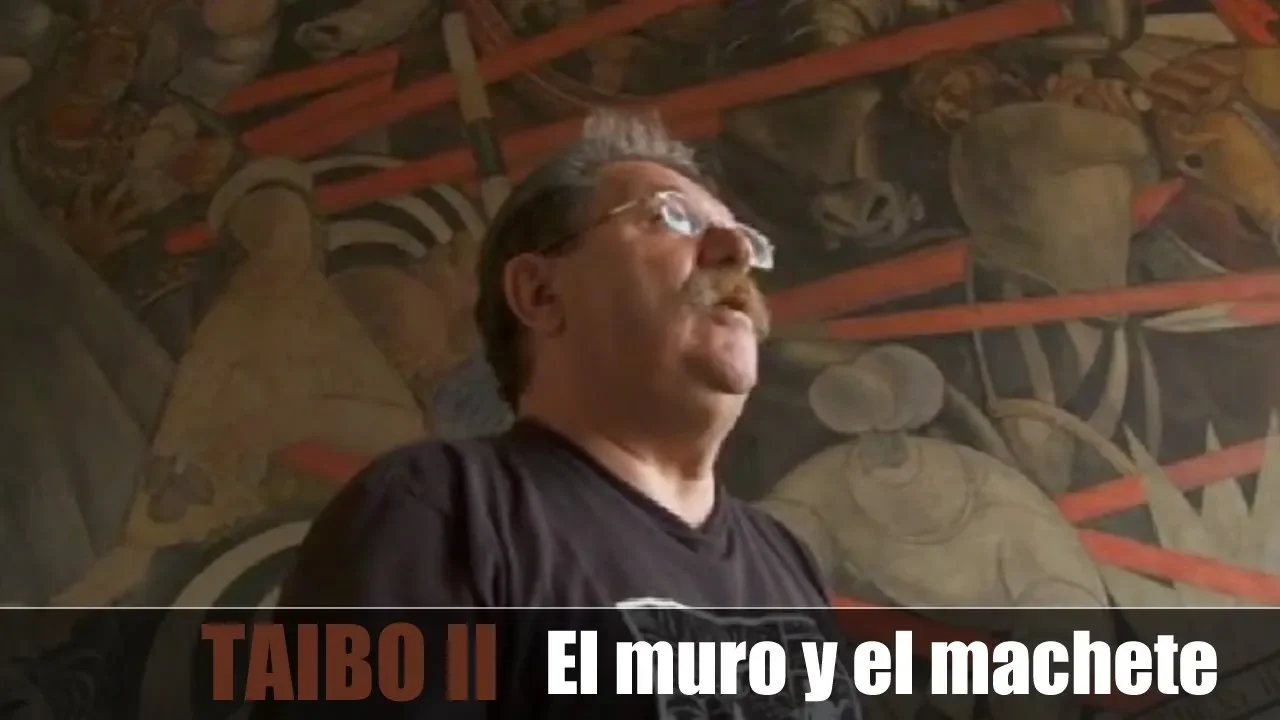
Added:in the middle of Mexico in the city center of Oaxaca not long before the middle of the 1800s there was a man named Joaquin vasconcellos who owned a clothing store on the main Square in town the store owner became aware of a young boy in the neighborhood who had lost his father and whose mother was struggling he gave the boy a job in a store and over time finding that he held much promise he would provide the boy with clothing for school clothes he could not otherwise have afforded the boy's name was Jose De La Cruz Porfirio Diaz Mori later known simply as Porfirio Diaz the dictator who ruled Mexico for nearly 35 years the shopkeeper does not re-enter our story directly but his grandson does and his grandson Jose vasconcellos would become a prominent intellectual a highly influential minister of Education and a vehement opponent of Porfirio Diaz the dictator with intimate connections to the vasconcellos family this week's excerpt comes from a larger work entitled La Raza cosmica or the cosmic race I first discovered Mr Vazquez in this book the Mexico reader is a collection of essays and excerpts from larger works all of which are just a few pages long they're all interesting and provide great insight into the history and culture of this complex country we've provided a link in the description below using that link is going to help the channel out again I really think it's a worthwhile investment follow along get a preview of what's coming next and while you're at it go ahead and hit the like And subscribe button for us helps us out and it's free of charge this week's and I have to be honest when I first read it the writing struck me more as a work of mystical admonishment than some sort of Prophecy based on racial ideas that are now seen as dated and perhaps even bigoted but on its surface and ultimately in its popularity the latter description is probably more fitting in his work Baskin Salas turns traditional racial ideas on their head but the ideas are still based on Notions of race vascon salus inverts negative stereotypes and melds them into positives but in doing so he actually validates the basis of the mode of thinking that initially produced those same stereotypes according to Baskin Salas other races had previously and alternately spearheaded human progress these were in order the black race Indian Mongol and white now with the unique cultural historic Geographic circumstances of the Americas Latin Americans will be the leading race Baskin Salos would insist that this race was Latin but he actually contradicted himself and said it would be a combination of all Races let's look all Latin peoples are not primarily speaking Latins but a conglomeration of different types and races in Latin America a thousand bridges are available for the sincere and cordial Fusion of races what is going to emerge out there is the definitive race made up of the genius and blood of all peoples and for that reason more capable of true Brotherhood and a truly Universal vision so what to make of a work like loraza cosmica over time as Humanity's understanding of race racism and social Prejudice has evolved Raza cosmica has been something of a trigger for unacceptable views but the thing to remember is the past is not politically correct in fact it's usually downright offensive or at least unsettling and this was a time when biology was new and people were very excited about these ideas twisting Charles Darwin in ways he never intended social Darwinism was an idea commonly accepted in intellectual circles even progressives like U.S President Woodrow Wilson promoted sterilization and Eugenics as a means of bettering Humanity turning negative stereotypes on their head and proclaiming that Latin America was an ultimate expression of human races vasque and salus altered the notion of survival of the fittest and to survival of the beautiful yes it is still a system based on race but its intent was to undermine the prejudices thus concealis had encountered as a person whose life experiences repeatedly led him abroad for work and political reasons what's more and this is just my reading of this small excerpt but I sincerely do not think that vasquezales believed his assertions or his philosophical prophecy was literally true I do think he believed Latin Americans had unique offerings for Humanity due to the unique combination of historical and cultural forces that shape Latinos and I believe that his writing was intended to inspire confidence and pride in the people that he viewed as oppressed and downcast and I think it worked hurt in fact the term La Raza was adopted in the 1960s and 70s by modern Chicano movements in the U.S whose patrons transformed vascon salus's message rejected the idea of a combination of races while embracing the idea of equality and from the spaces they demanded equality and numerous U.S social issues but perhaps the most important thing to know about Jose vasconcellos has nothing to do with this text or even its impact vasconcellus would serve as minister of Education in the early years following the Mexican Revolution he was essential in founding two national orchestras and perhaps most impressively vascon Salos engaged the artists and funded the mission that would pretty much Define 20th century Mexican art the public murals of Orozco Rivera and securos were directly funded by vasconcellos as minister of Education altogether Baskin Salo seems to have been something of a tarrowing figure in Mexican intellectual circles and Beyond his race-based philosophies and his derogatory and somewhat contradictory remarks about indigenous Mexicans has damaged his stature but not so much that he is willfully forgotten his role in Mexican history is both intellectual and politician continues to endure
Up Next
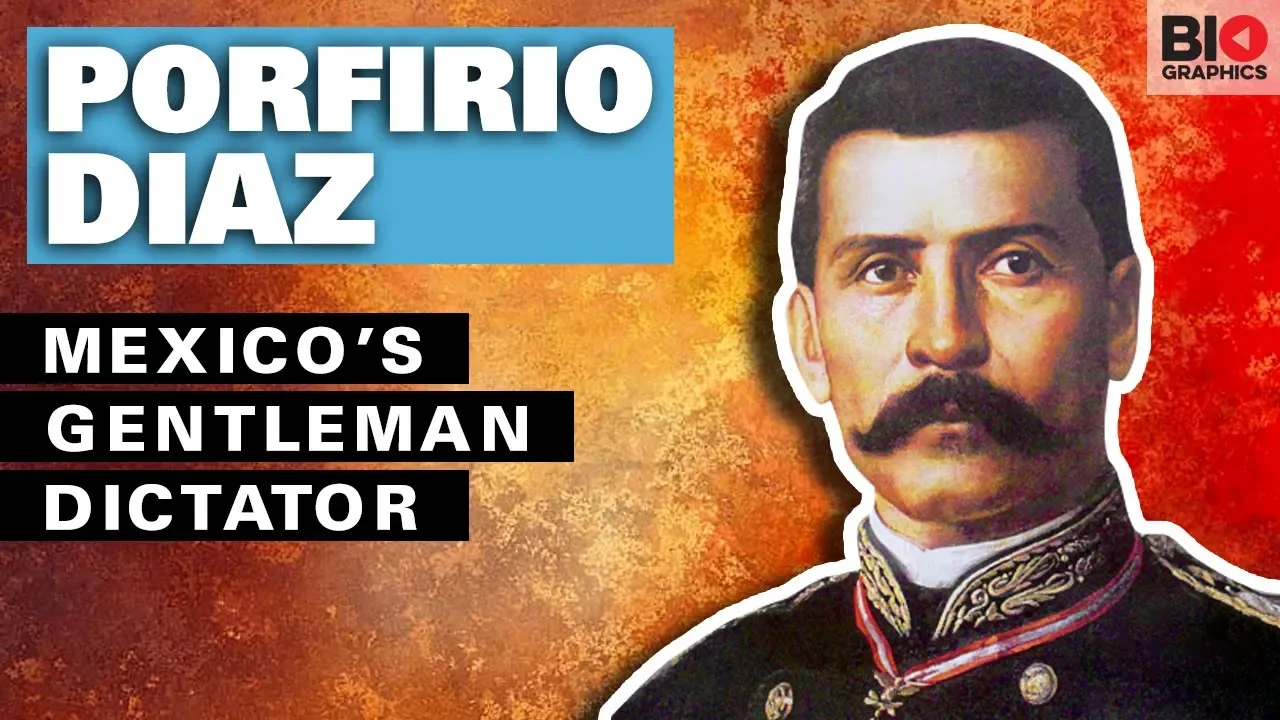
Porfirio Diaz: Mexico's Dictator and Modernizer Explained
@Biographics
540.7K views•2020-03-10

The Great Schism of 1054: Causes and Consequences
@SacredCathedrals
113.5K views•2026-02-19

The Geopolitics of the Ukraine War and the Rise of Global Autocracy
@JordanHarbingerShow
468K views•2025-04-19
Understanding the Cold War: Superpower Conflicts and the Road to Détente
@OverSimplified
46.1M views•2019-01-24
Related Study Plans & Knowledge Roadmaps
Structured learning paths in History