







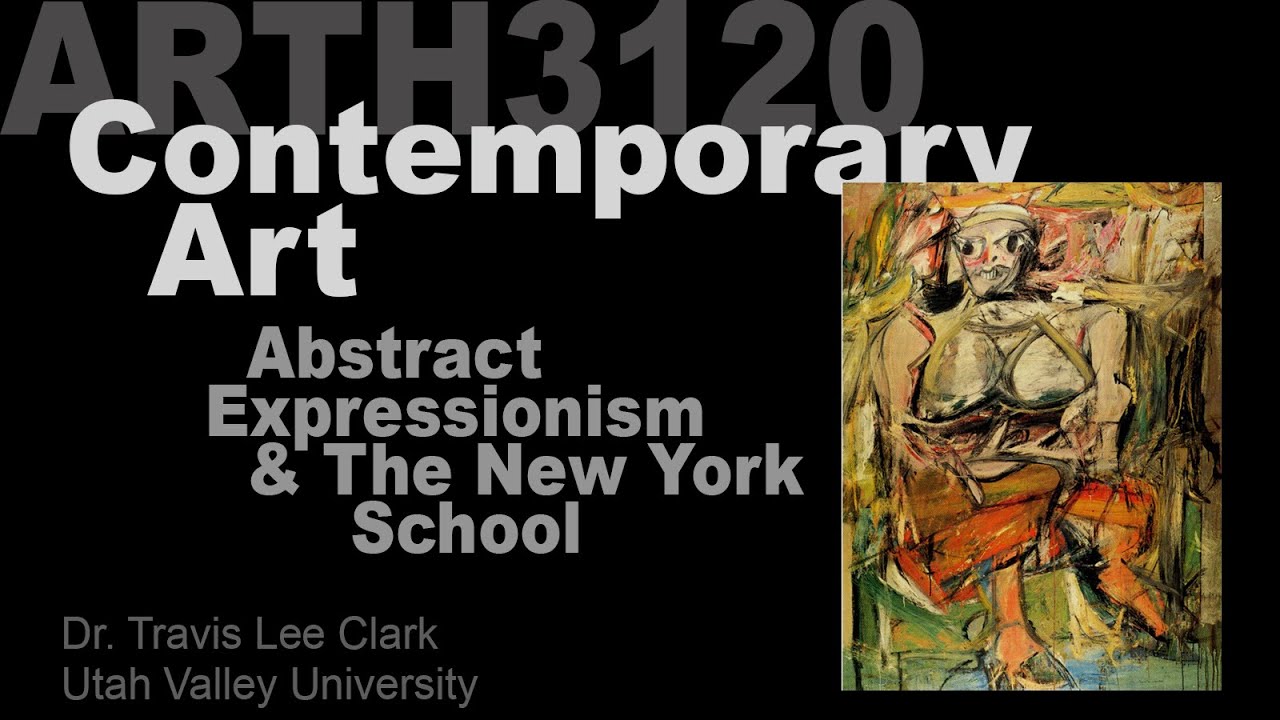








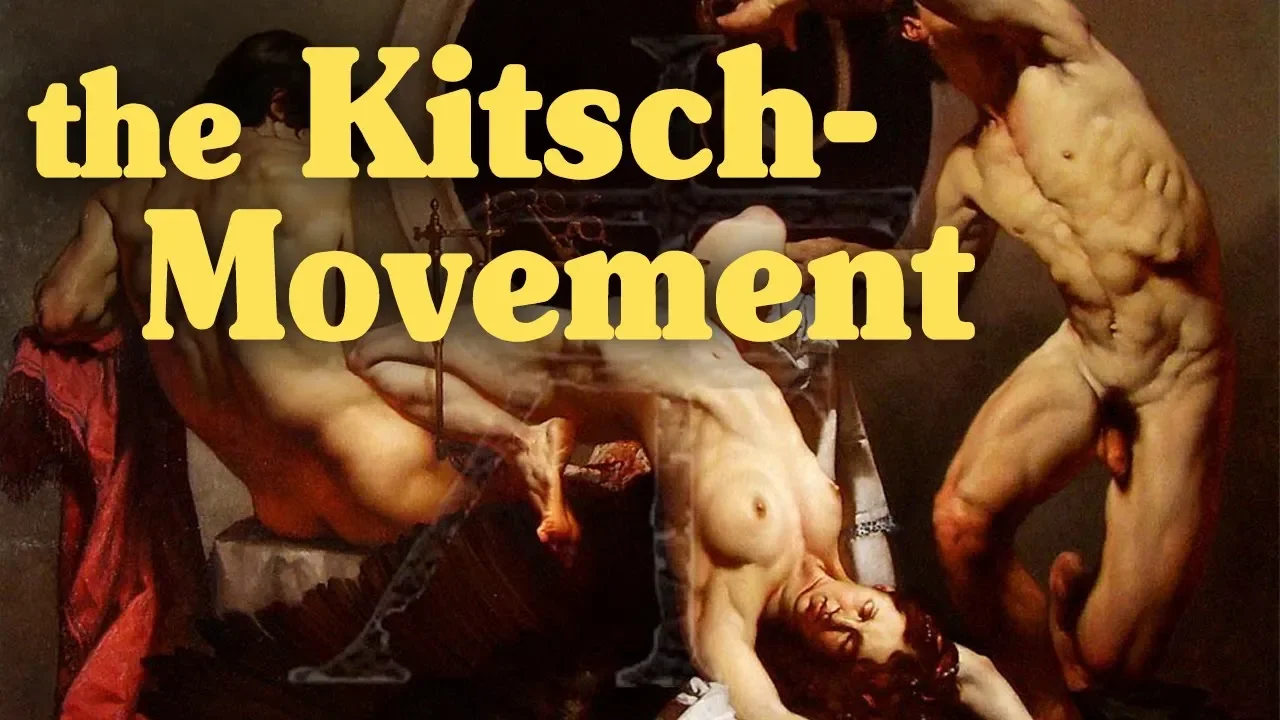







Clement Greenberg, a leading art critic of the mid-20th century, defined modernism as the artistic movement where painters shifted from depicting external objects to focusing on the intrinsic qualities of their medium—texture, color, and canvas application—rather than creating illusions of three-dimensional reality; he championed Abstract Expressionism (particularly Jackson Pollock's work) as the pinnacle of this evolution, arguing that art must ask unanswerable questions to remain vital and that accessible, representational art ('kitch') was regressive and potentially dangerous as it discouraged critical thinking.
Modernism & Kitsch: Clement Greenberg's Art Theory Explained
Added:Familiarity with the transition from representational art to abstraction in late 19th and early 20th-century Western art (e.g., Impressionism, Cubism).
A basic understanding of the historical context of the mid-20th century, particularly the rise of industrialization, mass media, and consumer culture.
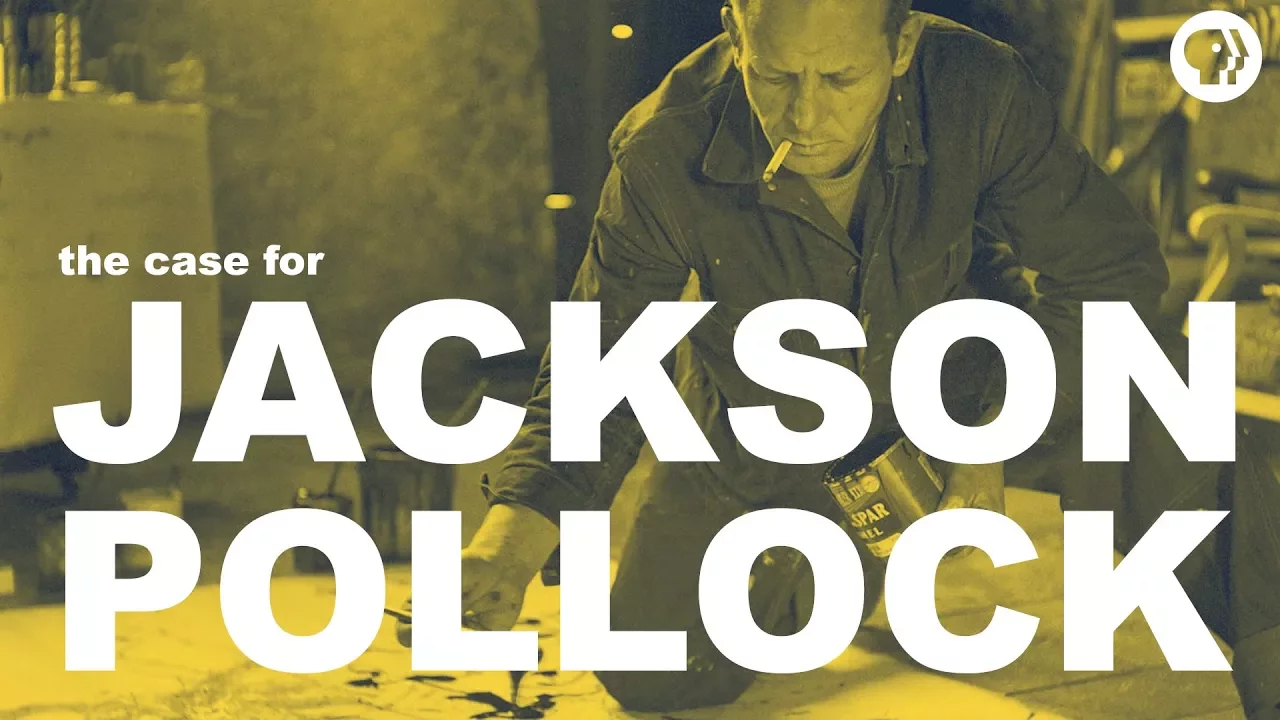
An introductory awareness of Abstract Expressionism and key artists like Jackson Pollock, whose work is central to Greenberg's criticism.
The fundamental concept of aesthetic formalism—the idea that an artwork's value is determined primarily by its form, line, and color rather than its narrative content.
The rise of Pop Art and Postmodernism, which directly challenged Greenberg's strict dichotomy between high art and popular 'kitsch'.
Alternative mid-century art theories, such as Harold Rosenberg's concept of 'Action Painting' and existentialist art criticism.
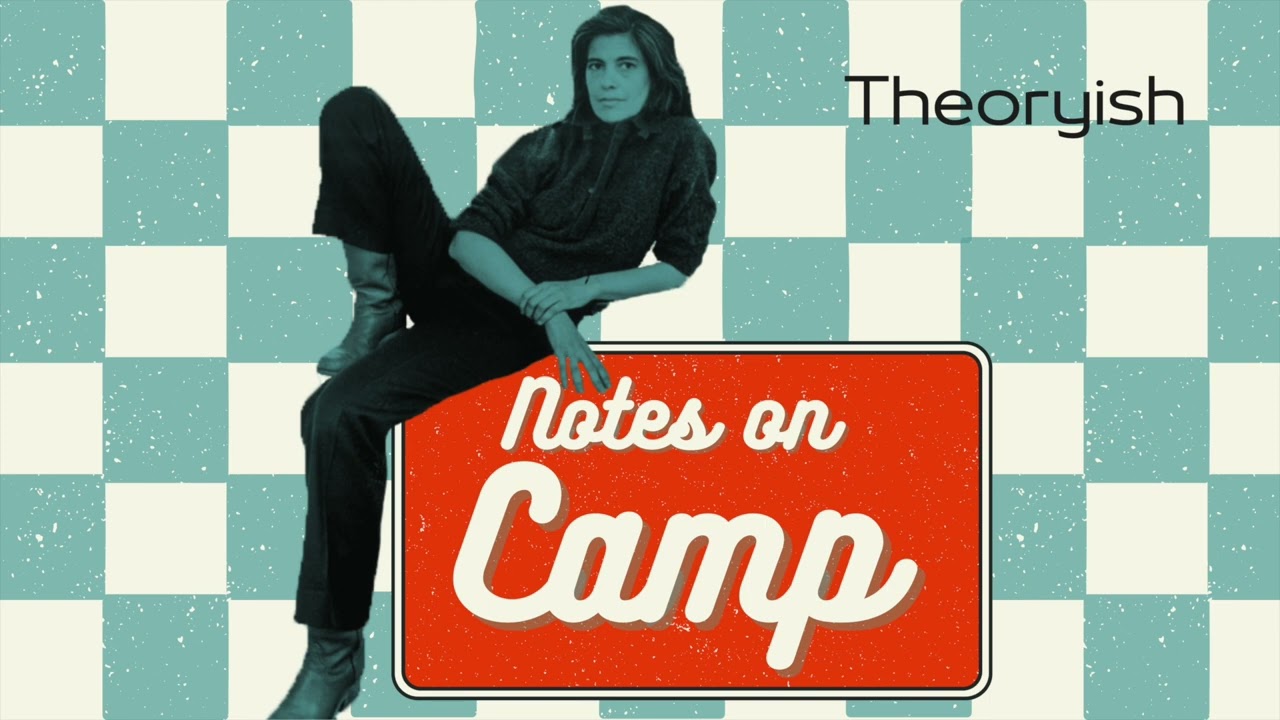
Susan Sontag's 'Notes on "Camp"' and other subsequent theoretical frameworks that re-evaluated the aesthetic and cultural value of mass culture.
The Institutional Theory of Art (developed by Arthur Danto and George Dickie), which examines how art institutions and contexts define art, rather than intrinsic formal qualities.
124.4K views3.4Klikes5:01Original Release: 2011-12-14
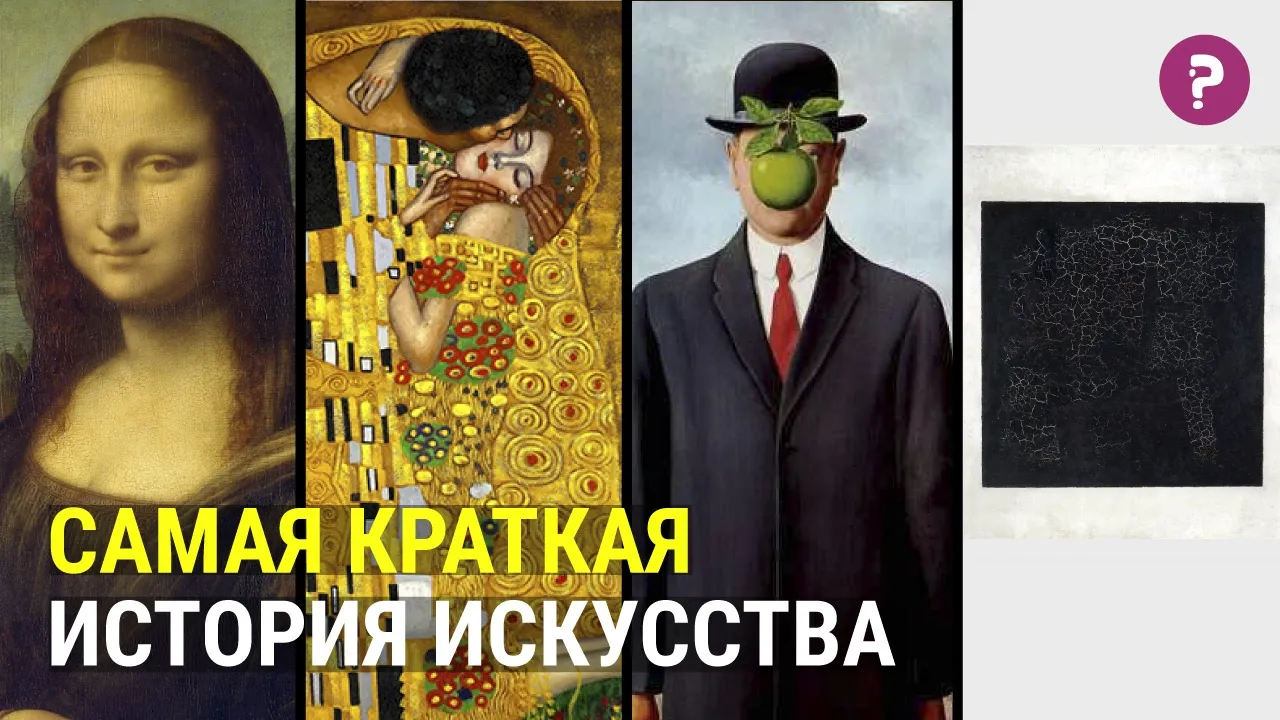
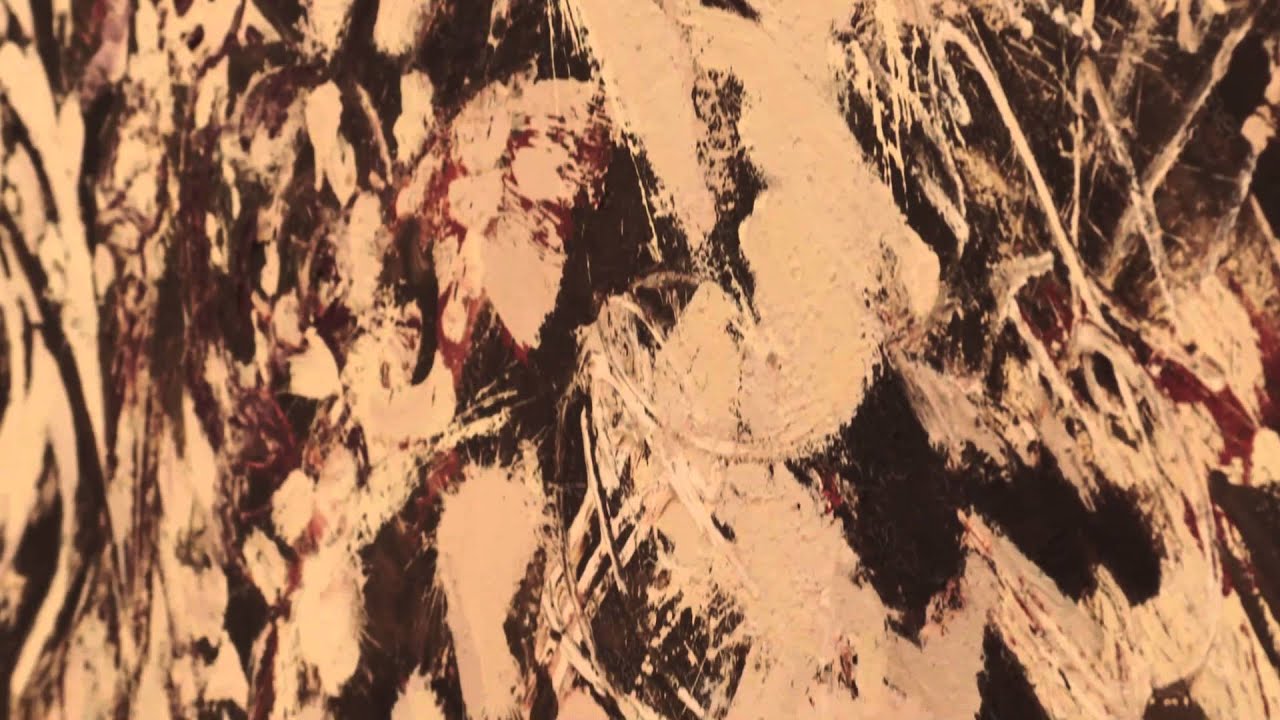
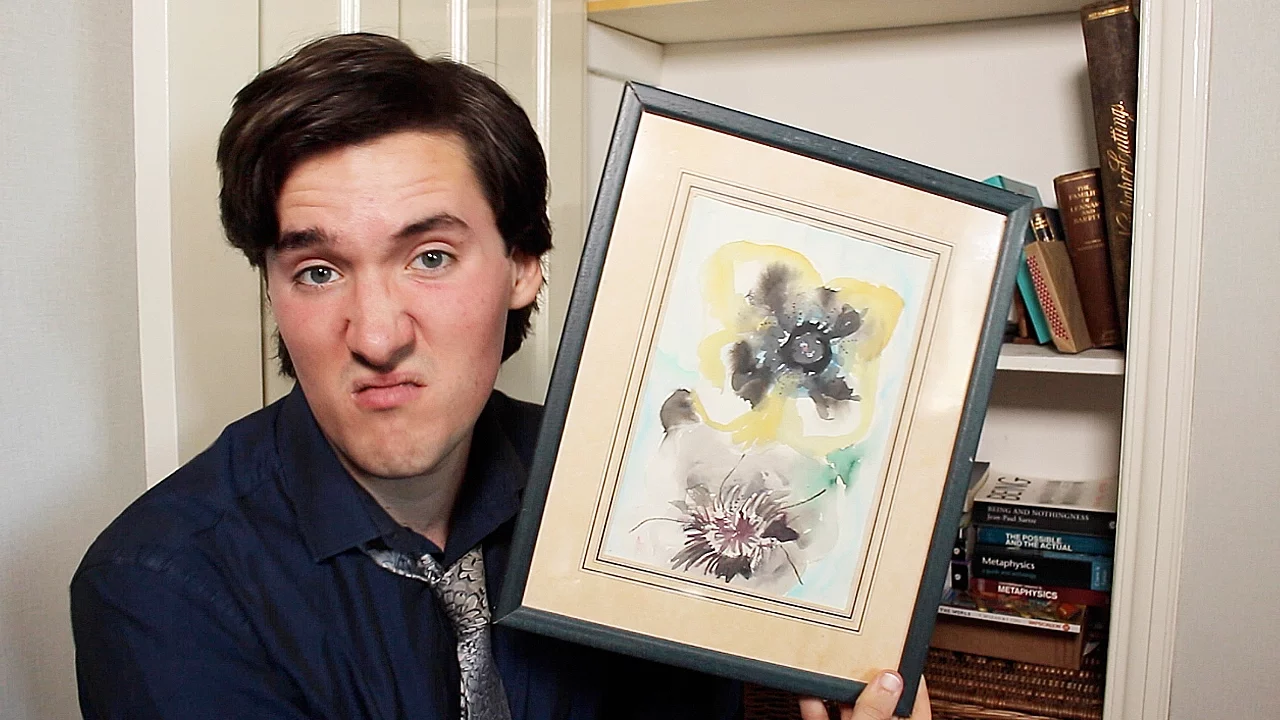
Clement Greenberg the art critic had serious worries about the future of art it had changed so much in so little time and in the 1930s was still changing who could keep up what did Art even mean anymore Greenberg needed to figure all this stuff out because that was his job let's start by talking about modernism modernism can be defined a few different ways but Greenberg would probably explain it like this in the olden days people made paintings of other things Jesus or a fancy lady or a bowl of fruit the paint itself and the canvas and the action of pain were secondary just a means to an end painters painted things because people cared about those things oh my God that's God that's a really fancy lady I love fruit but suddenly right around the turn of the 20th century painting became something else and it changed for a reason a few reasons actually photography helped if you could just take a picture of something why did you have to paint it so painting was having an identity crisis but it was bigger than just that we had industry and secularism and world wars and uprisings and artists were like what are we doing what is art anyway and well some theorize that it was suzan who was the first to be like you know what I don't really care about fruit what's this stuff in my hand I'm painting on this canvas that's flat and I'm making Illusions and oh my God what if I keep painting fruit but it's not about fruit anymore so he did keep painting fruit but he wasn't really thinking about fruit he was thinking about colors and shapes this says Clement Greenberg this is basically what modernism is painters using paint on canvas and not caring about the objects they're painting if they're painting objects at all anymore but instead caring about the texture and the color and application on the canvas and forget about illusion everyone knows this is two-dimensional it's not three-dimensional it's all about medium and meaning which used to be this is Jesus this is a fancy Lady this is a bowl of fruit has changed as well paintings no longer have to mean something in fact shouldn't mean anything Splash it on there have a total sensuous experience okay maybe this is technically a painting of a lady but it does doesn't matter it could be a painting of anything and it would achieve pretty much the same effect this kind of painting became known as abstract expressionism and Greenberg's Idol of abstract expressionism was Jackson Pollock who was a real [ __ ] but he made great modernist paintings so now that we had modernism what do you call a painting of a horse that's just you know a regular painting of a horse it's about the horse it's not about paint well if it was made in the 20th century Greenberg would call it kitch it's regressive we've moved on if you're still making pretty pictures of horses you are living in the past so why was anyone still painting horses well because that's what people like and when I say people Greenberg would say commoners the working class the proletariat they like paintings of horses because you don't have to think about them it's really easy this is a horse and it looks great confront a commoner with a Picasso and he's going to be like what what is all this is there even a horse in there that that horse looks terrible it doesn't even look like a horse are there supposed to be people what's going on modernism is a problem because it asks questions that are really hard to answer so hard that you know what they're unanswerable you you just can't do it you can try you can theorize if you're educated enough but it'll all just be opinion really unscientific maybe that sounds bad but Greenberg did not think it was bad he thought it was awesome art that asks questions nobody can answer perfect because that's what we need to keep art alive you have to understand that Greenberg along with pretty much everyone else in the art world was terrified to death that art was dying what does it mean for art to die for all the questions to get answered if that Wai can look at it and be like oh yeah I get it we're doomed there's no point in making anything anymore Greenberg was also terrified of kitch because it was a mind control tool for fascists yes Hitler's like everybody likes kitch right because it means you don't have to think right so we can use it for propaganda and meanwhile he was looking at the Avon guard painters and being like Oh my God if people have to think hard to understand maybe they'll think hard enough to realize that I am an [ __ ] get out of Germany there's some problems with Greenberg's theories on modernism first of all they basically ignore several Major Art movements besides abstract expressionism like what about dada dada wasn't really about painting at all it was about putting a thing on top of another thing because war is everywhere and nothing makes any sense and we're just going to go crazy and hang out in cafes standing on our heads or what about surrealism surrealist painting is totally illusionary it's totally about objects those objects just happen to me giant noses and ants this is totally fruit it's just fruit that's hovering in front of a guy's face what about that huh Greenberg he kept strangely silent on that issue another problematic thing with Greenberg his beloved abstract expressionists eventually became cool to the common folk too abstract expressionism in Playboy in hospitals Museum gift shop cuz we all get it now it's about colors and shapes and we think it's pretty too Greenberg's like oh no if commoners like it it is over well art is dead now and you are dead too greenbird as of 1994 the and
Up Next
13:51
Abstract Expressionism: Greenberg vs Rosenberg on Painting
@telesurenglish
1.2K views•2016-06-30

114:18
Christian Iconography: History, Theology, and Meaning | Fr. Panayiotis Papageorgiou
@Trisagionfilms
58.8K views•2020-02-21
7:48
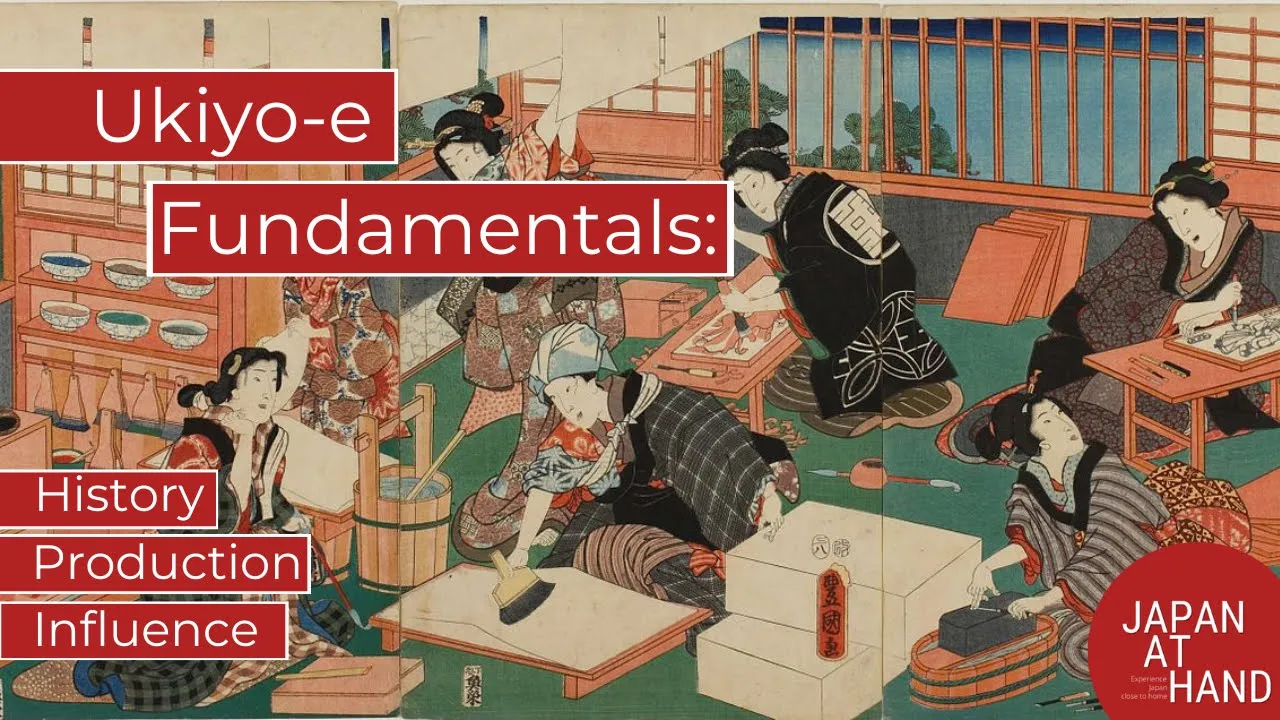
Ukiyo-e Art: History, Woodblock Printing & Influence
@japanathand
6.3K views•2023-06-08

16:34
Earliest Depictions of Jesus in Art: 10 Ancient Images Explained
@UsefulCharts
5.9M views•2022-06-03
Related Study Plans & Knowledge Roadmaps
Structured learning paths in Art History
art-history
Gothic Cathedrals: Engineering, Light & Society
01The Birth of the Gothic: Romanesque to Suger's Vision
02The Structural Triad: Pointed Arches, Ribbed Vaults, and Flying Buttresses
03Theology of Light: Lux Nova and Sacred Geometry
+ 2 more learning modules
14h5 modules
Explore Roadmap
art-history
Pre-Raphaelites: Realism, Symbolism & Critique
01The Victorian Art Establishment and Academic Formula
02The Founding of the PRB and Radical Realism
03Medieval Revivalism and Literary Symbolism
+ 1 more learning modules
8h4 modules
Explore Roadmap
art-history
Street Art: From Subways to Art Market
01Subcultural Origins in Philadelphia and New York (1970s)
02The Subway Era and Style Wars (Late 1970s - 1980s)
03The East Village Scene and Early Gallery Crossover
+ 2 more learning modules
10h5 modules
Explore Roadmap
art-history
Classic Maya Art: Iconography, Glyphs & Ritual
01Foundations of Classic Maya Visual Culture
02Deciphering Maya Hieroglyphs & Text-Image Integration
03Sacred Geography and Cosmological Architecture
+ 2 more learning modules
14h5 modules
Explore Roadmap