





















Lithium ion batteries function through reversible electron and ionic transfer between a cathode (typically lithium nickel oxide) and anode (graphite), where lithium ions move through an electrolyte solution while electrons travel through external circuits; during charging, lithium ions are extracted from the cathode and intercalated into graphite anode layers, forming a solid electrolyte interphase (SEI) layer that consumes 5-10% of initial capacity, and during discharging, the reverse occurs with electrons flowing from anode to cathode through the circuit while lithium ions return to the cathode, generating approximately 4.2V that decreases to 3V at full discharge.
Lithium-Ion Battery Working Principle: From Atoms to Cells
Added:Basic atomic structure, including the concepts of protons, neutrons, electrons, and the formation of ions.
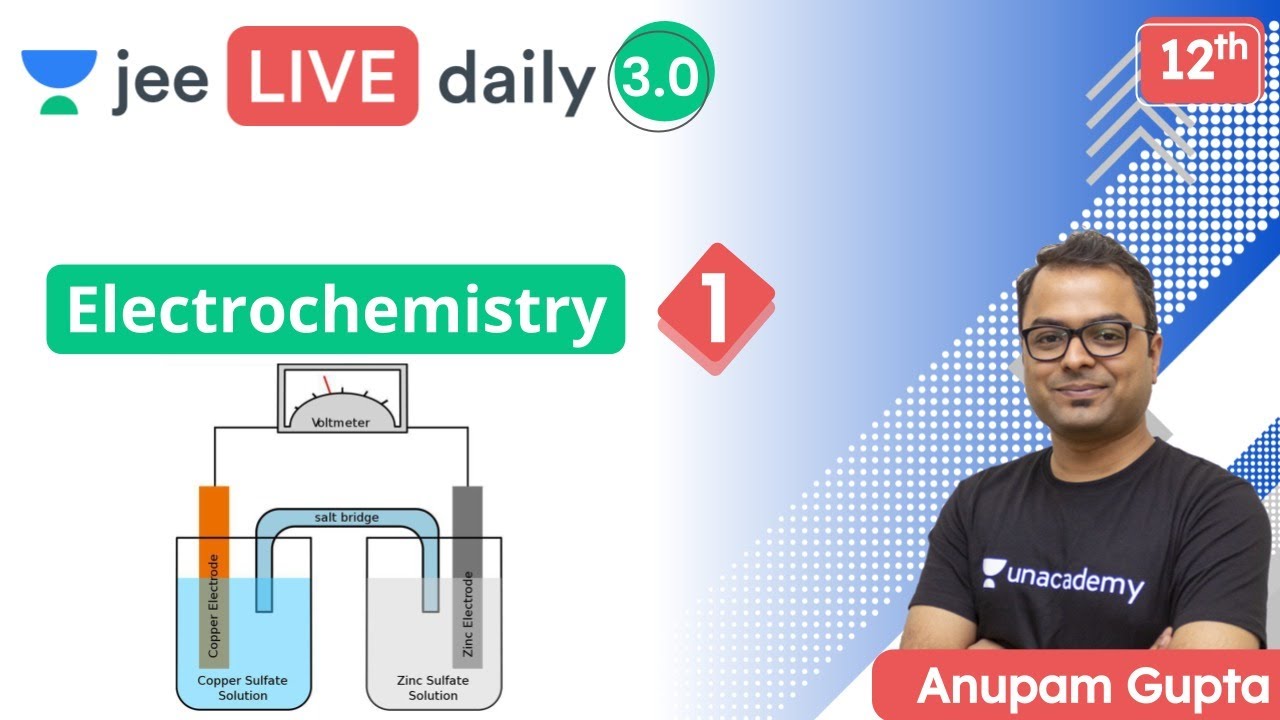
Fundamental principles of electrochemistry, specifically redox (reduction-oxidation) reactions and the definitions of anodes and cathodes.
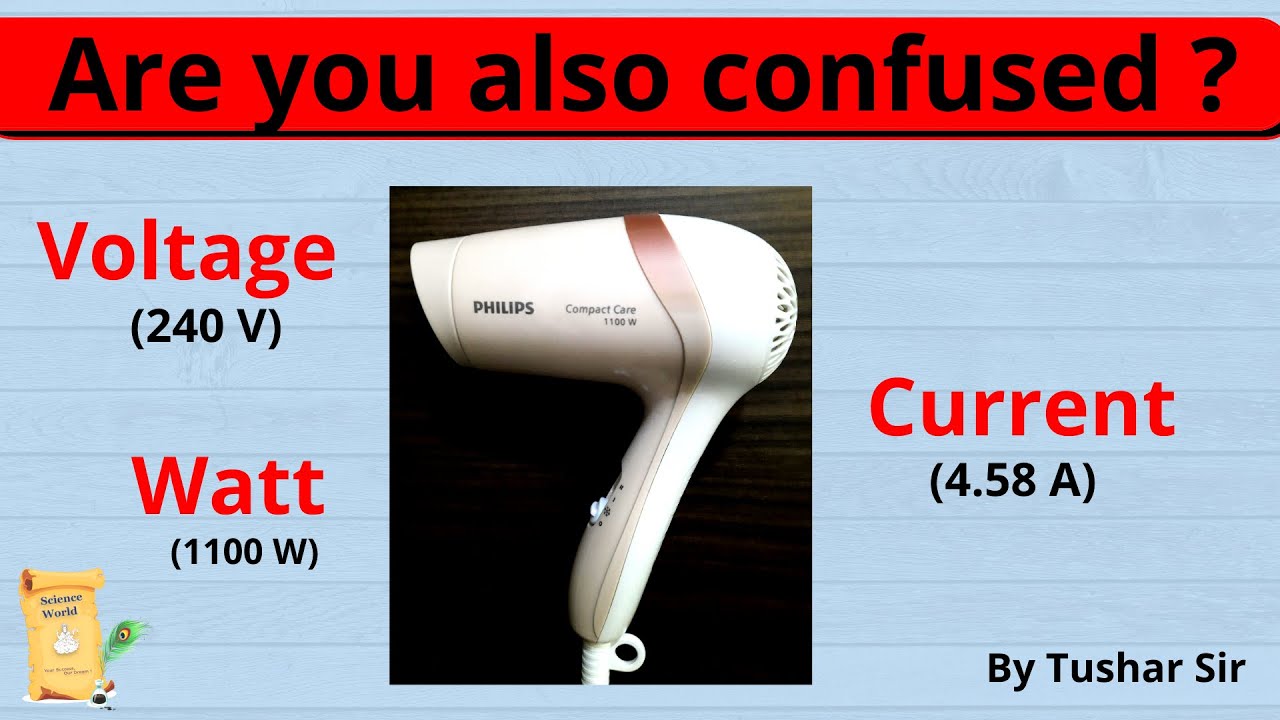
Basic electrical concepts, such as electric current (flow of electrons), voltage (potential difference), and electrical circuits.
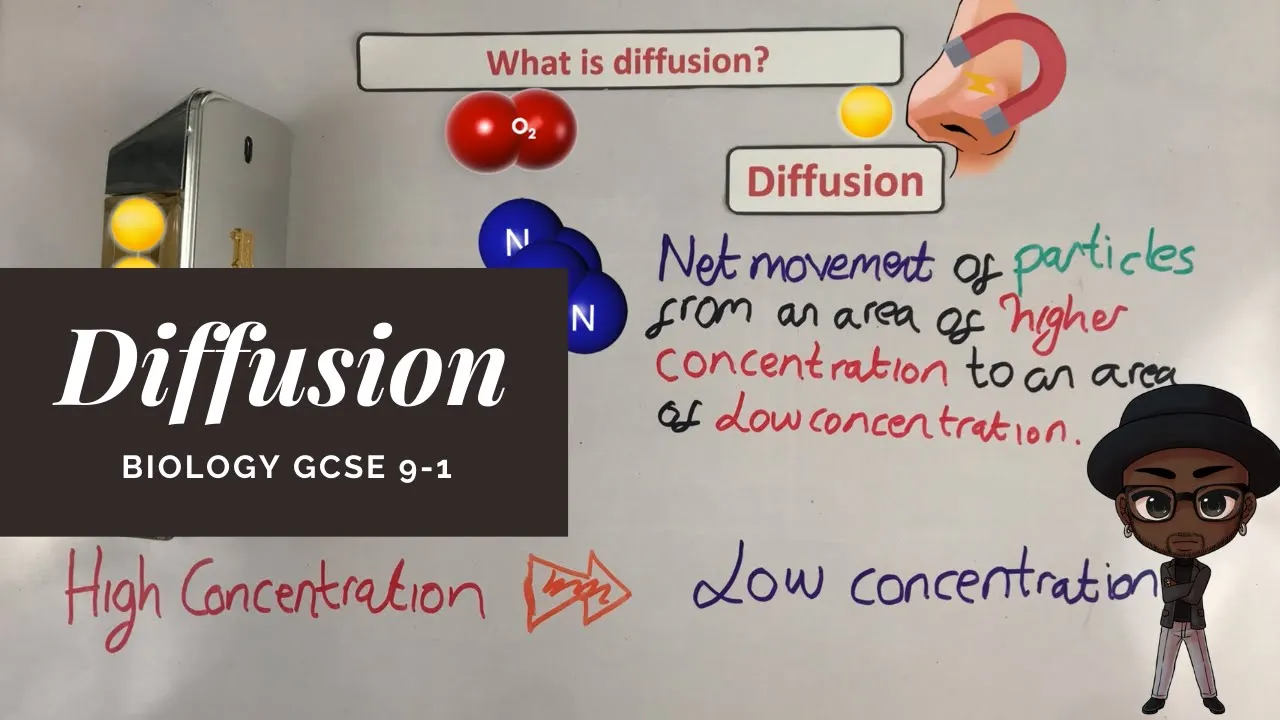
The physical concept of diffusion and how concentration gradients cause particles to move through a medium.
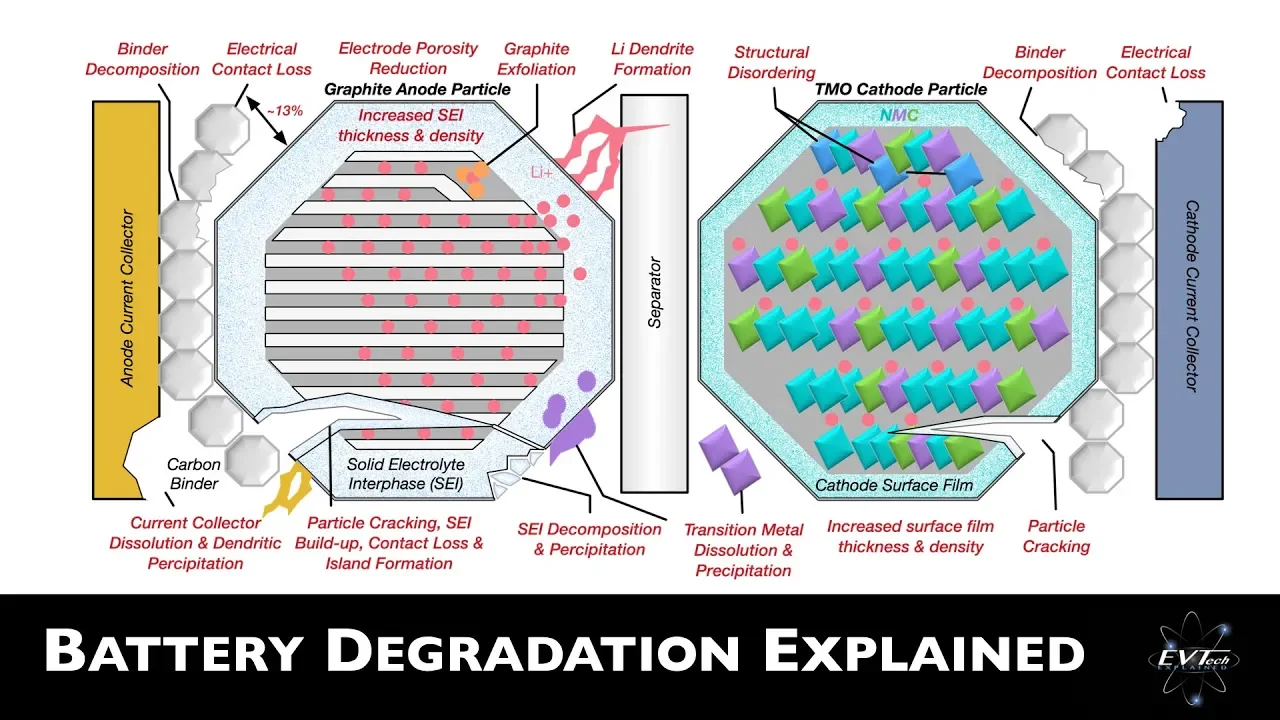
Battery degradation mechanisms, including capacity fading, solid electrolyte interphase (SEI) layer growth, and lithium dendrite formation.
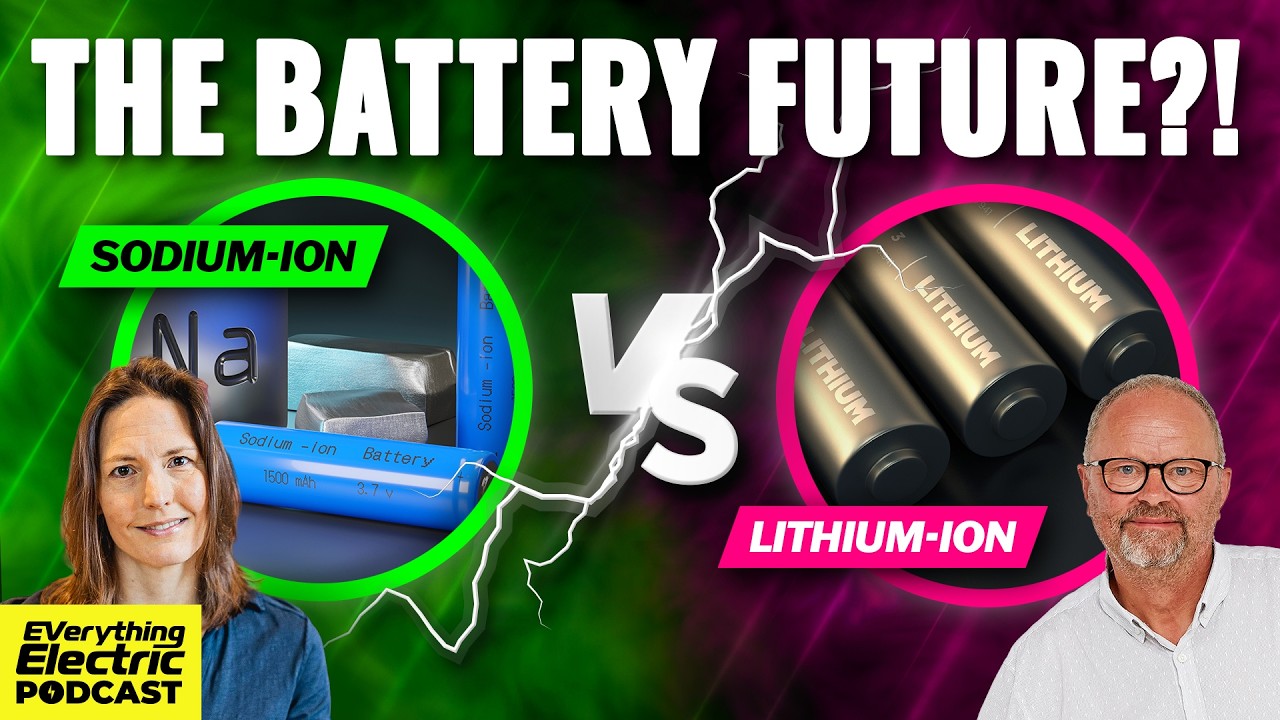
Advanced battery chemistries and alternatives, such as solid-state batteries, sodium-ion batteries, and silicon-anode technologies.
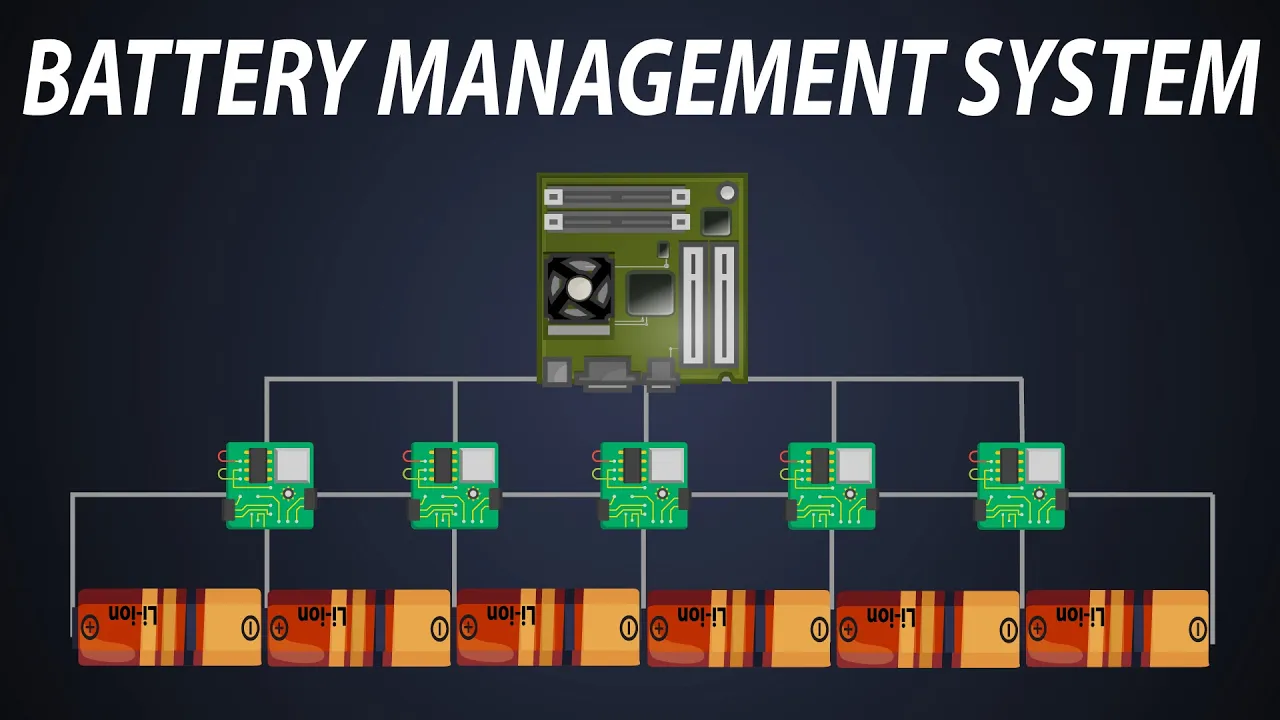
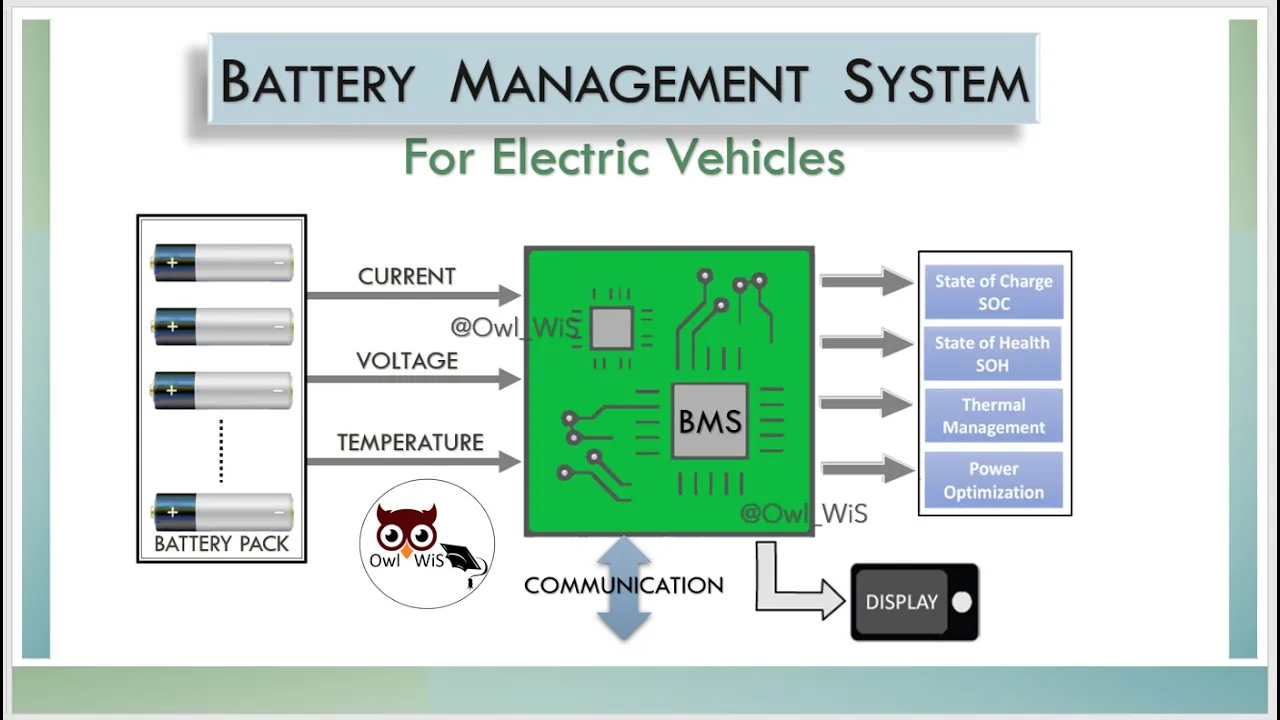
The engineering of Battery Management Systems (BMS) to regulate thermal safety, cell balancing, and state-of-charge (SoC).
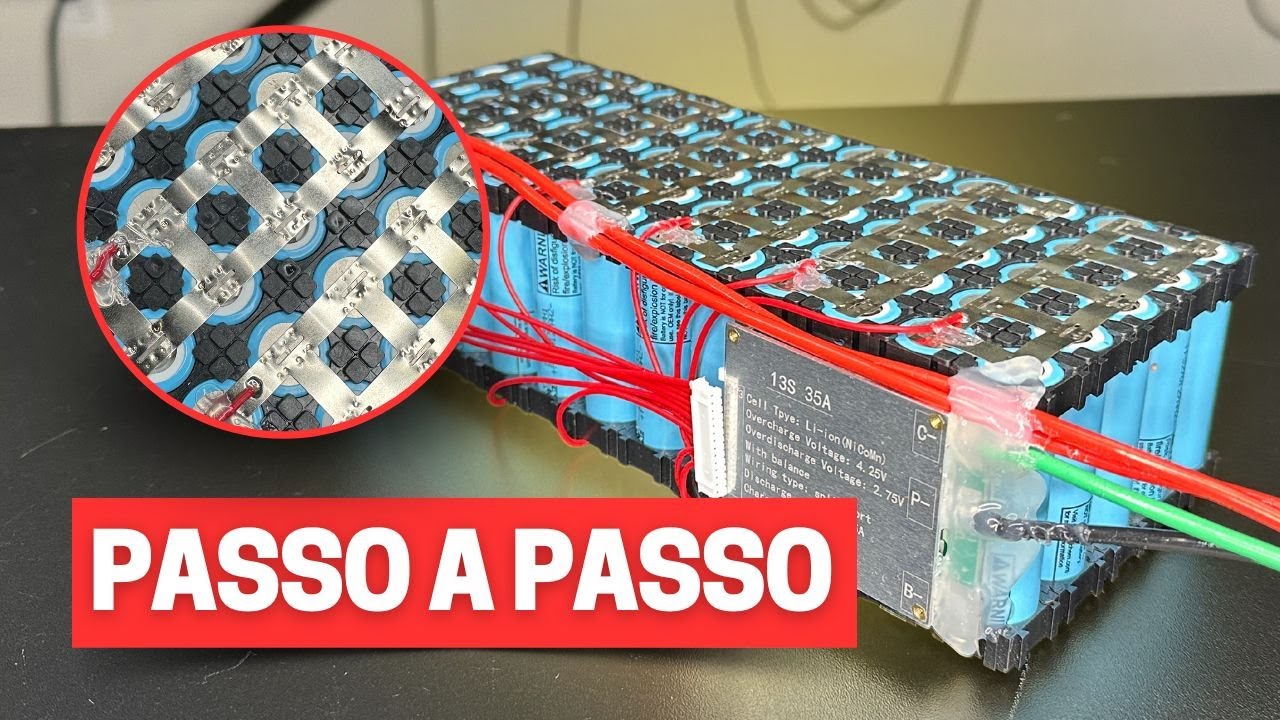
The scaling laws and design principles involved in combining individual cells into battery modules and packs for electric vehicles and grid storage.
652.9K views29.5Klikes17:27Original Release: 2021-12-15
Welcome back everyone, I’m Jordan Giesige, and this is The Limiting Factor.
Today I’m going to show you a how a lithium ion battery works as a chemical machine with a photorealistic model. Let’s dive into the cell, through the hair thin active and inactive material layers, into a red blood cell sized polycrystal cathode particle, and work up from the atomic level. The most fundamental element in a lithium Ion battery is the Lithium. To understand why lithium became the beating heart for state-of-the-art batteries we have to start with the simplest atom, hydrogen, and work up from there.
Let’s freeze the hydrogen atom in time so that we can take a closer look at the particles that compose the atom. At the center is the nucleus, which is made of 1 proton. There’s also an electron orbiting the nucleus. We don’t actually know what an atom looks like. The model shown here is the best model we have to visualise an atom in a way that makes sense to the human mind.
The electron is an elementary particle. It’s one of the basic building blocks of reality, and it carries a negative charge. Electrons zip around the nucleus at thousands of kilometres a second.
They’re so small and so fast, that to us, it’s almost as if they barely exist at all.
The proton is positive and is made of smaller elementary particles called quarks, but that’s deeper than we need to go today. Each proton weighs roughly 1800 times as much as an electron. The best way to think of the nucleus that it’s the stable anchor to the atom, like the sun is to our solar system. Let’s unfreeze the atom. The nucleus looks the same as it did before, but the electron has formed a cloud around the nucleus.
The electron is moving so fast that it appears to be everywhere at once, and it looks like it’s formed a shell around the atom. It can travel anywhere in that shell and even pass through the nucleus. Hydrogen is reactive and it’s able to readily share its electron. Hydrogen’s reactivity has to do with its electro positivity, which in turn is a function of its lone proton and the distance of the electron from that proton. As we’ll soon see with Lithium, the ability of reactive elements to share electrons allows them to store energy in batteries through electron mobility and ionic movement.
If we add another proton, we now have helium. There should also be neutrons in the nucleus, but we’ll leave neutrons out to keep things simple. Helium’s additional positive proton attracts another negative electron to balance out the charge. The new electron can share the existing electron shell with the original electron from the hydrogen. The first shell has a limit of two electrons. The number of electrons that can fit in a shell are due to quantum effects that go beyond the scope of this video but include factors such as the Pauli exclusion principle.
Unlike Hydrogen, Helium has low reactivity. This is because the attractive force of the two protons in the nucleus are at their maximum in relation to the first electron shell, which can only hold two electrons. That is, the helium atom is compact and tightly held together by the balance between the two electrons that can fit in the first shell and the two protons in the nucleus.
If we add one more proton to the helium, for a total of three protons, it results in Lithium.
The next electron shell forms and contains a lone electron. This shell is larger because the space closer to the proton is already filled by electrons. That lone electron is further away from the attractive force of the protons in the nucleus and is barely held in place. Just like hydrogen, lithium is reactive and will readily share its outer electron. This brings us to why lithium is used in lithium ion batteries: It’s the third lightest element in the periodic table, it’s very reactive, and relatively common. Reactivity is always relative and it’s dependent on the energy state of one atom or molecule compared to another atom or molecule.
Hydrogen is used as a standard benchmark. Lithium can release its electron with around 3 volts more force than hydrogen. This is why we don’t see many batteries using a hydrogen chemistry.
Despite the fact that hydrogen is light and abundant, it doesn’t carry much energy potential.
Let’s look at the different parts of a lithium ion battery cell to understand the function of each. In this video, we won’t get caught up in the definition of cathode or anode or whether they’re positive or negative. What matters is their structure and function.
First, let’s take a look at how a Lithium Ion battery is usually modelled.
When the battery is charging or discharging, an electron and ion leave one electrode and arrive at the other electrode at the same time. This illustrates the general concept correctly because electrons and ions do shuffle back and forth between the cathode and anode.
But, it’s not quite accurate because electrons conduct at near the speed of light while ions drift lazily from one electrode to the other. Clearly, there’s a missing piece to the puzzle, or several. In order to understand what’s going on here we need a more in depth understanding of what’s happening at the nanoscale and microscale. Let’s start with the Cathode. We’ll use Lithium Nickel Oxide to keep things simple. In Lithium Nickel Oxide, the Nickel and Oxygen are strongly bonded to each other and borrow an electron from Lithium. This is because Nickel Oxide has a strong potential to borrow electrons and lithium has electrons readily available.
When the battery is connected to a charger, lithium ions are liberated from the lithium nickel oxide crystal structure to the electrolyte solution.
At the same moment that ions are liberated, electrons are liberated from the cathode and conduct to the anode. However, overall, the Nickel Oxide material has become more electronegative, which means it's seeking to borrow electrons now that electrons have been stripped away.
This greater electronegativity explains why all the electrons and ions at the cathode aren’t released at the same time when the battery cell is charged. With each electron that’s taken from the cathode, the cathode becomes more electronegative, which means more voltage is needed to separate further electrons because the cathode is holding them more tightly. The end result is that as a battery is charged increasing voltage is needed throughout the charge cycle.
With each electron that's stripped from the Nickel Oxide cathode, a positively charged lithium ion is released and floats out of the layered crystal structure into the electrolyte solution, wandering towards the anode due to diffusion. The electrolyte solution is made of solvents. The solvent doesn’t react with the positive lithium ion. However, the solvent is attracted by the positive charge of the lithium ion and surrounds it. This forms what’s called a solvation shell.
The solvation shell allows the ions to float freely through the solvent.
This reaction is happening at millions of places across the cathode each instant, releasing a cloud of ions into the electrolyte solution. The cloud of lithium ions naturally floats towards the anode due to diffusion, much the same way a drop of ink disperses in water.
There are four more things to know about the electrolyte solution.
1) It can conduct ions but won’t conduct electrons.
There’s a separator in the electrolyte solution but it’s porous and allows lithium ions to pass through. The separator keeps the cathode and anode from touching, which would short out the battery. 2) It contains an additive, such as vinylene carbonate. The purpose of the additive will become clear in a moment.
3) It contains a salt of lithium. Whenever a salt is dissolved in a solvent, the solvent pulls the salt apart to form a soup of positive and negative ions with solvation shells.
4) That soup of positive and negative ions will always try to maintain a neutral charge. If a positive ion is added, then somewhere else in the solution a positive ion must be removed.
A moment ago, we tore an electron away from the cathode. That electron was nearly instantaneously conducted to the anode. At the same time the electron was released at the cathode, we released a positive lithium ion into the electrolyte solution.
The electrolyte solution must maintain a balance of positive and negative ions.
This means it must give up a positive lithium ion somewhere else in the electrolyte solution.
Conveniently, the electron that was conducted to the anode has pulled a positive lithium ion from the electrolyte solution. This lithium ion came from the soup of positive lithium ions that were already in the electrolyte solution from the lithium salt.
Earlier, we released a cloud of lithium ions into the electrolyte solution at the cathode.
At the anode side of the electrolyte solution, the opposite is happening. The electrolyte solution is becoming depleted of lithium ions. The build-up of Lithium Ions at the cathode and depletion at the anode is called a concentration gradient. As the battery charges, the lithium ions drift over from the cathode side, and it isn’t until the battery mostly charged that some of the lithium ions from the cathode are finally absorbed by the anode.
In the meantime, there were several other mechanisms kicking into gear at the anode.
Lithium, the solvent, and the additives are reacting with the shell of the graphite particles to create a protective film on the graphite particles. The vinylene carbonate additive helps this layer form into a stable surface that extends battery life to thousands of cycles.
The layer is called a solid electrolyte interphase. It’s a solid state layer that the lithium ions will now pass through to enter the particles. The formation of this layer uses up 5-10% of the lithium in the battery cell on the first cycle, which reduces the battery capacity by 5-10%. Customers never see this loss because it happens at the factory.
When an electron is conducted from the cathode, it bonds directly to a lithium ion, forming a lithium atom that’s independent of the graphite crystal structure. The Lithium atom sits between the layers of graphene that make up the graphite. This is called intercalation.
Electrostatic forces now hold the lithium atom in place. The lithium is stored at 1 lithium atom per 6 carbon atoms because this is what is most thermodynamically stable.
The battery is now fully charged. Highly reactive lithium atoms are now stored in the graphite.
Lithium has electrons that can be readily removed but there’s nowhere for those electrons to go. The electrolyte solution can’t conduct electrons and the graphite is stable and won’t accept any electrons. The only way for the lithium to give up those electrons is for two things to happen at the same moment: First, the electrons need an escape path to the cathode. Second, the electrolyte solution must be ready to accept a positive lithium ion, which can only happen when a positive lithium ion has been removed from the solution at the cathode.
When an electrical pathway opens between the anode and cathode, all the electrons between the anode and cathode sense the energy imbalance. On the anode side, electrons in the outer shell of the lithium are ready to go. On the cathode side, the nickel-oxide crystal structure is electronegative and seeking those electrons. In simplified terms, the anode has an abundance of electrons and the cathode is seeking electrons.
During discharge, the Lithium at the anode releases an electron to the graphite, which travels to the current collector, and then the wire. The electron that’s added to the electrical pathway creates a domino effect that cascades at close to the speed of light through the open conductive pathway between the anode and cathode. The individual electrons in the pathway don’t move far and shuffle around in the general direction of the cathode in kind of wave.
This is similar to the way a wave works in the ocean. A wave in open water carries water molecules in a primarily vertical motion, with some horizontal movement. Then, the wave breaks on shore and the water is thrown forward. In this case, that shore would be the cathode.
When that electrical wave breaks on the shore of the cathode, the nickel oxide crystal structure takes one of the electrons and combines it with a lithium ion from the solution returning to the nickel oxide to its original lithium nickel oxide state.
Nearly instantaneously, back at the anode, the lithium atom that lost its electron is released into the electrolyte solution as a positive lithium ion. In other words, both the electrolyte solution, which is the ionic pathway and the wire, which is the electrical pathway, only carried a charge for an unfathomably short fraction of a second. It also means that the electron and ion that arrived at the cathode were a separate electron and ion that left the anode.
At the beginning of this reaction, the charge imbalance between the anode and cathode is strong, with around 4.2 volts of force. As the lithium empties from the anode and the cathode fills with lithium, the charge imbalance decreases and so does the voltage.
The discharge cycle is considered complete when the voltage hits 3 volts. At 3 volts, the battery is ready to be charged again to repeat the full process I’ve laid out today.
To wrap things up, batteries are almost biological in their complexity because they operate at scales spanning a million fold and juggle energy and matter in a dynamic system. By looking at how a battery works mechanically and visually, it grounds our thinking with something that’s more tangible than the equations and abstract ideas that describe the physical phenomena.
Hopefully, this video’s helped things click for you or filled in some missing pieces.
If the response it positive, I may do more videos like this in the future.
I’d like I extend a special thanks to all the people who made this video possible: Professor Shirley Meng and Graduate Student Researcher Hayley Hirsh of Jacob’s School of Engineering at UC San Diego were invaluable to getting the details right in this video.
Any technical issues with the video are due to my attempt to package the information for the general public. Gavin Whittaker of Miramodus molecular models gave me some great lessons on thermodynamics along with a model of the cathode crystal structure.
Martin Schulz-Dobrick educated me on the nitty gritty details of ionic and electronic activity within the cathode crystal, which helped a lot in making the schematic view of cathode intercalation closer to reality.
Ali Ansari and Battery Bulletin have had infinite patience with me over the past 6 months and have been invaluable to levelling up my general battery knowledge.
Finally, this video wouldn’t have been possible without strong financial support from my Patreon supporters. That support is deeply appreciated and makes the channel possible.
If you enjoyed this video, please consider supporting me on Patreon with the link at the end of the video or snag something off the merch shelf below. I am also active on Twitter and Reddit. I appreciate all your support, and thanks for tuning in.
Up Next

16:50
Solid State Batteries: Yoshino B330 Reality Check
@UndecidedMF
169.3K views•2024-08-06

30:32
Ultrasonic Transducers: Resonant Frequency Measurement and Horn Design
@imajeenyus42
229.9K views•2017-02-22

54:16
Polymer Environmental Degradation: Mechanisms & Stabilization
@iit
1.8K views•2012-07-10

33:39
How a Student's Question Saved a NYC Skyscraper from Collapse
@veritasium
22.8M views•2025-04-26
Related Study Plans & Knowledge Roadmaps
Structured learning paths in Engineering
engineering
Building Acoustic Levitators: Physics & Arduino
01The Physics of Sound and Standing Waves
02Piezoelectric Transducers and H-Bridge Drivers
03Arduino Programming: Generating 40 kHz Signals
+ 2 more learning modules
14h5 modules
Explore Roadmap
engineering
Building Peltier Cloud Chambers: Particle Tracks
01Cosmic Rays & Cloud Chamber Physics
02Thermoelectric Cooling (TEC) Fundamentals
03Custom Liquid-Cooling Loop Design
+ 2 more learning modules
18h5 modules
Explore Roadmap
engineering
Yagi-Uda Antennas: Modeling, Build & VNA Test
01Introduction to RF and Antenna Fundamentals
02Yagi-Uda Antenna Design Principles
03Antenna Modeling and Simulation in 4NEC2
+ 2 more learning modules
18h5 modules
Explore Roadmap
engineering
ECG Monitor Design: Op-Amps, Filters & Noise
01Electronics & Breadboard Basics
02Op-Amps and Instrumentation Amplifiers
03Bioelectricity and ECG Fundamentals
+ 2 more learning modules
18h5 modules
Explore Roadmap