
![Arabic Alphabet For Beginners 3/4 [Arabic Mike]](https://i.ytimg.com/vi/AxHKIORUTT4/sddefault.jpg)



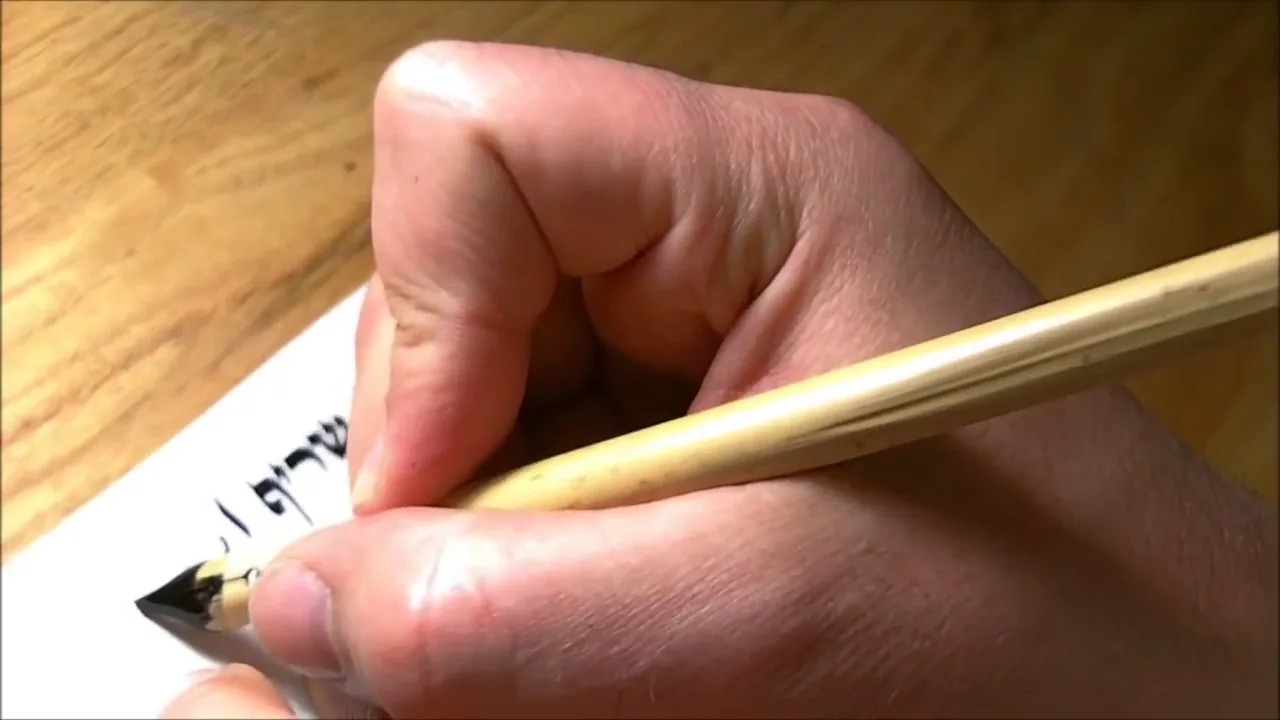
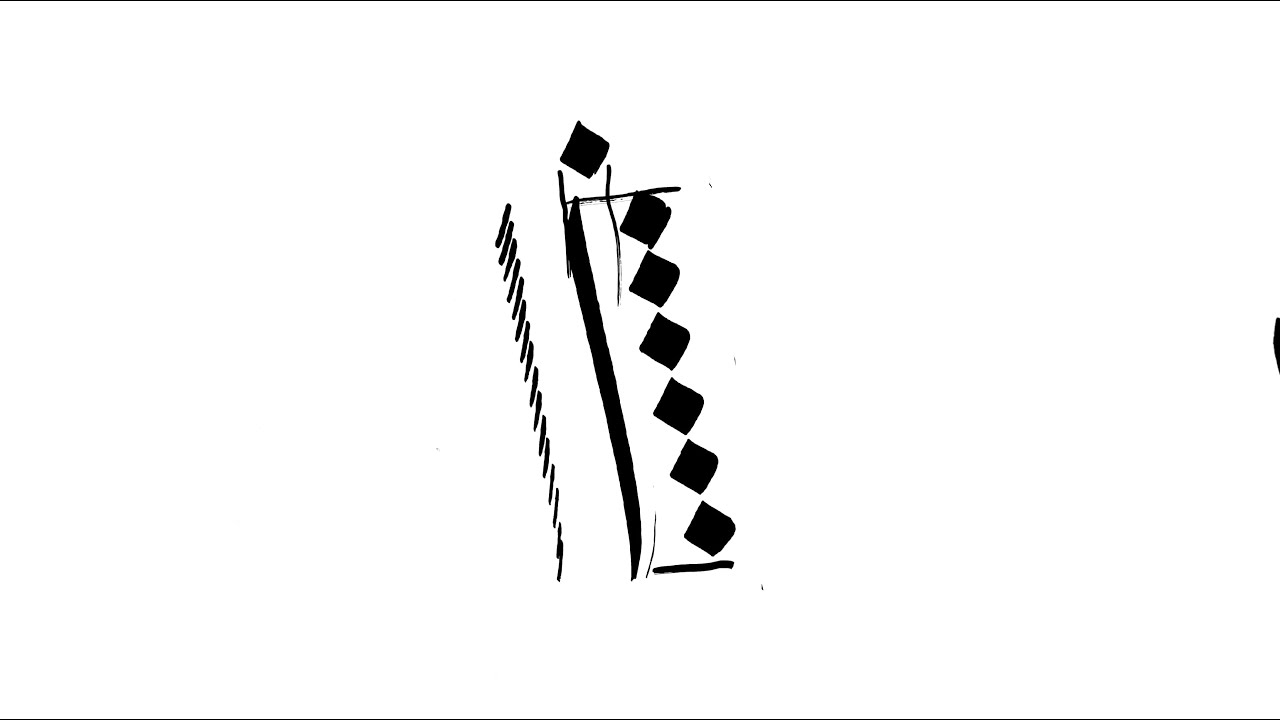













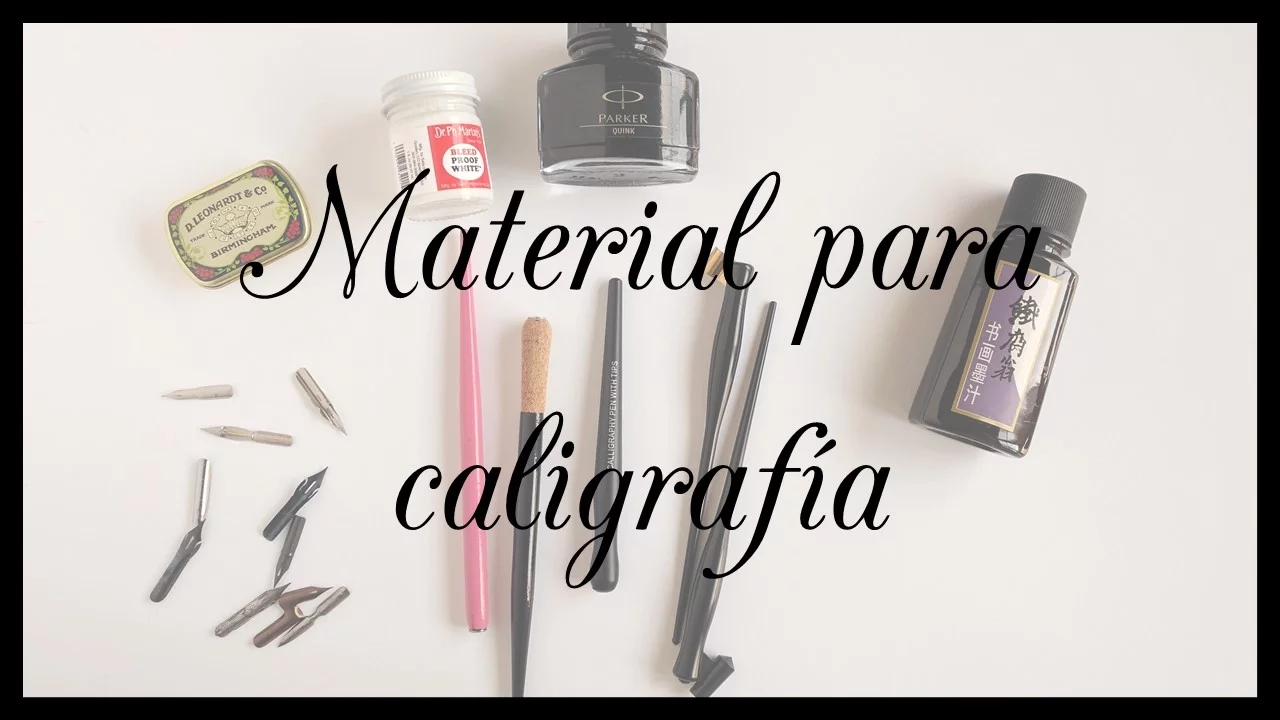


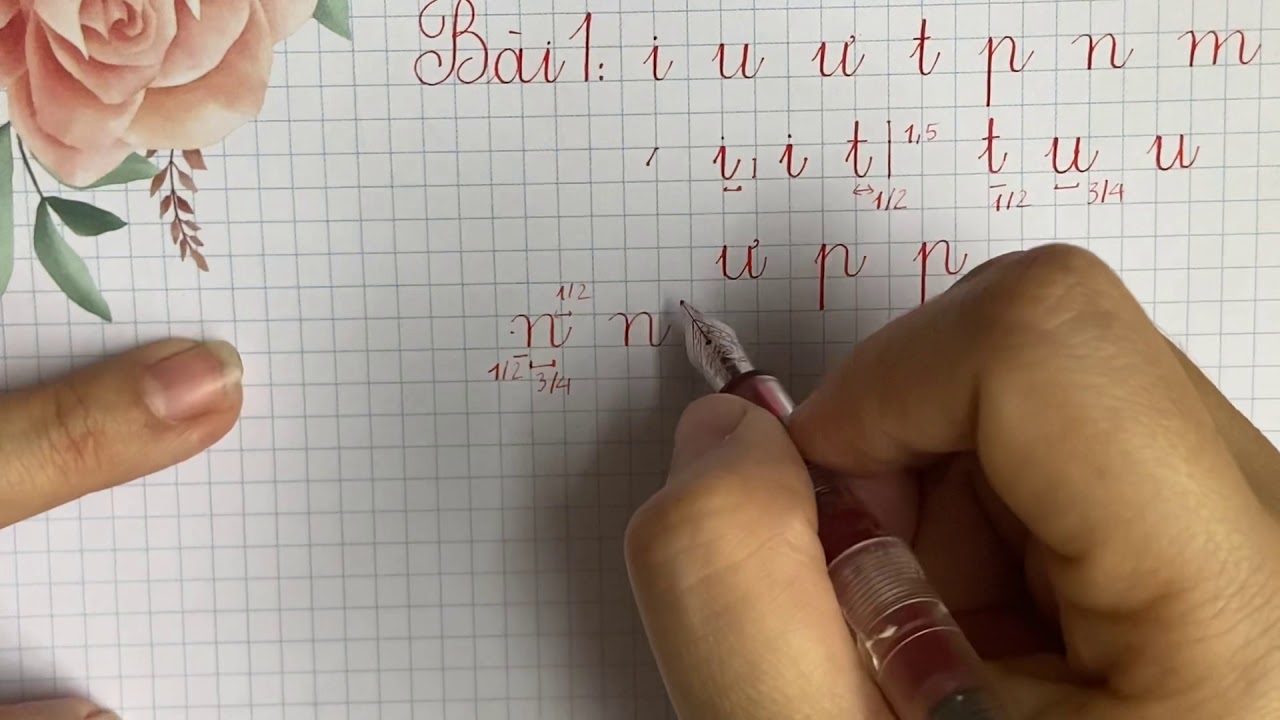


In Arabic calligraphy, proper column holding involves holding it like a pen with the hand pointing to the top-left corner of the paper, the taller nib part pointing away from you, and the shorter part toward your left shoulder at an 80-degree angle. To create thinner strokes, move the column at the same angle as the impact (70-80 degrees), while thicker strokes result from moving the column at a different angle, utilizing the varying lengths of the nib's edges.
Arabic Calligraphy Qalam Basics: Thick & Thin Strokes Guide
Added:Familiarity with the Arabic alphabet, basic letterforms, and the right-to-left writing system.
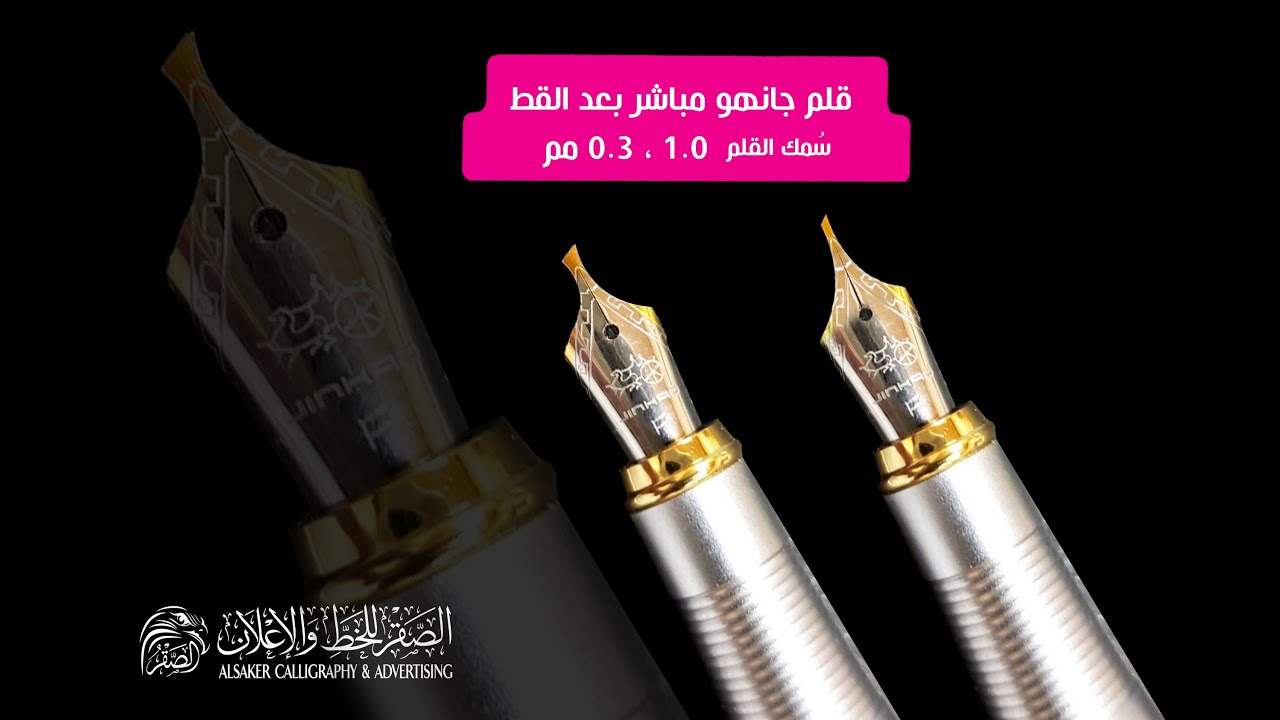
Understanding the anatomy of the Qalam (traditional reed or bamboo pen) and how it differs from western metal nibs.
Concept of the 'Nuqtah' (the square dot made by the pen) as the fundamental unit of measurement in calligraphy.
Basic knowledge of calligraphic materials, such as glossy/coated paper (Ahar) and fluid, soot-based ink.
Applying basic strokes to construct individual letters in classical scripts like Thuluth, Naskh, or Ruq'ah.
Learning the art of 'Taqt' (the precise cutting and angling of the Qalam's nib) to customize line widths and ink flow.
Understanding rules of connection and spacing between letters according to traditional proportions (Mizan).
Designing balanced calligraphic compositions (Tarkib) incorporating decorative elements and vowel marks (Harakat).
46.9K views2Klikes13:22Original Release: 2020-03-20
assalamu alaikum wa rahmatullahi wa barakatuh welcome to this video this is going to be the first video in this fourth basic learning series that i am launching on youtube even though basic it is going to be very very detailed over the course of next perhaps 30 odd videos we will discuss all 27 letters in the fluid script of course from the Arabic alphabet ok so in this video I'm gonna set the agenda and then we will begin we will learn everything about how to manipulate the column what I mean by that is how can we get thinner stroke and thicker stroke with the same column and what angle should you hold the column at how should you hold the column in your hands and then it becomes easier for you to start practicing after that for that purpose I'm going to use a celli column perhaps I will use a 15mm column and a smaller column to demonstrate just that ok right so let's begin bismillah here a minor aim and the first thing that I want to talk about in this video is how you hold the column and it is quite an easy process actually it's not a difficult thing if I put it in a nutshell you hold the column exactly the way you hold a pen so this is how you hold a pen all you do is replace the pen with the column this is how you'll know the column that's step one okay step two is you will make sure that your hand is pointing to the top-left corner of the paper or the book okay so we have four corners 1 2 3 4 in any book your hand will point on the top left corner not the column your hand but you don't need to worry about that much because that's the natural positioning of our hand that's the point to point number 3 is you'll hold a column in such a way that the taller part of the NEB points away from you and the shorter part of the net points to the left shoulder now if you observe carefully the column that we use for Arabic calligraphy has a cut this cut is around 45 degree anywhere between 35 to 45 degree which means the columns nib is not equal in edges one is shorter and the other is taller so the longer or the taller part of the column will stay away from you and short apart will be towards you if I take bamboo column and explain you all you do is you keep the shallow part away from you this is the shallow part you keep it away from you so by default the taller part will be pointing away from you and the shorter part of the nib will be pointing towards you that's point number three finally the default angle at which you hold the column is 80 degree for salute let me explain you this is your y axis and this is your x axis this is your 90 degree okay if I divide this this becomes your 45 degree okay so your 80 degree would be somewhere here approximately okay and this is approximately your 70 degree we're working on approximation so I hope you understand so the point number one was your hand points in the top-left corner point number two is a shorter part of the column points to a left shoulder end point number three is you keep the column at this angle you can keep the column at this angle also which is 70 degree so the angle of impact as I call it can be anywhere between 70 to 80 degree okay so you can keep the column ideally I suggest to keep the column at 80 degree because it helps you in making several letters sometimes for making a left eye I prefer some dessert at this angle which is around 80 to 70 degree it really depends from letter to letter okay but by default you'll keep it at 80 degree and if I use a smaller bamboo column this is how it would look okay excellent unless otherwise specified so the way I teach in the workshop is similar to what I'm showing you right now if as in when I teach let's start teaching letters if I know that there are certain letters which use different angle i specify that at that point in time okay so well keep these three or four points in mind and start using the column it is going to be quite easy for you to do so now that you've learned how to use the column the angle at which you hold the column I'll give you some basic exercises that you can practice and build your hold over the column before you start writing letters okay the first exercise that you need to do is keep the column at around 80 or 70 and you bring it down okay just like that just bring it down now when you practice this kindly note that your hand your palm will be planted on the book you will not lift your palm not like brush lettering artists you will keep your palm planted on the paper or the book and then along with the column your hand also moves observe my hand is somewhere here when I start the stroke and it ends up being here when I end the stroke so my hand is moving along with the column allow me to demonstrate again this is where I'm going to denote that with my index finger this is where my hand is when I start and this is where it is when it ends okay so your hand will not be stagnant your hand will be moving along with the column so that's your first exercise practice this as much as you can because this will help you get a very good hold on the column now second exercise is similar except you move horizontally you keep the column at 80 again but you move the column from left to right you can make short strokes and that is fine you don't need to make longer strokes just this okay similarly you keep the column at eighty degree again and you move from right to left this is going to be difficult this will give you some friction so be patient only do so okay and finally you keep the column at the same angle and you go up straight this is going to be the most difficult and the column will give you a lot of friction so be very very patient okay this is the first set of exercises vertical horizontal horizontal vertical okay now you can start once you get a good hang of this you can start with a bit of advanced level of exercises not difficult just a bit tricky so you need to be careful the next set of exercises involves you going at a different angle keep the column at 80 but you move the column at 45 degree like this diagonally again you keep the column at same angle but this time you come down okay allow me to demonstrate again go up diagonally and come down from there diagonally this is the first exercise from the second set the second exercises you will make this stroke first now you come down diagonally now you change the angle of the column to 90 degree and you go down diagonally again such that this should be almost 90 degree so opposites okay this is the second exercise from the second series the third will be you go up and without lifting the column you turn and you drop in the opposite direction again look go up without lifting the column you drop okay this is the second third exercise in this second series of exercises practice these exercises very well and it will help you a lot in explaining and I mean writing letters well now final topic of the video is going to be how do I make thinner and thicker strokes with the same column kindly note I'm going to introduce two points your angle of impact and angle of movement okay let me draw the same x-axis and y-axis again please note a simple funda if the angle of movement of the column is same as the angle of impact what I mean by angle of impact is the angle at which you keep the column on the paper this becomes your angle of impact okay let's take 70 degree as an example okay now if I move the column in the same angle that becomes angle of movement or motion so this angle this is the angle of motion now we keep the column at 70 again but if I move it at 45 degree let's see what happens did you observe the thick stock and thin straw so what is the conclusion that you draw if the angle of impact is the same as the angle of motion then no matter how far do you go and in which direction you go whether you go up or you go down the stroke will remain thin it is not going to be thick and hence the further you go away from the angle of impact that thicker the stroke there you go do you see the difference between this stroke in this robe this is because you're using the thickness of the column and you're using the length of the Nabire that is the reason why you get thick and thin strokes okay and then later on when you start writing letters you'll see manipulating the column how you manipulate the column to get thin and thick strokes allow me to give you an example let me just write the first stroke of the letter ba now the angle of impact is this 80 degree let's say I'm going to come down towards my right hand side and then drop do you see how thick it is here and how thin it is here it's because I kept changing the direction of the movement of the column and also the angle while I'm moving okay that is the reason why you see thick and thin strokes my angle of impact was this if I have to move in the same direction this is going to be the thinness my angle of impact again remains the same but I'm moving in this direction that is why you see thickness of the stroke okay so keep these things in mind and kindly practice as much as you can because this video is a precursor and a very very important video before I start with letters okay in the next video in channel I will teach you how to make the nocte and what angle we use to make an octa and then post that we can begin writing the letters of course in between somewhere I'll upload a video on C on supplies that you can buy okay I have ordered a few supplies so I need to get these before I start with that video if you have any questions or suggestions please drop a comment below or drop me a message on Instagram and I will respond follow my instagram ID which is column or caucus and let me know if you have any anything to say that's all I have for this video I wish you have a good day Salam alaikum wa rahmatullahi wa barakaatuh
Up Next

4:06
Córdoba's Mezquita: A Mosque-Cathedral Symbol of Spain's History
@RickStevesEuropeOfficial
243.6K views•2012-01-17

12:54
Triumph of Orthodoxy Icon: Byzantine Art & History Explained
@BenCallan
2.1K views•2024-08-06

9:49
FastAPI vs Flask vs Django: Choosing the Right Python Web Framework
@TechWithTim
302.5K views•2024-05-26

1:42
Game of Thrones Opening Credits: A Cinematic Analysis
@gameofthrones
46.3M views•2011-04-18
Related Study Plans & Knowledge Roadmaps
Structured learning paths in General & Interdisciplinary Studies
general-studies
Elevator Engineering: History, Physics & Cities
01From Hoists to Safety Brakes: The Dawn of Vertical Lift
02Hydraulic vs. Traction: The Engineering Physics of Elevators
03Modern Speed, Safety, and Algorithms
+ 2 more learning modules
12h5 modules
Explore Roadmap
general-studies
Rubber: Material Science, History & Geopolitics
01Origins of Natural Rubber & Mesoamerican History
02The Chemistry of Natural Rubber & Vulcanization
03The Geopolitics of the Rubber Boom & Colonization
+ 2 more learning modules
12h5 modules
Explore Roadmap
general-studies
Containerization: Evolution, Logistics & Trade
01Ancient Trade & Bulk Cargo: Amphorae to Barrels
02The Industrial Revolution & Cardboard Packaging
03The Containerization Revolution: Malcom McLean
+ 2 more learning modules
12h5 modules
Explore Roadmap
general-studies
Textile Tech: Evolution, Labor & Global Impact
01Pre-Industrial Textiles: Handloom & Cottage Industry
02Mechanization: The Spinning Jenny to the Power Loom
03The Factory System & Global Labor Transformation
+ 2 more learning modules
10h5 modules
Explore Roadmap