






![Pieniądze alternatywne [1/3] - Nawigatorzy Jutra - WYKŁAD](https://i.ytimg.com/vi/HqCG57le0OY/maxresdefault.jpg)







![[슈카월드] 현실화하는 삼성전자 파업 / 민원 전성시대 / 한일 경제공동체가 가능할까? / 신임 연준의장 케빈 워시 청문회 / 티라노는 왜 No1 공룡이 되었나](https://i.ytimg.com/vi/Yh0VvFx64gw/sddefault.jpg?sqp=-oaymwEmCIAFEOAD8quKqQMa8AEB-AH-CYAC0AWKAgwIABABGGUgZSgsMA8=&rs=AOn4CLDGyRVSMKLJJYGyDOzZkxDmgzZGRQ)




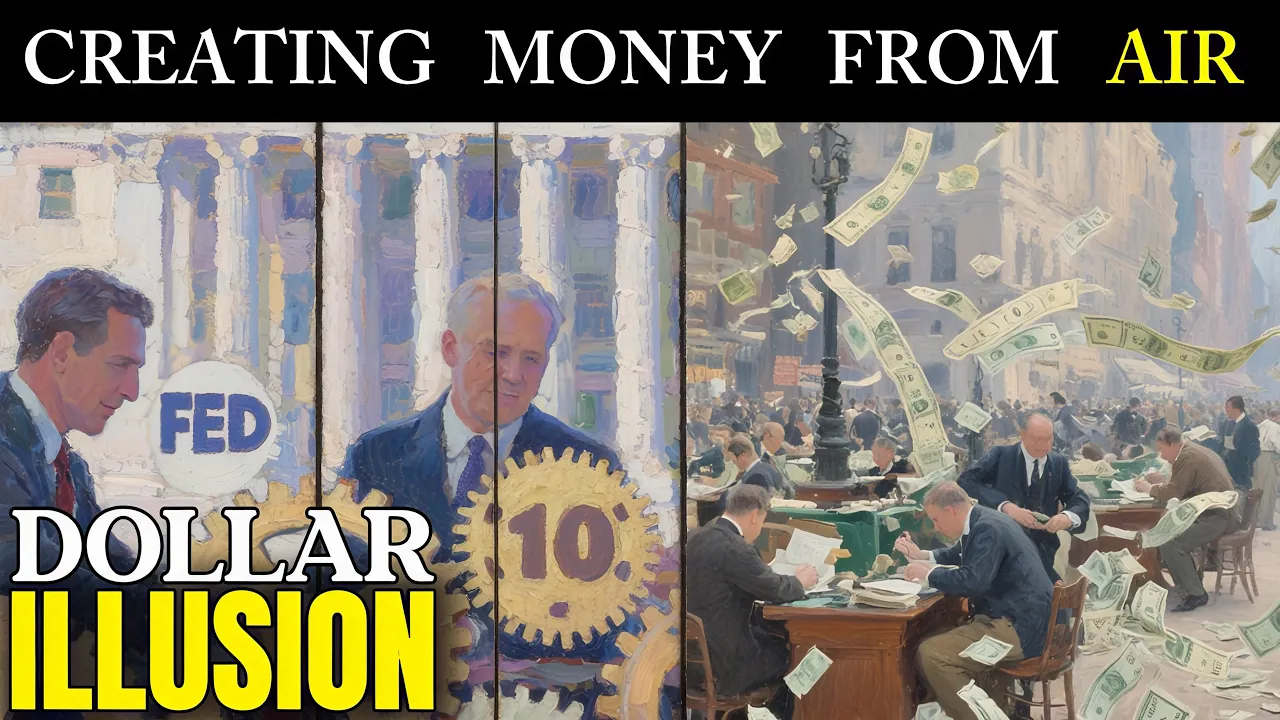
Quantitative easing is a monetary policy tool where central banks electronically create new money by purchasing government bonds or other assets from investors, crediting their accounts with fresh funds; this policy aims to boost economic activity by encouraging investors to shift from safe government bonds to riskier assets like stocks and stimulating lending through low interest rates, though critics warn it may eventually cause inflation by increasing money supply beyond the economy's capacity to produce goods and services.
How Quantitative Easing Works: Central Bank Money Creation Explained | The Economist
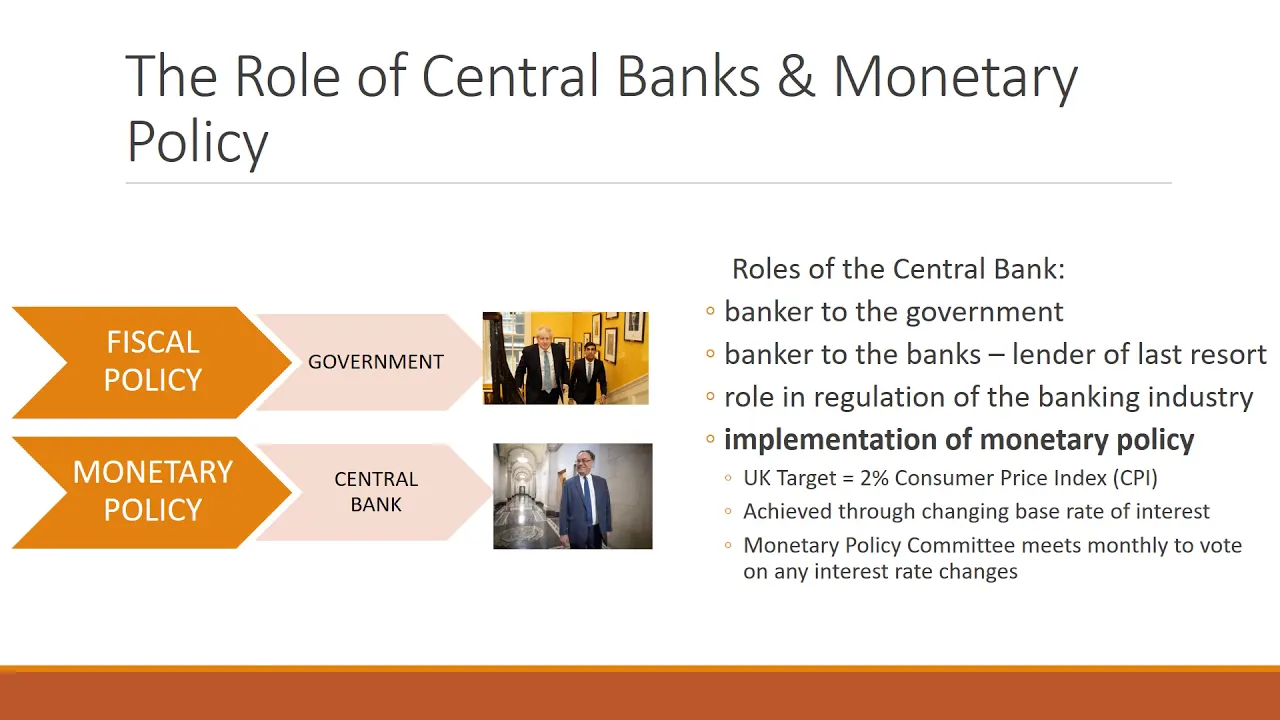
Added:The distinction between traditional monetary policy (e.g., setting central bank interest rates) and fiscal policy (government spending and taxation).
The basic mechanics of the bond market, specifically how bond prices and yields are inversely related.
The concept of the fractional reserve banking system and how commercial banks traditionally create money through lending.
The primary mandate of central banks, including inflation targeting, price stability, and managing economic growth.
The mechanics of Quantitative Tightening (QT) and how central banks attempt to unwind their balance sheets without causing market panic.
The socio-economic criticisms of QE, particularly its role in inflating asset prices (stocks, real estate) and exacerbating wealth inequality.
The concept of a 'liquidity trap' and why massive liquidity injections might fail to stimulate bank lending or consumer demand under certain economic conditions.
An analysis of alternative economic frameworks, such as Modern Monetary Theory (MMT), which propose different pathways for central bank money creation and government spending.
327.8K views3Klikes2:31Original Release: 2012-09-28
on September the 13th the Federal Reserve the US Central Bank announced a new program of quantitative easing the creation of money to try and boost the economy like Pavlov's dogs the stock market salivated as it has done on the previous occasions the FED announced similar measures are these rounds of monetary easing actually necessary and will they succeed in boosting the global economy quantitative in involves the creation of new money not the literal printing of money as used to occur but the creation of money with a click of a computer mouse when an investor sells government bonds or another asset to the central bank the Central Bank credits the bank account of that investor with new money the aim is to encourage investors to leave safe assets like government bonds and invest in riskier assets like shares and it's also to stimulate lending in the economy by keeping interest rates low does quantitative easing work Beyond lifting the stock markets in the short term in a kind of sugar high in the long run critics fear that the effect of expanding the money supply having more money chasing fewer Goods will be to create inflation the positive case of quantitative easing is that it has prevented a very deep recession indeed although central banks may be creating money the biggest source of money Creation in the economy traditionally has been the commercial Banks and they have been destroying money by shrinking their balance sheets the best way of thinking of it is as a bath as the central banks are pouring in money through the Taps the banking system has pulled out the plug at the other end and the net effect if you look at the total amount of money in the system particularly in Europe is a balance money supply is barely growing at all so without QE the argument is the money supply would be shrinking very rapidly just what happened in the 1930s and what led to the Great Depression to sum up quantitative easing is a controversial policy and an untested one but the economist view is that it's worth a try the authorities have few other options and the danger is that if they do not act the world could fall into a very deep [Music] recession
Up Next

113:18
The Age of Easy Money: Fed & Inflation | Full Documentary
@frontline
21.2M views•2023-03-15
5:07
Impact of Yuan in Indo-Russian Trade Amid Sanctions
@WION
261.9K views•2022-07-01
10:33
Behavioral Economics Explained: Rationality, Nudges, and Risk
@crashcourse
1.1M views•2016-03-12

31:22
How the Black-Scholes Equation Revolutionized Finance
@veritasium
15.8M views•2024-02-27
Related Study Plans & Knowledge Roadmaps
Structured learning paths in Economics
economics
Sovereign Debt: Defaults, IMF & Restructuring
01Introduction to Sovereign Debt & Government Bonds
02Debt Sustainability & Credit Ratings
03Anatomy and History of Debt Crises
+ 2 more learning modules
12h5 modules
Explore Roadmap
economics
Market Design: Matching Theory & Gale-Shapley
01Introduction to Market Design and Price-Free Markets
02Two-Sided Matching & The Gale-Shapley Algorithm
03School Choice Systems and Mechanism Design
+ 2 more learning modules
10h5 modules
Explore Roadmap
economics
Impossible Trinity: Forex, Capital & Policy
01Introduction to Monetary Policy and Central Banking
02Exchange Rates and International Capital Flows
03The Mundell-Fleming Model
+ 2 more learning modules
8h5 modules
Explore Roadmap
economics
Healthcare Economics: Market Failures & Systems
01Introduction to Healthcare Markets and Market Failure
02Asymmetric Information and Adverse Selection
03Moral Hazard and Insurance Design
+ 2 more learning modules
12h5 modules
Explore Roadmap