







![Circular Economy Package [Policy Podcast]](https://i.ytimg.com/vi_webp/H_-6kznOuBk/maxresdefault.webp)









Human consumption patterns are rooted in evolutionary survival mechanisms that once helped our ancestors survive but now drive excessive consumption that threatens the planet; understanding this connection reveals that true happiness comes from relationships and purpose rather than material accumulation, and that sustainable solutions lie in making durable products, supporting ethical supply chains, and consciously choosing quality over quantity.
The Shitthropocene: How Consumerism and Fast Fashion Impact the Planet
Added:The concept of the 'Anthropocene' and how human activity has become the dominant influence on climate and the global environment.
The fundamental mechanics of the globalized supply chain, specifically how outsourcing impacts labor and environmental regulations in developing nations.
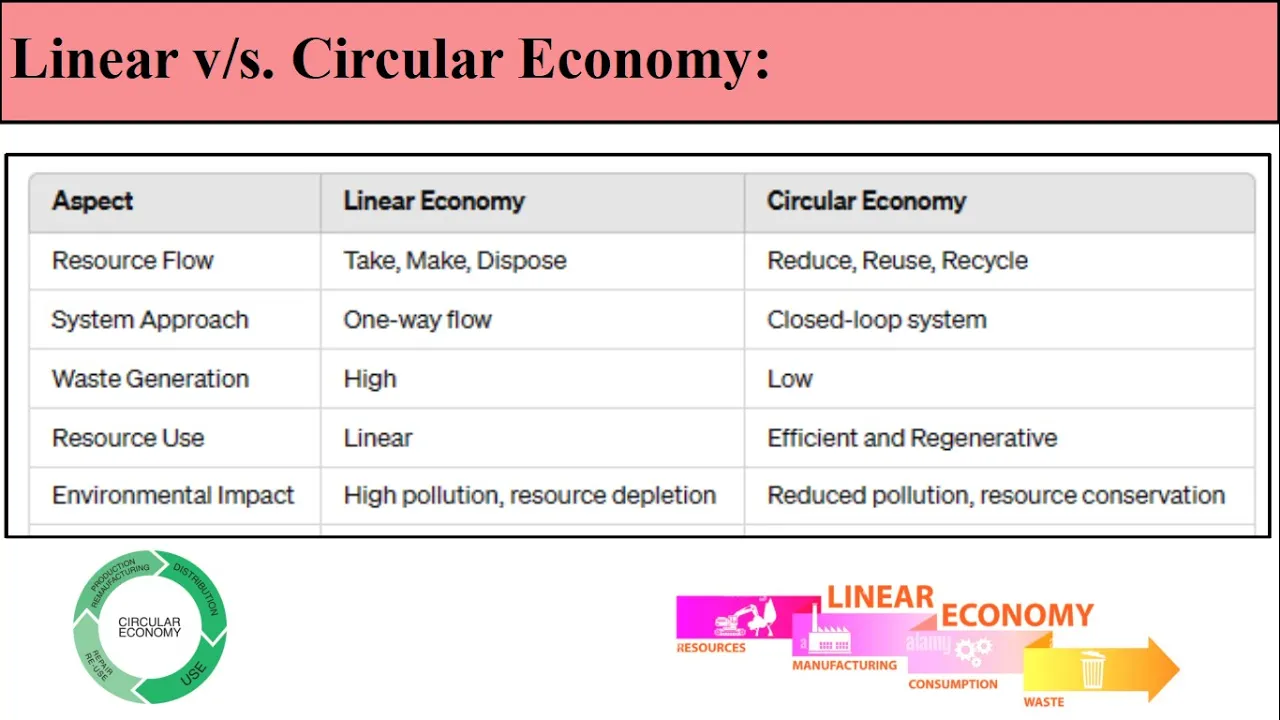
The difference between linear economic models ('take-make-waste') and circular economic models.
Basic environmental science concepts, particularly how synthetic materials (like polyester) degrade into microplastics and accumulate in ecosystems.
The principles of 'Degrowth' and steady-state economics as alternatives to GDP-centric, consumption-driven economic growth.
Life Cycle Assessment (LCA) methodologies used to scientifically measure the environmental impact of a product from raw material extraction to disposal.
Policy and regulatory frameworks such as Extended Producer Responsibility (EPR) and corporate greenwashing legislation.
Advanced sustainable materials science, including regenerative agriculture for textiles and chemical recycling technologies for blended fabrics.
972.6K views10.4Klikes46:14Original Release: 2024-04-29
many scientists and historians think we're entering into a new Epoch one where things are simply crappier come with us as we investigate this new era of the [ __ ] threr [Music] scene I'm that okay Untitled film about how everything has gone to [ __ ] and we're all pretty much [ __ ] take one okay rolling hi do you want me to start with a joke as long as you're prepared for me not to necessarily laugh at it I don't know if I can emotionally handle that then don't I'm I'm going to do it anyways what's fen's favorite proof bum bum bum banana consumption is the act of consuming [Music] things and a lot of those things are the stuff we need to survive but we are entering into an era where even if our basic needs are met we buy more and more stuff that's been designed to be used for a distressingly small amount of time particularly our clothing which accounts for up to 10% of carbon emissions and is filling our landfills with regrettable fashion decisions do we really want to tell this story o the decrease in quality and acceleration of turning resources into rubbish is doing bad things to our planet which is bad because that's where almost all of us live until now no one has ever really bothered to look into it join us as we talk to Leading experts in the field feels like I'm a sociopath because I'm like looking into the camera and I'm like now's the end of the sentence I'm going to drink some pretend coffee I'm so sharp hold the perpetrators accountable all right Pedro we're going to ask you some tough questions and embark on an investigation into why the things we use to cover up our naughty BS have all gone to shite we have this enormous problem that is threatening the entire world some of the most devastating social environmental problems were embedded in our garments and we're just like [ __ ] what do we do many scientists and historians think we're entering into a new Epoch one where things are simply crappier come with us as we investigate this new era of the [ __ ] Thro aene I to [Music] lose the [ __ ] roer scene is characterized by things that are shitty like a global decrease in the standard of living consumer products that simply fall apart and cooking websites where you have to read someone's whole life story before you can get to the recipe you might be wondering how do we decide this is the world we want to live in it couldn't have happened by accident like the invention of gravity or the periodic resurrection of the McRib it was a really long string of decisions made by human beings that got us [Music] here but in order to understand how we got to this place we'd have to understand how decisions were even made it turns out decisions are made mostly in something scientists are calling the brain what is the meaning of life why do we do the things we do uh if I perceive this color is blue and you perceive it as blue is it the same thing all those kind of questions that you start asking this is what we call biologic decision making it's a process that began 3 billion years ago when a single cell happened to have a mutation that allowed to change shape when it encountered a chemical in its environment this single celled Fell's name was Steven he had a friend named Brian who was a bit of a pudding pie Brian but together they were about to invent what we now call a decision it's not exactly a decision the way we think of human decisions but a cell a single cell can go toward something that is nutritious and away from something that's toxic [Music] and that's why there is no one named Brian anymore Steven however went on to great things over the years Steven multiplied hundreds if not thousands of [Music] times some of the Stevens joined together to become big scary lizards some became big scary fish while the boring ones turned into plants [Music] the only Stevens that were successful though were the ones that made good decisions for billions of years until Evolution culminated in the silliest of all possible life [Music] forms I'm the king of the wild give me my flowers while I'm here right now nobody was named Steven 100,000 years ago but [Music] anyway so the things that determine the design of our neural equipment were things that had survival Advantage these survival advantages were things like the ability to make and use tools or seduce or cave people to make we Cav brogs so if you are hungry hot tired and you come across food it is intensely [Music] rewarding you get a powerful dopaminergic reward to help teach you what you need to [Music] [Music] survive you're more likely to survive if you crave and seek and obtain so we consume because if we didn't consume we'd die the problem is that while Evolution gave us consumption that was matched to our needs now we are able to consume way more than we [Music] need you have unlimited almost amounts of goods and it requires energy and resources to make those [Music] goods and so our enormous capacity to consume is no longer a survival advantage when you think about the planetary [Applause] consequences one of these survival advantages was protecting your caveman body from the elements as cold weather had just been invented ironically at the same time our ancestors lost their Fair it's hard to imagine but online shopping hadn't been discovered yet so you had to leave your cave and steal an animal's clothes if you didn't want your bits freezing off now we have a system where we can send away something called money imaginary numbers that represent how many hours we've spent making rich people more rich and days or even hours later things show up at our door whether we need it or not clothing was once used to keep keep us protected from the elements but is now primarily used to flex on an online platform called Tik Tok before being thrown away to understand if this smus board of questionable transactions is altogether necessary we sent a crew to document the ongoing efforts of a randomly selected clothing company that had nothing to do with the funding of this film hello check check all right can I curse in this I'm trying not to oh sorry there will be absolutely no swearing in this film [ __ ] she won't like this film if you see these I'm not actually going to watch it so yeah I understand that your hats are made of fishing nets so what happens if the fisherman want them back that's a good question so what about the other planets can't we just go there once we're done here so tell me more about how your [ __ ] doesn't really stake mhm there's a sunk called cost of the planet for every product that we make our job is to live in the tension of trying to save the home planet by virtue of making and selling [Music] stuff Patagonia the apparel company is a spin-off of Shard equipment which is a climbing equipment business when we started making climbing gear it was a life and death situation and so quality's always been extremely important to us as we started making more and different things quality needed to evolve at the same time early on Ivon followed a set of core principles and how he was going to approach making product the design quality philosophy environmental impact was not always the heartbeat of our decision-making process but throughout our history durability has really been the hmark and durability shares a wonderful space with minimizing the cost to the environment we're trying to use this company as a tool for social change and we're trying to show other companies that by doing things right you can also do very well at it too quality is an environmental issue doing fewer things better and as a result selling fewer products out into the world we learned a whole lot through that process and what we learned was that it's really hard to do highquality apparel and to do it well so one of the realities is you're not always going to get it right and that's actually I think part of the important recipe because you learned so much more from that which was not easy and that was hard one all right so were there any mishaps that were like particularly informative uh I'm trying to decide whether this should be on film [ __ ] it um let's go so uh yeah funniest thing ever one day we we get a call from yon Ivon wanted Patagonia to make fishing waiters and he was like let's figure out a better way and waiters are the most complicated and Technical product you could make people hike 15 miles in it poking holes and something that we're asking to be waterproof it gets submerged under the water so if there is one pinhole anywhere below the water it's going to leak in 18 months we developed the first waiters they were selling like crazy and then season after season we made slightly different versions and then the Rio gas come out and we're like oh [ __ ] the waiters we had were leaking on the first outing the problem at first was the back seam I guess you could say the butt crack no it's the butt and the front is the crotch Zone yeah the front butt we've just manufactured thousands of waiter products a whole new seasonal line in which the products were dramatically failing and that's when we were like okay this is a big problem waiters in particular are one of our most carbon intensive products that we make and if we fail it's just going to end up in a [Music] infil this is not what we want to stand for even though it might cost us a lot of money and a lot of Heartache we have to figure this out if we're not doing that we're failing as a company it turns out making things that last forever is a bit more of a challenge than previously thought unless you're making things out of whatever D dinosaur bornes are made [Music] of and speaking of dinosaurs and old things when we last left our furless friend Steven he was busy inventing things like fire and the first selfie but contrary to popular belief our society has come a long way in a million years or so since hunter gatherer times the next biggest milestone in the story of humanity was the invention of the hot dog then corn dogs then dogs in a blanket which was later changed to pigs in a blanket because they weren't even made of dogs after all that but sadly these Innovations in meat Tube Technology have been lost to time we sat down with a historian to find out what happened next with Humanity so what comes after ceman in history well I can tell you a story about architecture uh sure seems like we're skipping a bunch but you're the historian I thought so there are houses where you will not find any closets instead what you will find is a built-in hook on the wall of the bedroom and the reason for that is that people owned two sets of clothes one for everyday and the other one for church or as they used to say one for working aod and one for talking with God and if you think about the fact that you have to grow the textile spin it weave it and sew it that sounds about right so how do we get from this to this the way that I think we today think about fashion in some ways you can trace back to Lou coutur Lou Couture coutur Cur as opposed to like coutour like for Louis the 14 yeah I should just say Louis the 14th I don't want to sound like it's too late now should I start over with Louis the 14th sure all right Louis the 14th is the King Cole bear is as Finance Minister and together they come up with a really smart plan to boost sales of Leon produced silk so this was actually part of a project to raise France's Revenue not only did they make it illegal to buy foreign luxury goods they also instituted a a rule by which after a certain time of year you had to switch over and start buying velvet and silk so they had the you know silk makers and Leon change patterns so that you could tell who was wearing last year's silk he wanted me to say and that's how they invented the fashion [Laughter] season they said the best things in life are free but that don't fly with the birds and bees I got expenses and I got needs I need to spend me a little more seasons had first been invented so farmers knew when to plant food and so poets would have cold sad months when they could write poetry but unlike those Seasons this one was made up by some Wiggy bureaucrats so leis the 14th could buy more tiny shoes and Posh houses but similar to those original Seasons it created some problems suddenly the aristocratic woman has to figure out a way to signal that she's better than you so then she has to come up with some kind of special cut of her dress or way that she's doing her you know like headgear headgear I feel like there should be a more technical word for that so there's an acceleration in the amount of garments that people own because you always have to stay one step ahead of the person behind you on the social [Music] scale ironically enough fashion wasn't the only thing that had a revolution U but as the Innovations of the next three centuries made it possible to meet people's needs the seeds of consumerism planted then blossomed into flowers of industrialism and imperialism but instead of allowing people to survive without struggle or perhaps to let us take a bit of a [ __ ] break this new extractive system had to justify Itself by making up ways to make us want more and more well marketing and advertising as a field kind of comes into being in the 1920s its whole way of working is to take this dissatisfaction that people are feeling in their industrial jobs in their jobs that aren't really that creative in work that suddenly doesn't have quite as much meaning as it might have in the past and rather than take that dissatisfaction and anger sometimes that prone at this moment to direct itself towards the capitalist towards a political system that is quite unfair advertising changed that dissatisfaction into the desire to buy something people didn't necessarily want a washing machine you know Suddenly It's like how do we sell the washing machine and what do we do with all of this discontent and these two things kind of like come together beautifully in the science of marketing it actually was a very powerful moment I think the whole advertising apparatus learned how to transform people's dissatisfaction with their lives into money and [Music] power but how does being crushed at a global system of exploitation send us down the path of consumerism the answer lies in the brain of our friend Steven it turns out that the things that make him really good at surviving and passing on his jeans can be used to make him do things that don't have a whole lot to do with surviving or passing on his jeans to illustrate this point we've hired this actor who fancies himself Carrie Grant a real cat to play the role of a corporate mutton head and go head-to-head against our Steve in the Battle of modern techniques versus our caveman brains but not a real battle more of a pretend [Music] battle fear of missing out and last chance deals cause our brain to think about scarcity so instead of you thinking about how great this shirt is that you could get you start worrying about losing out and so you buy it and you feel a strong reward in your brain our tragically simple friend Steven thinks he's won but in [Music] reality we also respond strongly to how good the deal is medial prefrontal cortex the specific part of brain circuitry actively codes for how reasonable the prices Steven thinks he a smash and deal but the mutton head wins the day there's also novelty in getting us to buy things think about a shirt that you have in your closet right now over time you get used to it and your brain circuits get used to it too so the new things that you see are even more exciting in [Music] comparison and so you buy buy than buying more and more things these marketing tactics habituate our brains to continued consumption buying more and more things feels more and more normal but maybe some of the decisions you're making are happening because of outside influences that might not be the ones that you wanted to use advertising always capitalizes on people's fears I think it's like I'm afraid I'm never going to find love I'm afraid I'm never going to get in shape I'm afraid I'm never going to get hired all of those fears are exactly what advertisers use to make you want to buy a thing marketing really does quite consciously attempt to transform people's dissatisfaction with their lives and directed into a purchase marketing says that reward is happiness that when I get that little buzz from something new or somebody attractive or some entertainment that that's happiness if that were true those of us caught in the web of consumerism would be the happiest people on the planet we buy more and more we go to our jobs make money and fill up our lives with things we buy but while our closets might be full our hearts are empty but are we really that vulnerable are we so easily manipulated by flashy advertisements more on that after this flashy advertisement forget everything you thought you knew about fishing waiters and make way for the x2000 Ripple Ninja this latest Innovation fish pants is here to change the whole [ __ ] game with a sick new design and an impenetrable front butt in an insane price of just one half $1,000 that cost less than a little boy's bicycle and you're a grown ass man with a beard this deal is so damn hot it must be reeled in before it's too damn late we have one pair left with your name on it better get it before you shrivel up into a limp ball of fomo new fish great last chance byy now [Music] steeve back at Patagonia hey HQ the team was waiting into Dangerous Waters and those Waters were full of tiny fish called customers and those customers were getting wet but not in a good way like fishes are supposed to be and that made them [Music] angry so when the waiters [ __ ] the bed the vibe was like a fire drill all hands on deck everyone needs to figure it out so we had this brilliant idea why don't we just get the six people most responsible for making every product we make the designer the developer the quality person the materials person and the product line manager together to find the solution that was really the start of the waiter task force as you can tell by the shift in the soundtrack this is when the team decided to get serious at that time we were working with a cut and SE Factory it turned turned out we were asking this Factory to do something that they were not capable of doing the problem at first was the leaking at the back seam so we developed a new seam tape put the seam tape on a pair of waiters and sent it out for lap testing we did this wash durability test called a killer wash how is that seam holding up and what is it going to look like after months or even years of use we do zipper testing we put it on this other machine checking the tensil strength of it or there's I don't even know what the test is called but it's this twisting test to test the torque it was amazing the seam tape was so durable one of the best seam tapes we ever seen and then it went out for field testing and then we started getting leaks we were like what in the end it was pretty much all of the seams were compromised according to the dictionary compromised is just a posh way of saying crappy or shite all right so what's the big deal this all seems very very time consuming and expensive Ivon has a saying and this is really is something that's instilled in in many different parts of our organization where if we do the right thing the business will grow I would always rather be in the business of doing fewer things better than be in the business of slinging cheap stuff for the sake of consumerism in the early days of Patagonia the problem was that people were buying too much some people had you know every color way of a snap tea that we made and then someone got this bright idea to really talk about like how do we convince people to only buy what they need World renown's company famous for outdoor clothing and gear encouraging consumers to limit their spending to help Mother Earth our Niche is to make something better so we're going to try to make clothing that lasts as long as possible ion believed that when designing the product the first thing you should do is make it durable after that you make a it repairable and that's really about extending the time in the wild of the jacket for as long as you can after that we've thought about resale we have our wor Weare business so we want to make it resellable and then finally when the thing is so thrashed that it ends up in a pile we want to ensure that we can Harvest those ingredients and put them into the next useful life so when we build these waiters we're thinking about how we're going to keep them in use as long as possible so that we don't have to keep on creating new but if making things that last forever is good for business then how did we get to the point where the majority of the clothes we buy are designed to last about as long as a pet hamster in a Kindergarten class for that we need to go back and ask our historian who seems to have doed off go ahead talk M okay this whole story is an intensif a of the story that began with imperialism but there are certain things that you can point to like in the' 70s this multinational Accord was signed called the multifiber agreement this was a response to all of the apparel that was coming into the US market from Asia so each country could only send a certain amount of garments to the US each year and in 2005 the multifiber agreement went away pretty much overnight the price of clothing drops in half and to the astonishment of big stores who hadn't seen this coming people pretty much without missing a Beat Just Started buying twice as [Music] much according to our producers buying twice as much as nearly double the amount of previously bought and this math was multiplied even farther by a new thing called the internet which until that point had been used mainly by men with bad haircuts before they mared into modern day rubber baronss I'm iconic astronomic moving F in the sound kind of suic the speed with which something can go from a image to a purchase to the manufacturer to the shipping is like stunning so it just kind of exponentially increasing in speed [Music] me in the and the opening of the cheap clothing floodgates along with the speediness of the internet combined to create something called the turbo apparel Cannon which was later changed to fast fashion because of alliteration fast fashion is only possible when you have pennies being paid to the worker to make that garment and it supports a global system of trade that is deeply unequal and very invisible I think most people aren't really aware of the global system that brings them their clothes and I think that's true of a lot of Commodities I think that people go to the store and see bananas for 40 cents a pound and don't wonder about that one thing you can know if you buy a cotton t-shirt from a store is that it probably used about 700 gallons of water to produce it you can pretty much be sure that the water came from somewhere in the global South you can be pretty sure that somebody sewed it I think people kind of Imagine That clothing is made by a robot or a machine but it's not it's it's made by a person likely a woman if you're a garment maker you're going to look across the world to find the lowest labor costs and there are um mechanisms in place to allow you to do that cheap clothing is the product of really exploitative system it is so globalized and so diffuse it doesn't tell you where the fabric was knit it doesn't tell you where the cotton was grown it's sort of notoriously difficult to trace these [Music] things so I took a little trip went to some some cotton fields and boy it was a real eye opener I mean they're Killing Fields there's nothing out there that's alive and you know cotton was 20% of our sales and I said I don't care I'm not going to do this we switched to organic cotton in 1996 and back then there were issues of where's the supply chain how are they growing it how do we know it's organic cotton where are they getting the seeds there was a whole lot that we didn't know going on in our supply chain but we needed to know the impact of our materials and that the people involved in making the product have Fair access to work and wage but then in the summer of 2019 our folks on our social environmental responsibility team held a meeting about this emerging issue in Shin Jang which is one of the biggest growing regions for organic cotton in China and actually produces some of the highest quality organic cotton in the world and they set us down and said hey product team hey materials and sourcing team we think we have a problem starting around 2019 you start to get more and more evidence that weers are being held in internment camps products from inside these internment camps are entering the global supply chain big companies are using cotton textiles and garments that are being produced by people in internment [Music] camps brands people who make things we're the ones who need to take responsibility for what we know is happening on our behalf and we need to be responsible for what's happening to the people in our supply chains once you flip the rock over and see what ugly bits are living underneath it you don't have a choice to flip the rock back over you have to fix it so with supp chains are hard to look inside of and it's hard to verify the bits and pieces that go into our clothes anyway what hope is there to know where things actually come from for this part of the documentary we traveled to New Zealand where the scientists don't wear trousers so we had to get clever about how we framed our interview shots so I think I read somewhere that you guys are essentially a silver bullet in terms of tracing Supply chains no NOP so I mean unfortunately we we we are not and and nothing is at this point the trouserless persisted yet so did we at orane we offer a novel way to scientifically verify the authenticity of a product in a supply chain so if you were to give us uh the T-shirt they do a little snip they get put into a test tube and they get ground up and then put into a mass spectron Omer we would analyze then the the chemical components of your t-shirt that relate to origin and then were able to figure out where that t-shirt came from and where the products are grown we later found out that this hardworking scientist had sent his own trousers out for analysis in the name of science when we have enough information to make a decision about what's going on in Shin Jong we had to sit down and say say here we are we have the worst human rights situation that we've seen in our time going on in our supply chain we have a whole lot of product and a whole lot of business exposed through this supplier who by the way is our best supplier but we got to go we don't have a choice anymore we have to leave we want to ensure that we are paying fair trade premiums at our factories having our suppliers be transparent with us of where things were grown and who was involved it's not a perfect system but we do have some checks and balances in place and if we have challenges Tracing Our relatively small pretty well mapped supply chain imagine what a company 50 times our size is going to go through as they start to learn what their Global Supply Chain footprint looks like but if it's so difficult to know where your stuff actually comes from why do so many Brands seem so certain all the time is it possible that they they might be stretching the truth to appeal to their customers more on that after the break climate change is the great challenge of our lifetime but at Patagonia we rolled up our flannels to save Humanity from its self-inflicted death spiral we make nearly all of our clothes out of vegan hamburgers and double rainbows and contrary to the laws of physics we actually create more water for the planet thanks to our Hydro positive corpex Expedition jackets we've committed ourselves to protecting our furry friends by making our fleeces from upcycled Subarus not only has the wild fleece population doubled but we've brought seven previously extinct species back into existence including the dodo bird the golden toad and the macarina when Earth was facing certain destruction from an incoming asteroid pagonia finally and literally fulfilled our company's mission to save the home planet by assembling a team of astronauts to fly into space land on this death Rock and destroy it from within with an organic plant-based atomic bomb just minutes before entering the Earth's atmosphere we interrupt this ad because it has come to our attention that these advertisements are all blatantly false unfortunately this is all too common Brands can lie to you in all sorts of ways from misleading labeling to spous claims about Recycling and circular economies and feel good marketing that makes you think your clothes are made in a factory full of happy puppy dogs we apologize for the inconvenience the corporate mutton head has been sacked now back to our program for the exciting conclusion of the waiters [Music] Saga I definitely woke up many days 4 a.m.
3:00 a.m. couldn't sleep because if a company is saying that they are sustainable the waiter couldn't fail if it fails you kind of fail so you know how most people say you know you do your best thinking on the throne for me it just happened to be in bed I was just laying there just stressing about this and that's where it came to me and I brought it up it was the funniest thing ever my m ERS to everybody there I go I go hey why why don't we do this double seam tape go what do you mean double seam tape like oh no it's just going to cost too much and this and that and so they said make a prototype send it out for field testing and see what we [Music] get when we were field testing we're trying to condense months or years of use into a short time frame really pushing those products to their absolute limits above and beyond what a standard user would be doing we do fueld testing for all of our different sport categories for all of our products it's going to be a strictly no funnel out day to day how do those feel right now my hands bleeding my jacket's full of holes no product going forward was going to go out into the Market with less than 6 to 12 months of as brutal as deep oh God and as torturous of field testing as we can find I want to go home yeah we got some waiters back did the final inspection of air testing the waiters and this was the real test they either work or they don't and I [ __ ] you not the results were amazing there's no leaks so then what do we do we start double seam taping everything and until this day no complaints there are two important lessons to be learned here from the whole fishing trousers to Backle the first being most things can be fixed with tape and the second being making things that last a long time is actually quite hard even if the solutions are rarely simple but it's something we have to do if we're not to drone in a sea of cargo shs on an unlivable Planet quality is lifetimes work and the work is nowhere near finished and we don't even have it all figured out but from the time that the company was making petons throughout its history quality has has really been the Hallmark and we believed then and we believe now that still the best thing you can do for the planet is make a product that lasts as long as possible so in theory no product should end up in a landfill but especially waiters will not end up in a [Music] landfill as you can probably tell from the tone of this last bit we've arrived at the end of the documentary but the end of this documentary is just the beginning for you whether you're a 21st century Wiggy bureaucrat a well-intentioned corporate mutton head or just a regular old modern day Steven unlike this caveman you have access to things like all the knowledge that's ever been invented and basic hygiene but much like our mangi ancestors we have survival instincts that drive much of our decision making the problem is these mechanisms have been hijacked by a machine that only exists to turn resources into money and it's probably going to kill us [Music] all one of the questions that people ask me is is there any hope luckily we are creatures of adaptation we change our priorities change our values we have an extraordinary capacity to solve problems and like our Steven ancestors have done over the course of thousands of years we too can adapt by learning that real happiness is found outside of an online shopping cart what makes me happy is making things to picture things and then to manifest them with my hands what makes me happy gosh whiskey that's one I'm a really curious person and I really like solving problems knowing I guess hopefully that you're you're having a positive impact on like yourself and others the things that correlate with what we call happiness in every study of this topic are relationships and a sense of purpose above all though don't forget to pull over once in a while spend a moment outside with a loved one and appreciate all of the gifts Mother Nature has to offer in these matching Patagonia his and hers Karma donkey puffy jackets now half off with promo code Ste [Music] [Music] Steve love when you call me by my superher name love when you frisking with that Superhero brain you my counterpart and I need you all the same but I love it when you call me by my superhero name come on and Jo my super F come on come on come on come on now [Applause] you're I couldn't hear you come on and join [Music] my come on come on now you got a [Music] super
Up Next

21:53
Fashion Identity and Consumer Psychology: A Critical Analysis
@BlissFoster
55.3K views•2025-09-02

12:54
Triumph of Orthodoxy Icon: Byzantine Art & History Explained
@BenCallan
2.1K views•2024-08-06
88:21
Hydropower Controversy: Dams vs. Wild Rivers in America
@patagonia
1.6M views•2020-04-24

1:42
Game of Thrones Opening Credits: A Cinematic Analysis
@gameofthrones
46.3M views•2011-04-18
Related Study Plans & Knowledge Roadmaps
Structured learning paths in General & Interdisciplinary Studies
general-studies
Elevator Engineering: History, Physics & Cities
01From Hoists to Safety Brakes: The Dawn of Vertical Lift
02Hydraulic vs. Traction: The Engineering Physics of Elevators
03Modern Speed, Safety, and Algorithms
+ 2 more learning modules
12h5 modules
Explore Roadmap
general-studies
Rubber: Material Science, History & Geopolitics
01Origins of Natural Rubber & Mesoamerican History
02The Chemistry of Natural Rubber & Vulcanization
03The Geopolitics of the Rubber Boom & Colonization
+ 2 more learning modules
12h5 modules
Explore Roadmap
general-studies
Containerization: Evolution, Logistics & Trade
01Ancient Trade & Bulk Cargo: Amphorae to Barrels
02The Industrial Revolution & Cardboard Packaging
03The Containerization Revolution: Malcom McLean
+ 2 more learning modules
12h5 modules
Explore Roadmap
general-studies
Textile Tech: Evolution, Labor & Global Impact
01Pre-Industrial Textiles: Handloom & Cottage Industry
02Mechanization: The Spinning Jenny to the Power Loom
03The Factory System & Global Labor Transformation
+ 2 more learning modules
10h5 modules
Explore Roadmap