























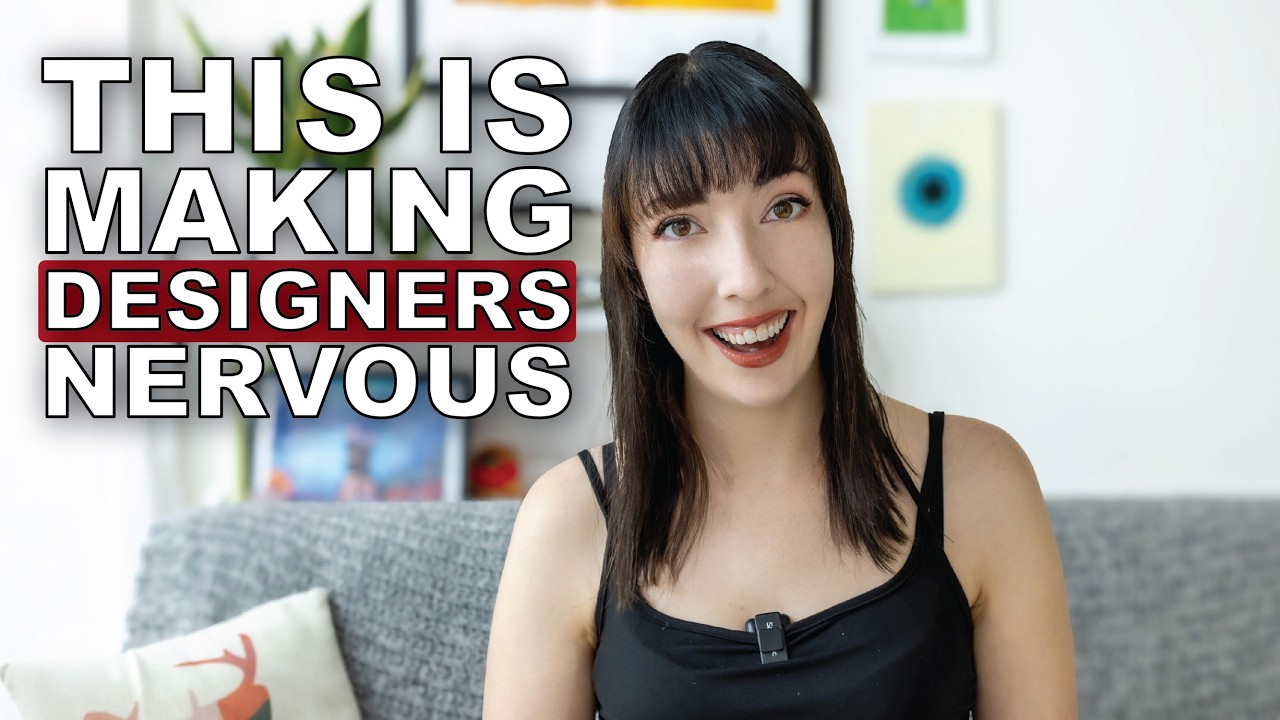
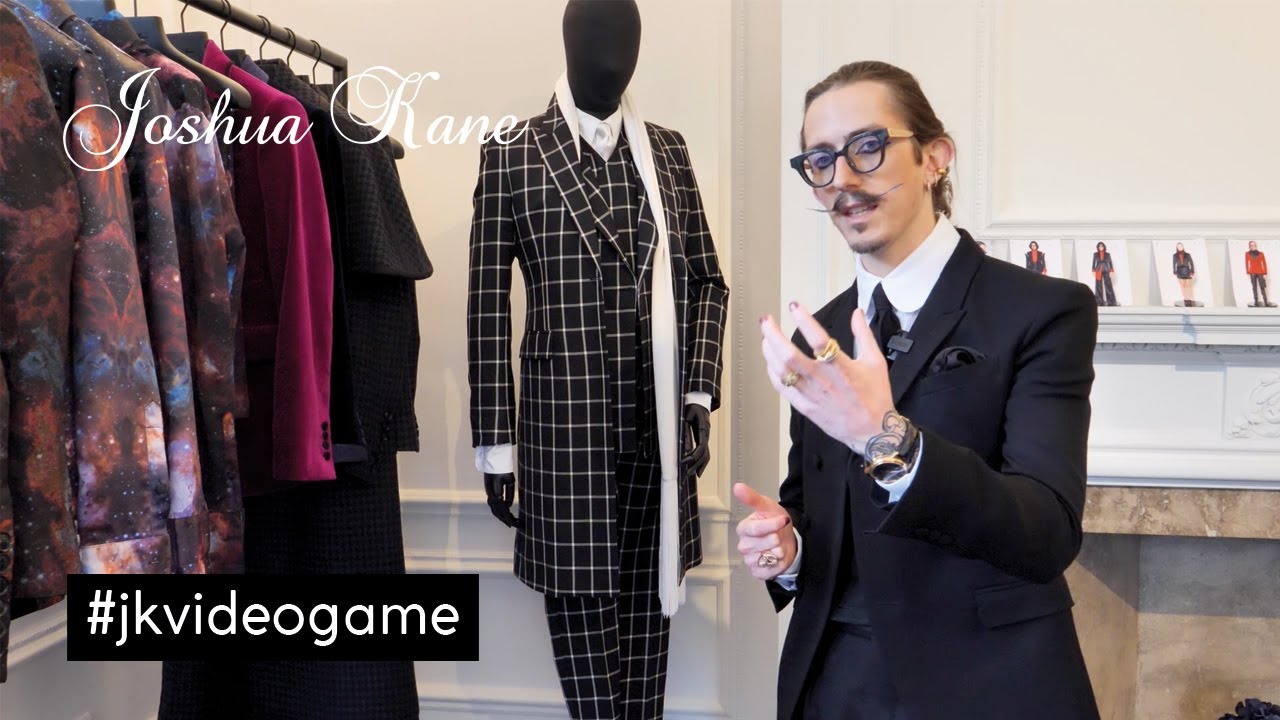
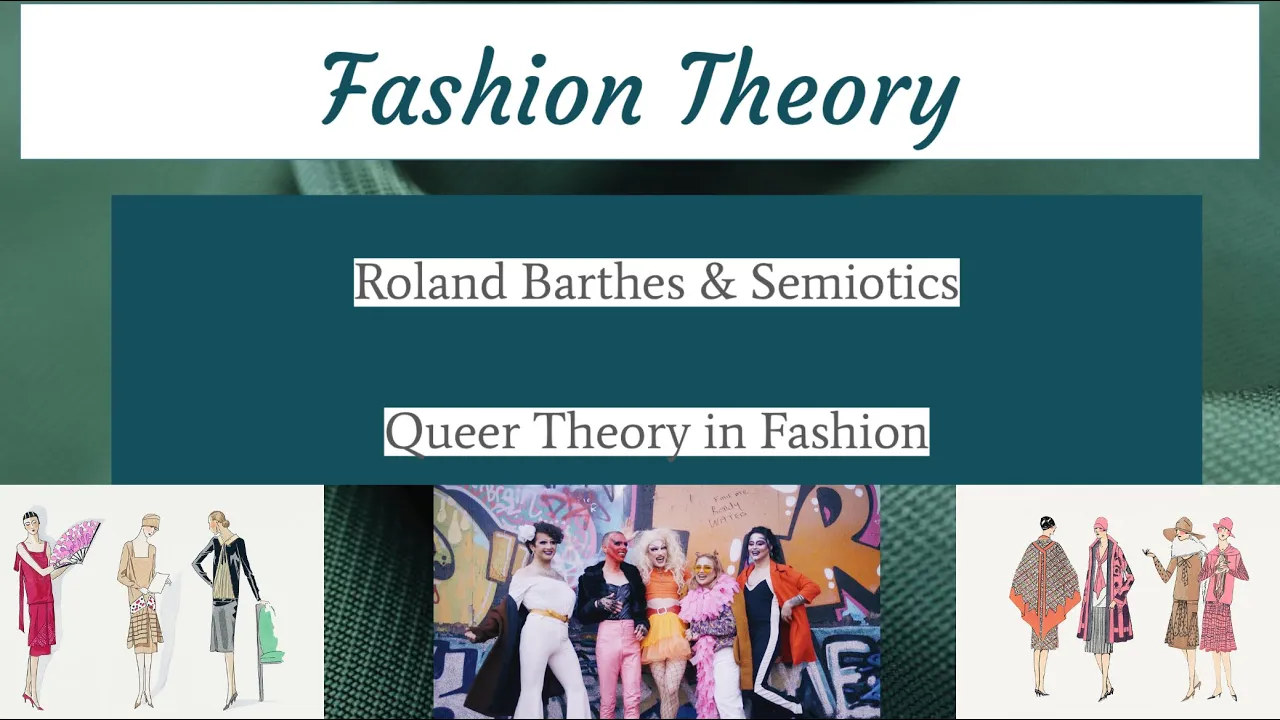



In an era of fast fashion where clothing needs are met through mass production, fashion designers serve a unique purpose by using garments to propose hypothetical identities that viewers can adopt or experiment with, transforming clothing from mere functional items into tools for self-expression and identity exploration.
Fashion Identity and Consumer Psychology: A Critical Analysis
Added:Basic Consumer Behavior: Understanding the fundamental psychological drivers behind purchasing decisions, including motivation, perception, and attitudes.
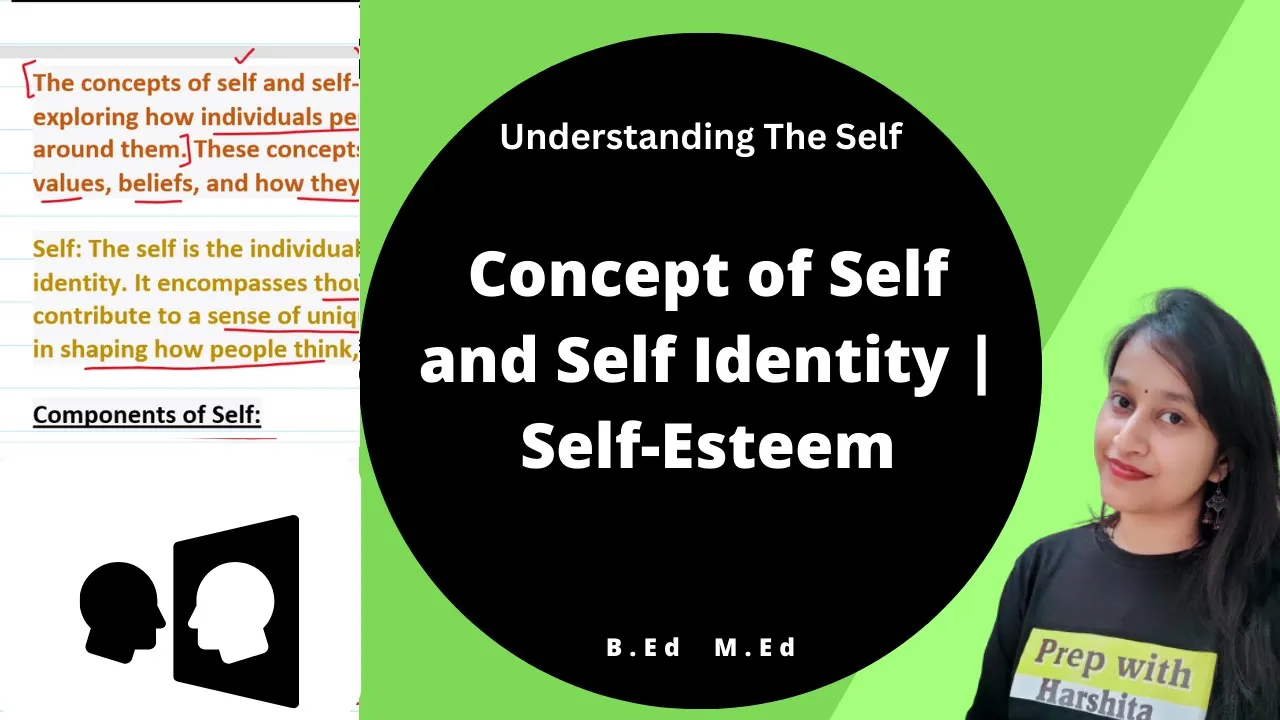
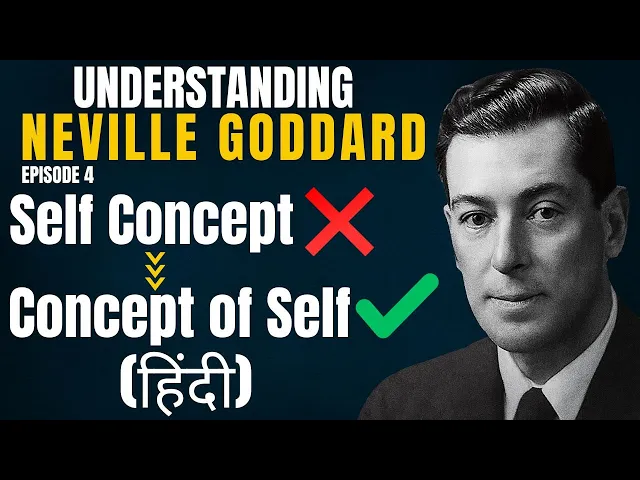
Concept of Self and Identity: A sociological understanding of how individuals construct, express, and negotiate their personal and social identities within society.
Foundations of Brand Strategy: Familiarity with core marketing concepts such as brand equity, positioning, and the strategic use of narratives in brand building.
Introduction to Consumer Culture Theory (CCT): Awareness of how consumption choices are shaped by cultural meanings, social classes, and marketplace ideologies.
Neuromarketing and Sensory Branding: Investigating how advanced cognitive science and neurological responses are leveraged to influence purchasing habits in the luxury and fashion sectors.
Ethical Consumerism and Sustainability: Analyzing the tension between psychologically-driven overconsumption (fast fashion) and the growing demand for ethical, sustainable practices.
Digital Identity and Virtual Fashion: Exploring how consumer psychology translates to digital spaces, including social media self-presentation, digital avatars, and virtual fashion in the metaverse.
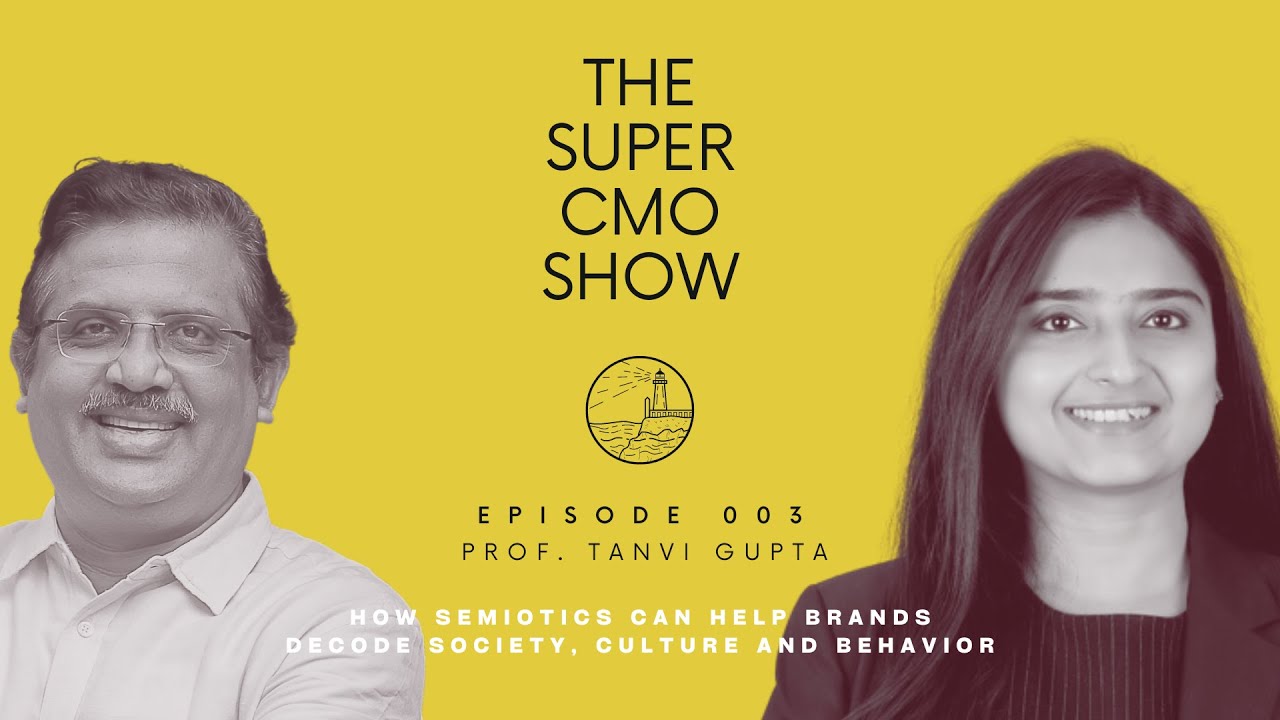
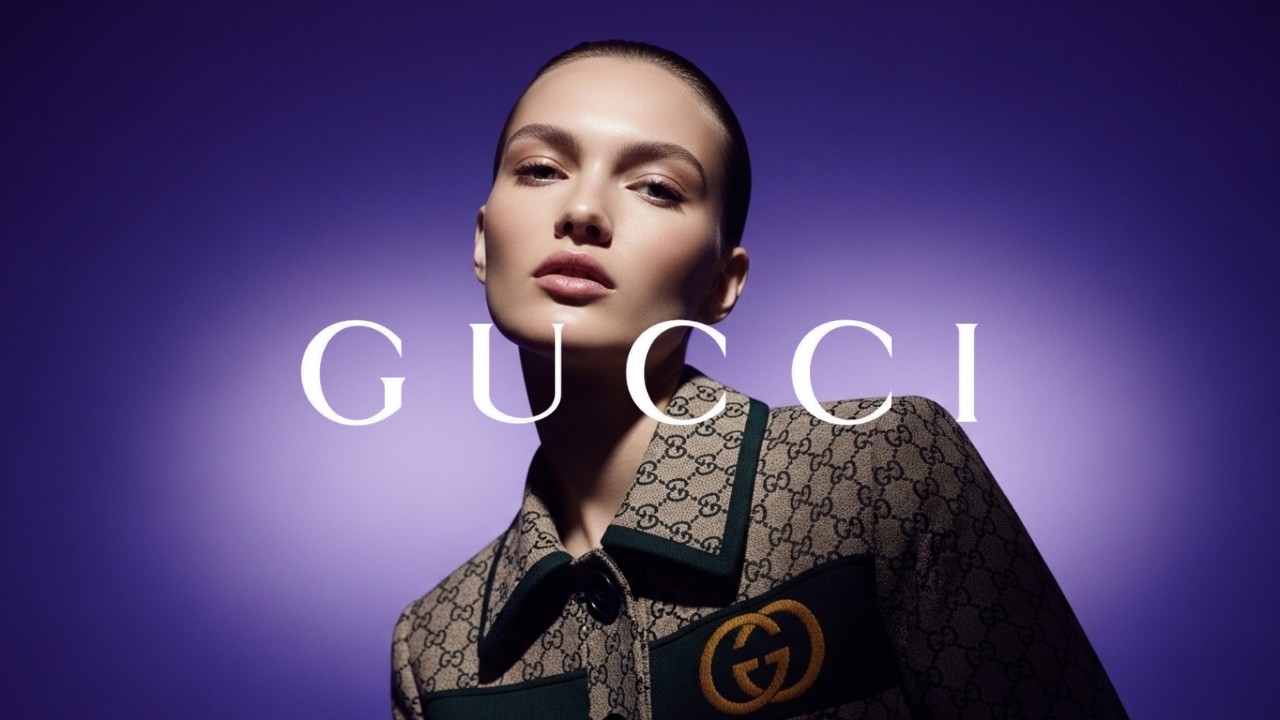
Applied Semiotics in Fashion Marketing: Learning how to analyze and deconstruct the symbols, signs, and cultural codes embedded in modern fashion advertisements and brand messaging.
55.3K views4.7Klikes21:53Original Release: 2025-09-02
Have you ever heard someone when talking about a fashion brand say like who is the blank woman? Like when a new creative director comes into a role at a heritage house, something like Cloey or Seline or Chanel, then they ask like who is the Seline woman? Who is the Armani man? On the surface, they're just asking who is the customer demographic for this product? But fashion people are so extra that that is never all that we are asking. So, like the ideal customer for this brand, what do they think about? Do they read for pleasure? How do they move in their circle of friends? Well, do they have friends? But why would anybody actually be asking that? I mean, at the end of the day, design clothes for people, that is a very self-explanatory prompt. Does my customer read for pleasure? Like, that shouldn't need asking in this situation. When you are stuck under the crushing ass of capitalism, you should only be asking very direct questions about your market so that you can meet the demands of your market. How old is customer? Is customer boy or girl? How is customer body shape?
Is customer live in hot or cold place?
Right? Like I mean like all that a designer should ever need to ask you are just the most practical questions so they can just make things for you.
Unfortunately, or or fortunately, because of the grand machine of fast fashion, all of those needs are completely cared for in every conceivable way. At any given moment, you can order one of tens of thousands of identical clothing items, all of which are made in various shades of terrible, and have it delivered overnight straight to your door.
optimization, cost cutting, and literal actual slave labor have created cheaper clothes than humans a few decades ago would have ever even thought possible.
The need, not not the want, the need of clothing items has essentially disappeared from the developed world completely. If you want any clothing item, the shittiest version of it is available to you for a shockingly small amount of money. And this kind of begs the question, why do we even have fashion designers? Because the clothes that are available at Walmart, Zara, Sheen, hell, even a lot of designer companies clothes are not even really designed. They use pre-existing patterns for the shape of the clothes. They choose the same terrible, cheapest possible fabrics over and over again.
and they consult outside trend forecasting networks for the color palette, for any graphics they might want to use, any finishing details that might be relevant, even the the tech packs, which are like the technical instructions for how to build the garment to get a precise result. That's going to get spat out of AI here pretty soon. Really, human brains are not involved in any part of this design process. The only thing that's necessary is human hands. Poorly paid human hands to actually put them together. Why do we need fashion designers? I mean, you're the one sitting here. You clicked this video. I assume that you have somewhat of an interest in fashion. Why? Why do we need fashion designers? Is it just to like look dope or like just to like perform the appearance of wealth? Why do we need them? Hello, my name is actually Bliss. I'm a fashion critic. My wife Dianiela behind the camera is also a fashion critic. We are fully independent. We don't work for another publication. We go to Paris Fashion Week. We document and analyze the runway shows in our Paris Fashion Week mega videos. And between fashion weeks, we do an enormous amount of research, thinking, and writing so that we can bring you the best video essays about fashion imaginable. We don't really rock with advertisers, and YouTube pays very little. So, our primary source of income is our Patreon, where there's dozens of extra hours of videos. And I only say that to give you an idea of how precarious all this should seem. Like considering all of that stuff that I said up front, what even would be the purpose of a fashion critic? Humans have completely obliterated the need for clothes. So much so that some countries have to formally tell other countries, stop sending us free clothes. That is how much we have removed this as a problem from our lives. So, why would you need a fashion critic, a fashion designer, a fashion stylist, a fashion journalist? I mean, it really does seem like men's casual cargo pants, elastic waist, drawstring, street hiphop trousers with pockets is doing pretty good on its own. So, why do we need all the extra stuff? We're going to switch gears here and tell you a story about Michelangelo, the sculptor that made David. Michelangelo earned his place in art history by finding these beautiful human moments in marble and showing them to people. There's actually this one famous series of sculptures that he made that are purposefully unfinished. And I I love these sculptures. It almost seems like even when the marble was in the ground and no one even knew it was there that like these people were already inside of that marble completed exactly as they were. And Michelangelo's job was just to remove everything that wasn't the person so that they could finally be free. And the the end result it it seems like they're like stretching and like enjoying their first couple of moments freed from their stone womb. And that's a very romantic way of thinking about figurative sculpture and it's a fantastic anecdote for museum tour guides, right? The story that I want to tell you about Michelangelo is a much weirder museum tour guide anecdote. So, one night Michelangelo is working late in his studio with a few dozen of his students. It's getting pretty late. No one is working particularly hard. Most people are just finishing up at their stations and getting ready to go home for the night. So all of a sudden there is this loud crash and all the students whip around to see what it was and their teacher is on the other side of the room and he's holding a large sledgehammer.
And this is a tool that would be used in sculpting to clear away large pieces of marble when you're just starting a new sculptural project. Their teacher is not starting a new sculptural project. He has just used the hammer to hack off the arm of a completed sculpture. This specific sculpture hasn't been sold yet, but it took months to complete.
Michelangelo raises the sledgehammer over his head again, and a student close by to him just thought this was way too manic and strange, so he ran up behind his teacher and grabbed him before he could hit the now destroyed sculpture again. Michelangelo, of course, screams for the student to get off of him. The students knew that their teacher was a pretty eccentric dude, but no one ever had seen him act like this. This was very out of character for him. Other students rush over to try to restrain him. They all thought he was going to hurt himself. One student manages to rustle away the sledgehammer from his arms. And while Michelangelo is writhing around being held back by these students, he says one thing. He screams out, "They never move. Why can't I make them move?" Spooky, right? It's like he was so obsessed with the idea of creating perfect art that he he wanted the art to have a heartbeat. He wanted to create literal actual people, right?
Very spooky. So, I was told that story by a tour guide in Florence during a study abroad trip when I was in college.
That story is not true. It's loosely based off of something we have small documentation of, but it has been dramaticized a lot. But it speaks really accurately, I think, to a real phenomena that a lot of artists actually do experience. When you've poured so much of yourself into making something, it can just kind of feel like your work has a life and a mind of its own. This is definitely true of like method actors who are trying to become another person.
It's true of characters in novels for writers. It's definitely true of painters and sculptors. It can even be true for abstract artists. Just feeling like your work not literally is alive, but just that it like it has some kind of life of its own. So, going back to our earlier question, why do we even need fashion designers in the world where pretty much any garment can be gotten and delivered to you for 1999?
What purpose could a fashion designer actually serve?
Here I am positing that fashion designers are only useful when they are doing something interesting with identity. A fashion designer is not designing a jacket or a pair of pants.
They are using jackets and pants in some bizarre alchemy to design hypothetical people.
Fashion designers don't design clothes, they design humans. Henry Alexander Levy, the designer of the brand erd, gave us fantastic insight about this when we conducted the largest and most in-depth interview that's ever been done with him. Henry told us that the looks in his runway shows are all characters.
He, the designer, refers to them as junkies. I'm kind of paraphrasing there.
If you want to watch the entire interview, I'm really proud to say that it's all up on our Patreon and it's one of the best interviews that we have ever conducted on this channel. And a bizarre truth about all of that is that fashion features characters that exist without a plot. If you talk about mediums of art that do have plots, like books or movies, the element that gives them a plot is the element of time. As a movie progresses, characters engage in dialogue with each other. Events take place as the viewer moves through the time of the movie. But fashion editorials, fashion commercials, fashion runway shows, I mean honestly, even most fashion short films, they seem to take place in this timeless void. Runway shows are a vacuum.
Looking for a plot in a runway show is like looking for a plot in a parade or in a piece of furniture. So, you're left with character studies. These silent speedwalking schematics of people who don't really exist. Maybe the characters have a past. Maybe they do have goals for their future.
But those details, it's all just details on a character sheet. In the end, they will exist forever as they are here in the snow globe of a runway presentation.
When people talk about world building in fashion, the characters on a runway are the molten core of that world building.
The runways that end up being forgettable, the lowquality ones, are usually the ones that have failed to create believable characters. Iris Vanharpen has spent her career creating a pantheon of petulent demigods who twist and vibrate between hallucinatory magic and organic technology.
Rick Owens has spent over two decades crafting a failins of peaceful acolytes whose straightedged sobriety has somehow pushed them to deeper, stranger, and more creaturely forms of self-discovery.
Bars, both of bars for both of those.
Extremely good. Okay, but even as you hear those descriptions, like I guess good job me, I did a great job poeticizing the experience of looking at those designers work. But if you're really a fan of Iris Van Herpin or Rick Owens, you know that what you feel when you see those runway shows or editorials is deeper than what I describe. There is something that is much bigger and much deeper. So there is something else. And now hopefully my goal is to kind of [ __ ] up your idea of identity a little bit.
And I'm not talking about the definition of identity as has been popularized by identity politics. I'm more referring to when people describe themselves as a clumsy, curious introvert. But if you got 20 clumsy, curious introverts all together in a room, you would have 20 distinctly different people. Identity is a very detailed part of you. When we're talking about identity in this video, we're talking about identity that's almost so detailed it becomes impossible to describe. We're not talking about your national identity, the languages that you speak, or your spiritual affiliation. It's like your vital juices. I'm going to summarize a fantastic quote from Brennan Lee Mulligan, who I mostly know as being a dungeon master in Dungeons and Dragons.
This is a quote that's taken from an episode of Dropout TV. For the sake of brevity, I'm not going to like chop up that big piece of video. I'm just going to summarize Brennan's thoughts here.
So, Brendan starts by saying that a lot of young people who are in film school was what he was talking about. A lot of young people that start out in film school are told to make their characters more grounded and realistic. Like, you know, someone wouldn't just pop into this room and accuse their girlfriend of cheating on them. You've got to make this more realistic. Like, what kind of dialogue would they really say in real life? You know, like another example would be like, this character can't just be like brooding and plotting all the time. Like, make him a real person.
Like, what else are they thinking about really? But then Brendan talks about his time as a bartender in Los Angeles where he came to this kind of lifealtering conclusion that most people don't want to be realistic. They want to become tall tales of themselves. He posits that maybe 15% of the population is in fact very normie. like they're actually just riding the train home from work and just thinking like, I've really got to make sure I do those dishes when I get home.
Yeah, let's reflect on those dishes for the rest of this ride. But that most people, even a healthy majority of people, want to be larger than life, even if they can't fully act on it. They want to be a mythos. They don't want to themselves be realistic. They want to be inspired by the incredible true story of their own life, but bigger. Brennan goes on to say that people are willing to reduce their inner nuance so that they're able to support these broad sweeping character studies of themselves. And this is where Brennan and I disagree slightly. I don't think that people suppress the inner nuance of themselves, which I I'm kind of conflating here with identity. I don't think the the little details, all of the little DNA structures that kind of make up your identity. I don't think that people are so much suppressing that, but I do think that they are willing to make all of those little tendrils of their identity up for grabs. I think that people can swap out those little nuanced details of identity for characters that they observe out in the world that they might want to become. Every medium of art has something that it's best at.
Music has the quickest access to our emotions. Video is the best for relaying information.
Fashion has something that it's best at, too. And I don't think anybody talks about it.
Most people who want to become legendary versions of themselves seek out a mythological identity to complicate and complete their own identity. We do this everywhere. We pick up little pieces of identity from podcasts we listen to. We pick up little pieces of of this identity from a comic book character that we read as teenagers. This event of identity mixing is happening constantly in most people's lives.
Fashion is the only medium of art that directly interfaces with that human need.
In a world where we do not need more clothes, the purpose of a fashion designer is to use the alchemy of clothes to propose a hypothetical identity that can mix with and complicate your own identity.
And I realize that that is a really scary concept that like our identity is not something that we have full autonomy and control over. But if I'm being honest and and only speaking for myself here, the person that I am is in a huge way, it's a product of all of the people and events and media and just random thoughts that have popped into my head over the course of my life all just kind of mushed together. Some of that was stuff that I picked out and said like, "Yeah, I like that. I like like the way that guy looks when he has that certain facial expression. I'm going to try to use that facial expression more often.
And some of it is just stuff that's come in there and stayed and I had no idea.
There are segments of my identity that are big and are there and they're fixed inside of me and will probably be a part of me for the rest of my life.
But the part of me that wants to be a I mean honestly the part of me that kind of needs to be a mythos, all the like little more nuanced tendrils of my identity, I'm willing to just kind of swap those out just for the sake of experimentation.
That is where fashion designers live. At least at least the good ones do. I would absolutely love to hear what everybody thinks about this. I I assume that talking about identity in this way is probably going to upset some people. I I would at least like everyone to know that my intention here is not to just like rustle feathers for like views or like rage bait for comments or whatever.
I I would respectfully really love to hear what you think about this. I would especially like to hear if you disagree with this stance. Episodes like this one are the product of Daniela and I doing a great deal of work that I don't think looks a lot like many other companies that produce content professionally.
Daniela and I work 7 days a week and a lot of that work is not focused on making videos that are going to go viral. At this company at least, we are focused primarily on one goal and that is making fashion content that will be useful to people 100 years from now.
Like in 2125 when they're studying fashion history and they're looking back at the 20s, the 2020s and they're like how how are these people actually understanding the clothes that they were wearing? How were they thinking about identity? What were fashion designers really doing at that time? My hope is that these videos will be useful to those questions at that point. The honest truth is that the videos that meet those goals to our satisfaction are usually not ones that make us a lot of money. So all I ask is that people who watch these videos assess the value that they are getting from them right now. If that value is meaningful to you, I only ask that you reflect that value on our Patreon because we're we're not able to run without that Patreon. If you get $5 worth of value from this, I am eternally grateful that you acted upon that value.
If you get $30 of value, that's awesome, too. And I realize a lot of people don't even know what Patreon is. Simply put, it is a platform. It's it's like a a separate app where you are able to support channels that otherwise are a little bit too niche to just kind of run and get advertisers all on their own. In exchange, we do give you literally dozens of hours of new content. We're actually filming two of our Q&A episodes later today. But like other exclusive videos are like a 5hour wardrobe tour where I walk you through every garment that I own and like the history and the the cultural place in fashion history that it occupies. Um, there's another great series where we interview people about the most unusual jobs in fashion.
Like one where uh we interviewed the head of a store that's uh I I think the location is technically secret. Like I don't think most people know where Darklands even is. There really is a ton of value that you get in return for supporting the channel. But I really hope a lot of people would just see the value in these videos which are just widely available for free and want that to stick around enough to support it.
We're not perfect, but the goal is always 100 years. I appreciate your time either way. Peace.
Up Next

41:33
No Logo: Brands, Globalization, and Resistance by Naomi Klein | Documentary Analysis
@ConsumerProtectionHub
93.7K views•2018-11-24

12:54
Triumph of Orthodoxy Icon: Byzantine Art & History Explained
@BenCallan
2.1K views•2024-08-06

9:49
FastAPI vs Flask vs Django: Choosing the Right Python Web Framework
@TechWithTim
302.5K views•2024-05-26

1:42
Game of Thrones Opening Credits: A Cinematic Analysis
@gameofthrones
46.3M views•2011-04-18
Related Study Plans & Knowledge Roadmaps
Structured learning paths in General & Interdisciplinary Studies
general-studies
Elevator Engineering: History, Physics & Cities
01From Hoists to Safety Brakes: The Dawn of Vertical Lift
02Hydraulic vs. Traction: The Engineering Physics of Elevators
03Modern Speed, Safety, and Algorithms
+ 2 more learning modules
12h5 modules
Explore Roadmap
general-studies
Rubber: Material Science, History & Geopolitics
01Origins of Natural Rubber & Mesoamerican History
02The Chemistry of Natural Rubber & Vulcanization
03The Geopolitics of the Rubber Boom & Colonization
+ 2 more learning modules
12h5 modules
Explore Roadmap
general-studies
Containerization: Evolution, Logistics & Trade
01Ancient Trade & Bulk Cargo: Amphorae to Barrels
02The Industrial Revolution & Cardboard Packaging
03The Containerization Revolution: Malcom McLean
+ 2 more learning modules
12h5 modules
Explore Roadmap
general-studies
Textile Tech: Evolution, Labor & Global Impact
01Pre-Industrial Textiles: Handloom & Cottage Industry
02Mechanization: The Spinning Jenny to the Power Loom
03The Factory System & Global Labor Transformation
+ 2 more learning modules
10h5 modules
Explore Roadmap