





![Marketing [AULA 02] Comportamento do Consumidor](https://i.ytimg.com/vi_webp/7f2KGmo5hNk/maxresdefault.webp)


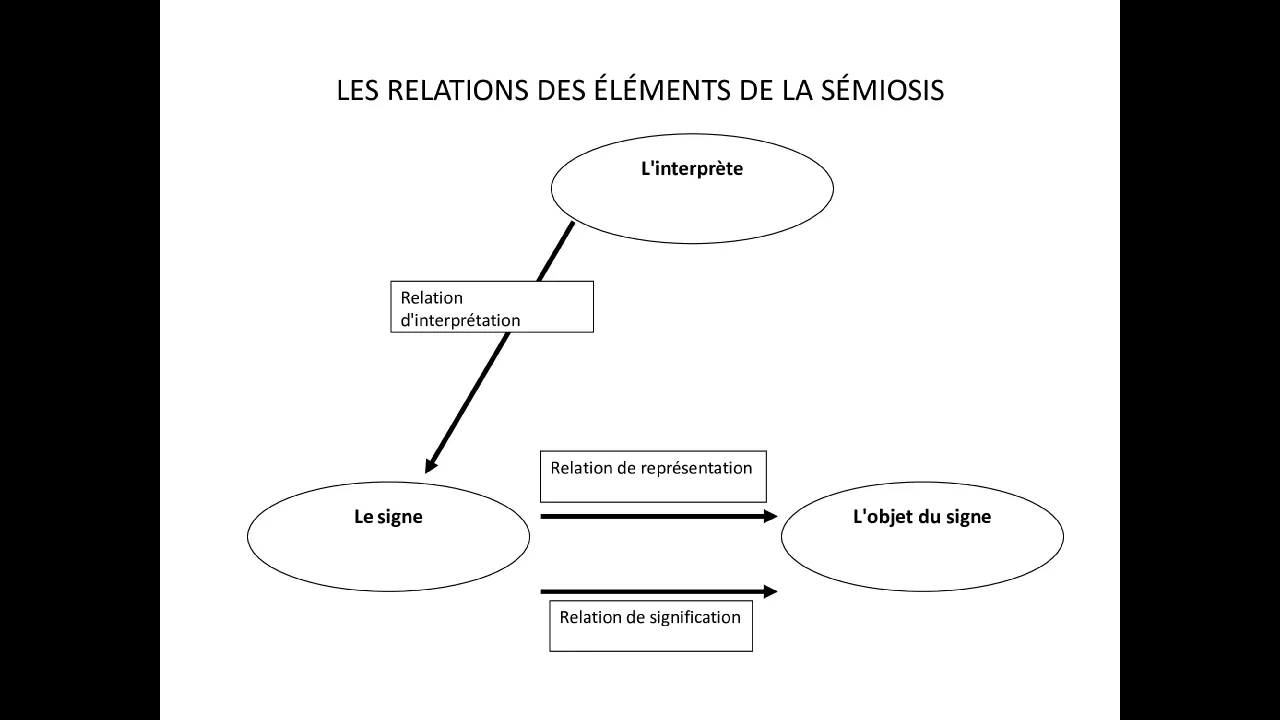










Semiotics is the study of implicit communication—the signs and cues embedded in brand touchpoints such as logos, colors, and imagery—that convey meaning beyond what brands consciously intend. Brands need semiotics because they develop blind spots and lose their way, forgetting what makes them unique; semiotics helps uncover the cultural patterns and associations that shape consumer perception, enabling marketers to create more distinctive and effective communications by understanding how every creative choice lodges in the consumer mind and drives long-term brand preference.
What Is Semiotics in Marketing? A Brand Strategy Guide
Added:Basic principles of marketing and brand strategy, including positioning, target audience identification, and brand equity.
The fundamental concept of communication models, specifically how messages are encoded by senders and decoded by receivers.
An introductory understanding of consumer behavior, particularly how perception, culture, and social conditioning influence decision-making.
The basic definition of semiotics (the study of signs and symbols) and its core components: the signifier (the form) and the signified (the concept).
Conducting a semiotic brand audit to analyze the visual, linguistic, and behavioral codes of a brand versus its competitors.
Applying cultural semiotics to global marketing campaigns to ensure brand symbols translate accurately across different cultural contexts.
Developing a cohesive sensory branding strategy, utilizing colors, typography, shapes, and sounds to trigger subconscious brand associations.
Advanced methodologies in qualitative market research, such as ethnographic studies and discourse analysis, to decode consumer perceptions.
Integrating semiotic theory into brand storytelling and narrative architecture to foster deeper emotional connections with audiences.
988 views17likes1:01:56Original Release: 2021-10-05
yes good morning everyone good morning good morning and i'm already seeing chat messages coming in from italy from cape town from australia uh from london uh norwich this is madness uh it's wicked to have you all here uh do pop in the chat feature where you are watching from uh don't forget to switch your chat messages to everyone so everyone can see your messages not just uh chris and i and uh while you are in the chap chat messages i'm curious the rain woke me up last night in england so i'm going to do the the most english thing and that's what the weather's like where you are as well because i'm quite curious to know whether it was just us um so uh today as ever will be a success i love that from john uh it is grim uh i like that i think that's uh that's good um today will be a success as ever if we hit three marks so the first is that you learn something new the second is that chat feature as you can see right now stays alive uh with both the weather forecast but also you're enjoying today's session and connecting with one another and then finally uh that should you enjoy today's session which both chris and i really really hope you do uh that you share today's session uh that's how the community grows that's how that chat feature gets filled with lovely human beings who come back week after week to learn together today our guest is chris arning chris is the founder of creative semiotics and chris was actually a recommendation from a previous tmm speaker annabelle vena annabelle is the ex-cmo of his cox and will actually be returning for the next season of webinars as part of a panel which is very exciting um when annabelle got in touch and said look you need to check out this chris guy uh the first thing i did was click into his website click into one of his videos and it was like yep we need to get him speak uh he is someone who speaks about semiotics and that is something that i don't know an awful lot about so today i have my pen ready because i will be taking notes uh at the same time as everyone else will be it's an opportunity to learn something new from someone new um so yeah i'm really really excited about today i think it's going to be good fun it's something a little bit different for us but something that i i really enjoy that the marketing meetup can take a step out and explore a wider sort of stuff than you know just like content strategy that we do on the regular um today's presentation will both be a uh it will have a presentation element and then hopefully at the end we'll have time for q a so the way you can get your questions in is to drop them into the q a feature which is found down below on the zoom taskbar area and yeah just get your questions in nice and early on semiotics if you have them anything that comes up that you'd like to explore in greater depth um my observation i don't know what 60 70 events in is that the questions ask the first and the ones that are most likely to get answered uh by chris because they're the ones that naturally gravitate to the top using the thumbs up feature before we get going i've got one last thing to do which is to thank our sponsors and this week's featured sponsor is redgate software now i used to work in the redgate software building regate software was the place where the marketing meetup held our first ever physical event uh reggae are intertwined into the dna of the marketing meetup needless to say we wouldn't be here without them the things that you need to know about red gate as a marketer is that they are consistently looking for marketing talent and they pay exceptionally well as well as offering bacon at breakfast and lunch so should you want an amazing employer regate are your people to look at i'd really really recommend them as a company to work for so should you have the opportunity then do take the opportunity to uh to check them out i love the chat message here i love breakfast i think we all love breakfast um also a big thank you to our other sponsors uh geosc impression content cal pitch consultants fiverr cambridge martin college brand recruitment gravity global and third light um each one of those will be featured on rotation uh over the course of time into the next season as far as i'm aware every one of our sponsors is staying with us into the next season of webinars which is incredible and really my one ask for you watching in today is to thank our sponsors uh if you haven't already it makes a big big difference to us going back to them and sort of saying look the community is phenomenal they say thank you do you want to keep staying involved so should you enjoy today's session then please do take the time to thank the sponsors they'll be linked in the follow-up email to this to this event and yeah you literally get their linkedin profiles just go say thank you to the human beings behind them that's my introduction done uh so chris we are here for you we're here for the community uh we've got we've got the rest of this hour so over to you my friend thank you very much joe glover and what a lovely human being you are and i'm very pleased to be here with everyone today um so i'm going to start on the right slide hopefully hopefully everyone can see these slides you got it yeah and yeah so thanks joe um it's wonderful to be here with everyone today and great to be part of a community of people as well as following luminaries i respect such as the mark ritzens and the the rory sutherlands of this world so fantastic and also mariusu who's was an incredible presenter and quite intimidating when i reviewed her her video um so my name is chris arning founder and director of creative semiotics um and i'm here to talk to you about semiotics so the first question i have is have you ever wondered what your brand really means or whether the logo you've chosen really conveys the brand values it took you so long to come up with well these are semiotics problems you need to solve because in semiotics and branding in particular everything communicates like this picture behind me have you wondered why i've chosen this picture is it because i love abstract expressionism or maybe i just love colour well it could be any one of those things but it gives you a sense of who i am and the sort of things i'm into and those associations that perhaps are already attached to my personal brand because you don't know me yet unless you've been checking out my videos on linkedin give you an impression of who i am and what to expect and as we know a brand is a promise and a promise that is conveyed through everything that it communicates through its colors through its logo through its name so that's what semiotics is is understanding that that implicit communication the things that have an effect on us and drive preference but that we're not always super aware of what i'd like to start with is cupcakes why do i want to start with cupcakes well because it's an unexpected beginning and i like to shake people up it's quite early in the morning in the uk perhaps i'd expected i expected particularly when you're talking about something like semiotics semiotics is also about understanding how to break through what is expected how to create a sense of estrangement in the sort of habituated world that we're used to decoding every day and this was um a client event that i was um i was at a networking event and i decided to offer cupcakes to clients because i thought the sweetness and the homespun nature of cupcakes would counteract the rather forbidding nature of what people think semiotics is although it actually isn't as forbidding as you might think when you get into it so um i also show it to you because it shows my logo and i talked about logos communicating the creative semiotics logo i crowdsourced um off the internet and actually a peruvian designer created something that is vaguely sort of has very various sort of different cultural references to it the ai ching being one of them a sense of mayan mind lettering and and some ziggurats as well as sort of reference to 1980s arcade characters you can just vaguely see that in the logo as well as the fact that if you look very closely you can see cunningly concealed of the letters cs which of course um convey my brand name of creative semiotics brands need semiotics because like people they have blind spots they lose their way and they forget what makes them unique and compelling semiotics works through doing deep scientific deep dives into the hard to see but critical emerging patterns in culture to help brands and their brand owners and their agencies create more creative distinctive communications so i work with brands such as unilever bmw mini for whom i did a big project helping them understand how to communicate premium britishness around the world brands like toyota for whom i did a proposition project across europe um and the bbc for whom i've done a number of projects um one of which i will hopefully get a chance to talk to you about today on humor but also the work of bbc news um and factual entertainment as well boots um i've done a couple of projects for boots as well as um paramount um was actually um did the semiotics for the uh merger of paramount with another of their their own brands to create paramount pictures so um who am i well um i was telling joe that um i yes i i run creative semiotics and i absolutely am passionate about this subject and about how i can add value to brands and help also educate as well just generally in terms of visual culture but i'm not just a sort of brain on the stick i'm not just an academic although i do have written a number of academic papers i'm currently working on a book called brand semiotics and 35 diagrams available in all good shops next year hopefully um and i run a course called how to do sunday audits in seven weeks um which is if you want to learn about science properly as opposed to being just immersed in some interesting intriguing um sorts of notions around semiotics and that's that's the thing to do but yeah aside from being an educator um i'm also a a writer i'm a poet i'm a creative and for me semiotics is about creativity it's about understanding the the created choices we make and that those creative choices will always have an impact on our audience you know the fact that i'm wearing an adidas cat today maybe i'm somehow doing some weird subliminal matching with joe i when i present to unexpected audiences i tend to uh not expect it or not for me or just as i tend to wear a cap often when i'm more familiar i will take the cap off so maybe if i get invited back you'll be able to see my hair um but these are all creative choices that have an influence and when you're a brand working within an attention economy where you don't have that long to communicate these creative choices will lodge in the consumer mind and if they if they lead to long-term memory of coding they will drive brand preference so yeah i'm a creative academic and also a consultant this is me presenting at the semantic web conference in san francisco quite a while ago chris can i just jump in is there anything wobbling on your table um it sounds like there's just a little bit of a wobble when i think you're resting your arms on on the table uh just oh okay is it gone now uh yes it has yet okay yes i think i probably was wobbling thank you so just um going into what is semiotics and and how how does semiotics interface with brands or i said that brands need semiotics because they're like people in that they have blind spots and lose their way and forget what makes them unique and compelling and so one really important part of brands is about distinctiveness so if we think about the brand identity think about a brand this brand here now this this brand will be communicating to if not 100 99 of the audience right now you'll know what this brand is and the reason is that their distinctive assets as baron sharp would say are incredible incredibly powerful you have the red and whites you have the ribbon you have a curvature that creates a sense of a calligraphic classic classic design profile you have coca-cola and coca-cola doesn't need to convey its full name for you to get that they have what martin lindstrom called smashable assets you know you could just write another word in the coca-cola font and you would still know it's coca-cola so um but that is not just about distinctiveness it also conveys meaning such as americana such as globalism there are all these things all the advertising you've seen all condensed into this very very pithy visual sign this is um more of a british brand that looks like i'm sure joe is a has probably come across this brand before he looks like a kind of a smart creative like myself so this is a brand that um pervades tailoring two men who are kind of you know a bit more creative a bit more maybe have a sense of uh distinctiveness and eccentricity it's a brand called paul smith and what paul smith have done is convey a kind of bar code that is unique and they've done that they've created that uniqueness by taking a classic pinstripe british pinstripe which is the kind of signifier of the the city gen traditional city gen and they've created a twist by creating a cacophony of colours this unifies a sense of formality but with a twist created with a twist and this is part of the associative world that paul smith create implicit communication that helps identify them um if you've ever owned a piece of poolsmith you'll see that there'll be patches of this in an inside pocket for example the jacket or or in a wallet and this is a part of their brand brand assets communicates implicitly without saying too much but it says loads at the same time finally um this is a an image that a designer used in in a proposal by my profile to convey semiotics and i believe it's the johnny walker room and um it's a way of conveying um all the values of the johnny walker brand in terms of you know a blend a whiskey with loads of notes in it with loads of richness and luminosity to the liquid you'll notice down here as well they have this marquetry this beautiful kind of marquetry of sort of what looks like mahogany and teak and walnuts and all sorts of beautiful woods now that conveys obviously a sense of cultural capital a sense of discernment a sense of wealth as well so that that speaks volumes for what johnny walker is as a brand just a few more examples and this is more um going into sort of brand image and communication rather than just identity so um during lockdown you may have seen these symbols uh around oxford circus and this isn't the first brand to do co-branding partnerships with london underground but you know if you look at bottom left the london underground roundel was one of the most recognizable brand symbols in the world classic design motif and what um a brand which is of course certainly playstation um convinced london underground to do was to create a way in which they could take the symbol and subvert it and subvert it in a way that allowed playstation to talk about the symbols that they have on their consoles that everyone knows these geometric shapes the triangle the square and the cross and it conveys a sense of you know many things for playstation first of all they have the clout to do this secondly they they love london um they are part of the underground and in a time during lockdown where people weren't really um you know sort of traveling that much it gave them a sense of you know they're they're with us and they're supporting us because they know people are at home gaming and um and and sort of you know maybe improving their mental health through for connections with others so again this is the way in which symbols convey brand values a very different brand hermes hermes is a brand that is plays very much on its luxury credentials obviously made in france and in this advertising they are playing upon surrealist motifs so they are saying we understand art we understand the ways in which the surrealist artists played with objects they fetishized objects they had objects in strange scenarios they create creates a sense of estrangement this isn't just saying fermes isn't just saying we understand surrealism they're saying we are a brand that isn't just about materialism we're not just about ostentation we understand the higher higher values we understand the fact that every luxury item has an aura just like an artist gives their works um a kind of uniqueness and this is all part of the home s brand image essentially that they're conveying through these cultural references and this is something else that semiotics does is that on a project clients would give me a team of analysts i work with um sort of 500 more than 100 sort of up to 1000 images depending on the length of the project and look for the patterns for us to look for the patterns in this imagery to determine what's happening in a category or with a brand and with the culture and how it's evolving um another image um this is obviously a skin care brand um and i think it's also incumbent upon semioticians and people that do semiotics to understand cultural change now this is an image that probably we wouldn't have seen even 10 certainly 20 years ago because of the you know the more the narrower portrayal of beauty ideals that was purveying in society and of course with a greater awareness of a need to cater for people of color whether you call bail or president prefer to say the global majority um brands like fenty beauty and others have um you know really forced the industry to change so understanding that is really important but also understanding the the physiology of the two models uh the contrast in in physiology the the eccentricity and physiology and how this conveys a sense of kookiness and eccentricity and how that's also part of what brands want to convey that you know obviously this has been lampooned and the culture was the idea of a snowflake everyone's unique and is neurotically unique in that respect but i think it's true to say that young people today are more respectful of differences and they want those differences reflected back at them in the images that are conveyed and i think this this does that really really well in that in that in that respect so these are all the things that semi scientists need to understand and notice in terms of tangibly what what we do um semiotics comes from the greek word semion meaning sign i should have explained that before but i always think it's better to give some definitions um a bit later once we've kind of gone through some examples um and that what it essentially says and the reason this is um this is relevant to marketing is that marketing artifacts media are embedded with all sorts of of signs and images so for example this corvazzio bottle to give you a very basic example we have the use of a kind of sarift typeface um which is sort of mimics a calligraphic typeface of the signature you have um you know this this fluting which um you know this returned bottle that conveys the kind of the richness um maybe the decadence of the 17th century when kind of cognac cognac became popularized in france the rca regime and then you have this idea of napoleon who was a self-made man so you know if a target group is is people that are self-made entrepreneurs people that want to celebrate their success what better to have on your on your um on your bottle than the sign of a man who declared himself emperor obviously this is you know is napoleon's cognac of choice reputed to be but these are all the visual signs that convey those messages um in advertising too if you look at this bmw ad we have the use of these um whatever it is in the frame is not insignificant whatever is in the frame is not coincidental it's all being chosen to convey meaning so whether it be the the bonsai tree um and this kind of coiled power and the the care and discernment that you need to own and care for a bonsai tree and obviously that conveys a sense of the wealth and the aspirational nature of the the car this kind of corbusier-like pavilion building with its kind of curvature and it's uh you know the slats of the woods which then um have an echo with the the the fuselage of the car all of these things are kind of unifying and conveying this meaning of creating desire creating a sense of of of uniqueness and performance in the car itself so we would start to look at signs doing a seminar classes or cues if you like depending on on whether it's a design object or more advertising um and then we would sort of build those into those signs into into kind of what we call code so a code is a system of signs that hangs together so just to give you a very basic example if you look at the the bottom here you have the luxury watch market you have a black background silver silver timepieces and this idea of the vacuum the cosmos the galaxy this idea of something massive which then is conveying this notion of performance this notion of big distances huge pressures and that all redounds to the benefit of the brand now i'm showing you these because in semiotics there is also something called code convergence which is whereby brands unduly fall into line whether it be through lack of imagination or a too strategy or just the promiscuity of the agency and marketing world and people moving around um what you have is is a kind of a lowest common denominator and i would suggest that each of these brands is all they're doing is subsidizing their competitors because they're what they're doing is conveying a category norm rather than creating distinctiveness and the same for the the perfumery brands at the top so those of you that work in innovation will know there's this sort of notion of um you know most innovative yet congruent so you know in order to stand out you need to also you know think about the hygiene factors of any category and meeting the credibility threshold but then beyond that innovate but sometimes brands are on the side of of being a bit too convergent with their competitors um yeah i mean it's taking a while to get to some sort of definitions but um this is um what i say in terms of semiotics as it pertains to brands and marketing semiotics studies implicit communication the signs and queues embedded in brand touch points brands are semiotic marketing systems which is a grand statement but what i mean by that and there's a there's quite a few there's a paper written written about this um and a few that sort of back this up which is that you know brands whether it be the name the logo the livery the narratives that they convey through advertising are bundles of signs that communicate meaning essentially so i'm doing a project for a financial services company at the moment and i'm looking at their website looking at the logo i'm looking at all the collateral values in their brochures i'm looking at the music used in their advertising all of these things convey meaning and actually the skill of the semiotician is how do you turn all these different you know channels into the same medium almost like a kind of a currency house how do you arbitration convert everything into the same currency and that that comes with with skill and some musicians like me like neo in the matrix hence the background that i've selected here decipher the richness of cultural information embedded in every piece of media content essentially and you know the benefits um this is the insight conference that i went to in 2000 and uh 2011 that was a total waste of money i bought this background i brought chocolate someone nick the chocolates guys i couldn't believe it um and that was actually one of the things that made me think maybe i could start my own conference and uh it's probably be more cost effective and that's how semi-fest was founded with a couple of colleagues anyway i digress but um you know semiotics makes the invisible visible so as a brand you need to understand the meanings you're giving off some of them you will be aware of others that you won't be aware of and you know as marketing directors change it it can be very tempting just to sort of move on and make it have assumptions about what your brand means obviously i know that um you know best practices to do sort of usage and attitude studies and and brand trackers but semiotics gives you a deeper understanding of how the brand is connected to its competitors in the category and to culture it brings non-arbitrary creativity offering a rationale for all creative choices and you know you achieve lasting meaning by working with strategists and design teams you know and i've i'm pitching at the moment for a project to create um a a symbol that will you know will be really important i can't really say more about it because it's highly confidential but one of the things i'm saying to the client is that you know this is going to last this symbol and you need to understand what meaning it's going to be conveying over time and predict what meanings could attach to it over time and that's the added value of doing semiotics it's not just inspiration it's also mitigation of risk and validation so um i'm just gonna um play this short video i might just um joe i might just unshare and then go back and share so i can um make sure that i'm sharing sound and i was sharing sound that's a bit annoying never mind just gonna play this video [Music] [Music] [Music] okay so um i played this to joe before we started and he being a marketing maven immediately identified the brand um what i love about that ad is not only because it's about ident it's not only set in one of my favorite cities in the world tokyo japan and and it conveys this idea that you know there can be many signs you see written in the chinese characters japanese that you can't read but then there are signs that you can read and it depends on your on your exposure your exposure to that in the previous in previous occasions and also your cultural conditioning and i think channel 4 did a great job of conveying this idea of we're international we convey different perspectives and when things come into com coming come into place you see more than you did before and that's what their programming promises as well as underlying underscoring their notion as the alternative broadcaster in the uk so i thought that was a great job and another example of how symbolism conveys brand meaning i'm gonna sort of um rattle through semiotics as a methodology very very quickly um just to say um you know i'm a great believer in thinking about semiotics as a tool rather than you know a religion um it's uh it's something to be used and the way i see it is you know it's very much an exploratory methodology so it's where you want to discover new things about your brand and the category and the culture but also not be prey to cliches and assumptions but it's not an evaluative methodology if you want to evaluate things by target then there are other things such as qualitative research you know and other sort of more um sort of neuro and bio biometric research that you can perhaps use so i believe you know again it's best used where it's where it's most useful um i don't want to sort of kick off a massive bun fight on the chat now because i know that if you go into the you know differences between branding and marketing then you're it's a fool's errands to kind of create a very stark division but i present this because i very much see semiotics as mostly affecting branding in the sense of upstream brand identity brand image as opposed to the kind of messaging the more active messaging um which i see and this is where i'm working for example where i work with behavioral uh science and behavioral economics i see that as being brilliant for optimizing the efficiency of the message but as many people know and there's no point being more efficient if you if you're not being effective because if you go running very fast in the wrong direction is still going in the wrong direction and i think semiotics is make sure that any design strategy and the communication strategy is conveying the right things to the right to the right culture and there's a red thread of rationale to justify that it's one of the big big benefits of semiotics also this is the meaning pyramid that i'm borrowing from mark betty and his book brand meaning semiotics very much operates at the cultural level so if you want to understand dig into subcultures i believe like ethnography and social listening is is probably more relevant obviously if you want to dig into the detail there's nothing better than sitting down with someone and doing in-depth interviews um obviously it's reported um and claimed but depending on the subject it can still be really rich and then obviously more universal level um you know behavioral economics and some of these other other other approaches um yeah i mean most commonly um semiotics uh we'll look at doing brand audits so that's understanding the brand where it may have lost its way where it may not be conveying its brand values and kind of closing the gap between what people think they're communicating and actually communicating brand audits would be looking at category competitors brand challenges new entrants looking at the category dynamics you understand your competitors better than they do themselves ideally i mean a culture scope might will be looking at you know a big area like britishness or like um you know um black british culture as i did for the bbc um um and at the moment you know the three horsemen of the apocalypse as it comes to brands i would say you know diversity sustainability and mental health well because you can put a more positive spin on it but you know how do you do brand purpose in a way that is convincing how do you do it in a way that really really is rooted in your brand proposition your brand values as opposed to sort of bolting it on which of course everyone can kind of see and that's again something i'm doing for a client at the moment um i put i actually picked this up from uh relatively recently um from quite an old presentation i had my last 10 projects down here but i thought i would be a bit more user-friendly and just pull out a few things you know you need somebody from you don't know what your brand stands for anymore when you keep doing rounds of consumer research to no avail you need to close a communication gap with your target you want to match words to visuals or visuals to sounds you're extending into new categories or regions you're working on a pitch and need some inspiration for inspiration you need to track a cultural domain like mental health you need to sharpen a brand positioning or proposition or you're doing a brand review and you want to take a fresh look i mean these are probably not all the reasons but sort of nine reasons that hopefully you can vibe with um what i'm gonna do is uh just go through a a well a couple of quotes that i pulled in there just to say um i i tend to work mostly with um big big companies um people like like the bbc um but i do also do work for um smaller smaller agencies um sometimes paid and usually what i do is you know make contact with a brand that i particularly like or i'm you know sometimes in my network people ask me about about stuff um this is a brand i wrote an article on recently seltzer called something in nothing and probably my favorite drink at the moment is their cucumber version i did say to rupert and oliver i give them a quick plug on the marketing meet up delicious seltzer i'm not i'm not i'm not i'm not getting a paybacks for this or anything it's just a brand i love and the reason i say this is that i'd love to um one of the one of the i wrote a blog post on this and i just did it because of the love and both of these guys were like super stoked by basically pulling out things about the brand they've been pouring over they hadn't seen themselves and i think that is that is one of the benefits of semiotics is really making you aware making the invisible visible as i've said um so i'll give that to joe to put in the resources that blog post alongside a paper um that you might want to read so um just a quick case study um this is for a pasta brand so um i've managed to i managed to bring myself to cover this after my one month boycott of all italian products after the england's loss to italy in the euro euro finals where i also picked up covid thanks england um but um yeah i did some work for napolina and i'll just take you through this rule real quick so napolina which originally launched in the uk in 1965 fame for its passion for the quality of its food so approached a brand agency in manchester called brandon who approached me and their their brief was to help refresh the range packaging in line with a new brand proposition for the love of italian food and transitioned from an ingredients brand to be a you know a great tasting cooking brand and the agency were appointed they wanted to inform their strategy by going deep and granular into the semiotics of the pack the category and they approached said queen of semiotics for a brand audit and category order as well as a look at passion brands in contemporary and italianicity italianness um so i guess i present this is to sort of convey sort of the depth that what semiotic class will go into in the fact that everything in a brand communicates so looking at the typeface um i mean essentially what we were saying is you know your typeface which is currently not really being kind of heroed or foregrounded on the pack is is potentially got loads of equity in it it's got loads of vintage equity loads of premium values attached to it you know it connotes italian flair beauty style bella figura and the name from naples as well was relatively recessive on pack and the big issue that one of the big issues that napolina had is that they were currently just conveying we are an italian brand amongst a whole wheelchair of other italian brands and the ready the food market was more about regionality are you from puglia are you from tuscany are you from sicily you know it's more about regional provenance and that obviously conveys a greater sense of discernment and higher higher food values so that was these are just alerting them to these potential ways in which they could make their equity sing um the carlos were a bit of a morbid image here uh caravaggio um but we actually felt there was there was a kind of a darkness um and a sense of danger um that they could they could sort of leverage around around the black and create more mystery around the black you know the different meanings of black there is formality there is premiumness though there is also mystery and this is kind of italian chiaroscuro um associated with italian art could they play upon this a bit more in their brand image uh in terms of symbolism uh we alerted them to the unfilled italian tricker law a certification of device quite generic um it undermines the brand distinction and makes the brand look sort of deracinated like it it's just from italy or barely even from italy and not regional which is rather residual um residual code is basically where you track culture residual code is one that's sort of anachronistic and sort of a bit faded a bit played out and you know that's that's where brands need to think about how they can refresh themselves in terms of their their design and their their equities and we actually also made a parallel between the current packaging in this panzani ad which uh one of the uh kind of key semiotic theories called roland barr who wrote a book called mythologies which is a very slim text where he was basically decoding and deciphering french culture in the 60s and 70s in order to expose bourgeois ideology blah blah blah but a really fascinating book if you get a chance to read it um he does everything like analyze steak and chips to plastic all sorts of things that are kind of very some quite french and very global things as well and you know just making the point that this this pack was very very similar to panzani which you know was created in the 60s so they needed to really update update things also their um their advertising or that it was a sponsorship campaign that they were currently running at that point so i'm just going to play this it's a place that's bursting with passion for food sponsors yeah as a kind of a sponsorship play again we were saying that this was just reinforcing a very generic notion of italy you know but a bit of a cliche sort of italian um sort of operatic aria um a sort of landscape that could be anywhere uh battalion voice over and this kind of notion of italian of exuberance coming out of the the pack and again with the tricker law so how do you how do you make things a bit more distinctive um you know when we do semiotics there is reference to literature and to books and things um and books and things that sounds really intellectual doesn't it um to reference points and one of the books um we were kind of feeding into the ass was this idea of libella figura and this notion of italia versus italy italy being this kind of cliched um slightly snow globey um you know sort of world where it's all very sentimental and italia being a lot more unpredictable and a lot more pungent and a bit more dangerous and just saying could you convey a bit more of that in your brand as well as you know when we do um semiotics we look at as i say the culture scope which is tracking like a broader abstract territory in this case um italianicity and pulling out the sort of things that they need to convey in the packaging this is a fresh elegance aesthetic sustainability undiscovered italy regional localism slow food ideology so could they convey a bit more of this in the values of the of the brand and we did we did look at passion brands um food brands in the uk um probably 50 or so brands about you know about 20 of those were italian um and you know we looked at the visual equities of these brands um and looked at how you could maybe channel some of these brands because often with semiotics this is also about looking um you know horizon scanning and looking at where the more emergent energy is within a category or an adjacent category and borrowing those codes so brands like pasta evangelists the geometry of pasta etc etc so um yeah i mean essentially in terms of the redesigned packaging you can see here um you know they're really foregrounding the the typeface it's very much more lush it's much more prominent it's really kind of leaning into provenance this notion of a singular of this kind of signature of quality the photography has become a lot more a lot glossier and more appetizing there's more more minimal they're using the black a lot more it's more mysterious it's more evocative and yeah it's just generally a much more premium play that is more likely to convey this idea of there being a passion cooking brand rather than just being an ingredient brand because essentially this was about how do you decommoditize the offering and they also cleaned up the website from a kind of what looked like a big kind of stock inventory of every product they ever did to something a lot more discerning it's just a couple of quotes you know i'm not again not taking the credit for all of this of course if brandon did the design but you know they use the semiotics to inform and situate and orientate the design and obviously they they took you know what they felt was useful but it is the i guess this invisible work that influences and guides design strategy and communication strategy so the commercial director for nepalina said for the love of italian food keeping the black background and subtly evolving the brand logo to ensure instant recognition for shoppers on the go the brand refresh reflects a dash of effortless style solomonth with italian culture in the beauty and simplicity of italian cooking this inspired the creative direction with it's stripped back elegant and consistent architecture and just in terms of other sort of livery um yeah um he went on to say look for a range that truly reflects the love care and passion that nepalina was born from we now have a consistent design architecture and brand code using notice the use of semi-auto terminology we communicate the quality of our products as well as gives us the opportunity to expand the range continue our work sharing our love for authentic italian food and inspiring consumers to create delicious new meal creations so yeah just to sort of sum up on that project then um you know we do a semiotic brand audit to help brands reclaim their essence essentially and actually another brand has literally just come out on linkedin with the redesigned packaging that we did i did the semiotics for about two years ago sometimes it takes a while as you'll know for these the products to actually come out but you know what the benefits of doing something else on this project well it's to detect meaning across campaigns across formats and medium from the subtle cues across various touch points staked out by the brand it's ensuring adequate account is taken at the essence the brand includes not only the brand heritage but the cultural memory that surrounds the heritage and you apply a rigorous analysis process to auditing all facets of a brand's identity both implicit and more implicit that are likely to form part of that brand's image and be discerning to project the future evolution of the brand within the prevailing and evolving cultural context so that's that's where you're looking at the trajectory of change around the brand in the in the food category more widely and in terms of passion brand to you know ensure that they're not just doing something that's going to be ephemeral and is going to have some longevity um so yes i mean i did i did have another project which i i'm afraid i can't i don't think i'm going to have time for but what i'm going to do is share the paper with joe to share with you guys it's um i mean i'll just do a very very quick taster but it's it's basically a project for the bbc on humor looked at some humor types it's a really fun project and it kind of eventuated on with some inspiring the bbc sounds to um you know to feed into how they would commission um podcasts that would appeal to a younger demographic and this the whole project was about closing the gap between classic bbc comedy and younger online humor as i say i haven't got any time to go through that bit of bojo there um but um yeah i'll share the paper which goes through it in great detail for those that are interested and i think i'm going to leave it there um because i'm sure there's questions and i want to make sure i'm not hogging the time so yeah fabulous chris my goodness it's fun the the uh the chat feature has been like uh really really interesting today people have absolutely loved the talk that was that was really uh mind opening erica says oh wow who knew and wow in capital letters so i i think that pretty much sums up uh the sentiment that's been coming through in the chat so thank you very very much my friend that was that was really quite wonderful and you're right there are a bunch of questions in fact there's 14 open questions right now um hopefully you can see the chat feature comments coming in while actually here chris just to say thank you um but let's go through the questions so um folks if you see some questions that you do like give them a thumbs up they can help gravitate them to the top and yeah i'll try and work through them as quickly as possible so the first one comes from simon and simon's actually speaking about uh color theory as well here so simon says there's lots of thinking that colors have an impact in brand uh purple for creative slash luxury etc how would you get started in working out uh brand colors assuming that you believe in the use of specific colors to link to feelings and emotions well what a great question beautifully crafted as well on specifics thanks very much for that question um i mean the first thing i will say is that colour is a complex area it's something i've been researching recently that i will also plug a great book on color by theo van luven called i'll have to come back to you the language of color i think it is which i've been using but basically i think he's come out with one of the most convincing theories on color and how it applies to brands which is um that color has both a an associational and a physiological or emotional component so for example red is a great example red is a is proven to kind of raise our heart rate and provoke certain physiological responses you put someone in a red room it's not going to calm them down there's a book called drunk tank pink which goes into all this in more detail but red also has associational values so you know like the ghouls of um of heraldry of it stands for courage and and valor um red can stand for communism or a left-wing ideology red can stand for um you know pro-democracy movements in certain parts of the world in like thailand for example um so red has associational meaning as well as physiological meaning and i think when you're looking at a brand you need to be thinking about i mean um what what what do you want to sort of primarily convey and you can do that through these contexts through the use of saturation and how you how you sort of inflect the way the color actually comes across whether it's gloss or matte the situations other colors it goes with um and there's also ways of thinking about you know color can obviously be used in brands in terms of varianting as well and how you you know you think about synesthesia so certain colors are more like to evoke certain flavors than others and people like charles spence the university of oxford are far more deep into this sort of stuff than i am but what i'm doing actually i'm doing a project where color is really important and red red black and white for example is really interesting and and that's really i have to understand the different context that color can i think essentially color has latent meaning in and of itself but that cut that that latent meaning is brought out and activated in certain contexts purple's a fantastic example as you say traditionally a luxury signifier because you know it did come originally from i believe you know phoenician sort of sea animals that were very rare and so you could only get this pigment from a certain from certain numbers of these poor animals and so by definition it was rare and also it was you know in roman times it was the color of the emperor so it was it was kind of restricted so and now is can now it conveys things like you know um [Music] aspects of older femme care eccentricity in some brands as well think about cadburys purple bricks for challenger brands it can be really good as well so anyway that was a slightly rambling answer hopefully that conveyed some of the value of semiotics so you know just to to clarify that i guess is it about uh being a little bit conscious and just sort of making a choice saying you know what this is the thing that we want to do and this is the context yeah okay sorry you had a question back to the question if you start with a series of brand values i believe that there are for example i think it's partly about the color in and of itself but i also think it's like what you want to do is look at what colors predominate in the category because sometimes color isn't about what the color means in and of itself it's about how you punk and subvert the colors that are currently in the category signify your difference so for example in the category review i'm doing at the moment a brand is using like lime and plum and black which are much younger colors than some of the colors in the category and that conveys almost more meaning than the color in and of itself the fact that the color is so different from what people expect in the category nice i love that and actually there's a great question here from sophie so i'm going to skip ahead a couple of questions because it ties into what you just said chris so sophie asks i'm really interested in your earlier point on how brands become convergent with competitors and how you can get past this if you need to adopt category semiotics for customer acceptance so sophie's thinking about fmcg in specific and taking toilet roll as an example so toilet roll has low complex it's a low complex purchase it has curves it has softness it has fluid lines that are clean when do you choose to accept these sort of design semiotics and when do you choose to deviate from them to kind of you know sort of be distinct if you're going through a brand refresh that's a really good question i think it partly depends on what you have to lose um so i think you know if you're a brand which is like a top free brand depending on the dynamics of the category you obviously need to be think very carefully before you take a very radical change because you want to kind of maintain the the franchise that's currently patronizing your brand um i think it also depends on the extent to which your brand represents an actual game changer in terms of product function i think you've got more permission to be more different if you're actually conveying like it's not just you're using livery brand livery that's different but actually the proposition is largely the same if you're actually have a game-changing proposition i think you can gain more from really being more radical but i think overall it depends on the category dynamics and i do think this kind of most innovative yet congruent is a great um is a great guide to have i think it does depend on me it's gonna sound like a bit of a fudge uh sophie's exception um but i do think it depends on the specific category the reason actually it occurs to me there is another paper i could share which i think is quite accessible on wine labels which does cover this idea of kind of category congruence and how to be innovative that's a little bit that i can maybe share with joe yeah that'd be amazing um like absolutely so plan is to share the video almost immediately afterwards but if we do the write-up and share all these resources in there then that will give you a day or or so to get the them to me chris that'll be amazing um there is a uh we were speaking about this before we went live and this will be a question that comes up with any marketing meetup event which is uh how can a small business owner uh make use of semiotics and you know we were speaking about this before and and certainly suggested something about headspace and bigger brands but uh yeah how can small business owners make use of semiotics in your opinion well i think one is by being aware that everything communicates and really thinking more carefully and critically about every creative choice that you make i mean oscar wilde famously said every artist is a critic and every good artist has to be a critic you have to criticize your own work and be aware of what you're saying what you could say uh anytime something every creative choice is a sliding doors moment where you could choose different colors um or different a different name i think brand naming is a good example because a brand name obviously is something that's that's absolutely cool to who you are it's something that people remember it can be used in buzz marketing it's something that can either draw you to a business or take you away and i think paying attention to to those would be would be really useful i mean one thing i will say is that um the use of kind of neologism so new coinages names that don't necessarily make sense nonsense names onomatopoeias things like spock you know this is this kind of second hand auction app uh get here um bip vintage you know these are wordplay particularly in the uk i mean i could wax lyrical and humor for days john we haven't got that but you know i think um brands new challenger brands um are increasingly using shorter names so names that are memorable brands names that are kind of have some kind of humorous or a colloquial you know things are becoming less formal over time basically and that's one way but having said that there's also the brand that i mentioned which i'll be sharing the blog post on something and nothing which is the seltzer brand which is a very i think it's really nailed their target in terms of understanding the the symbolism the coloring but the name is deliberately obscure and obtuse something and nothing it's really long it's not short it kind of breaks the chip it's all hacks it's like a glitch in the system but that kind of ornariness that kind of obtuseness of naming is actually what gives it this sense of like eccentricity and distinction it's like something or nothing what's that and it's actually to do with i won't spoil it for you but it's to do with like calorific content and taste and i think you can probably do the rest but it it pertains to all sorts of things in society binaries paradoxes of life you know it's quite a clever name so i think you know naming is really um really important um and you know there's all sorts of different categories of name which i go into in my book there's like descriptive names like onomatopoeias there's more metaphorical names there's signature names there's neologisms there's portmanteaus like facebook um youtube you know so understanding like certain certain of those categories would be more relevant certain of those naming types would be will be more relevant to certain categories if you're a perfume brand you're not going to be using a a portmanteau like get man you know as a cologne or a perfume it's just doesn't evoke higher values it doesn't develop premiumness you want to use a word like endymion or you know something poetic so i think a basic understanding of of like brand naming typologies could be really useful in creating a brand as well as all the other stuff we've talked about symbolism color humor strategy etc emotional design i love it i feel like we are going to need to get you back chris because there is so yeah just you just you know just added agitated me guys just ready to blow here i love it i absolutely love it um there's there's there's i'm gonna take one uh question here from matt uh because i think it will sort of sum things up nicely there's so many amazing questions here what i'm going to do i'm going to copy and paste them actually uh send them through to you chris and you can choose to do what you want with them whether it's you want to use them on your linkedin content or whatever it may be because there's some really really great ones here um but matt sort of asks a nice summary question and then i want to ask you about your course uh so matt asks uh if there's one thing uh you wish everyone could take away and implement regarding semiotics today uh what would it be it would be don't worry if you don't understand everything now and that your brain is like a washing machine thanks karine that's a great comment in a good way that tends to be the way most people um encounter semiotics for the first time which is it's really intriguing you know it's relevance and it has but it has this kind of mystery to it a little bit partly because it's like wait it's about visual design oh wait it's about culture and ideology oh wait it's about naming it seems like almost everything to do with branding crammed into one lesson but that is the point of it it's the fact that you know the way communication works is holistic we don't break things down we look at something into going oh now i'm going to process the name now i'm going to process the color like everything comes in at one which is why semionics needs to sort of deconstruct all these things including music we look at an ad you know i've done a big piece of work for radio center looking at how brands can use music more strategically so that's what i'd say is that don't worry don't think that either i'm not explaining it clearly enough or you're not smart enough neither of those hopefully are true it's just more it is a big field but my task today has been to kind of immerse you into some stuff to do with semiotics hopefully tantalise you to find out more and yeah it's a really you know it's not a panacea for everything but in the right places it is the methodology to go to it's great you know if you get a good piece of semiotics it's not only relevant for that project it helps you rethink your business and your brand for the future as well so i love the quote that you said earlier about um it being a tool not a religion and i i think that that really works out perfectly because then it sort of says apply this tool in the right context and it will be useful so that's great um i want to ask you about your course because um it is folks are interested so they want to find out more so uh could you tell us a little bit about that absolutely yes so i developed a course during lockdown cliche it's more than a side hustle guys this is uh my main my main focus at the moment um called how to do semiotics for seven weeks and i did that with a the number one course providers in canada called miracy so it's a very rigorous development process i interviewed loads of people and i created a minimum viable scope and the minimum viable scope is to basically help you guys everybody to learn how to do semiotics um you know and gain semiotic skills in a seven week boot camp so you'll be working with brand communicate communication professionals all over the world at the moment we've got a cohort starting on the 21st of two cohorts starting on the 21st of october they do happen on thursdays one cohort at 9am one coat or 5pm 9am tends to be more asian australia and then 5pm tends to be more the americas and yeah you learn with like people from all over the world um brett designers industrial designers client you know client side people creative directors all who are interested in semiotics or in just getting a more of a deep dive on how to do branding we go through seven one weeks there's a slack group there's loads of activities loads of videos i'll tell those anecdotes uh you know and uh and yeah at the end of it you get to learn how to do semiotics in seven weeks basically so yeah i can i'll share some information with joe in the in the takeaways and maybe i'll see some of you in the zoom room on the 21st amazing thank you very much chris you know i mean like i'm sat here you know i think i'm gonna go check it out afterwards so i appreciate you chris and also the chat once again has been phenomenal from the community and so of the questions so you know thank you everyone for contributing to today's session and making it what it has been as well so uh you know i love that uh there's a lovely chat message that's just come in he said this could very well be my favorite tmp session so uh that's that's that's really really lovely thank you zinzi um so uh this is the last webinar of this present season season four um we will be announcing season five which will commence on october the 19th so we've got a week off um we'll announce it within the next week or so um the the lineup is done the lineup is looking great uh very very excited to uh to share it with you all um one ass or two asked for me the first is please do thank the sponsors that's always the standing ask and then the second one is please do share today's session it really helps get the word out about the marketing meetup and you know keeps that chat feature alive with really really interesting really really lovely people so thank you all for doing that so uh thank you all so much for the season we've gone from uh rory sutherland to chris arning which is pretty phenomenal um and yeah thank you all very very much we'll see you in two weeks but i'll speak to you before then thank you
Up Next
5:46
Cultural Branding Strategy: How Brands Become Icons
@ApbspeakersIncNewton
17.8K views•2015-01-06
46:36
Retention Habits of Top DTC Ecommerce Brands Revealed
@SendItPodcast
44K views•2026-03-03

15:23
Decoy Effect: How Pricing Psychology Influences Consumer Spending
@bobinvestsUS
90K views•2026-01-05

17:30
The Planned Obsolescence of Light Bulbs and Tech
@veritasium
25.3M views•2021-03-26
Related Study Plans & Knowledge Roadmaps
Structured learning paths in Business
business
Pop-Up Retail: Strategy, Design & Execution
01Introduction to Pop-Up Retail & Strategic Goal Setting
02Budgeting, Site Selection, and Legal Essentials
03Experiential Retail Design & Visual Merchandising
+ 2 more learning modules
15h5 modules
Explore Roadmap
business
Reg CF: Startup Funding, Marketing & Launch
01Introduction to Equity Crowdfunding & Reg CF
02Platform Selection & Legal Preparation
03Crafting High-Converting Campaign Assets
+ 2 more learning modules
14h5 modules
Explore Roadmap
business
Productized Services: Scaling Solo Freelance
01Foundations of Productized Services
02Packaging and Scope Definition
03Pricing and Subscription Models
+ 2 more learning modules
15h5 modules
Explore Roadmap
business
Gov Procurement: Find, Bid & Win Contracts
01Introduction to Government Procurement & Business Setup
02Small Business Certifications & Set-Asides
03Finding and Analyzing Contract Opportunities
+ 2 more learning modules
14h5 modules
Explore Roadmap