

![John Denver in Alaska / The American Child [09/03/1978] (Full) Rare!!](https://i.ytimg.com/vi/W2HSBPgK9vg/hqdefault.jpg?sqp=-oaymwEmCOADEOgC8quKqQMa8AEB-AG-AoAC8AGKAgwIABABGGUgXihRMA8=&rs=AOn4CLDYxyiNPN8emZgB1-ePnYQTYOPsdA)









![[ERA Webinar]: Bringing a River Back to Life: Socio Ecological Impacts of Dams & their Removal](https://i.ytimg.com/vi/Zx7N7rEqGHc/maxresdefault.jpg)





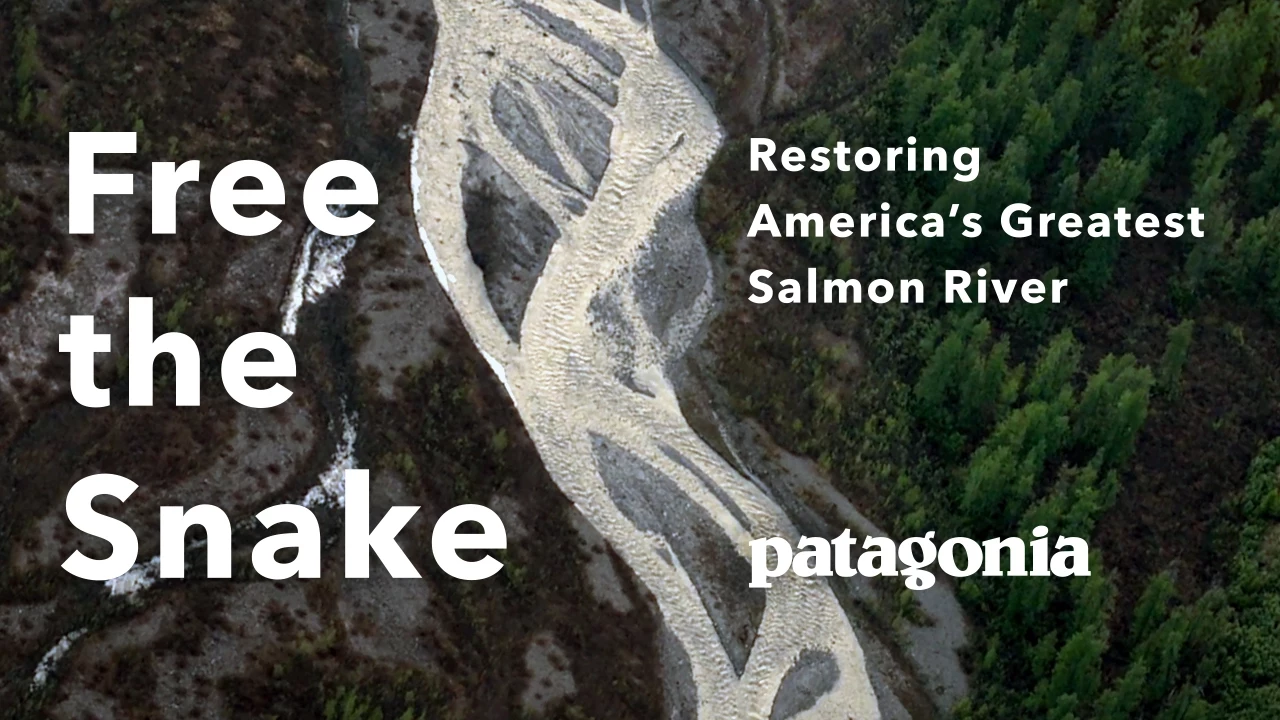
The United States built approximately 75,000 dams over three feet high, fundamentally transforming river ecosystems and salmon populations; however, as environmental awareness grew, the era of dam construction ended, and dam removal emerged as a restoration strategy, with major projects like the Elwha River restoration demonstrating that removing dams can reconnect watersheds and restore wild fish populations that had been blocked for generations.
Hydropower Controversy: Dams vs. Wild Rivers in America
Added:Basic mechanics of hydroelectric power generation, including how reservoirs, turbines, and generators convert gravitational potential energy into electricity.
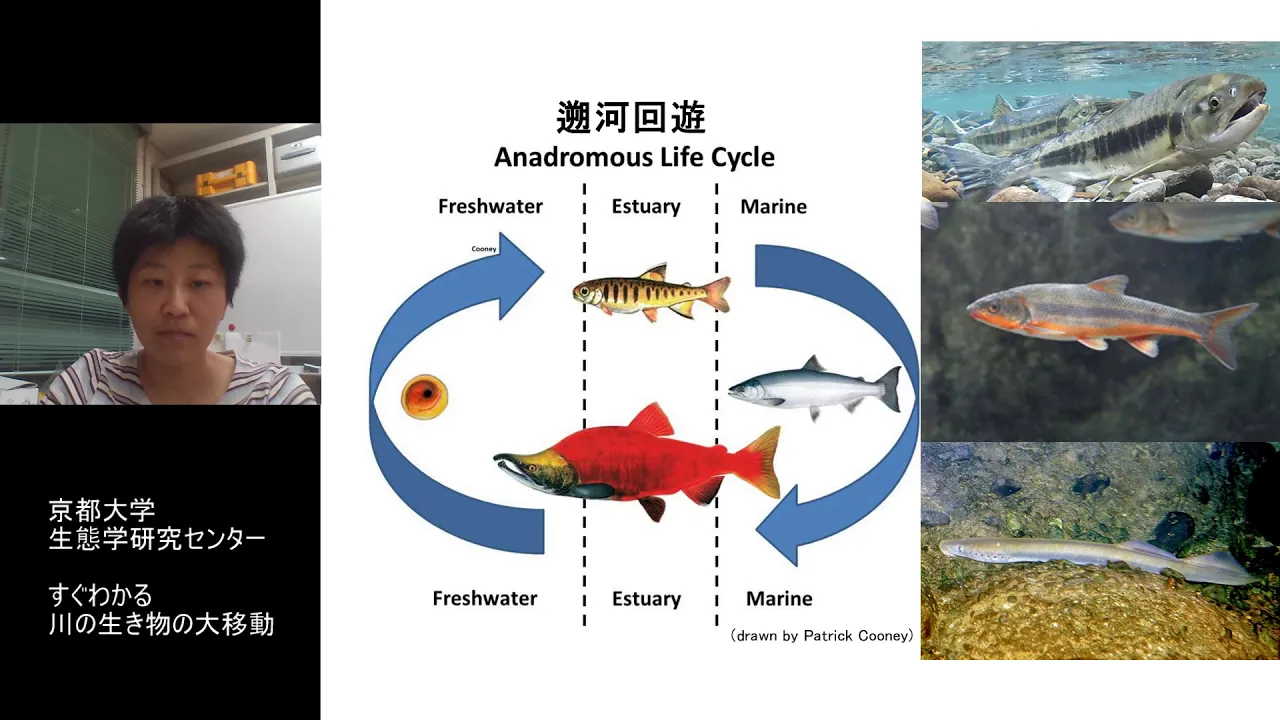
Fundamental concepts of river ecology, such as sediment transport, nutrient cycling, and the migration patterns of anadromous fish species like salmon.
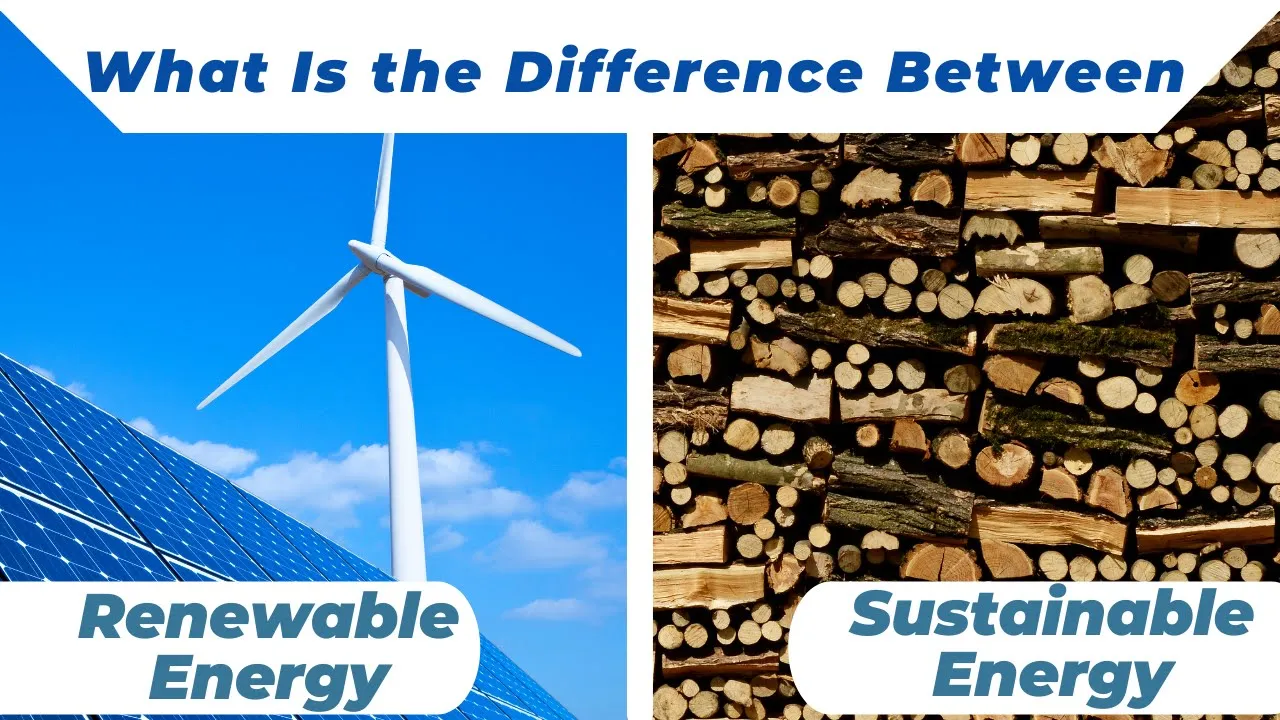
The distinction between 'renewable' energy (replenishable resources) and 'green' or 'sustainable' energy (minimal environmental footprint).
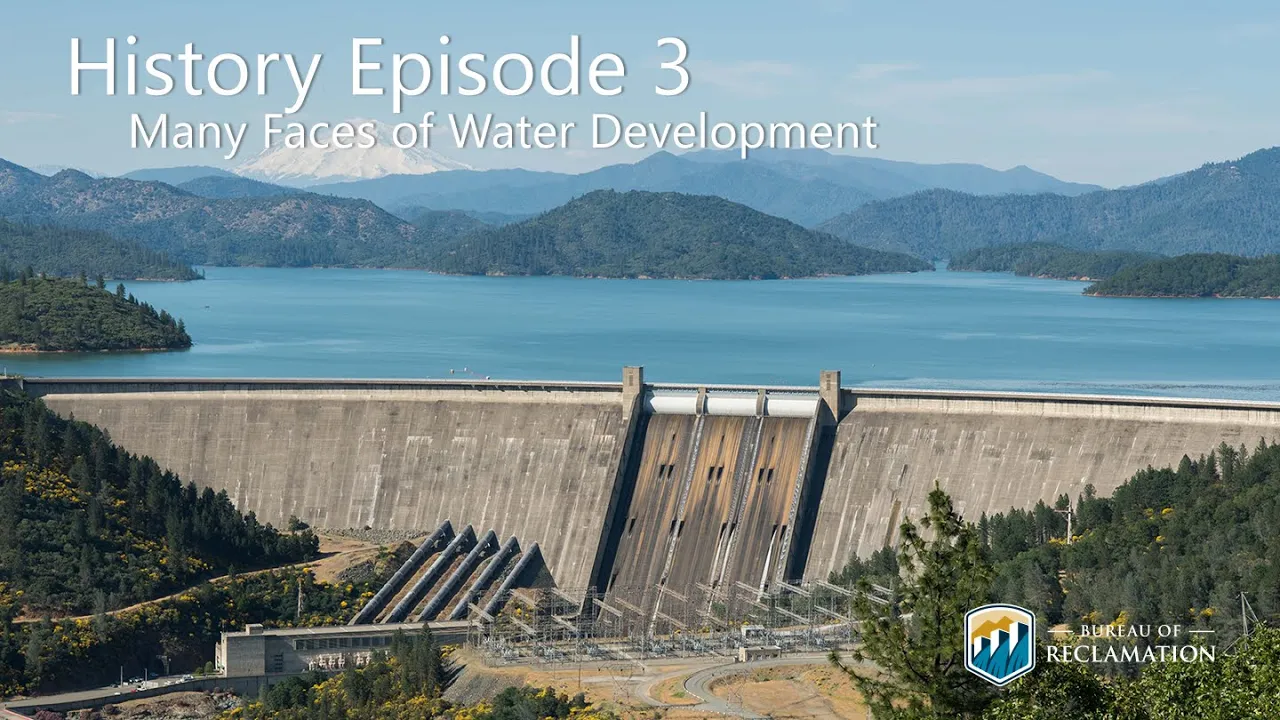
A general understanding of 20th-century U.S. infrastructure history, specifically the era of major dam construction led by federal agencies like the Bureau of Reclamation and the Army Corps of Engineers.
The engineering, ecological phases, and monitoring methods involved in active dam decommissioning and river channel restoration.
The legal and regulatory frameworks governing U.S. waterways, including the Federal Energy Regulatory Commission (FERC) relicensing process and the Endangered Species Act.
Indigenous environmental justice, focusing on how dam construction historically impacted tribal treaty rights, cultural heritage, and traditional food systems.
Energy grid modernization and modeling strategies to replace lost baseload hydropower capacity with low-impact alternatives like solar, wind, and battery storage.
1.6M views16.3Klikes1:28:21Original Release: 2020-04-24
a couple decades ago it was radical in terms of thinking that you could take a dam out taking a dam out and opening up a watershed reconnecting it with the fish that were there for hundreds of thousands of years i mean it gives you hope [Music] this morning i came i saw and i will conquer as everyone would be who sees for the first time this great feast of mankind ten years ago the place where we are gathered was an unpeopled forbidding desert in the bottom of the gloomy canyon whose precipitous walls rose to a height of more than a thousand feet float a turbulent dangerous river [Music] we are here to celebrate the completion of the greatest dam in the world rising 726 feet above the bedrock of the river and altering the geography of the whole [Music] region [Applause] the people of the united states are proud with the exception of the few who are narrow vision this great dam warrant universal approval this is an engineering victory of the first order another great achievement of american resourcefulness american skill and american [Music] determination [Music] yeah this was these were this is the tape from uh originally taped in that uh hedgehed she left it and then just kept them after the old walk but yeah sold athletic a little quieter compared to this you know any any words of inspiration for aspiring young artists that have a big damn [Music] canvas go for it but do it bigger and better definitely do it bigger and better don't you know it's like great 25 years ago we did a couple of painted cracks on dams passed it's all been done take it a step further just something you know something really impressive i don't know what that'd be but come up with something inspiration can be a pretty dangerous thing michael's advice haunted me for months after we interviewed him what sort of lunatic repels off a 200-foot dam with a paint bucket alone in the middle of the night just to make a statement anyway i'm getting way ahead of myself we'll get back to that my name's ben by the way i'll be your narrator it was kind of embarrassing how little i knew about dams when i started working on this film i used to sneak inside their overflow tunnels once in a while to take photos of my friends skateboarding so the extent of my knowledge about dams mostly had to do with how to avoid getting arrested while crawling inside them [Music] dams don't just blend in as part of the landscape to me anymore knowing what i know now it's impossible for me to look at dams the same way i did a few years ago or even rivers for that matter dams and hydropower represent a pivotal part of u.s history there's no denying that but just like any other resource development in the u.s we took it too far [Music] there are 75 000 dams over three feet high in the united states that's the equivalent of building one every day since thomas jefferson was the president of the united states dams have been a common part of the american landscape for centuries most early communities were established on the banks of rivers so dams could be built to divert river flows to water wheels to run machinery around the time edison had the light bulb dialed in the first hydroelectric power was being generated on the us side of niagara falls at one point nearly half the country's power was being fed by hydropower alone as america's dependency on electricity grew new dams are being built so fast that the engineering technology struggled to keep up one of the worst disasters in u.s history occurred in 1889 when pennsylvania's south fork dam failed with no warning the city of johnstown was leveled with 20 million tons of water taking 2200 lives the flood is still referred to as a natural disaster despite the fact that there's really nothing natural about impounding a river behind a poorly constructed wall in the late 1800s the government was faced with a tough choice when they began to realize that every major fishery in the country was at risk either start regulating the impact of harvest pollution and dams on wild fish or mitigate that loss by trading nature for science the answer was the national fish hatchery system in 1902 the reclamation act was passed by congress to promote the settlement of the west through the development of irrigation projects to support small family farms this well-intentioned mission devolved into the bureau of reclamation whose short-sighted projects began a legacy of resource abuse transporting and impounding absurd amounts of water to support unsustainable desert agriculture and sprawling urban development the mighty waters of the colorado were running unused to the sea today we translate them into a great national possession in 1913 a seven-year environmental battle led by the legendary sierra club founder john muir ended in vain when congress gave the green light to flood a national park yosemite's stunning hetch hetchy valley was dammed to provide water storage for the city of san francisco [Music] on march 12 1928 12 hours after a safety inspection by its engineer william mulholland california's saint francis dam broke free from its foundation sending a wall of la's water supply plowing downstream mulholland was cleared of any wrongdoing but felt personally responsible for the dam's failure i envy the dead said mulholland at a court hearing don't blame anyone else if there was an error in human judgment i was the human during the great depression reclamation began the two most ambitious engineering efforts in u.s history the hoover dam on the border of arizona and nevada and the grand coulee dam in eastern washington both projects created thousands of coveted jobs and were proudly embraced by the public as national treasures by the time cooley's generators went online the u.s hydropower system was feeding an insatiable demand for electricity to build airplane ships and bombs for world war ii if the era of dams had a golden age it was the following 20 years the army corps of engineers the bureau of reclamation and the tennessee valley authority were the government's dream team if it flowed it was damned any river left unharnessed was considered a dangerous torrent with wasted potential 30 000 private and federal dams were completed between 1950 and 1970.
by that point the yellowstone was one of very few unaltered watersheds left in the nation when the bureau of reclamation began running out of ideal locations to build dams [ __ ] started getting weird massive dams were proposed in grand canyon national park and utah's dinosaur national monument led by environmentalist david brauer the sierra club worked quickly to rally a massive outcry of public disapproval but while brower's attention was focused elsewhere reclamation's new secret weapon was quietly flooding a little-known national treasure with very little opposition if he'd known how beautiful that area was he would have fought a tooth and nail brauer now says that that was the biggest mistake he ever made in 1973 the endangered species act was set into motion by president nixon a bold move to protect endangered species from extinction as a consequence of economic development any dam contributing to the demise of a species could now be held accountable by law in 1976 the bureau of reclamation set up a claims office in eastern idaho to divvy out 300 million dollars to the communities in the flood path of their newly completed teton dam as its reservoir filled for the very first time the 300-foot earth and dam started to liquefy and cavalry taking 11 lives downstream during an interview with the high country news in 1995 clinton appointed bureau of reclamation commissioner dan beard stated that the bureau's future isn't in dams the era of dams is over in 1997 the 162 year old edwards dam on maine's kennebec river became the first major dam removal in u.s history river conservation organization american rivers declared 2011 the year of the river as multiple dam removal projects began including the largest in u.s history on washington's elwha river and olympic national park we are here today to say free that beautiful elwha river let her run free we're here to say welcome back to the salmon we want you to live free again there are a grand total in that pool over there someone counted them yesterday 73 salmon not 72 not 74. i love people with fisheries and wildlife they're exactly 73 governor so to those we say we want 73 000 more welcome back come on back that's what this day is all about let's see a lot of people don't realize how deep this really deep exists until you get right here to the edge and you look over yeah i mean it was uh you know it was kind of knowing that today was the last day of our final operations up here on the dam was uh yeah a little reflective yeah you come into a plant and as you learn to operate and spend time with them you learn to listen to certain sounds that are not normal certain vibrations that are not typical but this machine for as many years as it's ran we would block load it and and she'd just run and run smooth and i think she'd have kept on running just for years and years june 1st was a big day that was that was hard it was i'll be honest with you to shut down two perfectly good running power plants it wasn't easy we as a country right now are infatuated with tearing things down it's not just a enterprise to blow something up and build something new and grander i mean we're removing these uh for good and uh we're not just taking dams out but we're having to relocate families and they're losing their jobs yeah i have i i probably have some personal feelings towards especially being a hydropower guy well i think there's a very uh intentional movement by various groups in our country to remove every dam there's no doubt about that we're all anxious to see was this thing really worth it was it worth the 370 million dollars to the american taxpayer to do this did it really make a difference and if in 10 or 20 years down the road we look back and say nothing really changed that much then i think we're all going to come to some similar conclusions and only time's going to tell us if that's going to be true or not what's my gut say i just assume not say anything i'm not running for politics money i made a statement about taking out elwadam in my first months in office and it caused a lot of trouble the president president clinton took me aside said chris what's all this talk about removing dams when i first moved to the state of washington in 1991 i was told gotta get involved with the elwha dam removal project it's gonna happen any year now so 20 years later it's actually happening the dams both of them were illegal to start with because of existing legislation which stated essentially that any dam built had to have passage for migrating salmon all the species of wild fish that have ever lived in the elwha are still there biologists know that adult chinook salmon still beating their head against the bottom of the dam a century later they're still trying to get upstream into olympic national park taking a dam out and opening up a watershed reconnecting it with the fish that were there for hundreds of thousands of years it's a very powerful experience there's three things that come to mind is hope humility and happiness the hope of recovery in a lot of these places the humility when you go to places like southwest alaska um and other places where you see the abundance and just a basic spiritual happiness that you can't find and i can't find in a lot of other things [Music] it was the elders that kept the memory alive it was the elders that passed that knowledge the knowledge of this river in its origin they don't forget they they don't move on they remember and they persistently seek restoration of what was once it's an answer to our ancestors prayers [Music] and i'm just grateful that we're able to see it happen in our lifetime so that's what we're doing we're saying thank you for making sure that the fish come back and sustain the people the people of the lower elwha they entered into a treaty in 1855 that gave the word of the united states that they would be able to continue their way of life and to live off the abundant resources of that free-flowing river although the u.s constitution says that treaties are the supreme law of the land the people of the lower elwha saw only injustice for about 100 years but there is a healing now because that is changing all of indian country is here in spirit and their eyes are focused upon the people of the lower elwha where had they come from the answer sounds like a fairy tale the far reaches of the sea how had they arrived another fairy tale by swimming against one of the most powerful rivers on earth past eight deadly dams all the way up from the pacific why had they made such an insane journey another wonder these colored stones and clear currents so high and far from the sea once gave them life so they'd become mountain climbers literal mountain climbers though they possessed no legs hooves feet they'd climbed the rockies to the pebbles of their birth by swimming home at the certain cost of their lives in order to create tiny silver offspring [Music] yeah i just want to welcome you folks to grand coulee dam this is the largest producer of hydroelectricity in north america and the largest concrete structure in north america for many years it was the largest in the world 250 000 gallons of water a second going through each of the big pin stocks and when it's really cranking good to actually vibrate through the bedrock you can sometimes feel it clear across the river so you just really know there's a lot of power there [Music] there are those that would take out every dam just to save a couple of salmon there are those that think that the native americans got a raw deal some of them of course would like to go back and have their native salmon runs and live off the land but things progress the alwa the conde uh they were old dams obsolete in terms of efficiency so if we want to selectively take out some of those older smaller dams not really a problem there uh we can do that restore some fisheries but this dam i can't conceive of anybody really seriously wanting to take this dam out a dam for salmon is essentially lack of access their basic life history requires the juvenile fish to go out to the ocean and the adult fish to come back to their spawning stream so anything that blocks a river like a dam does is end of story in terms of their ability to access part of the world that they need to complete their life cycle [Music] some people still define the pacific northwest region as anywhere salmon can swim it's a romantic thing to say but that would mean the territory has been cut in half by dams at one point the colombian snake rivers shown here in red were the most productive wild salmon fisheries in the lower 48.
now the runs hover around 8 of their former glory every fish that passes this window at bonneville dam has to find and negotiate an elaborate passage to move upstream the only chance for their offspring to get to the ocean is if the dams are spilling water but that equates to wasted power so you'll commonly see juvenile fish being transported in barges and trucks downstream past the dams [Music] tens of thousands of now endangered snake river sockeye used to make the 900 mile journey to spawn in idaho's redfish lake in 1992 only one fish made it home past all eight dams if you equate the number of snake river sockeye that have returned in the 20 years since to the amount of money spent on recovery efforts it comes to nine thousand dollars per fish [Music] the rivers are run like machines every aspect of their flow is controlled by computers in a portland office during spring runoff when the rivers are cranking there's actually a surplus of energy in the grid at times leaving wind generated power with nowhere to go and no one to pay for it seeing thousands of wind turbines generating power in the columbia gorge with no impact on salmon runs and water quality definitely raises the question as to how hydropower could be marketed as green energy one thing's for sure though the pro damn crowd seems a little threatened by it it's like beanie babies the fatter beanie babies everybody had to have beanie babies well wind is a fad that everybody has to have wind and then you buy all of these beanie babies and you load up the shelf and you got all of these beanie babies and what are they good for well not much and that's the same with wind it's just a fad it's really hard to have a balanced conversation on the subject of dams versus salmon when the most outspoken pro dam politicians in the country refused all of our requests for interviews well one of them reluctantly led us in and then not so reluctantly asked us to leave i can't say i really blame these guys for not wanting to talk to us but i couldn't help but wonder what their rhetoric would sound like lucky for us we heard they were throwing a little party to introduce a bill that would prohibit federal funding from ever being used for dam removal or the study of dam removal unless explicitly authorized by congress thank you mr chairman thank you for your leadership on this issue thank you especially for holding this hearing to examine and expose the continuing drive of the environmental left to destroy our nation's system of dams some people seem to have forgotten that before the era of dam construction the endless cycle of withering droughts and violent floods constantly plagued our watersheds our dams tamed these environmentally devastating events they turned deserts into oases and laid the foundation for a century of growth and prosperity for the american west but over the last few decades a radical and retrograde ideology has seized our public policy it springs from the bizarre notion that mother earth must be restored to her pristine prehistoric condition even if it means restoring the human population to its pristine prehistoric condition they're not satisfied with merely blocking construction of new dams they're now seeking to ex to destroy our existing facilities we'll be required to stretch and ration every drop of water and every wad of electricity in their bleak and stifling and dimly lit homes homes in which gravel has replaced green lawns and toilets constantly back up to me these glaring hypocrisys destroy their credibility and reveal an unabashedly nihilistic agenda this is the kind of lunacy that we are facing and as you deal with these people you begin to realize we are literally dealing with the lunatic fringe of our society and they are in charge of our public policy on these issues because we let them we're not going to let them anymore [Applause] [Music] as tempting as it was to stay and high five all our new pro damn friends there was a place just a few miles away that i wanted to visit just 57 years ago at this spot on the columbia river the army corps of engineers committed what today would be called an act of cultural genocide [Music] as sherman alexie a spokane coeur d'alene indian says the salmon are the eucharist of the tribes the eucharist like the blood and body of christ it's that serious a symbol and to run the dams in a way that wipes out their culture their spirituality and their revenue is like there being a federal bureaucracy that removes the cattle from ranches and tells cowboys that they're doing them a favor [Music] this is salil falls the age-old fishing grounds of the columbia river indians here is a fisherman swinging his net gathering fish for the salmon feast given to welcome the spring and my dad woke me up and it was dark yet come on sonny let's go the fish are coming took me outside the tent he said listen it sounded like a thousand people with an oar beaten on the water it was salmon coming up the river salila falls was you know the the grandest rendezvous place for our people and plateau tribes in general it mattered not whether you was yakima nespress yumatella caius whatever you were didn't matter he was a part of it [Music] the mist and the roar of that water is just i think about it right now and i can hear it i say maybe that's one of my great things that in my memory is when i think about it i can actually hear it [Music] this is the first and this unfortunately the last time that we will ever have a film of this ceremony as you will see the great dalles dam which is being built several miles below here will soon back up over these falls they will cover the great fishing grounds and a way of life that indians have had here will disappear forever [Music] slidell falls was gone so how do you think i felt i knew what was there and i knew what they'd done sometimes i get out and i look over that place and i can still see where some things should be and they're not there no more the wind has changed because of the flat surface is coming up to columbia [Music] the temperatures of the waters have changed the dead water makes it harder for the fish to get up and down and now all it is is a big body of water that's all it is it means nothing to me all it means is what they took away what these dams have done have completely torn my country apart [Music] this is not the same country as it was that we remember dating back more than ten thousand years salila was one of the oldest continuously inhabited communities in north america until it was flooded in 1957 at one point the army corps of engineers offered to lower the water backed up behind the dallas dam long enough for the tribes to see the falls again just for a day there was a resounding no from elders that they could not live through seeing them flooded again there were some elders that have never even been back there because it was so devastating like a death is what they called it like a funeral and they couldn't they could not go through it again just upstream from salila where the snake river meets the columbia you'll find what many agree are the most ill-conceived and environmentally destructive dams in america fed by 23 major tributaries the snake river was once the gateway to 5 500 miles of pristine wild fish habitat in idaho alone the four lower snake dams were built by the army corps of engineers in the 60s with the stated purpose of flood control irrigation navigation recreation and hydropower combined the dams only generate about four percent of the region's energy these are run of river dams which means they provide little to no water storage that also means they're physically incapable of flood control and it cancels out their need for irrigation the main purpose of all four dams was river navigation so a giant system of locks allows barges to haul goods up and down stream to port [Music] it's hard to ignore the simple fact that there's a perfectly good railroad spanning the entire length of the shipping corridor from lewiston to portland if area farmers continue a recent progression towards shipping their grain by rail it'll be hard to deny that barging is unnecessary the lower sneak is technically open to the public for recreation but i'd heard stories of boaters being harassed for simply trying to paddle downstream i wanted to see firsthand if there was any truth to that so i managed to talk my friend travis into one of the worst ideas i've ever had but i'll get back to that in a minute in the meantime i want to introduce you to this fella who randomly walked up to the mic at a public meeting and managed to simultaneously end his career and blow every mind in the room i'm jim waddell i'm not sure i have a question but i want to tell you something um i'm from the army corps of engineers i'm hearing all this stuff about the lower snake dams and here i am i i know i'm probably no better as a civil engineer better than anybody in this country about those dams and and given what i knew i just couldn't sit there any longer and you know i'm gonna get fired for what i'm about to tell you but it's time those scams are they always have been from the day that congress first authorized those it's been a sham part of what i did was to manage and lead the lower snake feasibility study in 1995 the army corps was forced to address the environmental impact of the lower snake dams when the snake river sockeye was listed as endangered their answer was the 35 million lower snake feasibility study i read the thing i worked on this thing and based on that you know i believe those dams need to come out on the snake river for the snake river salmon it's four dams too many i mean the taxpayers and the people of washington oregon are not getting a good deal out of those dams you know they're losing fish and the economics are not helping them so anyway it comes time for a decision the colonel sits down with each one of us separately i read the first paragraph and basically what it says is is that my recommendation based on this document was that we should pursue congressional authorization to breach the dams travis checked out the army corps website and found a friendly little page that detailed how to pass through the snake river lock system if you're in a non-motorized craft this is where my terrible idea was born i wanted to see what the army corps once billed as some sort of recreational utopia everyone we spoke to in lewiston confirmed that it was a seriously bad idea even this piece of art seemed like some sort of bad omen as if every canoe in the state had been retired as a memorial to a lost river our plan was to kayak through all four locks from lewiston idaho to pasco washington where a truck was parked about a hundred miles away it seemed almost wrong to call this seemingly dead body of water a river usually if you stop paddling on a river you still move downstream here not so much day one sucked usually when it's 100 degrees out you just look for a tree to sit under but they were all underwater i was feeling pretty grumpy when travis turned the camera on me i think he wanted me to admit that my idea was a legend among bad ideas but i wasn't ready to give him the pleasure of knowing that my nerves were wearing on me as we approached the damn mainly because i'm a pessimist but also because i can't swim for [ __ ] and i kept imagining getting sucked through a turbine and pureed like an out migrating salmon there was hardly anybody in the district that would would even talk to me anymore anybody that thinks we should reach these dams is obviously a communist and doesn't belong you know to be working around here so i've been branded is not loyal to the organization i kind of feel like i failed at my job because here i was in charge of this study and in spite of my best efforts i let 35 million dollars worth of research end up ignored as a public servant that's our job is to make hard decisions i happen to end up with somebody that didn't have the fortitude of the strength to take that decision and go forward with it i think we can have a win-win situation remove those dams save the taxpayer money improve a habitat put more dollars back in this community because people will come here to use this river and not only is it important to the ecosystem it's amazing just amazing that they come 900 miles into the snake river system and it'd be a lot of teardrops of joy to see that river running again it's the largest possible salmon recovery venture of which humanity is capable would be that simply the removal of those four dams nobody's ever heard of nobody's ever been there it has to become a national issue the snake river is a public waterway our tax dollars pay to maintain these locks in these dams the lower snake feasibility study was ignored and jim waddell's recommendation to breach the dams was removed despite hundreds of millions a year not one of the four endangered or threatened snake river salmon species has been delisted there's a great good here that belongs to the american people that's being stolen from the american people by a very small corrupt branch of the federal government the army corps website said to pull a cord to speak with the lock master upon arrival but we couldn't find it anywhere the last thing i wanted to do was get out of my kayak but i knew our window was about to close any minute i found a couple workers that told me how to find the cord but also warned me that security was on the way right as i was about to pull the elusive cord we made some new friends hey how's it going not too bad you guys were actually thinking about getting yeah yeah why not don't take i'm not being competitive i'm trying to talk [Music] i think we should get the sheriff to come down don't you and just like that i was off the hook travis had come up with an idea worse than mine despite the depressing reality of the situation i couldn't stop laughing as two police cars and an army corps security truck we're trying to figure out how to pull over two kayaks from a nearby road one of the more excited cops deleted the video of the conversation you're about to hear but he didn't notice the fuzzy microphone sticking out of my life jacket okay you guys understand this this is federal do you guys get that i understand you guys may or may not be terrorists that's not up for me to decide but it's a big deal all 18 we're cooked for this isn't it right right this is this is he calls the federal investigators and they arrest you guys and then they arrest you for taking photos that's espionage but don't recreational vehicles take photos through the locks when they cruise through yeah they're not supposed to i mean i'll tell you what let's just cut that crap you guys know you recorded it's on there i'm i'm not going to delete it there's no sense in that well he has a right to season here it sounds like a silly crime it's true it's terrorism no we don't we don't want to elevate it you guys understand this is federal yeah we got it yeah this is their rules and regulations this is their river [Music] the more the layers peeled off this story the deeper i wanted to go there's one particularly divisive issue when it comes to dams that no one seems to want to talk about and that's fish hatcheries but before we tackle that beast i think it's really important to have a little appreciation for one of the species that deserves our respect you cannot have a creature come in from the ocean and enter the extreme state of vulnerability that is spawning in shallow water unless the people in that watershed agree to greet this wild creature with great compassion and sensitivity [Music] i think most people have heard of a rainbow trout or had one wiggle out of their hands at some point but few have had the honor and privilege of meeting a steelhead these highly respected sea run rainbows have been severely impacted by west coast dams and eliminated entirely from some watersheds [Music] it's not uncommon for a fly fisherman to go weeks or even a season without feeling the pull of a steelhead but their devotion to these storied creatures seems to fuel them there's a uniquely cold stretch of water in oregon where a pod of these wild steelhead have gathered for ages to rest before spawning these particular fish have a special friend named lee who lives about 30 feet away lee is their guardian and he's kept notes on everything that happens in and around the river for nearly 12 hours a day for six months a year for more than 13 years this pool is known to a lot of local people as the dynamite hole because of the two possibly three human generations when dynamite was readily available and no one else was up here and it was used in this pool possibly as much as two sometimes three times a year and of course for every dynamiting there are probably 20 or 30 snaggings or nettings or you name it to mess with fish that have passed through the gauntlet that these fish have gone through after they're up here and home free it just it just seems like it's ridiculous to me one of the things that never ceases to amaze me is how curious these fish are about everything i think the curiosity that i see possibly represents their feelings of vulnerability at being in this pool which is compared to the pacific ocean a puddle and they sometimes respond idiosyncratically to people some people put these fish in a conniption fit some people have very little effect on them whatsoever and i'd be willing to bet that these fish have as fine an appreciation of what's going on around this pool as i do and perhaps finer probably finer in a lot of ways [Music] you know the things that have that have influenced me in life besides blind accident are things of great amusement one of the more amusing stories that i read about steelhead fly fishing was by gary snyder and he said something like well we started fly fishing on the russian river for steelhead then we started taking the points off our hooks then we started taking the flies off our hooks and finally we just decided to go swimming and that's there's something very amusing about that but very meaningful and true too i think i needed something to open my eyes to the beauty of the north umpqua and these emblematic fish that run her [Music] it would be nice to think that these fish know me because i've been watching them and their parents now for 13 years but i think i would just be playing a game with myself having parkinson's has has made me to a certain degree more aware of the fact that this will have to come to an end perhaps sooner than i otherwise would have liked it to it's wonderful to have an opportunity to do something as positive as this is and as simple as this is that is a great gift to me well i sometimes wonder what the final day will be like for me here um i think that someone will come along and continue to stay with these fish because one thing is clear it's too easy to get here for there not to be a human presence here at all times from this point on and there will be i'm confident of that [Music] wild fish are the real deal we still have them thank god and hopefully we we always will the great beauty of wild fish is we don't have to do a god damn thing for them except to leave him the hell [Music] alone [Music] so now since they've been put through the chemical bath ms triple two they are not fit for human consumption so we can't eat them they are going to be processed into fish fertilizer like that stuff that maybe your folks put on the garden you dump it out it's really gross looking and my dog really likes it super stinky stuff grow they are big yeah [Music] we're coming back to where they were hatched okay and we're taking the eggs out of them and we are producing 15 million salmon to provide to the commercial fisheries to native tribes catching the reservoir flooded out lots of their natural habitats so we are a mitigation facility making up the loss of habitat just like their wild cousins hatchery salmons sacrificed themselves for the next generation by returning home to spawn but for these columbia river hatchery fish home is a government-run factory where they're beaten to death and artificially spawn to create a very expensive illusion of a salmon run historically hatcheries have been used as a way to justify trying to rebuild fish runs without actually dealing with the root causes of their decline sort of habitat change over fishing and dam construction it's a lot easier to basically adopt the philosophy oh we'll just make more fish so i call it a type of a whack theory where the question is how many fish do people want to whack and we'll try to produce those and bring them back but that isn't the same as saving the salmon bonneville power rate pairs are saddled with an 800 million a year burden to fund the columbia hatchery system this is now the largest fish and wildlife program in the united states we're spending a lot of money trying to get it right but it's but it's a business operation and it's it's a big business hatchery fish tend to suck at life and equate to a bad return on investment for a handful of reasons and i don't think you have to be a fish biologist to understand why if you're raised in a concrete pool with no predators where delicious brown pellets mysteriously rain down from the sky chances are you'll be pretty naive when you're flushed out of a tube into the real world if you took a bunch of suburban kids and dropped them off in the middle of the congo jungle and told them to walk to the coast they're going to be not very well suited to survival in that habitat they release millions and millions of smolts very very few of them come back very few they're no different than industrial agriculture this is a disaster in the end so it is true i was a critic of bpa's fish programs and now i operate bpa's fish programs we have hatchery legal obligations to provide hatchery production to support harvest so the question is how do we do that in the smartest possible way so we're not impairing wild fish that's an age-old question we continue to address and try to resolve is where is that balance between providing hatchery stock that can be fished and harvested without harming the native population fish that are there [Music] if you load up a stream with lots of hatchery fish the wild fish that are still in it can be out-competed if you look at say the rivers of new england the fish farm escapees and hatchery fish outnumber the wild fish in their own rivers 100 to 1 or so anybody outnumbered 100 to 1 is going to have a hard time holding on if we keep piling hatchery fish on top of these salmon recovery efforts we're crippling our chances to really recover these systems now the second problem is they tend to breed with the wild fish that are in that watershed and that's shown to reduce their ability to produce offspring the wild fish are genetically diverse whereas a hatchery clone it's a bunch of first cousins [ __ ] first cousins you know so you end up with a bunch of badeeps they're immediately being inbred out of existence it really is like trying to replace bach beethoven and mozart with yani yani and yanni no diversity there is sort of this deep psychological need or desire to control nature and i think dams and hatcheries are the same thing the whole purpose of the 300 million elwha dam removal project was to restore wild fish runs but instead of letting things happen naturally 16 million went to the elwha klallam tribe to build a new fish hatchery and start pumping the elwha full of manufactured salmon and steelhead the one common element is to build the dam we gotta put a hatchery in well to take it out we gotta put a hatchery in makes you kind of wonder sort of what the real sort of purpose behind the desire for hatcheries are and if there's other reasons why they tend to be very popular than the good of the fish i don't like to openly oppose something that the tribe has a right to do but in this case i feel like they're making a mistake we're here to celebrate the largest dam removal project in u.s history an extraordinary opportunity to watch more than 100 miles of pristine wild salmon habitat return to its natural state as the elwha reconnects with the sea for the first time in nearly a century the wild salmon of the pacific ring of fire have evolved to repopulate themselves in watersheds devastated by volcanic eruptions earthquakes glaciers landslides they've been doing it successfully for millions of years but because we've somehow lost our faith in mother nature we're about to start releasing inbred out of basin hatchery stocks into this newly restored habitat despite overwhelming evidence showing the presence of hatchery fish works as a powerful detriment to wild salmon recovery we insist once again on helping the natural process my wish then is that we could somehow find the patience and the faith to let mother nature do what she's always done thank you for your time [Applause] what do you think of people characterizing floyd domini as an enemy of the environment bulldozer in front of you paving everything how do you how do you feel about that i've changed the environment yes but i've changed it for the benefit of man it would be wrong to make a film about dams in the u.s and leave out the story of glen canyon in the archaeology profession there's a very unromantic term used when the sole purpose of the job is to document cultural treasures before they're flooded by a dam they call it salvage it was the biggest single salvage project up to that point in american history it was the most thorough thing of its kind ever done at the time i think by the end of 1958 when that picture was taken that we're all standing there we all had a pretty good idea that this was really something very special [Music] glen canyon dam was authorized in april of 1956.
colorado storage project act we didn't have to relocate any railroads we didn't relocate any highways we didn't have to build the barrier dikes around any little little towns there was nothing there nothing there did you ever meet floyd dominique oh there we go i'm out there yeah i'm i'd no i never met him i'd have cut his balls off if i didn't met him or i'd had somebody else do it [Music] deceptively call the lake glen canyon now rests under the second largest reservoir in the country that flooded it glen canyon dam was essentially a bank account for the bureau of reclamation built to generate power that would fund other projects and provide water to cool a nearby coal-fired power plant an estimated 45 million tons of sediment is trapped behind the dam annually starving the grand canyon's ecosystem downstream every year as lake powell evaporates under the desert sun and seeps into the porous sandstone eight percent of the colorado river's flow disappears one of many factors that contribute to the river commonly drying up before it reaches the gulf of california when construction began in 1957 two archaeology teams began a five-year push to document more than 250 culturally significant sites in lower glen canyon at the same time a handful of devoted river runners began the process of saying goodbye to the place no one knew the gates were going to close and we had to at least be finished with what was going to be flooded it's going to go under but at least we're going to salvage it so we'll have the stuff and we'll have the records and the data so we can write books about it and we can make museum displays about it and we have a dam so we can run around on our boats it's progress two guys in me it seemed to be a pattern one of them being old enough almost to be my father and tad and old friend that i had known since i was in high school and one's a photographer and the other one knows the river very well frank just friends none of this hanky-panky nobody's trying to get laid and nobody's we're just all enchanted by what's around us why were you initially afraid of it because i know how to swim because i'd never run a motorboat because i never camped out in my life once you get through being afraid of the country it was a magical place forgotten canyon uh that was that was the high point i think the people had walked away about about 1300 13 10 maybe they left the ashes in the fireplace they left great big pots sitting on the surface food remains still in them there was a ladder that still went down into the kiva into the ceremonial chamber they had just walked away a thousand years ago nobody's been here since that's pretty doesn't happen very often i would actually hear speaking in the wind sometimes you go around the corner well you everybody hears a whistle here and there but nah i heard more than whistles and i just said there's something queer about this place maybe it's scary at first it was and then i thought no i i think there's just something here that's supposed to be part of me 125 side canyons every one of them different every one of them with a personality of its own we would go around a corner and spread out before us would be this incredible sight that a nobody ever seen before b nobody had touched it see it was utterly and incredibly beautiful everything was in the right positions all the colors were perfect all the senses came just flashing out i mean i could hear better i could feel better i could speak better i i everything just was amplified what was it like to walk naked through glen canyon well i'm sorry but i can hardly explain that it was just absolutely the most natural thing in the [Music] world [Music] and this one i keep to myself never let this one out i might decide to let you guys you know i never dream about it [Music] it's because it's on my mind all day long every day there's no i don't need to dream about it i think about it all the time what was lost eden i don't think eden could have touched glen canyon [Music] we flooded out the rattlesnakes and the prairie dogs and a few deer and a beaver or two that's all that was flooded out when we and a lot of beauty but we created a lot more beauty and made it available which it wasn't before we haven't uh destroyed the world we have we've made it habitable for a lot more people a young man not long ago said to me he said are you a hero or a villain based on your record as commissioner of reclamation well i said i think i'm a hero or should be considered it by you because you wouldn't be here if it wasn't for the development of the west sponsored by the bureau of reclamation [Music] possibly the most hypocritical sign in history has bolted to glen canyon dam's most popular overlook it warns that defacing natural features destroys our heritage i can't look at it without imagining edward abbey rolling over in his unmarked desert grave if you've never heard of ed you might have heard of his book the monkey wrench gang that inspired an environmental movement called earth first whose first act of civil disobedience just so happened to go down at glen canyon dam on march 21st 1981.
i think we're morally justified to resort to whatever means are necessary in order to defend our land from destruction invasion i see this as an invasion these look like creatures from mars to me i feel no kinship with that fantastic structure over there no sympathy with it whatsoever yeah i would advocate to sabotage subversion as a as a last resort when political means fail when i when i'd seen the plastic crack and when i saw the pictures of it you know talking with people and brainstorming like how could we you know how could we up this without god wouldn't it be cool if we could paint a crack and it was clearly impossible on a damn like glen canyon there's no way you'd ever get away with it but if we had a dam that was that was unguarded at night it would work [Music] at the time um earth first does a shirt it's a hand with a wrench and it says defend the wilderness i was wearing that shirt out on the dam looking down over the edge with this kayak on the roof that says i'd rather be monkey wrenching you it's like you just freaking do that you know one point i look over and there's a ranger standing there looking at me with binoculars i'm like oh [ __ ] you know sometimes there's always like a little period where you have like sort of butterflies going oh [ __ ] are we really gonna do this it's ridiculous michael and his friend made history that night leaving their mark on the 430 foot face photos of the crack were wired to newspapers across the country the plan seemed flawless until it wasn't and the same ranger who was out at the dam he pulls up behind me he says what's your name i said like bill or something that's made up a name he's sort of beating around the bush asking questions finally he asked for id and i said yeah sure and then he goes wait a minute you said your name was bill i mean this is this is a federal cop right he knows what he's doing you know at that point i've been arrested a bunch for sitting in trees and locking my neck to corporate headquarters and chaining myself to bulldozers and you know was i nervous i'm sure i was you know probably inside my shoes my toes are going and finally he gets the point he says okay look i'm a fan of that abby's i read the book and assuming that they're one of my favorites again he's like we had an incident out of the damn last night you know anything about anything that happened out there blah blah blah blah you know three or four questions i said no no no he says okay well you're free to go you know i mean i walked on that one he had me [Music] we did the hitchhiking crack learned kind of how to do it and realize oh this is really cool we need to do more of this the earth first group stayed around the area for a while and then we got wind that they were going to do something up at the dam we put an extra ranger on duty that night i drove up there at night and that's the first time i saw it and i was like oh this is right for a crack dropped my gear off schlepped it all out over the fence drove back down parked the van got on my bicycle rode up there stashed it glides canyons near vertical it's very steep it's dark it's a damp slippery dam with 200 foot of this right below so we've got this rope straight across here then i clipped my repel rope into that locked it off five gallon bucket of paint hooked on my harness and i hung off the edge of the damping and just let go i remember this moment well and it was dynamic rope not static so it stretched a lot just went wrong at one point i was sure i was gonna get busted everything was taped up to be quiet but that bucket when i jumped the thing kind of swung and smacked into the side of the dam it was just so loud i was like oh [ __ ] the guy who got through painted a uh huge crack and then off to the side he wrote it'll wobby free it's swing way over and i paint a bit you know it's a roller and then i go swinging back get a couple moves back and forth get going get over there and paint a little bit more my fingernails my hair my ears my eyes i was covered in paint so i finished the be free part finished that and i was out of paint i've got oh be free i'm like no i can't there's no way i can't do i can't leave this nothing worse than having a gigantic typo on a dam or whatever you know i just could not live with that just dropped everything left it all on top of the dam ran out grabbed my bike zipped down jumped the van i had like two quarts of paint like a gray and a green or something mixed them up really quick change the anchor repel down dawn is really close somebody could show up at any minute i'm making all this noise now i wasn't even being careful so i was just going for it if i'm busted on busted i want to i want to have it finished [Music] [Applause] it was a beautiful crack it was the guy was an artist there was no question of it and he did that all in one night it was an amazing feat and he was interviewed recently said he didn't want to be remembered for that but boy i think he should uh he should be i think that that sort of woke up people to the fact that something had to be done [Music] water is the same as the blood in our bodies stagnation brings on death people who are in their last throws the the blood is barely moving through their bodies they're parts of their bodies that there's no flow at all rivers are regions with that same kind of stagnation when it's all slack water reservoirs its uses are really limited and it's not vibrantly alive as soon as the reservoirs were drained the elwha found its path of least resistance and carved a new river channel in the process revealing something long forgotten preserved under a century of sediment were the remains of an ancient old growth forest that had been clear-cut when the dams were built almost instantaneously the elwas watershed was coming back to life just a year after the removal of the lower dam biologists were counting fish by the thousands in stretches of the oah that hadn't seen a salmon in 99 years the beautiful thing about salmon they're incredibly resilient if you give them half a chance they can come back in many ways but you have to give them that at least that half a chance when glen's canyon dam is fully removed upstream salmon and steelhead will have 70 miles of new habitat reviving the flow of nutrients between the pacific ocean and the mountains of olympic national park the science and engineering behind removing the elwha dams was totally experimental there's no handbook to consult because it's never been done before at this scale in almost every case the biggest hurdle for dam removal engineers lies behind the dams decades of silt sand gravel and wood that should have been flushed naturally through a watershed is stockpiled in the reservoirs different dams will last for different periods of time based on how much sediment they trap coming down the river so when the reservoir fills with mud it's kind of outlived a lot of its utility the plan at the elwha was to chip away at the wall slowly releasing sediment through the watershed just a little at a time massive plumes of silk could be seen reaching miles into the ocean at the mouth of the elwha restoring a coastline that had been eroded to bare stone in places these natural sediment flows are insanely critical to river habitats wetlands offshore environments and to protect coastal communities from storm surges and sea level rise 300 miles east of the elwha the second largest dam removal in u.s history was already underway on washington's white salmon river the tributary to the columbia river the white salmon was once home to a vibrant salmon run before condit dam was built in 1913.
the white salmon has since developed a reputation as a world-class whitewater destination in the stretches above the dam site [Music] in 1996 the federal energy regulatory commission for specific core the dam's owner to either build an extremely expensive fish passage facility or to decommission the dam in order to meet environmental codes knowing the dam's contribution to the power grid could be replaced by as few as three windmills pacificorp chose to scrap condit and save their ratepayers some money before the removal process began a not so subtle hint was dropped that the river community was ready for condit to be gone [Music] a year ago i was here at the white salmon river when the dam blew there was this moment where you know there's like the countdown and then there's this moment of silence you're kind of wondering you know is it really going to happen and then you could feel the ground shake [Music] the plan to remove condit was a little more aggressive than the elwha it involved 800 pounds of dynamite stuffed into the end of a 90-foot tunnel that had been drilled at the base of the dam the theory was that the weight of the reservoir would flush a century worth of sediment through the tunnel and downstream to the columbia and one dramatic pulse due to the concussive forces of the blast there was a heightened level of nervousness if you will there was the possibility of infiltration by folks wanting to get a closer look video et cetera it came as no surprise when we were denied permission to film the blast but i didn't want that little detail to get in the way of actually filming the blast a couple days before we scouted a hillside with a good view of the dam and built a crappy camera blind for me to hide in for 18 hours last day was unbelievably stressful if you've ever hidden the woods from a guy with binoculars and a surveillance helicopter i'm sure you can totally relate at one point my mom called me to tell me she read somewhere that the explosion could make my ears bleed but luckily that thought had already crossed my mind at the hardware store when the helicopter finally cleared the area everything was quiet and i knew the horn would come soon [Music] you know you start on a project like this and it seems so big and so insurmountable and it's just the forces against you are so intense and it just feels like many days you're just never going to get there and we finally did it this is a day that i've dreamed about for over a decade and today is the day that we just get out to float down the river and enjoy this place that we've all been working so hard to restore for so many years [Music] i must [Music] when i first started this and got involved in dam removal and asked myself the question you know what is it that that makes a damn removal happen and you might think that it's you know policies or politics or maybe it's the guy with a plunger but when it comes right down to it it's people who are passionate about the river and it's the people are out there kayaking it's the people are out there fishing it's the people who out there just sitting on the banks of the river enjoying the place and it's the passion of those individuals that makes it all real and makes it happen [Music] if you think of all the sort of resources that our descendants are gonna really value say two three hundred years and as a geologist i can think that long and not think that that's too far out of line a resource that fends for itself grows a huge source of proteins and omega-3s that then swims home so you can harvest half of them you can take half of a salmon fishery eat it and they'll keep replacing themselves i mean what kind of a gift is that i mean what kind of a species throws that away if we look towards feeding the world in the future it's insanity to not try and recover salmon runs as far as we can [Music] we may have fueled the early industry in this country and the industrial revolution in this country but we've wiped out our fisheries in the process so just because a dam has been sitting in a river for 200 years does not mean that it's going to stay there for the next 200. the state of maine has over 800 dams many of them obsolete and still causing a lot of harm to their watersheds two centuries later for most sea run fish efforts to band-aid these impacts with fish ladders or elevators haven't solved the problem in 2010 the penobscot river restoration trust came up with a pretty wild idea the trust raised 24 million dollars and purchased three dams on the penobscot river from the local power company here we are we're you know as we sit here today we own three penobscot dams and uh and it feels good to own three penobscot dams knowing what we're gonna do with them charles lindbergh said something pretty amazing he said if i had to choose between birds and airplanes i choose birds to paraphrase if i had to choose between electricity and fish i choose fish the atlantic salmon federation is called the penobscot project the best and perhaps the last chance of restoring a major run of atlantic salmon in the u.s one thousand miles of habitat was reopened to migrating species like salmon sturgeon american shad river herring and eel seeing the results of all this effort actually come to something boiling with life which we had predicted it would and to actually see it happen [Music] is awesome [Music] the most ambitious river restoration project ever proposed in the us is slated to begin in 2020 on the klamath river which originates in oregon and flows through california to the pacific in a historic settlement tribes farmers commercial fishermen and the owner of the klamath dams have all signed off on the billion dollar project but one significant hurdle remains it's now up to congress to give the project final approval to move forward with no fish passage at all the four klamath dams annihilated the third most productive salmon fishery in the lower 48 and cause toxic algae blooms in the reservoirs that have wreaked havoc on water quality like all constructed things dams have a finite lifetime and it's not time to like pull out every dam in the country that would be economically foolish but it'd be just as foolish not to rethink every dam in the country and try and decide which are the ones that actually still make sense in the 21st century and which are those that we can get more value both economically culturally aesthetically morally and ecologically out of a river system by sending it part way back to state that it was in [Music] naturally [Music] the history of thinking in the western world is radical ideas eventually can become conventional and a couple decades ago it was radical in terms of thinking that you could take a dam out it was unthinkable you know go back 50 years it was legitimately crazy talk you know the conversations changed [Music] for the most part the era of dam building is a closed chapter in u.s history but as of 2014 the state of alaska was rushing through the permitting process to build a 5 billion dam on the susitna river this pristine watershed drains a remote region south of the alaska range near denali national park and is home to one of the most productive king salmon runs on the state many assumed alaska was bluffing after abandoning the idea twice before but now they've sunk 165 million into the planning alone if the state succeeds the 735 foot high dam will be the second tallest in the united states and flood a 42-mile wilderness corridor after glen canyon was flooded david brower of the sierra club wrote neither you nor i nor anyone else knew it well enough to insist that at all costs it should endure when we began to find out it was too late in the words of edward abbey sentiment without action is the ruin of the soul [Music] i used [Music] till they spread [Music] [Applause] [Music] is slowly is it was no small feat someone or perhaps several people painted a giant pair of scissors on the face of the 200-foot abandoned matilda dam near ojai ventura county owns the dam they believe it was done last week destroying the dam has been debated for years officials say the graffiti sends a clear message some people really want it gone yeah it's probably time for this thing to come down well it is time for this thing to come down we're just trying to figure out the best way to do it and heck i'm sorry they ran out of time you know because we don't know where the stitch mark belongs on the other side it's such a peaceful demonstration you know i don't see any harm in the scissors i i think it's my hat's off for the first the people that did it officially there was a crime committed but does it rise to the level of sending people out no yeah there's better things to spend that kind of money out near ohio leo stalwart abc 7 eyewitness news [Music] you make me sleep like a young child with warm milk you held me tighter when i pushed you away you turned my sorrow into silk you turned my sorrow [Music] you make me sleep like a young child with warm milk you hurt me my sorrows [Music] [Laughter] every canyon at each turn oh come on oh hi i'm in the middle of an interview deary the town picnic i don't [ __ ] know honey [Music] i promise [Music] with all this restoration you guys got going in the watershed and everything do you have invasive species appearances yeah well what are they well we call them white guys [Music] [Laughter] [Music] you
Up Next

21:28
River Erosion and Deposition: How Rivers Shape the Earth
@mikesammartano
316.1K views•2020-04-08

12:54
Triumph of Orthodoxy Icon: Byzantine Art & History Explained
@BenCallan
2.1K views•2024-08-06

46:14
The Shitthropocene: How Consumerism and Fast Fashion Impact the Planet
@patagonia
972.6K views•2024-04-29

1:42
Game of Thrones Opening Credits: A Cinematic Analysis
@gameofthrones
46.3M views•2011-04-18
Related Study Plans & Knowledge Roadmaps
Structured learning paths in General & Interdisciplinary Studies
general-studies
Elevator Engineering: History, Physics & Cities
01From Hoists to Safety Brakes: The Dawn of Vertical Lift
02Hydraulic vs. Traction: The Engineering Physics of Elevators
03Modern Speed, Safety, and Algorithms
+ 2 more learning modules
12h5 modules
Explore Roadmap
general-studies
Rubber: Material Science, History & Geopolitics
01Origins of Natural Rubber & Mesoamerican History
02The Chemistry of Natural Rubber & Vulcanization
03The Geopolitics of the Rubber Boom & Colonization
+ 2 more learning modules
12h5 modules
Explore Roadmap
general-studies
Containerization: Evolution, Logistics & Trade
01Ancient Trade & Bulk Cargo: Amphorae to Barrels
02The Industrial Revolution & Cardboard Packaging
03The Containerization Revolution: Malcom McLean
+ 2 more learning modules
12h5 modules
Explore Roadmap
general-studies
Textile Tech: Evolution, Labor & Global Impact
01Pre-Industrial Textiles: Handloom & Cottage Industry
02Mechanization: The Spinning Jenny to the Power Loom
03The Factory System & Global Labor Transformation
+ 2 more learning modules
10h5 modules
Explore Roadmap