












Dam removal projects require comprehensive socio-ecological restoration that addresses both environmental recovery and stakeholder collaboration. The Klamath River basin in the USA demonstrates how removing four dams (Iron Gate, Copco 1, Copco 2, and J.C. Boyle) after over 100 years of operation restored anadromous fish populations, including salmon and sturgeon, while simultaneously addressing historical impacts from gold mining and creating opportunities for tribal communities. Successful dam removal depends on building consensus among diverse stakeholders—including tribes, utilities, irrigators, and government agencies—through inclusive negotiation processes that ensure all voices are heard. The project required over $400 million in funding and involved complex trade-offs between power generation, irrigation, and flood control considerations. This case illustrates that dam removal is not merely an ecological intervention but a multifaceted socio-political process requiring careful stakeholder engagement and long-term commitment to ecological recovery.
Dam Removal & River Restoration: Klamath Success Story
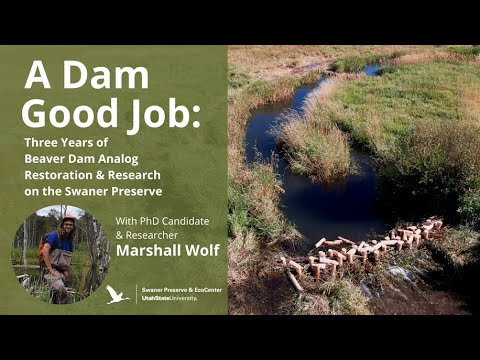
Added:I think dams have been have had a very contentious history in how they looked at in our country and outside um initially they were sold to us as great um great measures to conserve energy hydroelectricity a bunch of incredible benefits but over the years we have seen the destruction they bring along with them and in that conversation India has U tried relooking dams by building smaller ones which come with their own problems and they have also been indigenous dams uh so India has a long history with dams that is constantly changing uh but in the US one of the things that has happened is also thinking about and actually dismantling dams um and one of the largest dam removal project or the largest dam removal project in this world has been the clam rer dam removal and today we have Dr Don uh Flickinger to speak to us about it he has asked me to address him as flick um so I'm going to be trying to do that so Dr flick is a biologist and he's retired from the US Department of Commerce NOA Fisheries California um the fieldwork for his doctoral dissertation was titled Rehabilitation of degraded moist iCal forest in India's Western guts silviculture and socioeconomic perspectives and it was done in C Karnataka This research investigated uh multiple species silic culture as a means to rehabilit Tropical forests and assess the impact of reforestation programs on local communities of forest users by their cast affiliation gender and age he also worked as the field director for British Oxfam in Indonesia from 1981 to 1984 and uh he was a natural re natural resource management specialist with the US Department of Commerce um more relevant to our discussion today Dr flick was also a member of the climate stakeholder negotiation process where he represented the NOA fisheries and between 2005 and 2016 this group brought together 25 stakeholder entities to painstakingly work through conflicting interests with which ultimately formed the foundation for Dam removals and the ongoing restoration of the Upper clamat River Basin so Dr flick I will hand it over to you and thank you so much for being with us today hello everyone uh ER ecological restoration Alliance all of you people out there I'm so pleased to be able to meet with you albeit electronically it's a really great opportunity for me to be here and thank you bnavi for the great introduction you've reminded me what my research was I think I'd forgotten what I did when I was living in utar Canada quite a few years back but it's great to know that I had that background made possible for me so here go my thank yous uh yapa ready who was sponsoring me to do the research when I was a full bright fellow helped me immensely to get access to the forest that I worked in back in 1991 92 so so a special shout out and thank you to him Pang hegade befriended me when I was living there and helped me in so many ways with my sociological research that I did besides the Silva cultural work Sun more recently through friendship with pandurang heade has helped me and my family make three wonderful trips to India in the last probably seven or eight years so thank you tunita for that and Abisha Krishna gopal has helped me more recently on this journey and particularly with preparing what you're going to see and hear right now all of you out there in TV Land finally I want to say thank you to my wife Jennifer and my son Parker who are literally tending the Home Fires back in Far Northern California where it's cold rainy and snowy right now as I speak and so thank you to you guys for taking care of things at home which allowed me to come here so what I think I'm going to do is I'm going to set the scene about the clamo as a watershed where it fits into the overall hydrologic picture in North America and then I'm going to talk a little bit about the uh Samir Agri she likes the term social engineering so I'm going to use that sum and basically that means how you get your Ducks lined up in terms of institutional and social arrangements so that you can do something like remove dams the actual dam removal is a predicate it's a followup to all of the investment that you make upfront with your stakeholders if you don't have that organizational capability to work together even though you have very different interests removal of dams is not a possibility so I'm going to talk a little bit about the stakeholder process as a precursor to dams removal then we're going to show some pictures of uh actually what has happened with the dams coming down you'll be able to see this exposed uh landscape that used to be CED by water and all the challenges associated with beginning primary succession on a raw landscape trying to keep Exotics out and get uh Native species established quick and significantly and then following up what happens in the aftermath both socially and ecologically to ensure that you get the best possible outcomes with the huge effort that goes into this kind of thing when I say huge effort it was over $400 million us that was required to actually do the dams removal so I give you some idea of the costs involved so uh to set the scene to start with uh what got this ball rolling initially was the Federal Energy Regulatory Commission has a process to relicense Dam facilities above a certain size in the United States once in 50 years and so it so happened that the Year 2005 was the time when these four clam dams needed to be evaluated for their safety their productivity and whether they were meeting their mission and then be relicensed and if this opportunity was missed then it would be another 50 years before there could be a revisitation of these dams and Facilities through this relicensing process so people within in the belly of the Beast as it were working for the US government in the department of the interior and in Noah Fisheries which is my agency when I was still working they saw this an opportunity to figure out how the utility in question which is Pacific core could be forced to do significant changes that would be consistent with The Endangered Species Act because we had listed fish species in the clth in order to uh make sure that when the dam was relicensed it would cause the least amount of harm possible and if possible to see if the dams could be decommissioned altogether but that was more or less an objective further down the road if the beginning of the process so the FK relicensing was starting around 2001 to meet the final uh obligations in 2005 around 1998 people working within the agencies started to contact stakeholders and say this is our chance it's our only chance in our lifetimes to do this let's not miss it so uh the tribal entities of which there are six main ones decided that this was an opportunity for them to get fish back in the river obviously historically the fish were vital to the Native American societies along the river and so they took up this as their own uh burden as well to make sure that the relicensing worked for Fisheries benefits so uh I'll talk a little bit about geography now and what the context is of the clth and so we're going to switch to the PowerPoint we're going to show just about five pictures so that you get an understanding of what I'm talking about where it is and kind of what it looks like and then we'll come back to just me discussing about the stakeholders and then we'll go back to the video presentation the PowerPoint so the cover photograph here uh I hope you can all see it it shows uh the site where the Iron Gate dam was located it's the lower most most Downstream Dam of the four that were removed and this was taken 3 days after the final removal was completed and the river was flown going freely through this reach so you see the discoloration in the banks further Upstream that's where the reservoir water was so we call that the bathtub ring where the bathtub ring was where the high water mark had been in the reservoirs when the dam existed so let's go into the next one so here's a good look uh you see the map inset of California Oregan states west coast of the US this uh Watershed straddles the boundary between the two states roughly 500 kilometers long from Ocean into the upper Basin area where the volcanos are and between 80 and 150 kilometers wide where I live is WIA which is right in the middle of the Watershed kind of at the pinch point in The Hourglass and you can see in the upper Basin it's a lot of tributaries that form into quite large rivers and then they are all collected in a series of lakes these obviously were all cut off when the hydroelectric projects were built starting in the 1910s so we've got upper Basin tribes who did not have access to their historical Fisheries for over a hundred years notice that there's also Upstream irrigators who are diverting water out of that system the big cloth irrigation project which is in the kind of lower right that's uh water taken from the Upper clamo Lake for large scale irrigation p p purposes operated by the Bureau of Land Management so those stakeholders have a lot of political power as they are large land owners then you see in green the National Wildlife refugees operated by the US fish and wildlife service they also are deeply involved in the Water Management of the area because they have refugees that need water and these are important Flyway stopovers for Pacific Coast birds that are migrating both North and South seasonally then further Downstream you see the red Indian tribes the kuk which are close to WIA the uro and the Hoopa these are the main tribes in the lower portion of the Basin who had access to some Fisheries but the water quality was so uh damaged by the presence of the dams that they also were hoping for dam removal to improve flows and water quality for fish Downstream so let's go on to the next one back up going the wrong way here can I go back y so here's another see the inset on the lower right that shows again Oregon California boundary line here we are back right there on the border you see where the red circles are those are the four dams in question iron gates the one you saw the picture of at the outset then come Copco one and two then comes JC boil Dam and there are two more Reservoir or two more dams Bel above there which are right where it says clamo Falls they are slow uh profile dams which divert water into that irrigation project I mentioned and they have fish ladders so what's a fish ladder a fish ladder is a concrete structure that looks like stair steps and the fish are able to swim up those stair steps to go from a place of lower elevation to a place of higher elevation thereby bypassing a dam facility and we'll talk more about fish ladders in just a moment because they were critically important to the outcome of what uh became the dam removal just for your own information you can see on the coast Pacific Ocean Side is Redwood National Park where the coastal redwood forest are and in the upper portion of the Watershed is Crater Lake National Park which is a well-known deep freshwater lake uh in the high Cascade Range so you do it this time because I did it too hard so a little ecological background we live in the kind of a northern boundary of a Mediterranean climate system that means like Italy and Spain Northern Africa Y is that okay we have warm dry Summers cool cold Winters uh snow accumulates in the mountains which becomes our source of Summer flows around the volcanoes we have deep Fisher geology which allows water to percolate downwards and then reappear in very large beautiful Springs which Supply water for our our streams and then the valley floors you see in the picture kind of the flat area those were historical Wetlands before they were drained and turned into agricultural areas and predominantly occupied by Castor the North American Beaver which helped create those Landscapes through its Dam building and they'll be a special commercial uh advertisement for Beaver at the very end of this presentation so on we go and this side by-side photograph I just want you to to notice here that the dams weren't the first uh deep insult to our clth system it goes back a long ways and it's all associated with uh gold mining and gold as you know was first discovered in 1849 in the Sierra Nevada of central California it uh initiated the Gold Rush which was a big process of settling the western part of the United States large numbers of people came uh those who stayed weren't the people that necessarily were looking for gold but they were providing goods and services to those people who were in M deid said he knew something about denim had something to do with the gold R yes indeed Levy Strauss who was a french guy he created blue jeans and so if you're wearing them or have ever worn them this is all coming from the California Gold Rush so there you go what you see on the left hand side here is uh suction dredge or excuse me it's uh dredge mining using large floating dredges and my friend will used to drive up and down the clamp Mammoth with this Photograph on the left on the windshield of his car looking for this particular reach of the river because he couldn't figure out where it was and then one day as he was driving ah Eureka there it was so he took a picture which is the right photograph and it shows the result some hundred years later from the beginning of the mining and then most recently this dredging in 41 which basically froze the active channel of the River on the river right or the right side of the valley floor after this mining occurred so when you do this Mining and you don't have high flows from a natural Wild River system there's not enough energy in the river to be able to occupy its historical flood plane so there you go the river has stayed on the right side of the valley for all this time inzing downwards deepening itself and lowering the water table because of this historical mining that occurred there so I think we'll stop it here so so far can you hear me is the audio okay Maisha it's good okay so what we're going to do now is gonna do a little bit of a how do I say this it's it's kind of like Hollywood maybe a little bit Bollywood you'll see but it's uh an entertaining way with some music and some singing uh about what I've been describing with the stams removal and what it means to the local people particularly the Euro tribe and there's a few things that are not factual and not accurate in the video which are large failings in my view and we'll discuss those after you watched it but I thought you'd just like to see another Vision or another version of what the dams were like what happened when they were removed and what it means for the future of the people who live in this Watershed so can we go to the video well a ship headed no out of Frisco Bay made it up to humbo in just three days told the people there would just passing through up to the golden sis well they came F the gold but they stayed for the trees when they cut them all down they head it out to sea and when the fishing got tough they came back to land but Captain said don't worry I've got a plan he said got me the river and God made man but manmade God so the river be damned God damn God damn God damn oh the river be damn Captain headed north up to the mighty claming he said now that's a big river I can't wait to Dam it so they damned the water then they damned it again built a hatchery to pay for their sins but they choked the river and killed the fish and people Downstream will they were pissed off that's when the tribes all got together said we speak for the river and we will [Music] forever oh they called waren Buffet said time's running out this sended salmon to the White House and nothing seemed to happen that day yo night but decade after decade they never lost side they United the community and then the whole state got the Congress two legislate and the president signed off and now it's history and that's what you can do with your community we took it back just like that we took it back we took it back we took the river back we took it back just like that we took it back we took it back we took the river back all the way from the mountains out to the Sea will that River now she's a flowing free and it's a better world for you and me and that's what you can do with your community we took it back we took it back just like that just like that we took it back we took it back we took the river back we took it back we took it back just like that just like that we took it back we took it back we took the river back [Applause] w [Applause] [Music] [Applause] so thank you very much for showing that there's some more audio obviously the soundtrack has got full instrumentation and the music is quite catching the melody is quite catching so uh Abisha has helped put the link in the chat box in case you want to go to the video later on and watch it yourself uh the guy did a very fine Java but it's just that he missed a few things one of the things that he missed is he only represented the Euro tribe uh in this and there were six involved as I mentioned earlier on and so that could be a source of disputation I guess you could say between the tribal groups that aren't properly recognized in the video and the other thing that euroq although they played instrumental role in many different ways during the negotiation process they didn't do it on their own and in fact they needed a huge amount of help from all the other stakeholders especially from the federal or Union government the national government employees like myself and my wife who are helping them all along the way to as one of the tribal members told me recently at a gathering he said you helped us learn how to speak science once we could speak science then we could represent our case for ourselves so thank you and I think that that made us all feel like what we' done made it all worthwhile so the stakeholder process I talked a little bit about the dam re licensing all of a sudden things started to heat up there was a lot of stuff in the press a lot of Articles people on different sides of the issue started to express their views openly in the media on op-eds and various newspapers then they started to be lawsuits over who was going to get what amount of water and where and when things got quite divisive a lot of money was spent paying lawyers and finally there was a fellow who really played a enormous leadership role in the whole thing named Robert Chadwick Bob Chadwick a retired federal employee union government employee who had worked for the forest Service as a forest supervisor he was an extremely good facilitator and negotiator so he is the one who went up and down the Watershed started to meet with the various stakeholder groups tribes the utility the Indians and Rancher irrigators the federal employees the union government employees and the not for non-government organizations like yours that you are working with all bringing them together into this process of making sure everybody was at the table and all people's interests were being heard if you were to tune in to one of these meetings uh back in 2003 2005 2007 what you would have seen is a large circle of people sitting in chairs with uh Bob sitting on one side basically telling people it's not easy you're coming here took time this is a big Watershed you got a travel long distances I really appreciate the fact that you've given your time today to come here and then he would look at the two new arrivals into the circle and these were people that Against All Odds had decided to come and represent their interests because they felt if they didn't come they wouldn't be H at all so maybe if they did show up they might get their heard at least to some extent so after the initial niceties he would say so and so I'll call it a cowgirl sitting over on one side cowgir so and so I can see by your body language you're not happy being here you're extremely unhappy looking across the circle and seeing so and so tribal member down there who you've been fighting in court with you both have been suing each other I think it's a huge uh point and your ability to lead for your group of people that you're representing to come here today and because you've made this commitment I pledge to you that in this group today we're going to hear what your grievances are what your story is you have to tell from a to zed and we won't finish this until you've told us your story you feel satisfied that you've been heard and that everything that you've said is recorded properly in the minutes of the meeting it will become available to everyone in this group but that's not the end of the story then he turns to the tribal member on the opposite side of the circle and he says and so and so you tribal member I would like to ask you to be the representative of the group to be the listener to what whatever is going to be said today by cowgirl over there on the other side and when cowgir is done speaking I would like you to repeat to reiterate to the group everything that cowgirl has said until cowgir is satisfied that you've gotten it right and we won't leave the group from this meeting until she is satisfied that you've gotten it right and then that will go into the minutes of the meeting so you can imagine that that Fisheries Tribal member is going to start listening very carefully because they don't want to be shamed into looking like they're not intelligent enough to listen properly or to reiterate to the group everything that that person has said and it so happens a few days later in the negotiation the circle is formed again and this time it's the the uh opportunity for the tribe member to express all of his or her grievances to the group and it's cowgirl's opportunity now to become the listener and recorder and so you see they both have made a tremendous commitment in listening to each other across these many days and bit by bit this is how the group was formed and how the group grew Bob always said that the group was Stronger when it was bigger and we consciously went out to find the people who are creating the greatest trouble in the media and in the courts to bring them into the circle another activity that was very effective is having people write down on 3x5 cards what their worst possible outcomes would be in this negotiation process and of course people would say my family has to move away there's no opportunity for me economically my children can never do what we've done here for five generations there'll be no more fish in the river there'll be no water for irrigation and on and on and on it goes and then the next activity would be few hours later maybe a day later okay you talked about your darkest possible outcomes let's talk about your best possible outcomes what might those be write down the three to five things that you really think would make this a success and guess what what people wrote down was very similar my family can stay here my kids and my grandkids can live here we can all make a go of it we can live here and make a good living off the land and the fish will will Thrive and there'll be enough for everybody who has a stake in this and then the final activity was list three or four things that you think we can do together to get us to that place where our best out possible outcomes are achieved and so those things became the working tasks for the group in the next meeting that would come up so you can see how each step of the way he was laying the groundwork for people to move forward with everyone's interest included and everyone not everyone being part of it nobody being left behind it's extremely powerful process and the fact is that it worked because we got the dams to come out so that's a little bit of the background about the stakeholder process I'm sure you guys have maybe done something very similar working with diverse groups of people who don't see eye to eye and many ways and I think that this process or some variation of it is going to provide you an opportunity to make forward progress if you're working on such a thing so back to this FK Rel licensing what really was the hook and all this that made it possible to move forward for the tribes the uh agency people those interested in dams removal was a thing and here's the expression volitional fish passage that means that the was going to have to provide something like fish ladders past those four dams in order to be re relicensed by fur and so people started to think about how do we build fish passage up these stair steps that's going to be cost effective well you'll see later how big the dams were there was no way that it was economically defensible to build those fish ladders instead of uh removing the dam so it became a factor of two more expensive for fish ladders than to uh then to keep the dams the fish ladders were twice as expensive as it turned out and so uh where we went from there was the an administrative law judge for the federal government for the union government made a determination on these uh suits that had been filed and the points in the law that was much in favor of the dam removal people so it was 13 out of 16 counts in the judge's decision that were in favor of having this volitional fish passage knowing that it would be too expensive for the utilities to implement them so the the take-home message from this is it wasn't saying that the utility had to take the dams out it was saying that the utility had to provide the passage for fish and that was instrumental in the law not saying no but saying you had to do X instead the day that happened the utility decided they were in favor of removing the dams and the whole process moved forward at a much more rapid rate of speed this was about 2010 the final decision for the agreement to remove the dams came in 2014 there were three times that the whole thing was almost dead one of the times being when the US House of Representatives failed to pass legislation to appropriate funding for the Dam's removal 400 and some million dollars and so at that point everybody thought maybe this is all going to end what can we do well it so happened that the states of Oregon and California together worked to appropriate funds and the utility itself Pacific core raised its rates a little bit for the rate payers to help kick in money on its side so the utility actually helped collect money to remove the dams which I thought was a remarkable turnaround okay so uh I think I've gotten to the point where we can go back to the slides I've forced you guys to listen to me you haven't seen anything about what it looks like to remove a dam so now that you've been patient you'll be rewarded okay very quickly an admy is what it's all about here these salmon that everybody was interested in they have a lifestyle where they are born in freshwat they rear for a certain amount of time then they migrate Downstream and they grow to a large size in the ocean that's what an adamy is and uh Mand has told that you have a species here in the gantic brahmaputra Estuary area called hilsa it's an anris fish so it has a life history very similar to this starting on the left side you see adult fish coming in from the ocean they spawn in habitat in the substrate in the in the creeks and rivers the eggs stay in the substrate for one and a half to three months the alivans are hatched out of the eggs and they stay in the substrate with an egg sack that they feed on for a few weeks then they become fry and start to swim of course initially they can't swim very strongly so they practice they become larger they become par they get these markings that are very clear when they're that size and then they begin the smoltification process which is a very slow uh excuse me energy intensive process of getting used to salt water so going from fresh to salt water they head out to seea and they rear and SE from any number of years one to three years maybe even five years depending on the species then they repeat the process by coming back up River so you can imagine if you have a dam it interrupts the process and these anerous fish can't complete their life history so very quickly I'll look at a few other anadromous species in the clth we've got sturgeon two species of sturgeon white and green they're quite long quite big they're the largest of all freshwater fish in North America and they've been detected up 100 kilometers Upstream below where the dams were so not up to where the dams were located but far upstream and they're affected of course by water quality and flow next and here's Unicon these are smelt we have pretty large U diversity of smelt in the clth it's a circumpolar distribution and you can see what's special about our smelt in the clth is they go quite far south into lower latitudes so along the coast of North America on the west side and C chatka are the two places where we find these smell uh finding their way far down away from the North Pole we've got lrey which is a jawless fish parasitic fish they also come up river to spawn but they hitch a ride if they can most often on salmon so they feed on the Salmon's tissues while they're riding hitching a ride they lay eggs and then there's this amazing life history stage where they live in the sand as immature uh juveniles for up to seven years in some cases as amoses which means actually lying in the sand and then after this period of development of their uh teeth and their eyes they eventually get large enough so they can float down to the ocean they rear in the ocean to become large and so I would say 45 cmers is a standard size for an adult and then they repeat the process here's a look at our Lampe diversity you can see where it says clth on the right hand side those five they are endemics to the upper Basin so you can see we've got a high level of endemism in the interior upper Basin which has been cut off and so Pacific Lam pre normally would have moved up there historically it did now it will again we're confident that because it did through uh geologic time that it will not affect this endemism that's occurred in the upper clth okay so what did it look like the first dam was breached on the 8th of January remember it's ironate Dam at the low end the downstream end it was breached first to provide storage capacity for the dams Upstream which were in turn breached the water flowed down and then was able to be captured temporarily in this lower iron gate area and then flow out of underneath the dam uh about a five and a half six meter hole was blown in the bottom of the dam which like draining a bathtub caused the water to come down so you see all these surfaces that have been buried underwater started to appear and some interesting things we have old trees standing Deads that have been submersed in reducing conditions without decomposition all of a sudden they appeared as the river started to refine its historical Channel you can see in the right hand side this is the river after experimenting with the number of flow paths finally was able to relocate its uh proper Channel and then the process of renewing itself began from there and there's a lot of erosive energy obviously when you go from being a standing water reservoir to a flowing stream there was sediment that had accumulated obviously under these reservoirs primarily organic matter from alal blooms that occurred during the summer months so we had 5 to seven meter deep of organic matter collected from the dead algae that was collecting on the bottom of the reservoirs and so we knew that this would be very low specific gravity easily mobilized and we we carry Downstream very quickly and that's exactly what happened so 85 to 87% on average of the substrate was this organic matter so we knew it was going to move fast here's a look at what the the tributaries look like feeding into the proper clth River main stem it had been under reservoir one of these fingers of the reservoir so a lot of energy there and so it carved its way down through the substrate to recreate its Channel leaving a high and perched uh like uh Bluff bluffy kind of features which we knew would over time continue to erode so we actually initiate some intentional erosion along these surfaces to get the material out there uh the first uh season to kind of like pull the Band-Aid off the wound get as much possible as the material Downstream during the 2024 season here are some uh historical features revealed from the 20th century we knew that there had been uh homesteads along the river because it was good fertile land in the flood PL and wouldn't you know we had furrowed agricultural land on the left this flat feature it's not that apparent but if you look from lower right to upper left there's furrows you can see farmfield Rock boundaries that became visible again you can see early 20th century horsedrawn agricultural equipment that was lost to the reservoirs that reappeared in the lower right so a lot of things that have historical value that have been exposed that nobody's touching we're just all leaving it there in place and for you're interested in ecological uh processes and uh serial progression We have basically the beginning of a whole sear Happening Here with uh primary conditions happening almost like after a volcanic flow with these explosed surfaces we knew from previous dam removal events that if you're not moving very quickly to establish some native plants there Exotics will come in and do come in carried by various effectors so a huge effort to collect seed and collect starts from various plants I think about 35 or 40 native plants were collected particularly by the iro tribe I have to give them credit for it and then these were seated by hand as soon as the water receded or by helicopter so over and Mand said it's somewhere about 85% of the surface area of laksha archipelago so about 25 2600 hectars of treatable land that was in this condition here's what the seed looked like just before it germinated spread throughout the uh the shoulders of the former reservoirs this obviously had been dropped by helicopter and here's The Greening up that happened starting in uh February through April and May of this past year so you get a good look of early germination success things all look like they're on track everybody's happy go ahead here's Papa Veri California poy established well on uh I suppose probably 30% of the area was dedicated to California poy here's a kind of a closeup view of what the landscape like with his highly fractured uh sediments and the seeds doing well getting established in the crevices and then sometime in late March we noticed that there were horses and these are feral horses so these were originally domestic horses that were released that had become naturalized and their numbers had increased in surrounding areas and then once this really good uh forage opportunity appeared they moved down something that wasn't anticipated put the planting at risk so very quickly it was determined that we needed a fence very costly to do but it was felt that it was necessary and so the majority of these areas which had formerly been Reservoir lands were fenced with I think within about six weeks something that was an unexpected treat we're really happy to see is that uh Sandbar Willow this is a salic species I know you have it here in India and wetlands it came Downstream vectored by flow and established itself along the banks and so virtually all the Streamside riparian zones got uh occupied by this seix really fast so and it's still there it's going to be there no no one can stop it now which is really gratifying to see so here's Copco one this is the largest dam this a concrete Dam uh no fish passage obviously about 85 meters in height and it was breached at the bottom end the picture on the left is when it was actually draining big hole in the bottom was allowing the water flow through and then in September the final removal of the dam you can see uh the final little Causeway of material being removed and the equipment moving out here's what Copco Dam Reservoir looked like just Upstream from what you saw in the previous picture uh really high bathtub there I think we're in the neighborhood at probably 70 75 meters but of Interest also in the background you can see the historical flood plane surfaces which had been agricultural land up to the early 1910s 15s all of that was covered and then exposed again and it was all planted as I mentioned earlier so these are all areas that are going to have a lot of opportunity for utilization by communities in the future here's iron gate on the left it's the lowest one it was an earth and Dam one that posed real risk in a flood situation again it was a run-of the river dam which means that you see on the left side of that left photograph there's a Spillway there so once the dam filled up it just spilled the water there was no way to control flow other than spilling it and so with that kind of situation with just an earth and Dam under high flood conditions you run some really big risk so that was also a consideration and the relicensing and on the right you can see what it looked like just a few days after it was removed and the final little bits and pieces were taken out of the clth here's a reach of the clth river that looks like a horseshoe it's a place that the water stopped flowing when Copco 2 dam was built the water was diverted into a pipe that went through the mountain down a pin stock which is the pipe that delivers water to a turbine generator facility and that's why this little uh section of the river about 3 kilometers was dry for over 100 years and then the Water started to flow and now people are running this River Rafters are running this part of the river for the first time and very excited about it and here's the fish these are my own photographs not too clear but you can see Fall Run shinook Salmon so this is Onish chaa it's a the the kind of salmon that come up in the late summer ear early fall they they hold for just a few weeks and then they start to spawn so these were the first run of fish that experienced the clth after the dams had come out and they braved high sediment loads in the water before it was actually clear to get upstream and nobody knew that they would come nobody expected them to come the first year but over 1500 of them have gone past the dams already and active spawning is occurring in the tributaries that were underwater in the reservoirs here's the mouth of the clth you saw it in the picture in the video uh the river is connected again which provides lots of opportunities for cooperation also lots of problems because this fish forces people these various fish runs force people to work together and so we're facing a whole new set of management issues associated with restoring the River from its mouth all the way up and of course you know these estuaries that we've got a good view of right here are important places for all the fish to go through that smoltification where they turn into saltwater fish so a lot of focus is here in the Lower River to improve habitat because everyone's fish needs to use this part of the river when they're entering the ocean and little bit of uh the hardware of the dams are is staying it was felt that this Powerhouse for cop code 2 that had the turbines and the generators two one is shown in the upper right they're valuable enough as historical structures to save and in the process the Shasta Indian nation was given about uh 1100 hectares of land for their own purposes to become a Homeland which they did not have previously and they have the intention of establishing an interpretive Nature Center and a thing for tribal Outreach in activities in the former Powerhouse and it just to be open as early as this coming summer upper left you can see the former pin stock this is where the pipes came out of the mountain and down to the turbin and then finally you must think that I'm a real adversary of dams not at all I have a real strong uh affinity for certain kinds of dams including the ones that are built by Beaver historically Beaver were part of our landscape they created the fertility in our valleys where people are practicing agriculture now and so in 2015 up in our area we were the first in California to start building these Beaver Dam analoges they're mstream structures built by hand you post pound into the substrate of the stream channel then you weave Willow between the poles and then you pretend like you're a beaver and you start stacking Rock sediment and live material into the structure that you've created the upper left picture you can see the beavers have come along and they've adopted the structure that was created the BDA structure that was created and the people there are working to shore up a little place where there's a breach in it because the beavers have for some reason decided not to do it that this was a kind of fine-tuning management that maybe you do initially when you're just wanting to get the structure well established and then you turn it over to the beaver and nobody expects that the structure should last very long normally four to five years but if you have a lot of redundancy in what you do you build several of these structures if anyone fails and it's no big problem and in fact this is the way the beaver do it so we've learned how to do this by watching the beaver and working with them and we feel very confident that this is something that can be done all over the place the structures are cheap you can build one of these not too long maybe five six meters across for about $1,500 us with using your own labor and the reason why these guys were tending the one in the upper left is because it was such a big one and such a lot of work had been put into it they wanted to make sure it lasted at least for a little while so you can Google BDA Beaver Dam analoges online and get a wealth of information about what they are and what the the ecological services that they provide and in India you have this history of building these kind of structures I think in your landscape there maybe opportunities for you guys to do water detention in places where you want to have more water stored for longer it's something to think about and that's the end of that part of the talk there's a video which shows the water coming down when it was finally baged I guess we can either watch it it lasts for a few minutes wow so here it is this is the 4,000 plus CFS release from Copco 1 that's now made its way to 3 miles something like that from the dam Downstream to the Narrows here upper Iron Gate Reservoir [Applause] wow markedly different in appearance than it was with Just Fall Creek flow only coming [Applause] down this before the wall the coming [Music] moving as fast as you could jog if you were moving fast and for the first time in close to 100 years water's going to be passing the Narrows the pinch Point here [Applause] okay well thank you for um being patient and hanging with me during the presentation now it's we'll just do our best to try to field questions you guys might have right thank you so much for um explaining the whole process to us so patiently and making it so interesting for all of us I think I learned so much from this presentation right from different species of fish to the fact that my jeans come from the same place that you worked in um so thank you for this breath of knowledge um we so whoever has questions please add them to our chat box and I'll I'll be asking Dr flick one by one um so the first question we have is on the recent fires in the region and uh ramar had a question on whether the fires affected the uh clth River bases in surounding areas so fires themselves uh no so uh as far as fires go you can see that where the dams actually are is kind of high elevation desert step almost maybe 15 to 20 in of rain a year so what would this be in centimeters uh 45 50 centimeters you you do Millies right what do you do millimeter what are you do yeah okay so something like that so there it's a dry area so the fuel is uh consumed when we have fires up here and there's not many people the communities are really small and scattered so there's not a fire issue right in the footprint of where the utility had the dams but yes the answer is absolutely in the clamo Watershed as a whole we have a huge fuel accumulation on our national forestlands and the people that live surrounded by the forest are constantly at risk from Wildland fire and so they've proactively created fire safe councils trained themselves up in the incident command system so they've been able to get certified I'm also a certified wildland firefighter too and so if we comply with all the regulations then we can safely start buyers and so these communities have started to do prescribe burning to do strategic treatment of fuels around where they live and where their homes are it's a long process uh Wildland fire itself is the only thing that will get our fuels back in line with historic fire periodicity it's already taken 40 years it's going to take 40 more years to get there but we have a way to move forward that's going to probably protect most communities most of the time so what's wrong with LA all those wealthy people down there why can't they protect themselves well they built their Community right in chaperal which is a highly volatile uh desert kind of uh step system and there's nothing you can do to stop fire when it's wind is blowing at high velocity you have dry fuel conditions and you have an ignition there's absolutely nothing that humans can do in that situation so what should they do in future well they should not rebuild their homes exactly where they were before they should do strategic fuels treatment they should join their fire safe councils start paying their dues get involved get trained in Fire and be ready for fire because it's part of the system and human beings have no business living there in those numbers and guess what if they do this is what they have to deal with so don't feel too sorry for them if you have family members there I'm sorry tell them to join their local fire safe Council thank you Dr flick um the next question we have is from sadii who uh asks how are or how were the tribal communities and other stakeholders part of the restoration initiatives well I I tried to make it somewhat clear that they were key in the whole process and if you watch the video again with full audio you'll see how they played a role U mostly in the lower Basin the people wanted the fish the fish are their lifeblood they are traditionally fishing people and so they were the ones that were most affected when the big fish kill happened in 2002 why did the fish kill ha happen it happened because of low flows and bad water quality so when these Fall Run fish that I mentioned started to come into the river the river was anoxic and it was filled with chemicals it was filled with algae and the adult fish could not survive in it and so we had huge die off of the large fish which is one of those adult fish is worth about a thousand little fish you think about how many fish need to survive to come back as adults so each one of those fish is worth a huge amount and that mobilized the people when they saw those fish dying in those numbers to start taking action and a lot of the tribal people said what can we do and that's when the employees of the Union government said there's the relicensing process that's happening join up I think we can find a way to get those dams marketly revised and how they function or else get them out all together and that's what exactly happened the way I described it um the next question we have is from the Dasha who asks us why the fish laders were more expensive to install than demolishing the dam also what happens to the dam debris once they brought down H so the second question that's the easy one uh there was a big hole in the ground from where the initial construction happened when they built the dams so they took the material back and they put it in that deep hole and buried it so it was basically like filling a divot which was pretty amazing so the fish ladders were just so costly to lift the fish that far are and you've got to have a tremendous amount of flow to send down those ladders to keep them watered right the fish can't can't swim upstair steps that are dry and so the utility couldn't keep enough water in the reservoir to operate efficiently to produce electricity so thank you for mentioning this Natasha uh this brings me to a little aside what if in your own neighborhood you wanted to consider damn uh decommissioning and there's three things to think think about and these are the three things that we had to think about clearly in the clth the first one is power generation obviously do the does the dam or do the dams in question who you're considering for decommissioning do they produce electrical power and if so how much and when do they produce it and is it substantial or is there other kinds of power sources that can create redundancy so you really don't need that source of power the clams were rated to produce about 130 megawatts they routinely produced about 35 to 50 so you can see it was way less than half and that was peaking power most generally which occurred from 4: to 7 in the afternoon when people came home from work and they needed the extra bump of electricity to do their household Shores and cook dinner in the evening so this is how the utility used the clam dams was for peaking power in the afternoon so for Point number one the power generation not substantial number two irrigation is this a facility you're considering does it provide irrigation water if so how much and where does it go and are there other sources of water for such irrigation the four clam thams produce absolutely zero irrigation water that was easy the third one flood control do the dams or Dam that you're considering for removal provide any kind of flood control and if it does how substantial is it how many people are at risk how many much land is at risk in the case of the clth absolutely zero flood control as I described they were run-of the river facilities so when they filled up they just send the water over the spillway and out down the river so two of the three were easy the third one was problematic and the utility played its cards perfectly Warren Buffett's very smart guy he produced over the time that the dam was being uh considered for decommissioning it lasted about 20 years he continued to produce power from it in the meantime he built a lot of alternative power in the Pacific Northwest in the form of solar and wind and so when the dams came out he hadn't missed a beat with his Mid-American Energy Holdings company which is the parent company of Pacific Power so but I want to just reiterate that once the courts favored ruled in favor of the dam removal uh stakeholders the utility was very cooperative and we worked together with them very well they personal friends I still call many of them friends today oh the fish ladders themselves just that that amount of fish ladder that high was so expensive to build and keeping them watered the utility didn't want to give up the water that it could use for power generation um so Dr flick I was also curious on the same topic before uh the dam was decommissioned or um even now that it has been decommissioned were they indigenous practices of building bdas or similar kind of you know dams or water collection systems because I know that in Himachal there's this system where they run flamels through the pressure of water and this is an indigenous practice that has existed long before and now impossible to sustain due to run of the River Mills uh sorry run of the river dams um so I was wondering what the similar uh problems in clet yeah really interesting so before there were so many Beaver everywhere that the indigenous people back in the day before European contact there was no reason to build more because the Beavers were doing the job for everyone but yes really good question particularly the downstream tribes and this is a really good example of social organization so socio eological organization is the uro and the Hoopa would build these temporary uh instream dams to basically they called them welcoming dams so when the fish run would come they would build those dams for a certain number of days to harvest fish for themselves they had a special ceremony which they are now recreating to welcome the fish home and then they would dismantle those dams and stop fishing and each place was different and that would allow the fish to keep moving up for the people who are further Upstream so they had this traditional way of sharing the Harvest of the Stream the other point is is that these fish runs are Concepts in our mind there are no such thing as fish runs in in actuality because in Nature's Infinite Wisdom the fish come whenever the fish can come and so you might see Peaks and troughs of flow of fish arriving at certain times of the year but there were always fish either ascending or descending in the clth prior to the development of the river as we know it today so what we've called fish runs are not actually runs per se but they're Peaks when you find more fish than you would at other times of the year that is so interesting um I really appreciate that you said the fish come when they want can come because this something I've heard different iterations of across um our next question is from chintan who says what could we do with larger dams the dams that were already built 50 to 100 years ago um I think address that while telling us what to keep in mind before working towards decommissioning but would you like to add more to that yeah well I guess the first thing my response would be don't build any more really big dams the first thing is just don't build any more big ones because you'll get the same inherent problems with flow and water quality both upstream and downstream and then impeding the movement of of ecological Services Upstream is going to compromise the river Upstream people a lot of times they don't think that the river Upstream will be affected well it really will be and and they are so uh I guess if you have if you're empowered by some act or law like The Endangered Species Act was in this case where we had fish that we had to protect and the courts of the United States knew that there was an obligation to protect those fish this is what gave the Trib special standing under the law and so if you have a body of law that provides a foundation for legal arguments that can help you Prevail in a court of law then you might be able to be able to successfully remove a facility that's obviously causing environmental impacts that are extreme so that's just one thing I would I would suggest to you I um that is true it's a lot of bureaucratic work to even begin consider considering this but I genuinely hope uh against all hopes that there aren't any more big dams coming up um we have a question from priyanca who first of all wants to thank you for your presentation and also tells us how it was your presentation was like a ray of Hope when everything around this topic seems to be very negative and not much happening especially in this country um her question is also how important is it to put up indig indigenous knowledge a reading of Landscapes as a part of the statutory government statutory documents by the government so that the action plan for you know planning for the future around these National systems can be more sustainable good question I guess this is where the tribes have to stand on their own feet they have to be able to come to the table and say we understand what our rights are we understand in the treaties that the government has signed with us are we have government toover relations with the United States government we want to be heard and so if their argumentation is strong and bulletproof then they can be able to make a strong case for themselves in their Traditional landscape the other piece is if they're capable of purchasing the lands that are rightfully theirs this is what they can and should do and they are and the way that they're doing it which I have some ethical issues with is they build casinos so they do gaming and they make money from people gaming and then they use this money to reinforce their tribal uh structures and that includes purchasing land which historically was theirs but they lost so that is a strategy that they are using also um backing up my friend Steve Reynolds who I went to high school he asked a question he's tuning in from the United States it's about the fish migration why would salmon choose to swim up the clth now to spawn if they had not historically done so so uh the research by a guy named Steven Miller at UC Davis University California Davis has done the uh formal and complete genetic analysis of Pacific Coast saled fishes and all of these fish have a precocious Gene which allows them to ascend the river it's a recessive trait so it's not always expressed but when it is they come in the river early and they swim as far up as they can and so this is a way that a river like the clth that didn't have fish going up there for a long time this recessive trade is in all of the Pacific coast fishes and if you get two recessives together The Offspring of that will have this predisposition to swim early and swim far and so it's one of Nature's strategies to reoccupy areas that are far up these watersheds and uh the Yukon river and uh British columb IIA has salmon runs that go over 1500 kilometers believe that or not our fish go 400 500 kilometers maximum so the Yukon fish they take the prize they they swim better than anybody and that's quite a distance um I think nii also said similar to what you said but in a much more concise version of how the salmon and other fish return because it's a very old migratory route um we have another question from Supra and she asks if there is a plan to decommission more dams in the US constantly uh we built dams in the eastern part of the United States when Europeans first settled we built them for power generation uh to operate textile mills to make clothing these dams were lwh head dams in these small streams of Connecticut Massachusetts New Hampshire Vermont and when internal combustion came along these water-powered facilities became obsolete they were no longer used some of them are very beautiful buildings that are now used as shopping malls in these little towns people go up there to shop from New York City but the dams themselves in many cases have persisted and they cause these passage barrier problems so one by one they be they come up for prioritization and they get removed many thousand of them have come out and online you can follow along there's some I can't remember exactly what it's called but something like dam removal USA and they keep track of all of them that are coming out so these small ones are real lwh hanging fruit easy to take care of as far as when they're no longer in operation whatsoever the bigger ones get more problematic and again I turn back to my three issues power generation flood control and irrigation those are the three ones that are always going to be uh face you'll be facing when you want to do something like this um that was our last question from the audience I also had another question for you where in the beginning of the conversation on the beginning of the webinar you were talking about social engineering so was the whole stakeholder process the social engineering that you had spoken about you tell us more about that yeah so the stakeholders once they were all speaking on the same wavelength together they are the ones that put together the elements of the the final agreement so when the US government the center government and the states uh got to the point of yes the dams will be coming out how are we going to do this who's going to get what how much will Oregon get how much will California get how much will the tribes get how will the water be distributed all these things had to be considered in the overarching agreement so that between 2010 and 2015 was uh the development of those guidance that were put into the final legislation and the final agreements that was all done by the stakeholders by these original people that created the foundation of negotiation that move forward so as there was an opening and there was nobody who could uh properly provide the the guidance the stakeholders came forward and did it interesting uh the only other instance in which I've heard of social engineering is possibly the polar opsite which is a social engineering of extraction where big mining companies in Africa and I guess now in India as well figure out a kind of system within themselves of approaching indigenous people with money beforehand so they don't make it a legal process so they can lowball them beforehand and they don't do the whole legal fight and you know demand for what is rightfully there um so I did find it very fascinating how the same process of social engineering can be done so differently simply based on how much respect and dignity you give to all the stakeholders um that was very interesting so I think that is the last of all questions um okay but one one more thing I can say is so you have after one of these stakeholder meetings where people have been five days in a circle working hard to listen listen carefully to each other because then they have to repeat back what they've heard and everybody's listening the pressure is on and you're on the hot seat so when you come out of these meetings you're exhausted but then the cowgirl and the Native American Fishing person are meeting in the parking lot by their cars and they start to talk and then they say you should come down to see where I am and learn about how I fish you should come up and see how I grow potatoes and raise my livestock and so they start talking about how they're going to to get together and form these linkages the real problem is is then when cowgirl goes back up to her agriculture community and she starts talking to them about what has happened and the changes that are happening in her thinking people think she's gone nuts and they say you've had some kind of you know magic that's been practiced on you you know and so one by one you have to bring these people in and when they ultimately see that their interests are similar enough with the other group then they start realizing that we shouldn't pay the lawyers to fight we should spend our time driving to meet each other and to talk absolutely I think that's it's uh this whole webinar has been such a fabulous learning for me on how ecology and so many social factors all of it D together um so I'm also going to do a time check we are 21 minutes Beyond time um so I think we should wrap up unless participants want to stay back and Dr flick if you're like to stay back and have more questions so just I've been to the field station at Valparai and Kuman where uh nature conservation Foundation is working great work I just am so thrilled to see what you're doing and I wish you all the best and if I can support you in any way remotely from Far Northern California please contact me thank you so much Dr flick there are also a few links in the chat box to the uh Flamel on the run of the River Project types um in the Himalayan Rivers so please feel free to go through them and go through the links that are relevant different people from the audience have shared the links um thank you so much for your time to all the participants as well as Dr flick this was wonderful and I hope to speak to you soon again good thank you so much everyone good luck in your work thank you bye Dr
Up Next

How Light Pollution Disrupts Ecosystems and Human Health
@SciShow
1M views•2014-05-22

Life in Biosphere 2: Sustainable Ecosystems & Human Survival
@TED
334.9K views•2009-06-16
Microplastics Everywhere: How Plastic Impacts Our Lives
@TEDx
100.9K views•2018-05-08
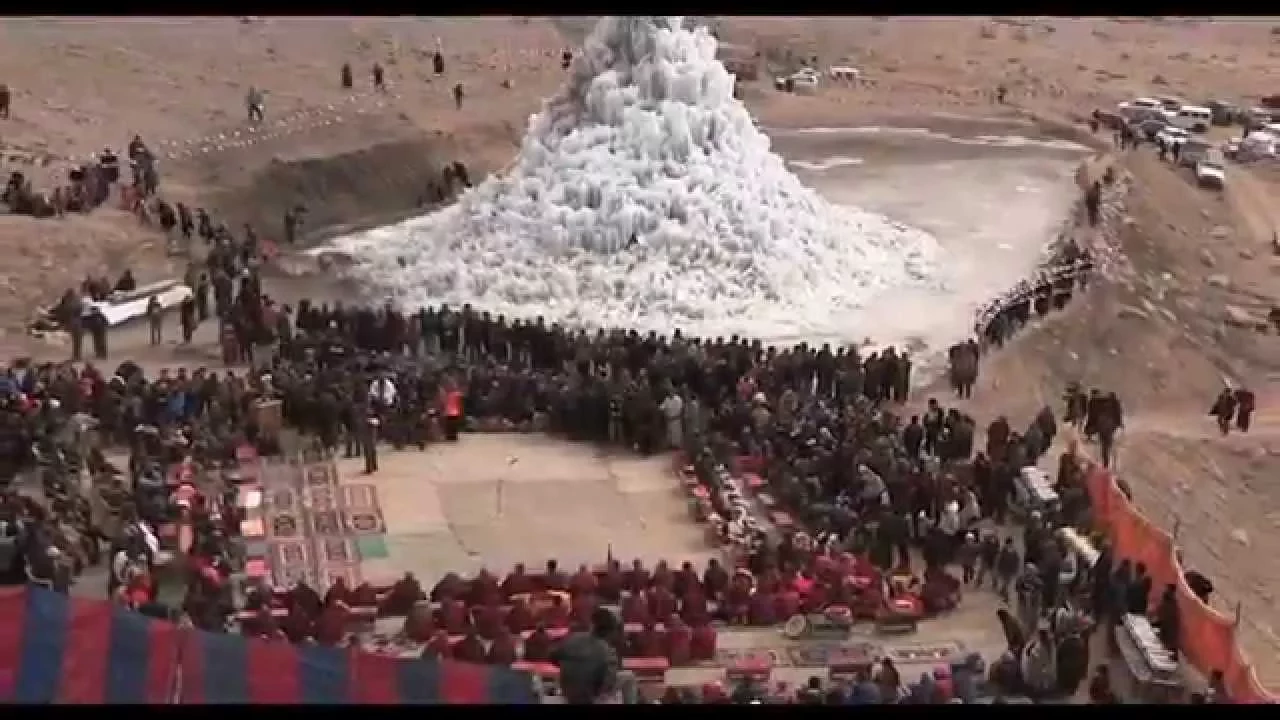
Ice Stupa Artificial Glaciers: Solving Ladakh's Water Crisis
@SonamWangchuk66
3.2M views•2015-05-03
Related Study Plans & Knowledge Roadmaps
Structured learning paths in Environmental Science