









![Rembrandt van Rijn - The Real Rembrandt [COMPLETE DOCU] (Part 2) Reaction!](https://i.ytimg.com/vi/jso5y-_twv0/maxresdefault.jpg)


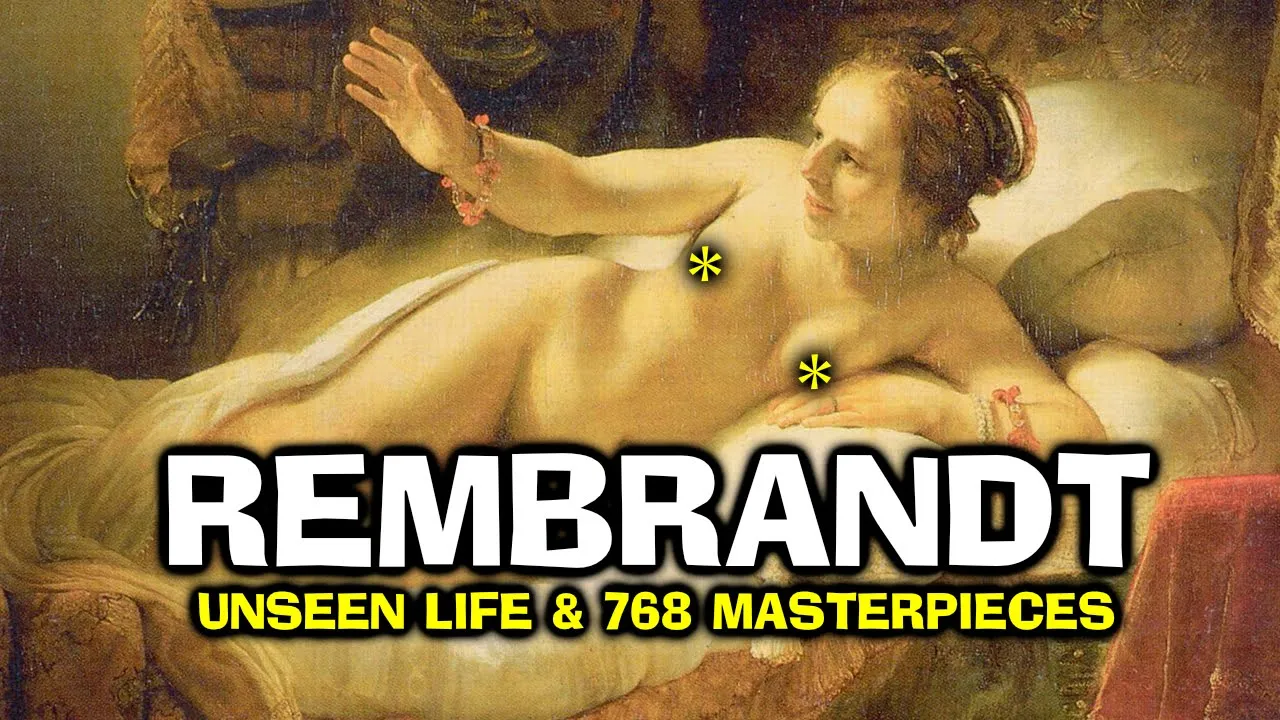
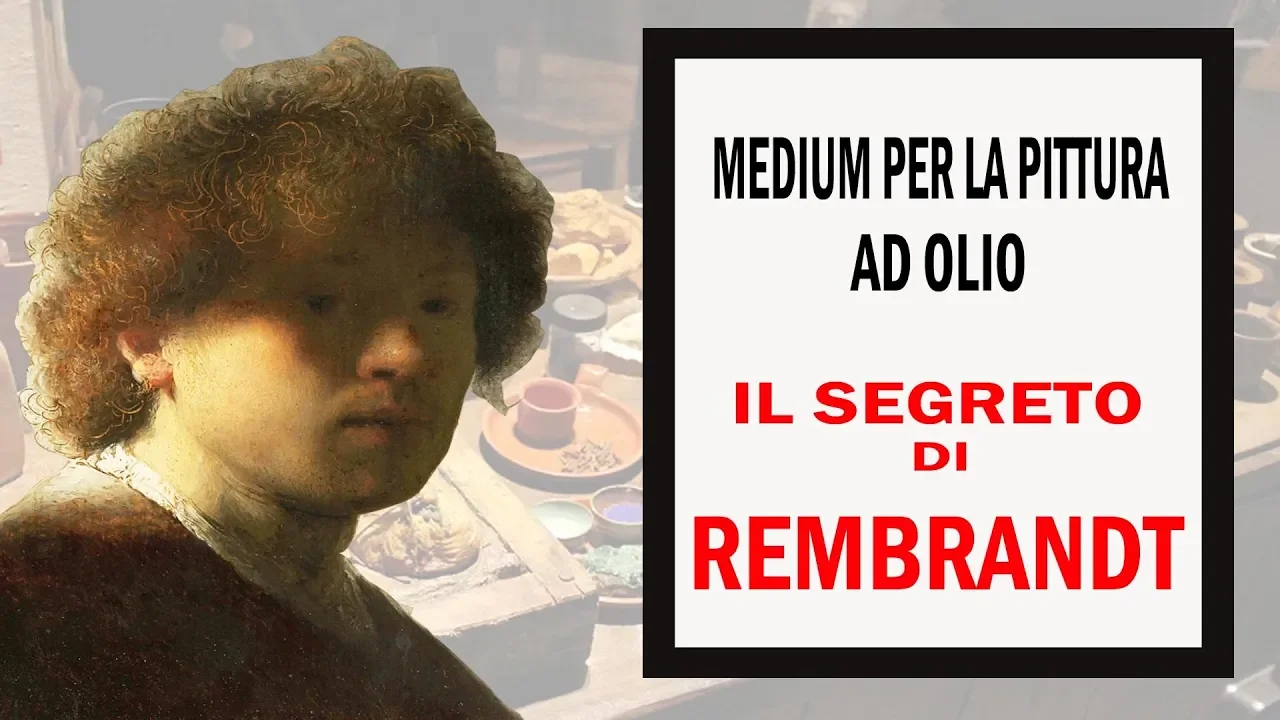



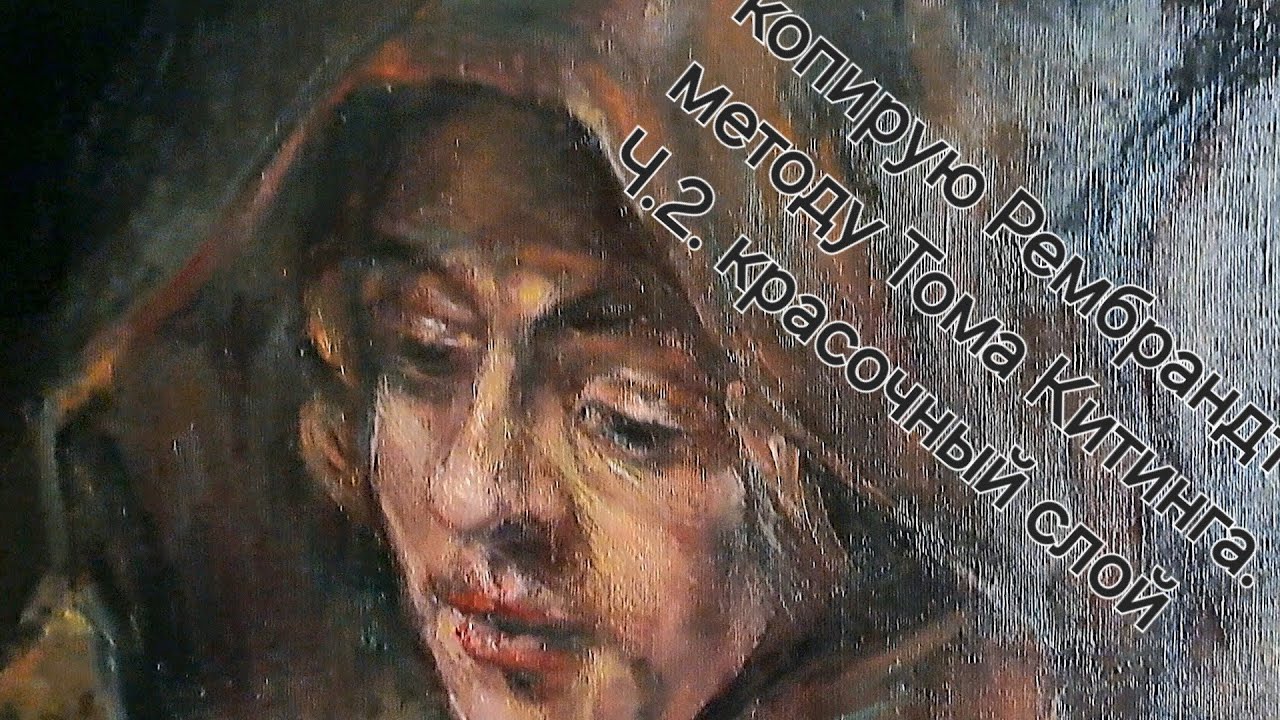

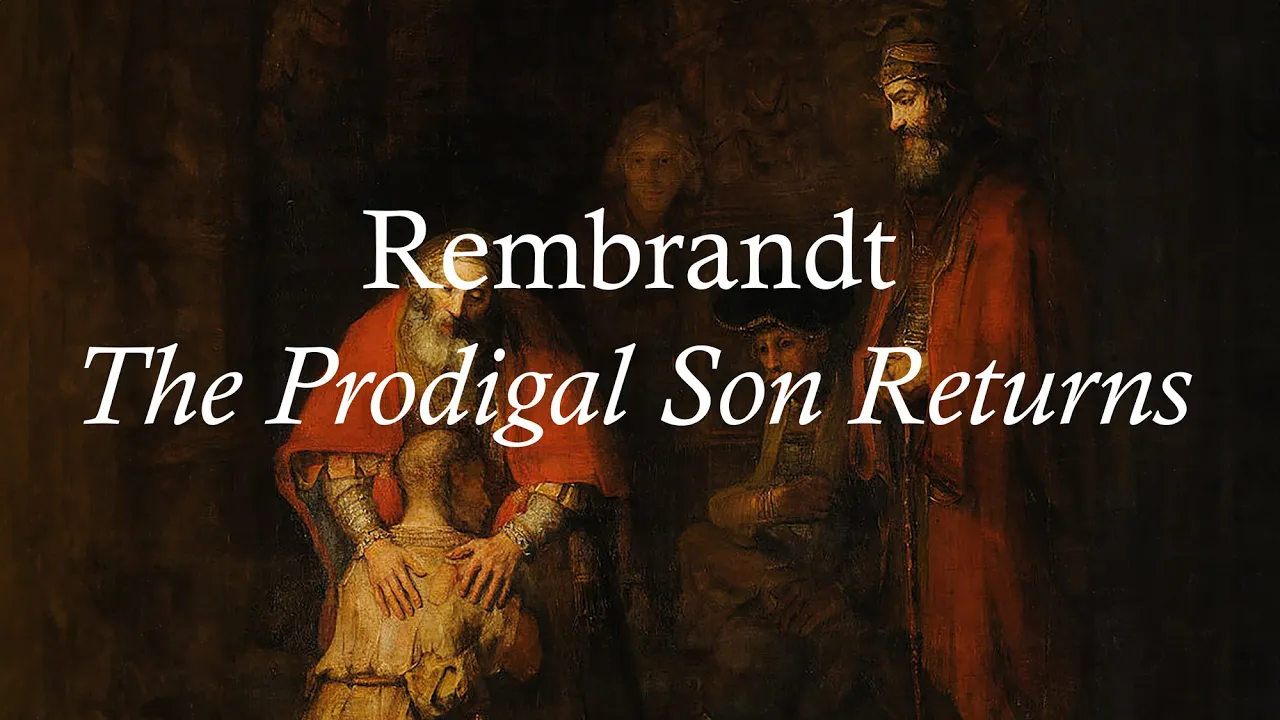
Rembrandt's innovative painting technique involved working from warm to medium to cold to warm colors, using a combination of tempera underpainting, warm red bole priming, and transparent oil glazes to create dramatic chiaroscuro effects; he pioneered directional brush strokes and scuffing techniques that allowed the paint itself to tell a story, building form through multiple layers of impasto and glazes over several weeks of drying time.
Rembrandt Painting Techniques: A Masterclass by Tom Keating
Added:Basic properties of oil painting mediums, including viscosity, drying times, and the fundamental 'fat over lean' rule.
The concept of value, contrast, and light key in painting to understand how artists create three-dimensional form on a flat surface.
A general historical overview of the Dutch Golden Age and Rembrandt van Rijn's role in the 17th-century art market.
Familiarity with basic painting terminology, specifically underpainting, imprimatura, and pigment transparency.
Hands-on execution of a master study applying optical color mixing through advanced glazing and scumbling techniques.
Scientific analysis of Rembrandt's materials, specifically his unique impasto recipes involving lead white, chalk, and egg medium.
Study of modern art authentication methods, such as X-ray radiography, dendrochronology, and infrared reflectography used to identify authentic Rembrandts.
Investigation into the history of art forgery and the life of presenter Tom Keating, focusing on the techniques used to emulate historical masters.
157.9K views1.5Klikes25:27Original Release: 2012-09-29
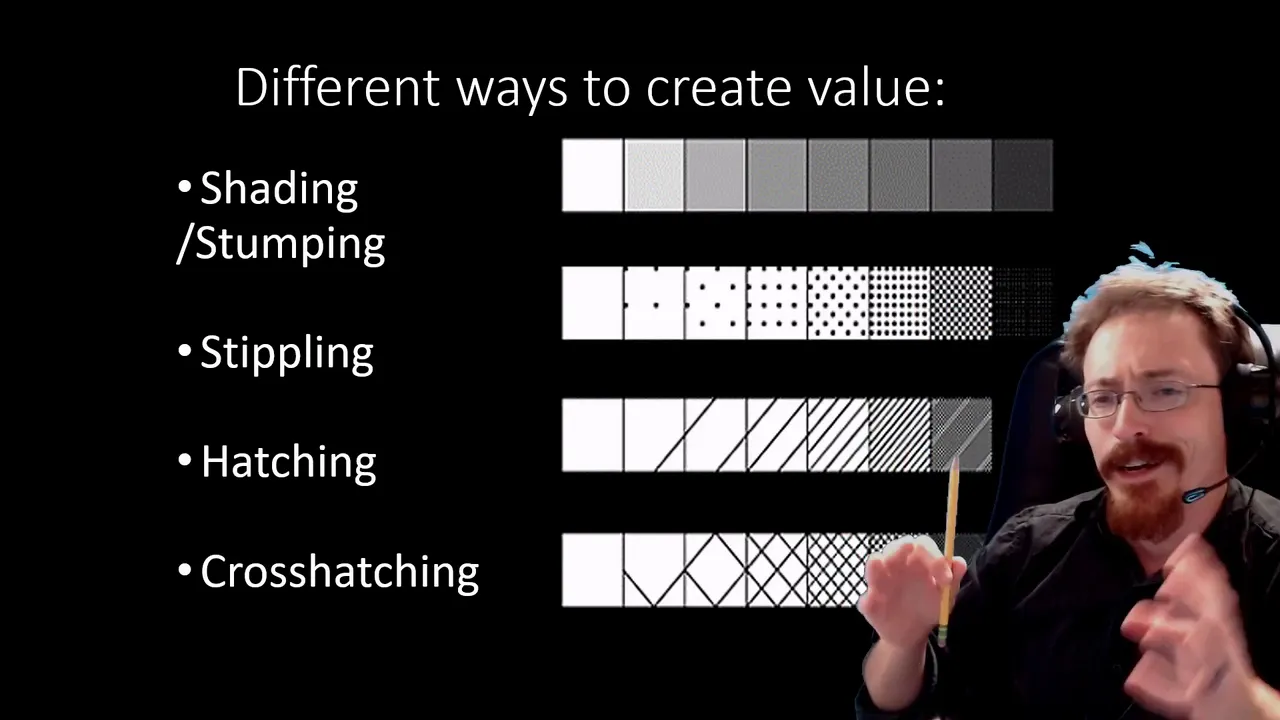
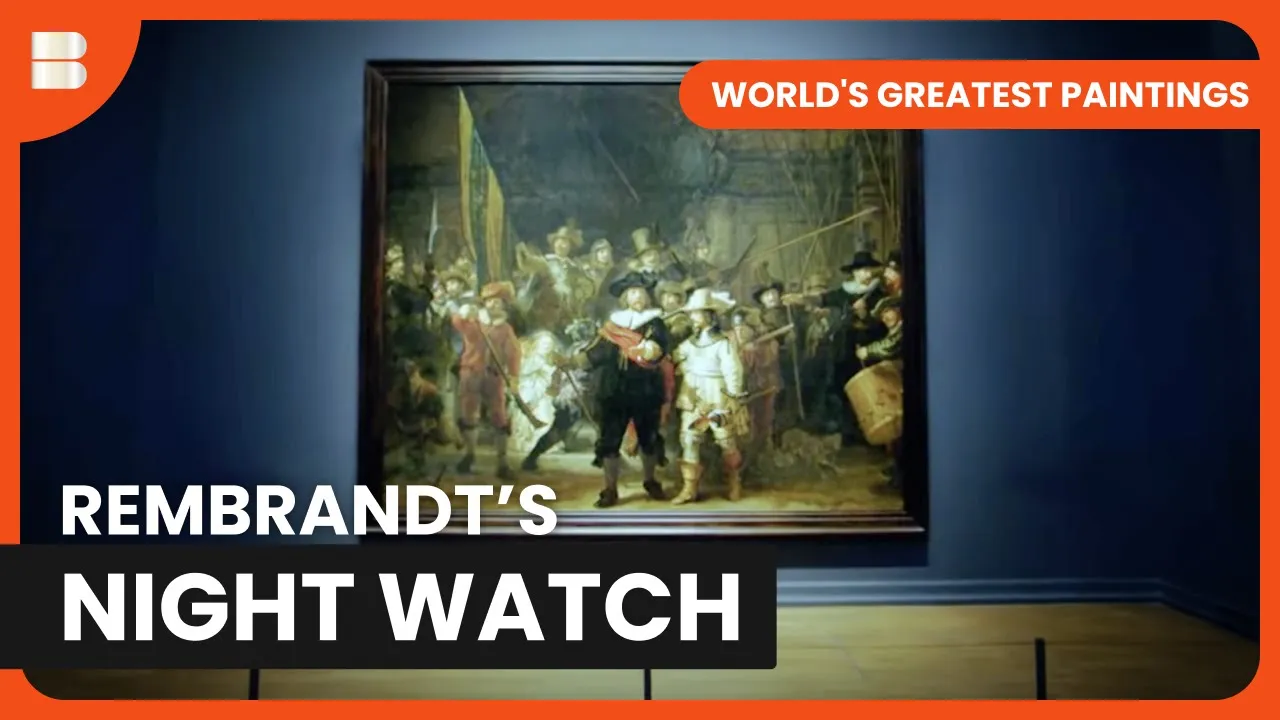
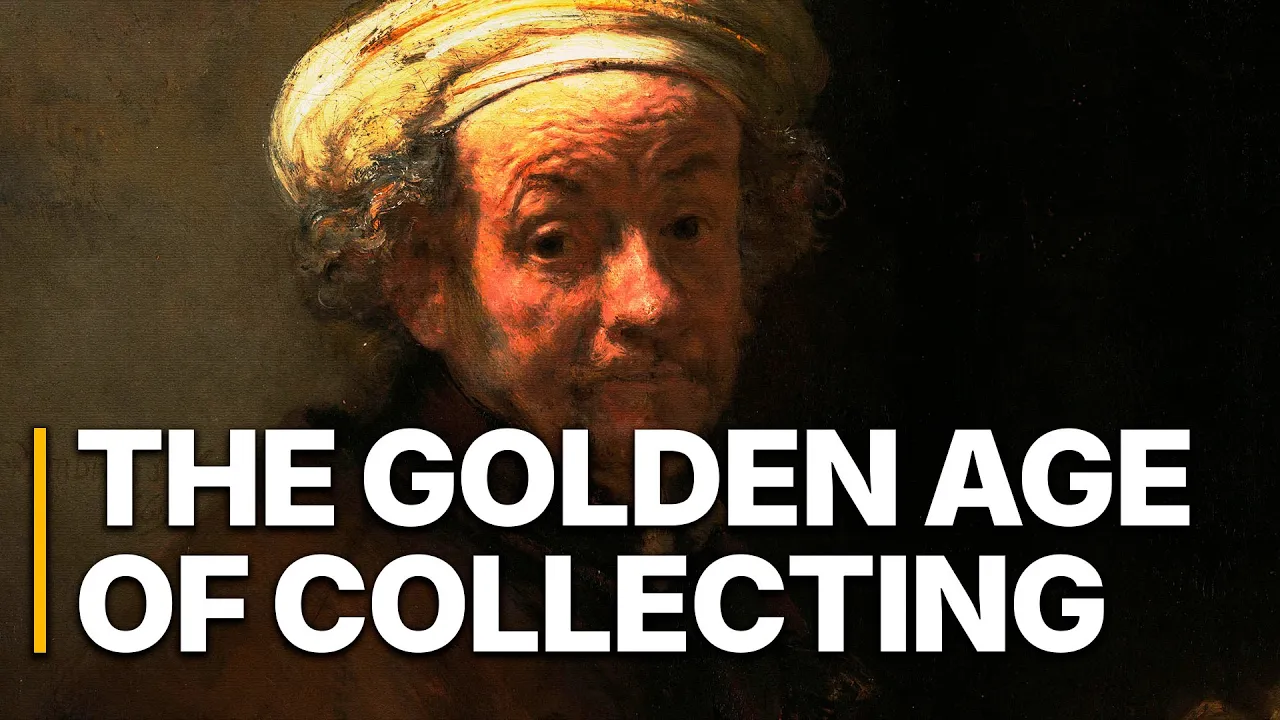
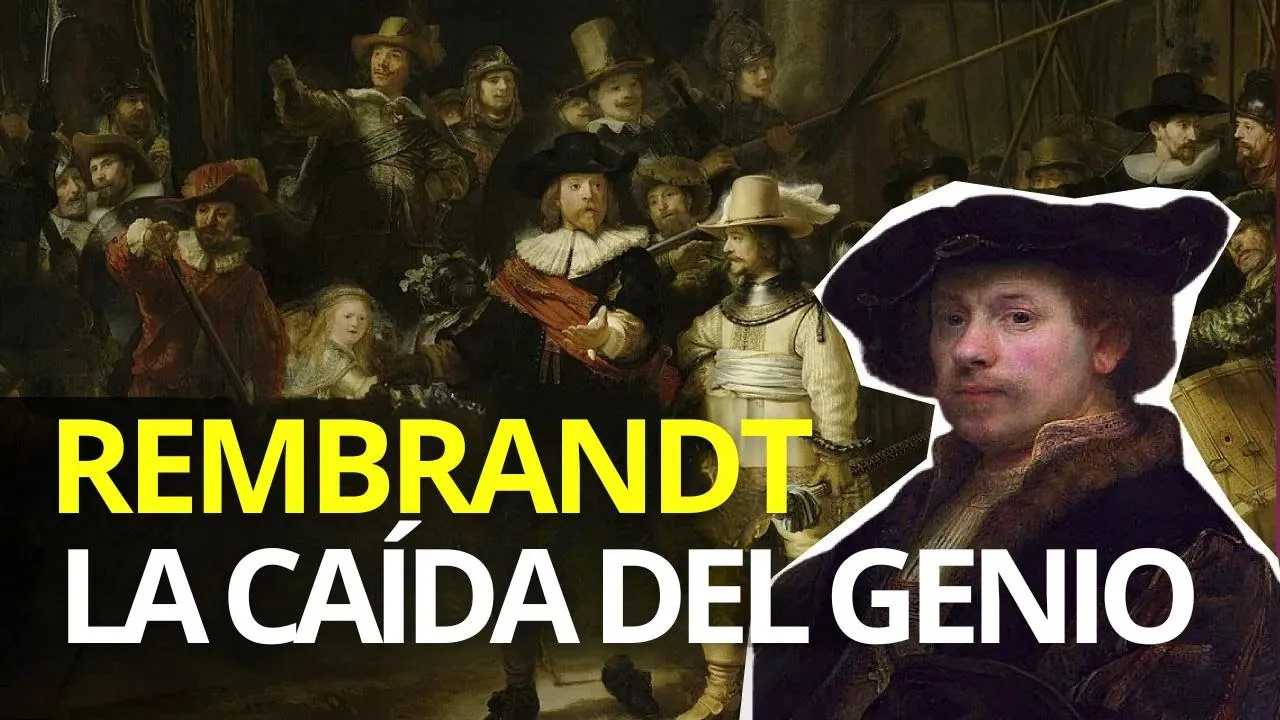
[Music] a I'm wiping out a brown glaze on a gray canvas which is the kind of thing rant would have used for a quick sketch uh all painters stimulate their imagination by various means and this is one of them but this is an easy way in which to produced form and color and scumble and glay all in the one operation REM BR van Ry was born in Leen in 166 died in Amsterdam in 1669 he was the son of a Miller his parents sent him to the Leiden University to study the ancient languages but he showed a preoccupation for the Arts mainly drawing and uh asked to be allowed to leave the university parents very sensibly for us allowed him to go into the studio of a man named Peter lman lman was a religious painter and he taught a beautiful technique of painting to remant who used it throughout his life with his own personal variations he was happily engaged in this when he met Yan Le a young man about his own age about 20 or so and the two boys decided to start a little Studio after remember been with leavens for some time he became very well known for his portrait painting which is much needed then because of the new Vish with the wealth of holl and and he worked on his own and married a lady called sasia anenberg who was a wealthy lady from a wealthy family her Dar enabled him to set up studio and buy a house in Amsterdam which is still there and they lived very very happily when saskia died he was bereft and it doesn't seem to interfere with his own personal painting much he never really stopped his work this was his main love in life and he just painted come man so on and then into his life came another lady and that's a rather sad business she was a bit around the bend and uh ended up in a CT case and all that skip that bit because after this finished he then lived what is euphemistically termed in sin with a rather unattractive and yet very Charming peasant girl who known as hyria stles and she became not only his mistress but his helpmate and so the old boy carried on into a wonderful old age filled with potentiality until he received a commission and he had this commission from the guilt of Amsterdam and it was called uh Captain and his watch it's a day painting we call it the night watch now actually it's a 12:00 noon day painting each paid their own amount of 500 leevers or something for per head and um expect to have their faces shown equally to the bloke next to them instead of this he created what is in my opinion one of the greatest masterpieces the world has known in painting but it wasn't wanted because they hadn't the intelligence and perception to realize they were faced with a genius and so because of this and this is the tragedy of life he soon became hard up and indeed his debts increased because of very generous man and gave much his work in this time changed from the classicist to the Barack and his color and technique of course became extremely personal and he without doubt practically you know he's the most humanistic certainly the greatest painter in my opinion in the world although most people was Place TI there there were two portraits of remant and titus's son and they had a lovely relationship for this purpose of showing his technique I'm combining a portrait of Titus and reant together on one canvas in one of his many techniques this is a medium canvas that has been sized Whited with a gesser and a coat of red bow uh Rembrant used this extensively for his work as the warmth was uh produced from inner and not outer and then he would make this cold and then warm again we always associate Rembrant with the friendly col of white yellow red Brown Etc in point of fact his habit was to work from the warm to the medium to the cold to the warm right up I've made a little indication here in chalk and I finish this off I've decided to paint Rembrant at age of about 51 and his son Titus at the age of about 16 in order to unite the father and son in a friend ly kind of painting um he would indicate with a few marks the uh the composition probably make a few sketches beforehand and uh in the relationship between Father and Son he would probably do himself as Titus obviously saw in 10,000 times drawing so I make him drawing he's using the quill pen little stand I I pinched this uh stand from a Rembrant it's not very original but and his son who had this wonderful relationship between the Father and Son Titus actually did a little painting and drawing himself inevitably being um in his far 's house and studio for so many years uh I've always felt that uh Al that because Rembrant lost his daughters and so on and other children rusters that and he loved his wife very dearly she unfortunately poor lady she she died quite possibly from childb birth or something it's very common in those days so we have broadly speaking a linear composition I've made very quickly then with with his usual penchant for uh light and shade he would use temp on this I won't trouble to fix this and make a very quick sketch I've got temper colors here he would have used a similar half temper half oil paint in order to achieve a quick quick drwing effect now at this time in the history of our Kier skura this is means light and shade Italian word stemed across it stream like a great light across the whole of Europe from Italy from the hands of Michelangelo caraval who was uh a forerunner of the uh Dutch School of this Peri a book and many Dutch painters Hurst of the night I could name many of the painters who were influenced by this incredible preoccupation with the action of light upon the human form now the little boy I put a candle in here it's a bit corny but still they did it a little candle to illuminate and he would strike light up making this like a sun bursting through well now he would make a a kind of quite a bold statement like this I must go back to see what's happened Dreadful but anyway and then balance the force of light and the folds of a dress he would use a mirror for this or perhaps his old friend the man in the golden helmet would creep in and act's model he was a model in fact famous model in many paintings he would probably wear rembrance clothes and the governor would make a few sketches and about that stage he would take up a drawing brush and qualify it I won't spend much time on this because I've prepared a little more finished sketch but then he would outline the Eyes Nose Etc and so forth like this knowing in his mind from his vast knowledge where to put the accents and so forth it is a very very very beautiful technique on a very very badly painted picture but nevertheless the texture of this temper very fast drawing adds up in the tiny touches here and there the thicknesses the impastor into a wonderful rugged groundwork for future painting on top of it what I'm trying to establish excuse me is the mnor about REM br's work he did not ever paint hot initially all these wonderful colors came from the fact that he painted virtually in black and white this is complet completely gray it's gray and primature after this is would be established because he'd work much more slowly than this but building up his form in in thicknesses and thin a well of the Old Masters but in an incredibly cool range of tone it's just to give an idea of the K skur technique of Rembrant and a very good move in paintings of this kind is to technically it's a technical thing it makes the painting last longer is to very gently kiss the every area every part of the picture so that the light and the paint are spread through and it will also serve to take a round a form like this to push the figure away from the wall you get this in ver who's one of the greatest wall painters in the world and of course Rembrant would been aware of all the tricks of the trade incredible Craftsman his work was um in point of fact many fault he painted equestrian portraits and Landscapes and seascapes he worked on every medum what I'm doing now is putting in the substructure for subsequent work once the form is more or less established like this the whole of the painting is varnished and given a code of any color relating to the N of the picture this is a green glaze which gives unity and coolness to the painting it's a different way of making gire instead of mixing three tones this is a quicker way of calming the picture down when I've applied this I will stipple the picture to soften the painting this painting has had time to dry about 12 hours or so so that but I've given this a little coat of varnish so that the paint will adhere to it not in excess and I've laid a very quick temper palette to pick out a few Salient features to help establish color we go to color now this will be very bright and will be glazed after with oils normally Rembrant would glaze these in transparent washes but we haven't time drying time so I'm doing it it's rather more difficult but still we're soon just to establish a few colors the um the process of warming the lights lips Etc the fleshy Parts still applies the cheeks I'm putting a gentle Whisper of this very fast drawing paint it's the fastest drawing paint that is over this and the same applies to the wonderful hand of R I'm not saying the painting's wonderful but certainly his hands were wonderful and what they made for us all to enjoy I won't bother below the ear with it's back breaking I'll end up like quim Muro but it doesn't matter we go on like this introducing a little red here and there I'm going to change the tone now we start the um [Music] candle we're making the yellow is coming from there so I'll kiss on the already established drawing that was made before we play the light on this I told you I think that Caravaggio shed a light across Europe with his rediscovery of the magic of light and of course everyone of course went mad about it and a whole series of painters especially in Holland where we have Long Winter nights there's a candle was obviously and lamp was the obvious illumination then and of course everyone knows that candle light is the most flattering of all lights this is why they have them in restaurants when the food's a bit you know off it became a kind of fashion to such an extent I think yes I'm sure Gerard host was actually named Gerard of the night because realizing the incredible effects one could obtain from physically having models with light that uh he became obsessed practically and painted little else but night scenes of because we know that Gainesboro had 100 candles in a chandelier to paint the ladies because it cast a beautiful light upon the faces which are often pop mark from disease inly I'm now going to glaze the background and the odd bits in here with a warm glaze to give it a bit of unity and richness I'm using a relatively thick glazing medium this is to give the whole thing a kind of Vis edging of course the 18 century painters use the oval a lot here and there in Dutch painting you you'll find ovals also the reason for this is paradoxically we look out of ovals and not squares our eyes are oval shaped should be anyway I'm doing this rather crude stippling in order to create the form of faces blending the paint now we're seeing how the gray on painting grins through and the red I put on previously is showing through strongly still now tishan who was the Forerunner of course of rbrand tishan said even 40 glazes are not enough in order to achieve certain effects it is necessary to give glaze after glaze after glaze Rembrant was one of the first artists to create what is called directional brush Strokes he would drag it's called scuffing he would drag this color over the glazes creating the textures for which he so famous by putting a little thick on imp pastor and brushing it out into the form of the whatever allowing the paint itself to tell a story now the liveliness if he worked very quickly obviously the brush Strokes would show if he made a movement like this and left it it will create a kind of imp pesto for all time now I drew very relatively carefully a necklace around the neck of Titus and I'll just catch the the lights of that with the brush and you will see how it catches the surface and I can't see it from where I am but but I know from experience that back there it will register as an impastor for which Rembrant love now he painted jewelry and so on and armor in order to express not just physical wealth but for the the love of the texture of these materials he had a great collection of armor and precious clothes that he copied from the textural point of view I'd like to point something out as I work that um the Old Masters of this period had uh erroneous um reputation as it were for having a Golden Glow to their work you know the Golden Glow of the Old Masters the Golden Glow in fact is the action of the resin that they applied to their work plus discolored varish over the years as it goes especially copal especially more especially Amber varnishes they go a beautiful golden yellow and then to a golden brown me are a golden black actually so in the end you can't see the painting for the varnish as it well but the point is that uh most of these paintings early on had even the nocturnal paintings uh had a quite a bright color range especially Ruben and indeed Rembrant but they had quite a a bright color range all this would have disappeared over the years with h the col discolored barish it's a [Music] misn I'm just warming little areas again we've reestablishing the lights that come and go redraw all this should have a succession of varnishes as many as 12 15 fair is on the job and then a very gentle semis scumble in this dark area to give it a bit of life it's a bit heavy at the moment it's not easy to to do these techniques when at the inappropriate time one of the great secrets of academic painting is the drying the various drying times of each material you use that's more or less the tonal quality you get on about the second or third state this would have to be thoroughly dried in several several weeks and um and have one thick coat of intermediate varnish and then be um glazed scumbled glazed scumbled until the ultimate I mean you could go on for several eight seven or eight stages from here on this war is broadly speaking about all I can do at this moment actually [Music] than [Music] for
Up Next

63:08
Abraham Bloemaert’s Deluge and the Dutch Golden Age
@yaleartgallery
32.5K views•2015-01-28

114:18
Christian Iconography: History, Theology, and Meaning | Fr. Panayiotis Papageorgiou
@Trisagionfilms
58.8K views•2020-02-21
7:48
Ukiyo-e Art: History, Woodblock Printing & Influence
@japanathand
6.3K views•2023-06-08

16:34
Earliest Depictions of Jesus in Art: 10 Ancient Images Explained
@UsefulCharts
5.9M views•2022-06-03
Related Study Plans & Knowledge Roadmaps
Structured learning paths in Art History
art-history
Gothic Cathedrals: Engineering, Light & Society
01The Birth of the Gothic: Romanesque to Suger's Vision
02The Structural Triad: Pointed Arches, Ribbed Vaults, and Flying Buttresses
03Theology of Light: Lux Nova and Sacred Geometry
+ 2 more learning modules
14h5 modules
Explore Roadmap
art-history
Pre-Raphaelites: Realism, Symbolism & Critique
01The Victorian Art Establishment and Academic Formula
02The Founding of the PRB and Radical Realism
03Medieval Revivalism and Literary Symbolism
+ 1 more learning modules
8h4 modules
Explore Roadmap
art-history
Street Art: From Subways to Art Market
01Subcultural Origins in Philadelphia and New York (1970s)
02The Subway Era and Style Wars (Late 1970s - 1980s)
03The East Village Scene and Early Gallery Crossover
+ 2 more learning modules
10h5 modules
Explore Roadmap
art-history
Classic Maya Art: Iconography, Glyphs & Ritual
01Foundations of Classic Maya Visual Culture
02Deciphering Maya Hieroglyphs & Text-Image Integration
03Sacred Geography and Cosmological Architecture
+ 2 more learning modules
14h5 modules
Explore Roadmap